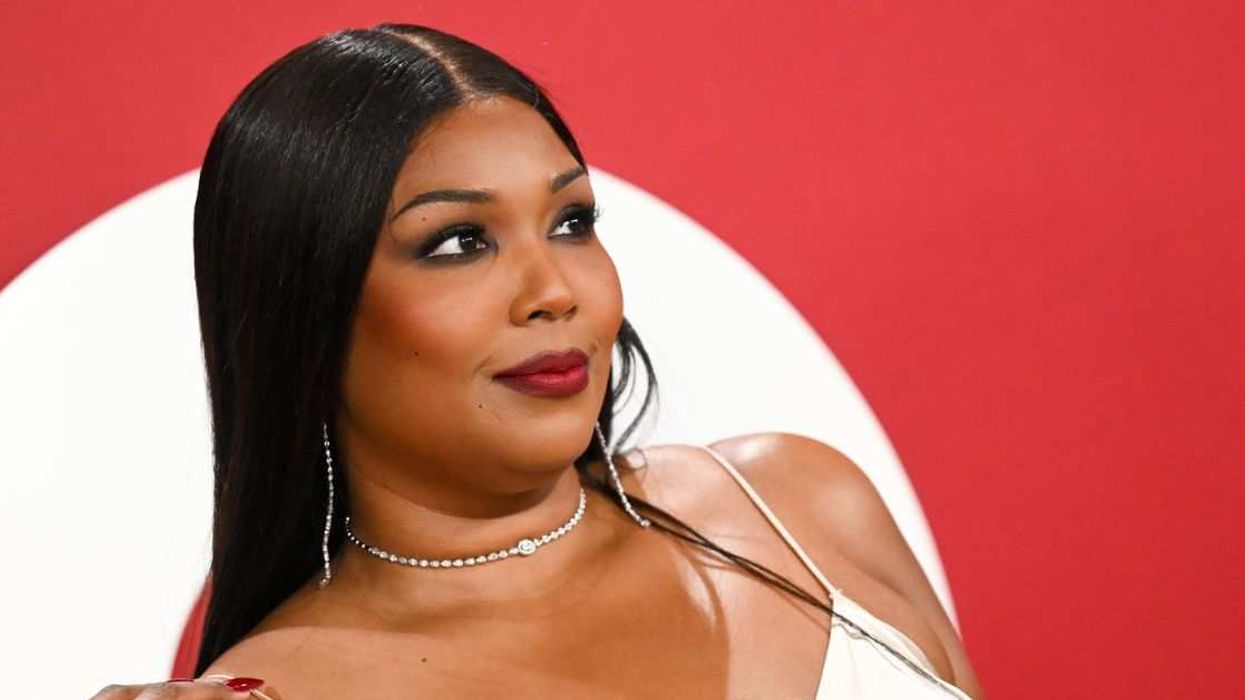

Lizzo arrived at this year’s GQ Men of the Year party with her signature beauty, grace, and a clear message: protect all trans people. The event, hosted on November 23, honored figures including Oscar Isaac, SZA, Stephen Colbert, Clipse, Seth Rogen, Pusha T, and Pierce Brosnan. Still, it was Lizzo’s red carpet moment that quickly became one of the night’s most talked-about highlights.
While walking the carpet, the Grammy-winning artist was asked by Them if she had “a word for the dolls,” a phrase often used lovingly within queer culture.
Without hesitation, she delivered a snap-worthy reply:
“Protect them!”
The moment, captured in a widely shared Instagram video, shows Lizzo pausing briefly before adding more context. When the interviewer asked whether she had any encouragement for trans viewers specifically, she offered a message rooted in self-love, resilience, and authenticity, all themes that run through her music as clearly as the brass in "Cuz I Love You."
She continued:
“The best thing you can be in this world is yourself. No matter what you have to do, or who the f*ck you have to ignore, or what boundary you have to break through to be yourself, do it. It’s worth it, baby, on the other side.”
The whole exchange was captured in an Instagram video:
Her message at the GQ event echoed her longstanding advocacy for marginalized communities.
Lizzo has consistently used her platform to uplift LGBTQ audiences, inviting drag performers on tour, dedicating performances and speeches to queer fans, publicly criticizing legislation that targets queer expression, and offering resources to trans communities. At WeHo Pride this year, she paid tribute to Black trans women, a group disproportionately targeted by violence.
According to The Advocate, Black transgender women continue to face elevated homicide rates, with clusters of cases in Louisiana, Texas, Florida, and Maryland.
On stage, wearing her Yitty-branded apparel, she addressed them directly:
“This is dedicated to you, and more importantly, the Black trans women who, without their fight, we would not be able to celebrate today… Hopefully one day, beyond this motherf*cking rainbow, b*tch, we will see a place where we no longer have to fight to exist. This is for you.”
She followed the dedication with a rendition of “Somewhere Over the Rainbow,” played on her signature flute—a gesture that felt both hopeful and grounding, reminiscent of the emotional arc of her song “Good as Hell.”
You can view her remarks and performance below:
Her comments fit into a much larger conversation about trans rights and visibility. Earlier this year, Pedro Pascal drew attention when he was photographed wearing a Conner Ives shirt that read "Protect the Dolls," a show of support for Trans Lifeline after a U.K. court ruling restricted the legal definition of womanhood.
Pascal, whose sibling Lux Pascal is a transgender actor and activist, explained his stance:
“Listen, I want to protect the people I love. But it goes beyond that, bullies make me f*cking sick.”
Lizzo’s comments arrive as record-breaking anti-trans legislation sweeps the U.S., making positive, public support on red carpets increasingly rare.
The Lizzo clip quickly sparked a wave of reactions on Instagram, where fans thanked her for speaking up when so few celebrities do:
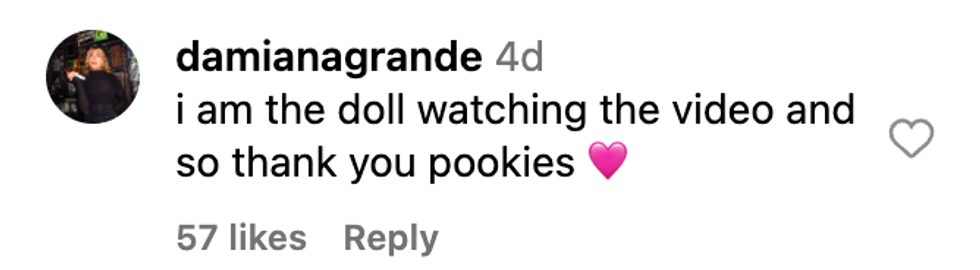 @damianagrande/Instagram
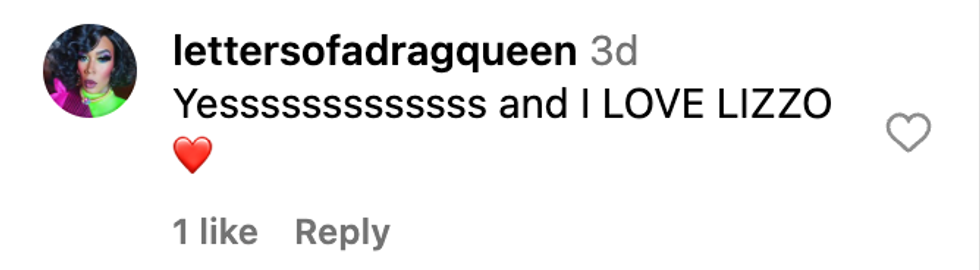 @lettersofadragqueen/Instagram
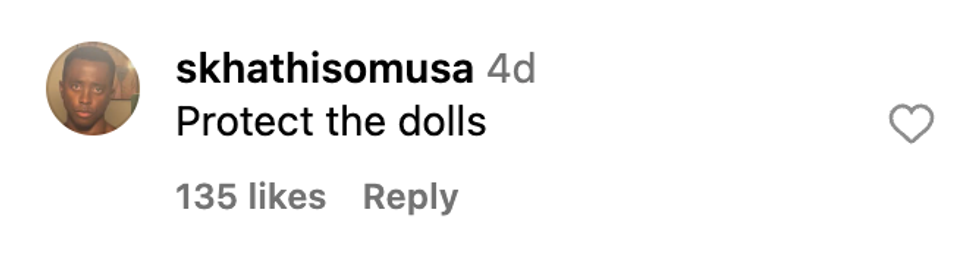 @skhathisomusa/Instagram
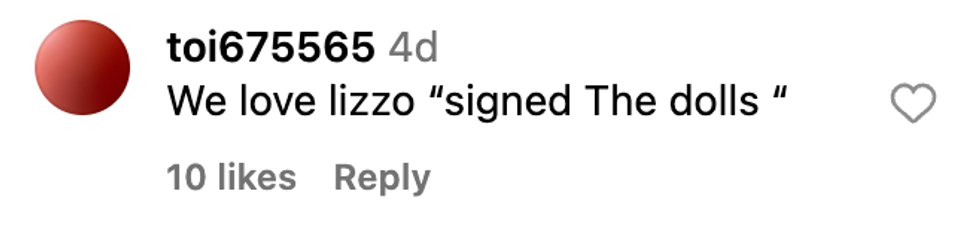 @toi675565/Instagram
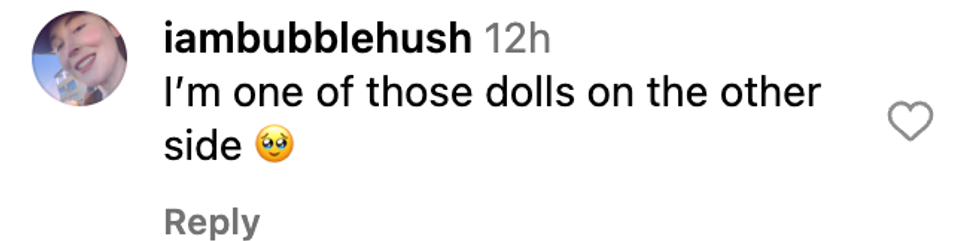 @iambubblehush/Instagram
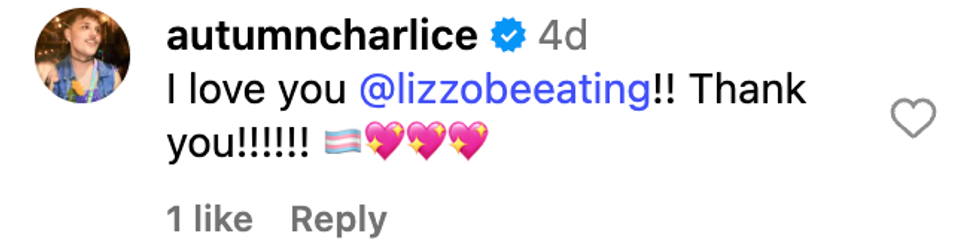 @autumncharlice/Instagram
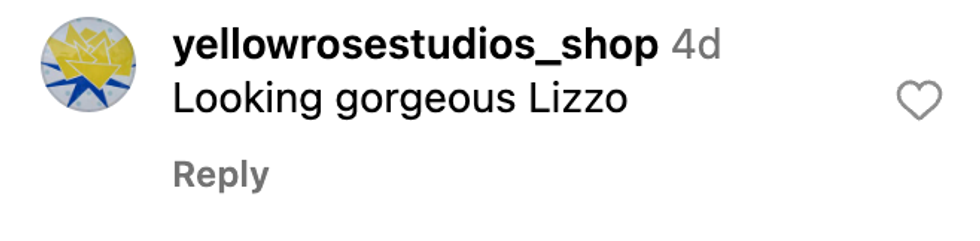 @yellowrosestudios_shop/Instagram
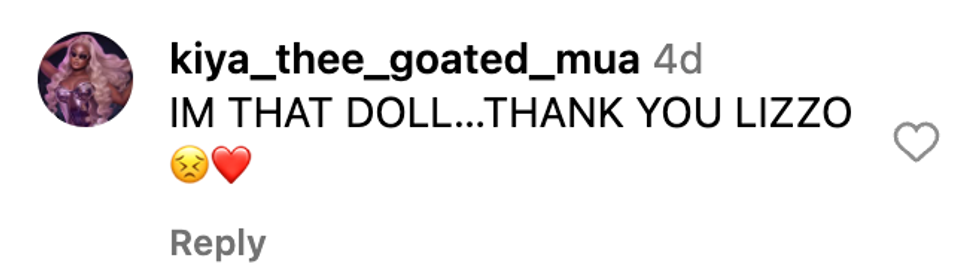 @kiya_thee_goated_mua/Instagram
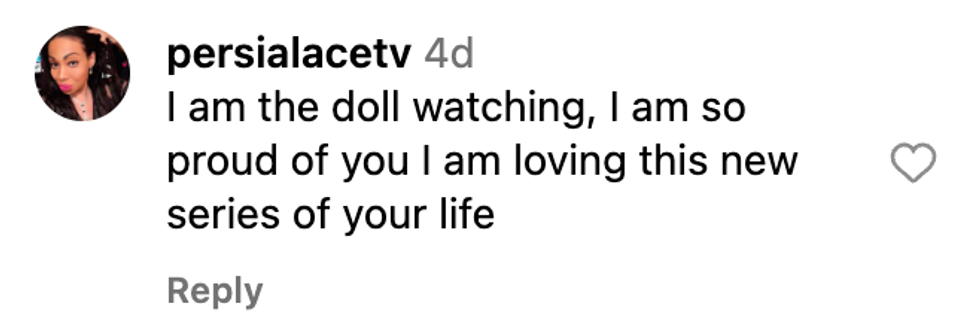 @persialacetv/Instagram
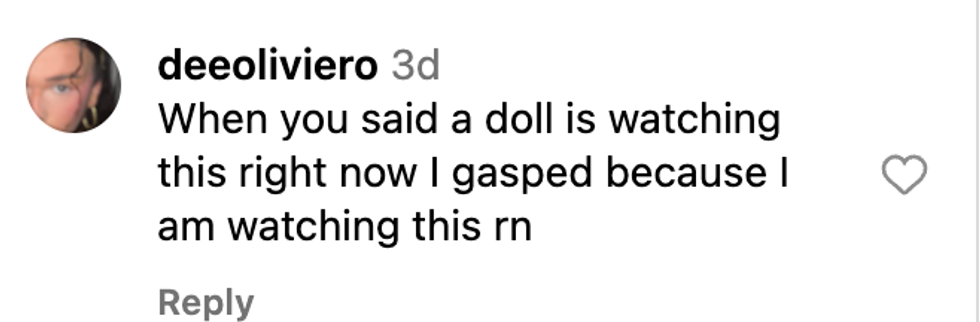 @deeoliviero/Instagram
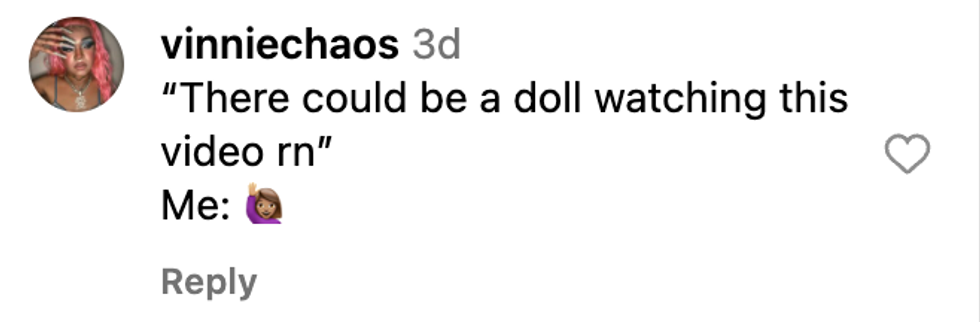 @vinniechaos/Instagram
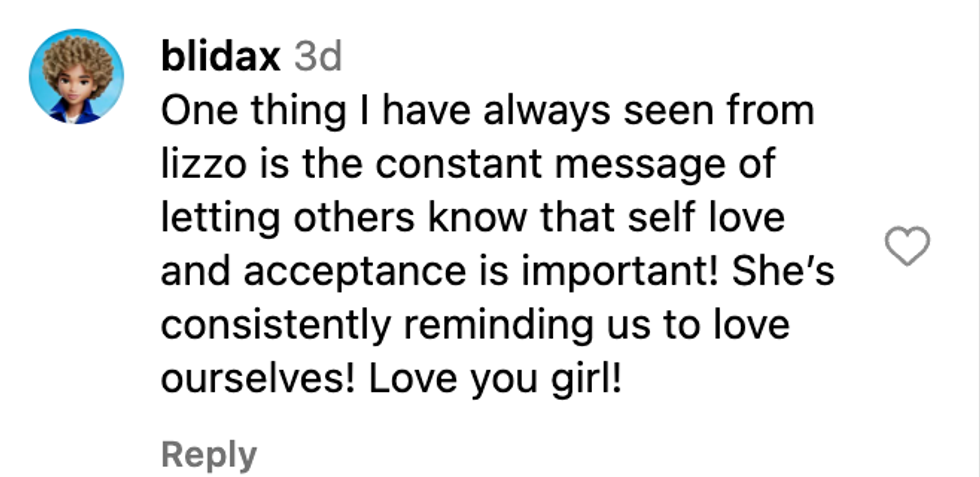 @blidax/Instagram
As Lizzo continues to show up for the trans community, she’s also been speaking openly about her own physical and mental health. In a recent Substack essay, the Grammy winner reflected on the growing fixation with rapid weight loss—especially the so-called “Ozempic boom”—and the way it’s changing who gets to be visible in fashion and entertainment.
She noted that the shift isn’t just about appearance; it’s altering who gets hired, who gets seen, and how larger bodies, particularly Black ones, are valued in the culture.
She revealed that she “would tend to binge when sad and depressed,” but she “didn’t feel like doing that” after the reputational fallout from workplace allegations and intense public scrutiny.
Posted on November 23, she described noticing an unsettling pattern in the industry:
“So here we are halfway through the decade, where extended sizes are being magically erased from websites. Plus-size models are no longer getting booked… all of our big girls are not-so-big anymore…”
Lizzo’s concerns highlight changes happening throughout Hollywood. Over the past year, stars like Mindy Kaling, Jameela Jamil, Kelly Clarkson, Meghan Trainor, Ariana Grande, Serena Williams, and Sharon Osbourne have all talked about (or been talked about for) noticeable weight changes, with some mentioning the growing pressure from drugs like Ozempic.
Their stories have fueled the ongoing debate about how quickly beauty standards are shifting and are now under even closer scrutiny.
Lizzo ultimately framed her own physical changes as an emotional reset rather than a reinvention:
“I don’t even think it’s possible for me to be considered actually ‘thin’. I will always have the stretch and the skin of a woman who carries great weight. And I’m proud of that… We have a lot of work to do, to undo the effects of the Ozempic boom.”
She wrote that her focus now is to keep these conversations alive, bring some real nuance back into how we talk about body image, and hold both herself and others in the industry to a higher standard. Her red-carpet moment and her essay about shrinking plus-size visibility come from the same place: a desire to speak up when she sees people being pushed aside.
And much like the pulse running through her music, her message to the trans community stays the same: show up as yourself, without fear or apology, and look out for the people fighting to do the same.
 @georgiamaythornley/TikTok
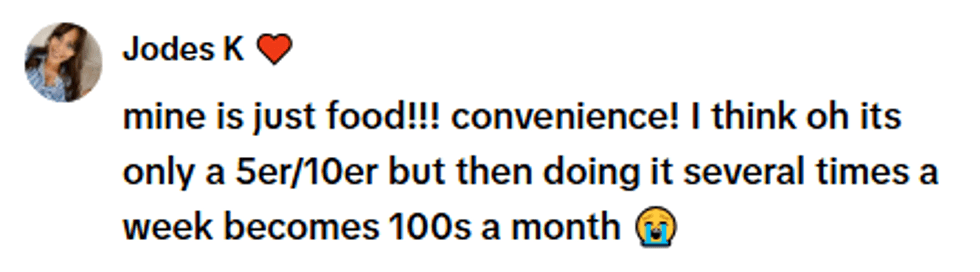 @georgiamaythornley/TikTok
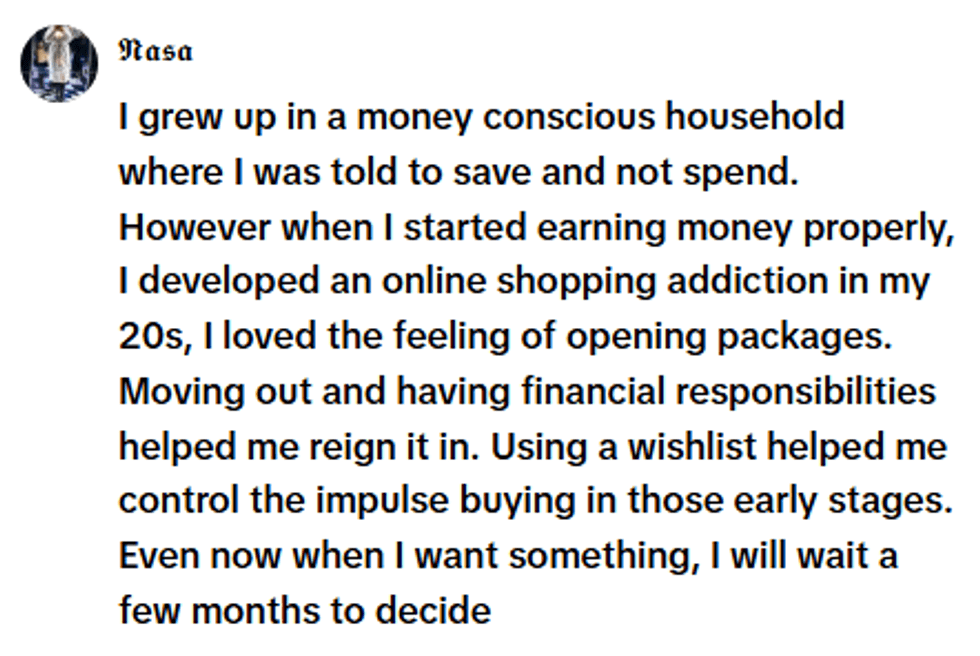 @georgiamaythornley/TikTok
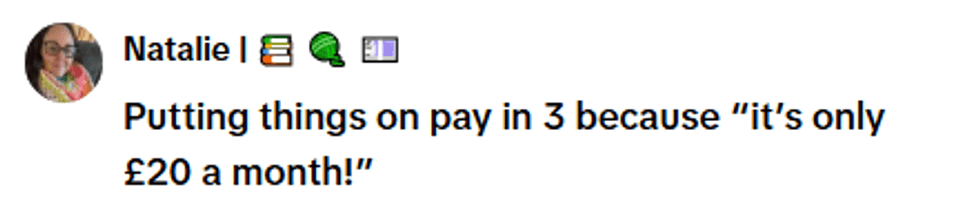 @georgiamaythornley/TikTok
 @georgiamaythornley/TikTok
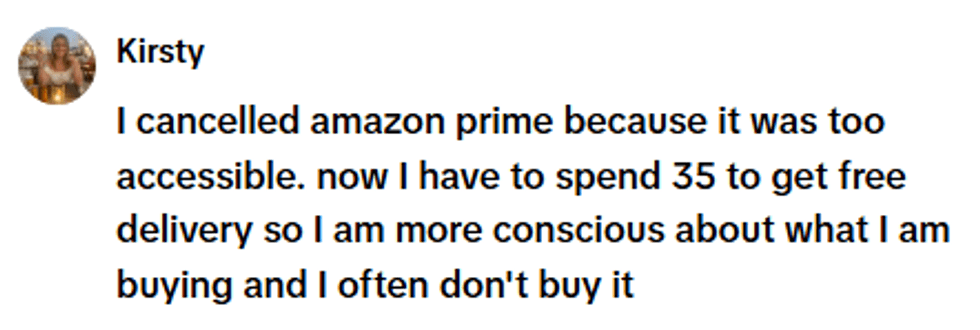 @georgiamaythornley/TikTok
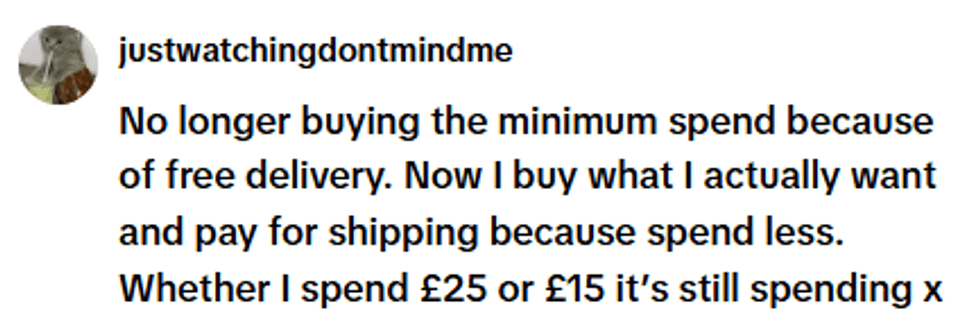 @georgiamaythornley/TikTok
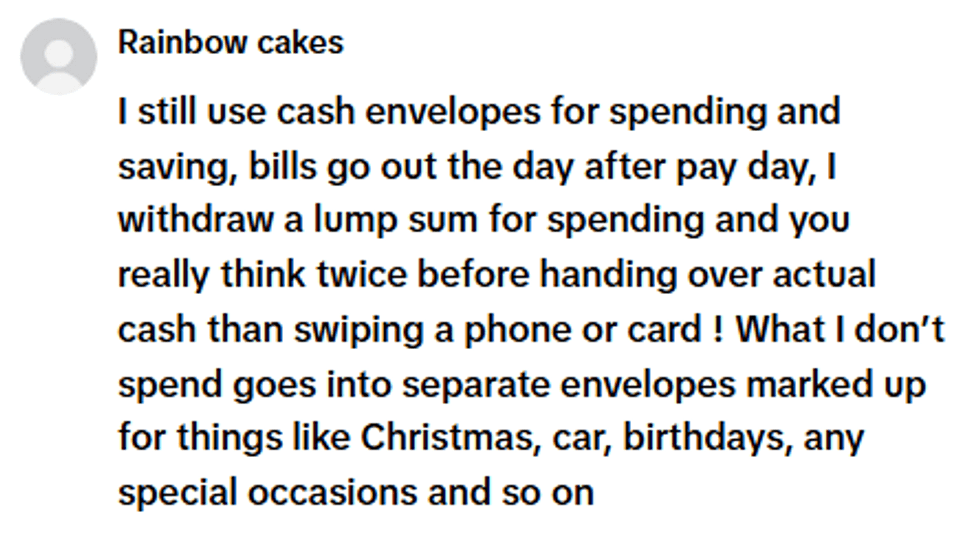 @georgiamaythornley/TikTok
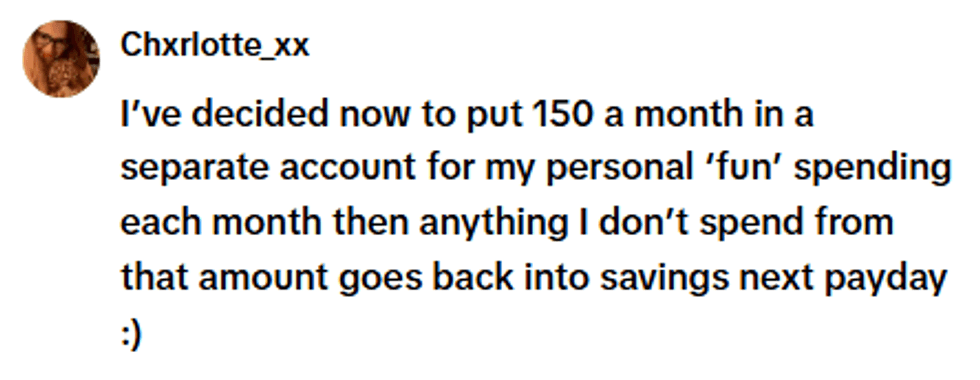 @georgiamaythornley/TikTok
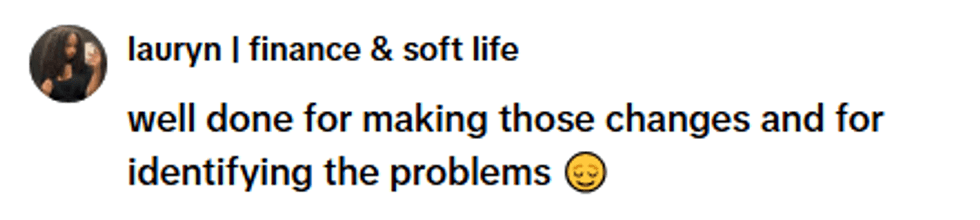 @georgiamaythornley/TikTok
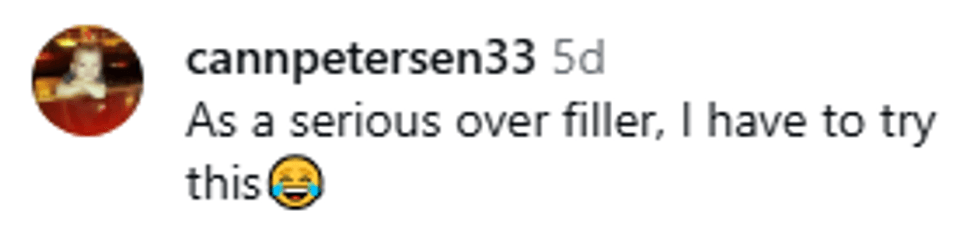 @bsquaredtravels_/Instagram
 @bsquaredtravels_/Instagram
 @bsquaredtravels_/Instagram
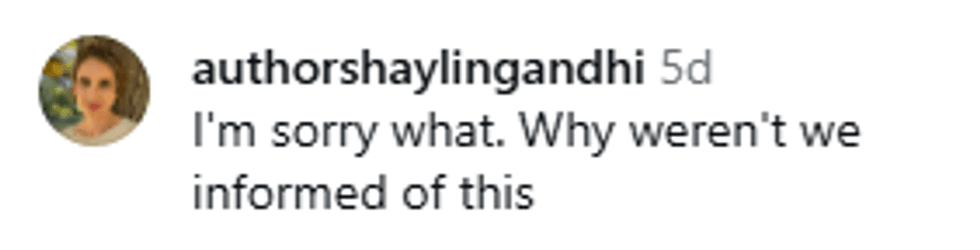 @bsquaredtravels_/Instagram
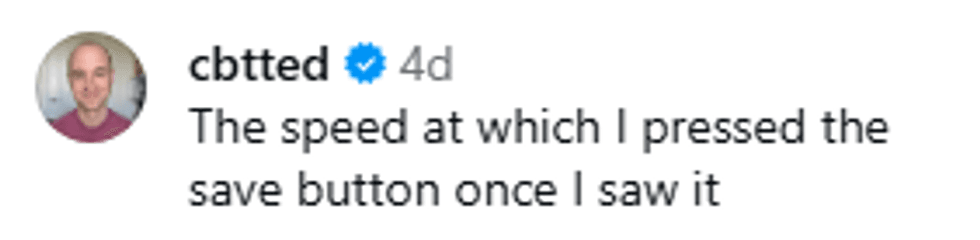 @bsquaredtravels_/Instagram
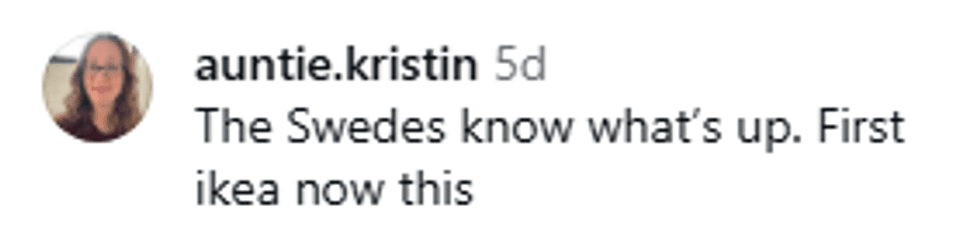 @bsquaredtravels_/Instagram
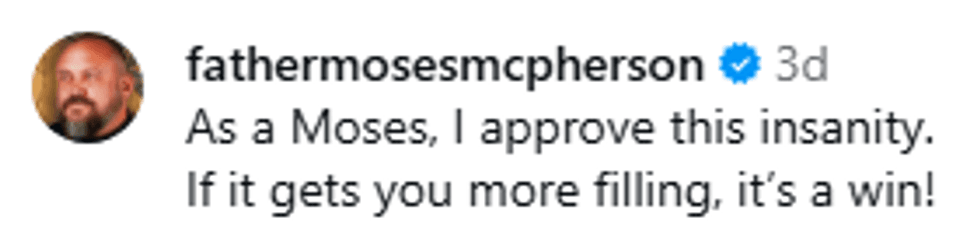 @bsquaredtravels_/Instagram
 @bsquaredtravels_/Instagram
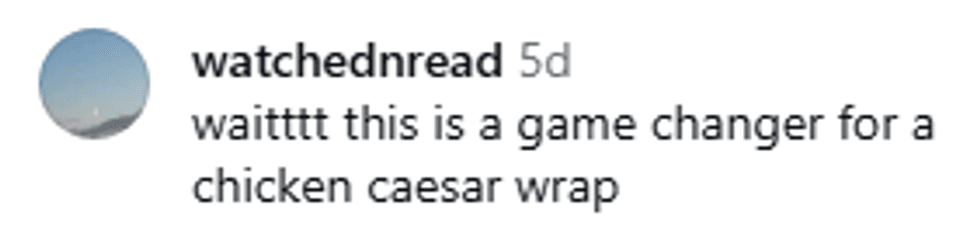 @bsquaredtravels_/Instagram
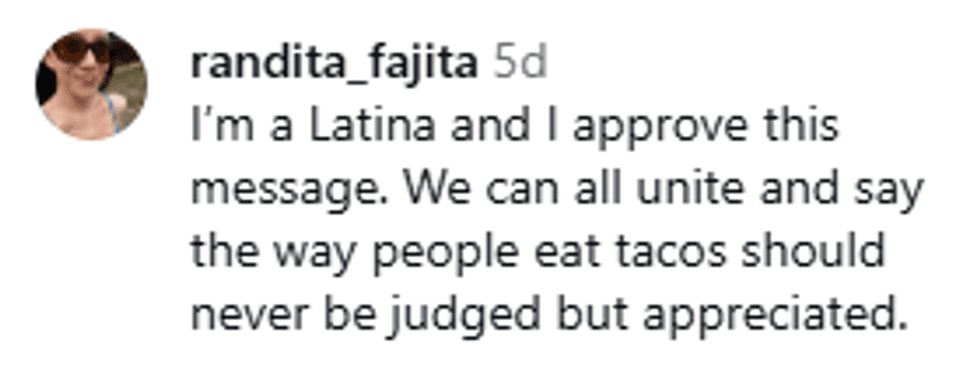 @bsquaredtravels_/Instagram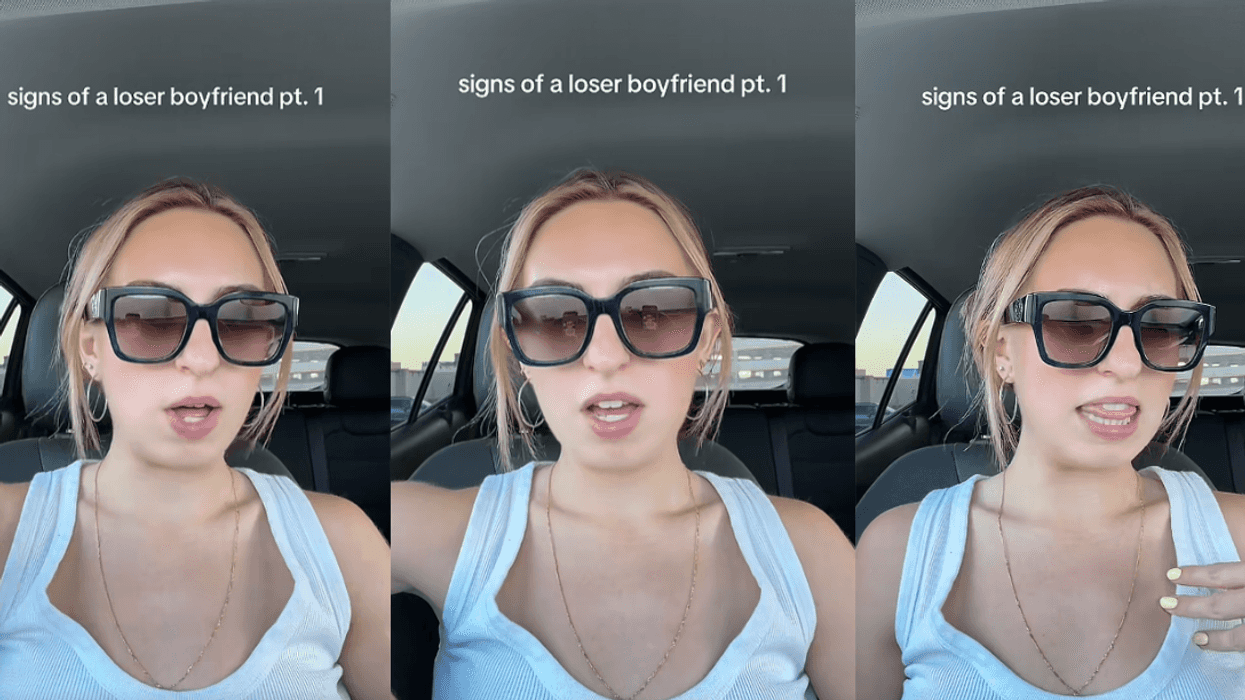
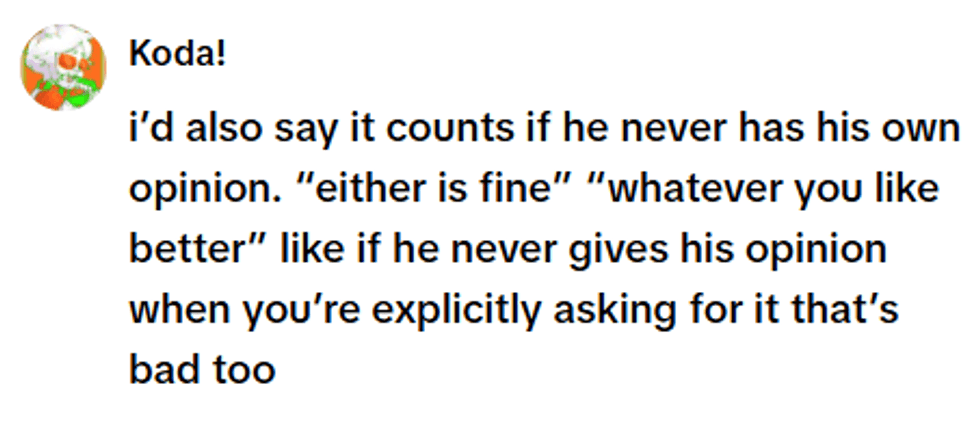 @maddie_bado/TikTok
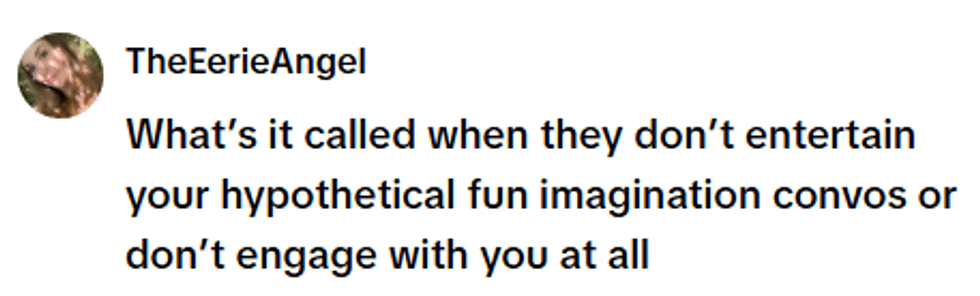 @maddie_bado/TikTok
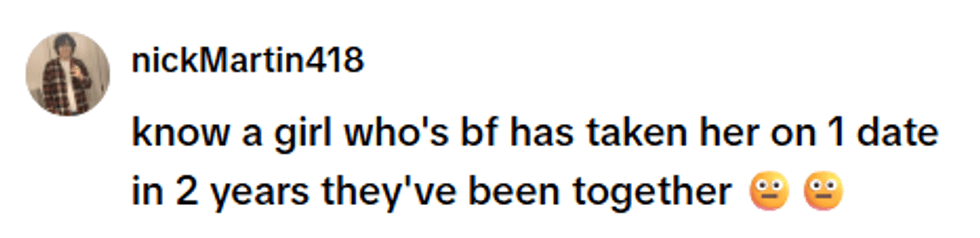 @maddie_bado/TikTok
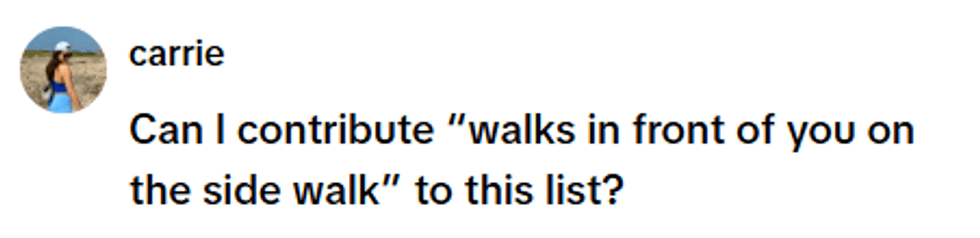 @maddie_bado/TikTok
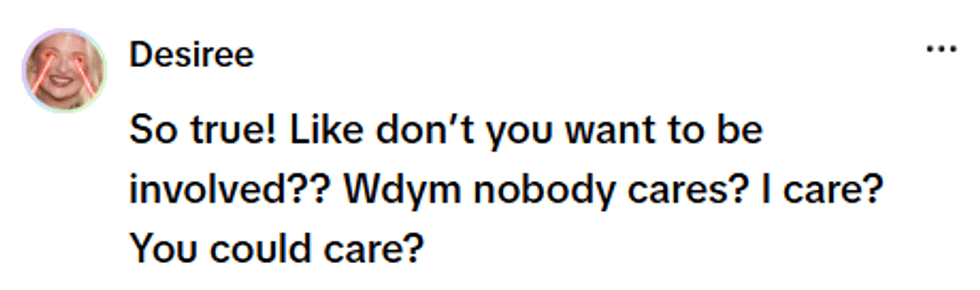 @maddie_bado/TikTok
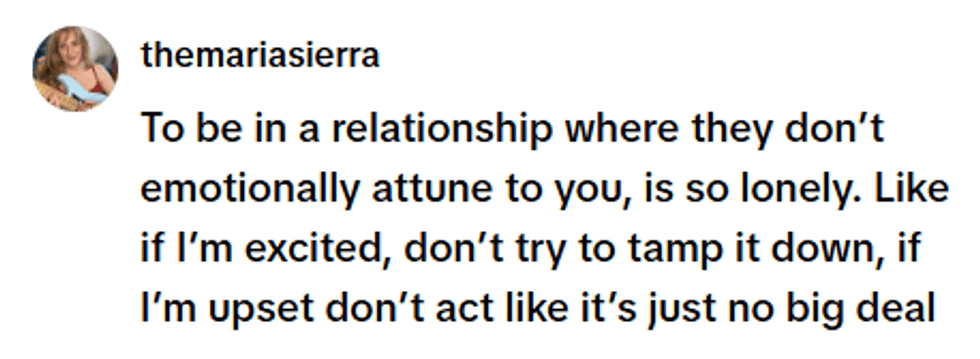 @maddie_bado/TikTok
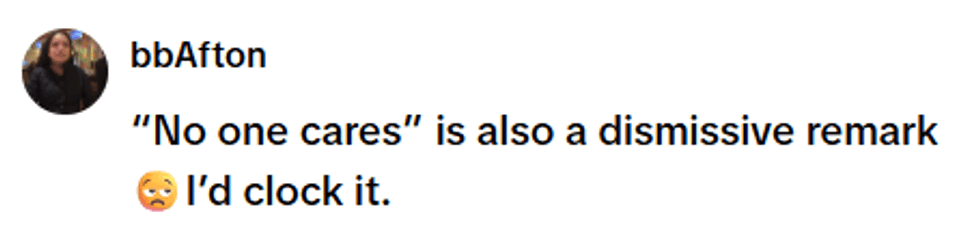 @maddie_bado/TikTok
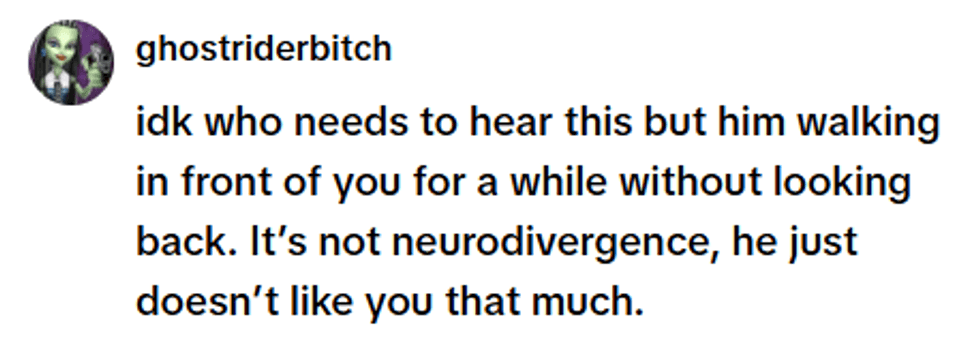 @maddie_bado/TikTok
 @maddie_bado/TikTok
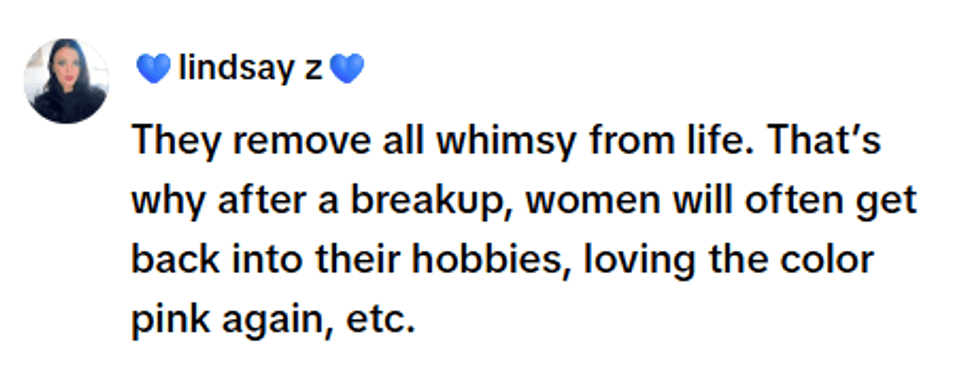 @maddie_bado/TikTok