
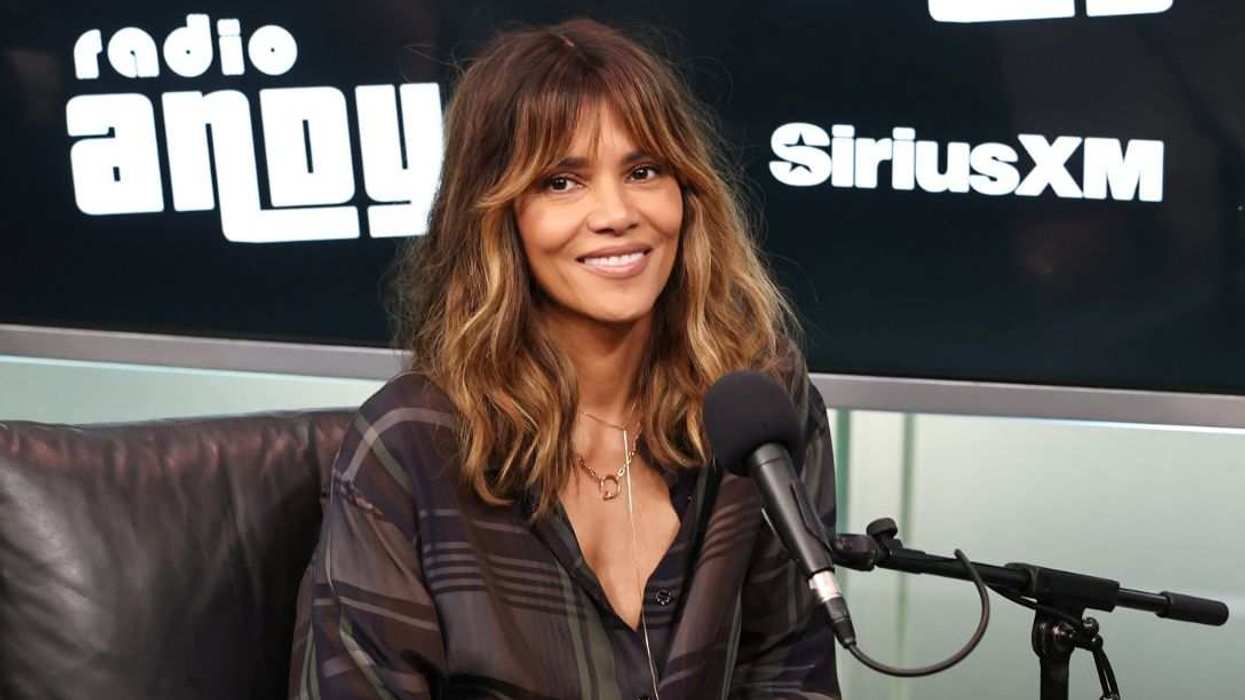

Halle Berry has cemented herself as a Hollywood icon, from her breakout role as Angela Lewis in Boomerang to her historic Academy Award win for Monster’s Ball to the way she continues to shape her own future by producing and directing her own film projects and advocating on social media.
But behind those milestones lies a life lesson rooted in self-definition and learning to survive spaces not built with her in mind.
Berry was raised primarily by her mother, who is white, after her father, who is Black, left the family when she was 4 years old. She has long been candid about how being raised by a single white parent complicated her relationship with race and self-image as a child.
Berry reflected on how deeply that disconnect affected her sense of belonging growing up:
“Every little girl wants to be like her mother, you know? But my mom had blonde hair and blue eyes. I would put a yellow bath towel on my head just to look like her. I struggled.”
Finding representations of Black women on screen became a lifeline. Berry has spoken openly about how seeking out Black actors in film and television helped her imagine a future for herself, and how her own presence onscreen now sends that same message forward.
In the PBS documentary American Masters: How it Feels to Be Free, Berry explained how rare it was to see images of Black women she could identify with.
Berry described the absence of representation that defined her early viewing experiences:
“It was very, very important. I really struggled to find images of Black women or women that I could identify with…”
That changed when she watched Diahann Carroll star in Julia, the groundbreaking network television series in which Carroll starred as a widowed nurse raising her son. Seeing Carroll portray a successful, educated Black woman on television reshaped Berry’s understanding of what was possible.
Berry recalled the moment that crystallized her sense of self and ambition:
“Seeing Diahann Carroll being the star of a show and playing a mother who was a nurse, who was educated, who was beautiful, just rearranged me. It made me realize I had value and I could turn every week to a woman that looked like who I would aspire to be when I grew up."
That sense of possibility followed Berry into adolescence, even as she faced discrimination in more direct ways. In an interview with The Cut, Berry discussed transferring from a city school with a mostly Black student body to an all-white suburban school when she was in fourth grade, around age 9 or 10.
Now 59, Berry reflected on the importance of having even a small source of affirmation in that environment.
Berry shared the impact of one of the only Black educators at her school:
“I had a teacher, Yvonne Sims—she’s still a close friend and the godmother to both of my kids—who was one of the only two Black teachers at the school.”
That teacher encouraged Berry to love her skin and embrace her Black identity, even as she struggled with not looking like her mother. Still, Berry’s beauty did not go unnoticed by her peers. In high school, she was voted prom queen, an outcome that reportedly unsettled the faculty.
Berry explained how the moment exposed the school’s underlying biases:
“As a Black girl, I was not the symbol of who they wanted for their queen.”
According to Berry, teachers accused her of forging ballots and forced her to flip a coin against a white student to determine who would hold the title. She has never shared who won the toss. While Berry said she processed the anger inwardly at the time, she now views the incident as formative.
Berry connected that experience to a lifelong pattern of speaking out on injustice:
“Another thing nobody really gets about me is that I’ve been a fighter my whole life—fighting to be seen for who I really am, fighting to be taken seriously as an artist, fighting the stigma of beauty.”
That stigma, Berry has said, often came with assumptions that her appearance shielded her from hardship. Speaking to the New York Times in 2021, she pushed back against that idea.
Berry addressed the misconceptions tied to her looks:
“This is another battle I fought my whole life. That because I look a certain way that I've been spared any hardship."
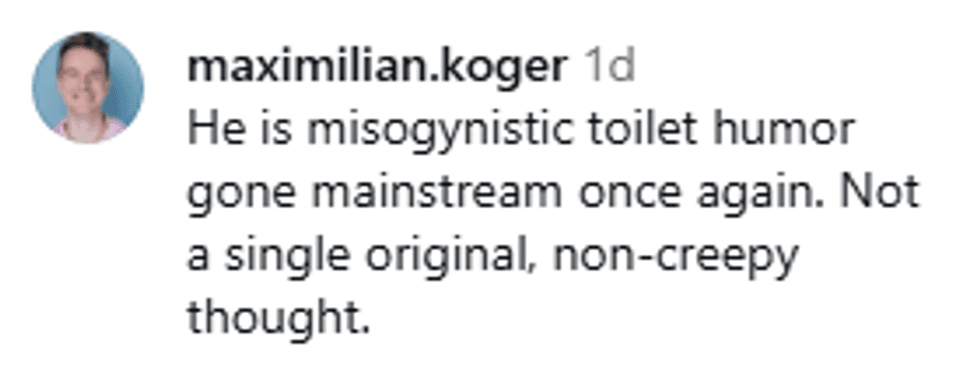
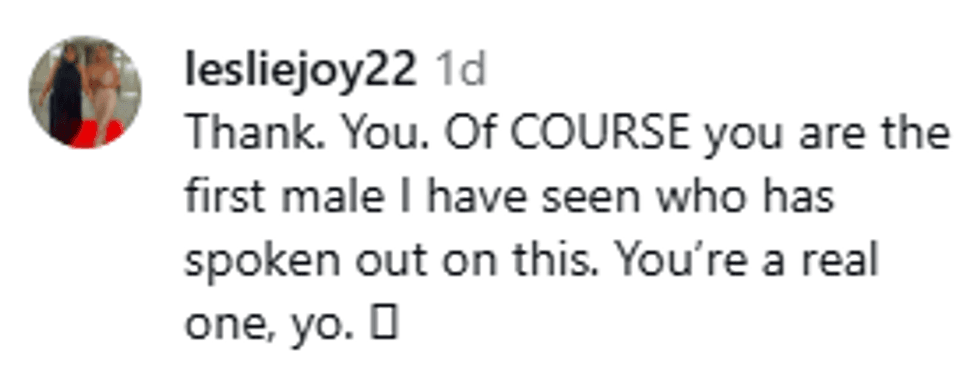
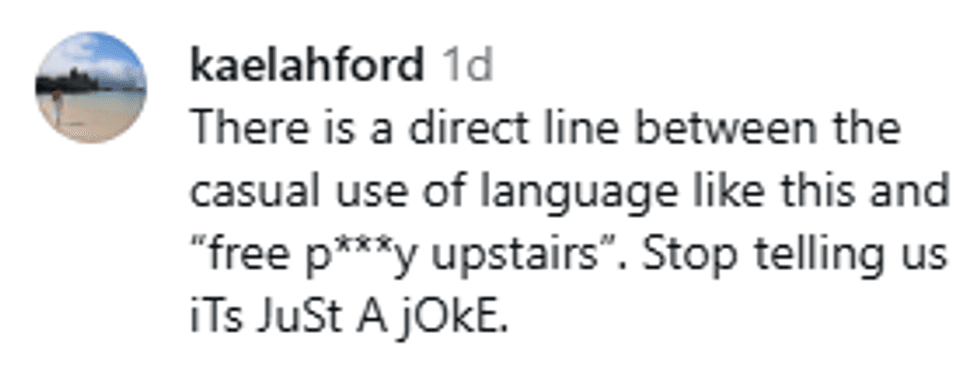
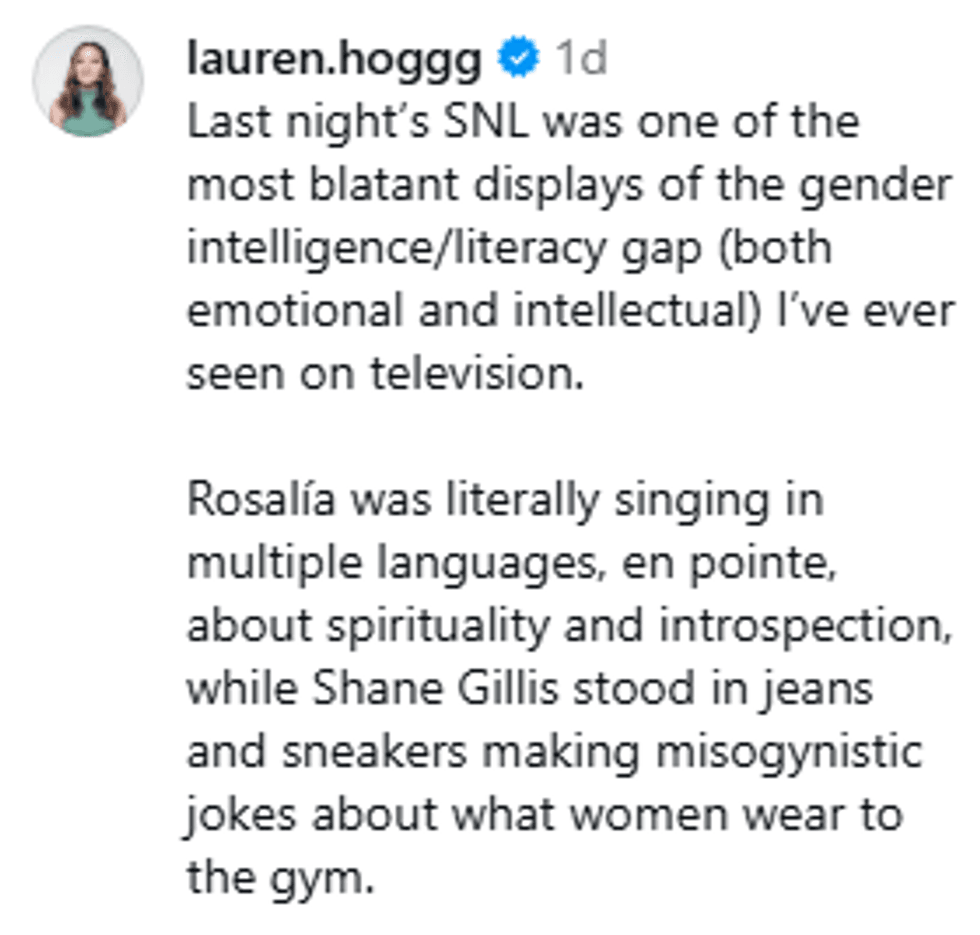
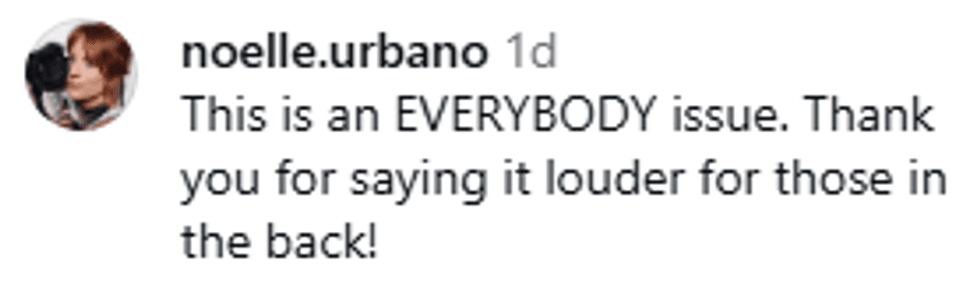
On social media, many users rallied around Berry, praising her vulnerability and calling out the racism embedded in the prom story, while others reflected on how familiar her experience felt to Black students who grew up in similar environments.
You can view the reactions to the article below:
Recently, Berry stars in Amazon MGM Studios’ crime thriller Crime 101 as insurance broker Sharon Colvin, opposite Chris Hemsworth, Mark Ruffalo, and Barry Keoghan. The film centers on a jewel thief whose string of heists along the 101 freeway draws the attention of a determined detective, whose path collides with the operation at a critical moment.
You can view the trailer below:
- YouTubeAmazon MGM Studios
Rumors also continue to swirl that Berry may reprise her iconic role as Storm alongside her X-Men castmates in Avengers: Doomsday, further cementing a career built on breaking barriers.



 @instadanjlevy/Instagram
 @instadanjlevy/Instagram
 @instadanjlevy/Instagram
 @instadanjlevy/Instagram
 @instadanjlevy/Instagram
 @instadanjlevy/Instagram
 @instadanjlevy/Instagram
 @instadanjlevy/Instagram
 @instadanjlevy/Instagram
 @instadanjlevy/Instagram