
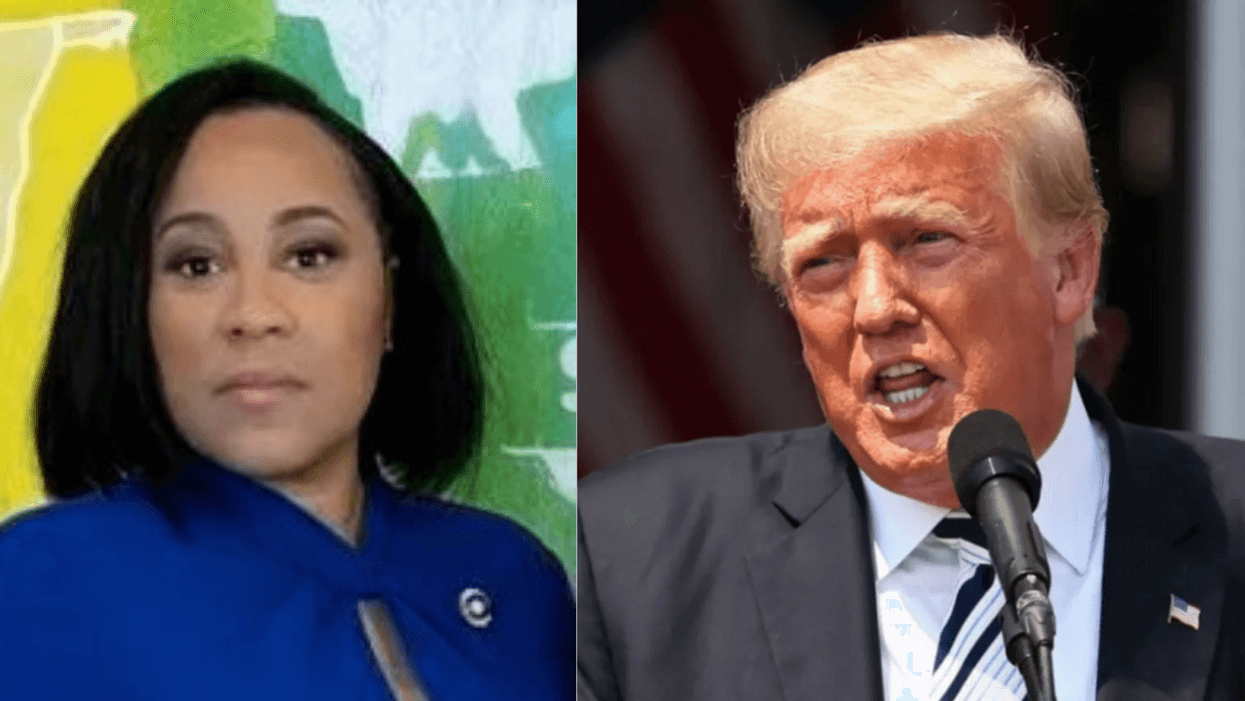

News broke earlier this week that is causing consternation in Trumpworld.
Fulton County, Georgia District Attorney Fani Willis, who has methodically pursued possible charges against Trump and his cohorts for election interference in her state during the 2020 election, reportedly issued letters to 16 Georgia Trump “electors” who tried to assert that they were the duly appointed electors for the state and submit a false certification to Congress in advance of the electoral count on January 6, 2021.
Willis’ letter notified the fake electors that, due to new evidence uncovered through the process, they were now considered possible targets of, and not merely fact witnesses for, her office’s investigation.
Some of the electors are due to testify before the grand jury that is currently investigating possible election interference by the Trump campaign, and their lawyers have moved to quash the subpoenas in light of these notices. The motion is interesting because it lays out the likely defense these fake electors will assert should they be charged with crimes, as now seems likely.
What Their Lawyers Are Saying
To hear their lawyers put it, the fake electors were doing something that federal and state law permits, i.e. submitting a “just in case” set of “alternate” electors in the event the pending litigation in Georgia resolved in favor of the Trump campaign. The second slate of Trump electors was necessary, they argue, to preserve the legal right of Georgians to have their electoral votes counted for Trump on January 6 should the court decision go their way.
To understand this argument, a quick timeline is helpful, followed by some precedent out of the state of Hawaii from last century.
The basic timeline was this: On November 3, 2020, the presidential election was held. It was close in Georgia, with Biden winning the state by 11,789 votes, a number confirmed by official recounts.
Georgia officials certified that win on November 20, 2020.
On December 4, 2020, the Trump campaign filed a lawsuit in Fulton County challenging the election result, for which a hearing was scheduled some four weeks out. The Trump electors met and signed their names to false certifications on December 14, 2020.
Their lawyers claim there was a lawsuit still pending that, at least in theory, could result in the certification being undone by the courts. Therefore, they argue, the “alternate” electors were within their rights to send a “second” slate of electors to Washington, D.C.
Otherwise, if the official slate of electors were invalidated by a court, Georgia would have had no slate of electors to have Congress count.
In fact, they argue, something similar occurred during the 1960 election in Hawaii, where the race originally had been called for Nixon and certified by that state’s governor, but a court-ordered recount later determined that Kennedy had actually won.
According to Harvard legal scholar Lawrence Lessig, that recount didn’t conclude until after the electoral college already had voted.
But the Democratic electors in Hawaii cleverly had met anyway on the Electoral College date set by Congress, just in case the recount came out their way. Their ballots were then certified by the governor and flown to D.C. to be counted on January 6, 1961.
Congress then counted the alternate slate sent by the Democrats.
According to the fake Trump electors’ lawyers, this precedent completely shields the actions of their clients.
Not So Fast, and Nice Try
In a world where the Trump campaign wasn’t deep into a broad conspiracy to overturn the 2020 election illegally, the existence of “just in case” electoral slates resulting from a close count of ballots might not raise any suspicions. Indeed, District Attorney Willis’s initial investigation indicated that the Trump “alternate” electors were not being viewed as potential defendants.
But as Professor Lessig pointed out, it is one thing to send clearly provisional electoral slates to Congress, as GOP electors in Pennsylvania and New Mexico chose to do, expressly indicating that if the state results were overturned, only then should theirs be the slate that is counted.
But in five swing states, including Georgia, no such provisional statement appeared. These Georgia electors, including state GOP chair David Shafer, swore that they were the duly elected slate for the state.
That was a false statement.
But more broadly, in Hawaii there were not knowingly false accusations of election fraud made by one side, or for that matter any accusations of cheating by either side. It was merely a very close race.
In Georgia, by contrast, the Trump Campaign had launched a concerted campaign to pressure state officials to overturn the election, including having Trump attorney Rudy Giuliani knowingly testify falsely before Georgia legislators about suitcases of ballots that the Democrats supposedly pulled out from under tables, even after that theory had long since been debunked.
Trump himself placed phone calls to election officials, including one infamous one to Secretary of State Brad Raffensperger in which Trump asked him to help him “find” 11,780 votes, just one more than he needed to win, or else Raffensperger might face unspecified criminal consequences.
If members of the Trump fake electoral slate knew in advance about the plan to use the false submissions to provide Vice President Pence a justification to nullify the votes of the swing states, as was memorialized in the Eastman 7-point memo, then those members were no longer acting merely to preserve the legal option of having Georgia’s votes counted for Trump. Rather, they also were part of the broader conspiracy to interfere with the election.
Another way to put it is this: The intent of the fake Trump electors matters here.
Let’s say you submit a declaration to a court stating your honest belief that you are actually the rightful heir to an estate of a recently deceased person. That likely won’t land you in any hot water.
But if you conspired in advance with a third party to submit a false declaration as part of a broader plan for them to create chaos in the division of the estate and then to illegally seize the inheritance for themselves, that would be criminal. Your state of mind and your prior actions and knowledge make it so.
The Trump electors’ lawyers know this and have tried to explain it away in a footnote in their motion, arguing that Eastman did not hatch his plan until almost a week after the December 14, 2020 Electoral College vote, so the Trump electors couldn’t have been part of a broader scheme and acted only to protect the legal rights of the GOP voters in Georgia.
But there is now evidence that the plan to overturn the national election using “alternate” slates of electors began to formulate at least as early as December 9, 2020 in a memo from Trump lawyer Kenneth Chesboro. And Georgia GOP Chair Shafer has testified before the January 6 Committee that the fake elector scheme came at the direction of the Trump campaign.
Moreover, as another footnote in their brief tries to explain away, a member of the Trump campaign named Robert Sinners (not a typo) instructed the Trump electors to conduct their work in secret. Ultimately, they chose not to do so, but the fact that this was the initial instruction is highly relevant to the intent of the conspirators.
After all, if you are merely acting to protect your own state’s rights in the event the election actually went your candidate’s way, that is one thing. But if you are secretly conspiring via instructions from the Trump campaign as part of a coordinated effort to overturn the entire election by creating electoral chaos based on false election fraud claims, that is, once again, entirely another matter.
For Willis to change the status of the Georgia fake Trump electors from witnesses to targets, she likely has seen evidence that ties them more broadly to the conspiracy to interfere with the election. Willis has not yet said what that evidence is, but if it is enough to ensnare these lower level Trump operatives, it likely will reach far higher to catch others as well.
Indeed, it is hard to imagine Willis’s office charging the fake electors with conspiracy to commit election interference without also prosecuting those who gave them the instructions.
With the threat of prosecution now looming over their collective heads, the fake electors with relevant information about the scheme might justifiably feel pressure to come forward sooner rather than later to seek leniency in exchange for cooperation. Stay tuned.


 @MuffinsNsuch/X
 @serena_loscalzo/TikTok
 @serena_loscalzo/TikTok
 @serena_loscalzo/TikTok
 @serena_loscalzo/TikTok
 @serena_loscalzo/TikTok
 @serena_loscalzo/TikTok
 @serena_loscalzo/TikTok
 @serena_loscalzo/TikTok
 @serena_loscalzo/TikTok
 @serena_loscalzo/TikTok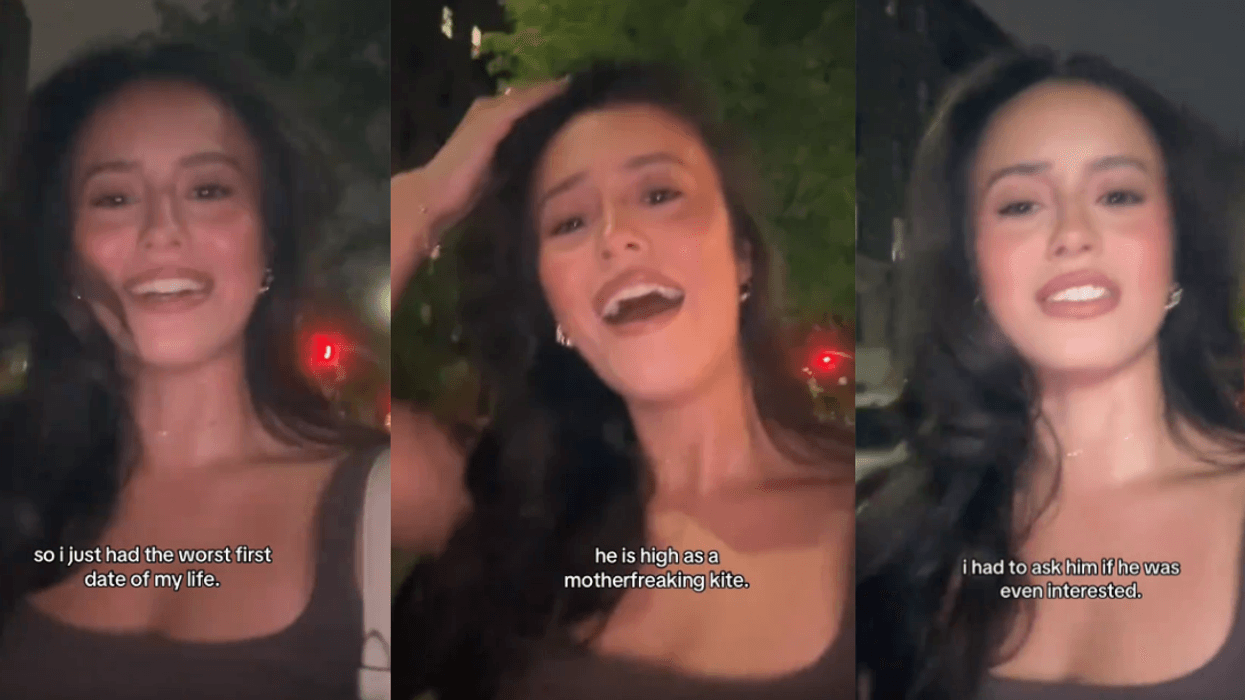
 @itsvictoriavega/TikTok
 @itsvictoriavega/TikTok
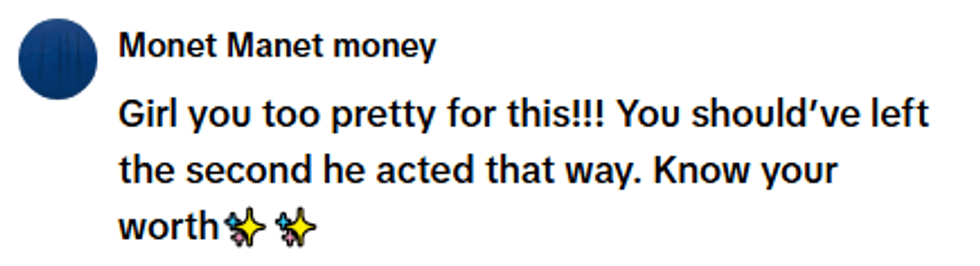 @itsvictoriavega/TikTok
 @itsvictoriavega/TikTok
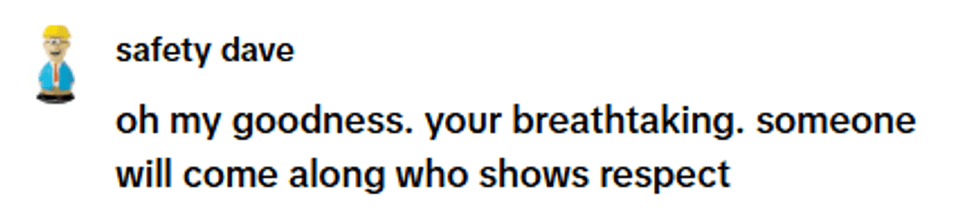 @itsvictoriavega/TikTok
 @itsvictoriavega/TikTok
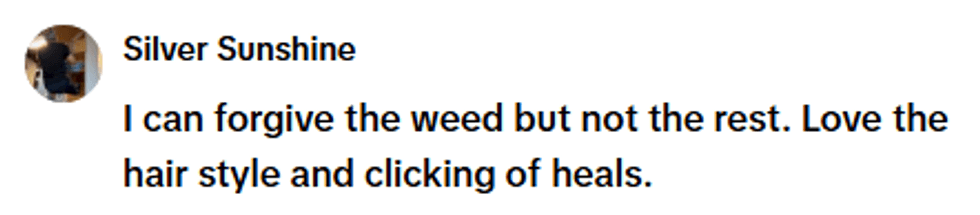 @itsvictoriavega/TikTok
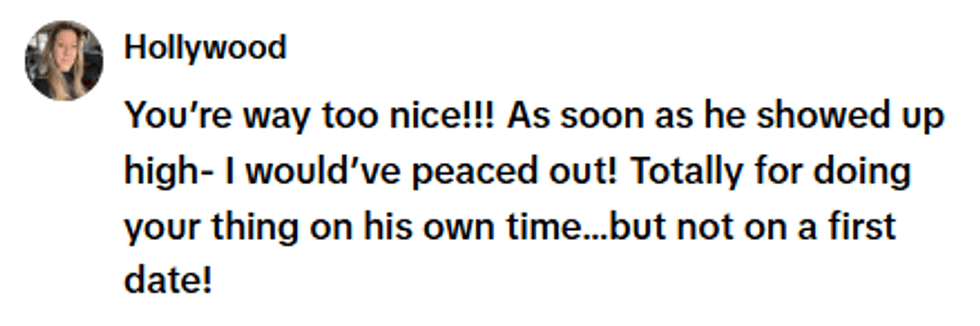 @itsvictoriavega/TikTok
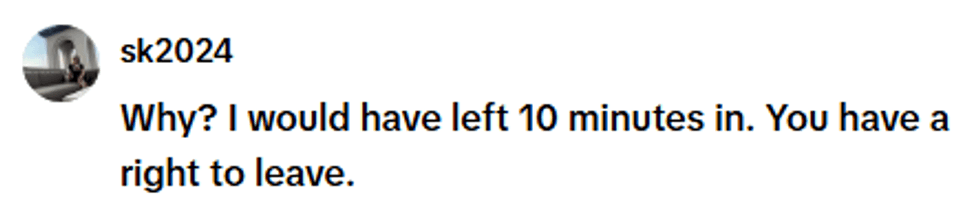 @itsvictoriavega/TikTok
 @itsvictoriavega/TikTok
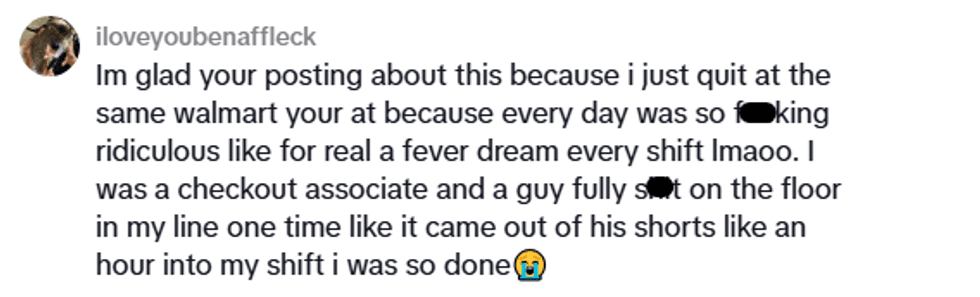 @lolxdlolxdlolxd23455/TikTok
 @lolxdlolxdlolxd23455/TikTok
 @lolxdlolxdlolxd23455/TikTok
 @lolxdlolxdlolxd23455/TikTok
 @lolxdlolxdlolxd23455/TikTok
 @lolxdlolxdlolxd23455/TikTok
 @lolxdlolxdlolxd23455/TikTok
 @lolxdlolxdlolxd23455/TikTok
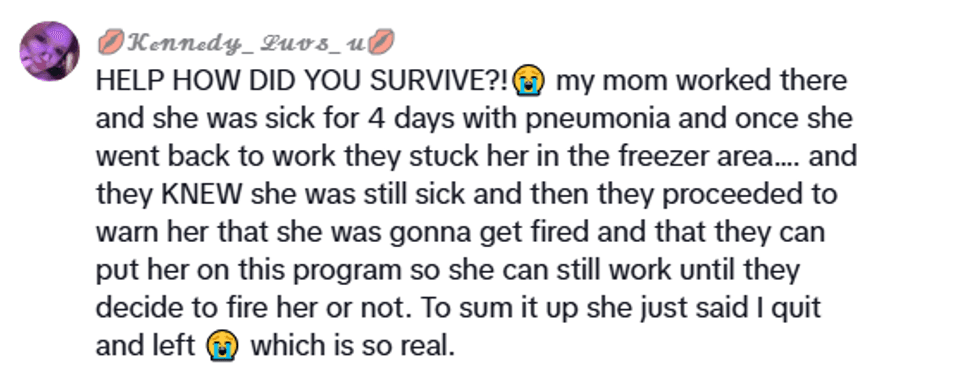 @lolxdlolxdlolxd23455/TikTok
 @lolxdlolxdlolxd23455/TikTok
Larry David's New Satirical Essay Mocking Democratic Socialists Isn't Sitting Well With People