
It's easy for us to assume that when we rush one of our loved ones to the doctor's office or the emergency room, that we have done our part and the doctors will take it from there.
But Dr. Suneel Dhand, MD, argued in a multi-part series on X that a person's role in their loved one's healthcare has only just begun when they walk through the hospital's doors, making them one of their loved one's most vital advocates.
Dr. Dhand wrote on X:
"Never leave your loved one alone in the hospital. Every hour you are allowed to be there, if you are able to, I highly recommend being there."
"Be perfectly cordial with staff. But watch over everything like a hawk."
"Trust me on this."
He continued:
"It starts right from admission to hospital. Double/triple check the medications listed are correct, especially if the 'home medications' are being pulled from the computer."
"A lot of 'fake news' in electronic medical records."
"Then call the next day and speak with the nurse and make sure ALL home medications are listed correctly."
Dr. Dhand stated that this must continue throughout the stay.
"By hospital day two or three, ensure your loved one is getting up and moving if they are ready."
"Muscular deconditioning, especially over the age of 65, sets in EXTREMELY quickly, and can lead to complete loss of independence in a previously functional person. I have seen this happen many times, and it is terrible."
"Hospitals everywhere historically underinvest in mobility techs and physical therapists. Nurses sadly don’t have the time either."
"That’s why it is on you as a loved one, to make sure that your relative who is hospitalized is not becoming deconditioned and more weak. Movement is medicine!"
"Hopefully, you can walk them around the hospital floor multiple times during the day as they recover."
He urged everyone to stay on top of medications.
"Every single medication, pill or injection, that is administered in the hospital: If you are a good advocate for your loved one, I want you to politely and cordially ask the nurse:"
"1. What is it?"
"2. What is the dose?"
"3. What is it being given for?"
"I cannot overstate this enough. Be an excellent advocate and know what is going on. If something does not sound right to you, raise the alarm bells immediately and voice your concern."
"If everybody did this, it would catch many issues/mistakes and save a ton of problems."
"Do it, don’t be shy. Your loved one's health and well-being is simply too important."
Dr. Dhand also challenged everyone to advocate.
"All the way through any hospitalization of a loved one, the bottom line is: Be the BEST POSSIBLE ADVOCATE you can be."
"In my years as a hospital doctor, I can tell you that this is absolutely life-saving."
"Hospitals are busy places, and there are some terrific, hard-working professionals out there."
"Nevertheless, things fall through the cracks all the time, and many mistakes are made."
"Don’t let that be your loved one. Their health and well-being are too important. Be at the bedside as much as you can."
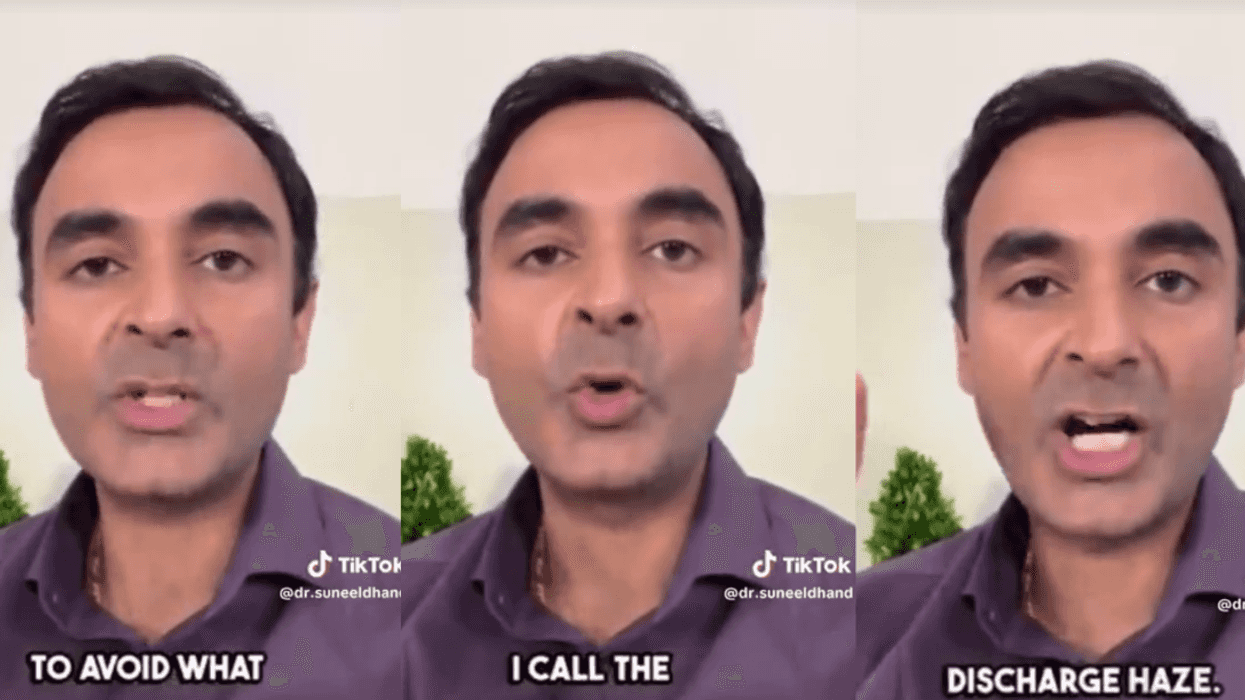
Most importantly, he cautioned people against what he calls the "Discharge Haze."
"Be very careful of what I call the 'Discharge Haze' when your loved one leaves the hospital, especially if they are older."
"Being discharged from the hospital, you would think that it is the best and safest time. However, it is actually one of the most dangerous statistically."
"This is because things can be very rushed. Busy hospitals are in a hurry to free up beds, and people often get pushed out before they or their families know what the follow-up plan is."
"Make no mistake, if a loved one is leaving the hospital, make sure that the discharge instructions are CRYSTAL CLEAR. No excuses whatsoever."
"1. What was wrong?"
"2. Who should we follow up with and when?"
"3. What lab tests and imaging results were abnormal, and need to be followed up?"
"4. Any recommended change to diet or lifestyle to aid recovery?"
"5. And this is the big one: What COULD go wrong over the next 72 hours, and whom should we call for help?"
"You must remember all of the above!
Dr. Dhand also detailed this in a TikTok video:
Fellow X users agreed with how important it was to be present and to advocate for their loved ones.
As alarming as all of this sounds, nurses and doctors are just as human as their patients are, and sometimes they will make mistakes. It's important for loved ones to stay vigilant, pay attention, and ask questions so that symptoms and circumstances do not slip through the cracks.





 Brendan Smialowski/AFP via Getty Images
 Brendan Smialowski/AFP via Getty Images
 Brendan Smialowski/AFP via Getty Images




 @hannahhrevels/TikTok
 @hannahhrevels/TikTok
 @hannahhrevels/TikTok
 @hannahhrevels/TikTok
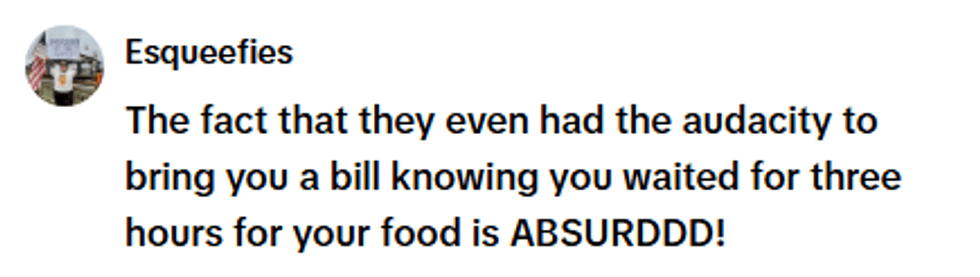 @hannahhrevels/TikTok
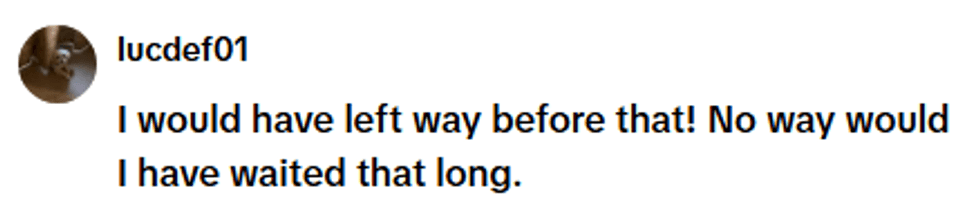 @hannahhrevels/TikTok
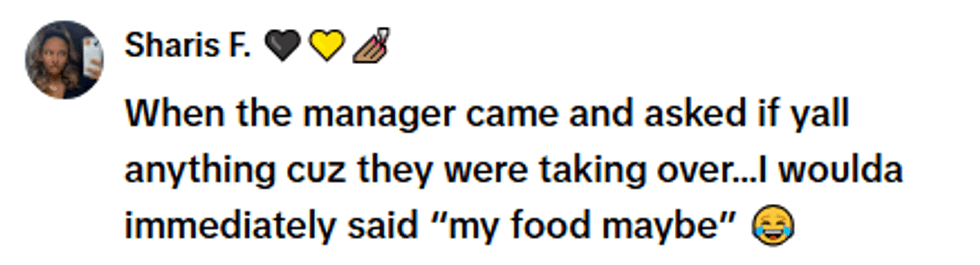 @hannahhrevels/TikTok
 @hannahhrevels/TikTok
 @hannahhrevels/TikTok
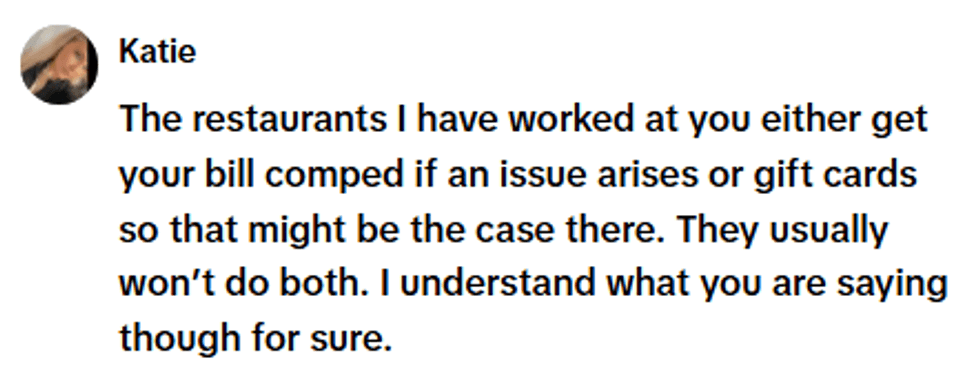 @hannahhrevels/TikTok
 @hannahhrevels/TikTok
 @hannahhrevels/TikTok
 @Raye455/X
 @JoJoFromJerz/X
 @phlynnmartin/TikTok
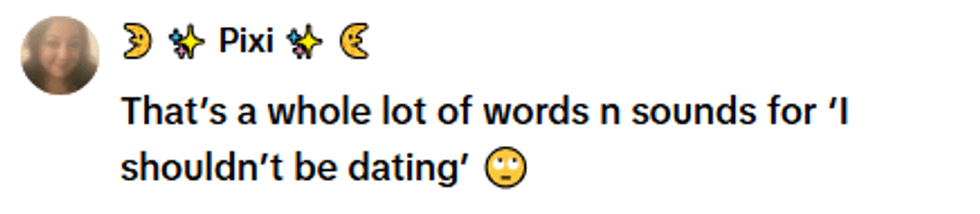 @phlynnmartin/TikTok
 @phlynnmartin/TikTok
 @phlynnmartin/TikTok
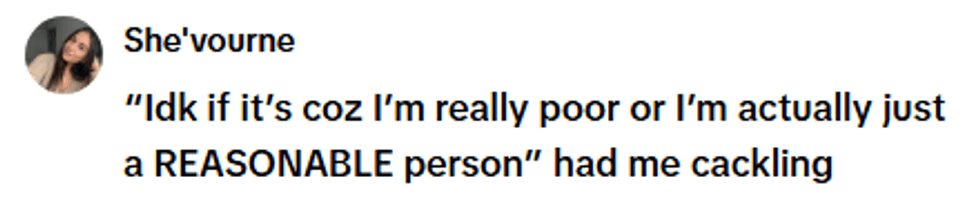 @phlynnmartin/TikTok
 @phlynnmartin/TikTok
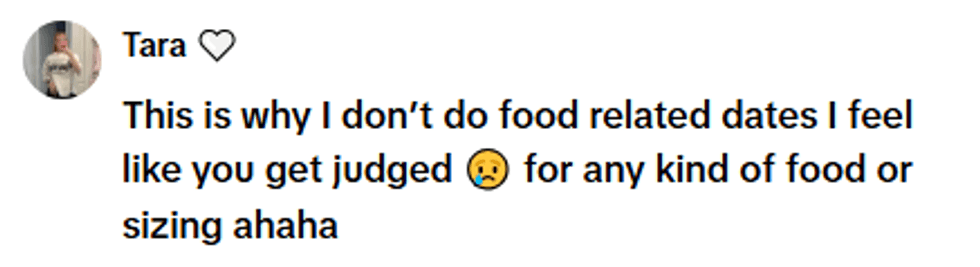 @phlynnmartin/TikTok
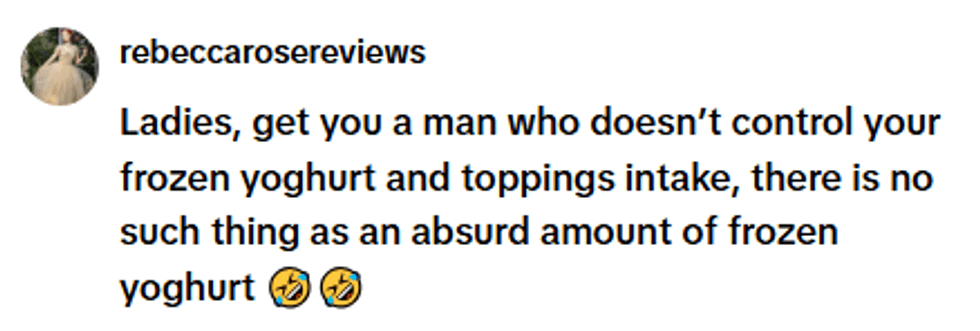 @phlynnmartin/TikTok
 @phlynnmartin/TikTok
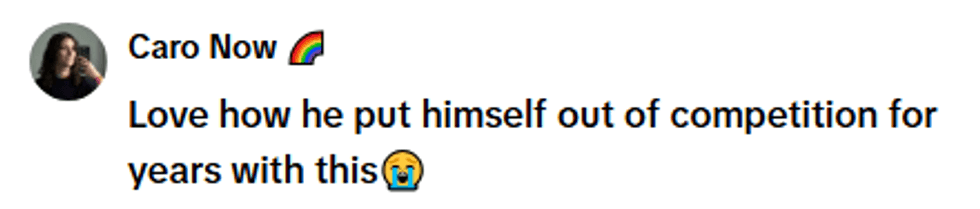 @phlynnmartin/TikTok
 @phlynnmartin/TikTok
 @sailors.mama/TikTok
 @sailors.mama/TikTok
 @sailors.mama/TikTok
 @sailors.mama/TikTok
 @sailors.mama/TikTok
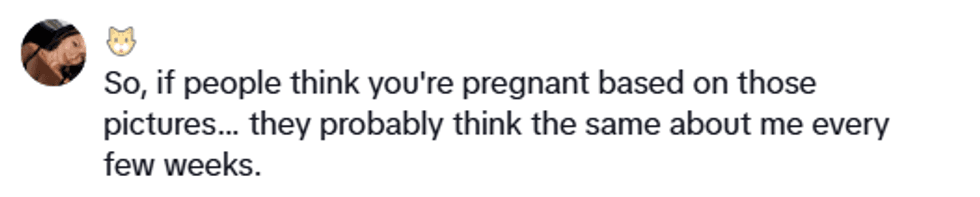 @sailors.mama/TikTok
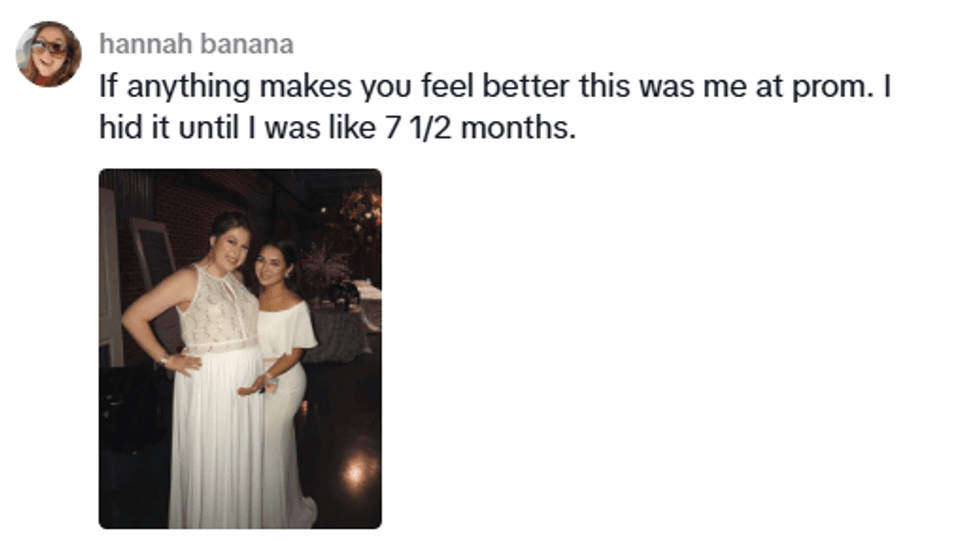 @sailors.mama/TikTok
 @sailors.mama/TikTok
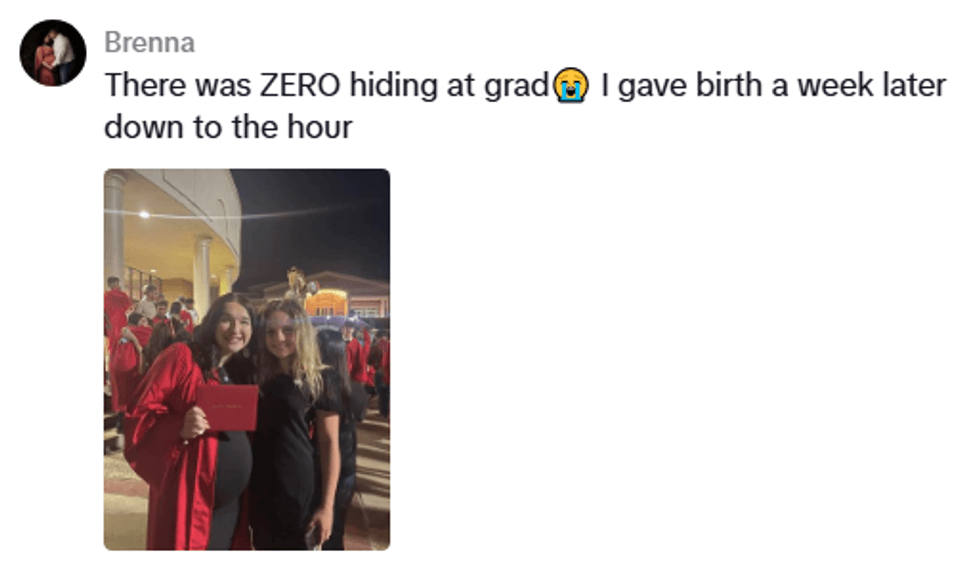 @sailors.mama/TikTok
 @sailors.mama/TikTok
 @sailors.mama/TikTok
 @sailors.mama/TikTok