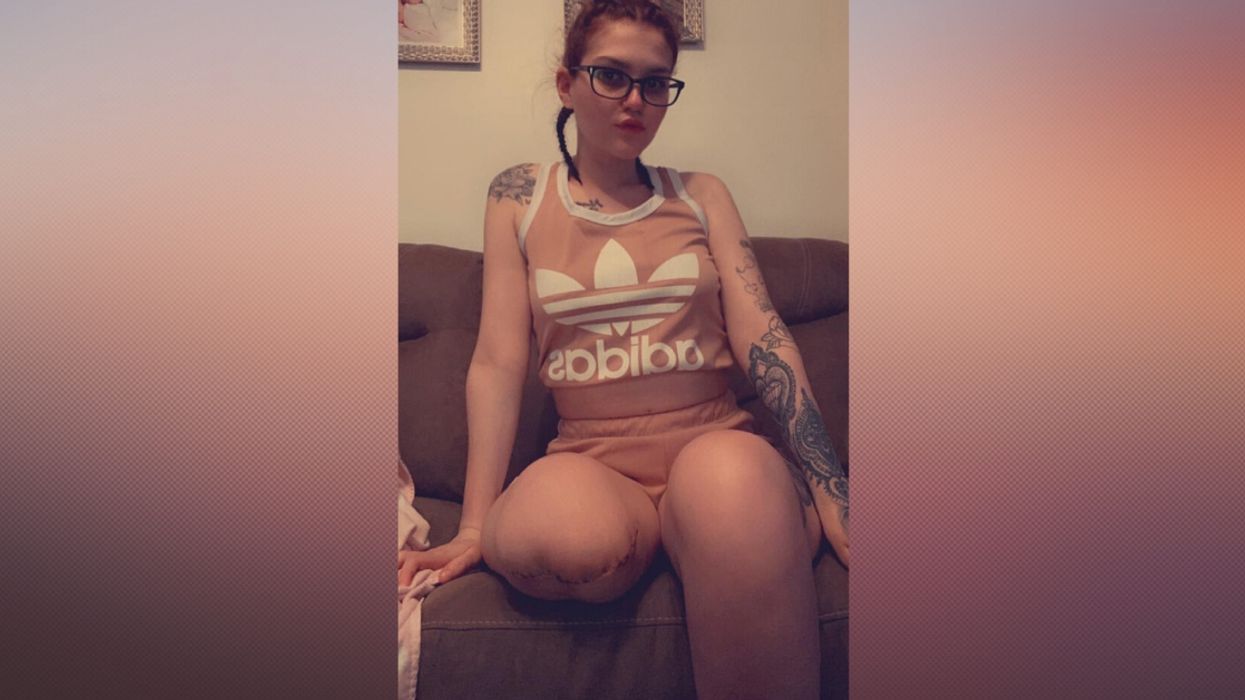

A young carer whose incredible bravery has attracted celebrity support has told how she did not believe the surgeons who said they had amputated her left leg – as she could still feel herself wiggling phantom toes.
Type one diabetic Molly Sowden, 22, of Batley, West Yorkshire, England, first experienced a shooting pain in her leg in October of last year – the result of blood clots, which she was admitted to the hospital to have removed in May.
But just 36 hours later, after doctors told her parents it was "life or limb," she woke to find her leg had been amputated below the knee – only for her to then develop sepsis, a potentially life-threatening condition caused by the body's reaction to an infection, resulting in even more extreme surgery.
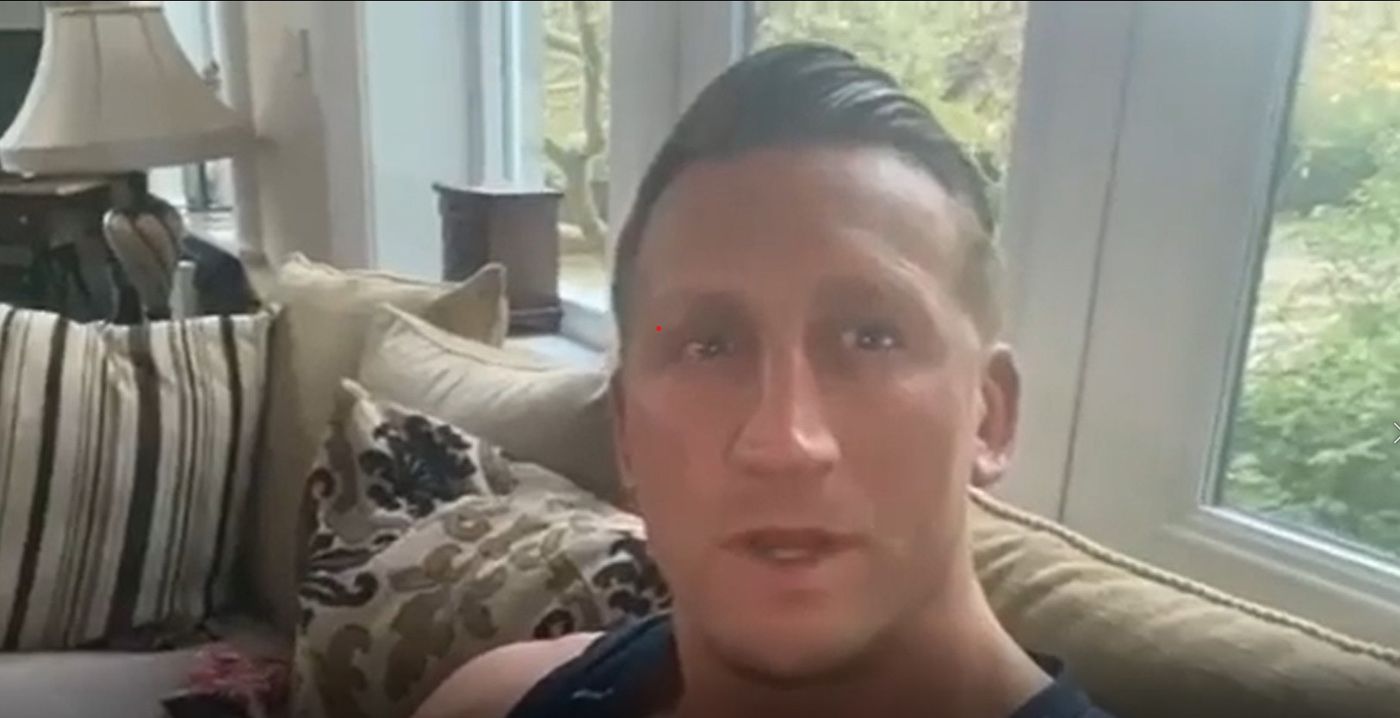
Now home after a month in the hospital, when she could not see her family because of the pandemic, her courage has been recognized by Skin Traffik and Peaky Blinders actor Keith Mason – a former Huddersfield Giants rugby league star – who sent her a video of support.
Keith, whose partner, Riona Kelly was left paralyzed from the belly button down by a spinal stroke, told Molly:
“I heard the sad news about you getting your leg amputated."
“As you know, I've got a partner who is paralyzed and we go through the struggle every single day. But listen, you're not alone. Never give in. If you need me, I'm here. Stay strong girl, all the best."
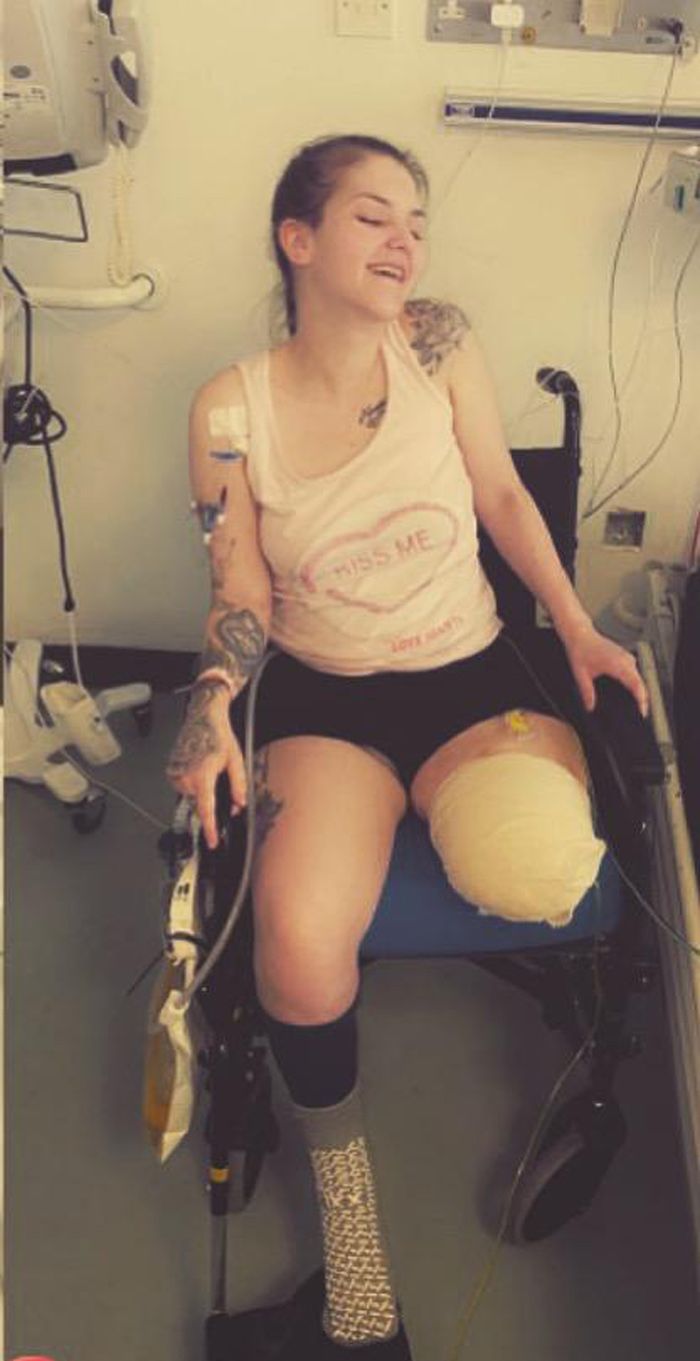
While Molly, who has been documenting her journey on Instagram, currently relies on a wheelchair, she is already talking about returning to work and is determined to walk again.
She said:
“When I'm walking again, I want to be able to look back and see how much progress I've made. I want to show others who might be going through something tough that they can be helped through it."
“I have had tremendous support from family, friends like Chrissy Blades and Mark Smith who set up fundraising pages to help me with transport costs and contacted Keith Mason to tell him about my operation."
Molly continued:
“I was so emotional when I got that video. I got it in hospital and it made me feel like I'm not alone. Keith's partner can walk unaided now so I found that really inspiring."
“I'm determined and strong and while my life has changed forever, I have to keep moving forwards."
Diagnosed with type one diabetes at age 15, Molly remained fit and healthy, walking everywhere, until she started experiencing pains in her left leg in October 2019.
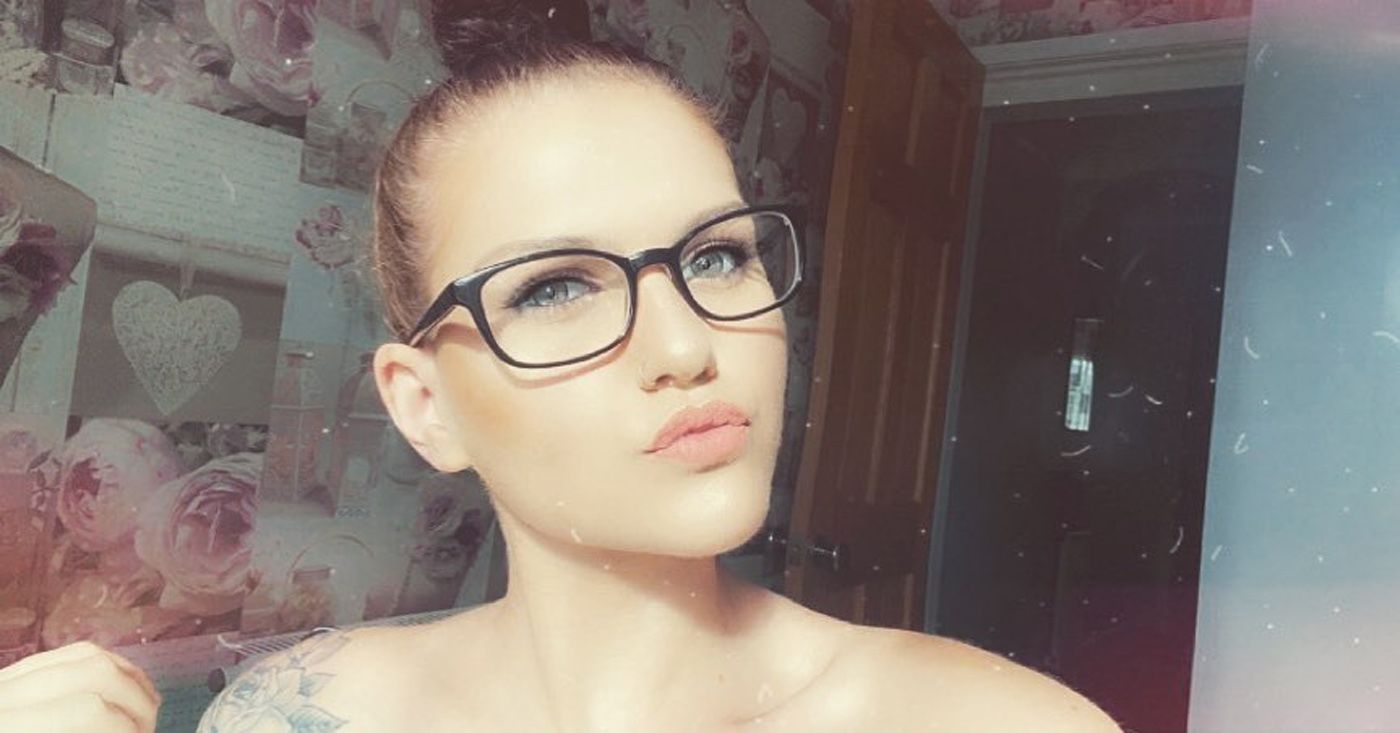
She recalled:
“It was like really bad pins and needles and shooting pains, which went on for a few weeks. I thought I'd slipped over when drunk or something like that."
“It wouldn't go away, so I went to the doctor and was given painkillers."
While they provided a temporary fix, in December the pain returned suddenly and was so intense, she could barely walk.
Her mom took her to Dewsbury and District Hospital, Molly had an X-ray, but when nothing abnormal was found, she was sent home with painkillers.
Again, they worked for a while, but in April the pain started again, leaving her unable to walk.
Returning to the same hospital with her mom, who had to leave her at the door, she was put on an IV drip of painkillers and given blood tests and an electrocardiogram (ECG) because her heart rate was at 140bpm, compared to a healthy rate of between 60 to 100bpm.
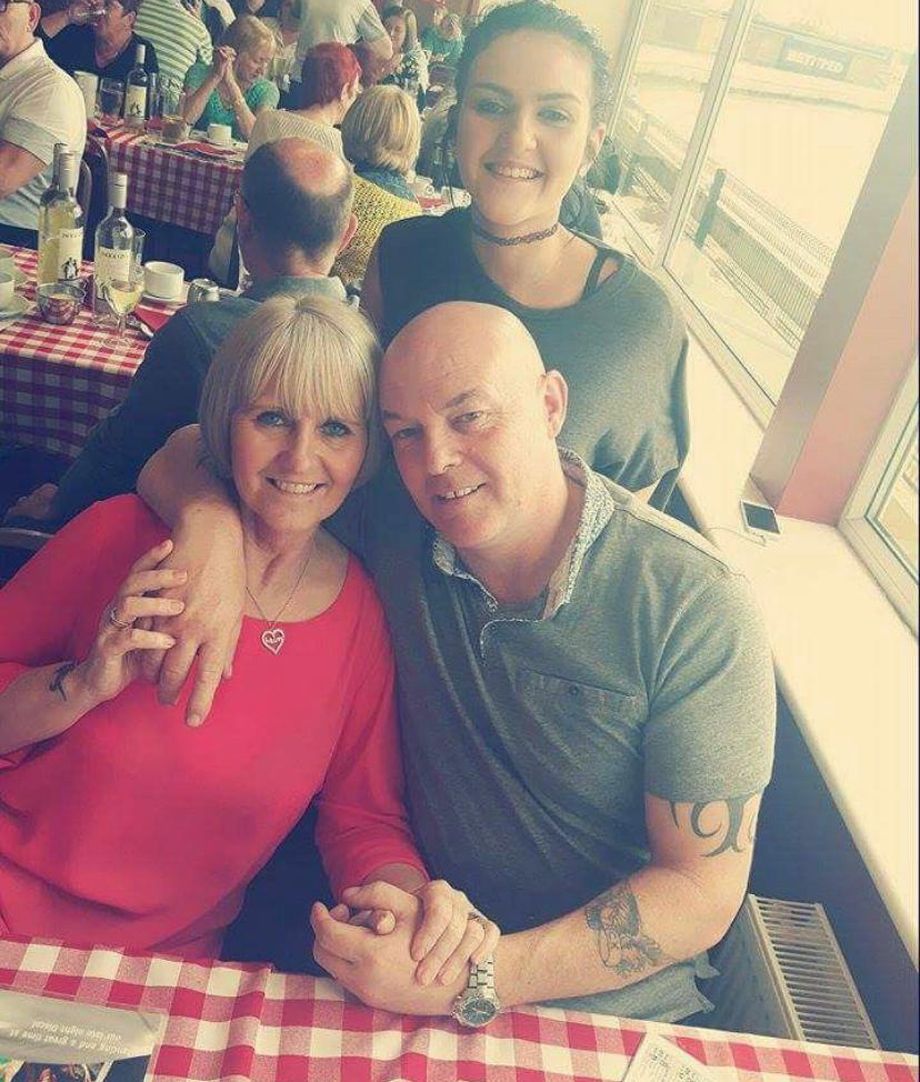
Transferred to Wakefield's Pinderfields Hospital for a full body scan, which confirmed she had blood clots, the next day she was sent to the vascular ward at Leeds General Infirmary, for further scans and blood tests.
The pandemic meant she could not be accompanied by her cleaner mom Pauline, 59, and dad, Dave, 53, a shunter.
She said:
“I had to do everything on my own and all I wanted was to see my parents."
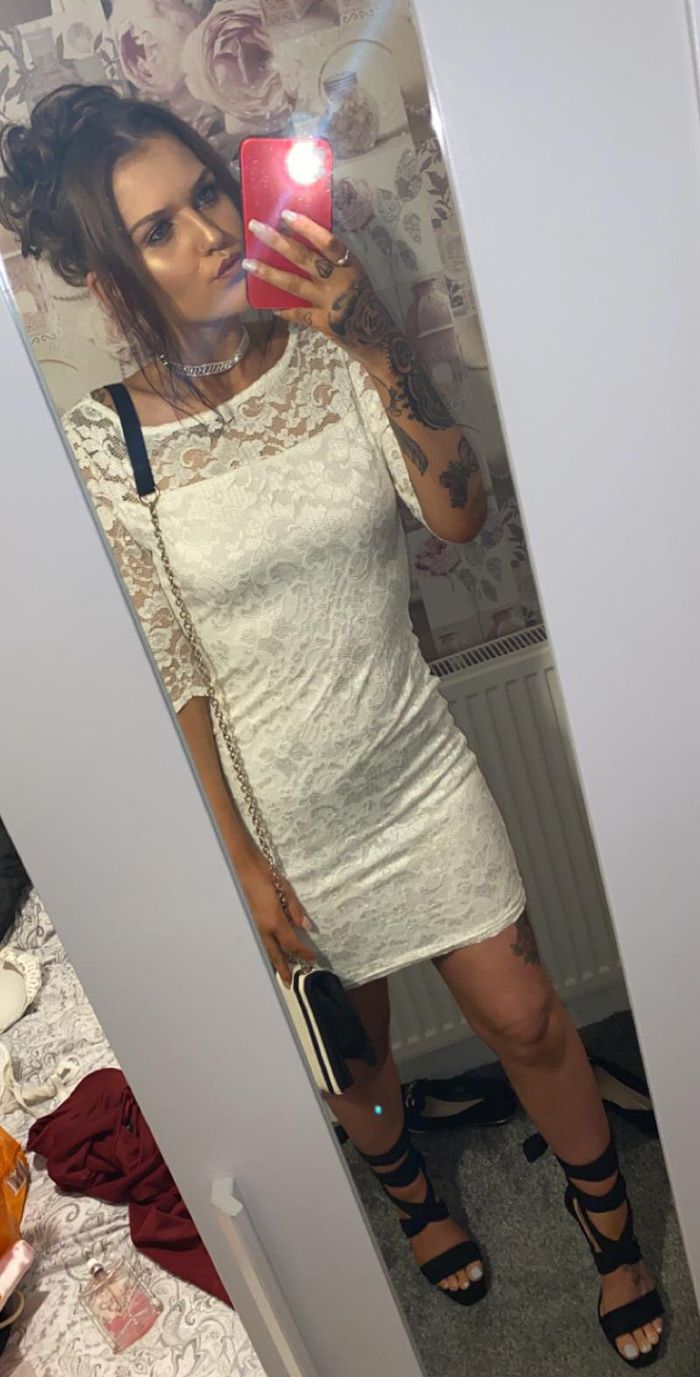
Molly added:
“It was so scary, because I knew there were people there with [the virus], so my main fear was of getting that – especially as I am diabetic, so high risk – rather than worrying about my leg."
“I was just crying, I was so miserable and felt so alone."
The tests showed that Molly had nine blood clots in her left leg, one in her right leg and one in her stomach, meaning she needed urgent surgery that afternoon to remove them.
“I was just sobbing so much. I was so scared, I was just crying and begging for my mum," she said.
“Thankfully I was able to FaceTime her for a few minutes before going down for surgery."
“They were going to cut me open and remove the blood clots, then I thought I would be fine. I didn't think there was a possibility I would lose a leg. I just assumed it would be okay."
“But surgeons removed the blood clots and kept me on the ventilator, so they could see if the blood flow would come back to my leg, but they soon realized that my foot and leg were dying and I would need a second operation to remove them," she said.
“They spoke to my parents and told them it was life or limb. There was a danger if they didn't remove my leg that the blood clots could spread to my brain."
“They told them the blood clots were like blancmange and they kept reoccurring every time they tried to remove them."
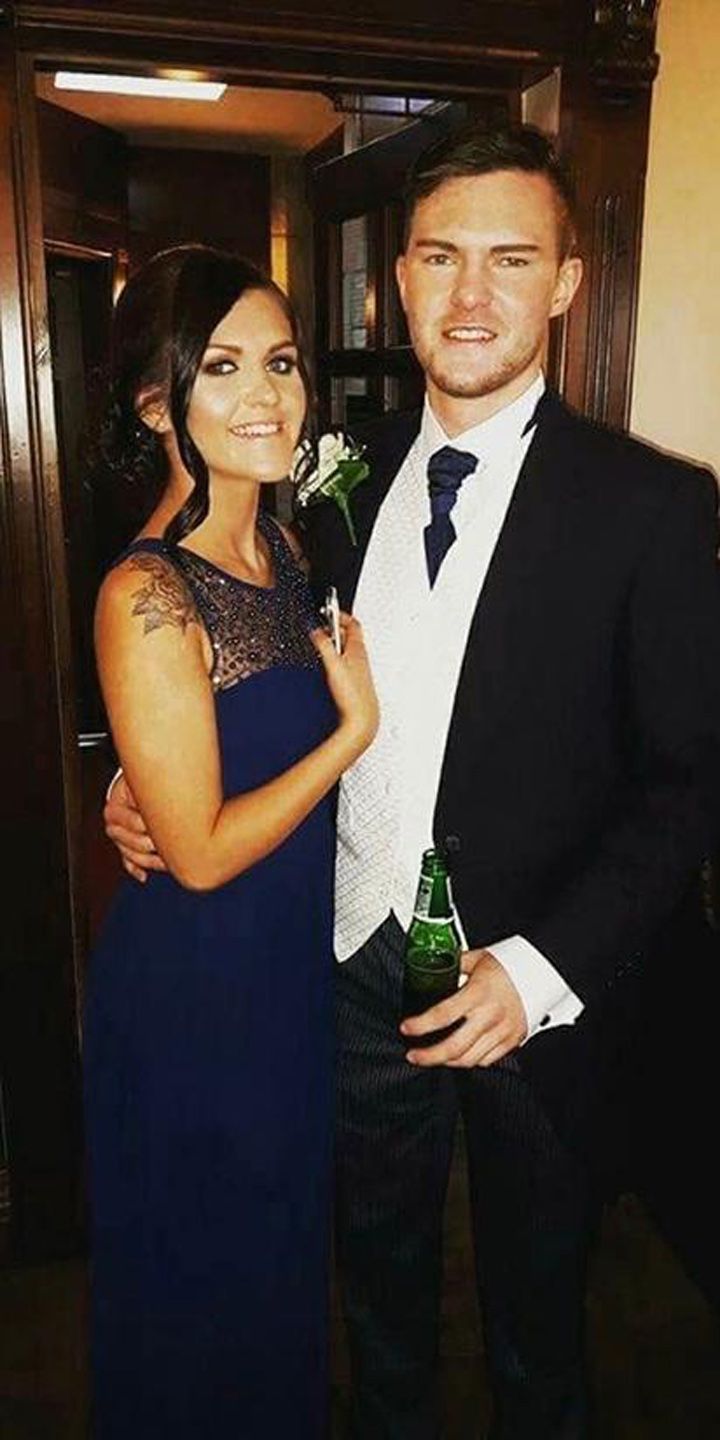
So, 36 hours after she was first taken to the operating room to have the blood clots removed, Molly woke up to be told her leg had been amputated below the knee.
She said:
“I didn't believe them, because I could feel that I was wiggling my toes and they were in pain – but it was actually a phantom pain."
“I couldn't look. I just thought it was a nightmare. I convinced myself the surgeon was lying to me."
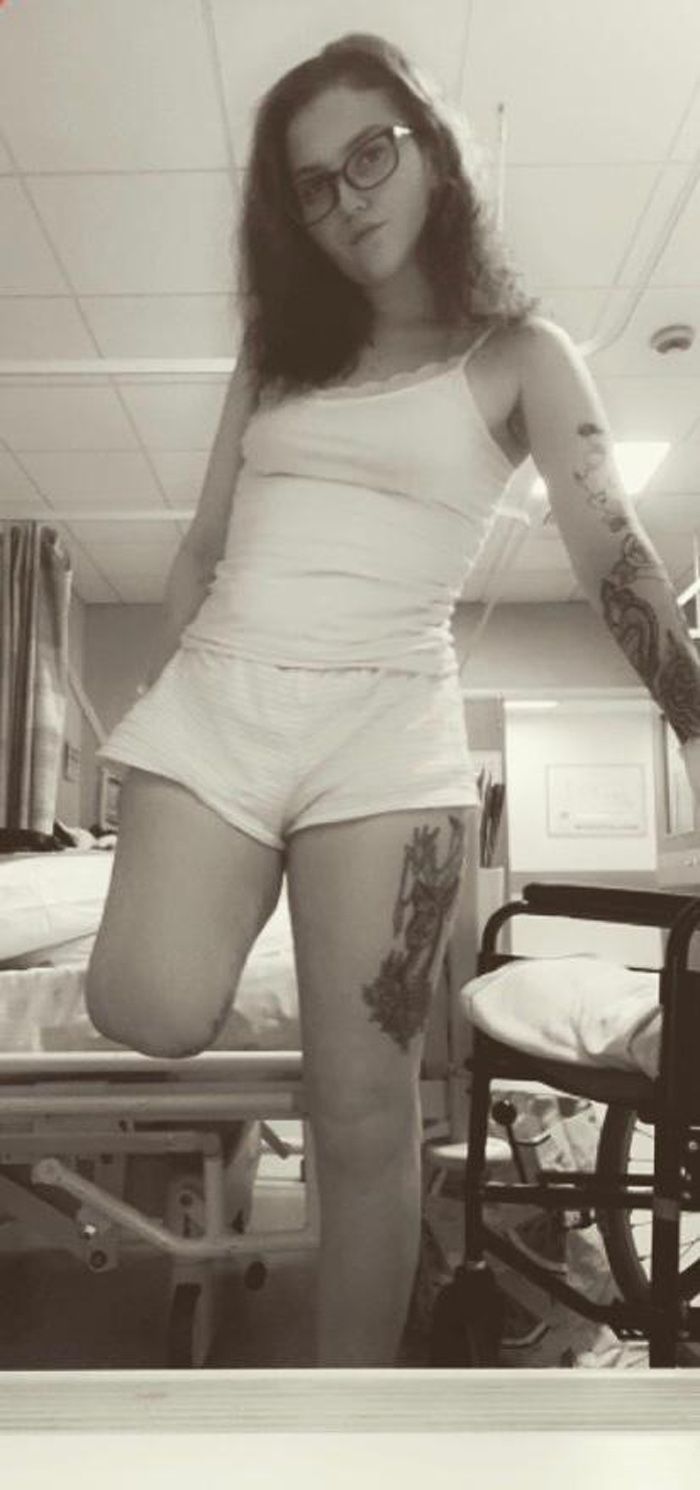
“I'm still experiencing phantom pain and getting an itchy foot and tingling sensation. Doctors say that can last up to five or six months," Molly explained.
“They also could not remove the blood clot in my right leg and at the moment I have no pulse in my right foot, so they have to keep a close eye on that and hope I don't end up losing my second leg. It is really scary to think I could be a double amputee."
“One vascular doctor said that in the 20 years she has been in the job she had never seen a case as bad as mine and she couldn't believe I was still alive. I'm the youngest person that the vascular surgeon had ever seen have a double amputation on the same leg."
One of Molly's biggest traumas was having to deal with everything solo, as her parents were still not permitted to visit.
“My mum had to be told over the phone that I had lost my leg. Every day I was crying and crying," she said.
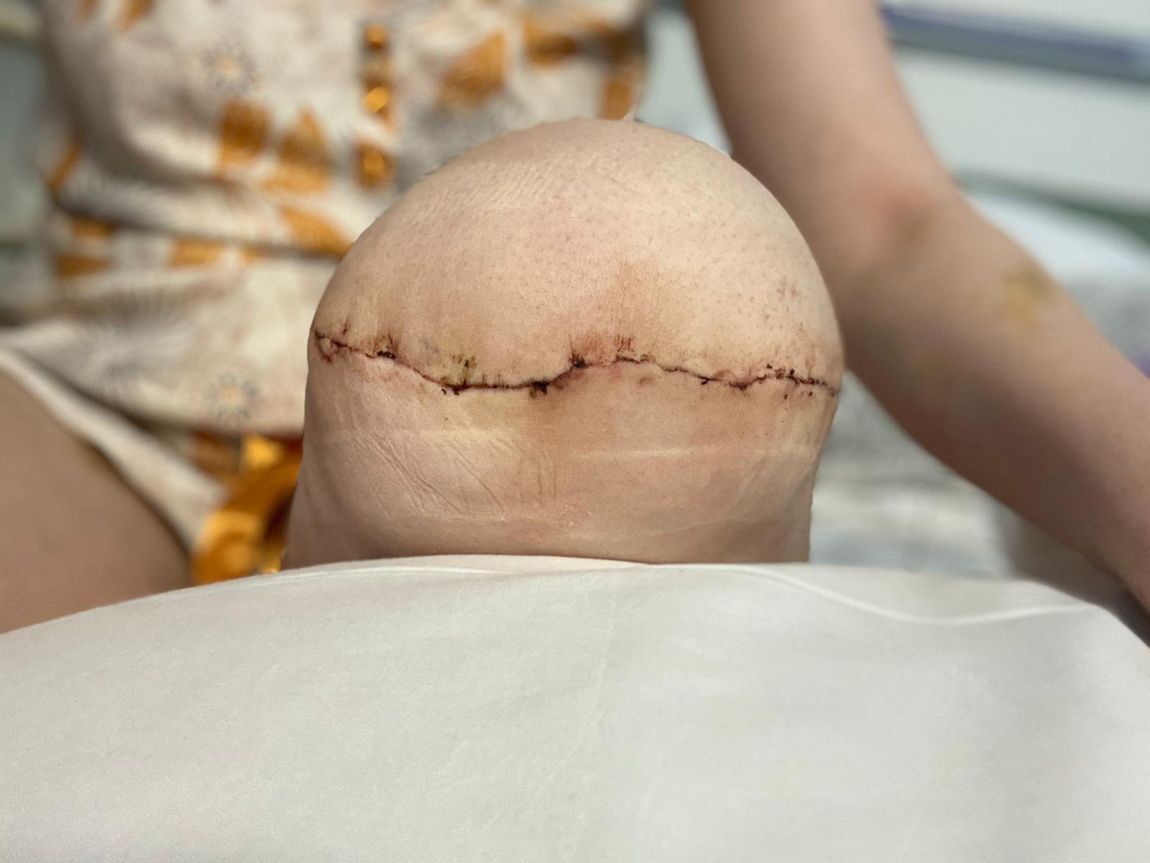
“A couple of days after I was able to look at my stump, I just broke down. I kept questioning, 'Why me?'"
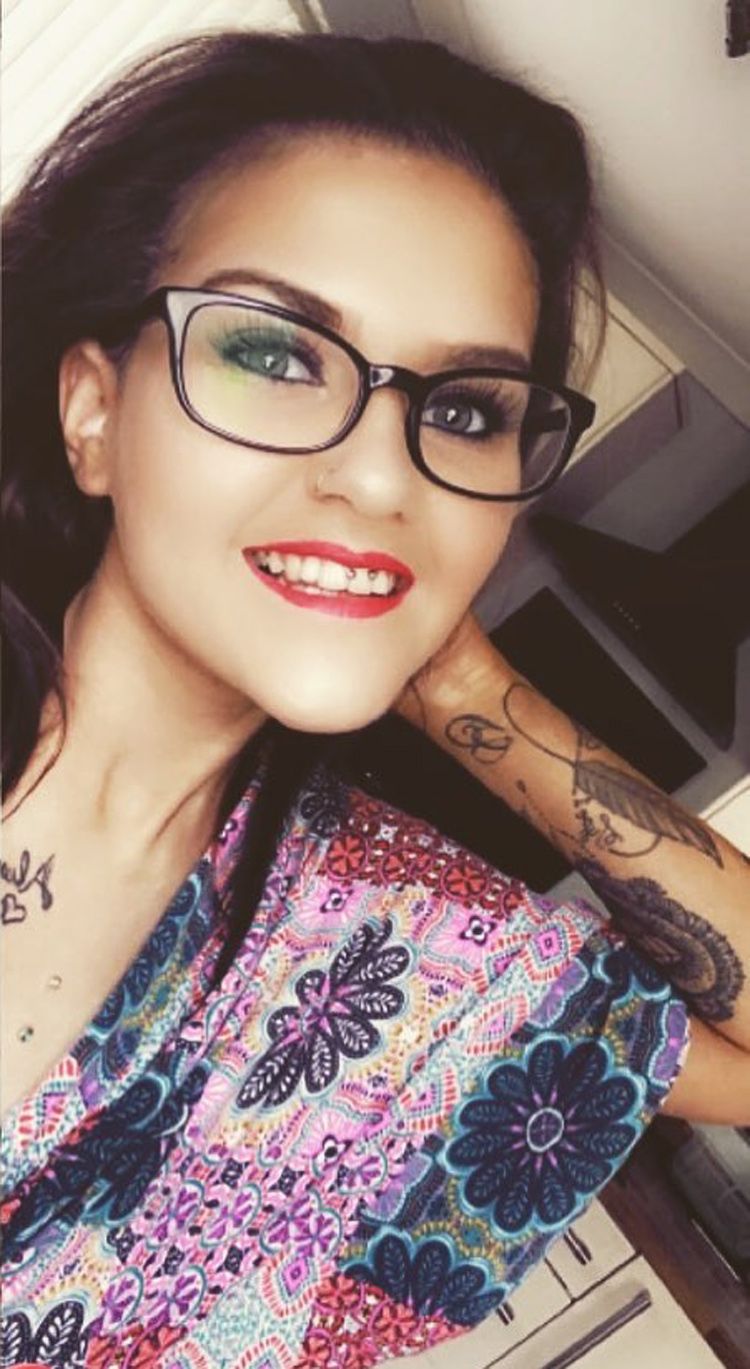
Then, three days after her operation, Molly's leg started to go black and purple, only for doctors to diagnose sepsis and rush her back to surgery for her third operation in three days, to remove more of her leg to above the knee.
“I couldn't believe it had happened again. I fell into a deep depression, I just didn't want to be here anymore," she said.
“I felt like I'd had so much going for me and it had all been taken away."
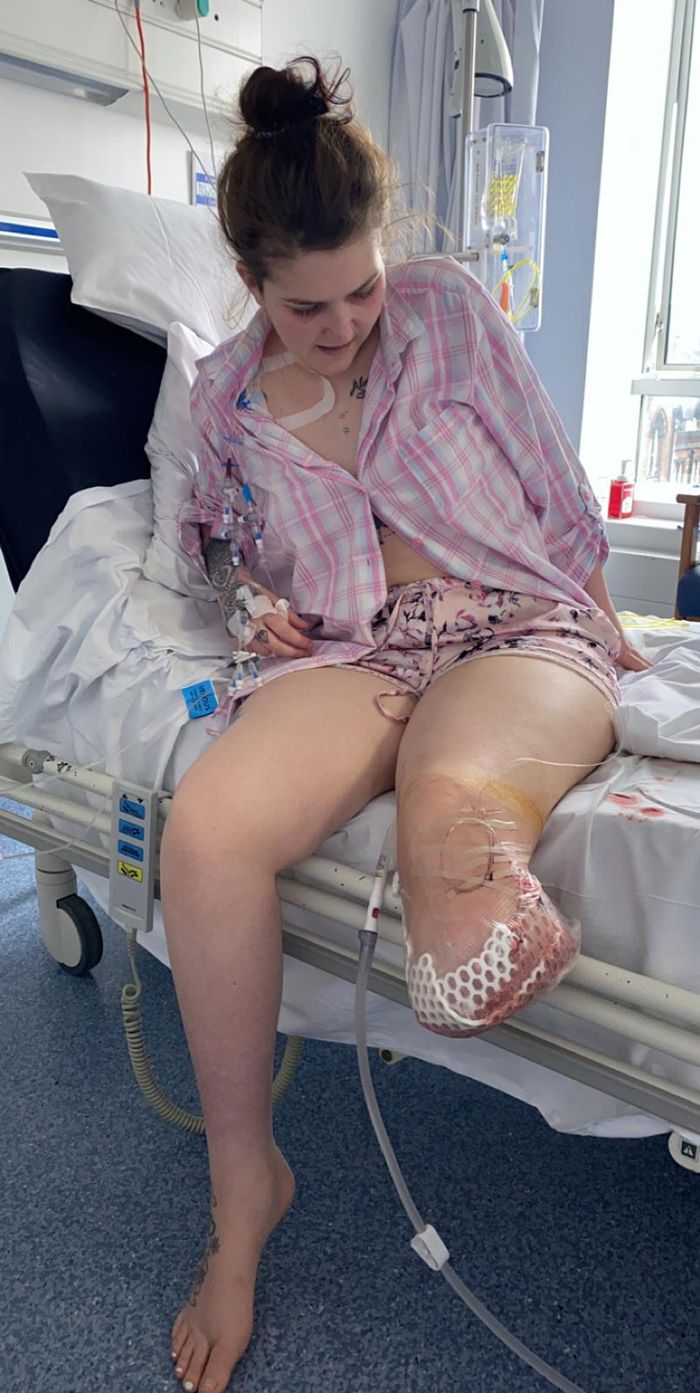
Kept in isolation in a private room for two weeks to restrict the chance of her catching the virus, Molly said the “brilliant" nurses gave her the will to live.
“They were incredible and became like family, because I couldn't see my own. They couldn't do enough for me," she said.
“After a week, I saw the physiotherapist. We started by getting me from the bed into the wheelchair. The first time it took over an hour and I wanted to give up so much, but eventually I did it."
She continued:
“I just thought, 'I'm going to have to work really hard to do this, but I'm going to get through it.'"
“The week after that I was able to stand unaided. It just made me so happy. I had got a video of me going from the bed to the wheelchair unaided as well, to send to my parents."
Then an ultrasound revealed the cause of the blood clots to be a hole in Molly's heart – leading to another operation to close it, during her third week in hospital.
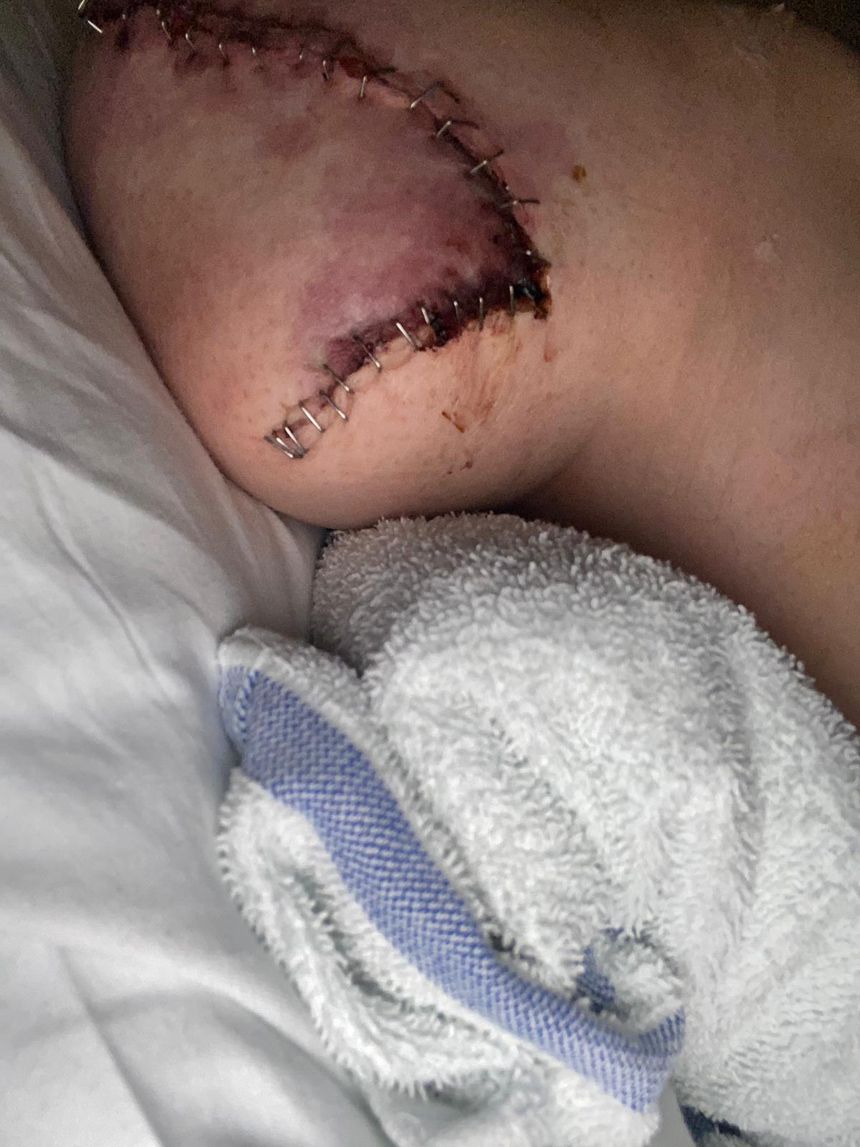
Five days later, after a total of four weeks as an inpatient, Molly was allowed home.
“As soon as I saw my mum I was just filled with happiness," she said.
“She slept in the same bed as me that night."
She added:
“My parents and brother Jack, 26, and his girlfriend have been my rocks."
Now Molly is trying to apply the positive psychology she uses with the clients she supports as a carer to her own life, but she admits it can be hard.
She said:
“There are ups and downs. Some days I'm really happy and it doesn't bother me. I know that there is always someone worse off than me."
Molly continued:
“On others, my head is in my hands and I'm thinking, 'Why is this happening to me? What went so wrong for this to happen to me?'"
Still, whatever her mood, Molly posts about her journey on Instagram, as a gauge of her progress and to help other people experiencing similar traumas.
And, despite her adversity, she vows she will walk and work again.
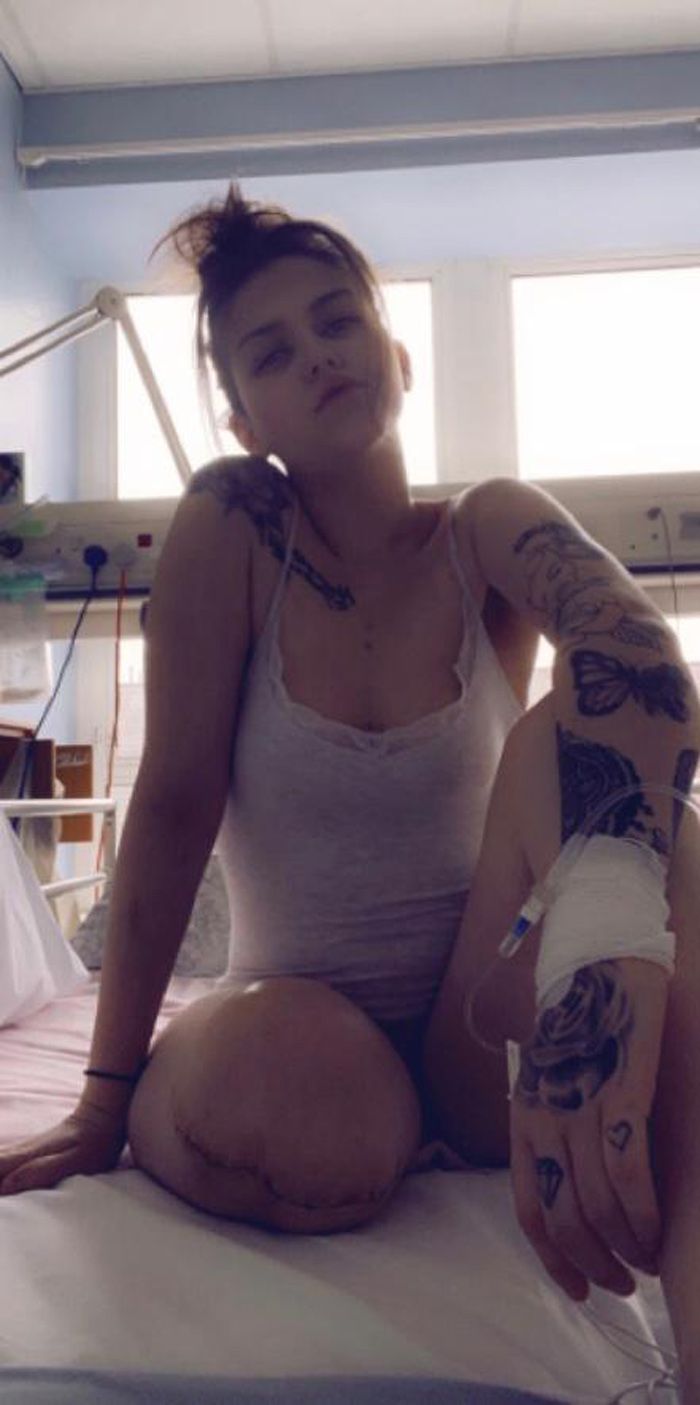
“Some nights I fall out of bed, because I'll get up to go to the toilet and forget that my leg is no longer there," she said.
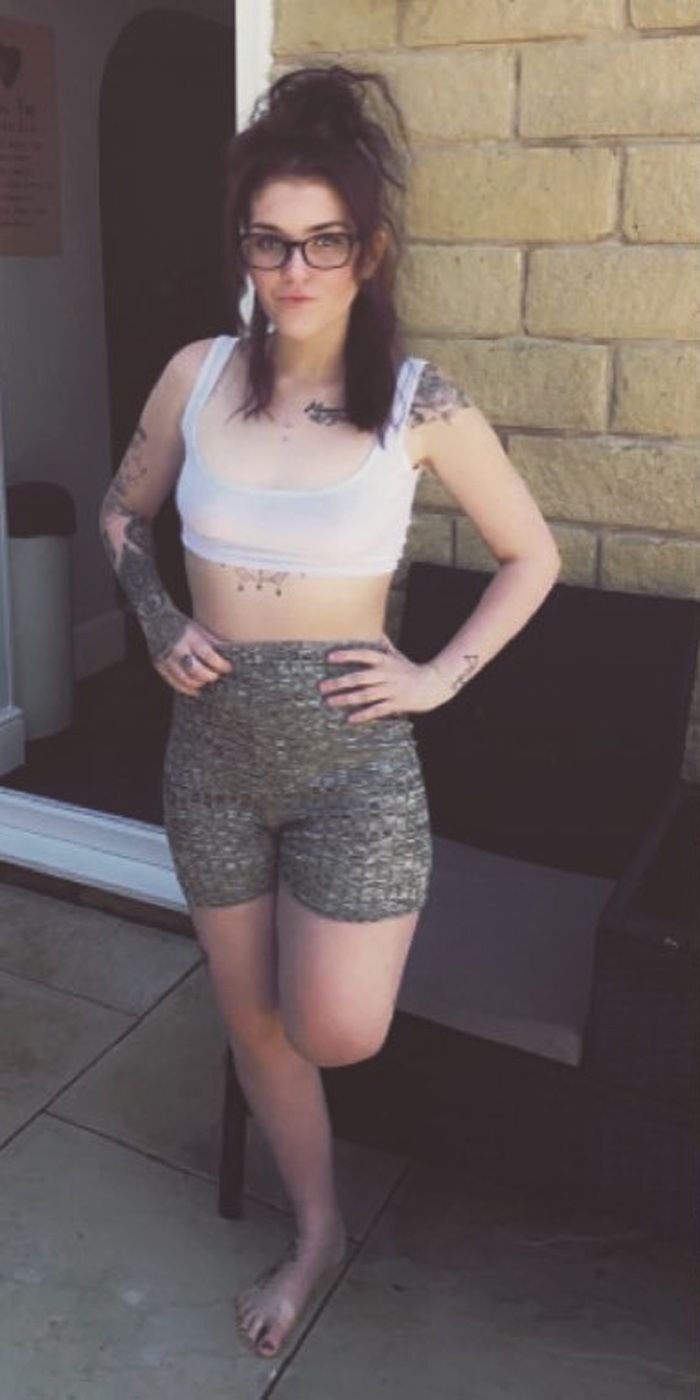
“I'm having physiotherapy once a week and will have a prosthetic leg fitted soon. Then I hope to get back to work. I've always wanted to work in the care industry and want to go back to doing that."
“I managed to take my first steps during a physiotherapy session last week which I'm really happy about."
Molly added:
“I've been home for three weeks now and life is getting better, but I know there are going to be challenges ahead."
“I just have to keep moving forward, think of the positive messages from people like Keith Mason and try and keep smiling."


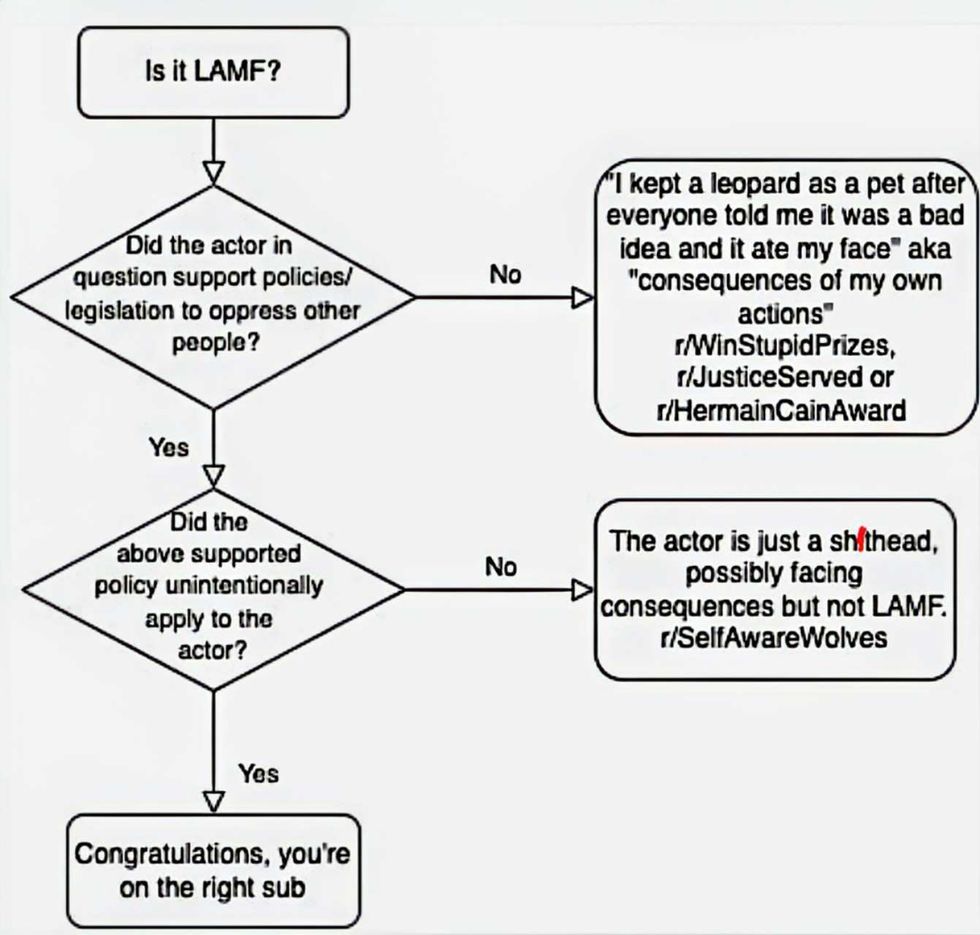 r/LeopardsAteMyFace/Reddit
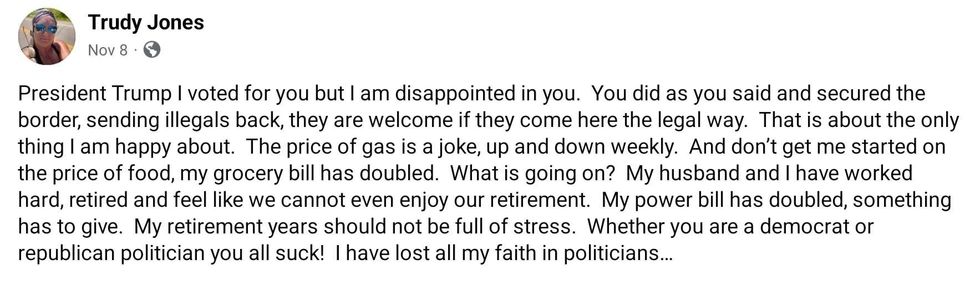 Trudy Jones/Facebook
 Trudy Jones/Facebook
 Trudy Jones/Facebook
 r/LeopardsAteMyFace/Reddit
 r/LeopardsAteMyFace/Reddit
 r/LeopardsAteMyFace/Reddit
 r/LeopardsAteMyFace/Reddit
 r/LeopardsAteMyFace/Reddit
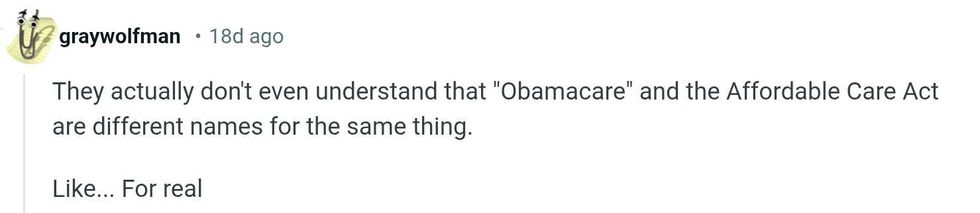 r/LeopardsAteMyFace/Reddit
 r/LeopardsAteMyFace/Reddit
 r/LeopardsAteMyFace/Reddit
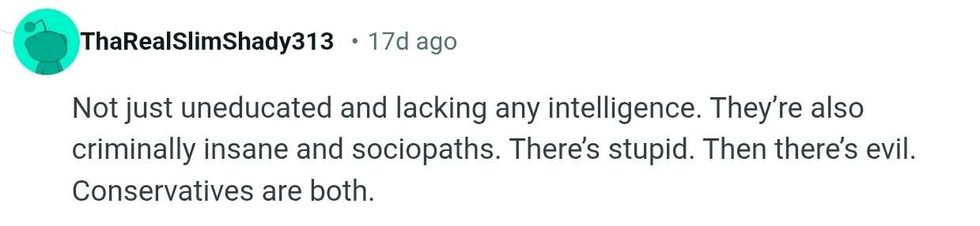 r/LeopardsAteMyFace/Reddit
 r/LeopardsAteMyFace/Reddit
 r/LeopardsAteMyFace/Reddit
 r/LeopardsAteMyFace/Reddit
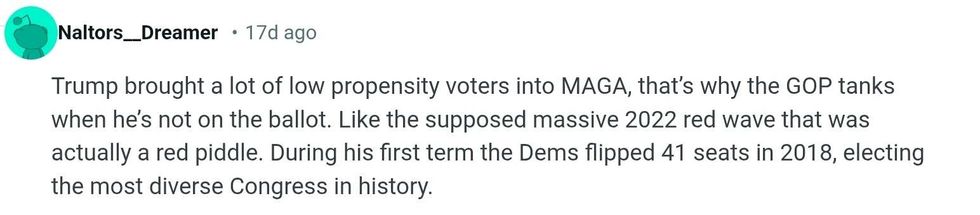 r/LeopardsAteMyFace/Reddit
 r/LeopardsAteMyFace/Reddit
 r/LeopardsAteMyFace/Reddit
 r/LeopardsAteMyFace/Reddit
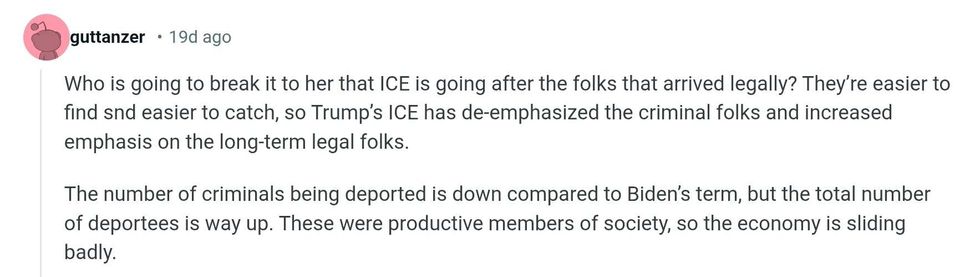 r/LeopardsAteMyFace/Reddit
 r/LeopardsAteMyFace/Reddit
 r/LeopardsAteMyFace/Reddit
 r/LeopardsAteMyFace/Reddit
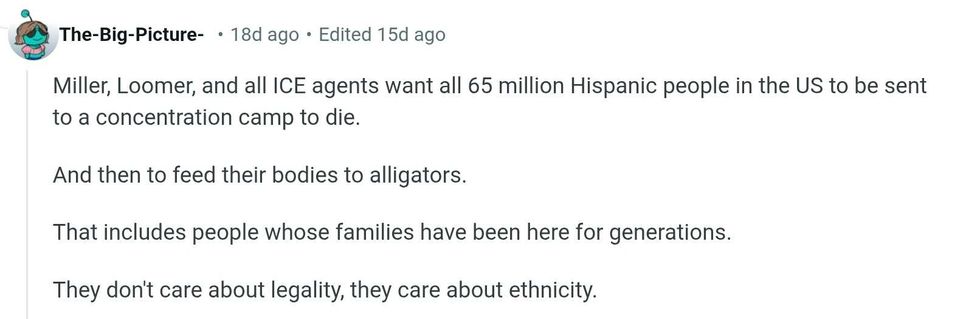 r/LeopardsAteMyFace/Reddit
 r/LeopardsAteMyFace/Reddit


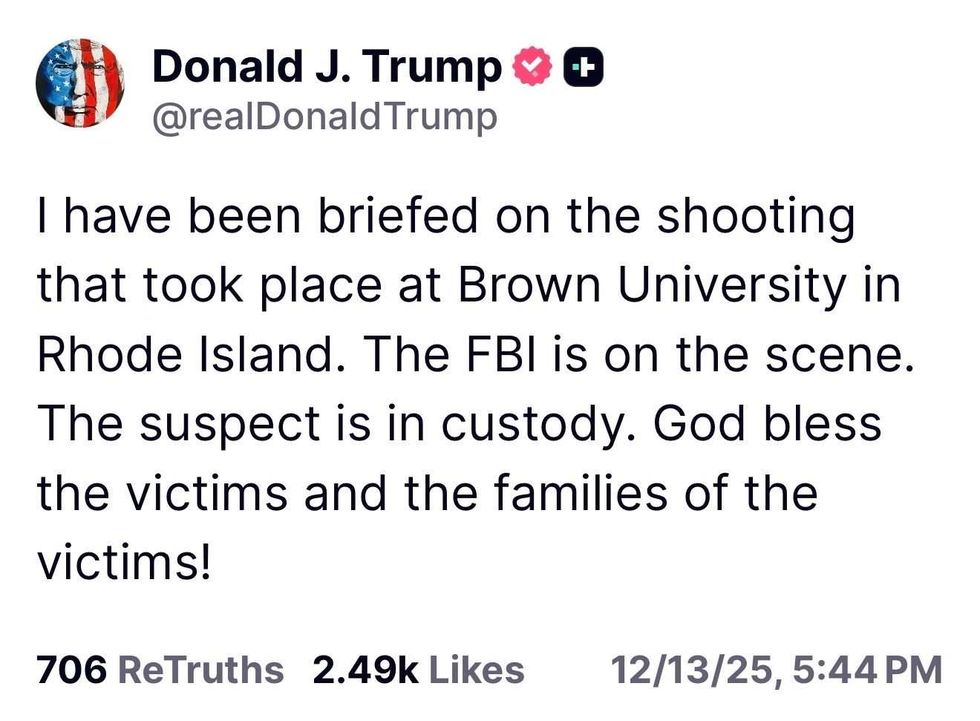 @realDonaldTrump/Truth Social
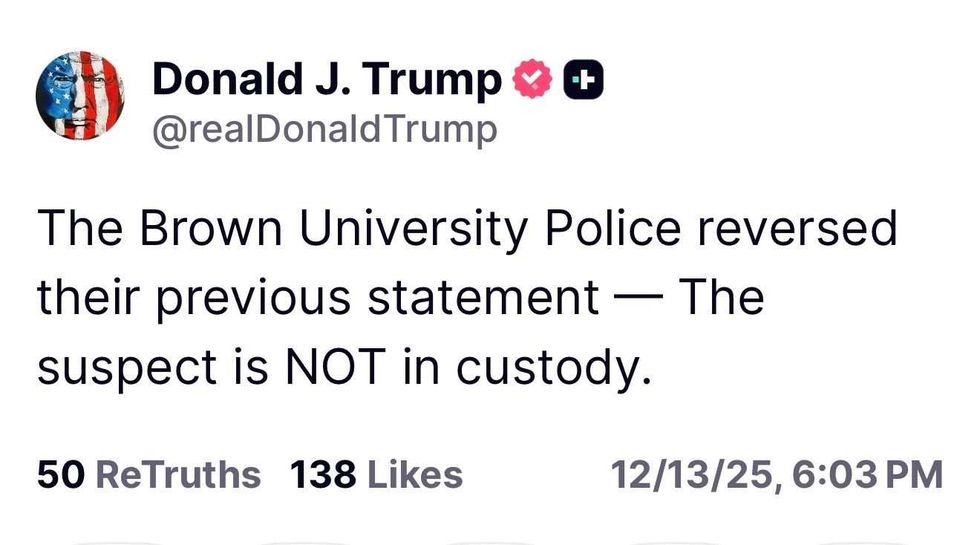 @realDonaldTrump/Truth Social