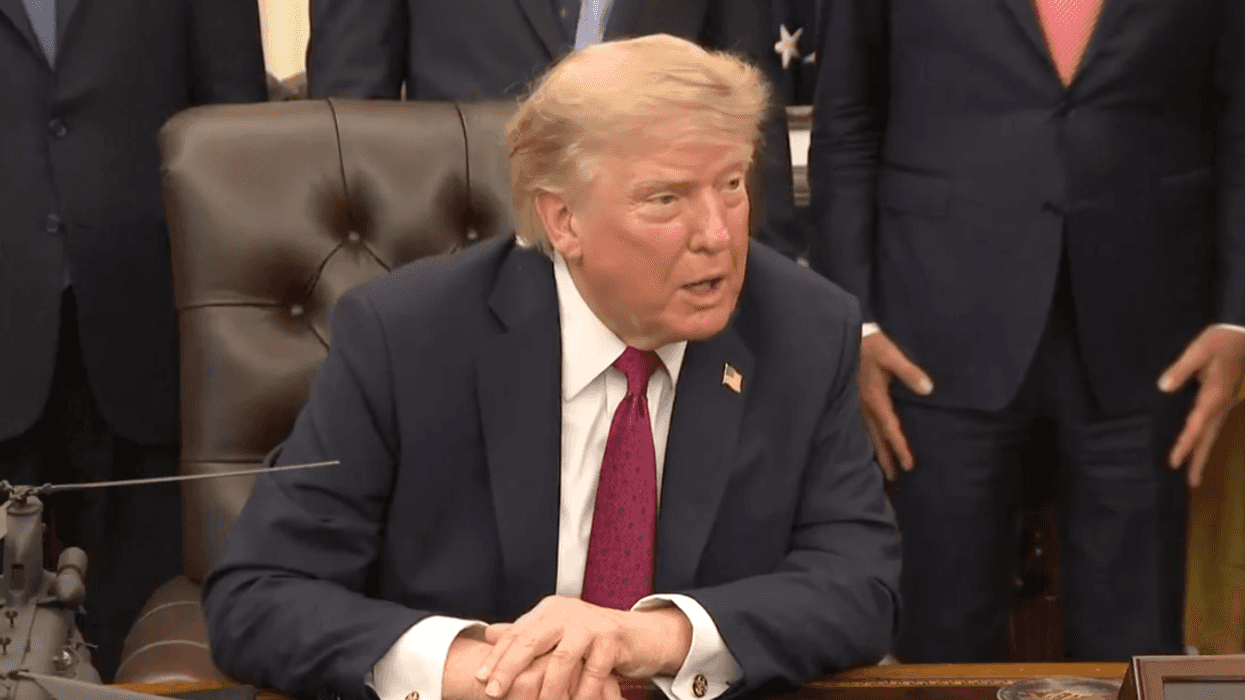

President Donald Trump was given a necessary reality check after claiming that cutting off trade with key partners would not only save the United States billions of dollars but would make the country a "big money machine."
Trump's remark is the latest development since the collapse of Canada-U.S. negotiations over a new trade agreement before a midnight deadline last month. Trump threatened to impose a 50% tariff on Canadian vehicles starting in 2027.
Canadian Prime Minister Mark Carney has already pledged to respond with dollar-for-dollar counter-tariffs to the new 50% U.S. tariff on roughly $20 billion worth of Canadian goods that took effect last week. Trump has also been criticized by Ontario Premier Doug Ford, who said Trump is "tariffing his own people" by escalating a trade war against a longstanding ally.
Trump opened by criticizing the Federal Reserve for keeping interest rates too high, arguing that the U.S. should have the "lowest rates in the world." He then complained that other countries are able to maintain lower borrowing costs because they benefit from doing business with the U.S. Trump argued that Washington therefore has the right to respond by imposing trade restrictions.
He added:
“They would go from a so-called elite country to a poverty-stricken country. You take certain countries, I don’t want to mention any, but countries that you consider great, and they’re paying a half a point. All right? A half a point."
"But they make $40 billion a year with the United States. If they don’t make the 40 billion―and we don’t need their product, doesn’t have to, we really don’t need their product―so we cut off trade with that country, we just made $40 billion, and you do a few countries like that and we become a big money machine.”
You can hear what Trump said in the video below.
There are so many problems with Trump's argument.
Americans still rely on many of the imported goods targeted by the Trump administration's tariffs, meaning the added costs are ultimately likely to be passed on to consumers. Retaliatory measures imposed by trading partners can compound the problem by making U.S. exports more expensive and hurting American businesses that depend on foreign markets.
Canada’s dollar-for-dollar response is one example, undermining the notion that the tariffs would turn the U.S. into a “money machine.”
Trump was swiftly criticized.
Trump made the remarks as Canada’s Liberal Party scored a clean sweep in three special elections, giving Carney a political boost as he faces mounting pressure from Trump in the escalating trade dispute.
The Liberals captured all three available seats, winning in Chicoutimi–Le Fjord in Quebec, Beaches–East York in Toronto, and North Vancouver–Capilano in British Columbia. Carney portrayed the results as a vote of confidence in his government’s handling of the current challenges.
The Quebec race produced the most notable result. Liberal candidate Daniel Gobeil comfortably defeated his opponents in Chicoutimi–Le Fjord, a riding (electoral district) the Conservatives, who finished third, had held since 2018. It includes aluminum manufacturers, dairy producers and other businesses that have been affected by the worsening trade tensions with the U.S.



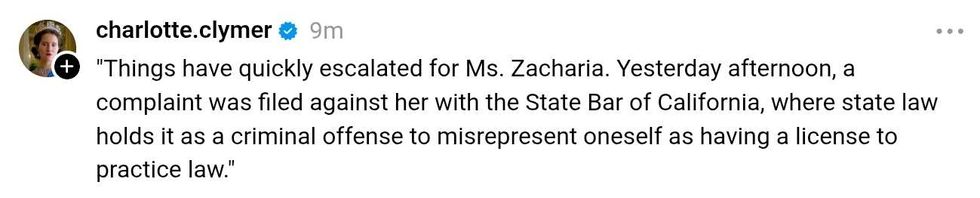 @charlotte.clymer/Bluesky
 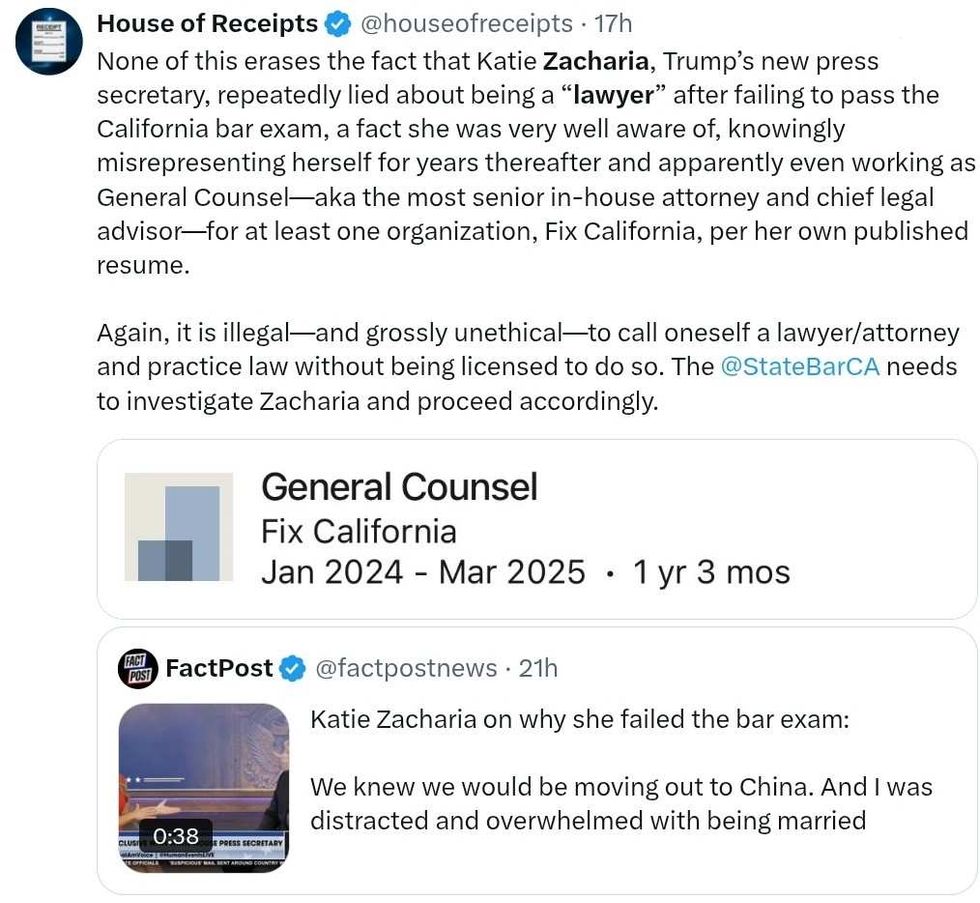 @houseofreceipts/X
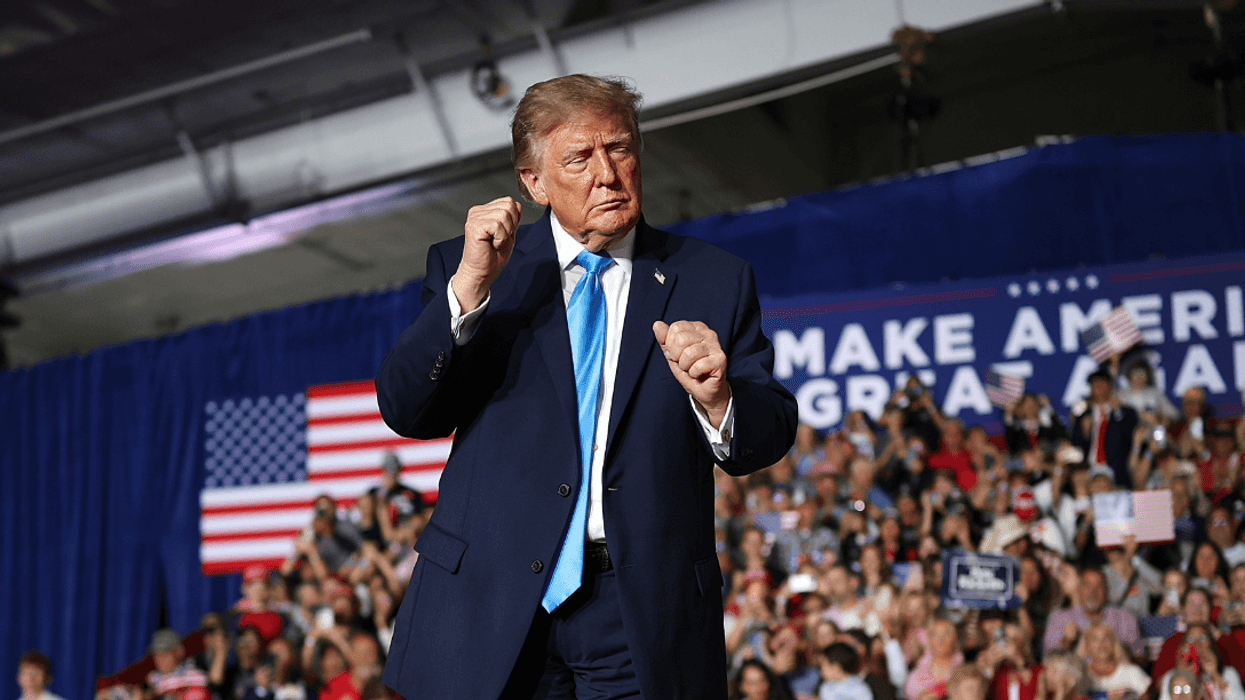

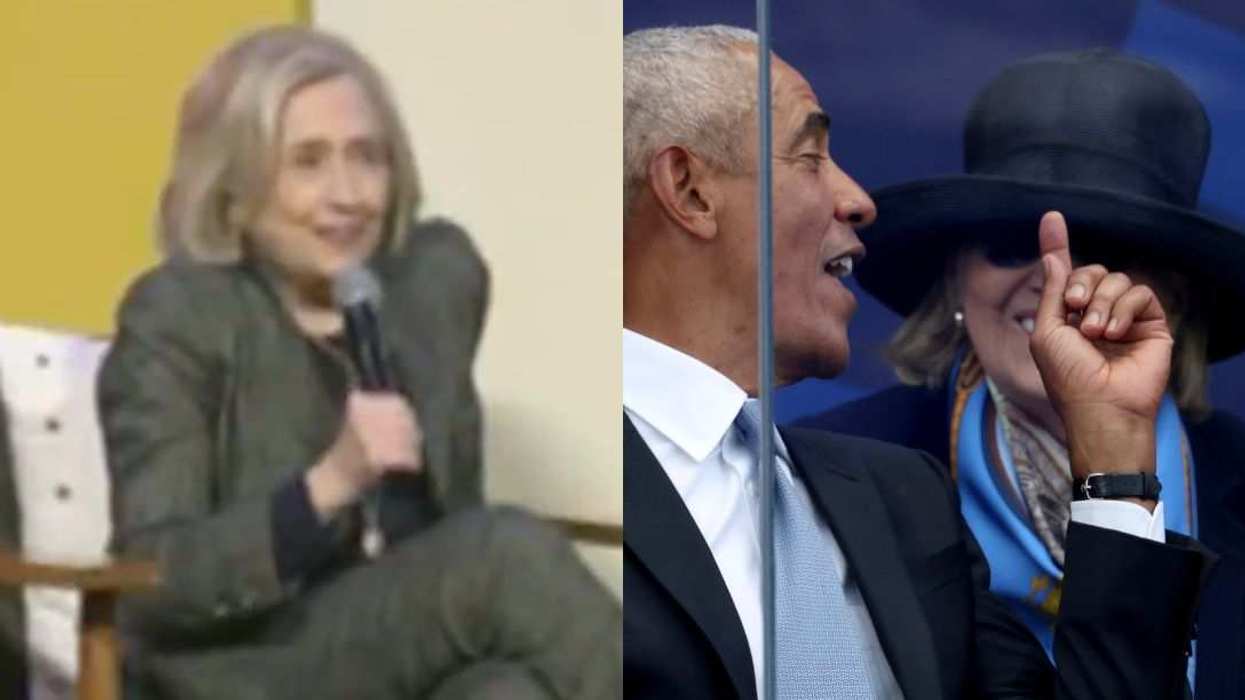
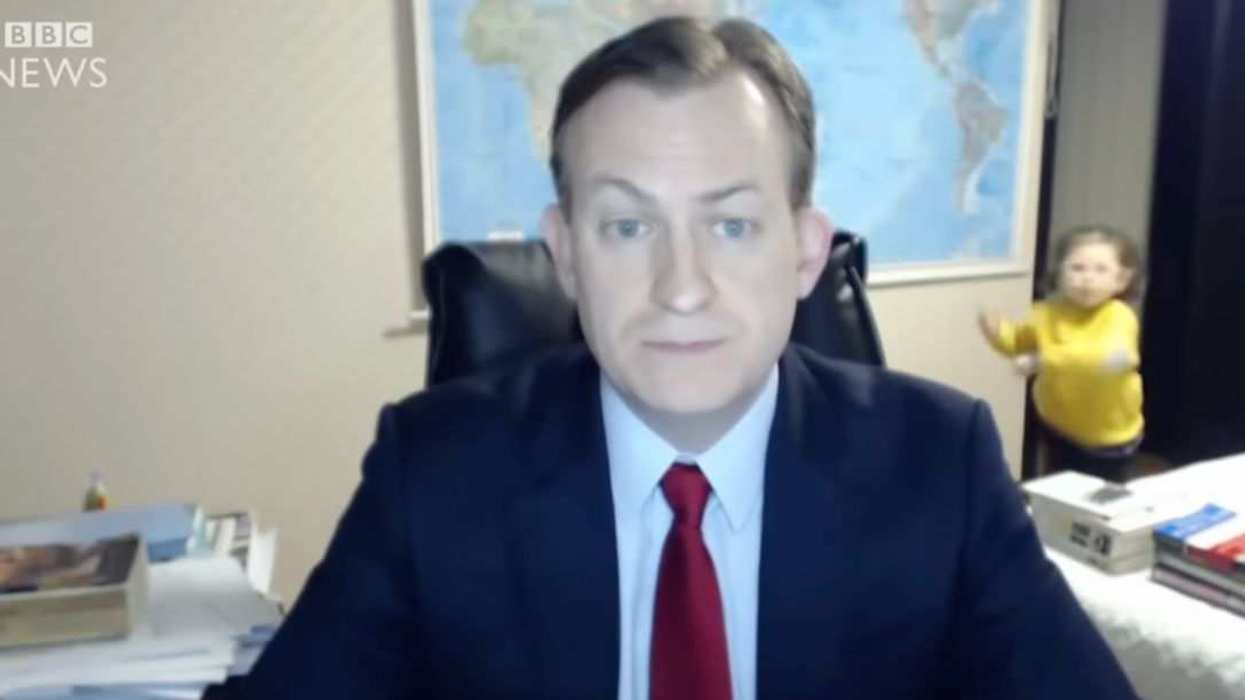

 @lillys.healingera/TikTok
 @lillys.healingera/TikTok
 @lillys.healingera/TikTok
 @lillys.healingera/TikTok
 @lillys.healingera/TikTok
 @lillys.healingera/TikTok
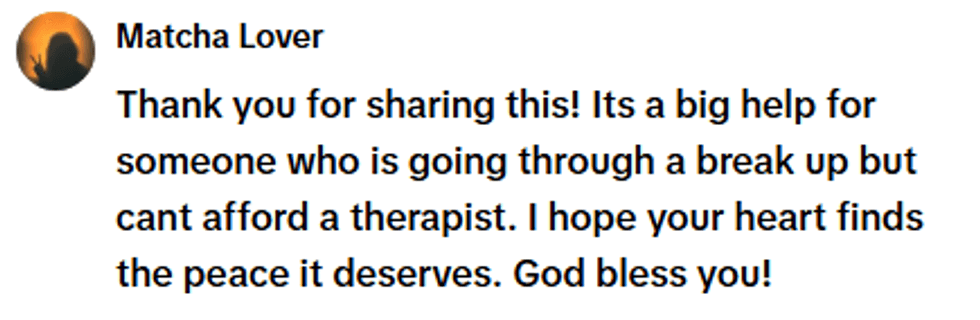 @lillys.healingera/TikTok
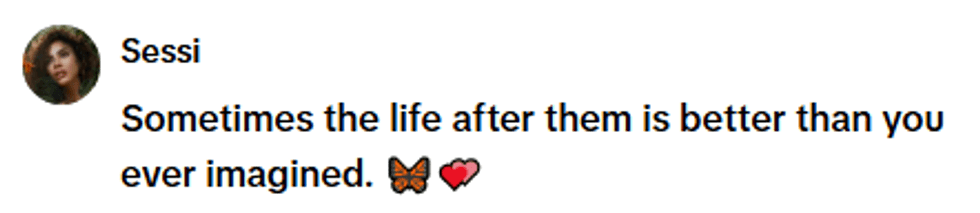 @lillys.healingera/TikTok
 @lillys.healingera/TikTok
 @lillys.healingera/TikTok
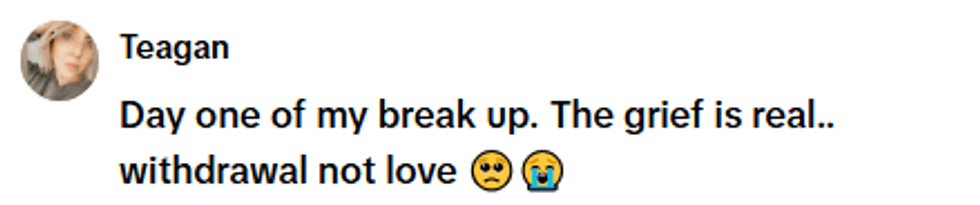 @lillys.healingera/TikTok
 @lillys.healingera/TikTok
 @lillys.healingera/TikTok
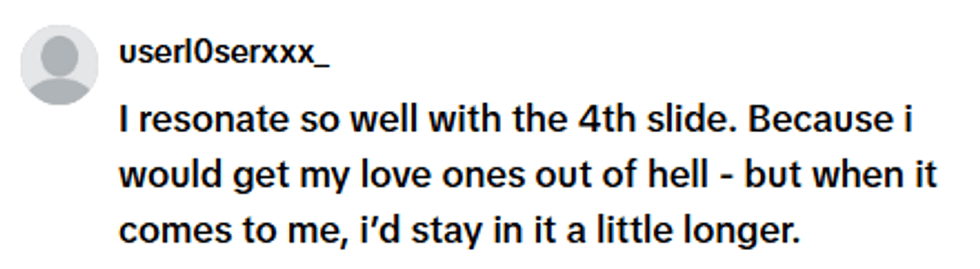 @lillys.healingera/TikTok
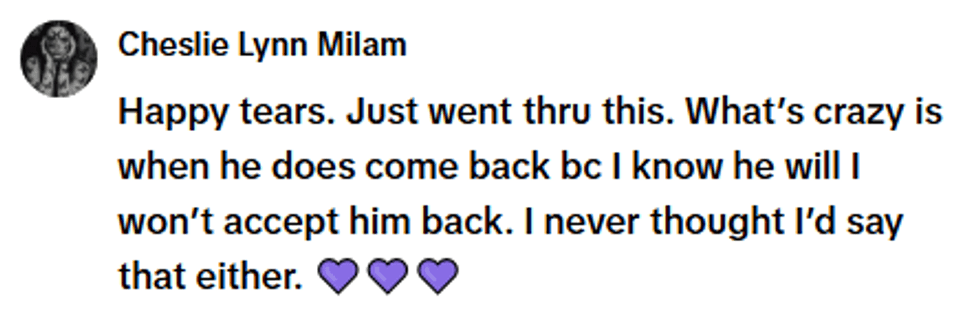 @lillys.healingera/TikTok
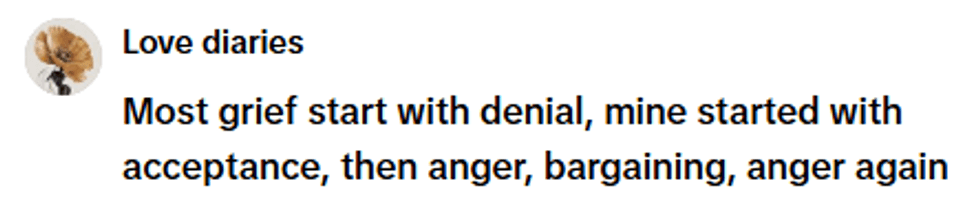 @lillys.healingera/TikTok

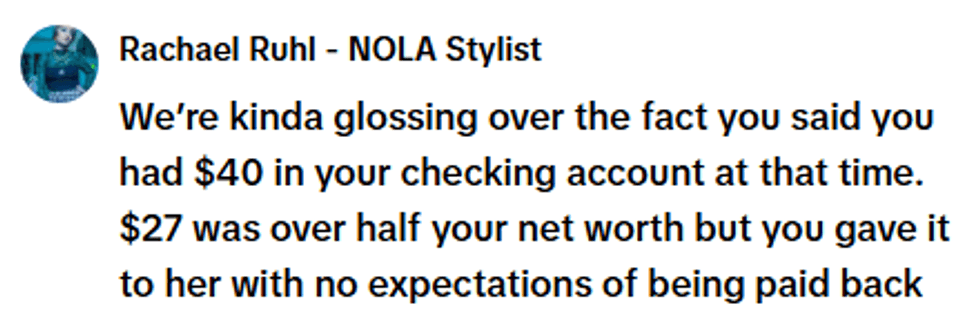 @whatsinthekoolaid/TikTok
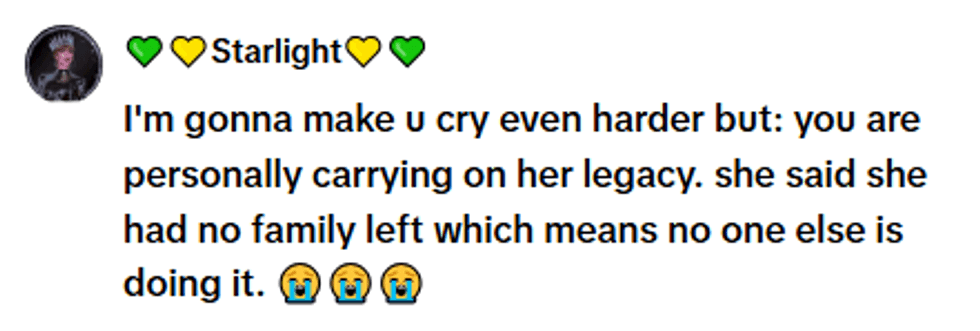 @whatsinthekoolaid/TikTok
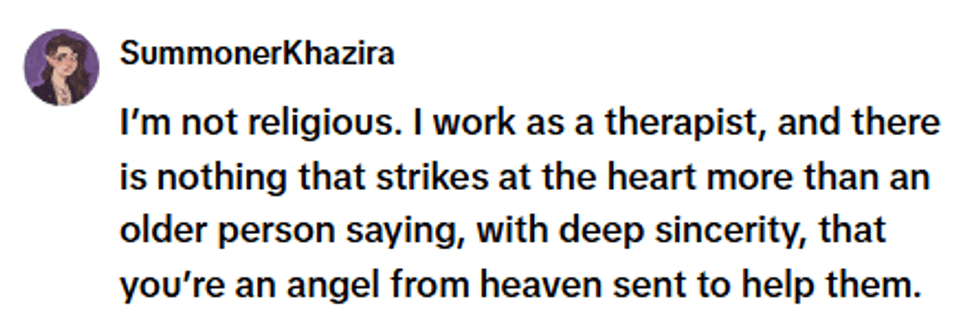 @whatsinthekoolaid/TikTok
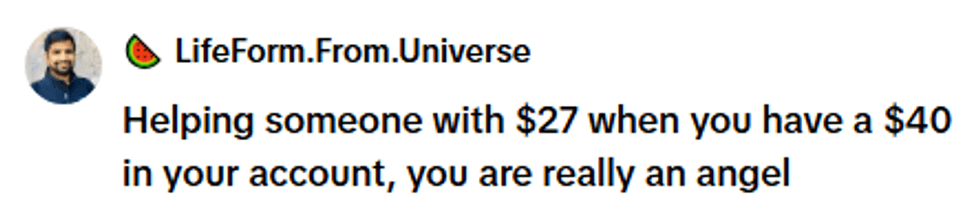 @whatsinthekoolaid/TikTok
 @whatsinthekoolaid/TikTok
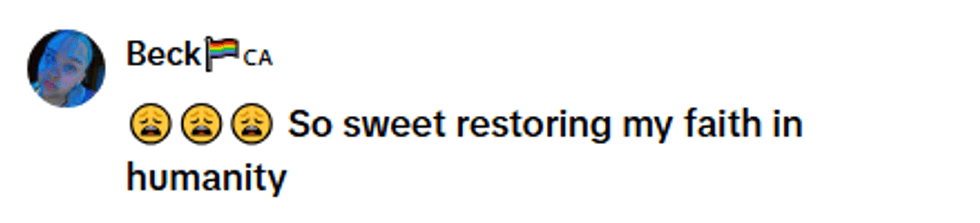 @whatsinthekoolaid/TikTok
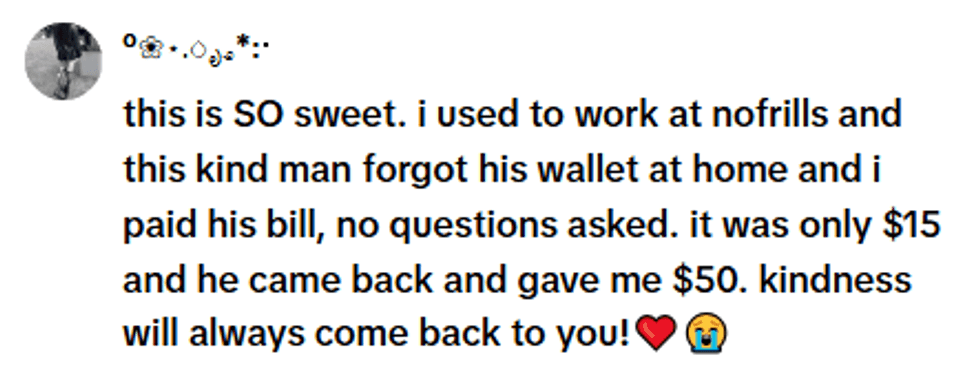 @whatsinthekoolaid/TikTok
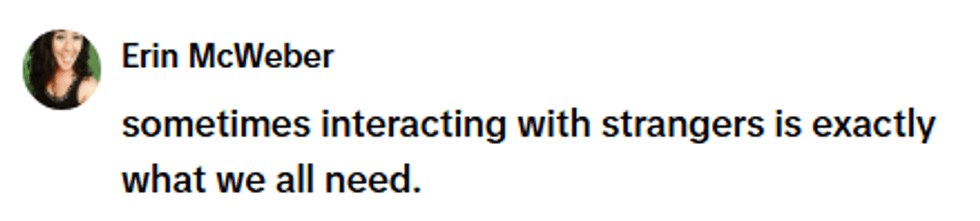 @whatsinthekoolaid/TikTok
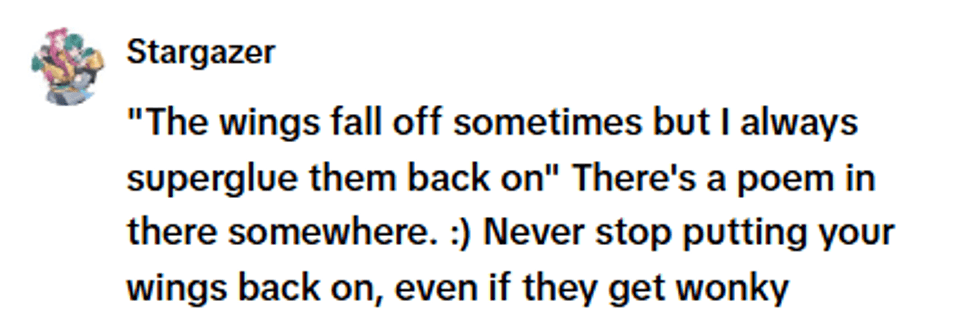 @whatsinthekoolaid/TikTok
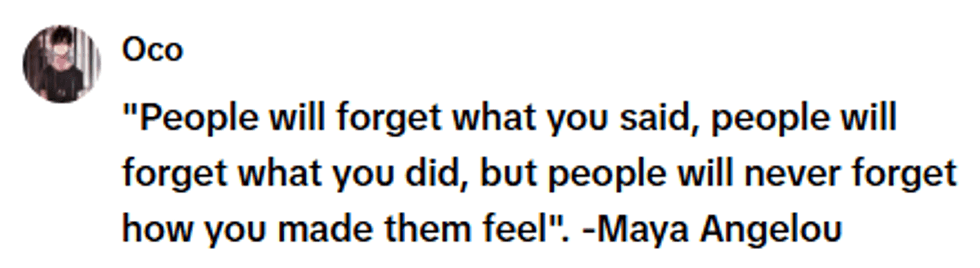 @whatsinthekoolaid/TikTok
 @palladiumpaladin/TikTok
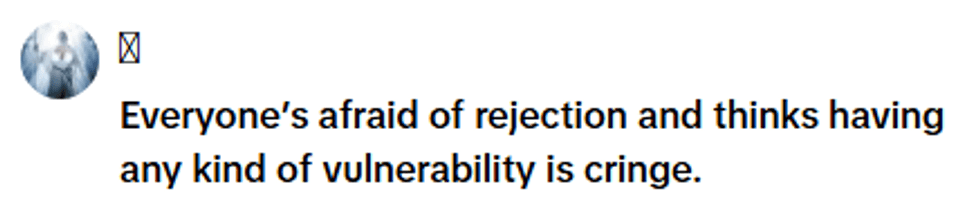 @palladiumpaladin/TikTok
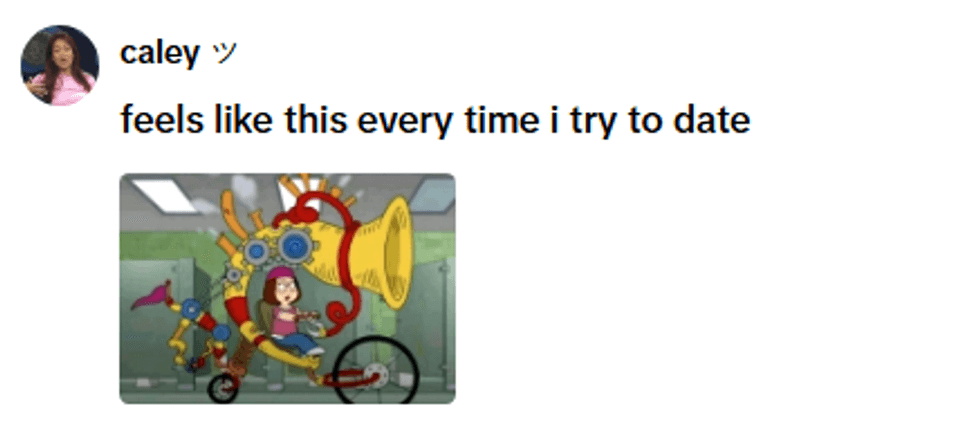 @palladiumpaladin/TikTok
 @palladiumpaladin/TikTok
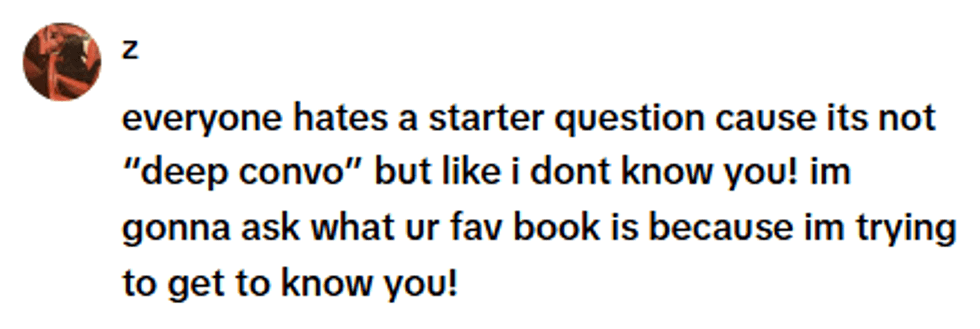 @palladiumpaladin/TikTok
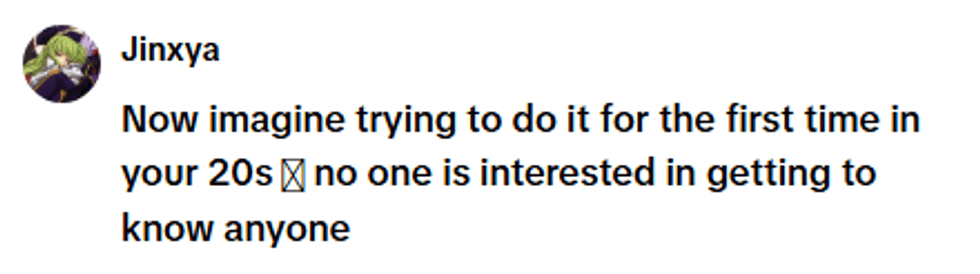 @palladiumpaladin/TikTok
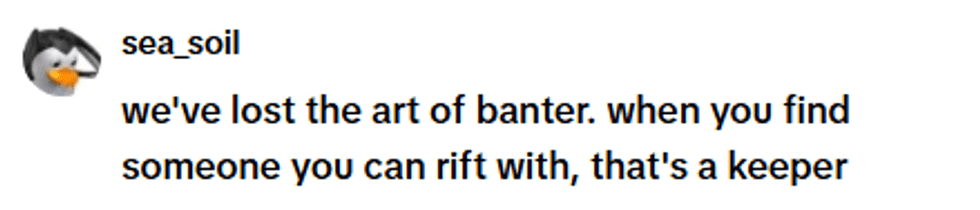 @palladiumpaladin/TikTok
 @palladiumpaladin/TikTok
 @palladiumpaladin/TikTok
 @palladiumpaladin/TikTok