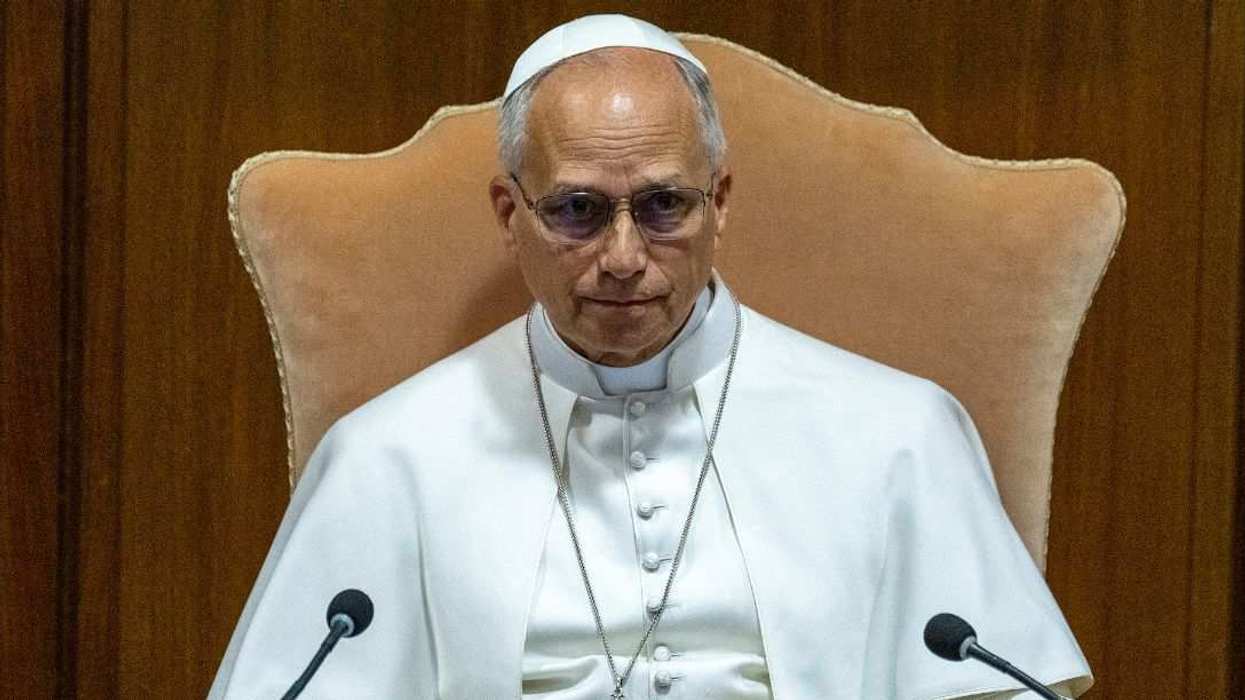

Pope Leo XIV is sounding the alarm on artificial intelligence, warning in the first major theological document of his papacy that the rapidly advancing technology must be "disarmed" before economic interests, automation, and warfare reshape society at humanity's expense.
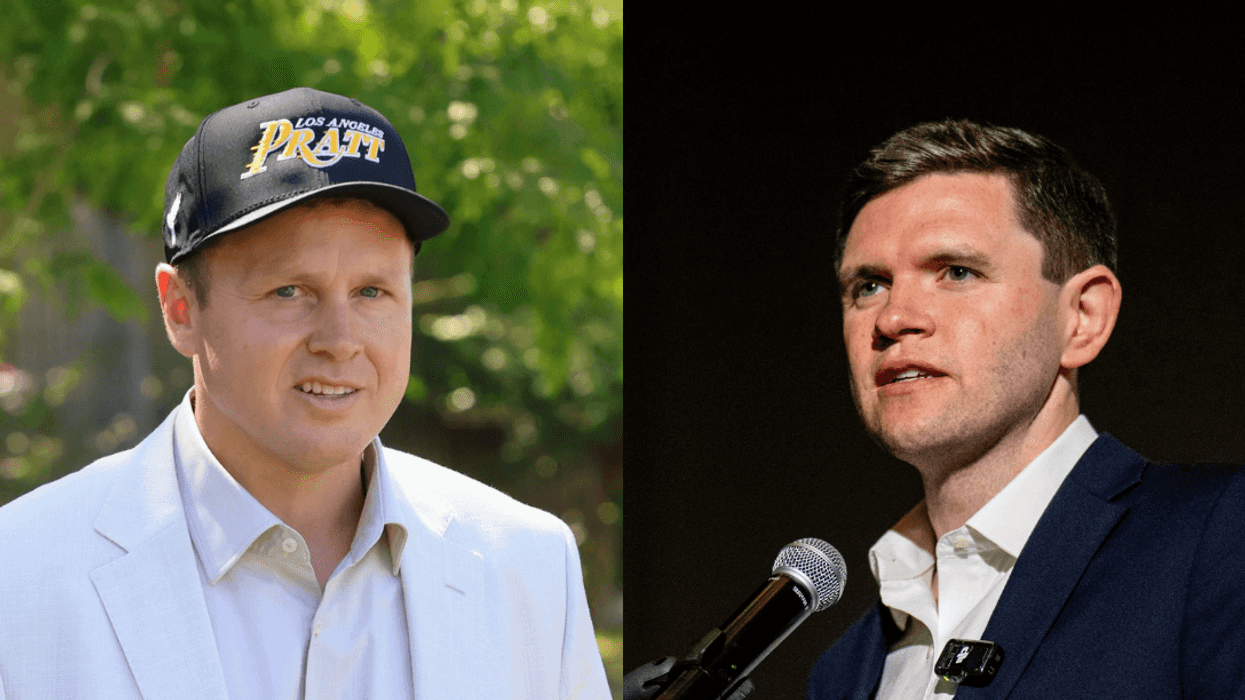
In the 2,300-word encyclical "Magnifica Humanitas," unveiled at the Vatican alongside Anthropic co-founder Christopher Olah, the pope addresses one of the defining technologies of the modern era. Anthropic is one of the world's leading artificial intelligence companies and the developer behind the Claude chatbot.
An encyclical is a formal papal letter addressing major moral and social issues. While Leo acknowledges AI's potential benefits, he warns against embracing innovation without fully considering its consequences.
Pope Leo XIV urged a more measured approach to AI:
“Calling for prudence, rigorous evaluation, and even, at times, a slower pace in adopting AI does not mean opposing progress. Instead, it is an exercise of responsible care for the human family.”
Throughout the document, Leo describes artificial intelligence as a valuable tool that can improve lives when developed responsibly. At the same time, he cautions that technological advancement should not be driven solely by efficiency, profit, or competition.
Among his chief concerns is the impact AI could have on workers. Referencing "Rerum Novarum," the landmark papal encyclical focused on labor rights, Leo warns against treating job displacement as an unavoidable cost of progress.
Addressing the economic pressures driving automation, he warned:
“The pursuit of greater profits cannot justify choices that systematically sacrifice jobs.”
He said widespread automation could leave many people in what he described as "forced inactivity," weakening both social stability and individual dignity.
Leo also devoted significant attention to the military uses of artificial intelligence, warning that emerging technologies could make armed conflict easier to wage while creating greater distance between decision-makers and the consequences of violence.
The pope raised concerns about the expansion of autonomous weapons systems:
“The growing ease with which autonomous weapons systems can be deployed and makes war more ‘feasible’ and less subject to human control.”
He later called for AI to be "disarmed" by limiting the influence of military competition, concentrated corporate power, and profit-driven incentives. Leo also rejected the idea that artificial intelligence is morally neutral, insisting that responsibility must always remain with the humans who develop and deploy it.
Calling for stronger oversight and public accountability, Pope Leo XIV wrote:
“What is needed is a more active political involvement that is capable of slowing things down when everything is accelerating, and of protecting the opportunities for communities still to be able to participate and ask questions.”
Despite the warnings, Leo stops short of outright condemning artificial intelligence. Instead, he describes it as a potential "gift" capable of alleviating suffering and opening new possibilities when guided by human-centered values.
He also writes that governments cannot leave the future of AI solely to private companies or what he describes as the "invisible hand" of the market, calling instead for legal safeguards, independent oversight, and informed public participation.
Posted on X, you read the full message below:
Humanity, created by God in all its grandeur, is today facing a pivotal choice: either to construct a new Tower of Babel or to build the city in which God and humanity dwell together. In Jesus Christ, this humanity in its grandeur becomes the Way, the Truth and the Life, opening…
— Pope Leo XIV (@Pontifex) May 25, 2026
Pope Leo's warning didn't stay confined to the Vatican as social media users weighed in on his concerns about automation, corporate influence, and the future of artificial intelligence.
Check out the reactions here:
The encyclical also drew attention from Vice President JD Vance, who praised the document despite acknowledging that he had not yet read it in full.
Speaking to NBC News, Vice President JD Vance praised Pope Leo XIV's message:
“What I read of it sounds very profound, and the sort of thing that you would expect and hope from a leader of the church. The thing about morality is that the principles never change, but the way you apply those principles does, because the world changes, right?”
The pope's warning arrives as artificial intelligence policy remains a major point of debate in Washington.
Just last week, President Donald Trump reportedly scrapped plans for an executive order that would have established voluntary partnerships between federal agencies and leading AI companies to evaluate advanced models before their public release while strengthening key cybersecurity protections.
As governments and technology companies continue debating how artificial intelligence should be governed, Leo's message offers a framework centered not on what AI is capable of doing, but on how far society should allow it to go.

 @sleepdocshelby/Instagram
 @sleepdocshelby/Instagram
 @sleepdocshelby/Instagram
 @sleepdocshelby/Instagram
 @sleepdocshelby/Instagram
 @sleepdocshelby/Instagram
 @sleepdocshelby/Instagram
 @sleepdocshelby/Instagram
 @sleepdocshelby/Instagram
 @sleepdocshelby/Instagram
 @sleepdocshelby/Instagram


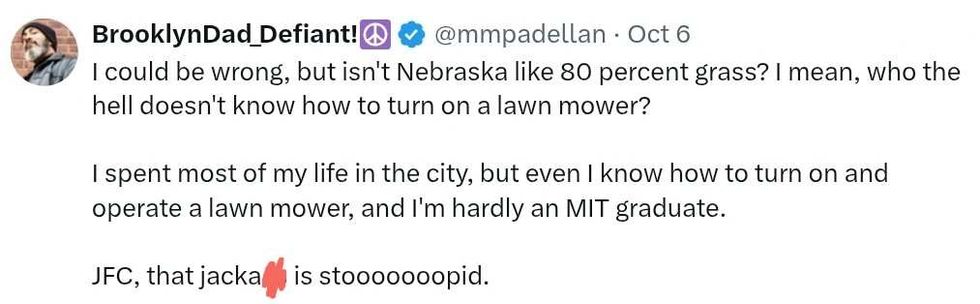 @mmpadellan/X