
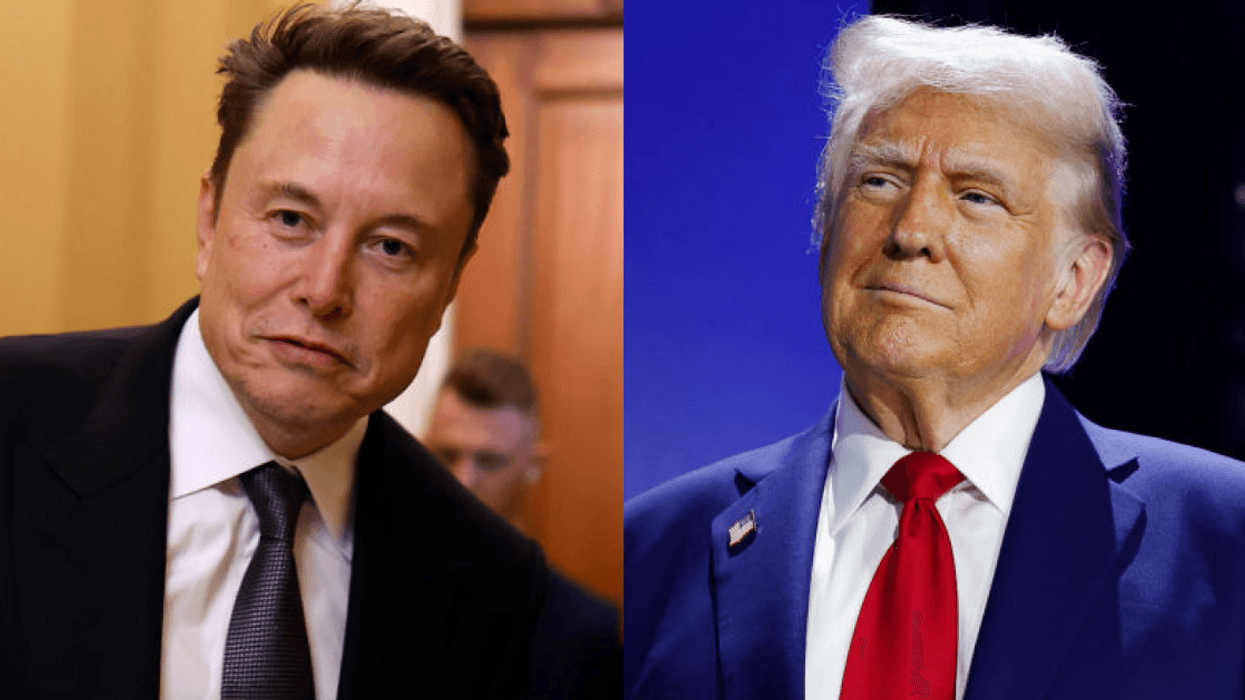

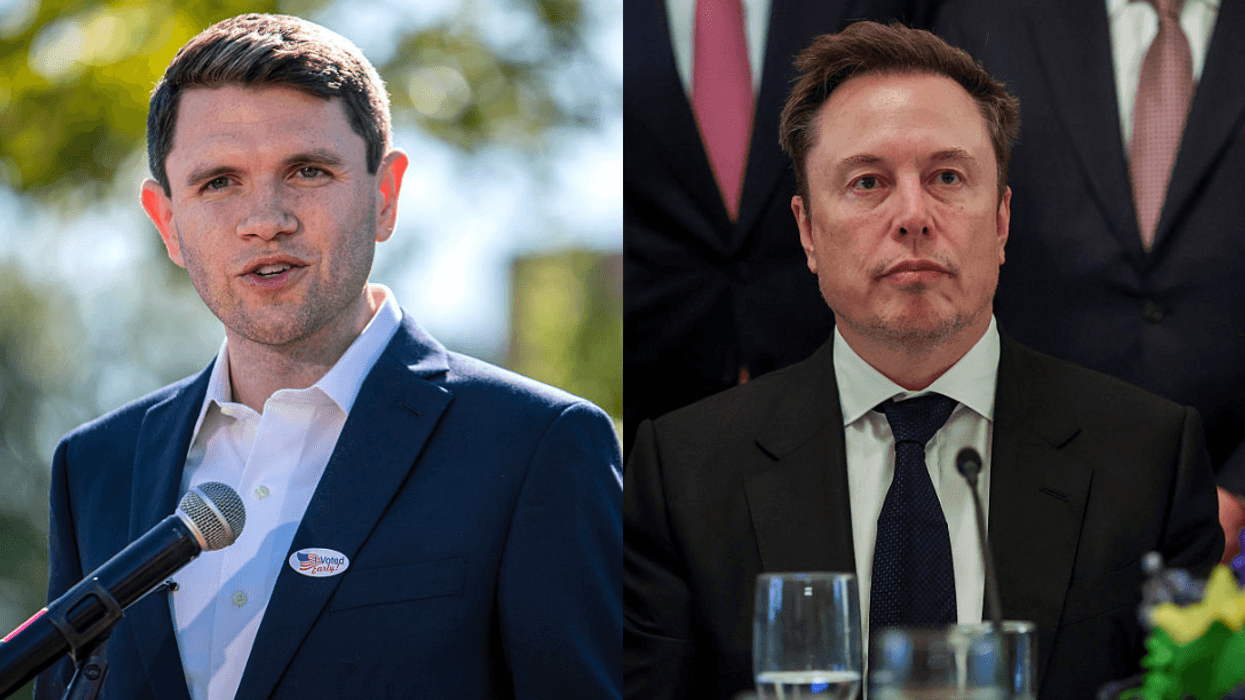
Billionaire Elon Musk was criticized after gleefully sharing President-elect Donald Trump's Truth Social post claiming that billionaires and their companies will get "expedited approvals" that avoid environmental regulations once he takes office.
Trump earlier suggested he would fast-track approvals for projects that inject at least $1 billion into the U.S. economy, writing the following message on Truth Social:
“Any person or company investing ONE BILLION DOLLARS, OR MORE, in the United States of America, will receive fully expedited approvals and permits, including, but in no way limited to, all Environmental approvals."
“GET READY TO ROCK!!!”
You can see his post below.
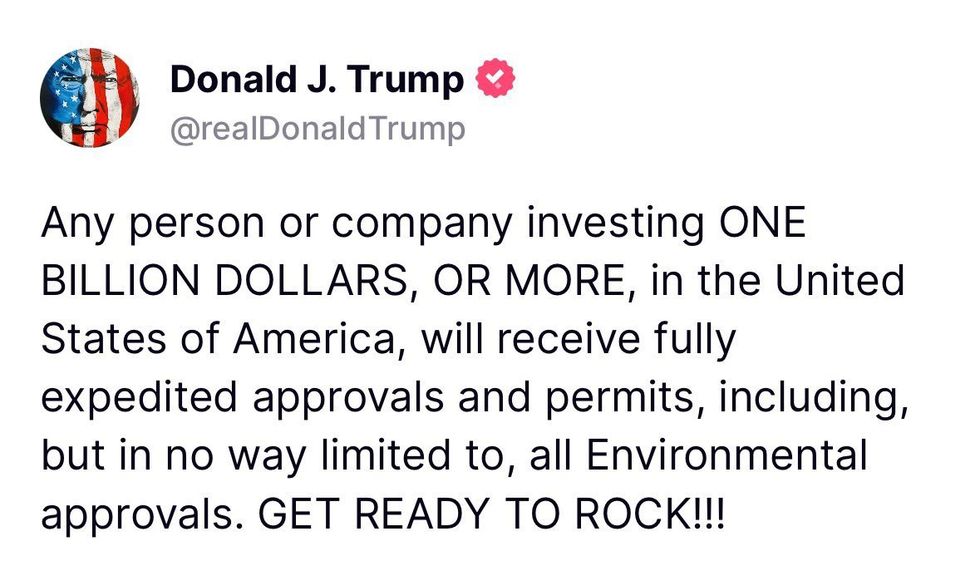 @realDonaldTrump/Truth Social
The National Environmental Policy Act (NEPA), a cornerstone of U.S. environmental law, mandates that federal agencies assess environmental impacts before approving actions like energy production or infrastructure projects, including pipelines and highways.
For years, businesses and corporate lobbyists have criticized NEPA’s review process as overly lengthy and costly, arguing it causes significant delays.
Trump’s announcement coincided with the Supreme Court hearing arguments on whether NEPA’s scope should exclude indirect environmental impacts. While it’s unclear if the post was tied to the case, the timing has raised eyebrows.
And Musk was clearly very pleased by Trump's news, simply saying:
"This is awesome."
You can see his post below.
There is no question that the move benefits only the billionaire class—certainly not the American people, let alone the environment—and Musk was swiftly called out for his smugness.
The case before the Supreme Court centers on a proposed railway line to transport crude oil from Utah’s Uinta Basin to refineries for fuel production. Environmental groups and a Colorado county challenged the government’s environmental review, arguing it failed to address the impacts of producing and refining the transported oil.
The D.C. Circuit Court of Appeals sided with these groups, ruling that the U.S. Surface Transportation Board “is not allowed ‘to shirk [its] responsibilities under NEPA by labeling’ these reasonably foreseeable upstream and downstream ‘environmental effects as crystal ball inquiry.’”
However, the railway company and Utah counties appealed, asserting that agencies should focus solely on the “proximate effects of the actions over which [they have] regulatory authority,” not broader, “reasonably foreseeable” impacts.
The case could significantly influence how fossil fuel infrastructure projects are evaluated. Lawmakers have long debated whether and how to factor in the climate effects of burning extracted fuels when approving drilling or mining projects.
Environmental advocates caution that the court’s conservative majority might narrow the scope of impacts federal agencies must assess, posing potential threats to ecosystems and public health.



 @janhunterlan/Threads; @riccigrams/Threads





 u/a_duck_in_past_life/Reddit
 u/GordEisengrim/Reddit
 u/qu33rtyc0wboy/Reddit
 u/-SnuffBox-/Reddit
 u/Kooky-Blueberry-5352/Reddit
 u/Kidgorgeoushere/Reddit
 u/OShaunesssy/Reddit
 u/eugeneugene/Reddit
 u/AvengingHero2012/Reddit
 u/Kooky-Blueberry-5352/Reddit
 u/tecate_papi/Reddit
 u/Accomplished_Ad5811/Reddit
 u/nilsinleneed/Reddit
 @valentin/Instagram
 @carrieanninaba/Instagram
 @valentin/Instagram
 @valentin/Instagram
 Joanne/TikTok
 TeawithB/TikTok
 @marcille/Bluesky
 @mo-si-do/Bluesky
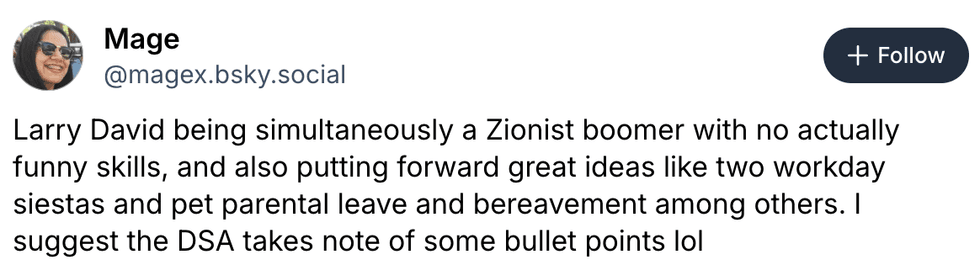 @magex/Bluesky
 @winterlongone reply to @mo-si-do/Bluesky
 @mo-si-do reply to @winterlongone/Bluesky
 @thetnholler/Bluesky
 @saint1971/Threads
 @proceduraltexture/Bluesky
 @shanoprogressive/Bluesky
 @majorrager/Bluesky