
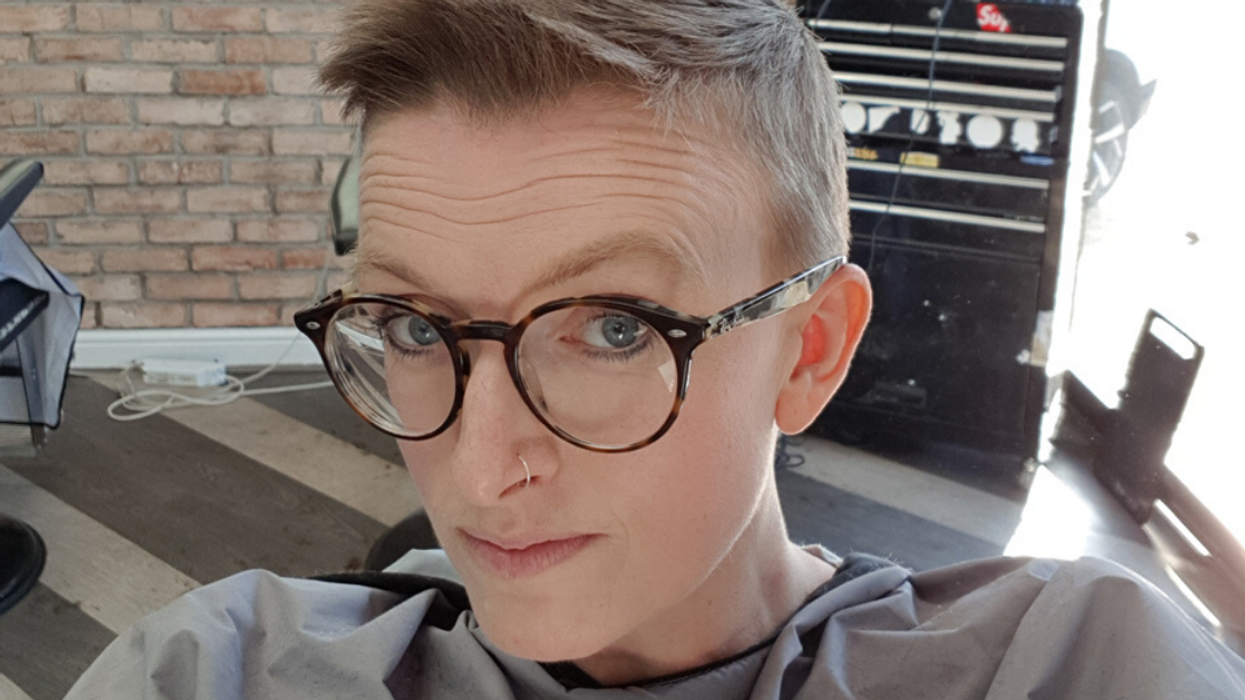
A working mother has a lot going on in her life at all times. Hayley Jacobs has work and kids to worry about, plus a rare and extreme form of epilepsy that even opening her own front door can trigger a seizure.
Jacobs works part-time in education support, has reflex epilepsy – an uncommon form of the brain condition where nearly all seizures are caused by a specific trigger – which, in her case, can be everyday tasks like hair brushing, cooking, ironing and writing.
Diagnosed with juvenile myoclonic epilepsy at 17, she was able to manage her condition with medication until the summer of 2018, when it inexplicably spiraled out of control.

“It was terrifying," Jacobs said. “I got up one morning to go out for a run and started having jerks. They weren't like I used to have, when perhaps just my hand would jerk."
“These were continuous and it felt like my whole body was jerking. I was on my own at home and conscious, so I called an ambulance, because I had no idea what was happening. I told the emergency operator I thought I was having a fit."
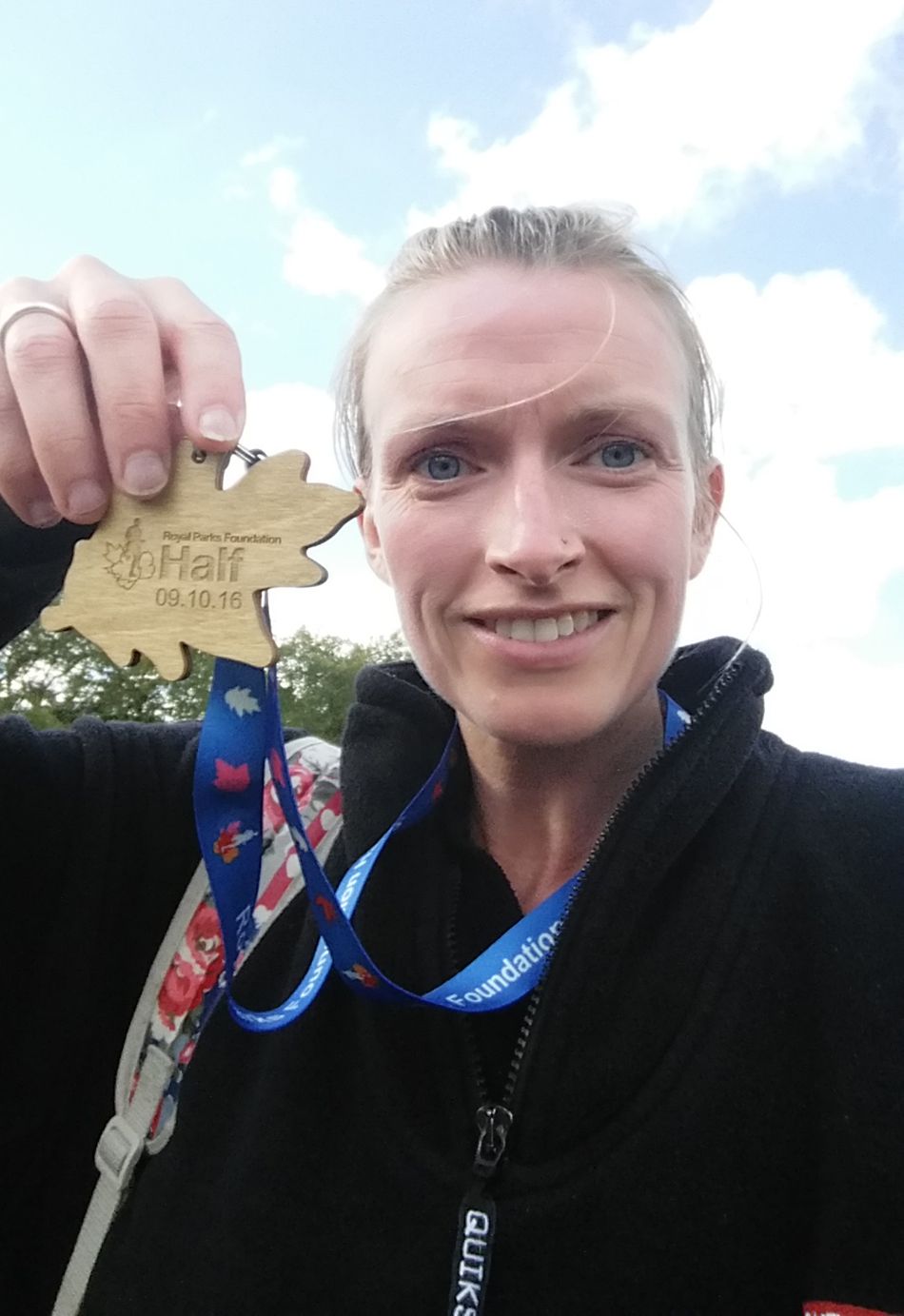
She was taken to the hospital, and was told it was an anxiety attack. Jacobs was scared, so she made an appointment with her GP.
“I was desperate. Things had suddenly gone so wrong and were getting worse and although the doctors thought it was anxiety, I knew epilepsy was to blame," she said.
“The jerks hadn't come back, but I was having these very strange feelings, like an extreme wave of fear rushing over me, starting at the bottom of my feet and then moving up through my body."
Hayley was particularly adamant that epilepsy was to blame for her odd sensations, as it took her about a year after first experiencing “sudden jerks" as a teenager before she told anyone and received her diagnosis.
“Back then, I didn't really want to tell anyone or acknowledge anything was wrong," she said. “I was more interested in going out and doing 17-year-old's things back then."

“The only reason we found out I'd had a big seizure at the time was because I had a boyfriend who had stayed the night with me. He witnessed it that morning, which then meant I was taken to hospital in an ambulance," she said.
“I haven't had a full-blown seizure like that for 11 years now. When you do have one, you're not aware of what's going on. You don't know where you are when you come to. I'll be conscious, as in awake, but talking nonsense and won't even know I'm doing that. That can go on for a good half an hour."
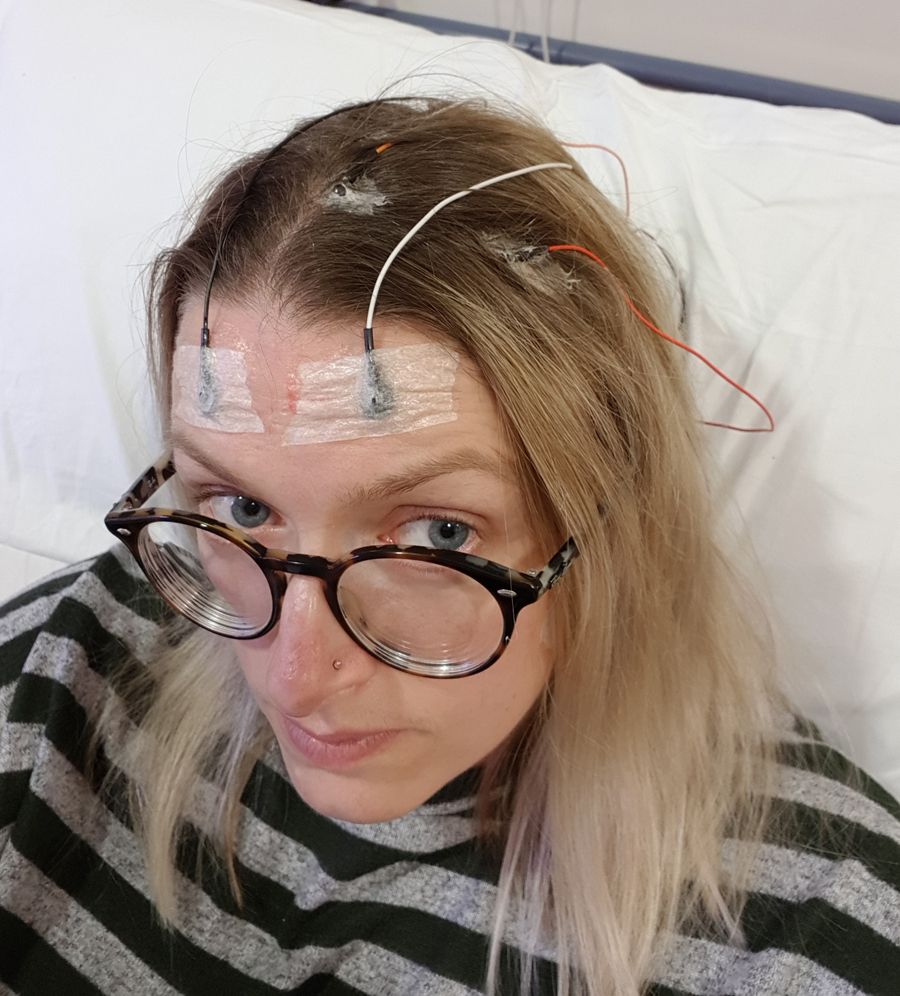
Her last major seizure, which happened six months after the birth of her second daughter, led her to take medication to manage her condition.
In Jacobs' case, movements that involve pressing, shaking or twisting, like turning on taps or dimming the lights – can trigger an attack during which she experiences an “indescribable" feeling, which makes her feel very emotional and causes her whole body to jerk and limbs to twitch.
“I know it sounds really strange, but one of the symptoms I had before I got a proper diagnosis was that I became obsessed with taps," she said.
“I would become really bothered, both in my own house and elsewhere about what sort of taps were in the bathroom. If I needed to go to the toilet, just thinking about the taps would trigger those rising feelings which would then panic me."

“My hair was another big problem. It was quite long at the time things started to go wrong in 2018 and I couldn't wash or style it without fear of an attack," she added.
“I ended up with long white dreadlocks and spent about a month with it in a bun until, eventually, I just got it all chopped off into a short pixie cut."
Still finding it difficult to cook or brush her daughters' hair, Jacobs' girls have learned to make meals and style their own hair in another room so she doesn't see them and have a seizure because she is thinking about what they are doing.
In all, Jacobs says, there are around 40 everyday tasks which she finds difficult, as they could trigger a seizure.
While there is no cure for reflex epilepsy, she now takes medication which she finds helpful. But, the only certain way to stay well is to avoid known triggers.
“It makes everyday life really difficult," she said. “I used to see my neurologist once every four months and cry. I told her I felt terrible because other people with epilepsy have much worse symptoms and more dramatic seizures, but she really felt for me and said, 'Yes, but your quality of life is awful because your whole day is based around seizure control.'"
“She was right. Having reflex epilepsy has changed my whole life," she said.
“When my youngest daughter was 10, I walked her to school one day and, of course, there were lots of mom with buns and plaits and loose hair and when I started thinking about it, I had a seizure in the playground. After that, I couldn't walk my daughter to school anymore."
Jacobs has also had to change her entire wardrobe, as buttons and zips cause her problems. Instead, she has to wear clothes she can pull on – like T-shirts, jumpers and elasticated waists – without the fear of triggering a seizure.
“For most people with epilepsy, anxiety and seizures go hand-in-hand," she said. “Anxiety can trigger a seizure and a seizure can trigger anxiety, which is a vicious circle."
Employment is another challenge for epilepsy sufferers, with 66 per cent of those affected being unable to work, according to the charity Epilepsy Action.
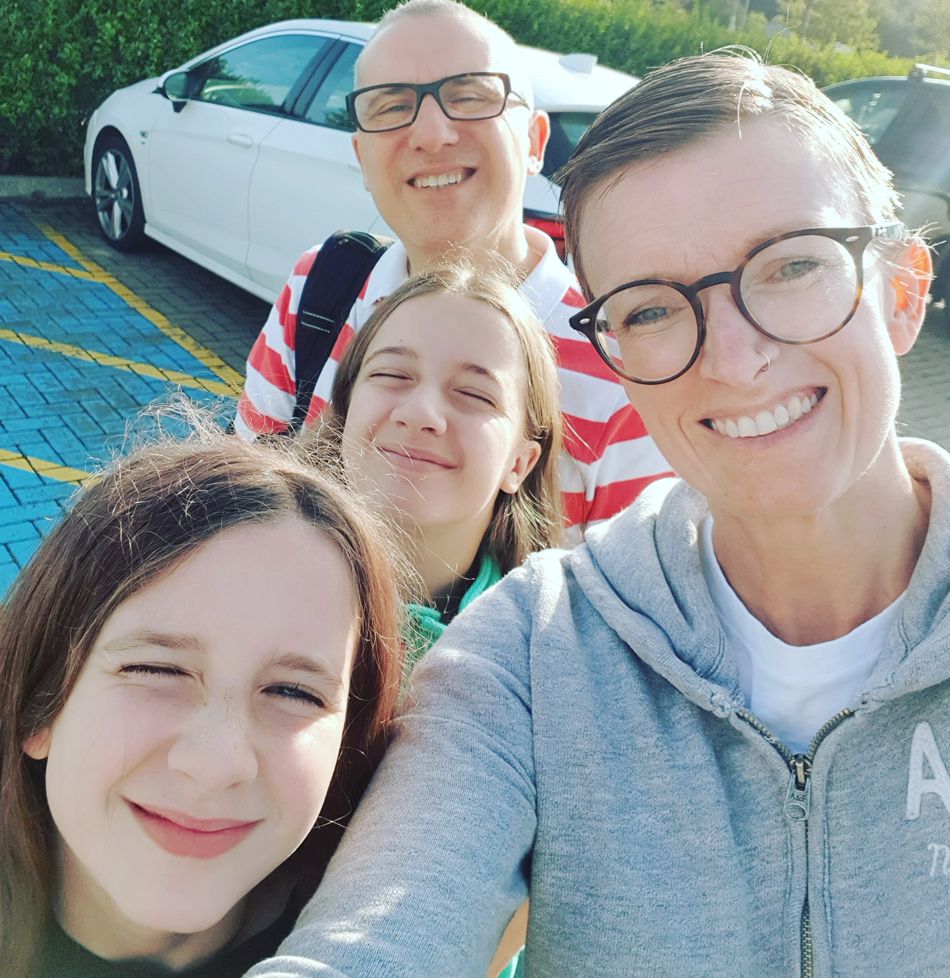
Jacobs started her career working in finance, worked as a learning support assistant in schools for seven years and had just completed a training year to teach religious studies in a secondary school when her epilepsy spiraled, forcing her to stop.
Now working part-time in education support, she has to balance the demands of a job with resting and taking care of herself, all the while avoiding the triggers she knows will cause a seizure.
Another difficulty of her condition is the fact it is not visible.
“I wear the 'please-give-up-your seat' badge when I travel on the tube," she said. “I don't ask for a seat unless I really think I need one, but I see people looking at me, which makes me want to tell them what I have wrong, so they will understand why I might need a seat.
“It's been 18 months since my epilepsy started to spiral out of control so, as a family, we have our new 'normal' now. It's taken us a long time to adapt and it's changed the way we live as a family, but I'm very proud of my girls and how they've learned to do things when I can't."
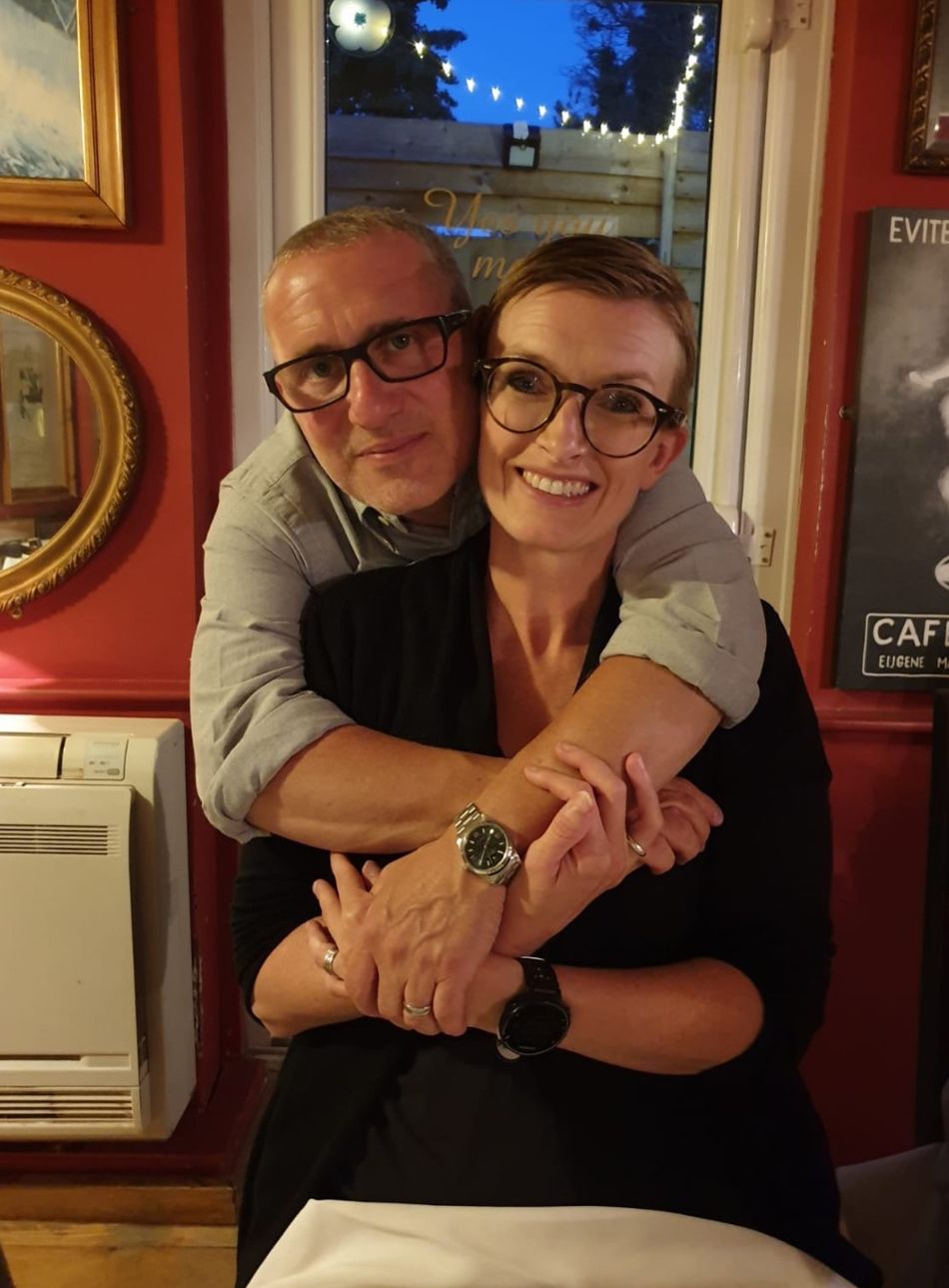
“I think I'm over the worst. I have effective medication and am a bit more capable now, but my life hasn't turned out the way I expected it to," she added.
“I don't want sympathy, but there are days when it's still hard. I'm a million times better than I was, but I still have the anxiety and depression – part of which is caused by my medication and part born out of frustration."
March 26 was designated International Epilepsy Day, also known as Purple Day as sufferers and supporters wear something purple to help raise awareness.
“I surprised my husband the other day when he made some comment about how well I seemed to be doing at the moment. I replied saying, 'Oh, I was sitting on the train this morning thinking about killing myself,' which really shocked him," she said.
“I don't have suicidal tendencies. I'm not sitting there planning how to do it, but I sit there feeling, 'Is this it? Am I never going to get any better? Is this my life now?' It's hard to cope with the fact my life isn't how I wanted it to be."
For more information on epilepsy visit Epilepsy Action and to follow Hayley's progress read her blog here.





 @RandyRRQuaid/X
 @taliesin82/Bluesky
 @RandyRRQuaid/X
 reply to @RandyRRQuaid/X
 @matthewdownhour/Bluesky
  @craigcalcaterra/Bluesky
 @gaudipern/Bluesky
 @erynndalton/Threads







 @realDonaldTrump/Truth Social
 @turnebieber/X
 @turnebieber/X
 @turnebieber/X
 @haileybieber/Instagram
 @haileybieber/Instagram
 @haileybieber/Instagram
 @haileybieber/Instagram
 @haileybieber/Instagram
 @haileybieber/Instagram
 @haileybieber/Instagram
 @haileybieber/Instagram
 @haileybieber/Instagram
 @haileybieber/Instagram