
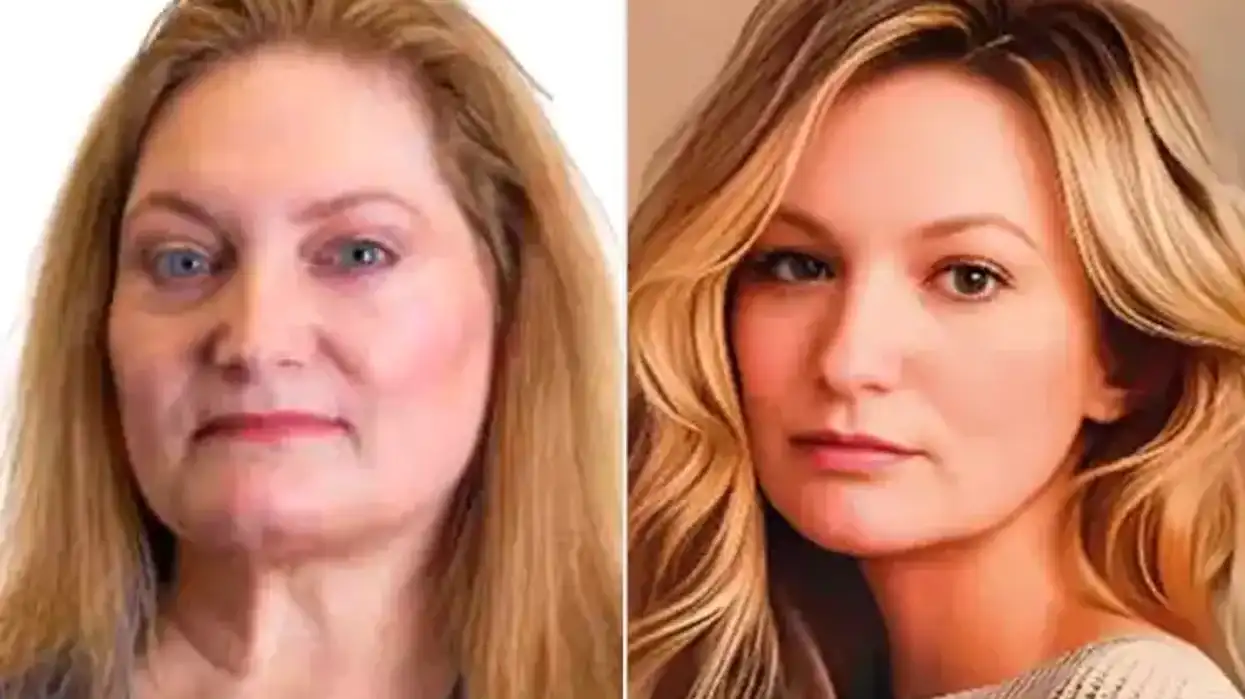

Authenticity might be a controversial buzzword in politics these days, but Patricia Reichman seems to have utterly missed the memo. The 59-year-old Dutch councilwoman is facing mounting backlash after using an AI-generated campaign photo that dramatically de-aged her—and defending it in a way that’s only deepening the controversy.
According to a report from Algemeen Dagblad, Reichman was elected to the Blijdorp-Bergpolder-Liskwartier district council last week but quickly drew scrutiny when voters noticed a stark difference between two of her photos. One, published in a local newspaper, appeared significantly ... different than the image listed on the official municipal candidate roster.
Reichman, however, insisted there’s no deception at play.
"That photo in the neighbourhood paper had too low a resolution, so I ran it through an online program to increase the pixels. It's simply my photo - that really is me. At the moment, I look a bit different, but that's because of medication. That will be finished soon.”
Speaking to Algemeen Dagblad, Reichman maintained that she generally appears younger than her age and suggested the contrast is temporary.
The politician doubled down on her already questionable explanation:
"I understand your question; I look much younger in that one photo. But normally I look very young for my age too. When I'm out with my son, people think I'm his girlfriend. I hear very often that I look very young for my age.”
Still, her interview has done little to quiet skepticism, especially as the image itself continues to circulate online, inviting scrutiny frame by frame.
You can view the image here and draw your own conclusions:
My high school neighbourhood just elected a local 59yo councilwoman who campaigned in the local paper with an AI photo. Her statement: ‘I used an internet program to enhance the image because the resolution of the photo was bad. It’s simply my photo, that really is me. I use… pic.twitter.com/9OGlQ7Atyh
— Jini Jane (@jinijane_) March 29, 2026
And no, folks, this apparently is not an ill-timed April Fool's prank.
The original shows Reichman as voters would reasonably expect to see: you know, natural, unfiltered, and unmistakably 59, while the other appears airbrushed to the point of near AI-sloppified fanfiction, with softened features and a telltale AI sheen, prompting accusations she used artificial intelligence, which she denies.
Reichman maintains the image was only enhanced for resolution, but the controversy didn’t stop there. Algemeen Dagblad also raised questions about whether she actually lives in the district she represents—something she disputes, saying her Blijdorp home is her primary residence despite owning multiple properties.
In Rotterdam’s district council system, where voters select party lists, and seats are allocated proportionally, that kind of scrutiny carries weight. And in this case, it’s already taken a toll. Online, reactions have ranged from disbelief to mockery, with many questioning how such a discrepancy made it through a campaign.
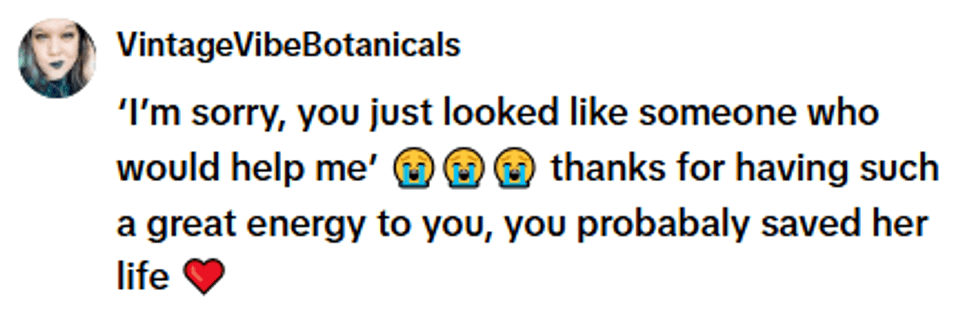
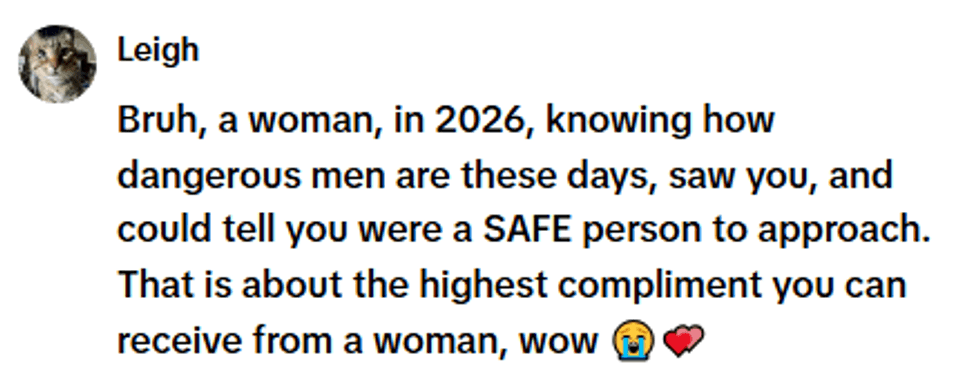
Readers didn’t hold back:
Meanwhile, Reichman’s party, Leefbaar Rotterdam—a right-leaning local political party in Rotterdam—has moved to distance itself.
In a statement released Monday addressing the growing controversy:
“The Board of Leefbaar Rotterdam was taken by surprise last Friday by an investigation published in the AD newspaper, which revealed that a candidate for the District Council does not reside within the district. Furthermore, controversy has arisen regarding a photograph that she herself distributed.”
Leefbaar Rotterdam—translated as “Livable Rotterdam”—said it had requested that Reichman relinquish her seat and return it to the party in light of the controversy surrounding both the photo and her residency.
When she refused, the party escalated its response.
Announcing formal action against Reichman:
“She failed to comply with this request. Consequently, the Board finds itself compelled to formally distance itself from this candidate. We have therefore proceeded to revoke her party membership, as she can no longer legitimately occupy a seat representing Leefbaar Rotterdam.”
So, what began as a questionable campaign photo has now spiraled into a credibility crisis that feels oddly familiar to American audiences.
In an era shaped by figures like Donald Trump, where disputes over what is truth, optics, and “what you’re seeing isn’t what you’re really seeing” have become part of the political playbook, Reichman’s defense lands less as an explanation and more as a test of how much voters are willing to overlook.




 @voycebutler5/TikTok
 @voycebutler5/TikTok
 @voycebutler5/TikTok
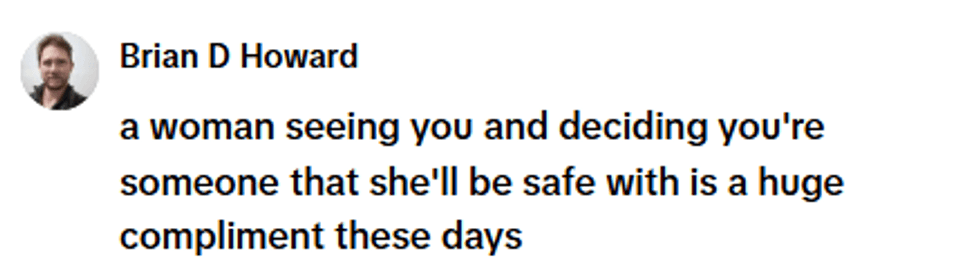 @voycebutler5/TikTok
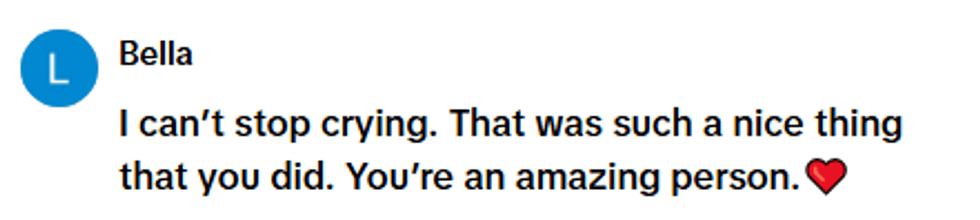 @voycebutler5/TikTok
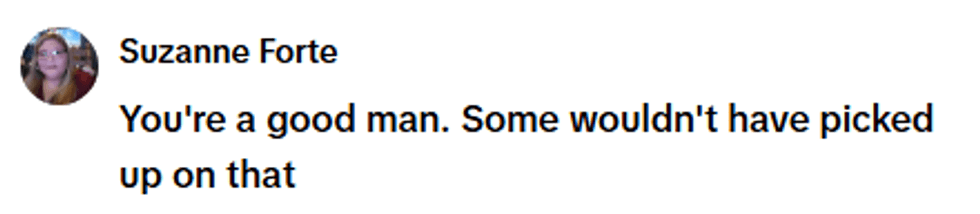 @voycebutler5/TikTok
 @voycebutler5/TikTok
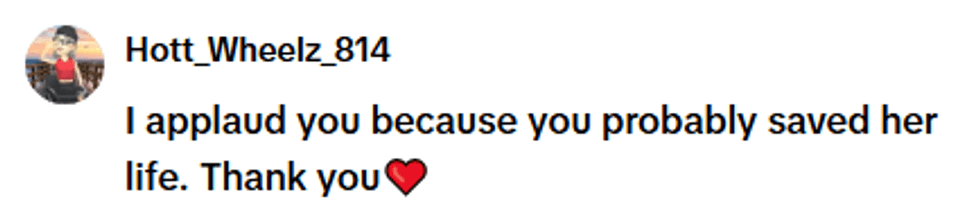 @voycebutler5/TikTok
 @voycebutler5/TikTok
 @voycebutler5/TikTok
 @voycebutler5/TikTok


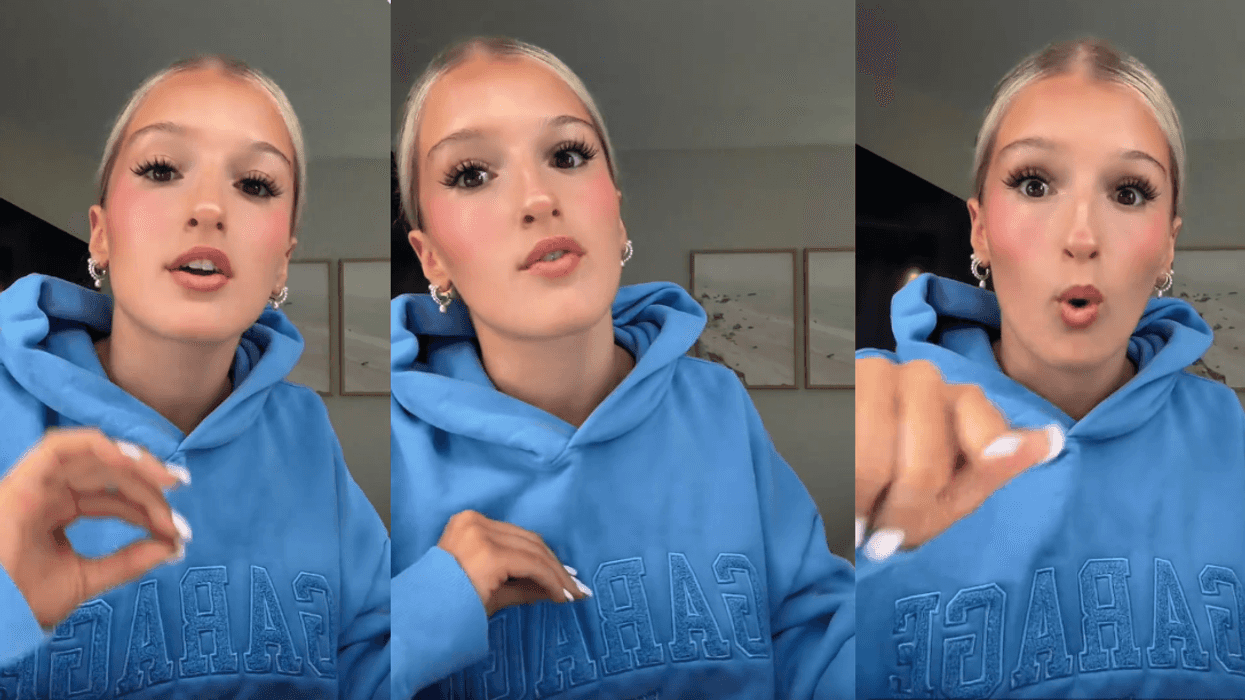
 @ulovelailahakim/TikTok
 @ulovelailahakim/TikTok
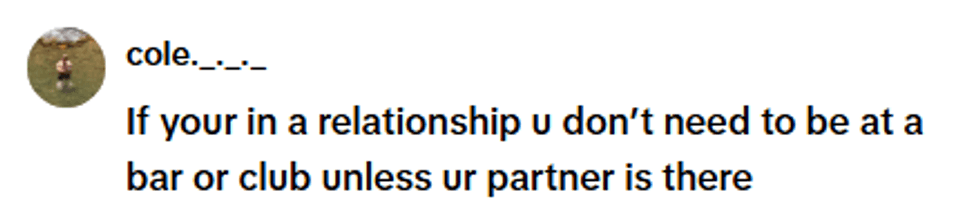 @ulovelailahakim/TikTok
 @ulovelailahakim/TikTok
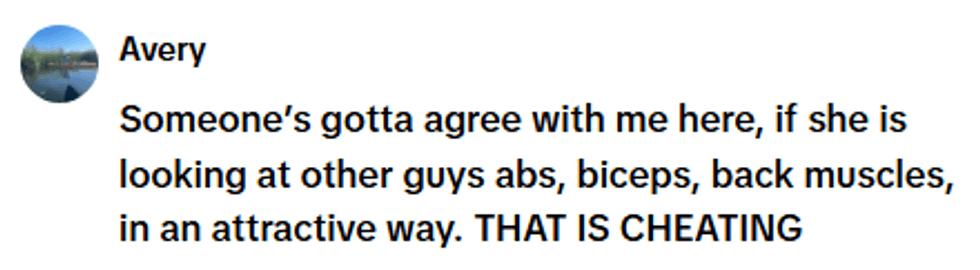 @ulovelailahakim/TikTok
 @ulovelailahakim/TikTok
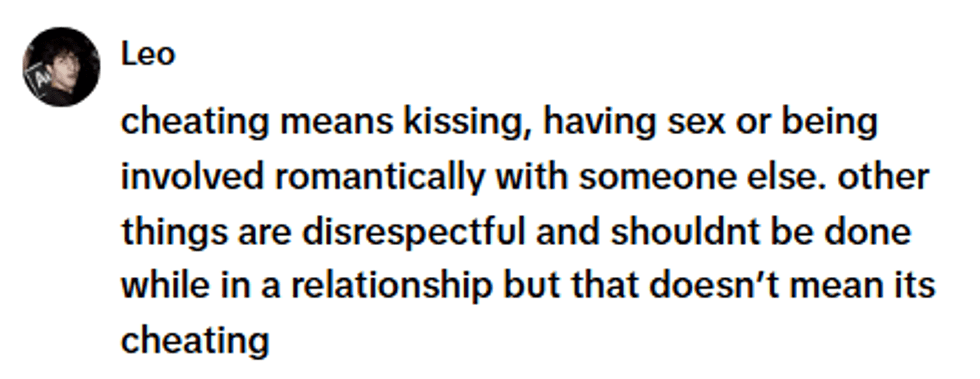 @ulovelailahakim/TikTok
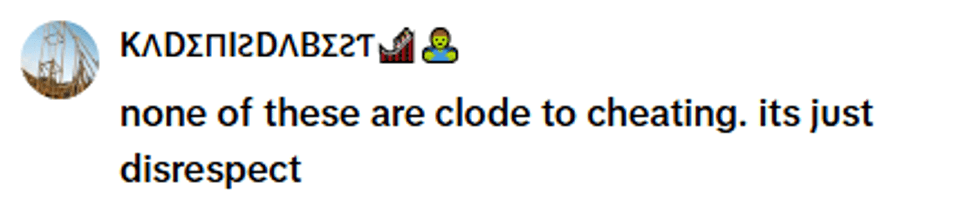 @ulovelailahakim/TikTok
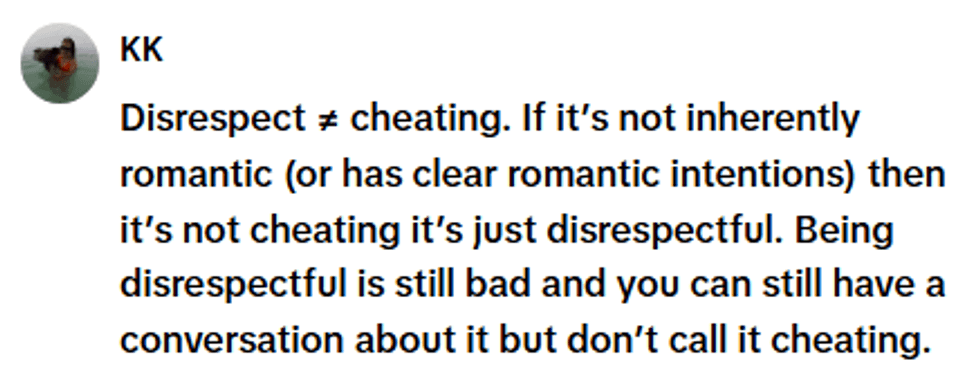 @ulovelailahakim/TikTok
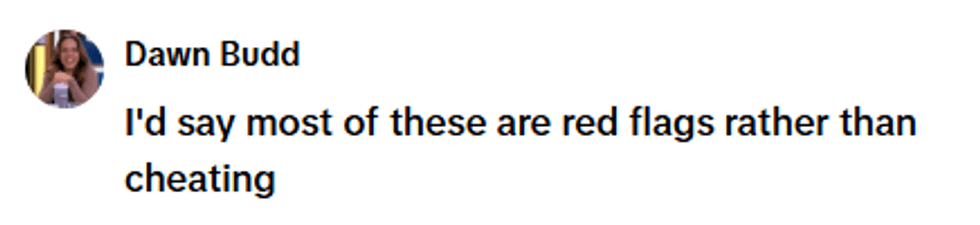 @ulovelailahakim/TikTok
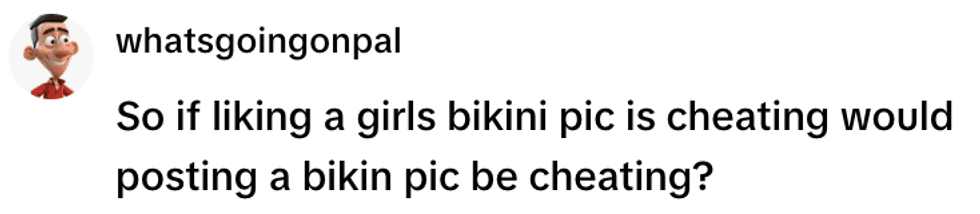 @ulovelailahakim/TikTok
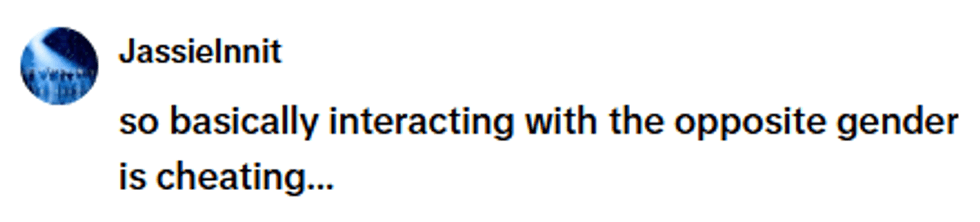 @ulovelailahakim/TikTok
 @ulovelailahakim/TikTok
 @ulovelailahakim/TikTok
 @kristinoem/X
 @arriegatoo/TikTok
 @arriegatoo/TikTok
 @arriegatoo/TikTok
 @arriegatoo/TikTok
 @arriegatoo/TikTok
 @arriegatoo/TikTok
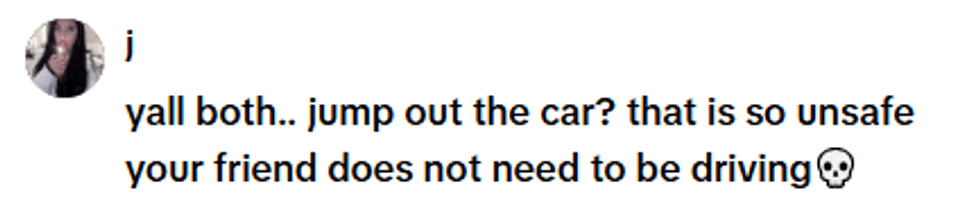 @arriegatoo/TikTok
 @arriegatoo/TikTok
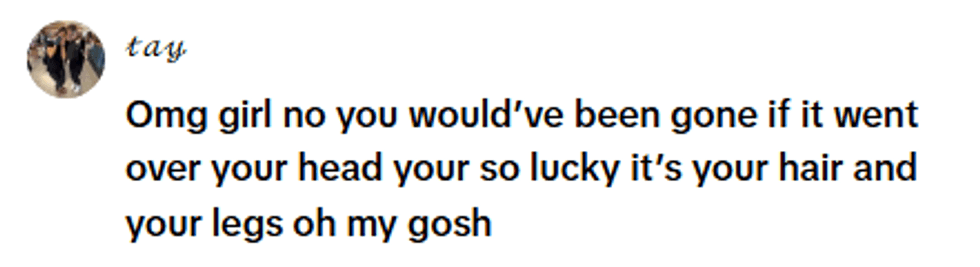 @arriegatoo/TikTok
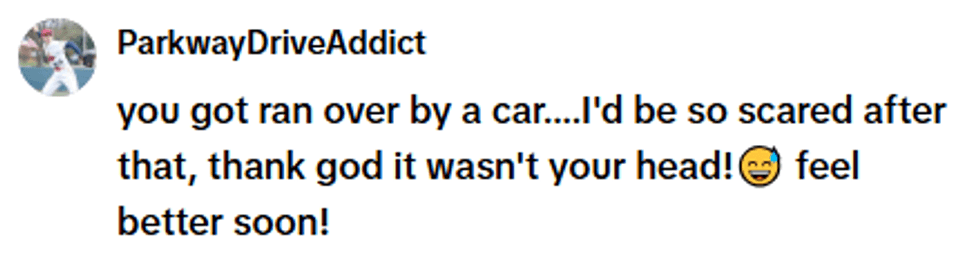 @arriegatoo/TikTok