
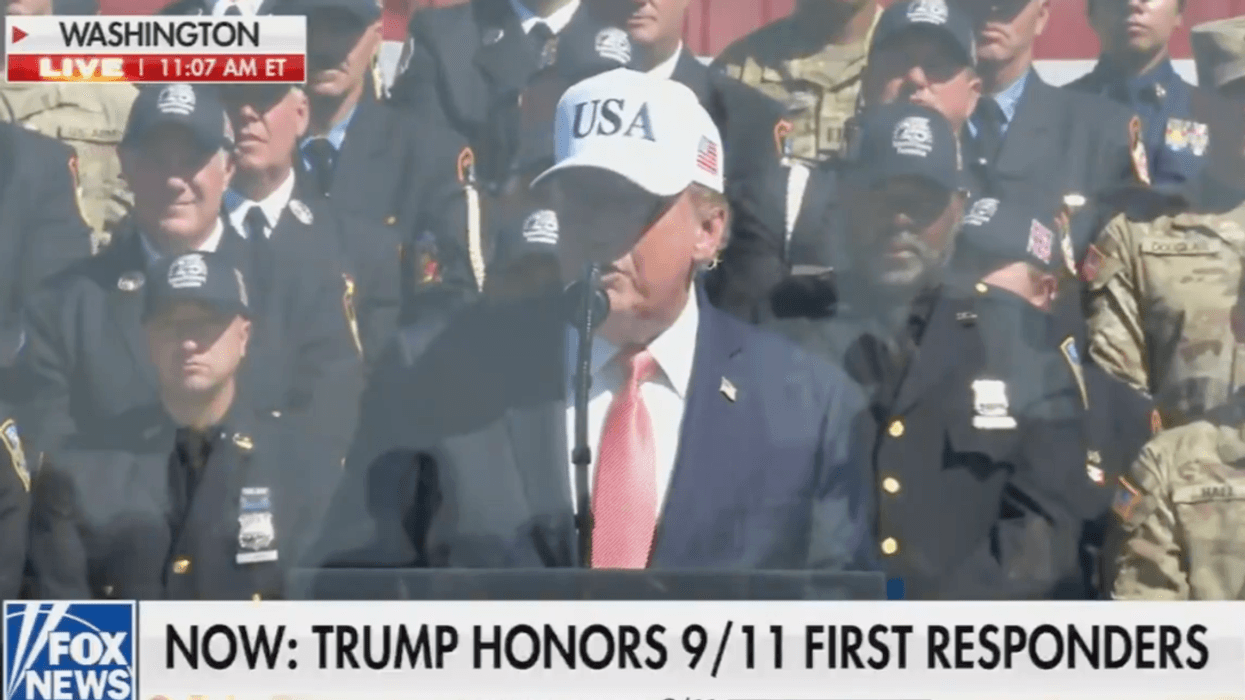

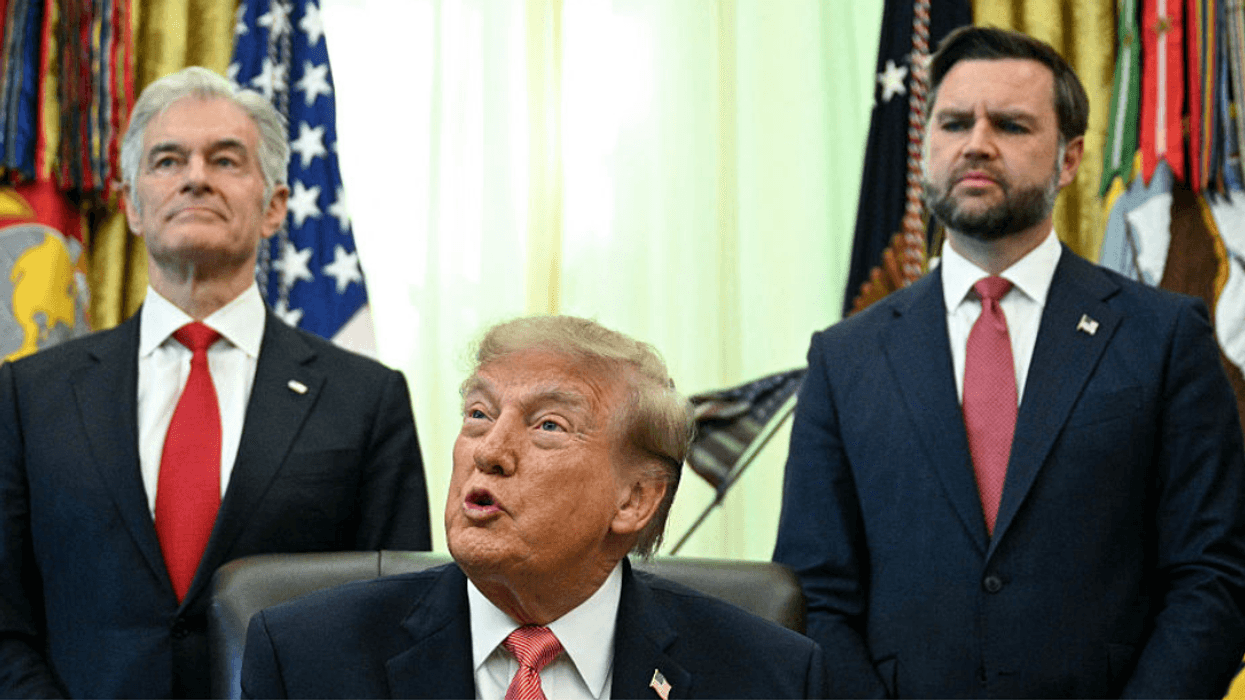
After speaking during the “Steel Across America” event put on by the Tunnel to Towers Foundation, President Donald Trump was criticized for lamenting that one hero of the September 11 terror attacks is "more famous" than him.
Trump was referring to Welles Crowther, an equities trader at Sandler O’Neill & Partners who was working in the South Tower on Sept. 11, 2001. Crowther, who became known for wearing a red bandana, helped evacuate people from the building and is credited with saving at least 18 lives before the tower collapsed.
Trump later honored Crowther by presenting the Presidential Medal of Freedom to his mother and sister—but he couldn't resist making the moment about himself.
He said, referencing Crowther's heroic final acts:
"Then, suddenly, a rescuer appeared. They call him 'The Man in the Red Bandana.' Have you heard that term, 'The Man in the Red Bandana'?"
"He's become more famous than me. I don't like it. Very unhappy. But he's become much more famous than me."
You can hear what he said in the video below.
Many have condemned Trump's remarks.
Trump has previously tried to link himself to the September 11 terror attacks by casting himself in a heroic light.
Trump was called out earlier this year for repeating his debunked claim that he predicted the attacks "a year before" they happened—all while speaking at the White House about his war in Iran.
Trump was addressing growing concerns about tanker traffic through the Strait of Hormuz, a narrow passage at the entrance to the Persian Gulf that carries roughly 20% of the world’s oil supply. He then claimed he predicted the late al-Qaeda leader Osama bin Laden—who orchestrated the attacks—"would knock out the World Trade Center." He said he "wrote it in a book."
Trump has repeated this claim for years, even though critics note that no such passage appears in his 2000 book The America We Deserve.
In the book, Trump does refer to bin Laden and warns about the possibility of another terrorist attack that could surpass the 1993 World Trade Center bombing. However, he does not explicitly connect bin Laden to that potential attack.
At the time, he wrote:
"One day we’re told that a shadowy figure with no fixed address named Osama bin Laden is public enemy number one, and U.S. jetfighters lay waste to his camp in Afghanistan. He escapes back under some rock, and a few news cycles later it’s on to a new enemy and new crisis.”
In 2019, Trump again asserted that he had warned the U.S. about bin Laden in 2000, adding that he “never gets any credit” for the claim.
In reality, bin Laden had already been placed on the Federal Bureau of Investigation’s Ten Most Wanted Fugitives list in 1999. He doesn't get credit because this never happened.
 @MuffinsNsuch/X
 @serena_loscalzo/TikTok
 @serena_loscalzo/TikTok
 @serena_loscalzo/TikTok
 @serena_loscalzo/TikTok
 @serena_loscalzo/TikTok
 @serena_loscalzo/TikTok
 @serena_loscalzo/TikTok
 @serena_loscalzo/TikTok
 @serena_loscalzo/TikTok
 @serena_loscalzo/TikTok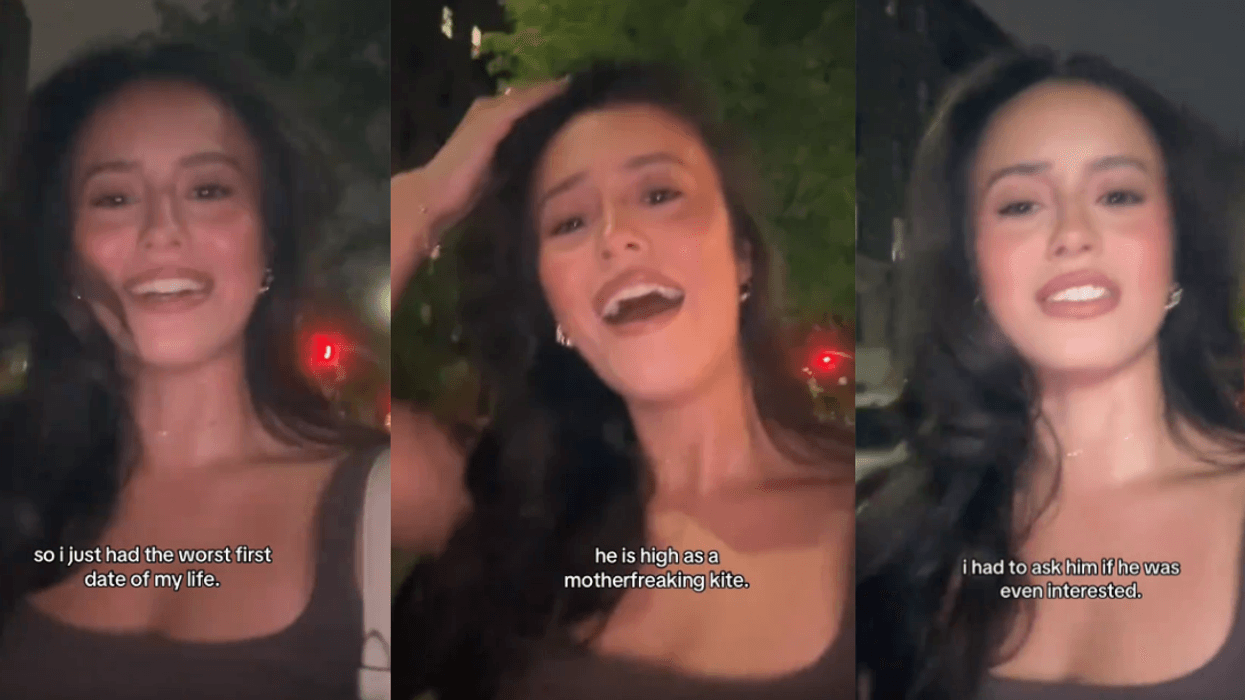
 @itsvictoriavega/TikTok
 @itsvictoriavega/TikTok
 @itsvictoriavega/TikTok
 @itsvictoriavega/TikTok
 @itsvictoriavega/TikTok
 @itsvictoriavega/TikTok
 @itsvictoriavega/TikTok
 @itsvictoriavega/TikTok
 @itsvictoriavega/TikTok
 @itsvictoriavega/TikTok
 @lolxdlolxdlolxd23455/TikTok
 @lolxdlolxdlolxd23455/TikTok
 @lolxdlolxdlolxd23455/TikTok
 @lolxdlolxdlolxd23455/TikTok
 @lolxdlolxdlolxd23455/TikTok
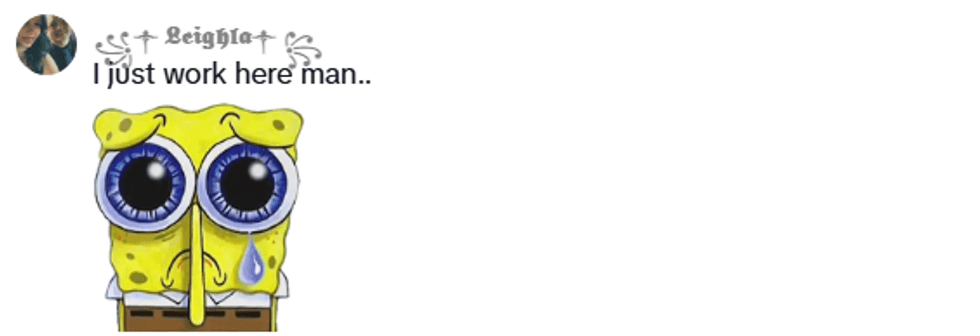 @lolxdlolxdlolxd23455/TikTok
 @lolxdlolxdlolxd23455/TikTok
 @lolxdlolxdlolxd23455/TikTok
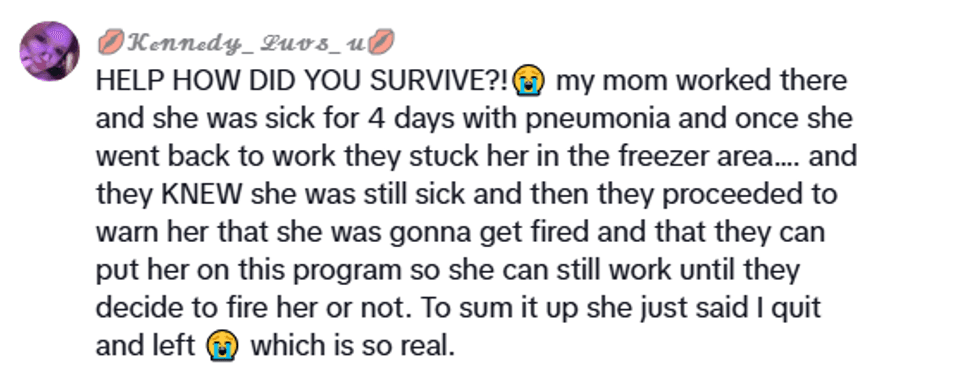 @lolxdlolxdlolxd23455/TikTok
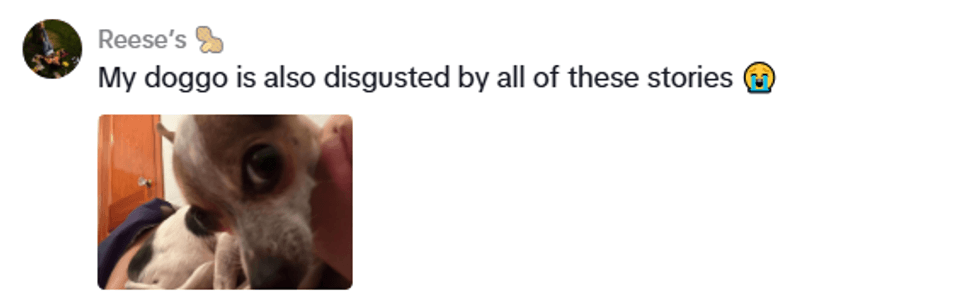 @lolxdlolxdlolxd23455/TikTok
Larry David's New Satirical Essay Mocking Democratic Socialists Isn't Sitting Well With People