
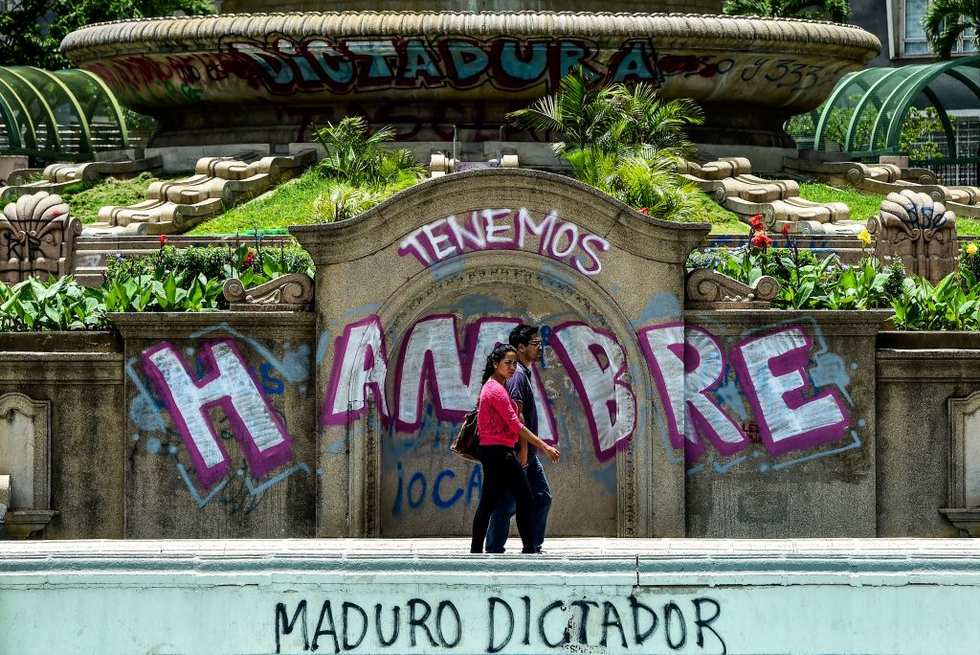

Venezuela authorities investigating numerous animal thefts from the Zulia Metropolitan Zoological Park in Maracaibo, Venezuela, suspect that the stolen zoo animals are being sold as food. “What we presume is that they [were taken] with the intention of eating them,” said Luis Morales of the National Police.
Reuters reports that at least ten species of animals including a buffalo, two wild boar-like collared peccaries, and two South American tapirs have gone missing from the zoo in the last two months. Zoo head Leonardo Nunez believes the buffalo was dismembered and cut into pieces before it was taken off-site, and according to the International Union for Conservation of Nature, the tapirs are vulnerable to extinction.
Theft is not the only issue.
Zoos across Venezuela have lacked sufficient food supplies to feed their own animals, resorting to diets of chopped pumpkin and other scraps. Last year at the Caricuao Zoo in the Venezuelan capital of Caracas, 50 animals died from starvation and malnutrition as vultures circled above. The Los Angeles Times reported in July that a mountain lion and an American buffalo are among this year's casualties.
Ruperta, an emaciated elephant and once prominent attraction at the 40-year old Caricuao Zoo, now awaits a similar fate. “She’s been here ever since the zoo opened. It’s not right that she is dying of starvation,” said Maribel Garcia of the Caricuao Ecological Network, a volunteer support group claiming to have been ignored by the Maduro appointed zoo administration.
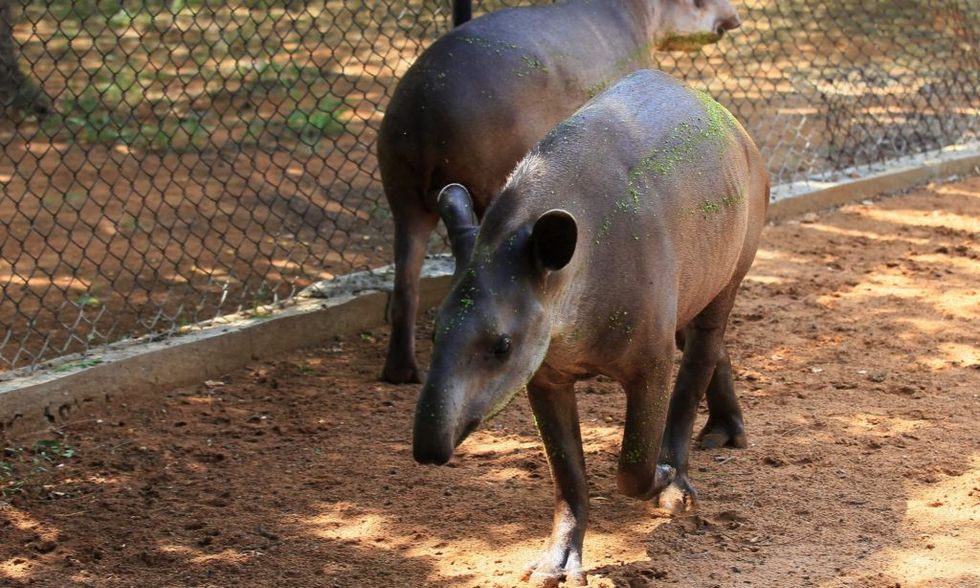 Tapirs at Venezuela’s Zulia’s Metropolitan Zoological Park in Maracaibo. Photo by STRINGER/Reuters
Ghost Zoos
Because of the thefts and the deaths, the animal population at the Caricuao Zoo has dropped from 700 in 2006 to less than 150. Last year, it was confirmed that a black stallion was butchered for meat, and this year a prized leopard disappeared. Other stolen zoo animals include peacocks, mandarin ducks, goats and wild pigs.
Despite reports and personal accounts, the government denies the animals are starving or being slaughtered for consumption. According to Reuters, a government official told Venezuelan reporter Isaac Urrutia that the animals are treated “like family.” In which case, it does not seem the government thinks much of family.
Like Zulia, the Caricuao Zoo is for all practical purpose abandoned. It has become a no man’s land, due to lack of management, staff and security. Local resident Carlos Avila speaks to its deteriorating conditions:
“In my youth this was my favorite place in Caracas. There were exotic animals like ostriches, rhinoceros, lions, bison. Now people don’t come. It’s turned into a ghost zoo.”
Venezuela Is Starving
Venezuela’s zoo problems are a microcosm of greater issues affecting a country caught in the chaos of social and economic destabilization, whose people — like the animals — are also starving.
Once the richest country in Latin America, Venezuela is now the poorest. It is essentially broken, due to the spiraling collapse of an oil-driven economy that has been devastated by government abuse and mismanagement. Despite being one of the top oil producers and purportedly having the largest oil reserves in the world—a widely-accepted belief that has now come into question—82% of households now live in poverty.
A recent joint study conducted by universities and Venezuelan nonprofit groups found that last year alone 75% of the country’s population lost an average 19 pounds per person. The vast majority of the people are eating two or fewer meals a day, if they are eating at all.
Venezuelans are starving, because there is no food left.
Photos of grocery stores with empty shelves look like scenes from the Walking Dead, children suffer from acute malnourishment, and due to the severe food shortages brought on by the socio-economic collapse, millions have turned to alternative food sources. This includes raiding the trash and dumpsters, and even stealing and slaughtering exhibit animals in captivity.
Susana Raffalli, head of the Catholic charity Caritas, says her home country of Venezuela is well past the threshold when humanitarians such as herself would declare a food crisis. She compares the emergency adaptation strategies of families in Venezuela to those she’s seen in war-torn countries. “People come here and see all these highways and skyscrapers and they just can’t believe there could be a hunger crisis here,” said Raffalli.
The Venezuela Crisis
Venezuela is a failed state. The country is down to its last $10 billion in reserves (less than what Americans spent on bottled water in 2012), and the International Monetary Fund listed Venezuela as having the worst economic growth and inflation in the world. Hospitals are overcrowded and running out of medical supplies, while malaria and other once eradicated diseases are making a comeback.
The currency’s exponentially out-of-control inflation has made any remaining food too expensive to afford, rolling blackouts and water shortages are the norm, and unemployment is rising. Last year the murder rate soared to 60 per day, making Venezuela one of the most violent countries in the world. CNN estimates that more than a hundred Venezuelans have died since April while protesting the government.
Venezuela is not suffering from just food shortage or an economic crisis, but a humanitarian catastrophe.
Venezuelan President Nicolas Maduro, a former bus driver now waging an ongoing international economic war inherited from his predecessor Hugo Chavez, blames the food shortages on the opposition protests as well as his political adversaries, including the United States. While his supporters blame plummeting oil prices and abandonment by foreign multinational companies, others say that the effects of Venezuela’s societal collapse are symptoms of corrupt governing by Chavez and Maduro, and their legacy of economic malpractice.
The answer to the question of how Venezuela has arrived at this point is complicated, and it begins with the birth of their nation.
A Brief History of Venezuela
Roughly two times the size of California, Venezuela is located along the northern coast of South America, south of Puerto Rico and the Dominican Republic, and shares borders with Colombia, Brazil, Guyana, and the Caribbean Sea.
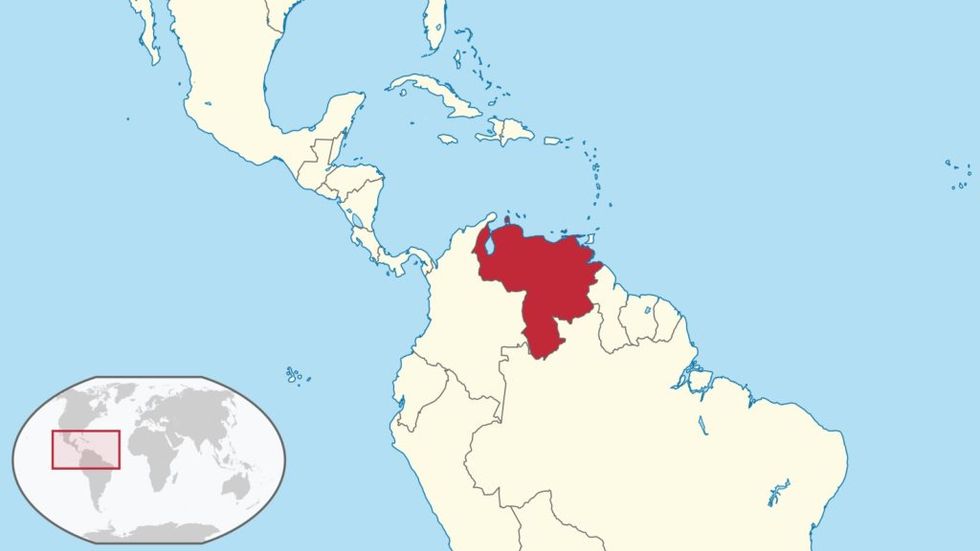 Venezuela in northern South America. Image by TUBS/Wikimedia Commons
After declaring independence from Spain in 1811 and becoming a separate republic in 1830, Venezuela was plagued by political instability, coups, dictatorships, and military rule until the democratic election of President Romulo Betancourt in 1958. Even with Betancourt’s moderate democratic reforms, the country continued to struggle with political unrest and economic uncertainty.
Venezuela experienced prosperity in the 1970s as a result of the Arab oil embargo, which caused oil prices to rise rapidly. The country’s naturalized oil industry boomed. But a returning drop in oil prices in the early 1980s forced significant spending cuts upon the government. After corruption charges led to the impeachment of President Perez in 1993, Hugo Chavez, a former military officer previously imprisoned for a failed coup, ran for office. He rode a populist platform with great success and was elected president in 1998.
Government Malpractice
One explanation for Venezuela’s economic collapse is years of poor management and governing. Venezuela was officially renamed the Bolivarian Republic of Venezuela in 1999 by then newly-elected President Hugo Chavez. He instituted a new constitution that extended his powers, the length of his term, and his ability to be re-elected. This marked the beginning of the political Bolivarian Revolution.
During his multiple-term presidency, Chavez expropriated millions of acres, forced the renegotiation of contracts with international oil companies during an oil price high, and nationalized hundreds of private businesses and foreign-owned assets, bringing all of it under the ownership of the government. While many Venezuelans saw this as a rightful reclaiming of their property from invading foreign entities, others saw these actions as an abuse of economic and political power.
Some of the assets reclaimed were taken from ExxonMobil, which led to a lengthly legal dispute between the multinational American oil and gas corporation and the Venezuelan government. ExxonMobil lost its nationalization case in 2012, and was awarded only 10 percent of its claim over what it considered the planet’s largest oil deposit.
The government further destabilized following the death of Chavez and the subsequent succession of Vice President Nicolas Maduro in 2013. Over the past few years Maduro’s administration has printed additional currency to combat dropping oil prices, which has only led to massive inflation and plummeting currency rates. In March of this year he attempted to dissolve the National Assembly (Venezuela’s congressional body). In July, a controversial election paved the way for Maduro to rewrite the constitution and redefine his executive powers, much like his predecessor.
A Failing Oil Economy
Venezuela has also suffered in the past decade from its crippling oil dependency. According to the Organization of the Petroleum Exporting Countries (OPEC), oil accounts for 95 percent of Venezuela’s export earnings, and 25 percent of its gross domestic product. So if the oil industry fails in Venezuela, the entire country fails, which is exactly what happened.
In 2002 and 2003, a general strike in Venezuela resulted in Chavez firing nearly 20,000 employees of the state’s oil company. He replaced them with those loyal to him, though lacking in experience. This oil purge proved to be a fatal economic mistake. Oil is challenging and expensive to produce, requiring billions of dollars of investment in infrastructure and technology. The combination of inexperienced labor with both a drastic drop in oil prices in 2008 and another decline since 2014 has led to billions of dollars in losses, and is key to what is happening in Venezuela’s economy today.
Another reason for Venezuela’s weakening presence in the international oil industry also stems from Chavez’s oil purge. Experienced workers and production leaders migrated to neighboring countries, and this in turn contributed to Colombia's oil production renaissance beginning in 2003.
Tense International Relations and Opposition
Venezuela and the United States have had a tense relationship and history. An ultimately failed coup against Chavez in 2002 had close connections with senior officials within the U.S. government. These same persons of interest had links to guerilla death squads operating in Central America in the 1980s.
It is not a far stretch to say that the U.S. government has interest in governmental change in Venezuela, perhaps influenced by private interests seeking to gain from the country’s still vast oil resources. At the least, it wouldn’t be the first time the US government has been involved in a South American regime change.
The U.S. Department of State claims to be Venezuela’s largest trading partner, and that both export and import between the two countries dropped significantly between 2014 and 2015, primarily due to the fall in oil prices. Despite this trade relationship, the U.S. government has imposed sanctions on Venezuela, as have other nations, many times throughout their shared history. In kind, Maduro has accused the U.S. of manipulating the oil industry in an attempt to destroy Russia and Venezuela.
An Uncertain Future
Plunging oil prices leading to Venezuela’s economic crisis, leading to soaring inflation and strict rationing, has left food shelves bare, including shortages of medicine and staples like toilet paper and soap. Ironically, the government’s imposed lower-price controls, meant to keep basic goods affordable for the quickly-growing poor population, has forced manufacturers to cut back on production. The economic law of supply and demand takes a dark unprecedented turn.
A country reliant on oil wealth, failing to diversify, has gone bankrupt. What jobs there were from international companies have left. General Motors has abandoned its car assembly plant after the Venezuelan government seized it in 2015. Clorox, Bridgestone and several other companies have also left, their assets seized; and Pepsi, Coca-Cola and McDonald’s all report major financial losses.
According to Tulane University’s Venezuelan expert David Smilde, the government itself is placing all the blame on everyone else in the world: “The government’s narrative is that there is an economic crisis in Venezuela… because they’re in an economic war with business.”
And in the midst of all this turmoil and chaos, the government has banned protests, silencing the voices of an angry and starving population.
After months of deadly illegal protests, a moment of hope finally arrived last week on October 15 when the country held regional elections, though it quickly faded. Opposition to the current government was expecting to gain control in light of the current crisis, but was shocked when Maduro's party won the majority of open seats. Disappointed Venezuelans who see no end to the crisis have begun to flee the country in droves.
What is known for certain, while the world speculates as to what went wrong in Venezuela, is that the people of Venezuela are waking up each day into a nightmare reality. One in which the stealing and eating of zoo animals has become the norm.

 Brendan Smialowski/AFP via Getty Images
 Brendan Smialowski/AFP via Getty Images
 Brendan Smialowski/AFP via Getty Images
 @hannahhrevels/TikTok
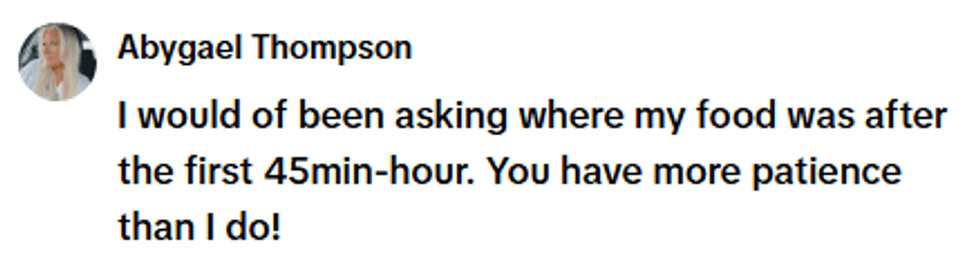 @hannahhrevels/TikTok
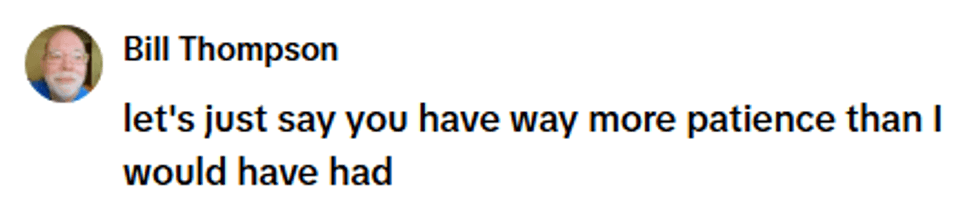 @hannahhrevels/TikTok
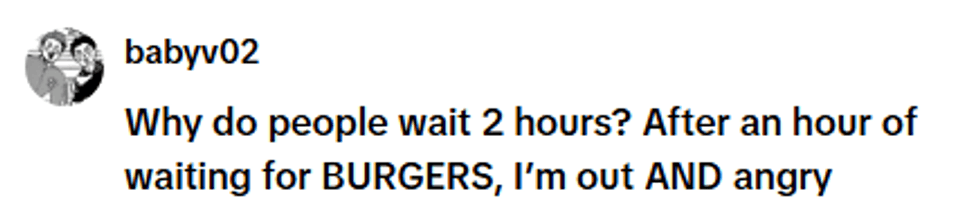 @hannahhrevels/TikTok
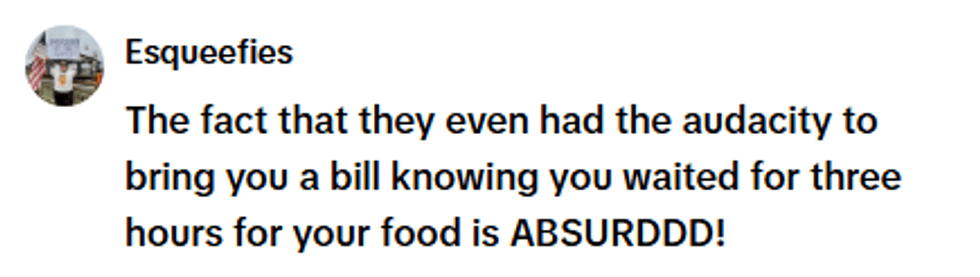 @hannahhrevels/TikTok
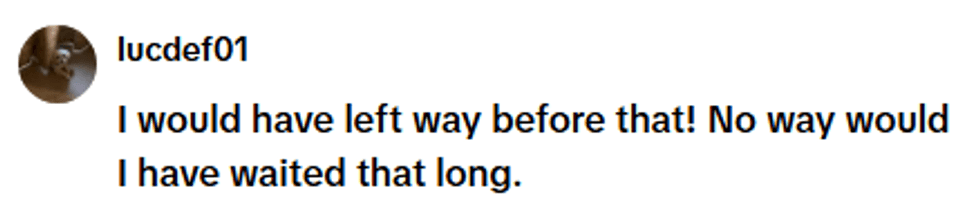 @hannahhrevels/TikTok
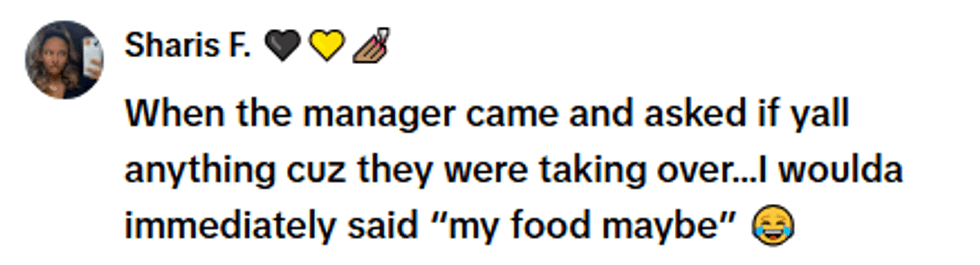 @hannahhrevels/TikTok
 @hannahhrevels/TikTok
 @hannahhrevels/TikTok
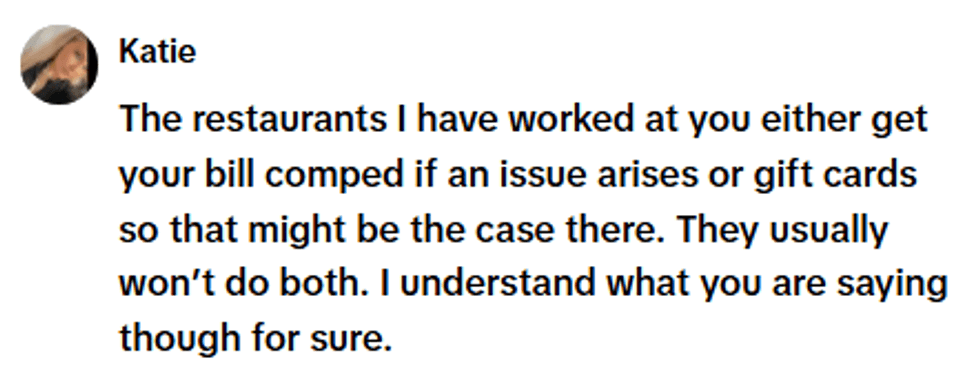 @hannahhrevels/TikTok
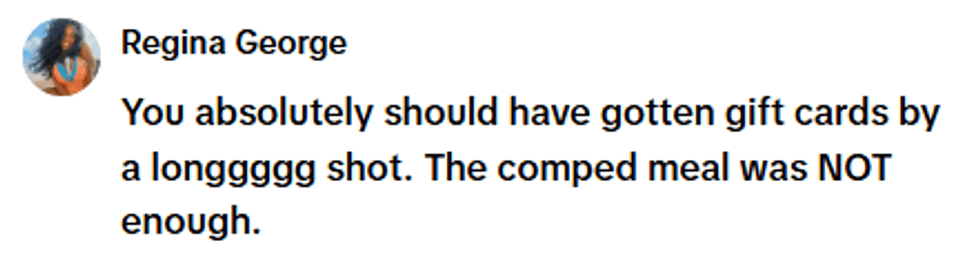 @hannahhrevels/TikTok
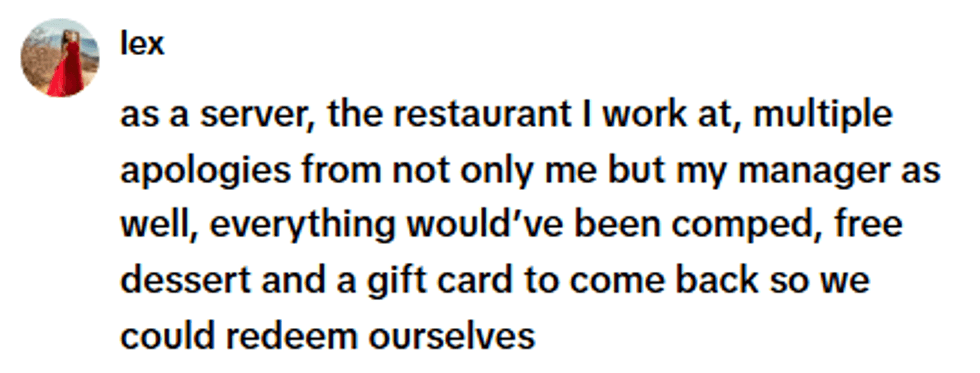 @hannahhrevels/TikTok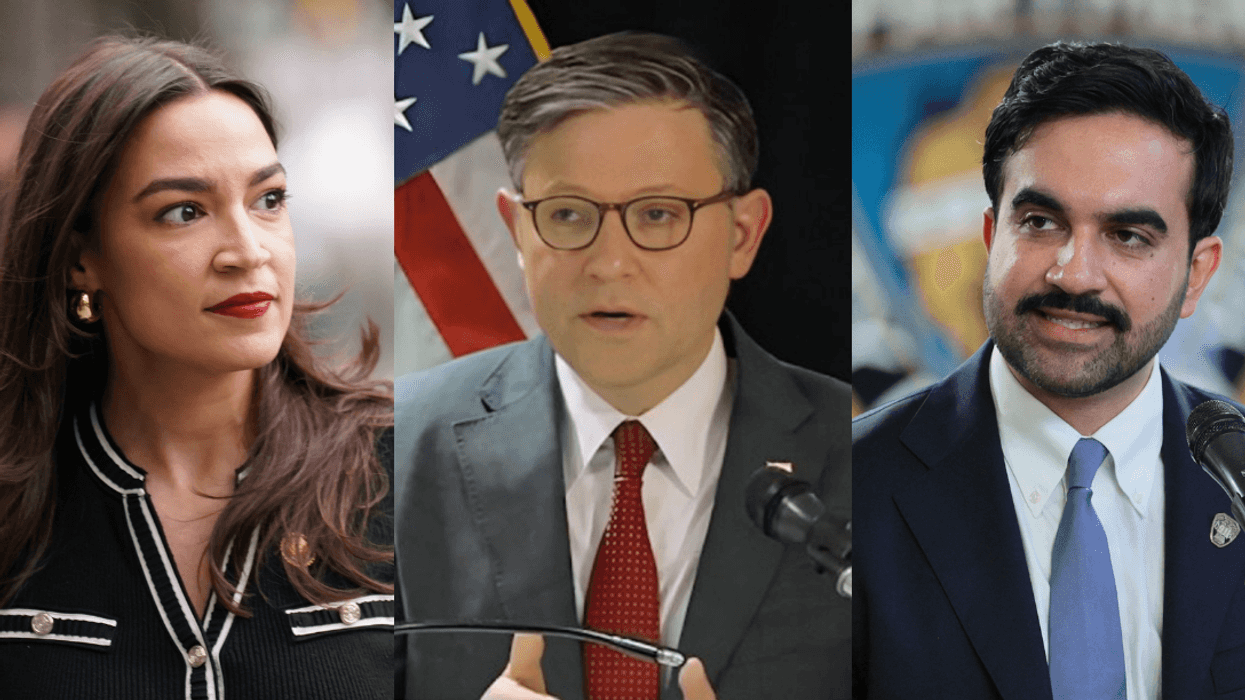
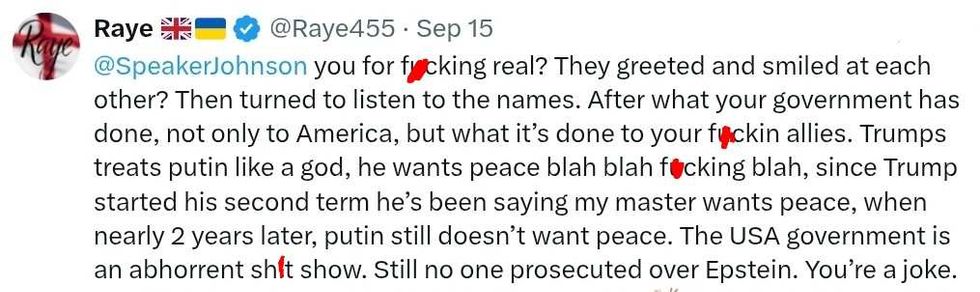 @Raye455/X
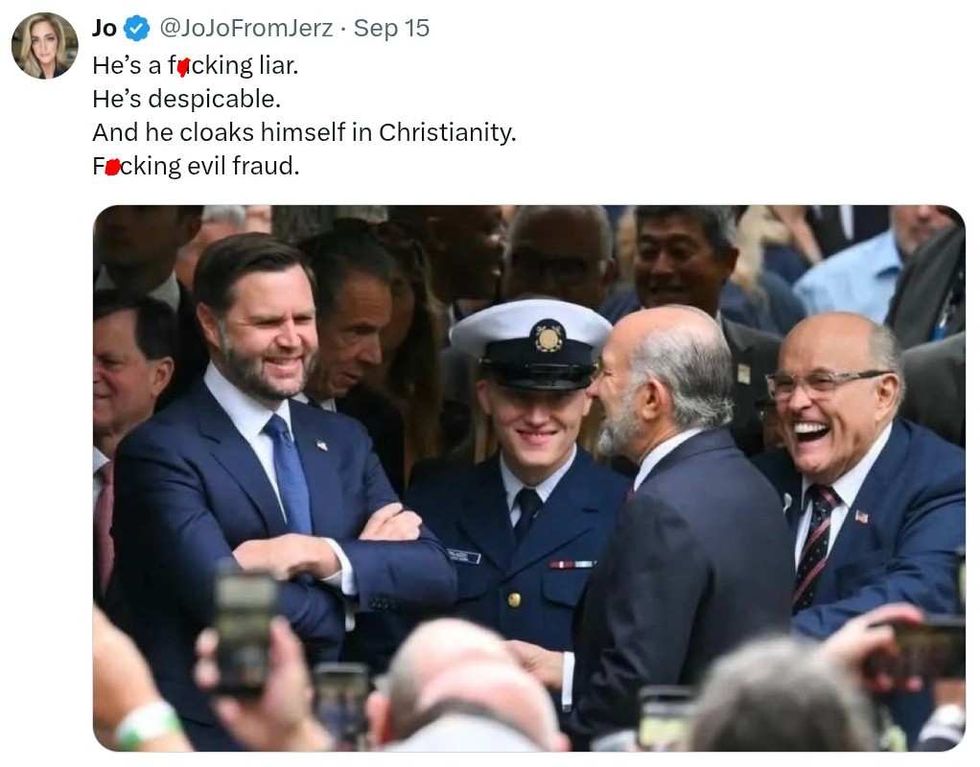 @JoJoFromJerz/X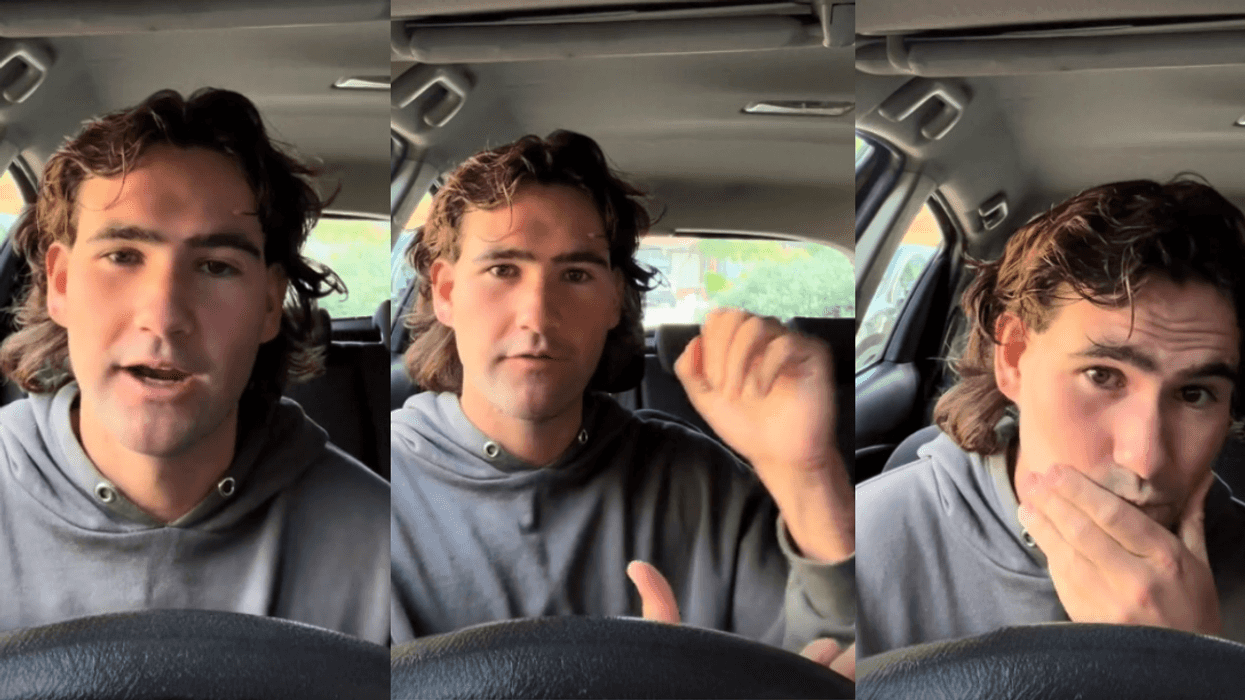
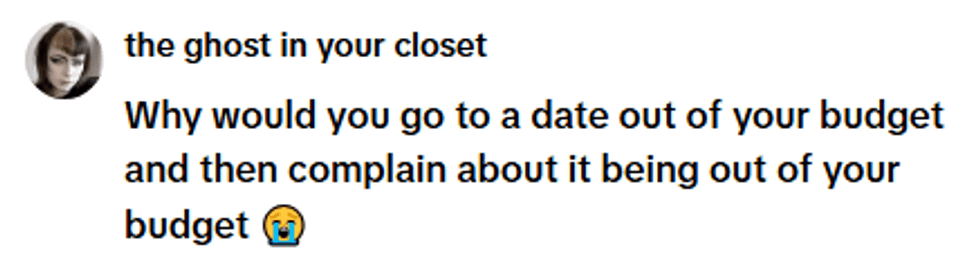 @phlynnmartin/TikTok
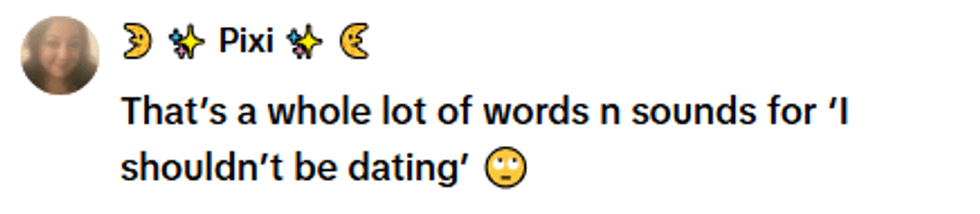 @phlynnmartin/TikTok
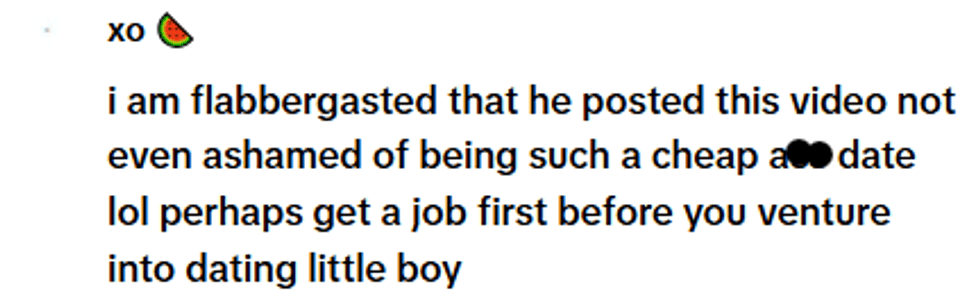 @phlynnmartin/TikTok
 @phlynnmartin/TikTok
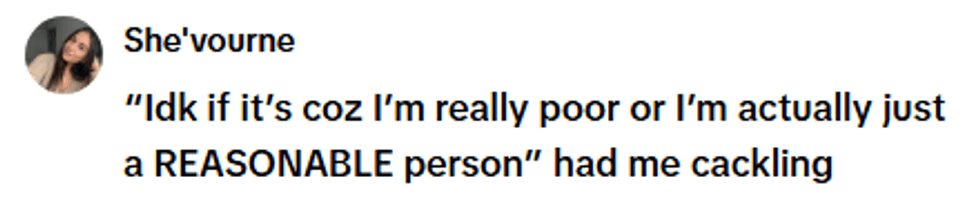 @phlynnmartin/TikTok
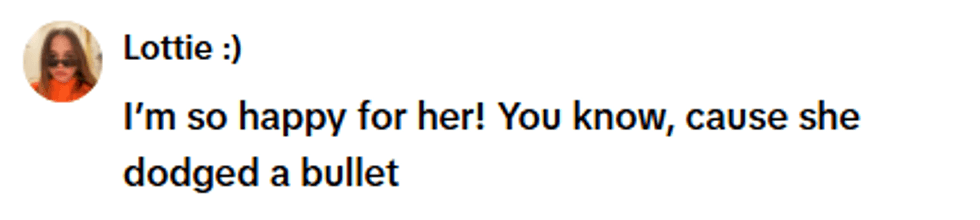 @phlynnmartin/TikTok
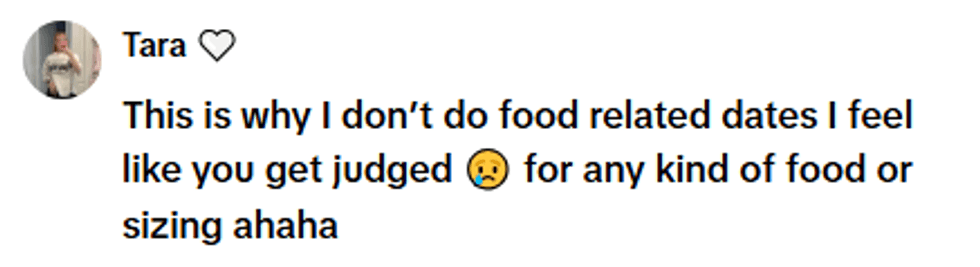 @phlynnmartin/TikTok
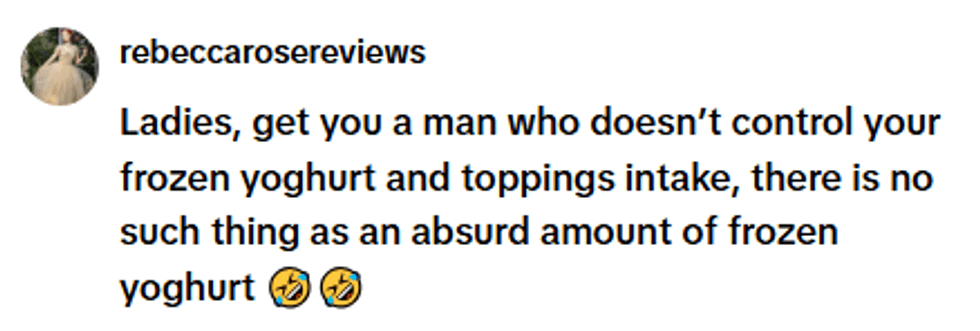 @phlynnmartin/TikTok
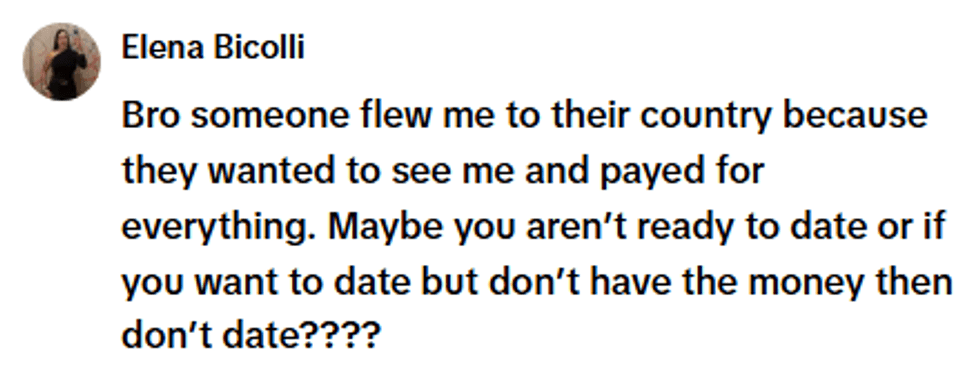 @phlynnmartin/TikTok
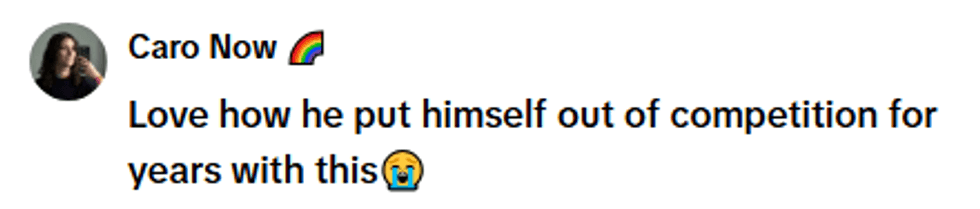 @phlynnmartin/TikTok
 @phlynnmartin/TikTok
 @sailors.mama/TikTok
 @sailors.mama/TikTok
 @sailors.mama/TikTok
 @sailors.mama/TikTok
 @sailors.mama/TikTok
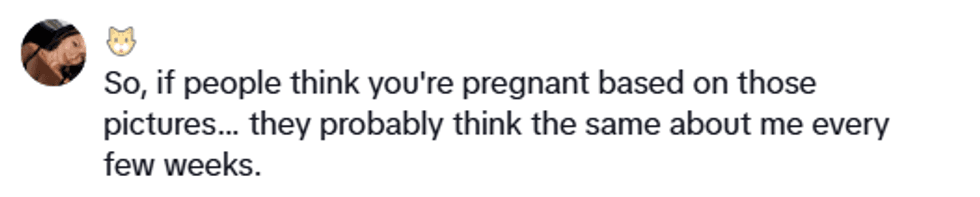 @sailors.mama/TikTok
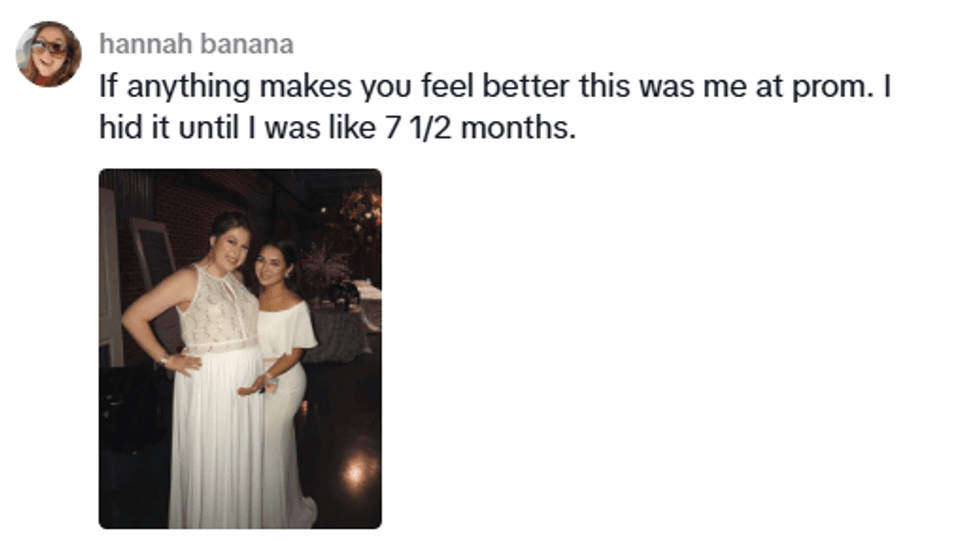 @sailors.mama/TikTok
 @sailors.mama/TikTok
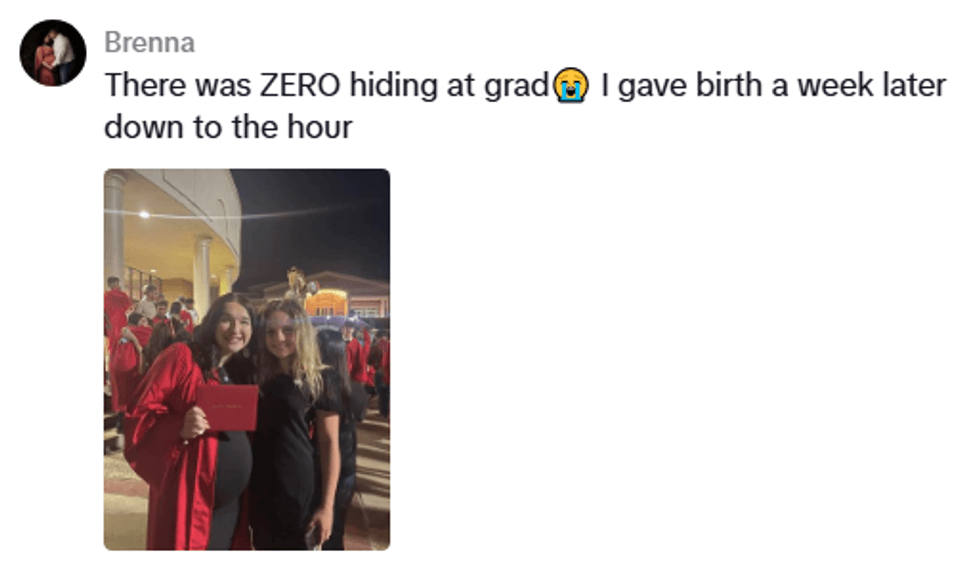 @sailors.mama/TikTok
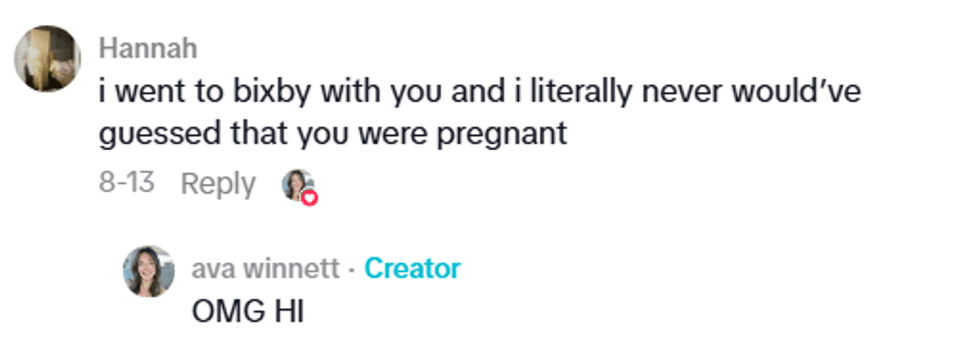 @sailors.mama/TikTok
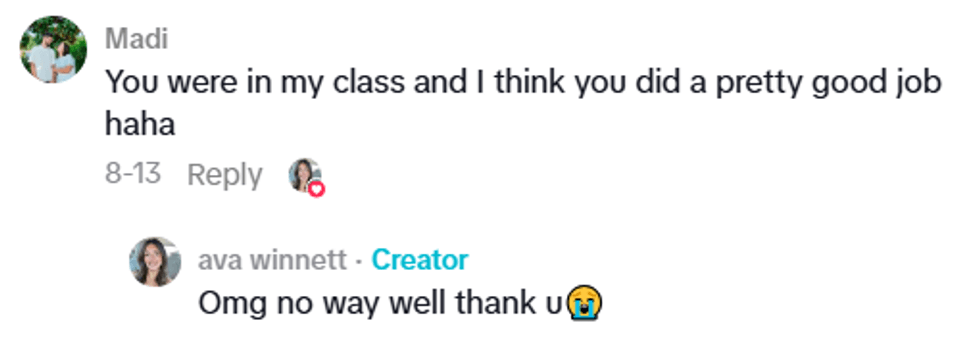 @sailors.mama/TikTok
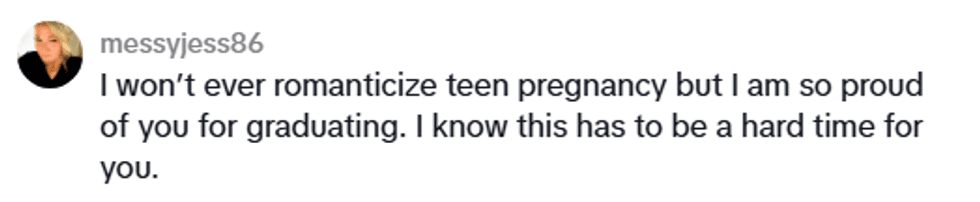 @sailors.mama/TikTok