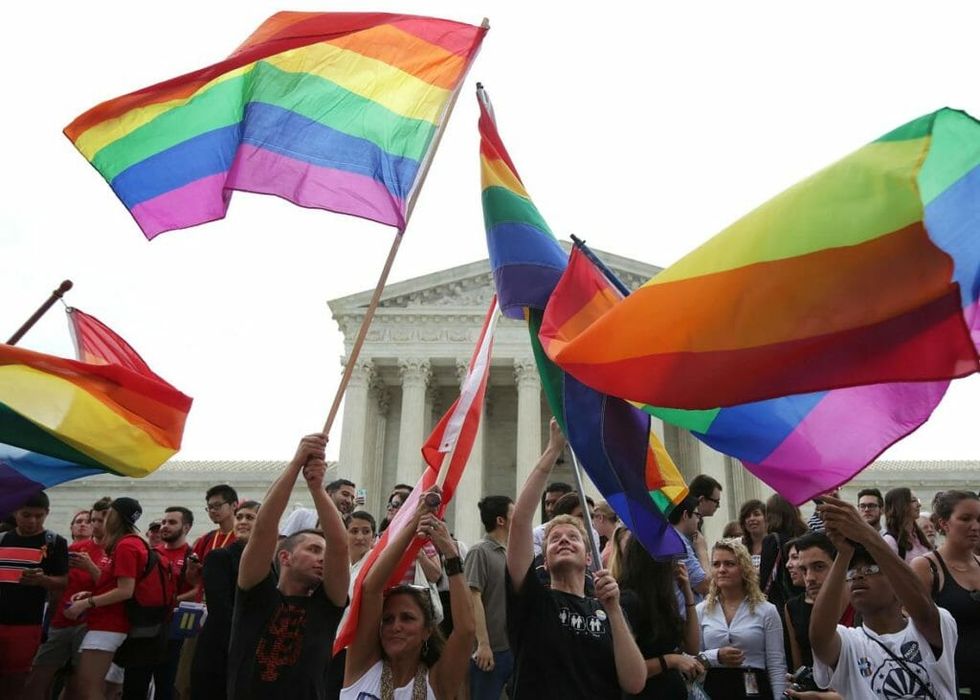

Today marks the one-year anniversary of Obergefell v. Hodges, the Supreme Court ruling which extended marriage equality nationwide. The landmark decision was a major victory for the country's LGBT community.
But as the rest of the community celebrated, the lead plaintiff in the case sat in the airport waiting for a flight back home to Ohio. "I spent my decision day sitting in the airport because my flight was delayed, delayed, delayed and finally cancelled about 1 a.m.,” said Jim Obergefell self-deprecatingly in an interview with the Washington Blade. "I wasn’t able to really take part in the celebrations that were going on that night. When I meet people, so many times I hear stories about how they were just out having fun... all I can think of was I was sitting in Reagan airport. It wasn’t quite that fun.”
The day was nonetheless a beautiful one for Obergefell. He recalled the moment Justice Anthony Kennedy announced the decision affirming the marriage. His partner, Arthur, had passed away from Lou Gehrig’s disease before the decision could be handed down.
 Jim Obergefell. (Credit: Source.)
“I was sitting between two friends, and I grabbed both of their hands and just started squeezing and listened to Justice Kennedy,” Obergefell said. “And as he was reading the first sentence or so, I thought we won, then a little bit more, I thought I think we won but I’m not sure, and then it sunk it then we actually had won, and I just burst into tears and so many other people around the courtroom were. You could hear it, you could see it, and it was just this beautiful moment of feeling more like an America, more equal, more part of our country.”
Voices From Around the Country
Until Florida legalized same-sex marriage in January 2015, Michael Perry and Mark Soloway, both residents of Deerfield Beach, believed they would have to travel “to New York, New Hampshire… some place other than our home state to be legally married.” Michael and Mark married on April 25 with their families and closest friends in attendance, but the pall of “separate but equal” hung over the celebration. The marriage equality ruling changed that. “It is with tears in my eyes that I tell you that we still live in the age of miracles,” Michael said, adding that “when I was 19 or 20, I didn't think I would ever get married and if I did it would not be recognized as a legal union––especially not in the state of Florida.”
For Eric Rasmussen, a Mormon born and raised in Salt Lake City, Utah, marriage equality symbolized
liberation from a “long internal process of self-loathing.” He felt, in a way, reborn. “When marriage equality became a national law, pieces of me I had killed long ago came alive again and slowly started to repair. All of a sudden there was something I hadn't felt in most of my life, hope for the future that someday, someone won't have to kill parts of themselves and live fully no matter where they live without judgment. I love that we are moving closer to that day.”
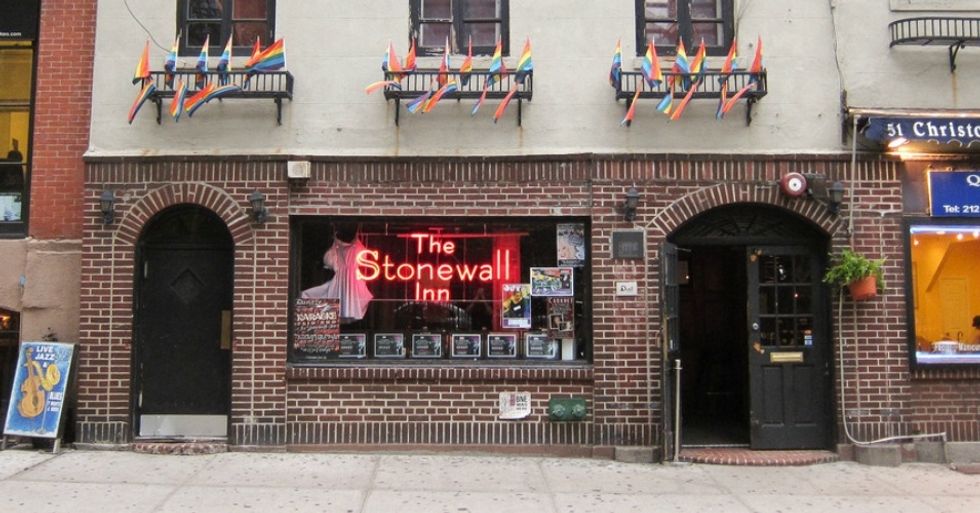
For Hope Cochran, a native of New York City’s Harlem neighborhood, whose Tipping Point Project seeks to challenge and subvert the stereotypical roles often afforded to gay and lesbian actors, Pride is only the most recent iteration of a struggle that has had many names: Liberation, The Abolitionist Movement, The Suffragette Movement, The Civil Rights Movement. Equality, she emphasized, always comes with a price. “America is a funny place with a funny history,” she said. “We have no king, no queen, and no monarch to speak of, many nameless men and women have died to make sure of it. In practice, equality has historically never been given without a fight. Throughout American history, those with power have railed against those who have fought to right the principled ship meant to carry us all.”
 Credit: Source.
In this regard, she says, the ruling was a victory for all Americans nationwide. “As a woman, as a person of color, as an American, and as a person not a member of the LGBT community… I am overjoyed that my gay and lesbian friends can now legally protect the sanctity of their relationships through marriage.” However, she urged the community not to grow complacent. “Do not think that your plight is and was unique to you and your community. The foundation of the Pride movement predates Stonewall and will go beyond the victory of marriage equality.”
The LGBT Civil Rights movement would experience a heavy blow with a mass shooting in Orlando. The anniversary of the landmark marriage equality decision was now joined by a new conversation: gun safety legislation.
One Pulse: Orlando
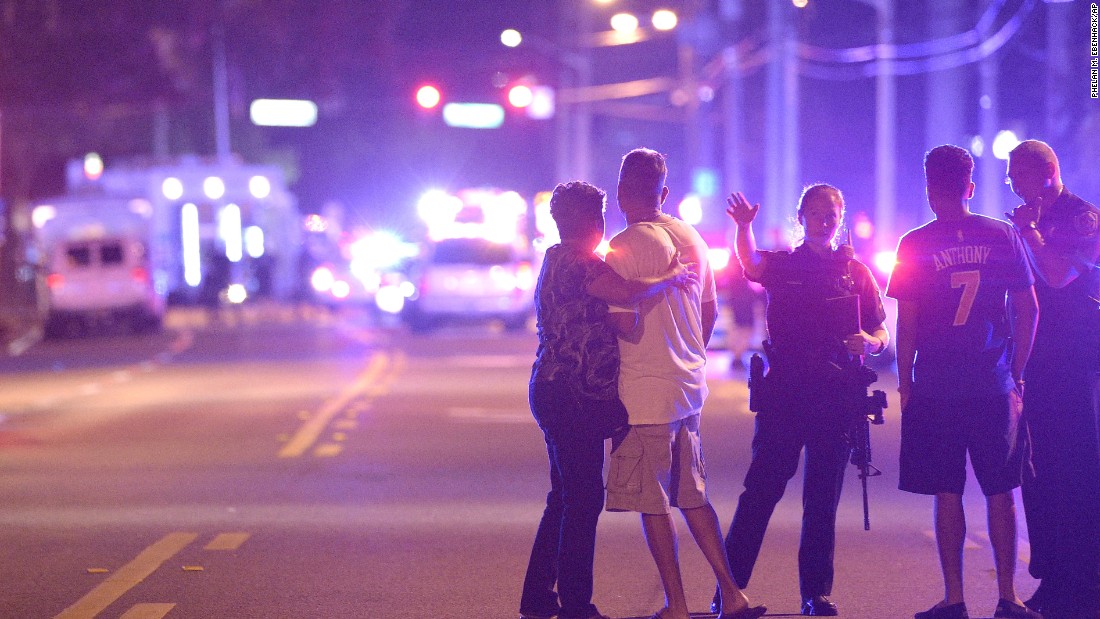
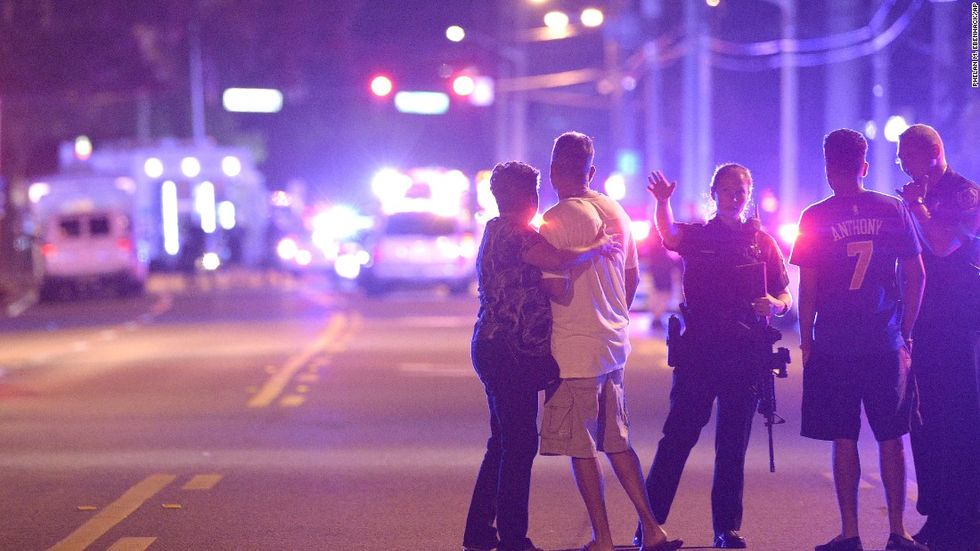
The LGBT community’s response to the massacre of 49 patrons in Orlando’s Pulse nightclub earlier this month was swift. The killings, which also left 53 others injured, is the deadliest mass shooting by a single gunman in American history as well as the bloodiest incidence of violence against the LGBT community since the UpStairs Lounge arson attack of 1973.
 The UpStairs Lounge after the fire. (Credit: Source.)
Michael Perry was dancing with friends at a bar two hours away from Orlando on the day of the shooting. “That could easily have been me,” he said. “I am devastated by what happened but
I have seen our community come together in a way like none other… What a high we experienced in June 2015. What a low we lived through with the massacre in Orlando. There's still a lot of work to do to change the hearts and minds of those with whom we share this country.”
Paul Reese felt the “calamitous” shockwave from his home in Cincinnati, where he lives with his fiance, Ashton. “To have that [freedom to marry] and then have a moment like this take place just really shakes you up,” he said. “It reminds you that there's still a megaton of progress that's to be made beyond the right to marry. That there is still hate out there, and intolerance. And there’s that reminder of some kind of vulnerability. Whether on social media or in personal experience, it really put such things in perspective, that people out there still hate or pretend to not care by way of disapproval.”
 Credit: Source.
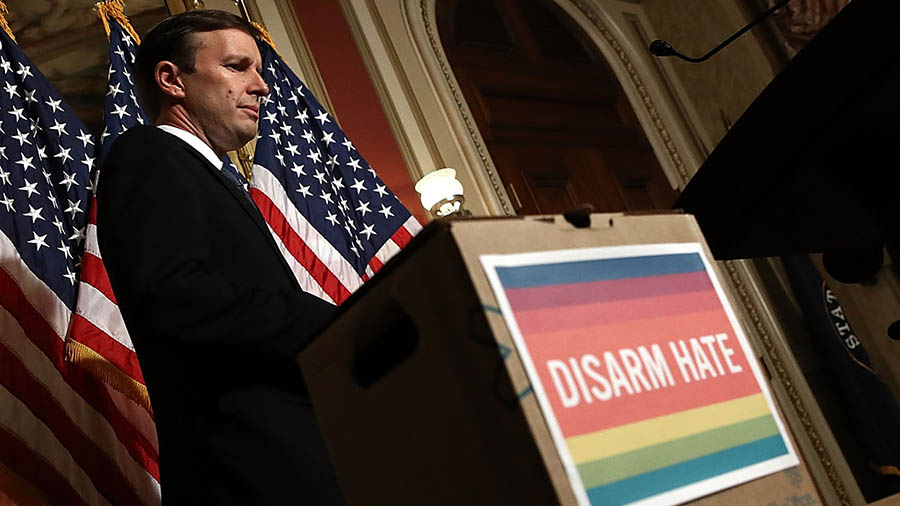
The shootings galvanized lawmakers in Washington. Senate Democrats, led by Connecticut Senator Chris Murphy, led a filibuster and forced a Senate vote on four pending bills. Though all of them were defeated along party lines, some drew a few swing votes. A compromise bill is now under consideration. Later that week, House Democrats seized the House floor in a sit-in, vowing to block any legislative action until Speaker Paul Ryan promised to allow votes on several proposals, including blocking suspected terrorists on the no-fly list from purchasing guns. The resounding cry, “No bill, no break,” a reference to the upcoming July recess, captivated the nation as lawmakers held up signs with the names of victims of gun violence and broke into “We Shall Overcome” as Ryan adjourned Congress over their voices. Democrats continued their sit-in even after that and vowed to fight on after Congress reconvened.
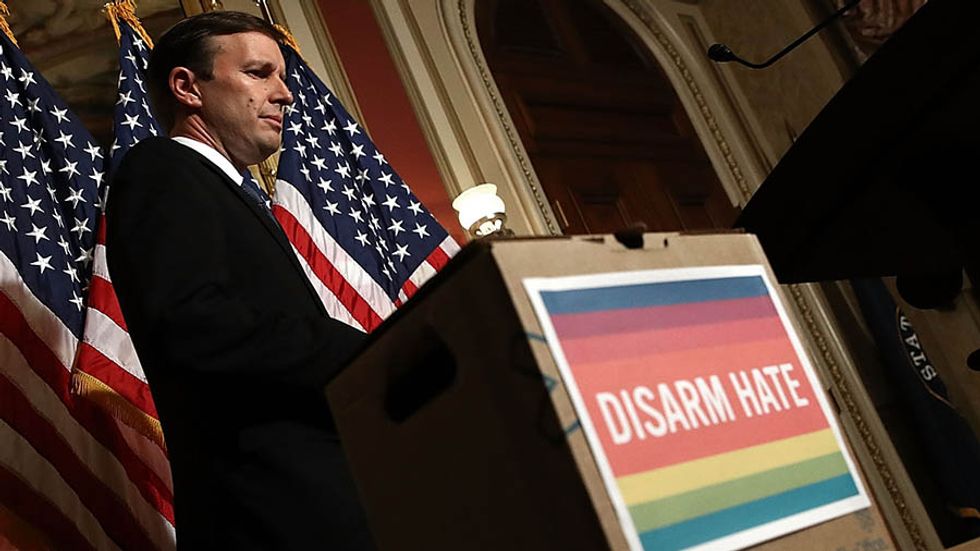 Sen. Chris Murphy. (Credit: Source.)
Many remarked that the shootings in Orlando had targeted an LGBT safe space, one that is especially valuable to youths seeking an escape from social ostracization. In the years before marriage equality, bars and clubs were often the only havens for a community relegated to the shadows. Until Orlando, Stonewall remained the most notable landmark of the LGBT battle for civil rights and recognition. Now, that struggle that has become all the more personal, and for some, deadly.
Making the Political Personal. Making the Personal Political.
Mere months before Obergefell v. Hodges, Ireland made history as voters took to the polls in an historic referendum on marriage equality. Broadcaster Charlie Bird remarked that the campaign succeeded because Irish citizens insisted in making politics personal. “The ‘Yes’ campaign brought its voice into Irish homes, pubs, and workplaces, taking a divisive issue and making it about everyone: your child, your cousin, your friend, your colleague. It meant when Irish people went to the polls their thoughts were of the people who lived all around them.”
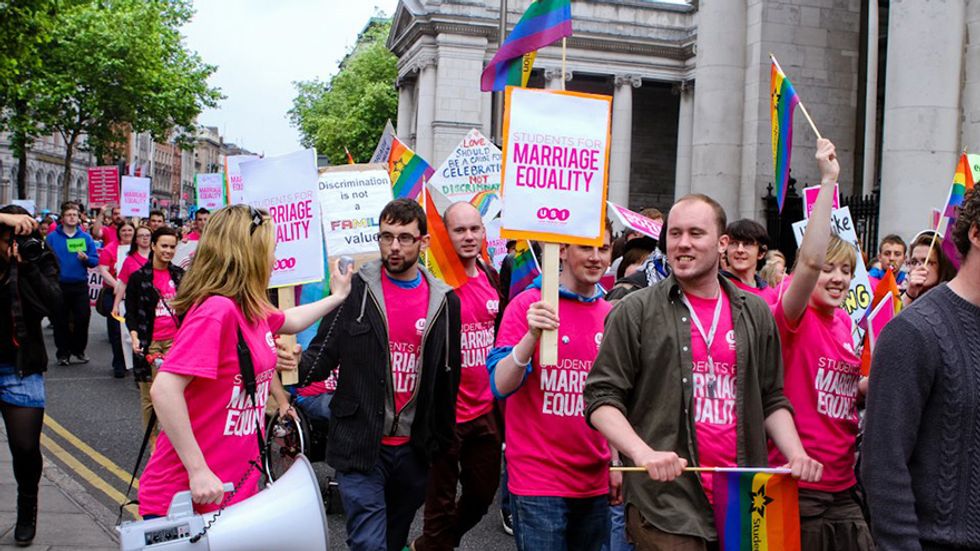 A marriage equality march in Dublin, Ireland. (Credit: Source.)
Although the United States did not usher in marriage equality by popular vote, some here argue that the same principle applied stateside. Fort Lauderdale-based filmmaker and educator Talora Michal remembers when the political became personal for her during a conversation with a friend she’d known since high school. “She was engaged to marry a British woman. At this point, she was very depressed… I said, ‘Gay marriage is legal in New York. I don't get it––why don't you both fly there, get married, and just be done with this already?’”
Her friend's explanation stunned her. “Until gay marriage was slowly being legalized per state, I didn't even know
marriage in America is a state-by-state issue. But in this case, I learned the actual culprit: they could wed in NYC, but then my friend's wife would have to leave, as there was no way for her to be sponsored for a green card. Then I got pissed off.”
Michal’s search for “win-win solutions to America’s problems” launched the Four Corners project, which, on one level, placed her in contact with clergy of all faiths to “provide a context for understanding the ideology backing social debates.” She admits the marriage equality victory left her exhausted, like “seltzer gone flat.” “In America, either we are all equal or we are not,” she said. “If we say we are equal, then we must be… I had been so focused on my gay friends and their rights, I hadn't even thought of other groups who are still without the right to wed. I should have hopped up down like a kid. But, I know there is still so much fighting left.”
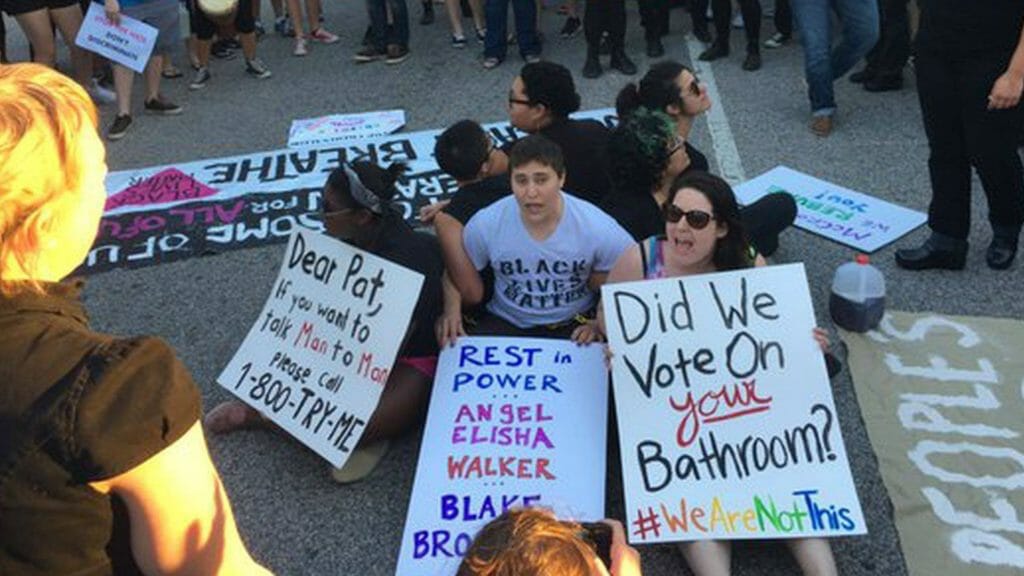
The personal nature of the battle also extends to marriage equality opponents: The year since the ruling has been a difficult one for certain communities as certain state legislatures around the country attempt to undercut the decision with “religious freedom” measures. Having failed to bar LGBT individuals from marriage, this new clash emphasizes social ostracization. Georgia’s Pastor Protection Act enabled members of the clergy to refuse to perform same-sex marriages (Governor Nathan Deal later vetoed the measure amid backlash from state business leaders). A similar bill in Mississippi allows individuals, businesses and government employees (including counseling services, foster care, and adoption services), nonprofits and other entities to refuse goods and services to LGBT people and anyone who has had extramarital sex on religious grounds. The treatment of the transgender community is also “disheartening and sad,” says Jim Obergefell, in a reference to North Carolina’s so-called “Bathroom Bill,” which prohibits transgender individuals from using the restroom which corresponds with their chosen gender identity.
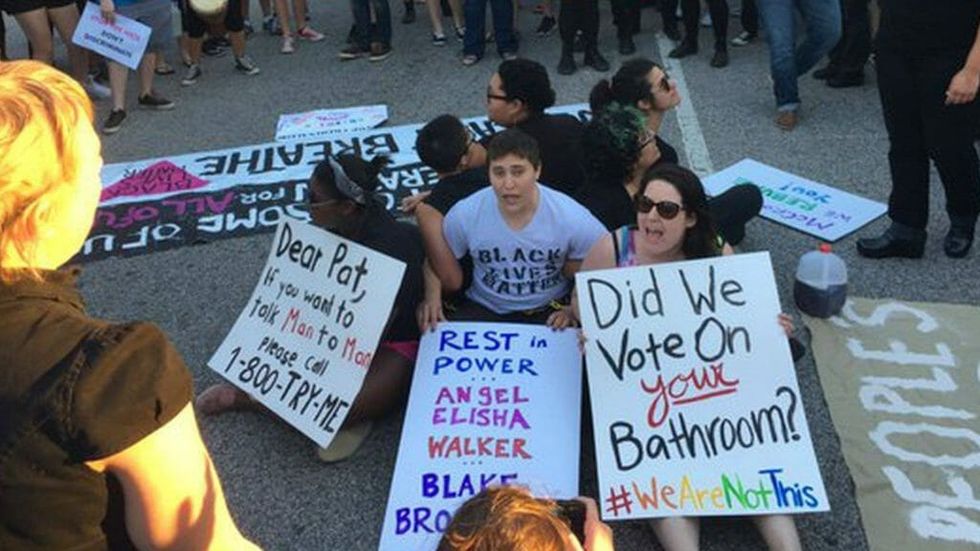 Credit: Source.
Despite the great strides made since the marriage equality ruling, LGBTs are left without full assurance of their liberties or safety. Breanne Macmillan, a lifelong resident of Winnipeg, Manitoba, points out that Canada will celebrate 11 years of marriage equality next month. Her immediate reaction to the United States Supreme Court ruling, she says, embraced this fact. “Welcome to the 21st century, we ran out of gift bags a while ago but stay and have a cocktail.”
For Macmillan, the decade since Canada’s marriage equality decision is personified in her uncle James. Born in the 1920s, James was a banker who did not come out until he was 35. “As a young man he tolerated the pain of knowledge that society, his family, his work, and his church would turn him away if he were open about it and that the most intimate contact he could have would have to be solely casual encounters,” said Macmillan. But then he met Matthew.
“It was that love that drove him out of the closet,” she concludes. “They spent the next 40 years traveling, fine dining, fighting on occasion, always making up. All the things every married couple experiences. Yet until now, they did not have the right to have that marriage recognized. I’ve had an entire decade to reflect on what was going on, and one day just came to the realization that I had been proud of my country for doing something that should be a given. Treating people with dignity shouldn't be respected; it should be expected.”


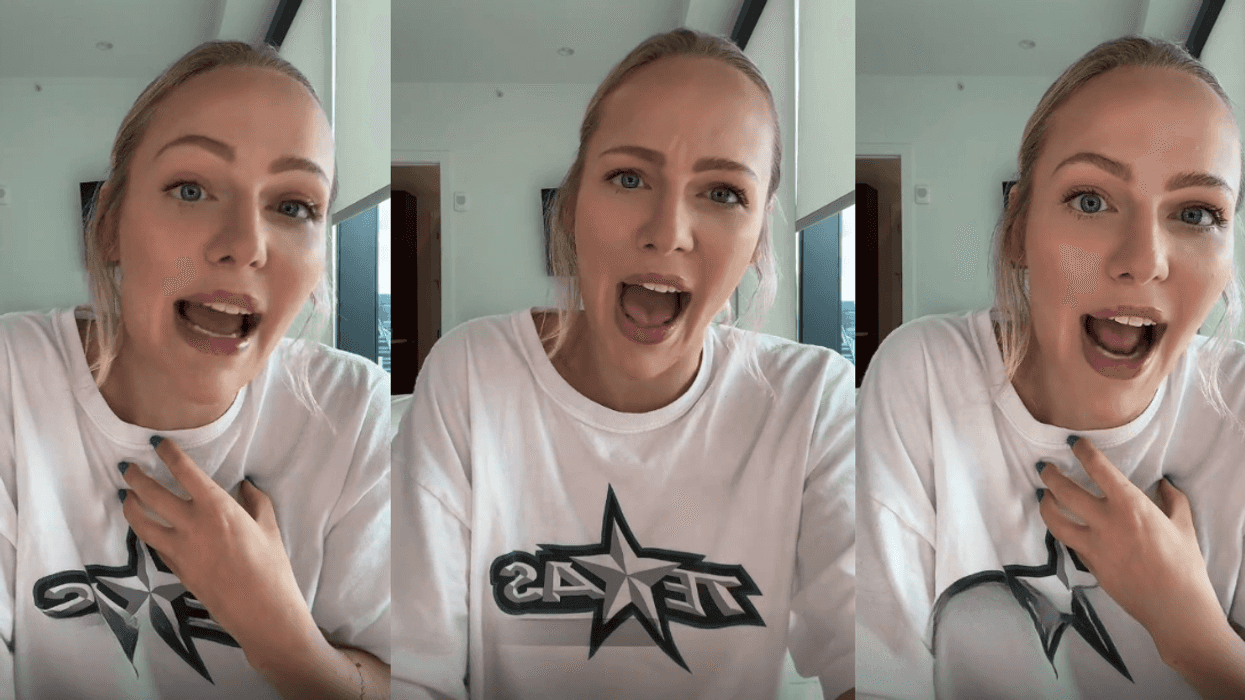
 @kelsgordon/TikTok
 @kelsgordon/TikTok
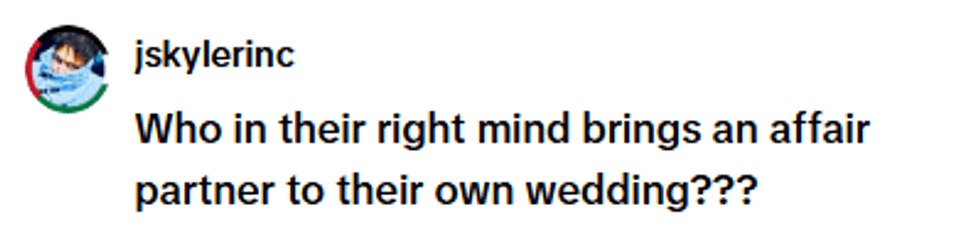 @kelsgordon/TikTok
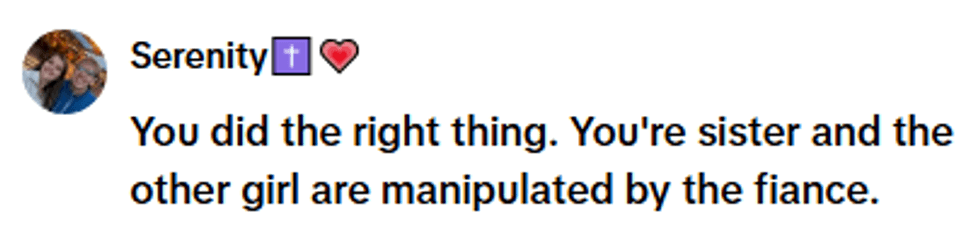 @kelsgordon/TikTok
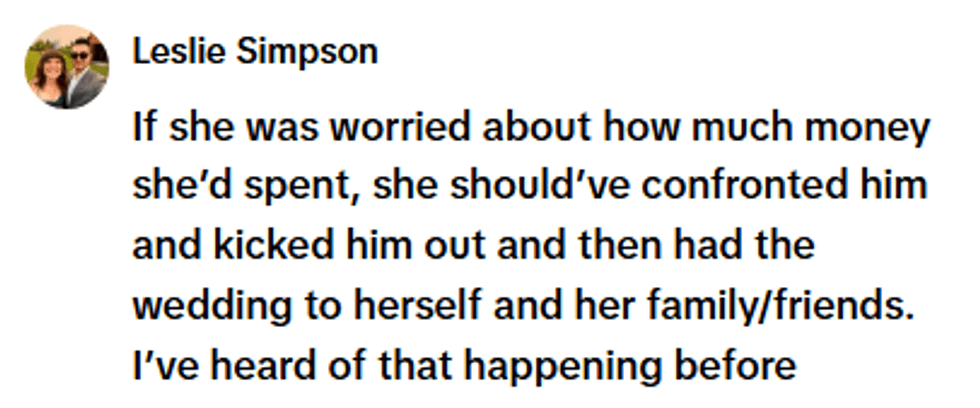 @kelsgordon/TikTok
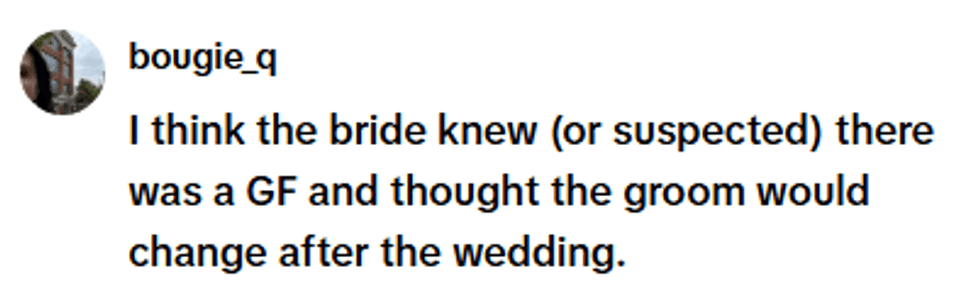 @kelsgordon/TikTok
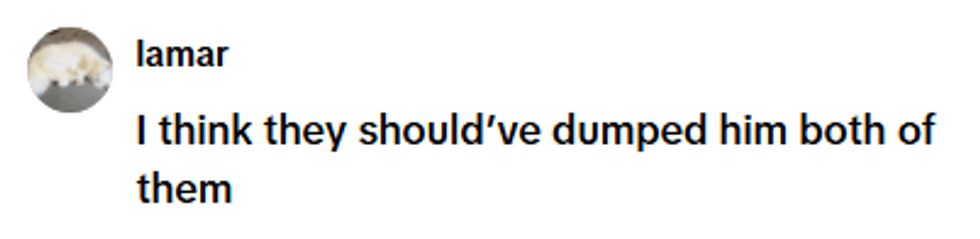 @kelsgordon/TikTok
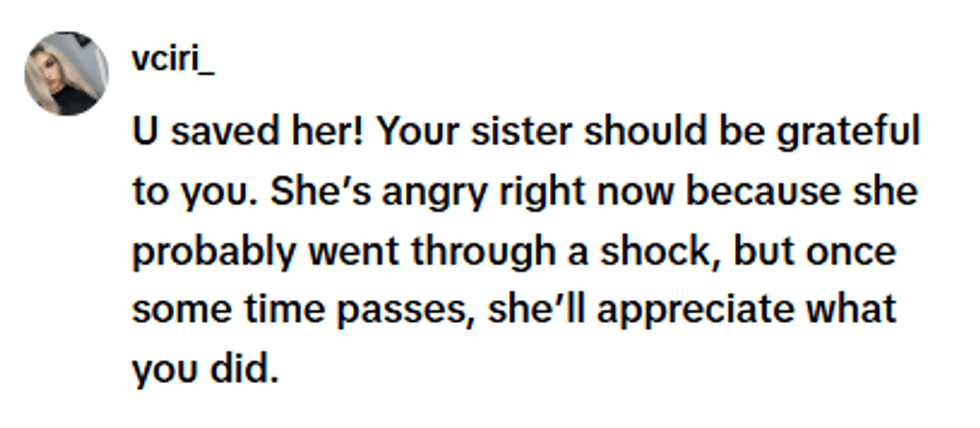 @kelsgordon/TikTok
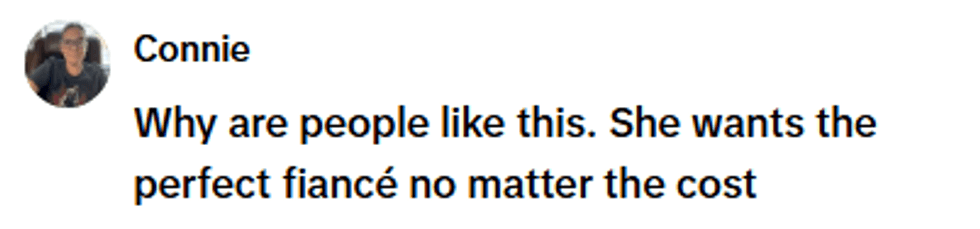 @kelsgordon/TikTok
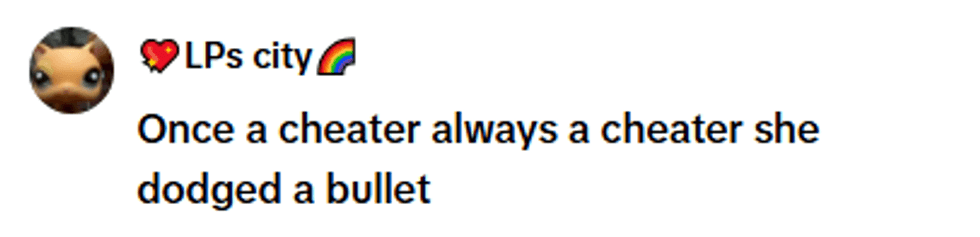 @kelsgordon/TikTok
 @kelsgordon/TikTok
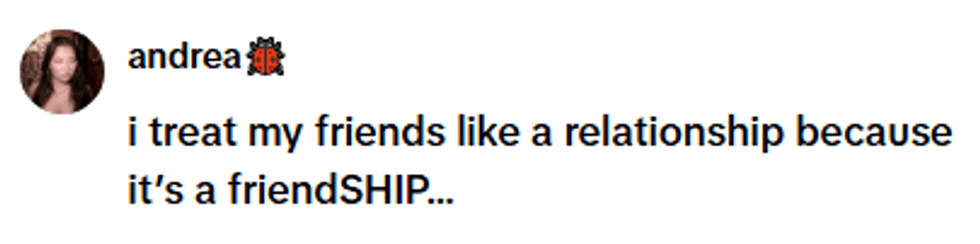 @maddieogle10/TikTok
 @maddieogle10/TikTok
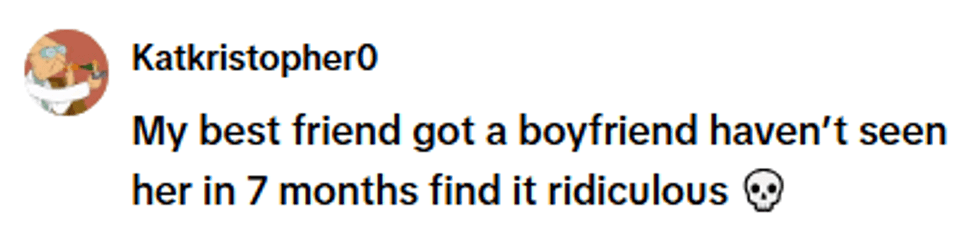 @maddieogle10/TikTok
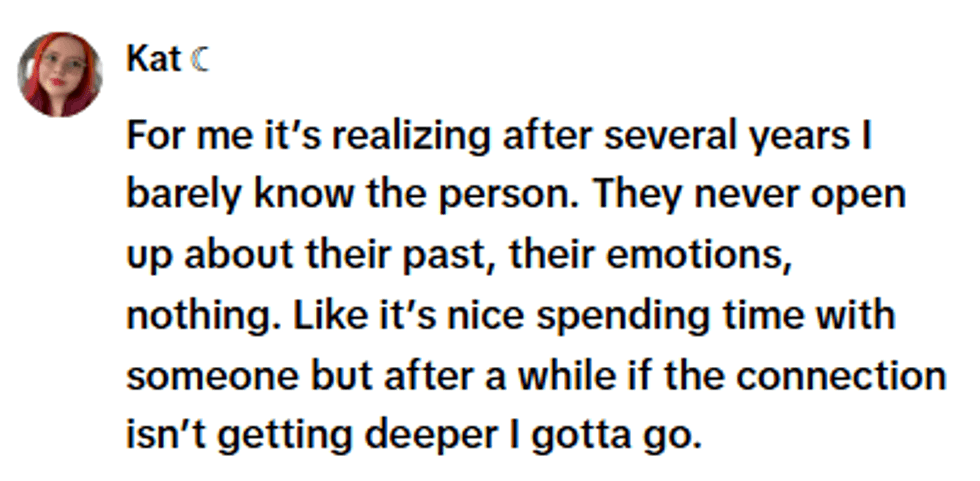 @maddieogle10/TikTok
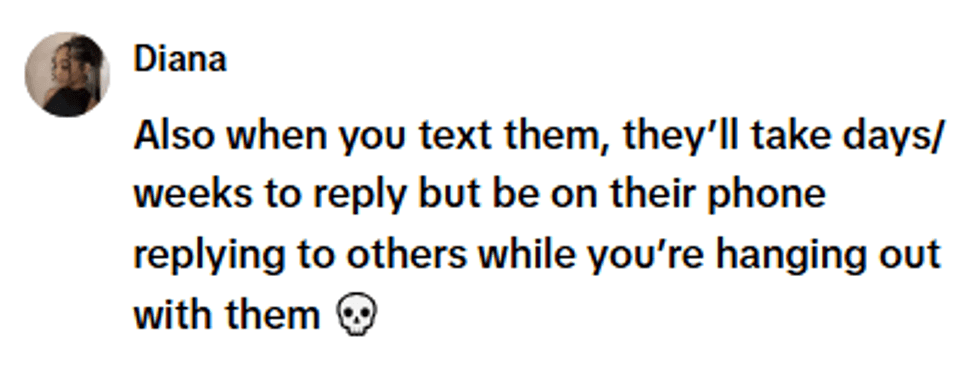 @maddieogle10/TikTok
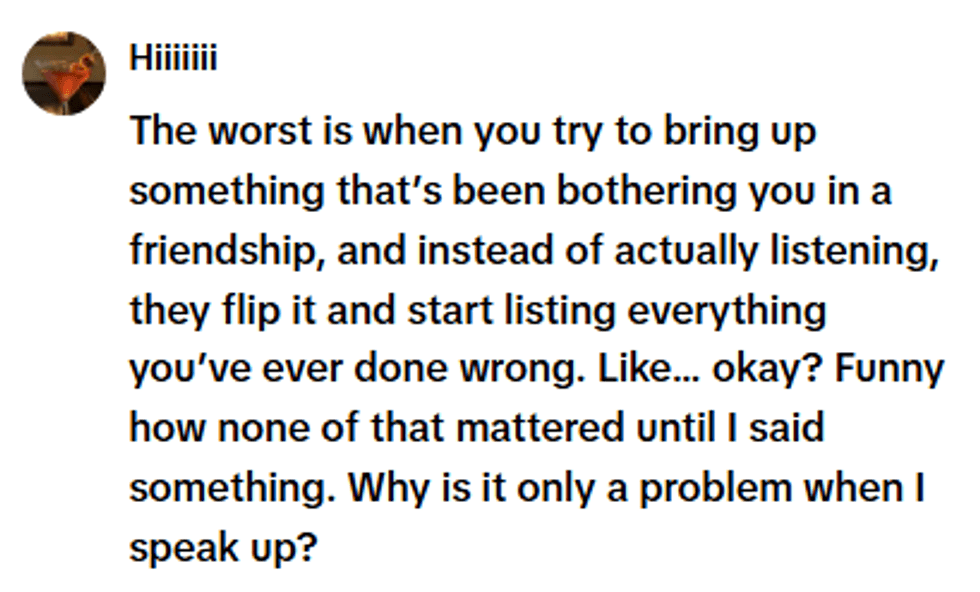 @maddieogle10/TikTok
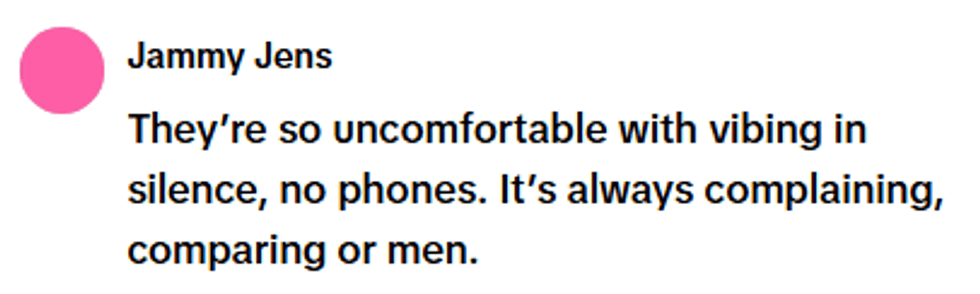 @maddieogle10/TikTok
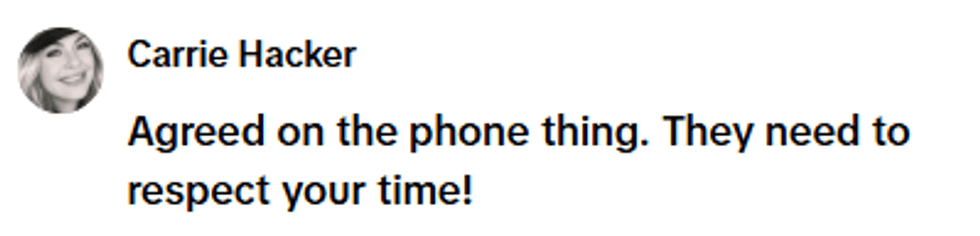 @maddieogle10/TikTok
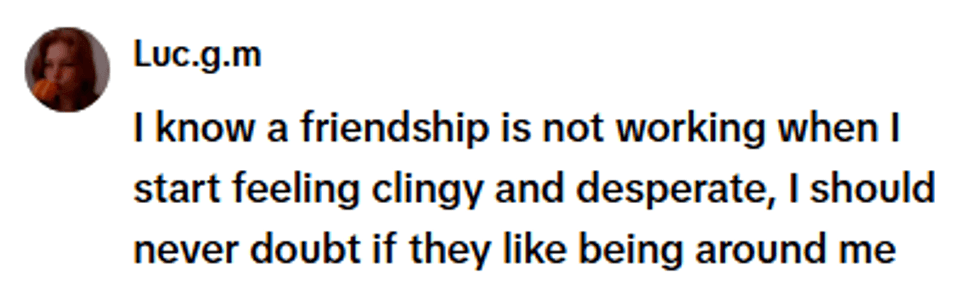 @maddieogle10/TikTok
 @maddieogle10/TikTok
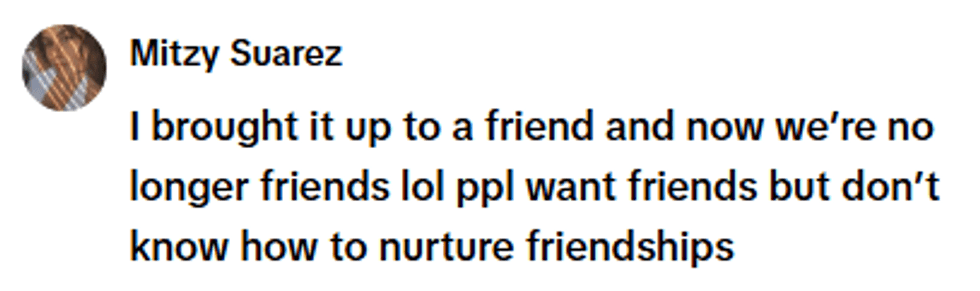 @maddieogle10/TikTok