

Our best medicines are losing their power. Since the 1940s, antibiotics have stopped infections from turning deadly, saving millions of lives around the world. Prior to the discovery of antibiotics, surgery was more dangerous, now-curable diseases like STDs and tuberculosis killed millions, and a paper cut could be fatal. However, overuse and misuse of these drugs have led to the rise of antibiotic-resistant strains of “superbugs.” Older types of antibiotics have been rendered useless by these powerful bacteria, compelling researchers to develop new generations of stronger varieties. Now those newer drugs are losing their effectiveness as well, and the World Health Organization has raised the alarm: We are running out of cures.
“Antimicrobial resistance is a global health emergency that will seriously jeopardize progress in modern medicine,” said Dr. Tedros Adhanom Ghebreyesus, Director General of WHO. “There is an urgent need for more investment in research and development for antibiotic-resistant infections including TB, otherwise we will be forced back to a time when people feared common infections and risked their lives from minor surgery.”
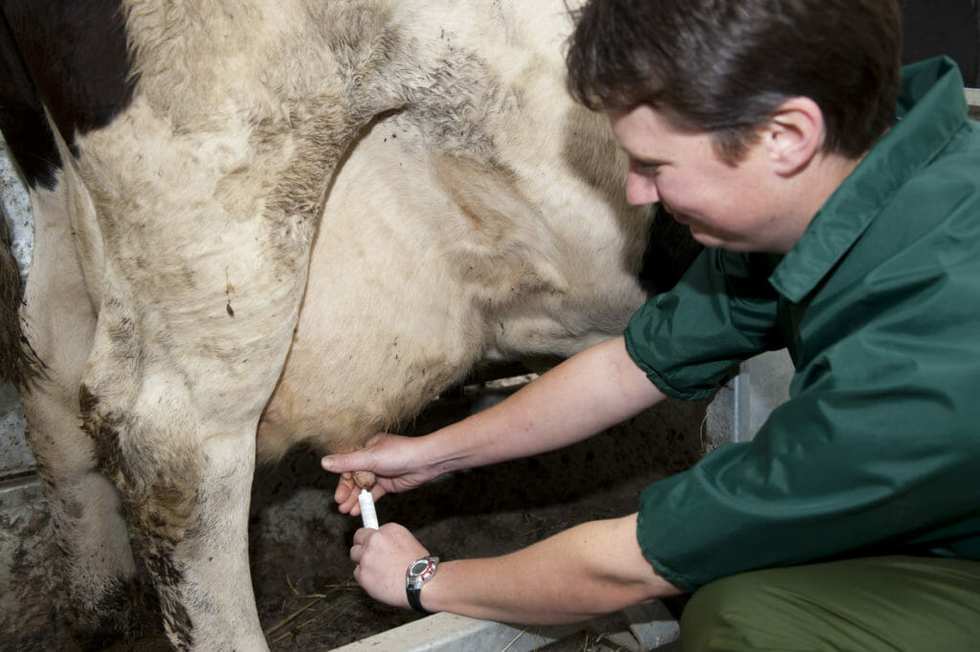
Now the World Health Organization (WHO) is asking farmers to stop dosing their livestock with human antibiotics. "It's very important that we reduce use in human medicine and in animal production," says Kazuaki Miyagishima, director of the Department of Food Safety at the WHO. The organization has issued its first guidelines on the use of antibiotics in farming and is asking agricultural veterinarians to avoid the use of antibiotics that are most critical in human health. The agency also wants governments to ban yet-to-be developed antibiotics from being used in agriculture. New classes of antibiotics need to be developed to replace drugs that have become ineffective.
If antibiotics resistance is allowed to proliferate, simple infections, such as ear infections and urinary tract infections, could become common killers. In India and China, a drug-resistant strain of urinary tract infections has been identified. In Minnesota, an outbreak of drug-resistant tuberculosis killed six people in the country’s largest recent comeback of a disease that killed millions of people before the advent of antibiotics. Gonorrhea is becoming untreatable, with 97 percent of the world’s countries reporting antibiotics-resistant strains of the disease. Methicillin-resistant Staphylococcus aureus, commonly known as MRSA, has been a serious threat in hospital settings for the past decade, and now it has moved outside of healthcare environments to infect people in their communities as well.
The CDC estimates that at least 2 million illnesses and 23,000 deaths will be caused by antibiotic-resistant bacterial or fungal infections in the US next year. Across the globe, 700,000 people already die each year from drug-resistant microbes and that figure is expected to soar to 10 million by 2050.
For years, researchers have focused on healthcare providers, urging them to stop prescribing antibiotics for situations where they aren’t needed or won’t help, in an attempt to slow the growth of drug-resistant bacteria. Meanwhile, drug-resistant genes are being spread throughout the world another way: Through livestock feed.
Nearly 80 percent of antibiotics aren’t prescribed to humans at all. Instead, they are fed to animals as part of a chemically enhanced diet designed to make them grow faster and bigger, and resist diseases in a factory-farm environment. By 2020, an estimated 200,000 tons of antibiotics will be fed to animals, and released into the environment via their meat and manure. People living around these farms have an increased risk of acquiring — and spreading — drug-resistant infections.
A 2013 study of Pennsylvania found that people living near pig farms or fields fertilized with pig manure are 30% more likely to become infected with methicillin-resistant Staphylococcus aureus bacteria. Bacteria can also spread through the air. When Johns Hopkins’ researchers Bloomberg drove behind poultry trucks in cars with their car windows open, they later found antibiotic-resistant bacteria in the air inside the cars and on beverages inside the car.
“Antibiotic resistance is kind of a numbers game,” says David Wallinga, a physician and senior health officer at the Natural Resources Defense Council, and an author of a new report detailing the role agriculture plays in creating drug-resistant bacteria. “The more you use the antibiotics, the more you’re basically helping to spur the development and spread of resistance to those antibiotics.”
Scientists have identified three strains of bacteria that are resistant to all antibiotics, including Colistin, the powerful antibiotic of “last resort.” This summer, MCR-3, a gene that confers resistance to antibiotics, appeared on a Chinese pork farm.
Researchers at Dalian University of Technology in China found antibiotic-resistant genes in fishmeal, meat-and-bone meal and chicken meal. The report says that fishmeal — “one of the most globally traded commodities”—serves as “a vehicle to promote antibiotic-resistant gene dissemination internationally” as it is distributed to farmers around the world, poured into the ocean via aquatic fish farms, and releasing the bacteria to new regions.
“At this moment, most meat animals, across most of the planet, are raised with the assistance of doses of antibiotics on most days of their lives: 63,151 tons of antibiotics per year,” writes Maryn McKenna, author of Big Chicken: The Incredible Story of How Antibiotics Created Modern Agriculture and Changed the Way the World Eats.
Agriculture is pushing back. The National Pork Producers Council condemned the WHO’s recommendation, as did the Meat Institute, and the US Department of Agriculture. They stated it should be up to individual farmers to determine the best way to handle their businesses.
However, other businesses are taking the side of human health. In 2016, Subway and McDonalds stopped serving chicken sandwiches made from chickens raised with antibiotics. Purdue Chicken also phased out antibiotics on its farms. McDonald's has promised to buy only chickens from suppliers that don’t use human medicines on their animals, beginning in 2018 — in the US and Europe. In China, however, the policy won’t take effect till 2027. China’s huge meat industry uses more antibiotics than the US, and more than half the world’s population of pigs live in that country. The WHO notes that antibiotics-resistant “superbugs” may develop in one country, but don’t stay in place for long.
Sally Davies, England’s chief medical officer, said that antibiotics-resistance could signal “the end of modern medicine.” It could lead to more deaths every year than cancer. Procedures such as cancer treatments, caesarian sections, oral surgery, and joint and hip replacements depend on antibiotics to keep infection at bay. If those antibiotics no longer work, these will become untreatable situations.
“We really are facing – if we don’t take action now – a dreadful post-antibiotic apocalypse. I don’t want to say to my children that I didn’t do my best to protect them and their children,” Davies said.





 reply to @thedailyshow/Instagram
 reply to @thedailyshow/Instagram
 reply to @thedailyshow/Instagram
 reply to @thedailyshow/Instagram
 reply to @thedailyshow/Instagram
 reply to @thedailyshow/Instagram
 reply to @thedailyshow/Instagram
 reply to @thedailyshow/Instagram
 reply to @thedailyshow/Instagram
 reply to @thedailyshow/Instagram
 reply to @thedailyshow/Instagram
 reply to @thedailyshow/Instagram







 @kesha/TikTok
 @teresabrown/TikTok
 @drewafualo/TikTok
 @hrc/TikTok
 @jana1/TikTok
 @mamalorian/TikTok
 @zaya/TikTok
 @tellwilliams/TikTok