
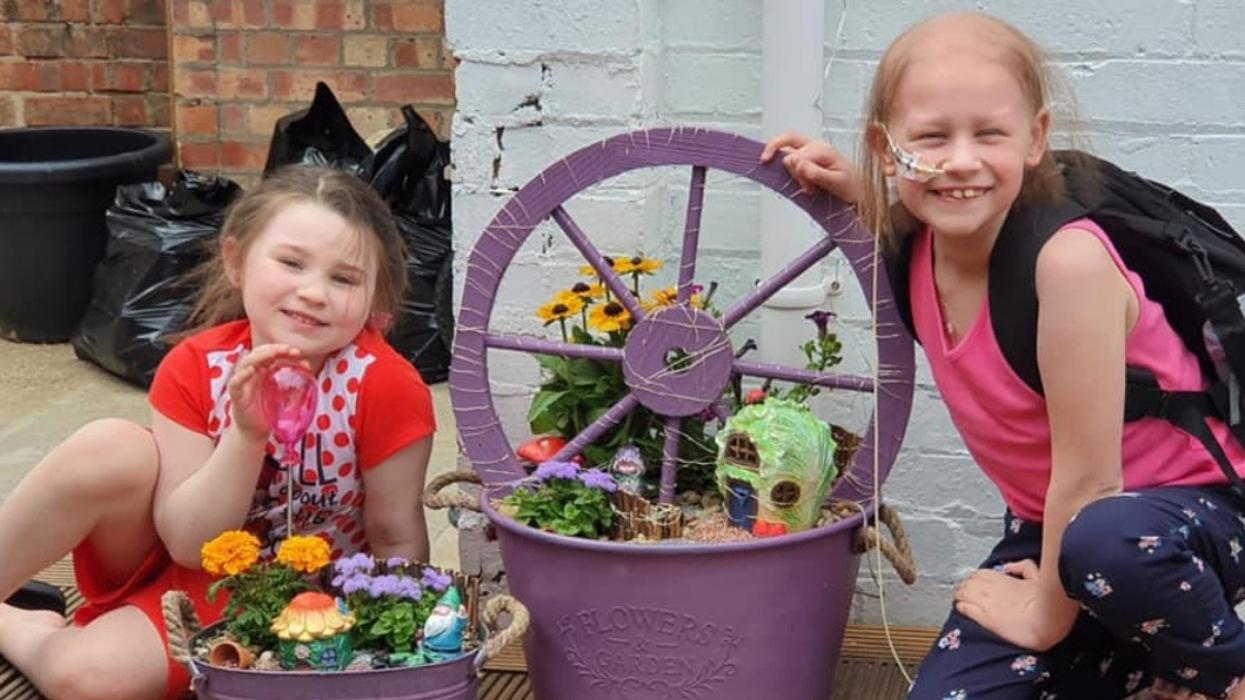

A mom who thought her shy daughter's stomachache was caused by back-to-school anxiety during the holidays was horrified to discover the little girl had a cancerous tumor the size of a watermelon in her abdomen.
Siân and Chris Rodney's concerns increased when eight-year-old Olivia's symptoms worsened over Christmas and they feared she might have appendicitis – a painful swelling of the appendix, causing nausea, stomach pain and constipation – which resulted in her being rushed to the hospital to have it removed.
But doctors discovered a mass in the youngster's abdomen, which they had thought was an abscess, was in fact a watermelon-sized tumor, which tests revealed to be Burkitt lymphoma – a rare and fast-growing cancer of the lymphatic system.
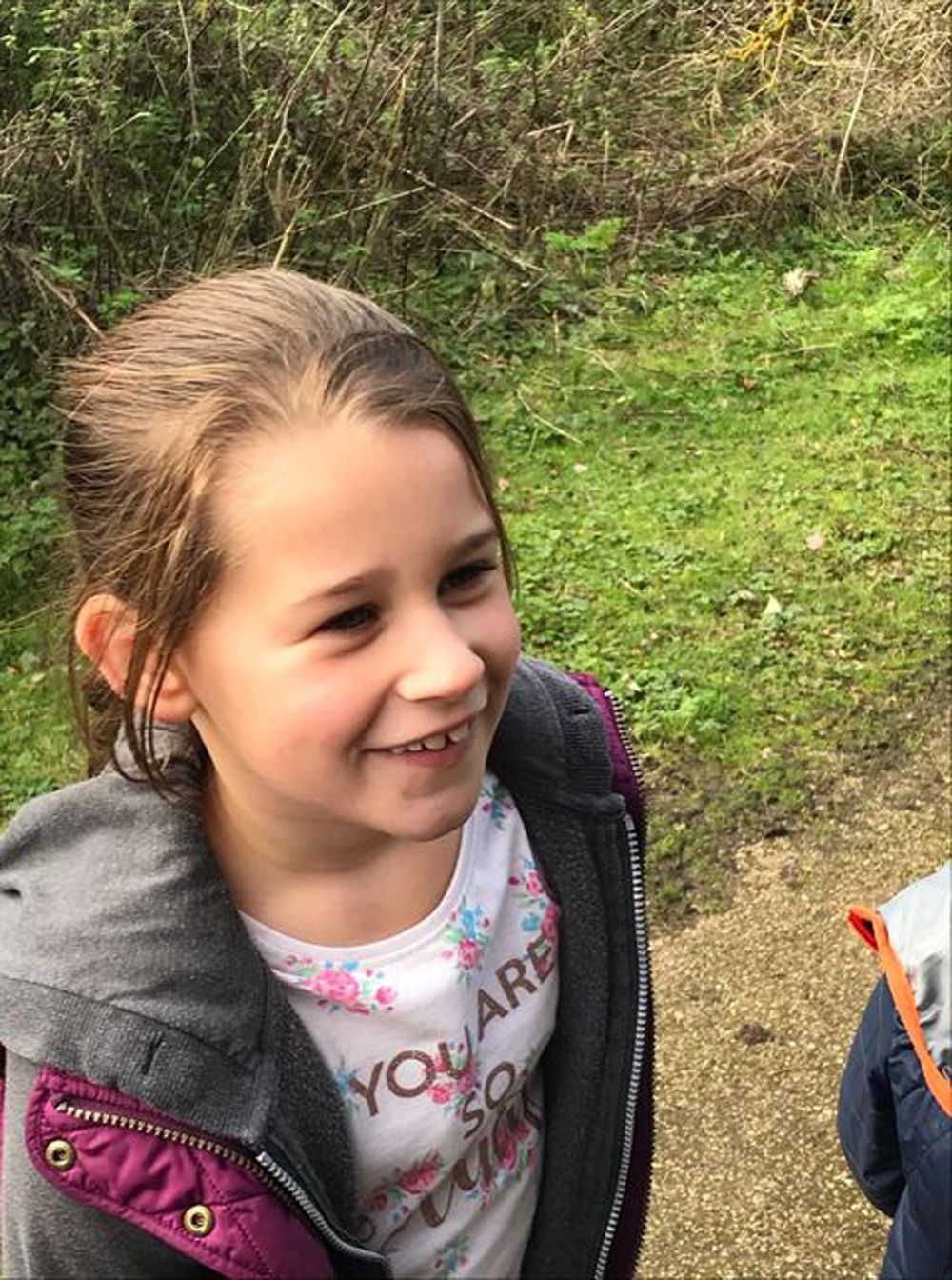
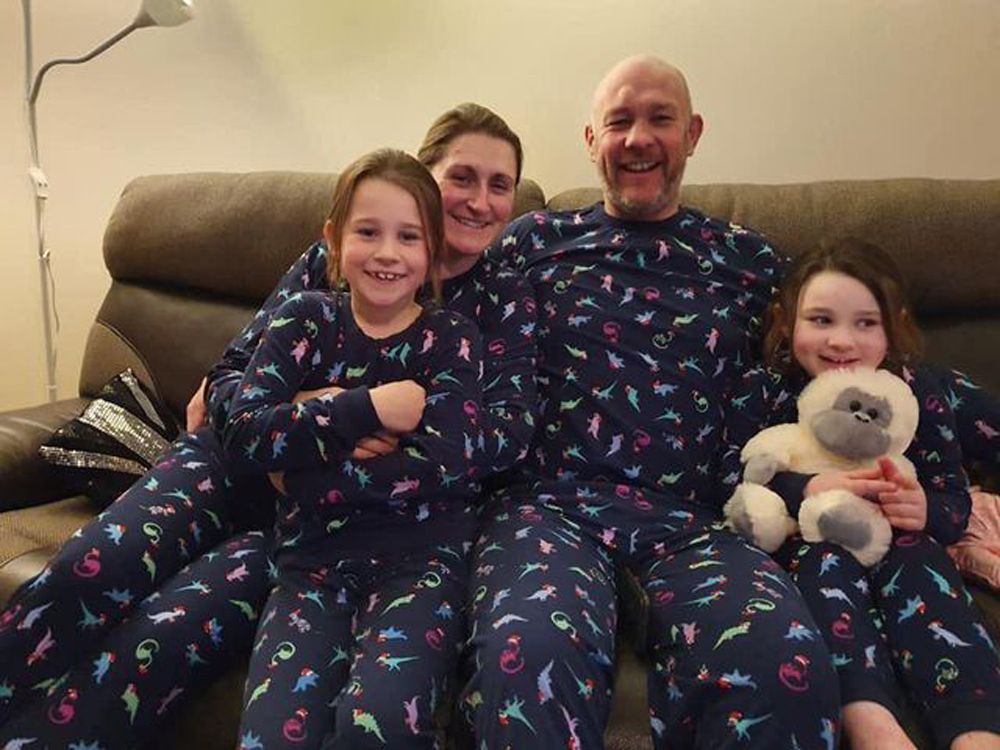
Health and safety worker Sian, 39, of Bedford, England, who has another daughter, Hollie, five, with plumbing company owner, Chris, 48 – also dad to Sam, 14, from a previous relationship – said:
“Nobody ever dreams they will have to deal with childhood cancer."
“When it's suddenly in front of you, you feel like a rabbit caught in headlights with no idea what to do."
“But, through all of this, Olivia has shown us what a strong little superstar she is."
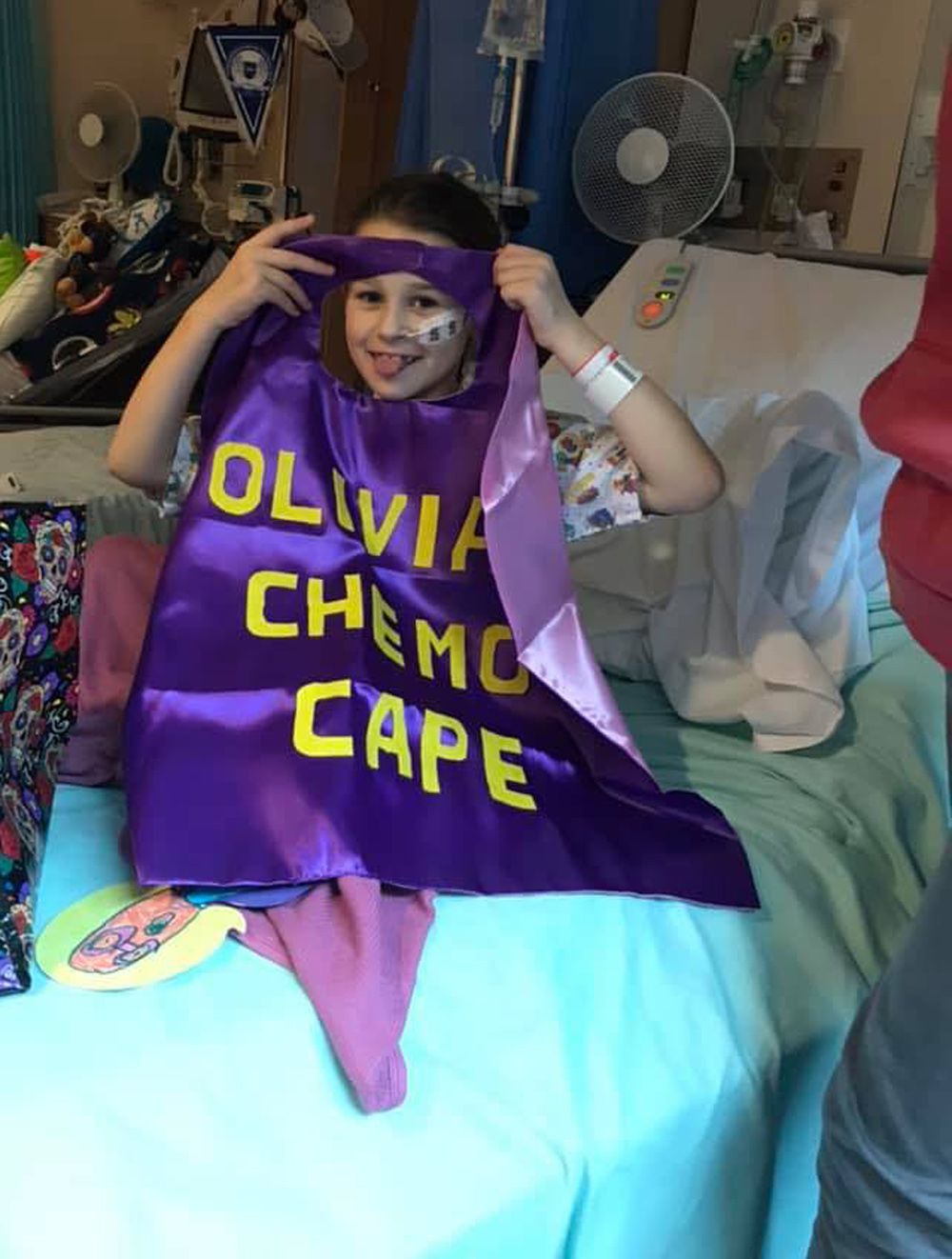
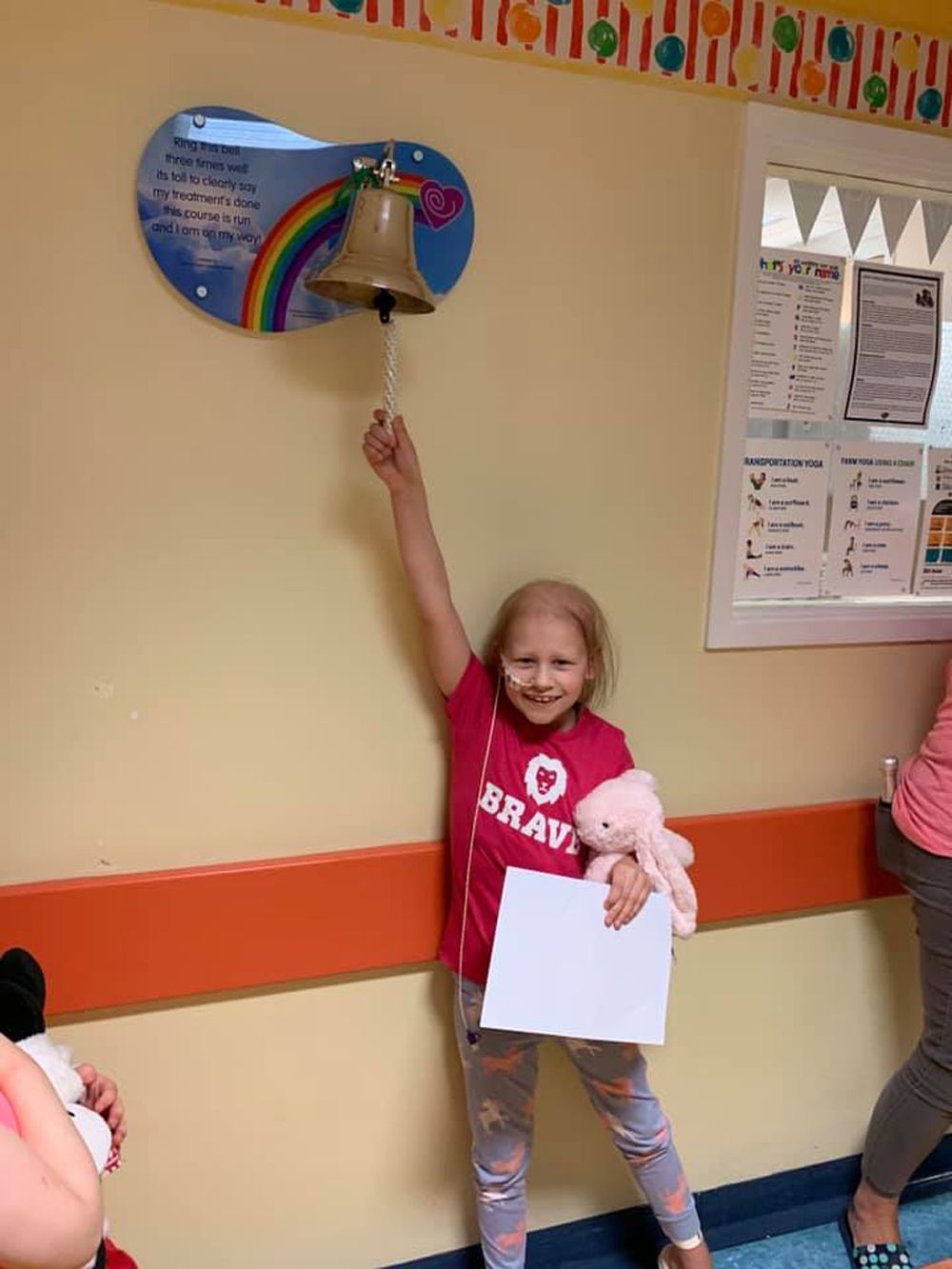
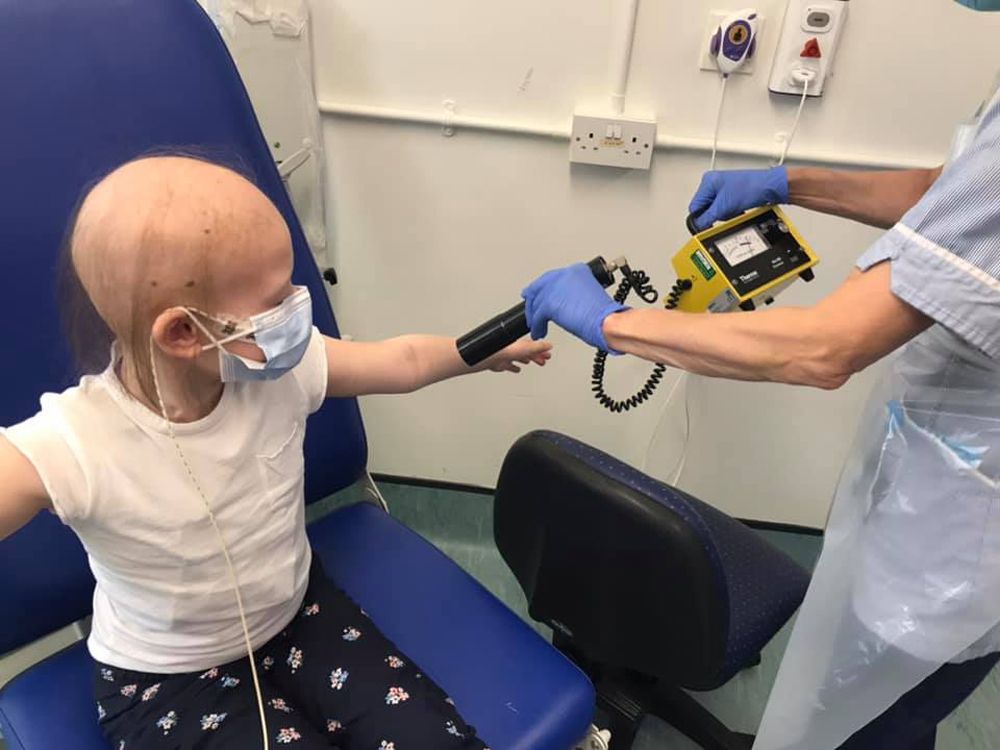
Fortunately, following eight rounds of aggressive chemotherapy – all administered during the national lockdown – Olivia is now cancer-free.
Looking back, Siân said:
“Knowing what I do now, Olivia did have a little paunch around her stomach at the end of last year."
“It wasn't overly obvious – just something I noticed as her mum – but I figured she'd maybe been eating lots of sweets and chocolate over Christmas and put it down to that."
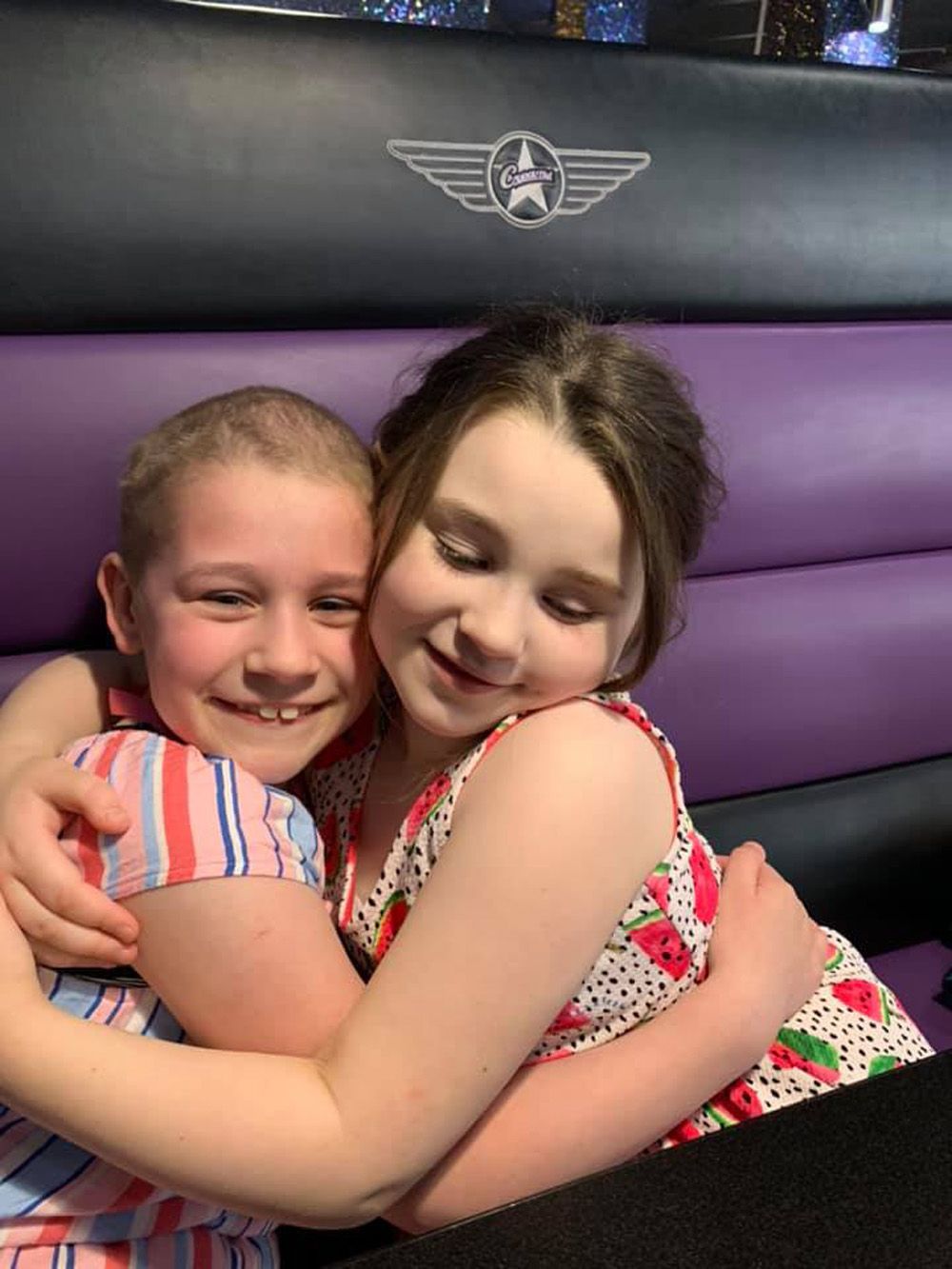
Usually fit and healthy, Olivia first started telling her mom that she was tired during their regular 20-minute walks into town at the end of the summer in 2019.
Siân said:
“We'd done that walk thousands of times and she'd been fine, so it came from nowhere."
“Again, with hindsight, I wonder if that was the first sign. At the time, though, I didn't think much of it – especially as she soon stopped complaining."
For a little while, Olivia seemed to return to normal. Then, in early October, she started saying that her tummy was hurting.
As she was eating normally and did not show signs of a bug, like vomiting, Siân began to wonder whether she was feeling anxious about going to school.
“I thought perhaps something was going on or that she had developed some anxiety," she explained. “She's quite a quiet child, so it wouldn't have been unusual for her to be feeling overwhelmed."
“In November, Chris and I went to talk to her teacher, who said that they'd noticed her complaining of tummy aches, too," she continued.
“As we talked things through, we came to the same conclusion that she had anxiety."
“But, by December, things got worse. Before, she'd talk about her tummy sporadically, but over Christmas it started being every other day, then after New Year, it was daily. Whenever I asked her to show me where the pain was, though, she couldn't."
By January 2020, Siân was very worried about Olivia, fearing she had appendicitis, so she saw her GP, who referred her to Bedford Hospital.
There, a scan revealed a mass around her abdomen, which doctors initially believed to be an abscess that had formed around her appendix.
Next, she was pumped full of intravenous antibiotics in a bid to banish any infection and seemed to be responding well.
But, after five days, her temperature suddenly spiked overnight and doctors raced her to the operating room for emergency surgery.
Siân said:
“They planned to remove her appendix, thinking it had burst."
“As Chris and I waited for her to come back from theatre, another mum said to us, 'Don't worry, my little one just had their appendix out and they were back within 90 minutes. It won't be long.'"
She continued:
“But 90 minutes came and went, then two hours, then two and a half. I began to really worry, and said to Chris, 'This hasn't been a straightforward appendix removal, has it?'"
“After three hours, a consultant appeared, ashen-faced. I took one look at him and just started crying, 'Where's my baby?'"
Medics explained that, although Olivia's appendix was fine, the mass that was originally thought to be an abscess appeared to be something much more sinister.
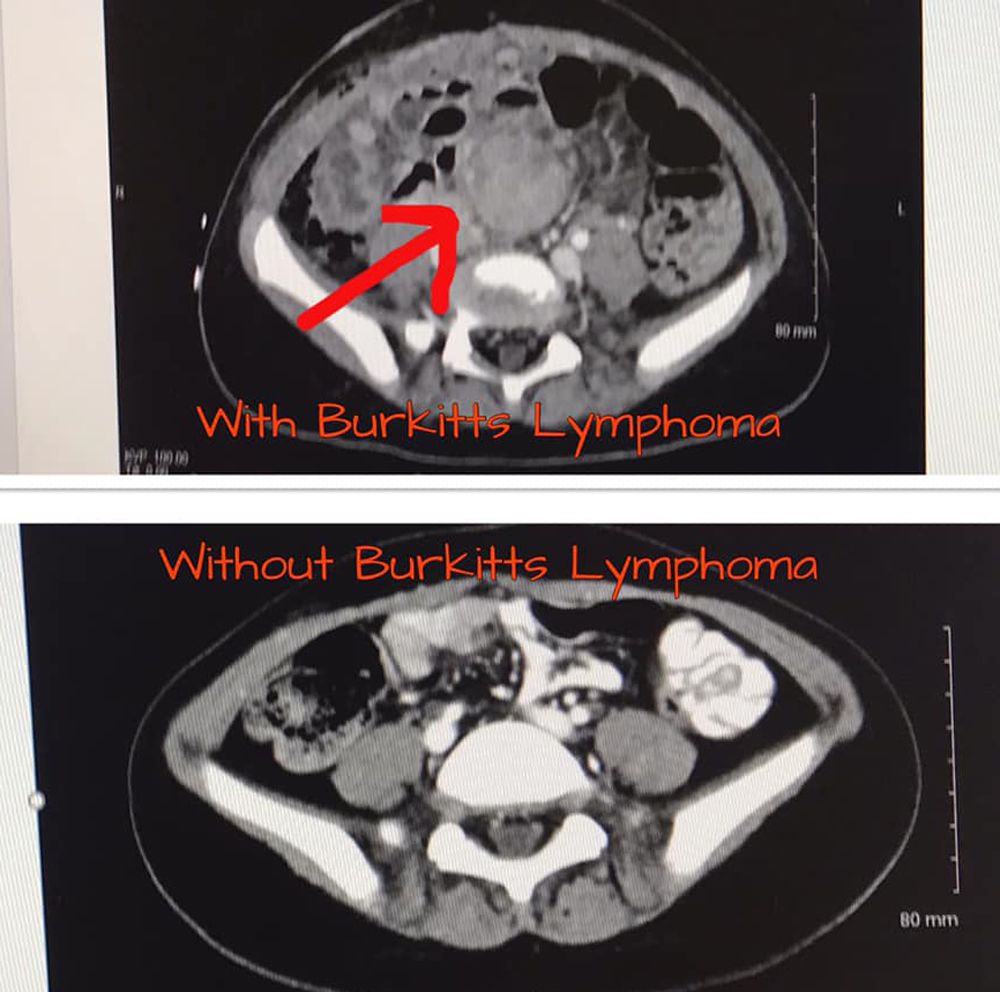
As it contained blood vessels that were too close to major organs to be safely removed, they could only take a small sample, which they sent away to be biopsied, along with some of her lymph nodes.
Siân continued:
“From the moment they said the word 'mass,' my mind was whirring. By then, I knew we were dealing with something very serious."
“Chris and I went down to Olivia's bedside to be with her when she came round. The whole time, in the back of my mind, I was fearing the worst and questioning what was going to happen to her."
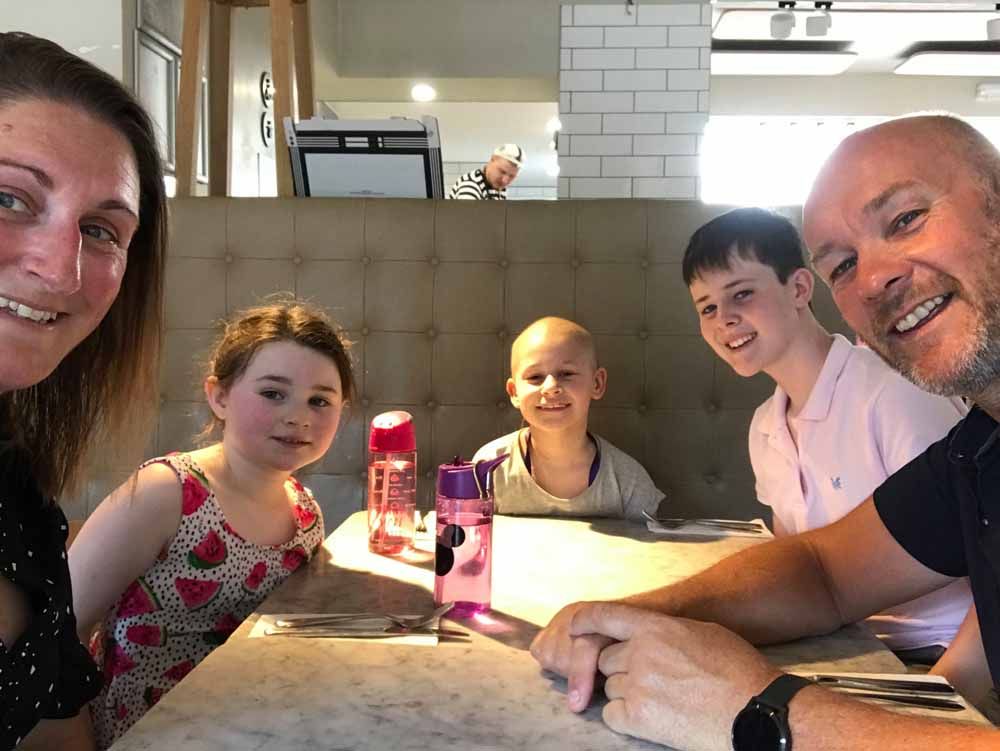
The next day, they were referred to the more specialist Addenbrooke's Hospital in Cambridge where, on 2 February, an oncologist officially diagnosed Olivia with Burkitt lymphoma – which, according to Cancer Research, is seen in just 210 new cases each year in the UK and less common in females.
With Olivia beginning treatment just 48 hours later, Siân said:
“The form of cancer she had was very aggressive, so we had to launch straight into it."
“The consultants were absolutely amazing, though. They were very honest with Olivia and spoke to her – not above her head to Chris and I."
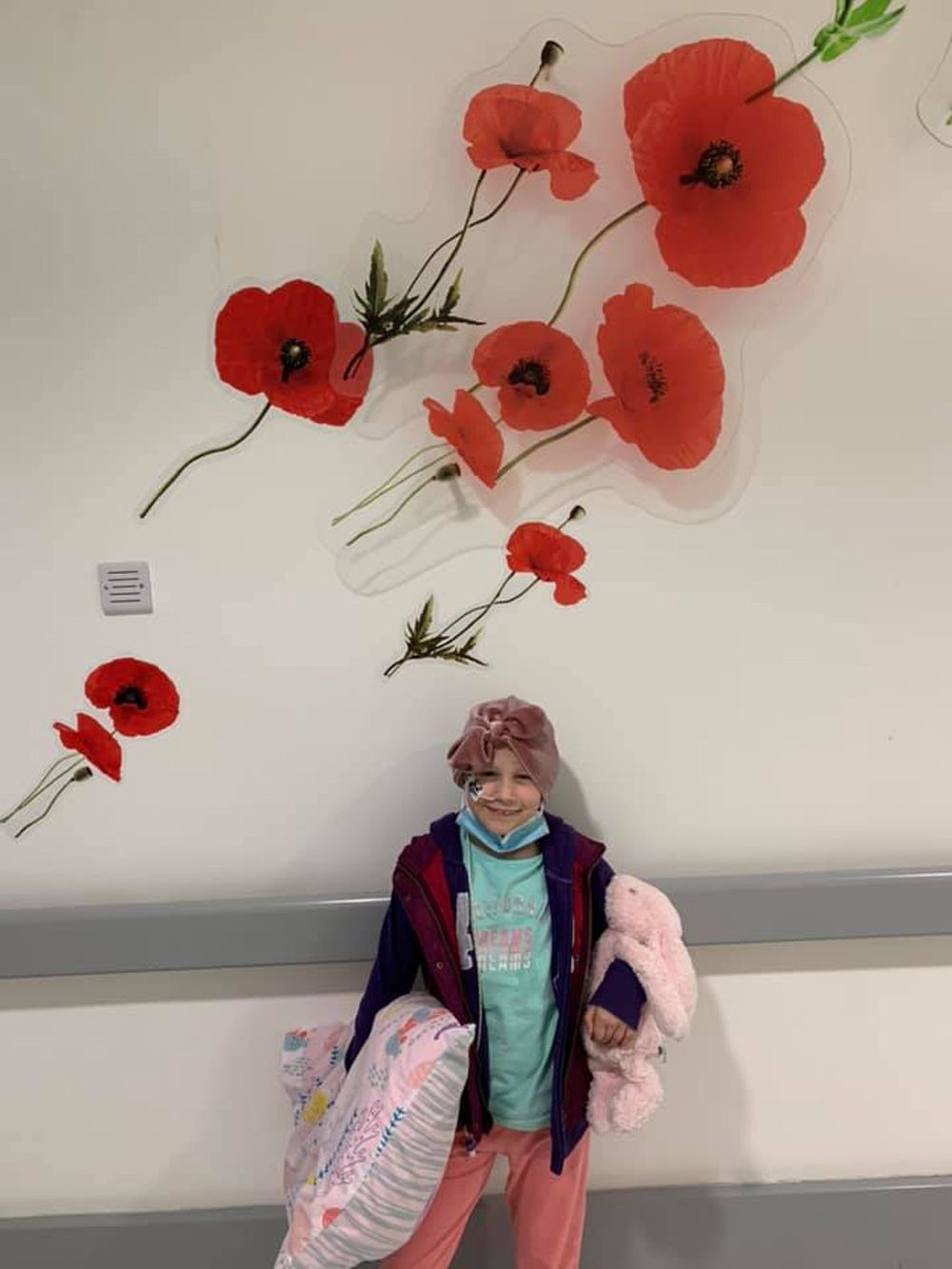
“We didn't want to hide anything from her, so that was really important to us. We also tried to keep things as positive as we could," she added.
“Of course, she had her down days, where she'd say to me, 'I just want to go to school and see my friends, Mum.'"
Within days of the earth-shattering diagnosis, Siân and her family were put in touch with CLIC Sargent – a cancer charity supporting young people and their families – who assigned Olivia her very own social worker.
She continued:
“As a family, we had no idea what to do when Olivia was first diagnosed. We were suddenly thrust into this new world, turning up on a cancer ward and hoping there was someone to talk to."
“CLIC Sargent were incredible. They helped us with everything you could possibly imagine, both practically and emotionally. They were always at the other end of the phone if we had a question."
“They let us know who the right people to talk to were, put us in touch with smaller charities who did things like get Olivia an iPad so she could still do her school work, and helped us speak to her teachers to explain what was going on."
“They even gave us a grant of £170 (~$220) when she was first diagnosed," Sian added. “They do that for families and it's invaluable. It helps with all those little things you'd never even think of like hospital parking and food for the family."
As Olivia continued with chemotherapy, which she coped with remarkably well, Siân also found strength and solace through talking to other families on the ward.
“The other mums and I would joke that it felt like prison because the first question you'd ask a newbie was, 'How long are you in here for?'" she said. “We all supported each other, though."
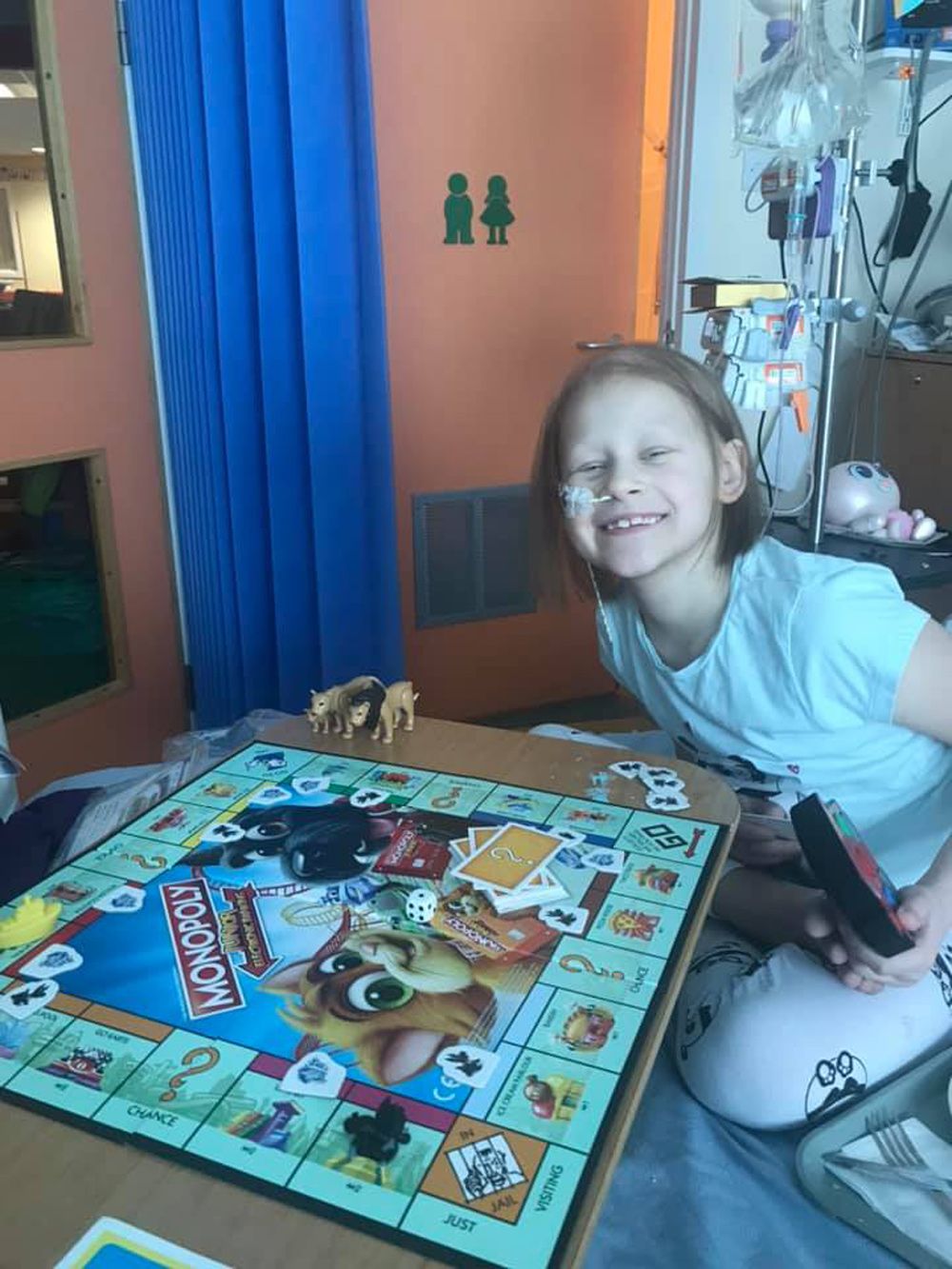
“You see an awful lot on the ward. There'd be children that seemed fine one day, then everything would change," she continued.
“There's also an end of treatment bell, which was rung a few times while I was there. That's incredibly emotional, as end of treatment isn't always positive."
“Sometimes it can mean there's nothing more that can be done, but parents still want to give their children the chance to ring the bell. It's taking back a little control in a chaotic situation."
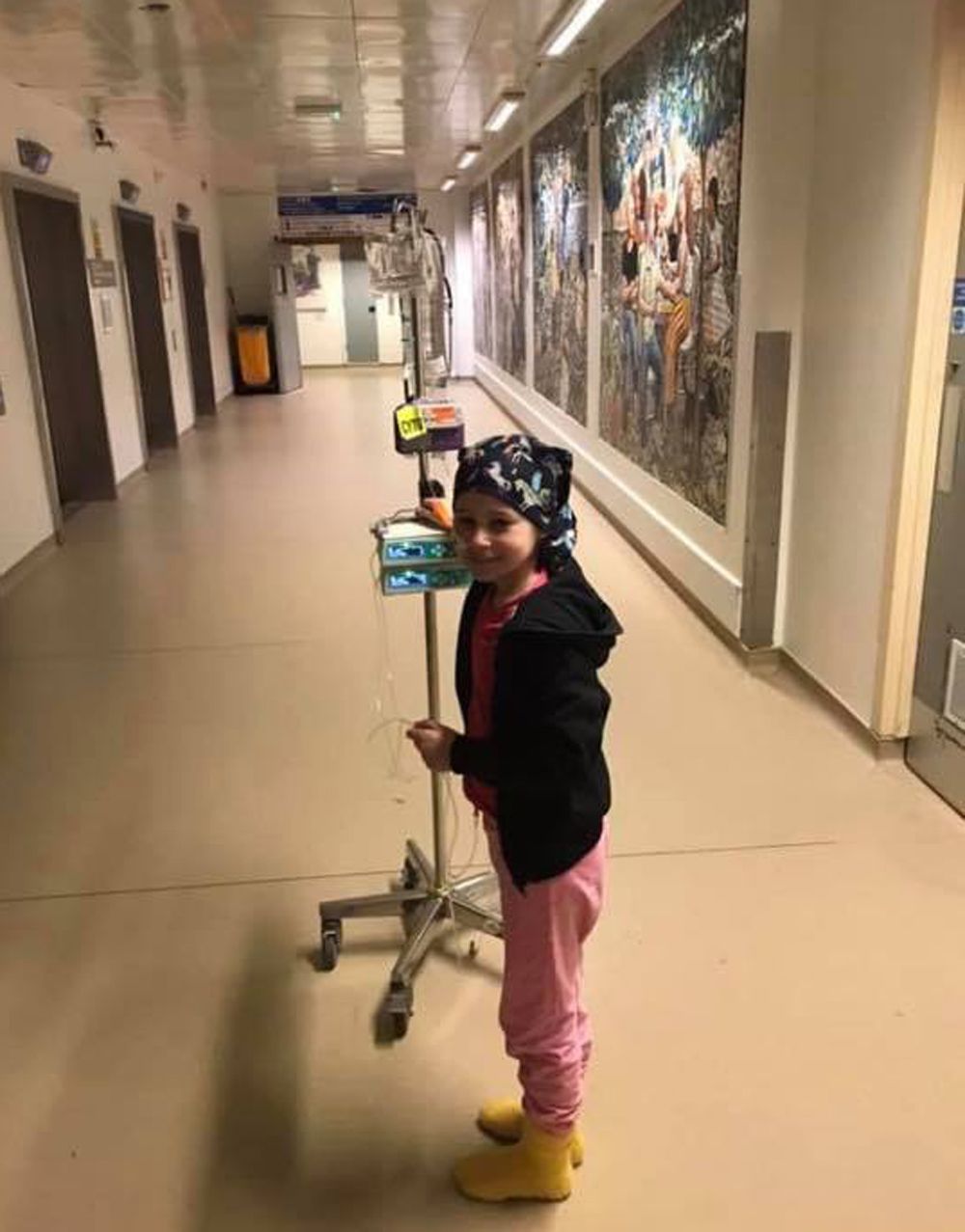
By April, after five rounds of chemotherapy, Olivia had a progress scan which revealed that much of the original tumor had gone.
All that remained was a flat, “fried egg-shaped" mass over her uterus.
Ordinarily, surgeons explained, that would be removed using keyhole surgery, but with operations on hold due to the pandemic, they decided to opt for three more rounds of chemotherapy instead.
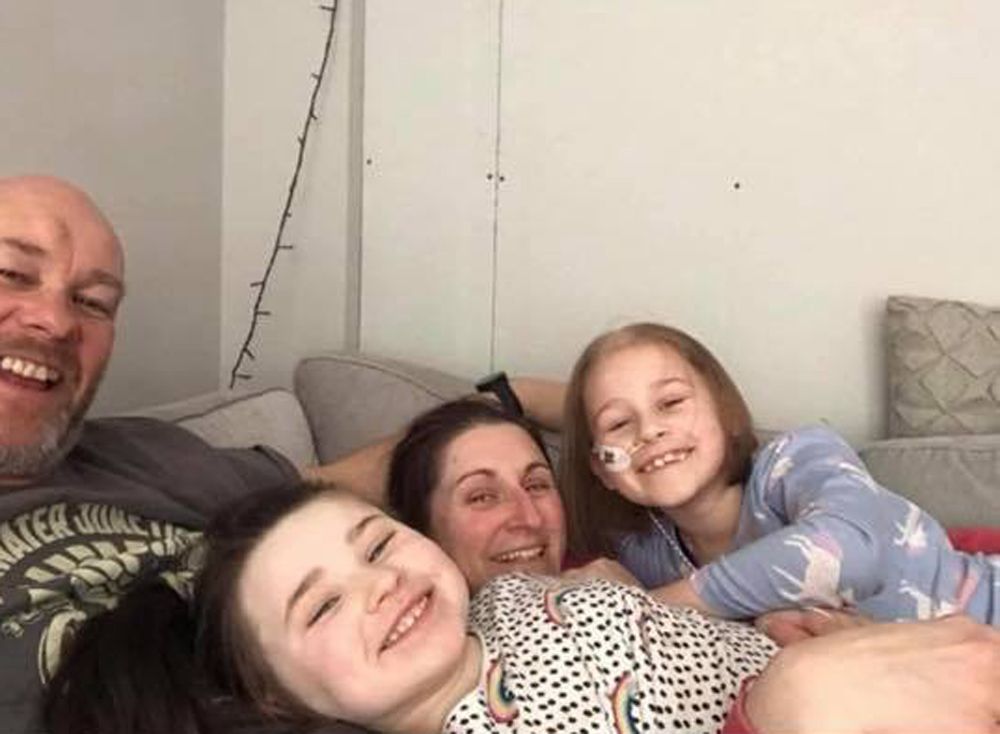
“The only silver lining of the [pandemic] has been that, because everyone has been locked down, Olivia hasn't been exposed to coughs and bugs the way she normally would," said Siân.
“Chemotherapy means her immune system is non-existent, but because she hasn't been exposed to any germs, she has been bouncing back very quickly."
“Her recovery times were so quick that we could do chemotherapy every three weeks rather than every four. We wanted to keep going and not give the cancer any let up."
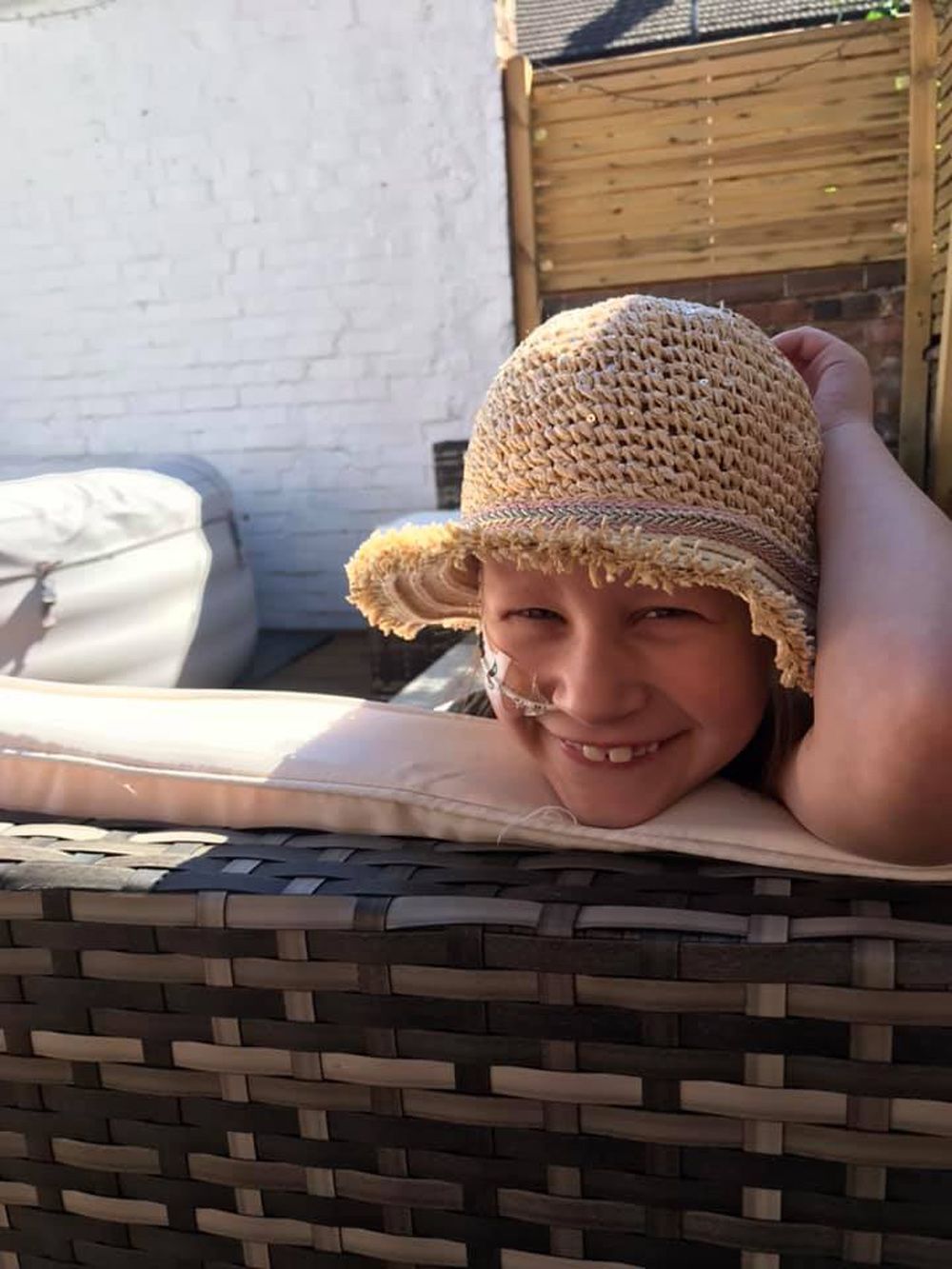
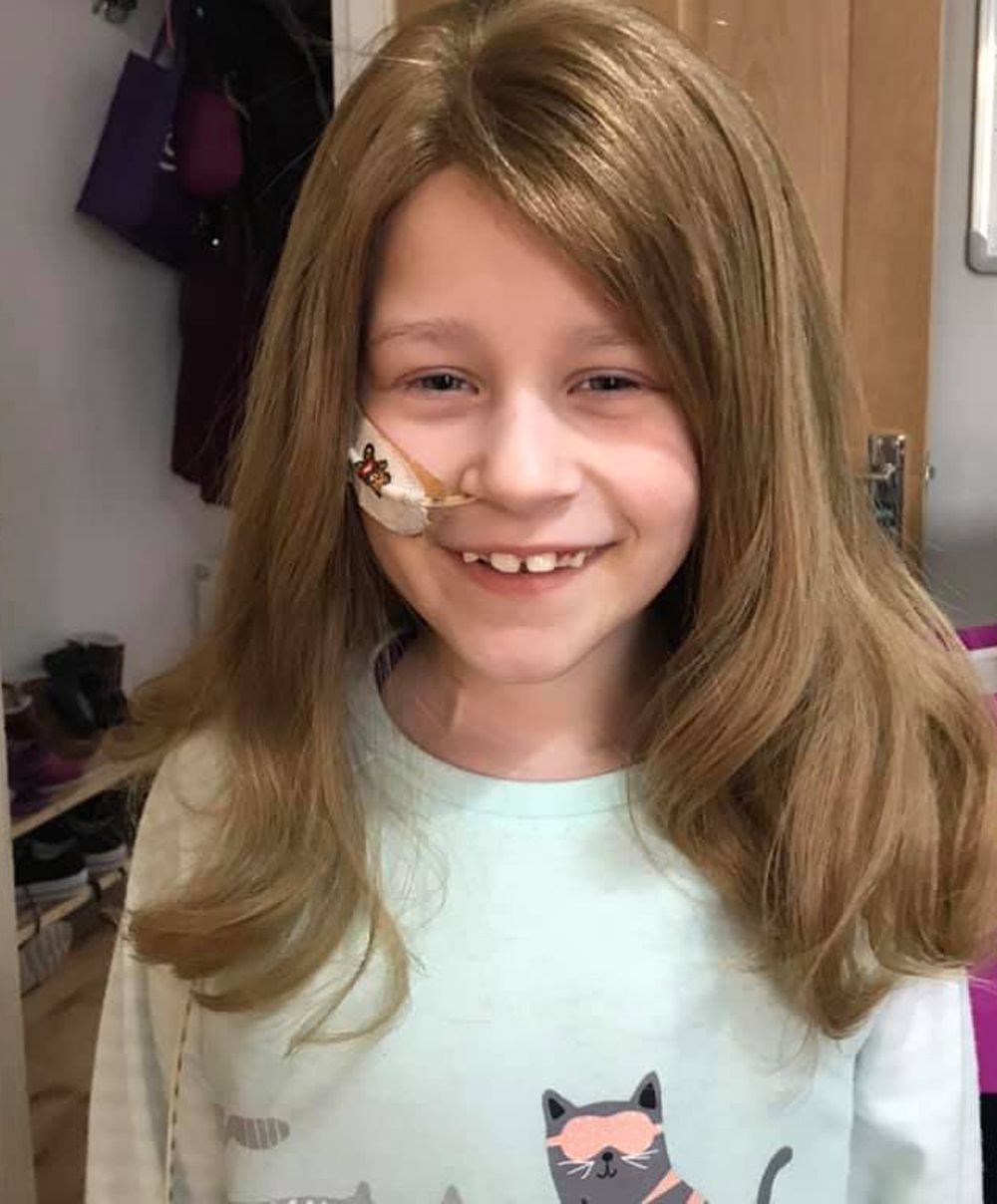
Thankfully, tests at the end of June found Olivia to be cancer-free – and she has remained healthy ever since.
Now back at school, she is having regular meetings to monitor her progress, but doctors are confident that she has beaten the disease.
Siân, who is keen to offer hope to other parents having a similar experience and to promote the work of CLIC Sargent, said:
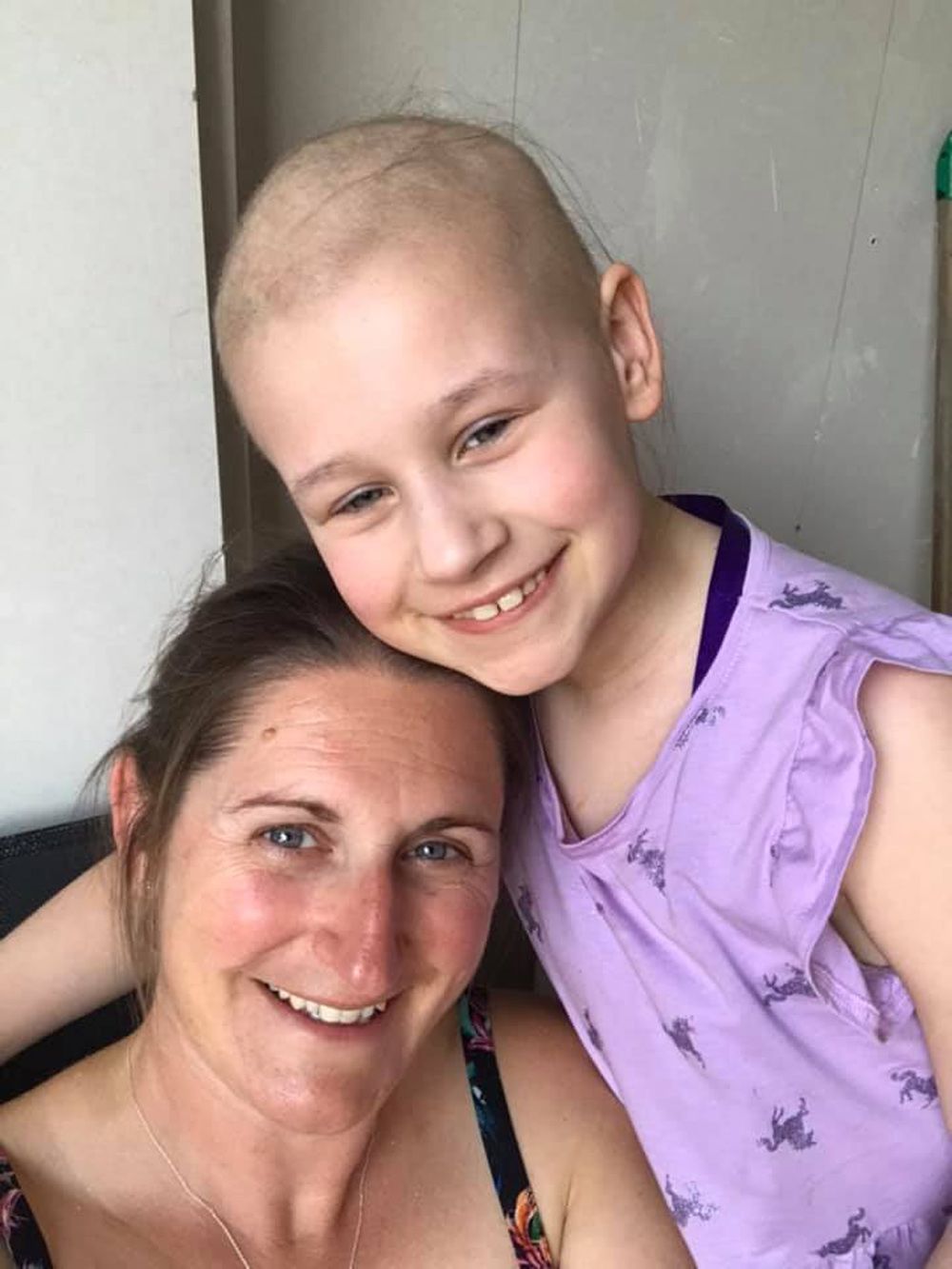
“Staff from the charity have been absolutely invaluable to our family. Now I want to make sure other parents know about CLIC Sargent, too."
Helen Gravestock, Associate Director of Services at CLIC Sargent said:
“The pandemic is having a huge impact on the families CLIC Sargent supports. On top of treatment, parents are anxious about their children being vulnerable to [the virus] and how they will cope financially."
“Cancer isn't stopping for [the virus] and neither will we. Young people and parents have told us they're struggling to cope, and they need our support more than ever. By donating to CLIC Sargent, you can help us be there for more families like Olivia's."
To support the charity, visit www.clicsargent.org.uk









 @MuffinsNsuch/X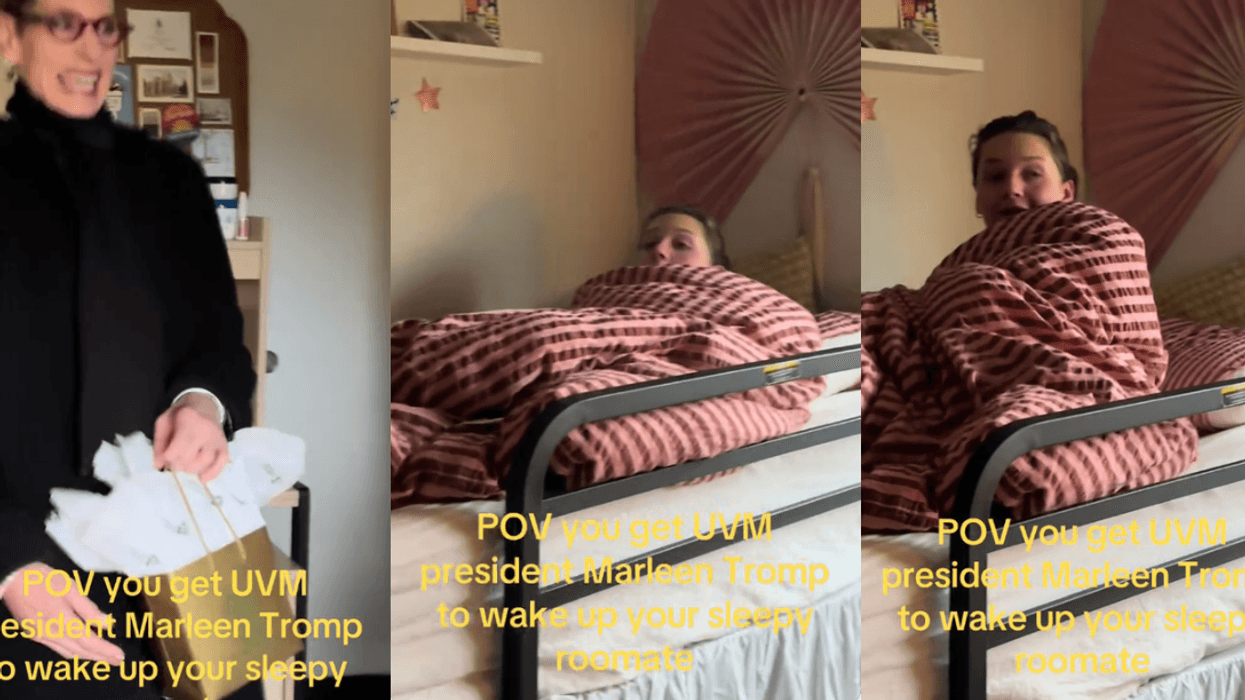
 @serena_loscalzo/TikTok
 @serena_loscalzo/TikTok
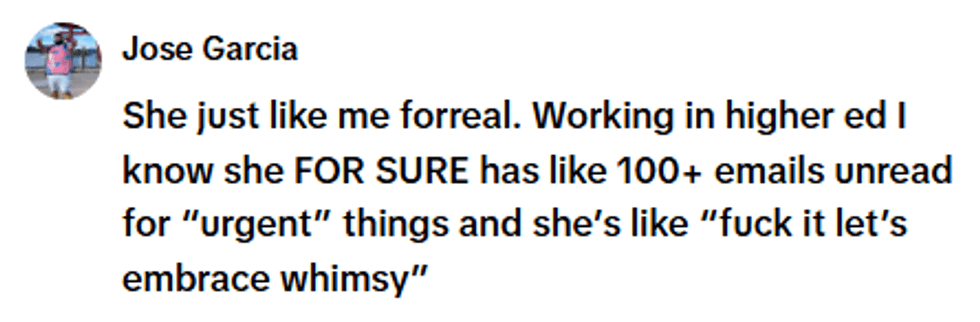 @serena_loscalzo/TikTok
 @serena_loscalzo/TikTok
 @serena_loscalzo/TikTok
 @serena_loscalzo/TikTok
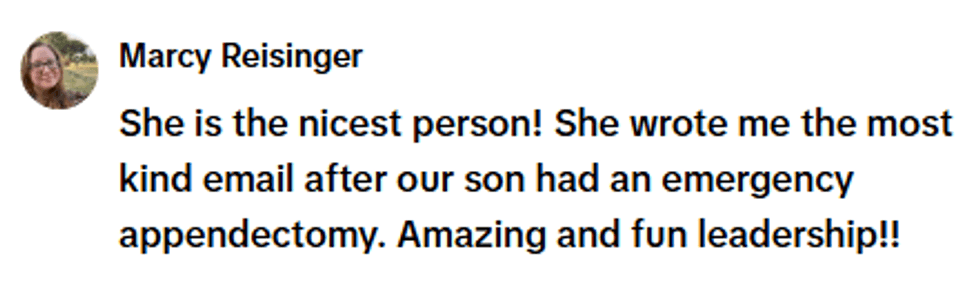 @serena_loscalzo/TikTok
 @serena_loscalzo/TikTok
 @serena_loscalzo/TikTok
 @serena_loscalzo/TikTok
 @itsvictoriavega/TikTok
 @itsvictoriavega/TikTok
 @itsvictoriavega/TikTok
 @itsvictoriavega/TikTok
 @itsvictoriavega/TikTok
 @itsvictoriavega/TikTok
 @itsvictoriavega/TikTok
 @itsvictoriavega/TikTok
 @itsvictoriavega/TikTok
 @itsvictoriavega/TikTok
Larry David's New Satirical Essay Mocking Democratic Socialists Isn't Sitting Well With People