
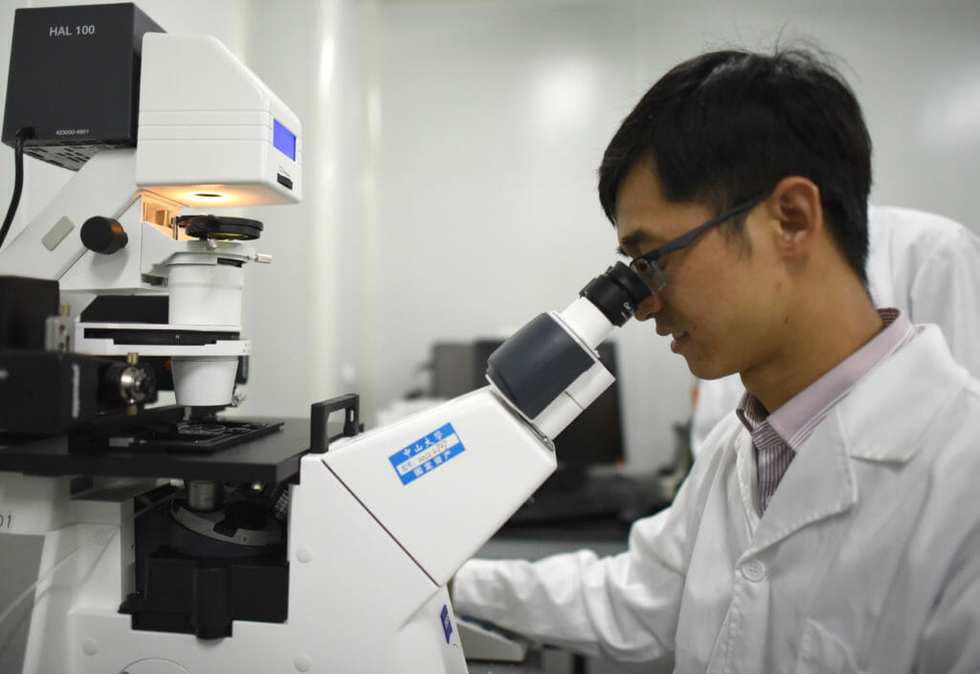

It’s such an innocuous name for such a mind-boggling tool, but the CRISPR gene editing technology has the potential to transform the face of modern medicine.
CRISPR is an acronym for Clustered Regularly Interspaced Short Palindromic Repeats, which will mean nothing to anyone without a Ph.D. in molecular biology. But the technology is built on the backs of worker proteins that have been designed to both fix and disable mutations in cellular DNA. It’s a breathtaking and elegant solution for anyone suffering from a genetic disease that works — analogously — like cutting and pasting a page in a book.
The problem is that the technology has a spotty record. It was incredibly good at disabling defective genes, but only possessed the capability to repair a few of the many potential gene defects.
Even worse, the repairs often failed.
But many scientists persevered, lured by the potential to cure so many incurable diseases and do revolutionary DNA work. Enter CRISPR 2.0, if you will, a landmark advancement that improves on the original’s premise by light years. Researchers at the Broad Institute of MIT and Harvard have developed an even more precise CRISPR technology that can edit individual base pairs of DNA.
To describe this as a major breakthrough could be an understatement. The previous CRISPR worked by replacing faulty genes which, on average, contain 20 million base pairs. The new version works on individual base pairs.
As molecules go, DNA is incredibly complex, with the DNA double helix in every human cell holding 3 billion base pairs. Those base pairs, however, only have four variations, so DNA must consist of combinations of C, T, A and G (referring to cytosine, thymine, adenine, and guanine). Across the DNA molecule in the corresponding strand of the double helix, C always pairs with G, and A with T. Everything we are, including all the proteins in our bodies, is built using the templates set down in our DNA.
The problem is that DNA typos — or mutations — occur, so that even a simple base pair substitution can cause the structure of a protein to fold or crumple so that it does its job poorly, or not at all. So many diseases like cystic fibrosis and sickle cell anemia are caused by small — or even single point — base pair abnormalities.
The first version of CRISPR consisted of a finder protein that located the problematic gene, and a “scissor” protein that snipped and replaced that abnormality. If CRISPR managed to work, then a repair process needed to be triggered so that the fix would spread. Unfortunately, it only did so about 10 percent of the time.
Enter Harvard’s David Liu and his team, who replaced the scissor protein with two different enzymes — created in the lab — which can change individual base pairs. That is a powerful improvement because so-called point mutations (of a single base pair) cause 32,000 of the 50,000 genome changes identified as causes diseases in humans.
The way it works is brilliant. The editing tool is able to rearrange the atoms in an A so that it looks like a G, tricking the cell into replacing the opposite base pair, which triggers repairs when cells replicate. Liu says that if the previous technology could be explained using scissors, his later version CRISPR is closer to editing with a pencil. Nothing is cut and replaced, just corrected and then replicated.
The potential is enormous. In the lab, Liu and his team were able to induce a mutation that suppresses sickle cell anemia, and another that corrects the point mutation causing hereditary hemochromatosis, which causes iron to accumulate in vital organs. None of the traditional problems associated with gene editing have been so far detected.
The big question is when this technology will move out of the lab, but it is still too early to offer a timeline. But hope has always been a valuable commodity, especially in medicine.





 Brendan Smialowski/AFP via Getty Images
 Brendan Smialowski/AFP via Getty Images
 Brendan Smialowski/AFP via Getty Images





 @hannahhrevels/TikTok
 @hannahhrevels/TikTok
 @hannahhrevels/TikTok
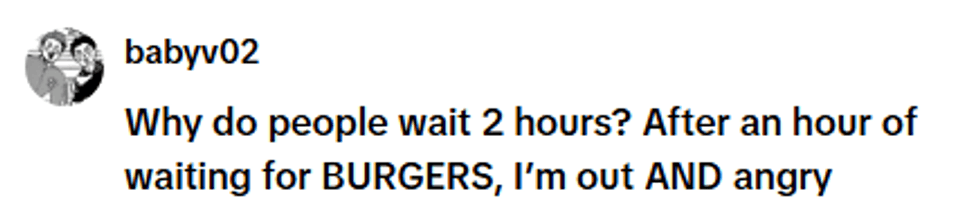 @hannahhrevels/TikTok
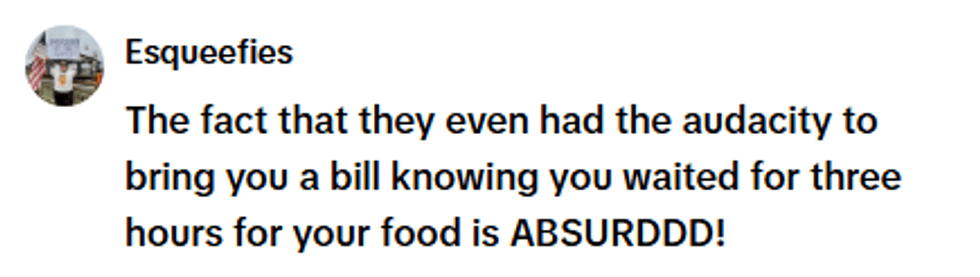 @hannahhrevels/TikTok
 @hannahhrevels/TikTok
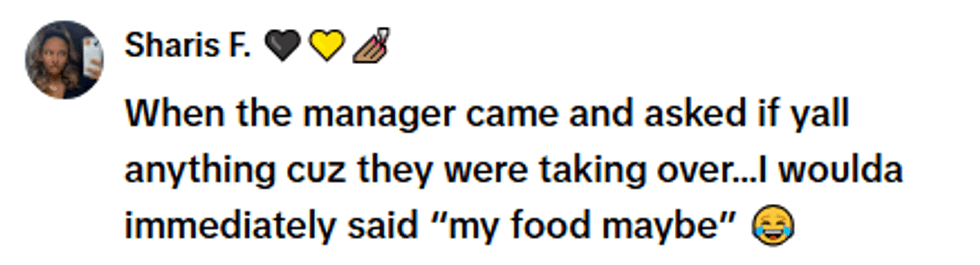 @hannahhrevels/TikTok
 @hannahhrevels/TikTok
 @hannahhrevels/TikTok
 @hannahhrevels/TikTok
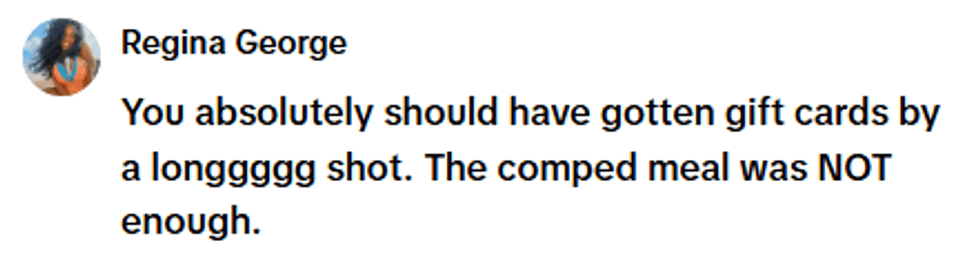 @hannahhrevels/TikTok
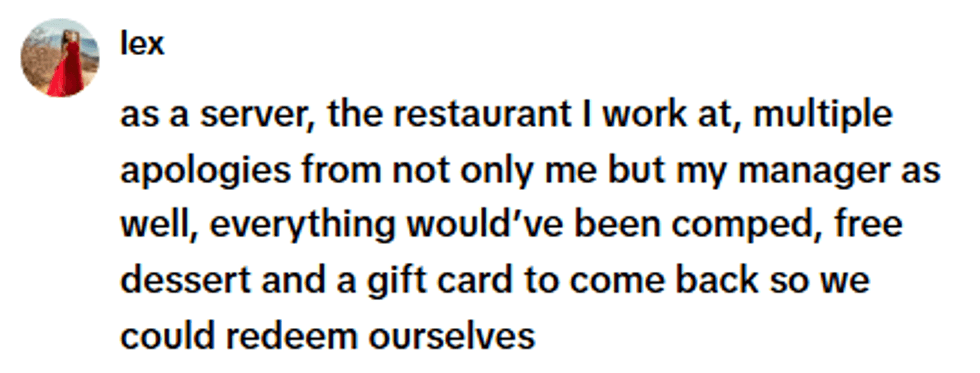 @hannahhrevels/TikTok
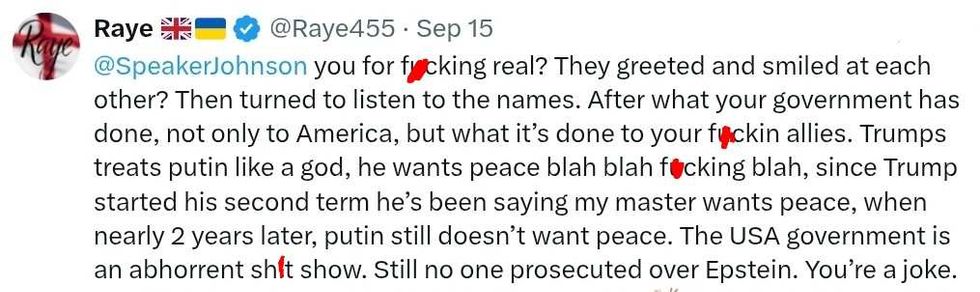 @Raye455/X
 @JoJoFromJerz/X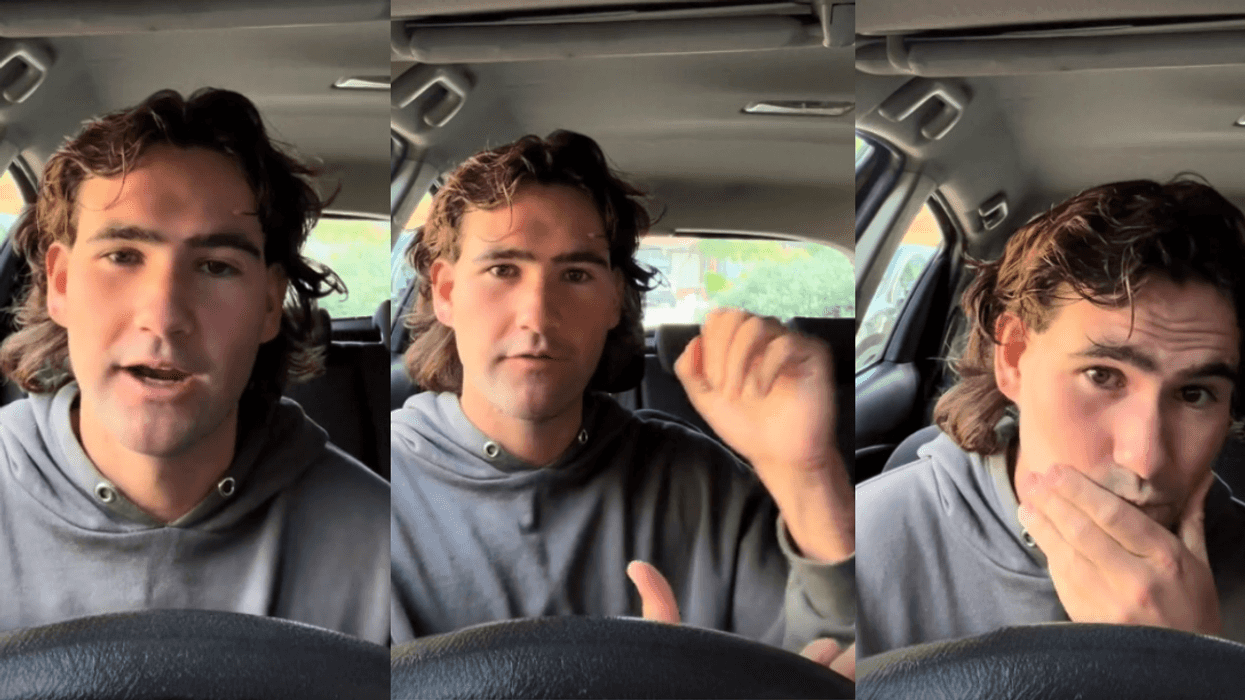
 @phlynnmartin/TikTok
 @phlynnmartin/TikTok
 @phlynnmartin/TikTok
 @phlynnmartin/TikTok
 @phlynnmartin/TikTok
 @phlynnmartin/TikTok
 @phlynnmartin/TikTok
 @phlynnmartin/TikTok
 @phlynnmartin/TikTok
 @phlynnmartin/TikTok
 @phlynnmartin/TikTok
 @sailors.mama/TikTok
 @sailors.mama/TikTok
 @sailors.mama/TikTok
 @sailors.mama/TikTok
 @sailors.mama/TikTok
 @sailors.mama/TikTok
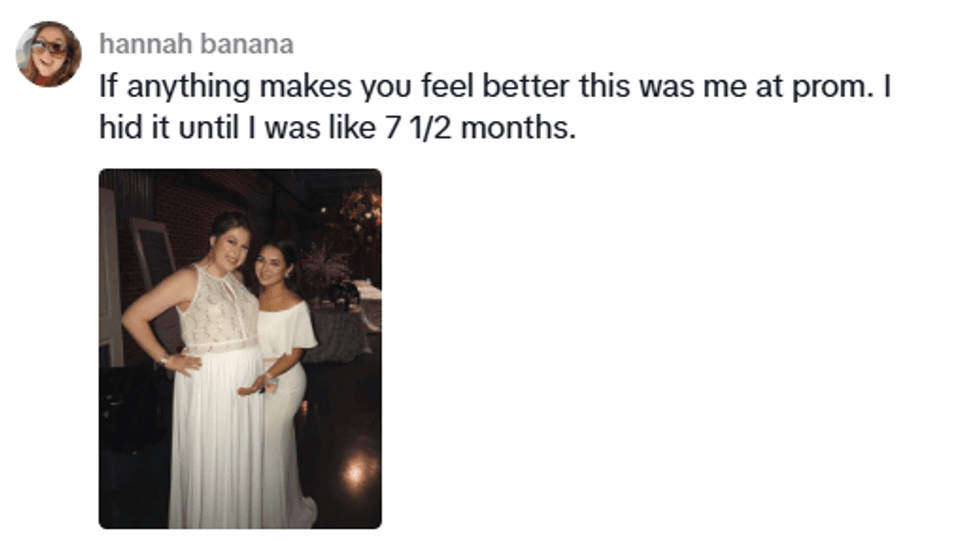 @sailors.mama/TikTok
 @sailors.mama/TikTok
 @sailors.mama/TikTok
 @sailors.mama/TikTok
 @sailors.mama/TikTok
 @sailors.mama/TikTok