
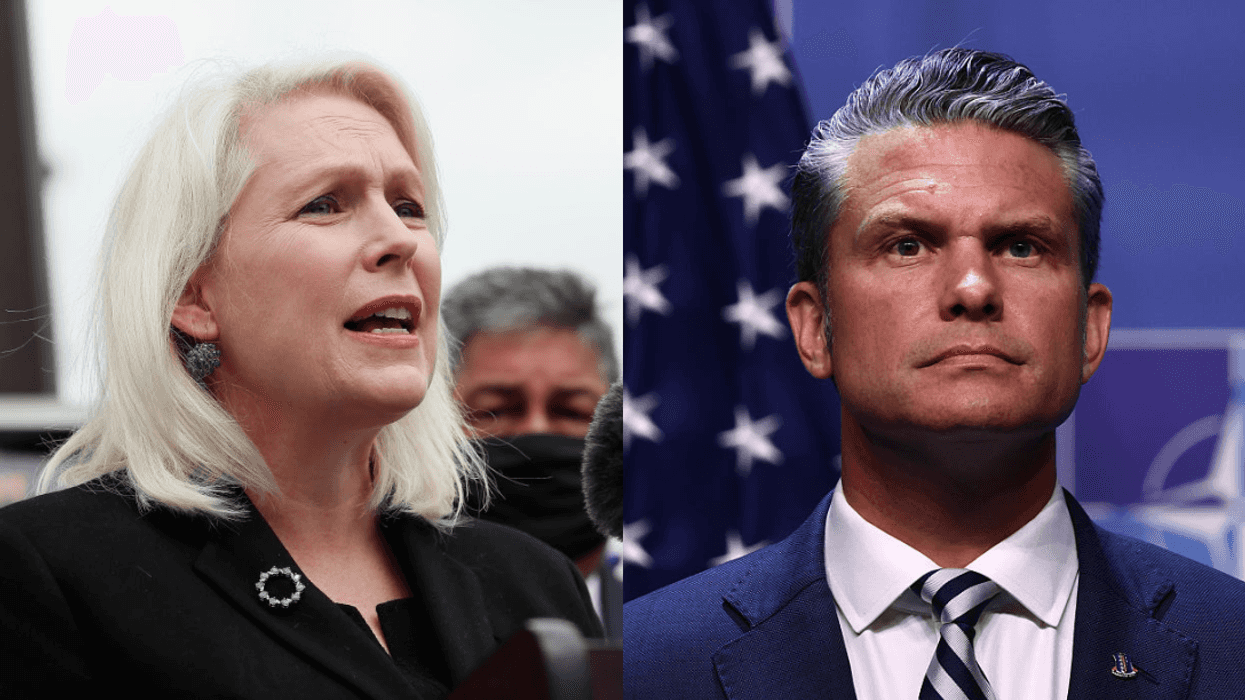
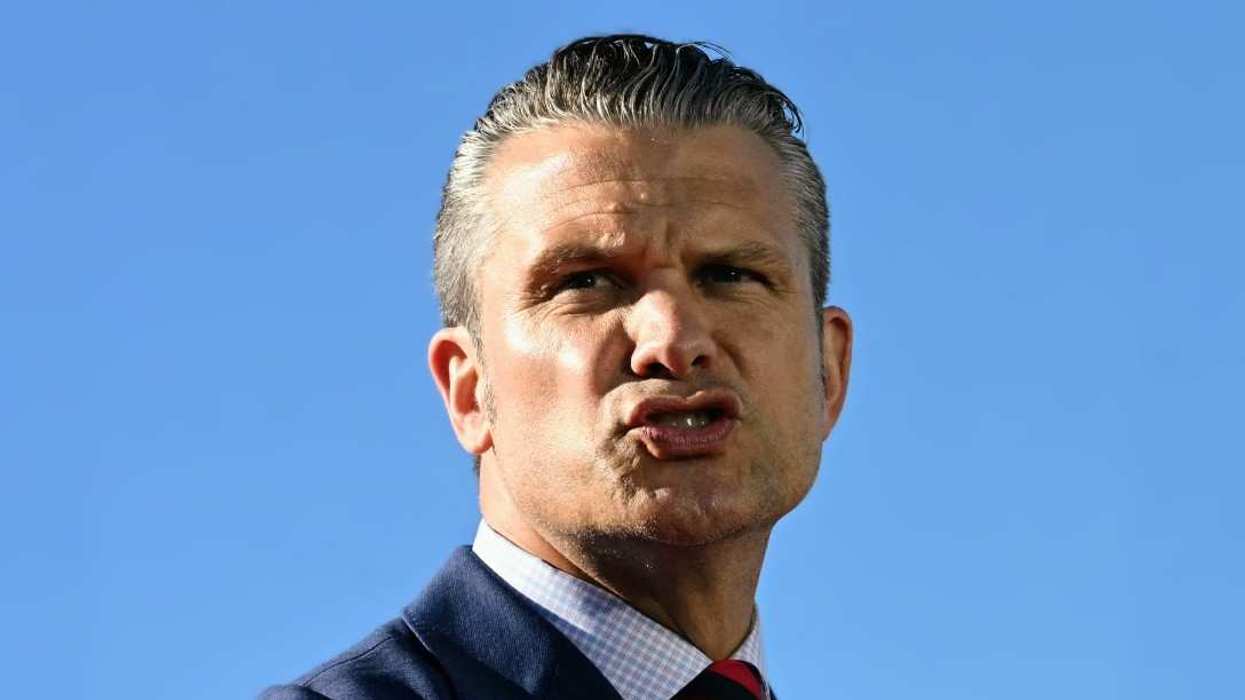
Secretary of Defense Pete Hegseth was hit with backlash after announcing that the Department of Defense and the Department of Justice have created a joint task force to identify and prosecute people who leak information from the Pentagon.
Hegseth vowed to crack down on national security lapses that put American "warriors" in danger, according to a video message he posted on X.
He said, in part:
"As you know, we live in a dynamic and dangerous threat environment where access to and accumulation of closely held information is key to understanding our world. The unauthorized disclosure of sensitive War Department information has the very real potential to cause exceptionally grave damage to our national security and the operational integrity of our armed forces." ...
"To combat the dangers that leaks pose, effective immediately, I have delegated tasking authority to the War Department’s Office of General Counsel, empowering OGC to request and receive all information, records, and support across the Department concerning media leak investigations."
"All Department components and personnel will prioritize these requests, and any taskings issued by OGC under this authority must receive a full and complete response within 48 hours of issuance.”
You can see his post and the video below.
Gillibrand soon responded that "We have identified one [a leaker]," sharing an old headline about Hegseth's past Signal chat scandal:
"Hegseth's Signal Chat Put U.S. Personnel at Risk, Pentagon Watchdog Finds"
You can see her post below.
Last year, Democrats called for Hegseth's firing amid revelations that he shared details about U.S. military operations in Yemen using his personal phone in a 13-person Signal group chat that included his wife and brother—despite a prior warning from an aide advising him not to share sensitive information over an unsecure channel ahead of the operation.
That news came just weeks after Atlantic editor Jeffrey Goldberg reported that he was invited into a Signal chat with high-level Trump administration officials, particularly Hegseth and Vice President JD Vance, discussing military strategy surrounding war strikes in Yemen.
When asked about the existence of the second Signal chat, Hegseth lashed out and referenced two advisers who were escorted out of the Pentagon amid an investigation into allegations of leaking sensitive information including a document outlining potential military strategies to retake control of the Panama Canal. Hegseth dismissed the scandal as "anonymous smears from disgruntled former employees on old news."
Others joined Gillibrand in calling out Hegseth's hypocrisy.
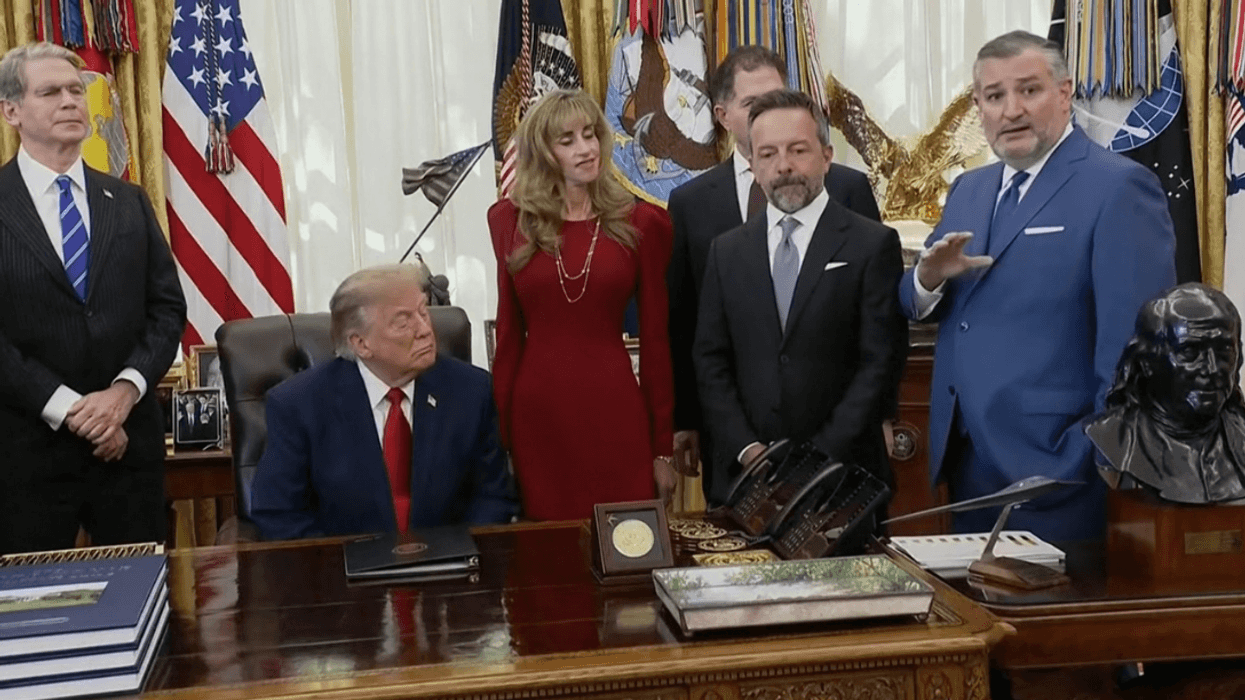
The task force was announced just days after the Justice Department subpoenaed four New York Times reporters, seeking to compel them to testify before a federal grand jury in Manhattan over the newspaper's reporting on security concerns surrounding the Qatari-donated aircraft President Donald Trump used to travel to Turkey for the NATO summit.
The move drew sharp criticism from the New York Times and press freedom organizations, which argued the subpoenas were an attempt to intimidate journalists and discourage investigative reporting.
In a statement, Times attorney David McCraw said "this brazen act should be seen as nothing more than an attempt to prevent the public from knowing what is happening in their country by intimidating journalists from doing their jobs.”

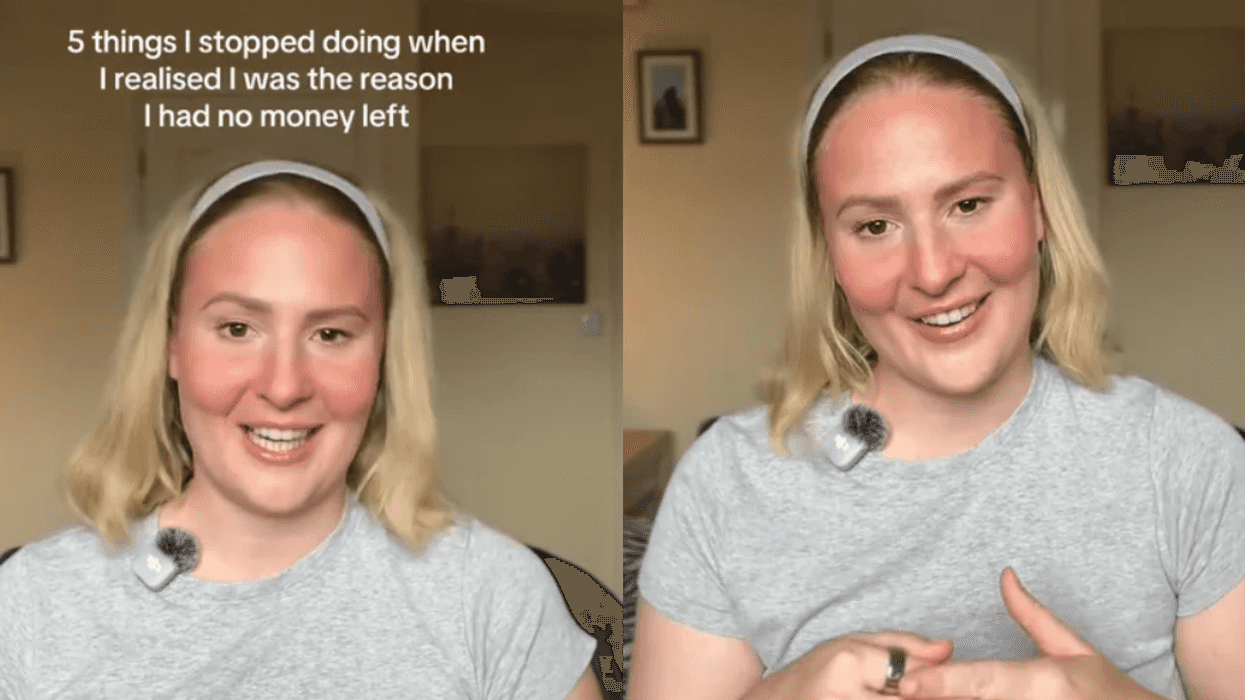
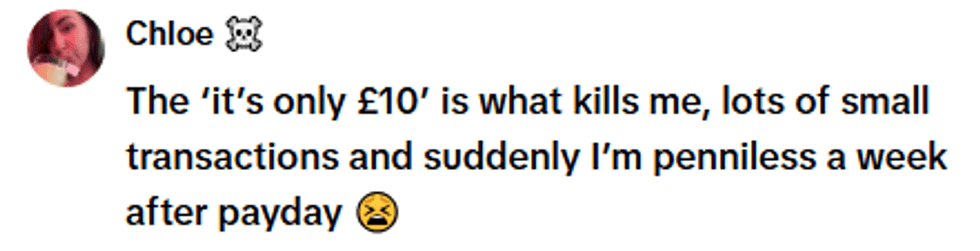 @georgiamaythornley/TikTok
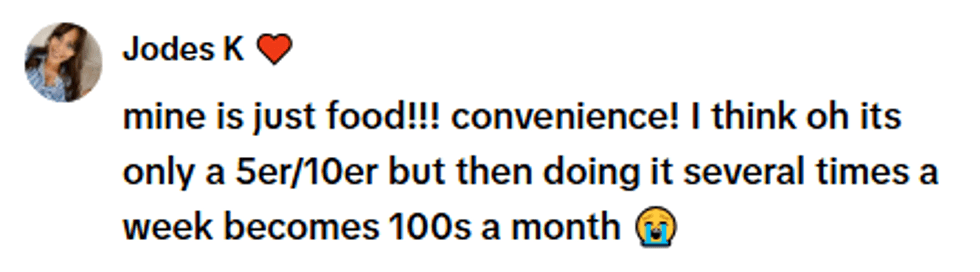 @georgiamaythornley/TikTok
 @georgiamaythornley/TikTok
 @georgiamaythornley/TikTok
 @georgiamaythornley/TikTok
 @georgiamaythornley/TikTok
 @georgiamaythornley/TikTok
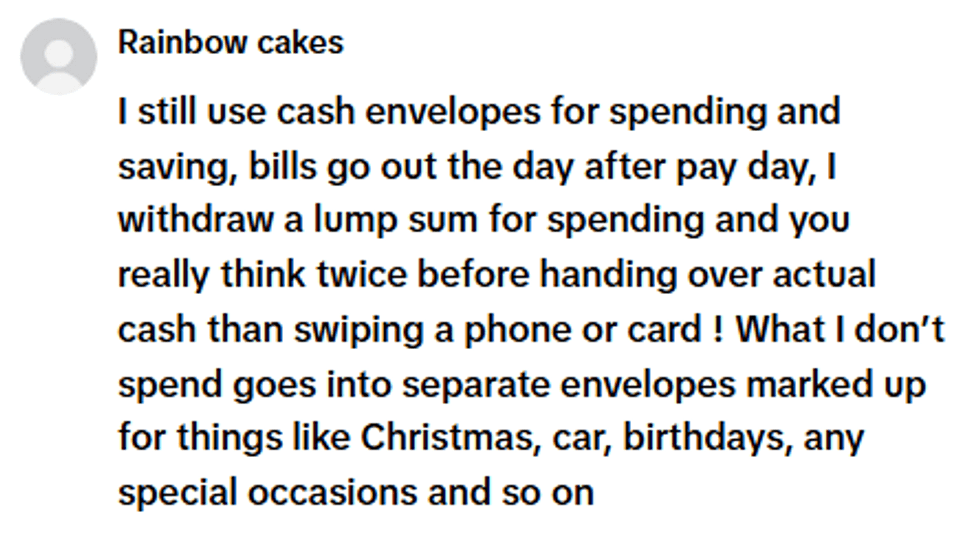 @georgiamaythornley/TikTok
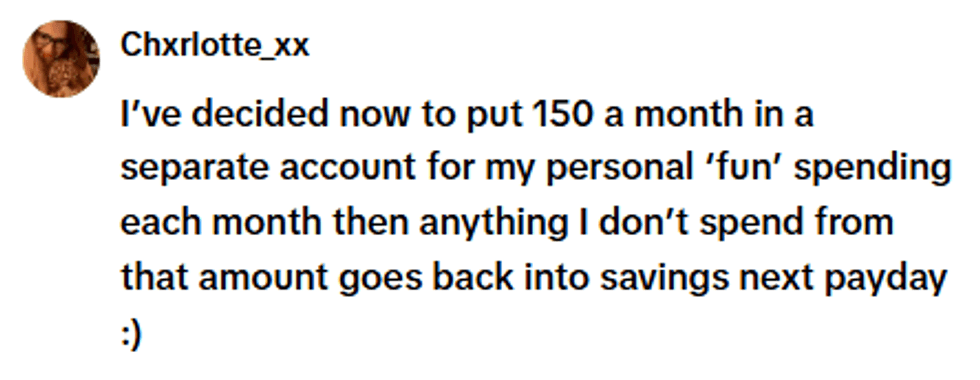 @georgiamaythornley/TikTok
 @georgiamaythornley/TikTok


 @bsquaredtravels_/Instagram
 @bsquaredtravels_/Instagram
 @bsquaredtravels_/Instagram
 @bsquaredtravels_/Instagram
 @bsquaredtravels_/Instagram
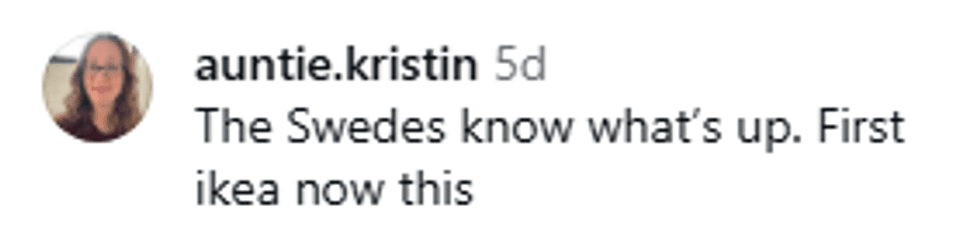 @bsquaredtravels_/Instagram
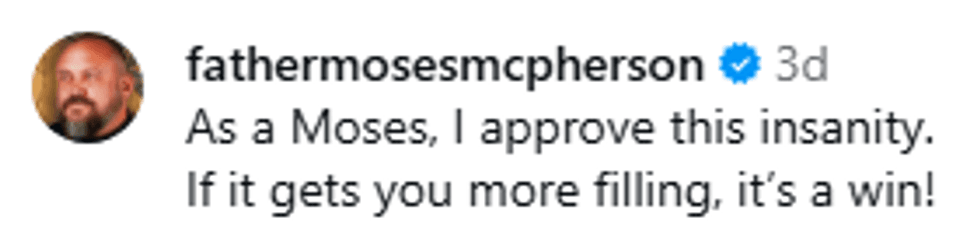 @bsquaredtravels_/Instagram
 @bsquaredtravels_/Instagram
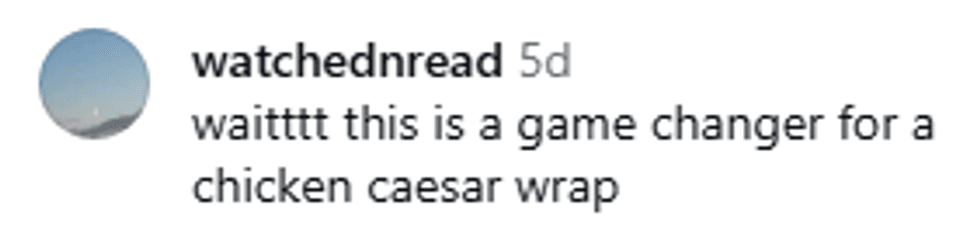 @bsquaredtravels_/Instagram
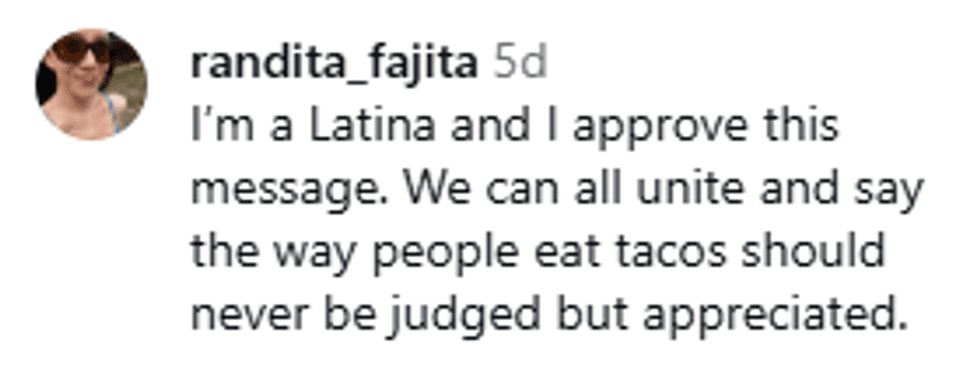 @bsquaredtravels_/Instagram
 @maddie_bado/TikTok
 @maddie_bado/TikTok
 @maddie_bado/TikTok
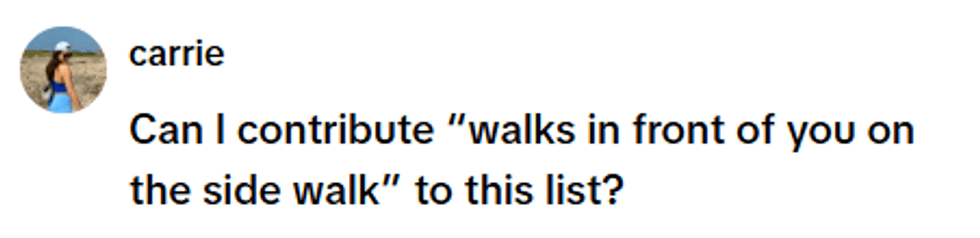 @maddie_bado/TikTok
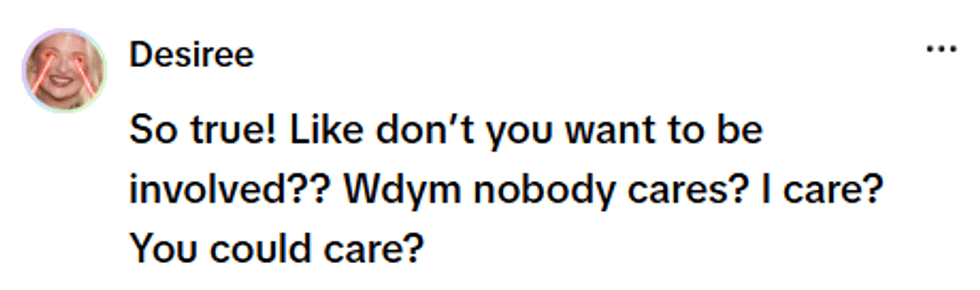 @maddie_bado/TikTok
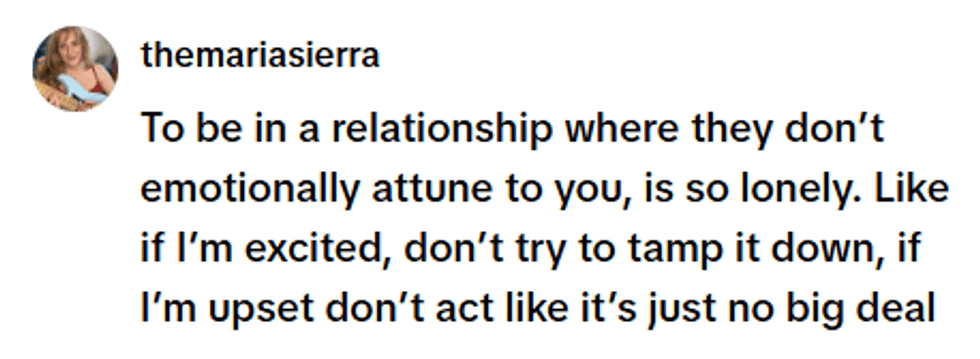 @maddie_bado/TikTok
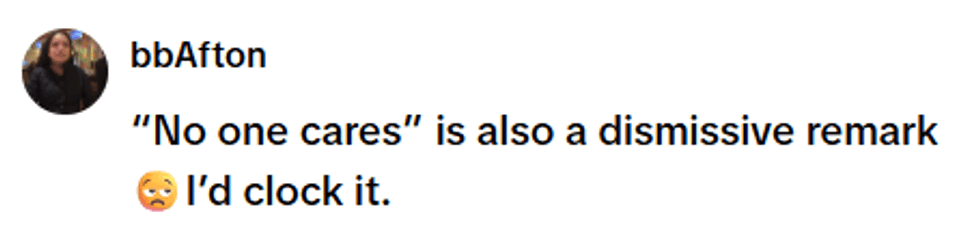 @maddie_bado/TikTok
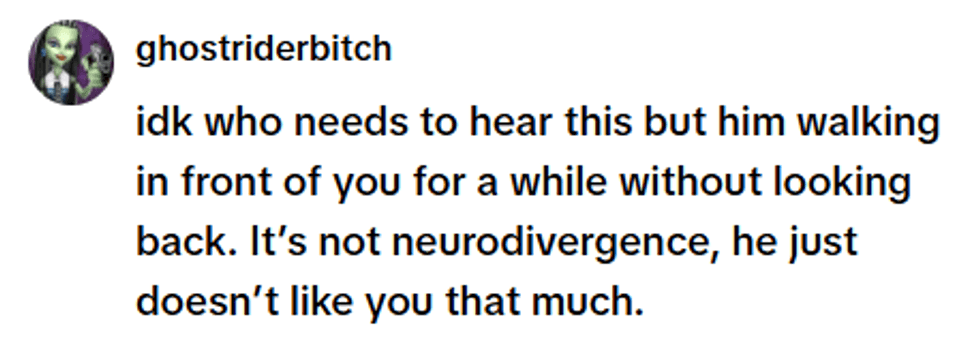 @maddie_bado/TikTok
 @maddie_bado/TikTok
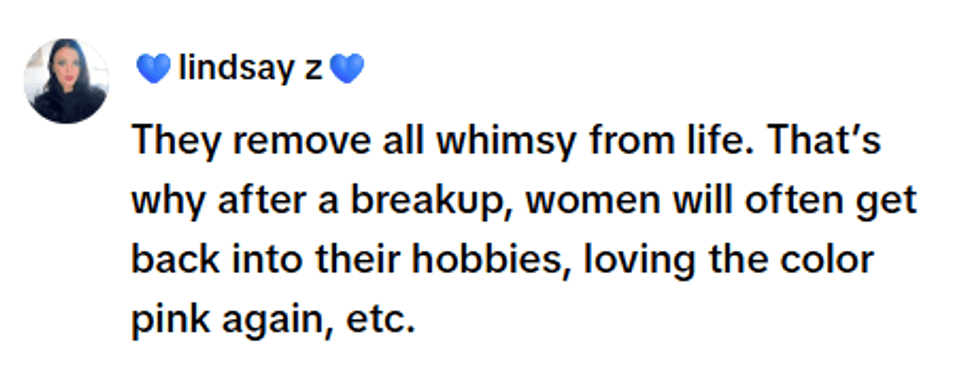 @maddie_bado/TikTok