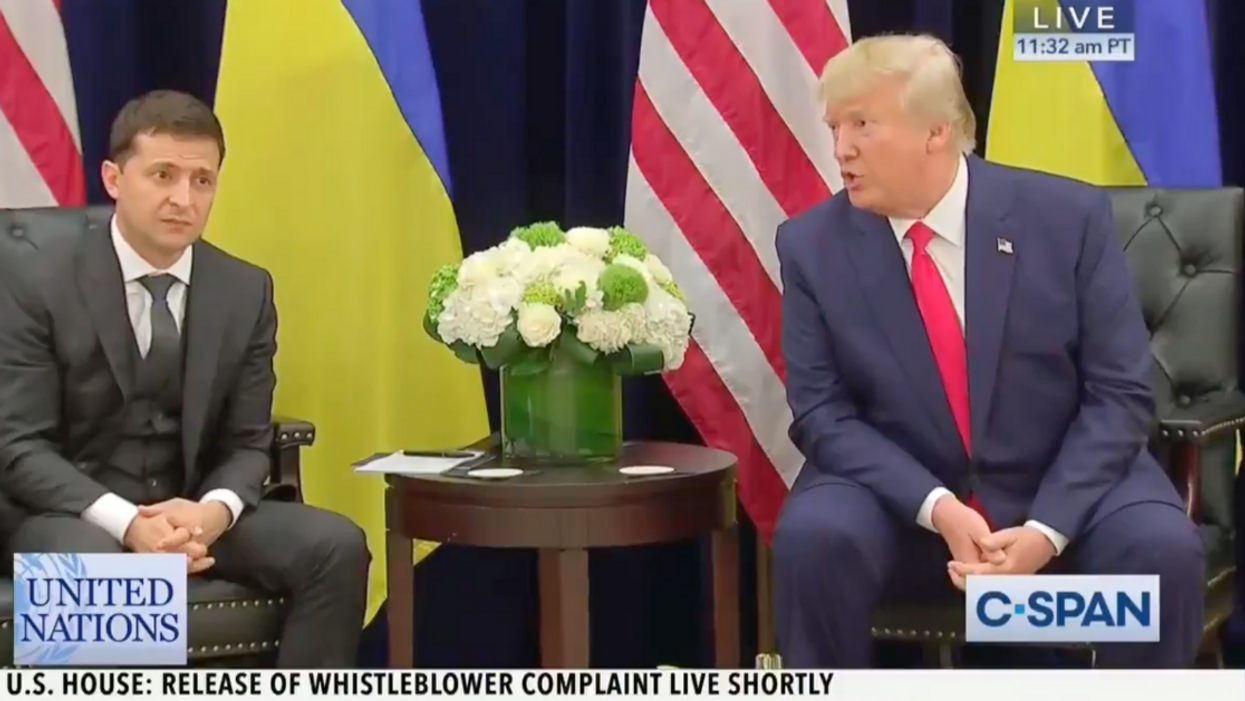

Former Republican President Donald Trump found himself on the receiving end of criticism after old video footage of him urging Ukrainian President Volodymyr Zelenskyy to "get together" with Russian President Vladimir Putin to "solve your problem" resurfaced.
Trump's remarks, made on the sidelines of the United Nations on September 25. 2019, came shortly after the White House released a partial readout of a call he and Zelenskyy had on July 25, 2019, during which Trump urged Zelenskyy to open an investigation into then-candidate Joe Biden's son, Hunter.
Trump, turning directly to Zelenskyy, claimed that strengthened bilateral relations between the two world leaders, particularly since Russia's annexation of Crimea, would be "a tremendous achievement."
You can hear Trump's remarks in the video below.
The meeting between Trump and Zelenskyy had been scheduled after congressional sources reported that the call had been at the center of a whistleblower complaint.
As fate would have it, Trump's first impeachment was initiated in part because he'd encouraged Ukrainian leadership to investigate then-candidate Biden for “political dirt” he could wield against his opponent.
Trump was ultimately acquitted by the Senate in early 2020 following a highly contentious trial and he touted the acquittal as a sign of his innocence in the matter, which he has claimed, without evidence, was a Democratic plot to topple his presidency.
Trump's often deferential attitude toward Putin has gone a long way toward normalizing Putin's behavior among the right wing, behavior that has come under increased scrutiny since United States intelligence assessed that the Russian operatives had interfered in the 2016 presidential election and in particular since February, when Putin ordered Russian forces to invade Ukraine.
These events seem particularly more salient in light of the fact that in the weeks before the invasion, Russia had issued several security demands the United States and its allies rejected.
Putin aims to curtail the enlargement of the North Atlantic Treaty Organization (NATO), seeking to bar Ukraine from joining the alliance in a bid to assert Russia’s influence over its neighbors, aspirations that gained further prominence after Putin seized the Crimean Penninsula in 2014.
Although Ukraine is not yet a member of NATO, it is partnered with the military alliance. This development angered Putin, who views Ukraine not as an independent nation but as land lost as a result of the end of the Cold War, which resulted in the Soviet Union's collapse and diminished Russia's superpower status.
Putin had left world leaders guessing as to whether or not he actually wanted to proceed with an invasion though he clearly wants NATO to curb military exercises in Ukraine and in other former Soviet satellite states, demands that resulted in a diplomatic stalemate.
Given all this, many have noted Zelenskyy's obvious discomfort at the time and offered further criticisms of the Trump-Putin relationship.
Trump regularly undermined NATO while in office and discussed withdrawing the United States from its NATO obligations entirely.
In 2017, European nations reacted with shock and defiance when Trump, then-President elect, suggested that the European Union (EU) would eventually break up and declared that NATO is "obsolete."
Speaking at the time in a joint interview with The London Times and the German publication Bild, Trump claimed that he'd said for years "that NATO had problems," stressing that the organization is "obsolete because it was designed many, many years ago" and criticizing member states for not "paying what they're supposed to be paying."
Trump's comments represent an unprecedented breach in transatlantic relations and came at a time when Europe faced several new elections in a year in which hardline anti-immigrant Euroskeptics made efforts to gain power.
The consequences of a potential NATO breakdown are extensive: Guarantees from the US are vital to European security and the U.S. and E.U. are each other's most valuable trade partners. On matters of war, peace, and wealth, the U.S. and E.U. are interlinked.

 @voycebutler5/TikTok
 @voycebutler5/TikTok
 @voycebutler5/TikTok
 @voycebutler5/TikTok
 @voycebutler5/TikTok
 @voycebutler5/TikTok
 @voycebutler5/TikTok
 @voycebutler5/TikTok
 @voycebutler5/TikTok
 @voycebutler5/TikTok
 @voycebutler5/TikTok

 @ulovelailahakim/TikTok
 @ulovelailahakim/TikTok
 @ulovelailahakim/TikTok
 @ulovelailahakim/TikTok
 @ulovelailahakim/TikTok
 @ulovelailahakim/TikTok
 @ulovelailahakim/TikTok
 @ulovelailahakim/TikTok
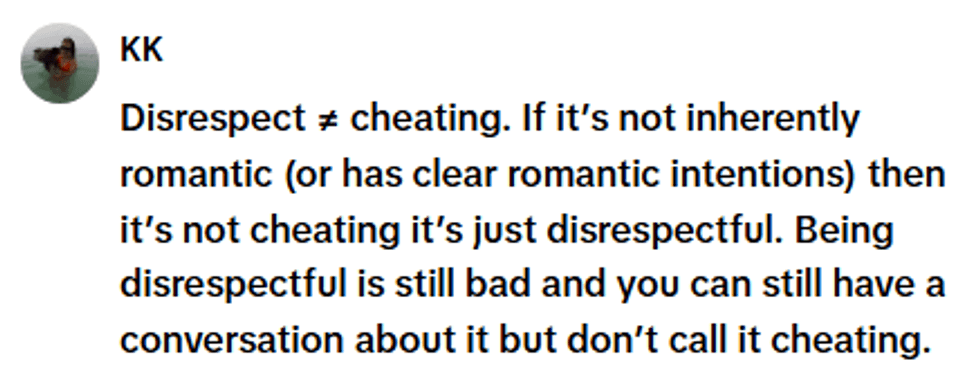 @ulovelailahakim/TikTok
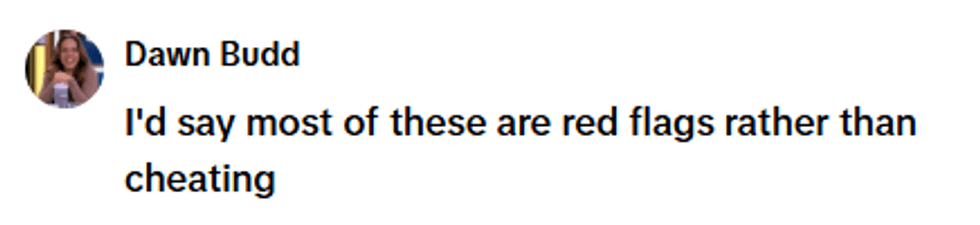 @ulovelailahakim/TikTok
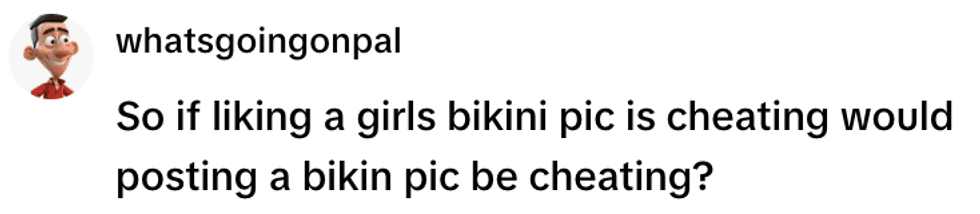 @ulovelailahakim/TikTok
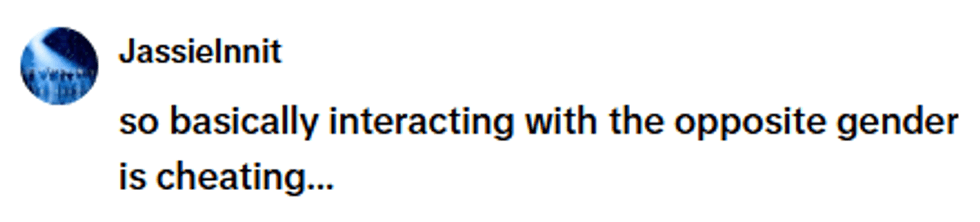 @ulovelailahakim/TikTok
 @ulovelailahakim/TikTok
 @ulovelailahakim/TikTok
 @kristinoem/X
 @arriegatoo/TikTok
 @arriegatoo/TikTok
 @arriegatoo/TikTok
 @arriegatoo/TikTok
 @arriegatoo/TikTok
 @arriegatoo/TikTok
 @arriegatoo/TikTok
 @arriegatoo/TikTok
 @arriegatoo/TikTok
 @arriegatoo/TikTok