

Is sugar really as addictive as cocaine and other drugs? Just how addictive is sugar? These questions have been buzzing for years.
In the 1960s, the idea of healthy food consumption was still novel. The understanding that fats affect our risk of heart disease was also new; public consciousness was not yet centered on the effects of fats and sugars on our bodies and overall health. Since the 1960s, however, numerous independent and peer-reviewed studies have concluded that sugar consumption is a substantial component when it comes to obesity, diabetes and heart disease. The sugar industry denies all such claims.
Given that this information was still controversial in the 1960s, the sugar industry made a bold move. They shifted the blame to fats, using every recourse possible to shape the narrative of that debate. According to NPR, the sugar industry embarked on a substantial campaign to minimize damage to their own industry.
“The sugar industry got involved in efforts to influence this debate. "What the sugar industry successively did," argues Stanton Glantz of the University of California, San Francisco, "is they shifted all of the blame onto fats." Similar to the tobacco industry, the sugar industry engaged in sophisticated practices to influence the public's narrative surround sugar. In 1965, for example, The Sugar Research Foundation funded a secret scientific study. This study downplayed evidence that linked sugar to adverse health effects.
A recent report indicated that the sugar industry funded its own research project, but never disclosed its findings. This Investigation came to light through a report published in the journal PLOS Biology.
The results show culpability and a clear connection between heart disease and sugar.
According to the NPR article, the initial results of the study were surprising: the animals triglyceride levels increased as a result of sugar intake. In people, high levels is a primary cause of increased risk for strokes, heart attacks, and other health complications. Despite these results, the study was halted by the Sugar Research Foundation before completion
The discontinuation of this study indicates that the sugar industry was attempting to obstruct any findings which demonstrated a connection between sugar and heart disease.
Stanton Glantz, analyzed the report and findings released by PLOS Biology. Glantz believes that withholding this information demonstrates the continued misleading tactics of the sugar industry. “This is continuing to build the case that the sugar industry has a long history of manipulating science,” he says.
One of Glantz’s colleges, Cristin Kearns, supports the boldness of that statement. "Had this information been made public, there would have been a lot more research scrutiny of sugar," Kearns told NPR.
Of course, the sugar industry denies its own culpability. The Sugar Association said “The study in question ended for three reasons, none of which involved potential research findings. The delay overlapped with an organizational restructuring with the Sugar Research Foundation becoming a new entity, the International Sugar Research Foundation. We remain committed to supporting research to further understand the role sugar plays in consumers' evolving eating habits."
While sugar has many verified effects on the human body—e.g., increased risk for obesity, diabetes and heart disease—it is also clear that the sugar industry willfully attempted to minimize the adverse impacts of sugar. However, is sugar really addictive in the same way that drugs and alcohol are addictive?
A recent article implied just that. According to the Guardian, the British Journal of Sports Medicine suggests that sugar is just as addictive as cocaine or any other hard drug. Citing a rodent-based study, researchers claim that sugar, like cocaine or opium, is a naturally occuring substance that is refined in a manner that solidifies its addictive properties. Basically, sugar is produced similarly to cocaine and opium, and therefore, claim the researchers, must be just as addictive. “Consuming sugar produces effects similar to that of cocaine, altering mood, possibly through its ability to induce reward and pleasure, leading to the seeking out of sugar,” write the researchers.
However, this article and study has been met with substantial backlash and criticism from many experts who suggest that withdrawal symptoms produced by sugar are nowhere near the same as withdrawal symptoms produced by classified drugs.
Although it is important to establish the maladaptive and adverse effects of sugar, drawing such a conclusion might be inappropriate in the current political climate. America is currently in the midst of a booming opioid epidemic that continues to claim thousands of lives. In 2016 alone, over 64,000 died as a result of a drug overdose. The leading cause of death for people aged 25-50 is now drug overdose. It feels like a stretch to lump sugar into a category with such fatal, consequential substances. Comparatively, few people have suffered similar fatal overdoses or as harsh legal consequences from their addictive consumption of sugar.
That said, it is easy to see how an individual could become addicted to sugar (like many other substances). Sugar is a feel-good chemical that impacts the reward pathway of the brain.
According to the Huffington Post, sugar, like all foods, activates taste receptors on the tongue. When this occurs, signals are sent directly to the brain, which stimulates reward pathways. As these reward pathways are activated, a surge of dopamine is released into the brain. When the reward pathway is ignited too frequently, whether by chocolate, sugar or drugs, problems begin to occur. Individuals will participate in ritualistic and compulsive behaviors in order to stimulate that reward pathway and activate the dopamine rush.
Essentially, sugar can hijack the brain's reward pathway in a similar mechanism to opioids or alcohol, a process that can lead to addiction. Anything that stimulates the reward pathway, whether that be sugar, caffeine or other drugs, is seen by the brain as necessary for life. Behaviors will be repeated to reinforce and stimulate that reward pathway.
“Over-activating this reward system kickstarts a series of unfortunate events — loss of control, craving, and increased tolerance to sugar,” neuroscientist Nicole Avena explained in a TED-Ed video.
Even Alcoholics Anonymous understands the importance of sugar in helping curb cravings for alcohol. AA literature suggests that individuals who suffer cravings for alcohol consume chocolate and other forms of candy in order to combat those cravings. A direct quote from the “Big Book”—the seminal text for Alcoholics Anonymous—states that “all alcoholics should constantly have chocolate available for its quick energy value at times of fatigue.”
Essentially, substituting a less severe addiction for a more deadly one.
And that's the real point here. Yes, sugar can be addicting and a sudden cessation in the consumption of sugar can lead to protracted withdrawal symptoms. However, it important that we not categorically assimilate sugar with other drugs (i.e., heroin), given just how immediately fatal those other drugs can be. However, sugar is an adverse substance and can have several long term consequences for many, many people.
The sugar industry has been just as irresponsible as the pharmaceutical industry. Recent reports have indicated that Big Pharma has also engaged in misleading business practices, which has led to physicians overprescribing opioid medication, a huge contributing factor in the aforementioned opioid crisis. Although sugar addiction is not nearly as intense as heroin addiction (with all the attending complications that accompany drug addiction), both addictions are being fueled by corporations that value profit over public health.











 Jim Watson/AFP via Getty Images

 u/Tower-Junkie/Reddit
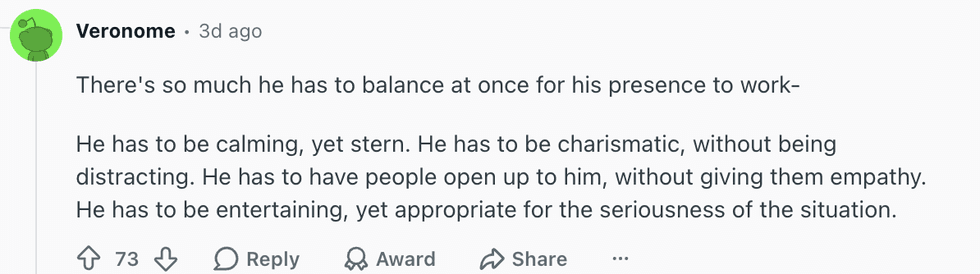 u/Veronome/Reddit
 u/Gyorgy_Ligeti/Reddit
 u/JV0/Reddit
 u/invyros/Reddit
 u/npc042/Reddit
 u/Dead-O_Comics/Reddit
 u/FantasticName/Reddit
 u/Odd_Needleworker3756/Reddit
 u/mak05/Reddit
 u/dantevsninjas/Reddit
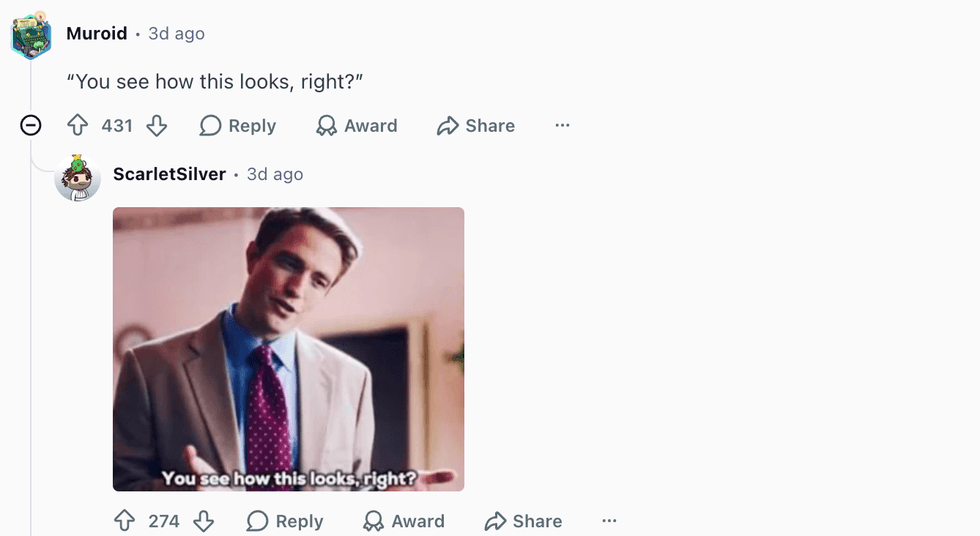 u/Muroid/Reddit; u/ScarletSilver/Reddit
 u/amomymous23/Reddit
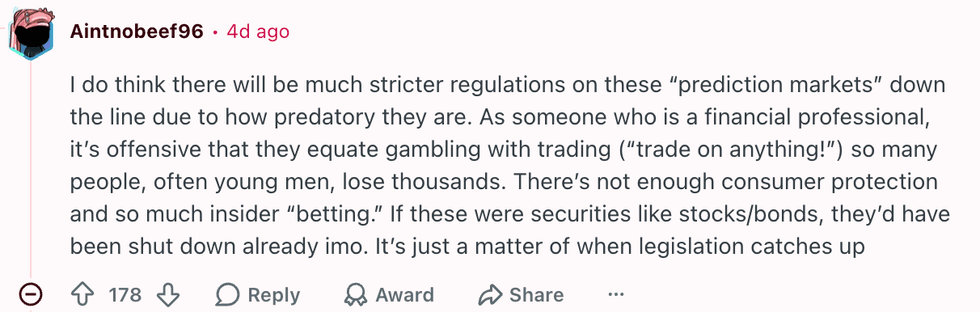 u/Aintnobeef96/Reddit
 u/Soapysoapie/Reddit
 u/dagnyfication/Reddit
 u/Stunning_Process8406/Reddit
 u/CarevaRuha/Reddit
 u/BewareOfGrom/Reddit
 u/thankyoupapa/Reddit
 u/SweetieDarlingXX/Reddit
 u/snipsnap987/Reddit
 u/palswithpikachu/Reddit
 u/ProbablyMyJugs/Reddit