
2017 has been a year of tremendous social unrest. From sexual misconduct scandals to the nearly daily PR scandals surrounding the Trump administration, people are more responsive and sensitive to injustices than ever before. Advertising was no exception.
In addition to the numerous PR disasters within the world of politics, several major corporations found themselves in hot water following their own instances of branded disaster. 2017 reached a fever pitch in terms of cultural appropriation and societal insensitivity.
According to an article written by Kristina Monllos on Adweek, several different corporations experienced major brand fails in 2017. These are ads that are so bizarre, inappropriate and offensive that they nearly ruined their respective brands. One has to wonder how they were approved in the first place. Here are the seven largest brand fails of 2017:
Pepsi: Who could have missed Pepsi’s now infamous Kendall Jenner PR nightmare? The ad, released in early 2017, featured Jenner suddenly dispelling a protest by offering a Pepsi to a police officer. Given that 937 people have been shot and killed by police in 2017, many of whom were minorities, the ad was almost immediately condemned as culturally insensitive and trivializing a massive social issue. Pepsi hastily issued a statement that it had been "trying to project a global message of unity, peace and understanding" and apologizing for "missing the mark."
Dove: In October, Dove ran a social media ad that depicted a black woman removing her shirt to reveal a white woman underneath. Supposedly, Dove had intended the advertisement to convey that its product was "for every woman and ... a celebration of diversity," but acknowledged that they had "missed the mark in representing women of color.” As with Pepsi, the ad was almost immediately condemned as blatantly racist and the ad was pulled.
[embed]
[/embed]Facebook: While Facebook’s gaffe wasn’t exactly an ad, it was still a significant blunder. Following the harrowing events in Puerto Rico, where Hurricane Maria caused apocalyptic devastation, Facebook made the decision to use its Spaces VR app to conduct a tour of the wreckage and devastation left by the hurricane. The move was seen as manipulative and shameless. Sadly, it was just one of a handful of PR disasters that Facebook dealt with in 2017.
Uber: In 2017 alone, the relatively young company has faced a slew of scandals including workplace sexual harassment and a lack of appropriate response to President Trump’s Muslim ban. Former CEO Travis Kalanick was then caught on video berating an Uber driver. Despite Ashton Kutcher defending Kalanick's behavior, damage was done and the CEO eventually stepped down from his role. 2017 for Uber has been the definition of brand crisis.
McDonalds: It’s never good to exploit grief for an advertisement. In the UK, McDonalds ran an ad that depicted a young boy asking his mother questions about his deceased father. The young boy presents as melancholy, until his mother explains that his McDonald’s order was the same as his late father’s. The ad received immediate criticism and was promptly yanked from rotation.
[embed]
[/embed]United: Although United did not engage in an advertising fail, they still found themselves under fire for a PR nightmare. In April 2017, video footage surfaced showing a passenger being forcibly removed from an overbooked flight. CEO Oscar Munoz’s response was initially less than amiable, as he apologized only for "having to re-accommodate ... customers." Social media response to the PR disaster was swift and brutal, with many customers boycotting the troubled airline.
Adidas: Refusing to refer to a public tragedy for the sake of an advertisement should seem like a no brainer. Adidas committed the major faux pas, when the company sent out an email to its customers saying “congrats, you survived the Boston Marathon.” It was just four years ago that a bomber attacked athletes at the Boston Marathon, a tragedy that left multiple people injured and dead.
[embed]
[/embed]These brand failures share a common theme; they exploit personal pain to sell their product. Of course, these are just seven of many brand fails that occurred over the past year.
According to Amy Purdon of Visual Revolt, a successful ad needs to evoke positivity:“If you are heading a marketing team in 2017, regardless if it’s for a blog company or your homemade sock store, try to steer clear of the political minefields, body image issues, and anything else that could be construed as negative. Each interaction a user has with your brand is an experience in itself, and these experiences determine how your brand is perceived," she says.
She continues: "That’s why it’s so incredibly important for brands to relate to their audience on deeper, more emotionally-driven levels. Not to mention, there are plenty of helpful, informative, and positive social media strategies brands can take without stooping to cheap shots to get attention.”
At the end of the day, companies need to make smarter, more culturally sensitive decisions when curating their advertisements. While “there is no such thing as bad press” may be true on some levels, after one too many brand fails, a company may not be able to shake the negative association. The consumer will not soon forget.



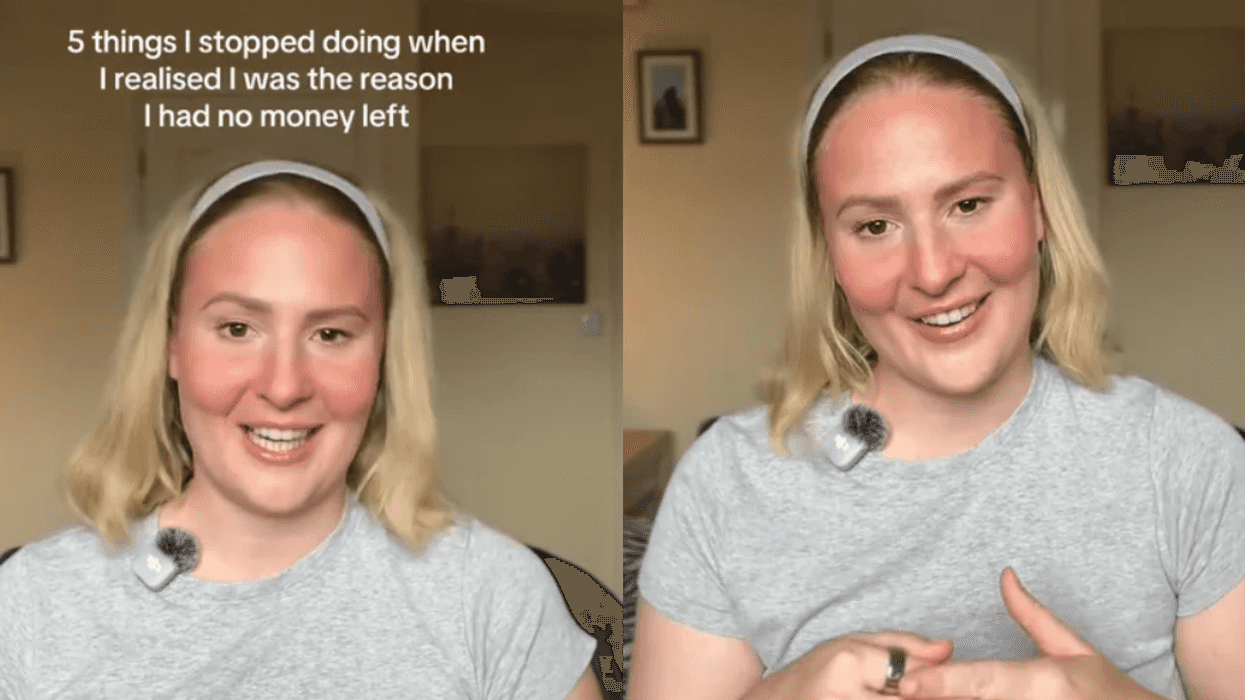
 @georgiamaythornley/TikTok
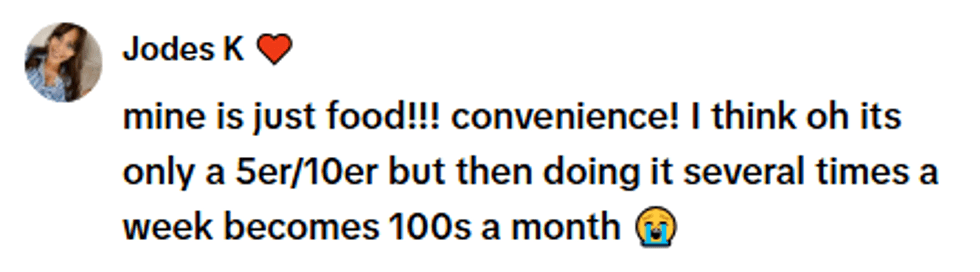 @georgiamaythornley/TikTok
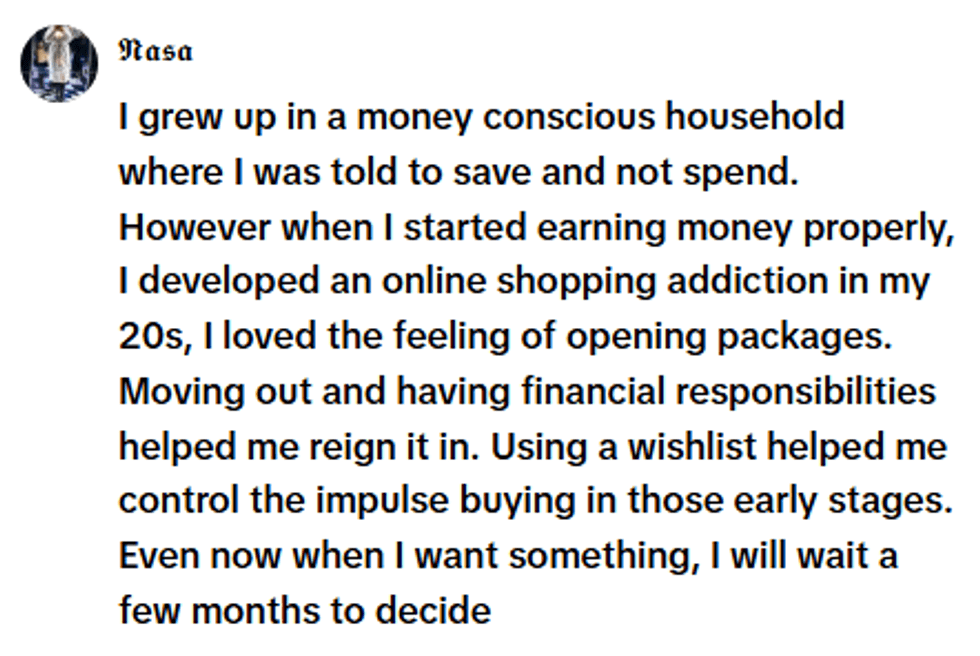 @georgiamaythornley/TikTok
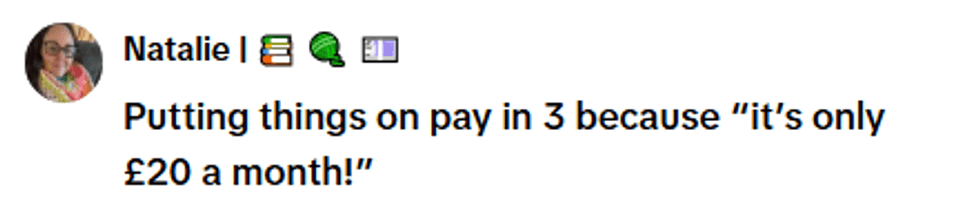 @georgiamaythornley/TikTok
 @georgiamaythornley/TikTok
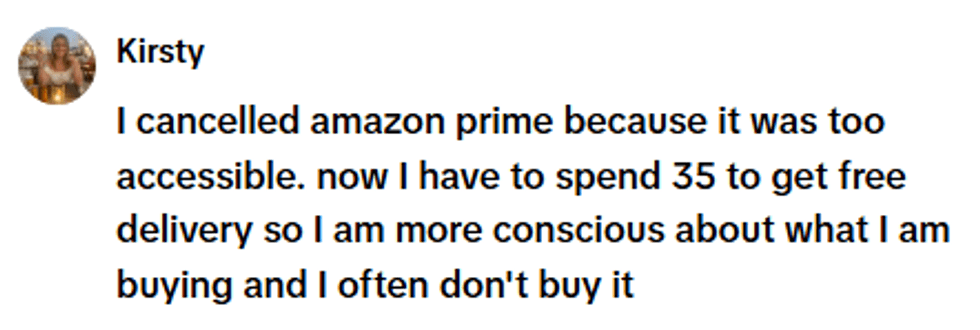 @georgiamaythornley/TikTok
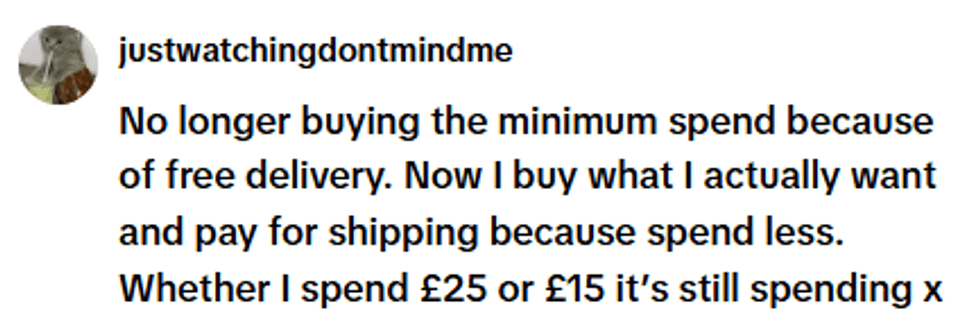 @georgiamaythornley/TikTok
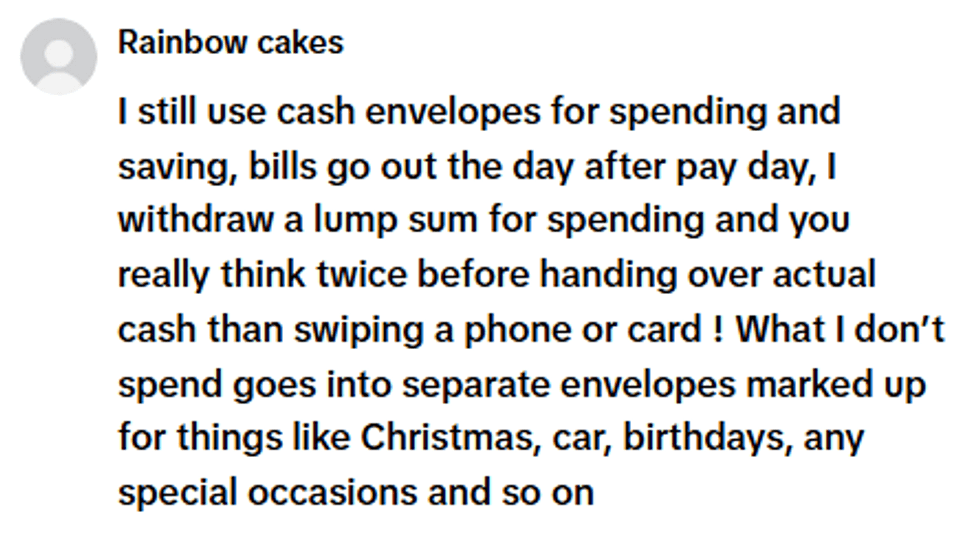 @georgiamaythornley/TikTok
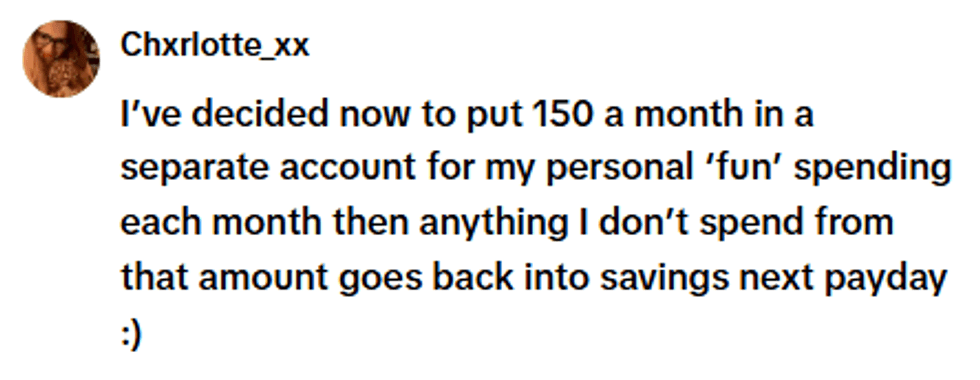 @georgiamaythornley/TikTok
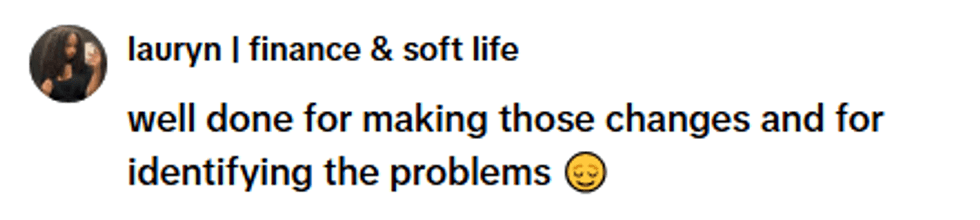 @georgiamaythornley/TikTok





 @bsquaredtravels_/Instagram
 @bsquaredtravels_/Instagram
 @bsquaredtravels_/Instagram
 @bsquaredtravels_/Instagram
 @bsquaredtravels_/Instagram
 @bsquaredtravels_/Instagram
 @bsquaredtravels_/Instagram
 @bsquaredtravels_/Instagram
 @bsquaredtravels_/Instagram
 @bsquaredtravels_/Instagram
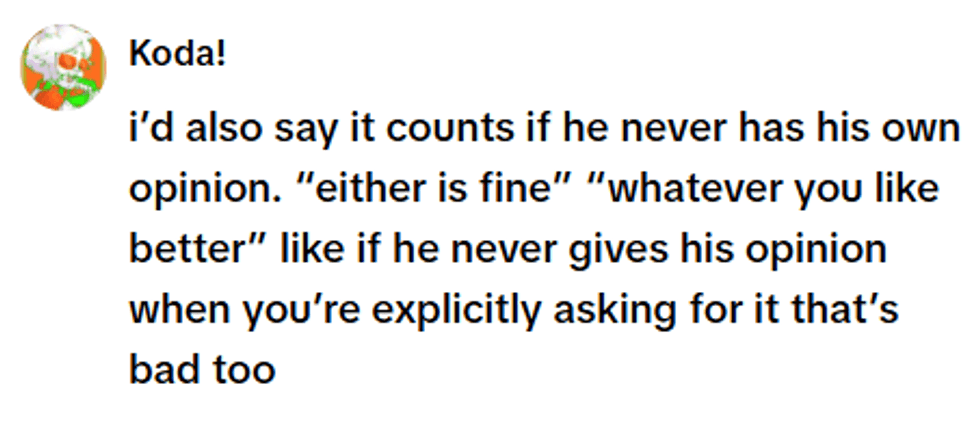 @maddie_bado/TikTok
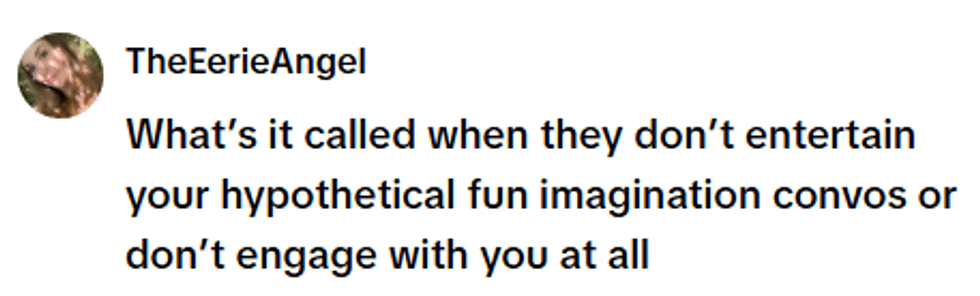 @maddie_bado/TikTok
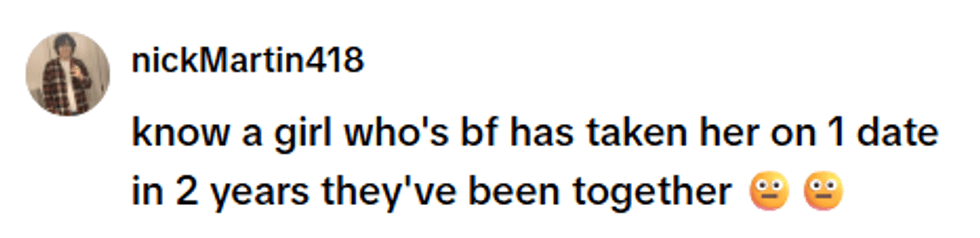 @maddie_bado/TikTok
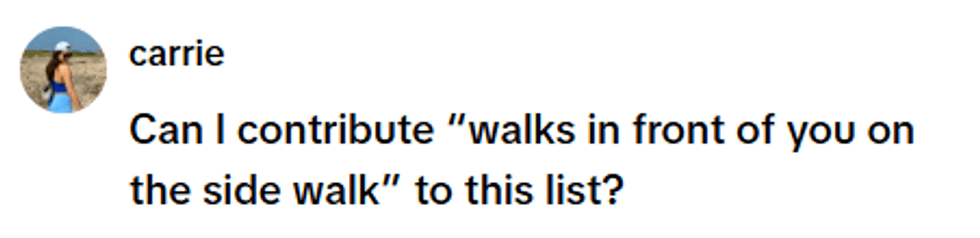 @maddie_bado/TikTok
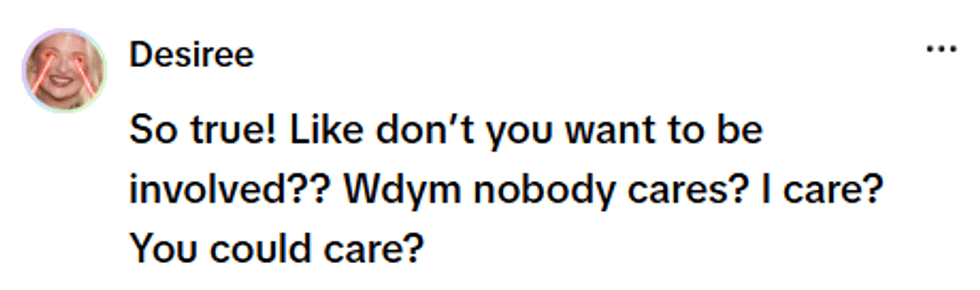 @maddie_bado/TikTok
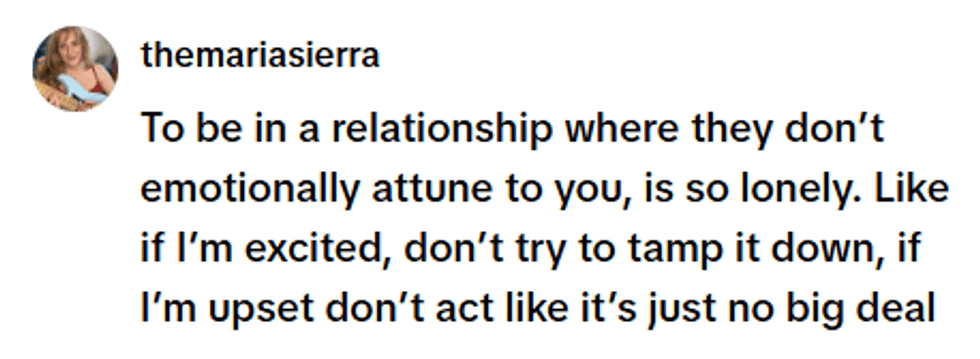 @maddie_bado/TikTok
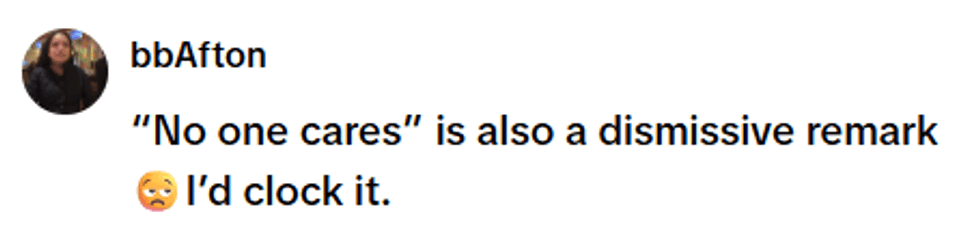 @maddie_bado/TikTok
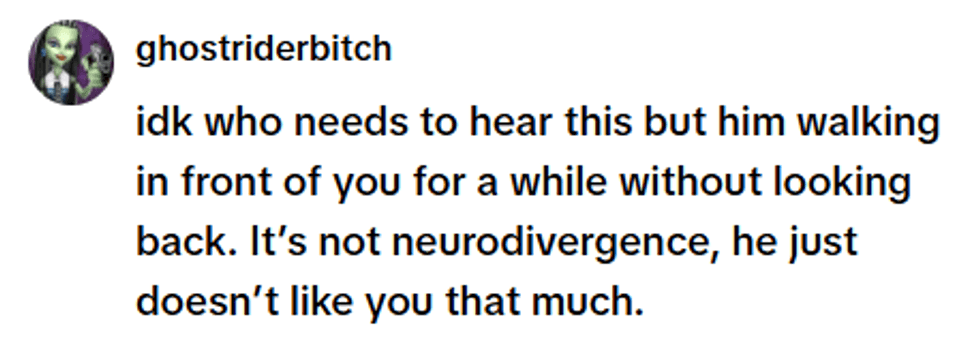 @maddie_bado/TikTok
 @maddie_bado/TikTok
 @maddie_bado/TikTok