
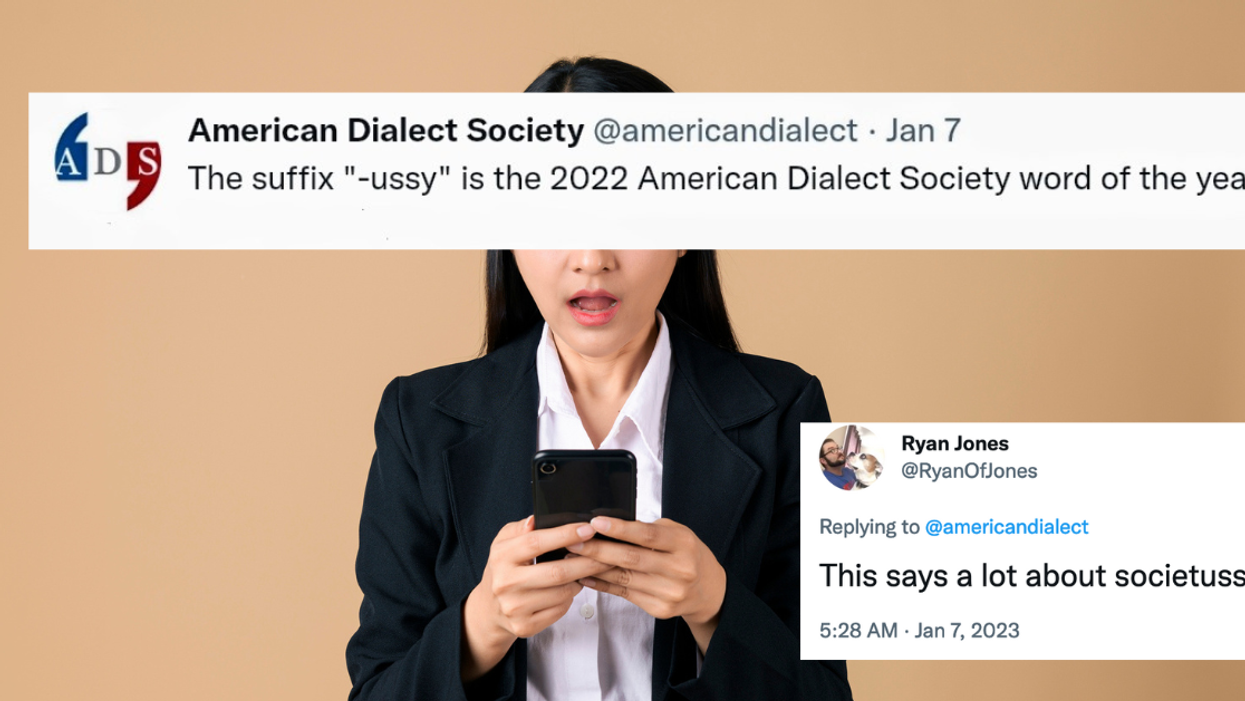

The American Dialect Society officially declared the suffix "-ussy" as the Word of the Year for 2022 in its 33rd annual words-of-the-year vote.
Ben Zimmer, chair of the ADS New Words Committee and language columnist for the Wall Street Journal, presided over the January 6 session attended virtually and in person by two hundred individuals who took part in the deliberations and voting.
Zimmer explained:
“The selection of the suffix -ussy highlights how creativity in new word formation has been embraced online in venues like TikTok,”
“The playful suffix builds off the word p*ssy to generate new slang terms."
"The process has been so productive lately on social media sites and elsewhere that it has been dubbed -ussification.”
ADS announced their decision on social media and in a press release.
Twitter couldn't help but giggle and add to the -ussifying conversation.
How do we incorporate it into our daily lexicon?
Is ussification here to stay?
It's a divine detour.
Even though it was declared word of the year in 2022, it was always with ussy.
In LGBTQ+ parlance, the word "bussy" has been used as slang to describe a portion of the male anatomy.
A portmanteau, it combines the word "boy" and a slang term for a woman's genitals.
The term was popularized as a meme after Rocketman Actor Taron Egerton read aloud a number of thirst tweets on Buzzfeed Celeb in 2019.
One of the desirous tweets read:
"Taron Egerton is a White boy that I trust to destroy my bussy.”
Visibly stumped after reading the term, Egerton asked a person off-camera what "bussy" meant and his jaw dropped upon hearing the answer.
Out Rapper Lil Nas X also used the term in a pregnancy-themed video to tease the rollout of his Montero album.
In the short clip, one of two doctors accommodating the "expectant" rapper laying on a stretcher commented the patient's "bussy water" just broke.
The American Dialect Society–which consists of members who are linguists, lexicographers, etymologists, grammarians, historians, researchers, writers, editors, students and independent scholars–explained:
"Word of the Year is interpreted in its broader sense as 'vocabulary item'—not just words but also phrases, compounds, and affixes."
"The items do not have to be brand-new, but they have to be newly prominent or notable in the past year."
"This is not the first time an affix has been named Word of the Year: in 1998, the prefix e- (as in email) was selected."
They clarified the voting process was done in good fun and members:
"do not pretend to be officially inducting words into the English language."
"Instead, they are highlighting that language change is normal, ongoing and entertaining."




 @withethanlap/TikTok
 @withethanlap/TikTok
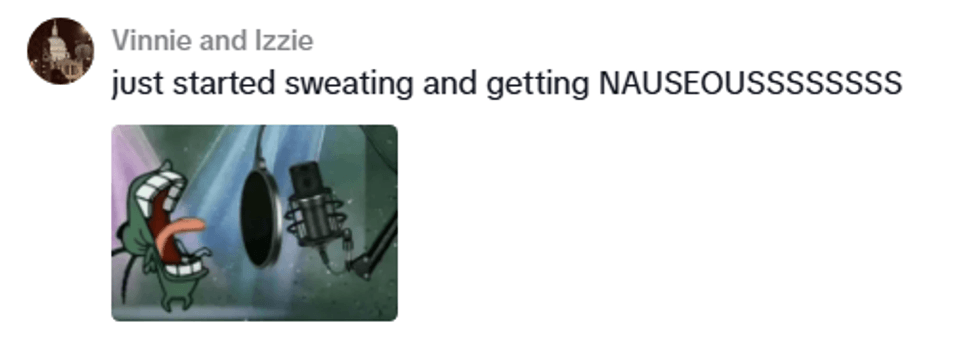 @withethanlap/TikTok
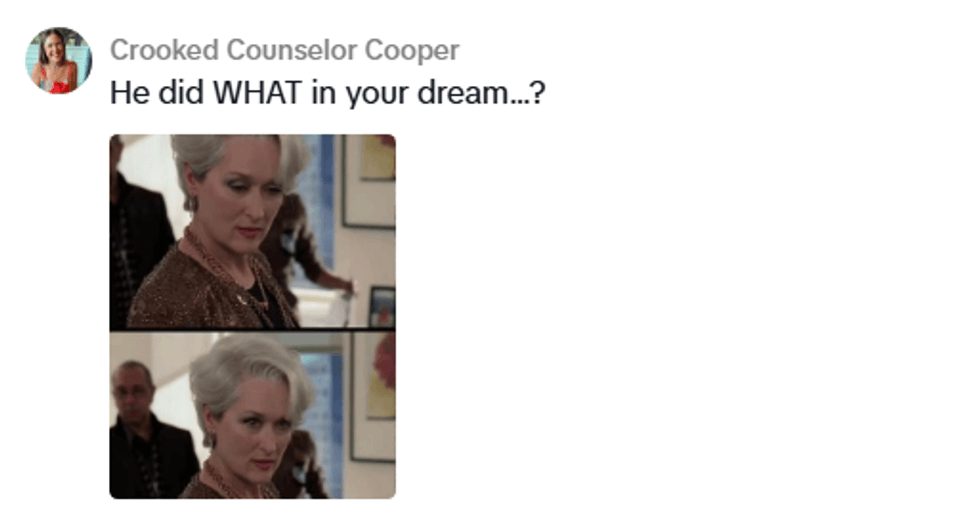 @withethanlap/TikTok
 @withethanlap/TikTok
 @withethanlap/TikTok
 @withethanlap/TikTok
 @withethanlap/TikTok
 @withethanlap/TikTok
 @withethanlap/TikTok
 @withethanlap/TikTok
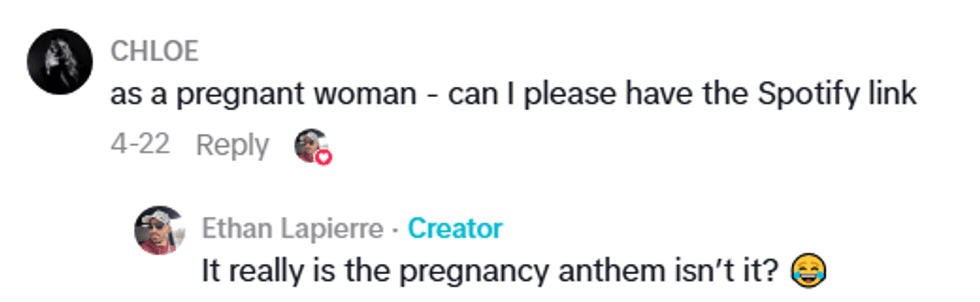 @withethanlap/TikTok
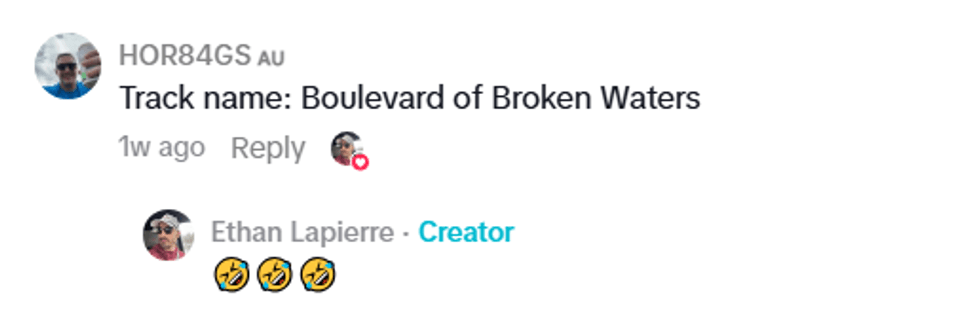 @withethanlap/TikTok
 @withethanlap/TikTok
 @withethanlap/TikTok
 @withethanlap/TikTok
 @withethanlap/TikTok
 @withethanlap/TikTok
 @withethanlap/TikTok
 @withethanlap/TikTok
 @withethanlap/TikTok
 @withethanlap/TikTok
 @ngo.quang.thao/TikTok
 @ngo.quang.thao/TikTok
 @ngo.quang.thao/TikTok
 @ngo.quang.thao/TikTok
 @ngo.quang.thao/TikTok
 @ngo.quang.thao/TikTok
 @ngo.quang.thao/TikTok
 @ngo.quang.thao/TikTok
 @ngo.quang.thao/TikTok
 @ngo.quang.thao/TikTok
 @ngo.quang.thao/TikTok
 @ngo.quang.thao/TikTok
 @legallyswifite13/TikTok
 @legallyswifite13/TikTok
 @legallyswifite13/TikTok
 @legallyswifite13/TikTok
 @legallyswifite13/TikTok
 @legallyswifite13/TikTok
 @legallyswifite13/TikTok
 @legallyswifite13/TikTok
 @legallyswifite13/TikTok
 @legallyswifite13/TikTok
 @legallyswifite13/TikTok
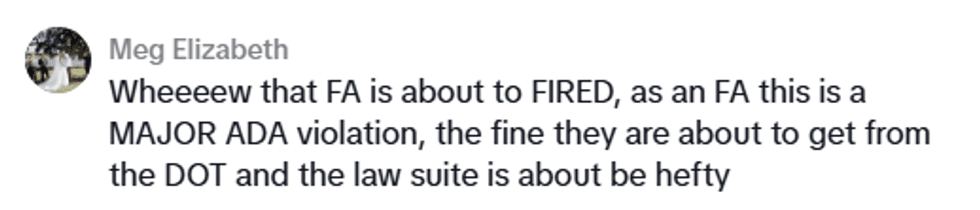 @legallyswifite13/TikTok
 @legallyswifite13/TikTok
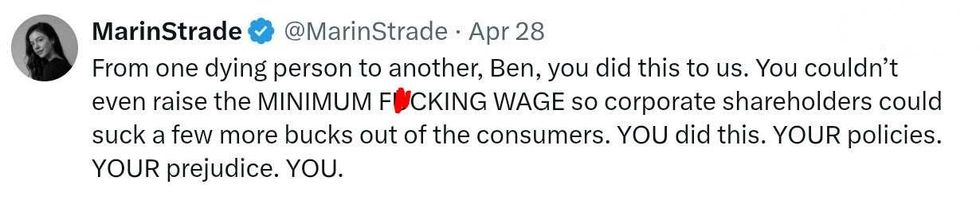 @MarinStrade/X
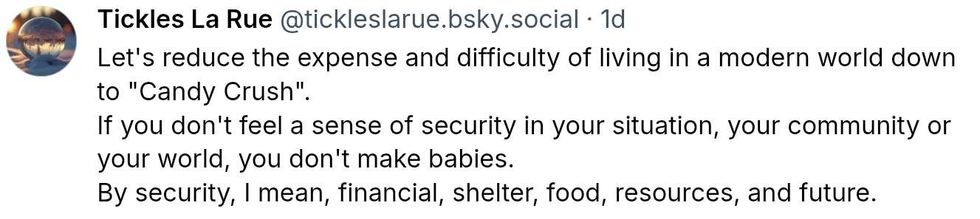 @tickleslarue/Bluesky
 @jbbredin/Threads
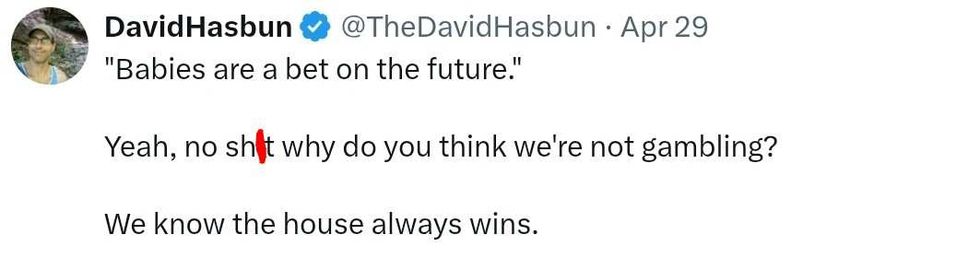 @TheDavidHasbun/X
 @aminhnow/Bluesky
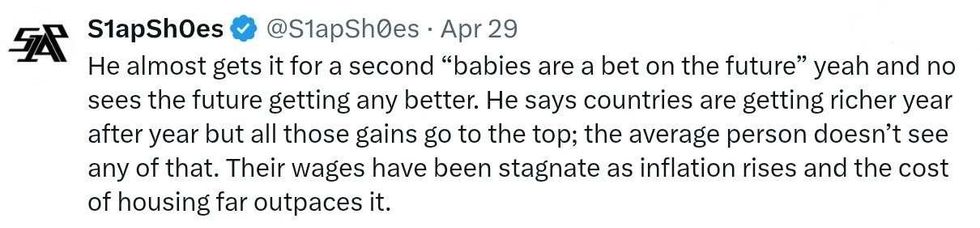 @S1apSh0es/X
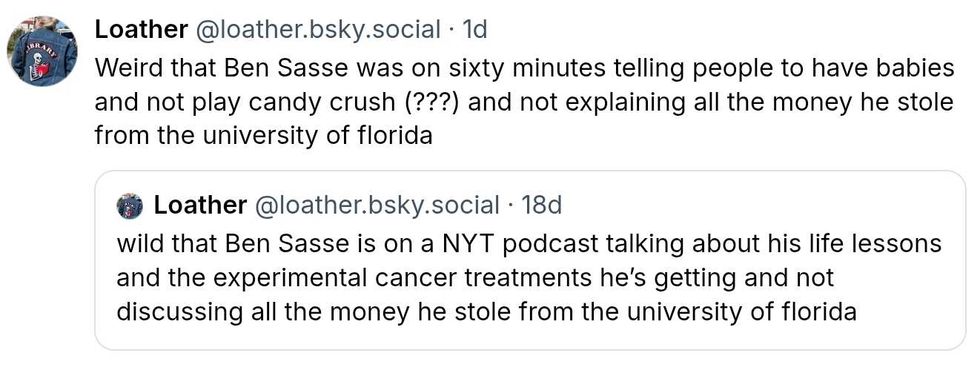 @loather/Bluesky
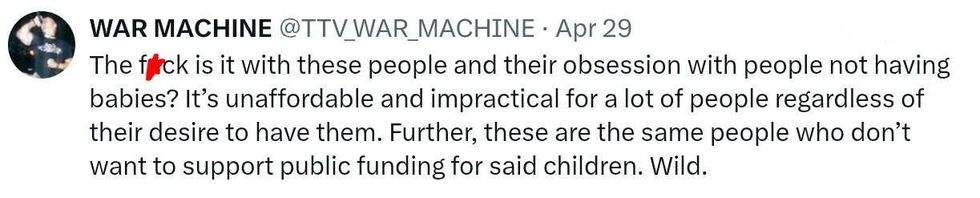 @TTV_WAR_MACHINE/X
 @eddiepearson/X
 @alex-awoos/Bluesky