


Tensions flared on the set of The View after co-host Sara Haines argued that affirmative action is “downright racist” against Asian Americans during a discussion about two affirmative action cases currently being reviewed by the Supreme Court.
Arguments before the Court are in regard to a challenge against the University of North Carolina Chapel Hill race-conscious admissions process, though the case was originally certified and consolidated as part of Students for Fair Admissions v. President and Fellows of Harvard College, which involves Harvard University's undergraduate admissions process which is claimed to discriminate against Asian American applicants.
Co-host Sunny Hostin called the case against Harvard "intellectually dishonest," pointing to statistics that show “the majority of Asian Americans support race-conscious admissions. She also noted that Edward Blum, the president of Students for Fair Admissions (SFFA) is a conservative activist.
Haines countered that Harvard's process is "downright racist," bringing up a 2018 lawsuit against Harvard that alleged the school consistently rated Asian American applicants lower than other racial or ethnic groups on traits such as “positive personality."
You can watch what happened in the video below.
The argument between the two women kicked off after a recording of remarks made by Associate Supreme Court Justice Clarence Thomas was played to the audience.
Thomas raised eyebrows earlier this week after he questioned the meaning of "diversity" during Supreme Court arguments, saying that he wanted "a clear idea of exactly what the educational benefits of diversity at the University of North Carolina would be."
Speaking about Blum, Hostin said:
"He claims to be a champion of Asian Americans. That is not true. He claims that affirmative action harms Asian Americans. That is not true."
"He first started with white women. That didn’t work. Now he’s trying with Asian Americans, I think that is going to work."
“The next attack is on LGBTQ-plus rights, and the next attack is on voting rights, and they’re all before the Supreme Court."
"So I think what we need to do is recognize this for what it is. This is a right-wing attack on our rights. And it’s a concerted effort.”
Haines contradicted Hostin, saying that her view “does not disrupt the fact that there is a personality rating that Asian Americans are having trouble with in regards to a cultural difference.”
She added:
“I wouldn’t even say it’s discriminatory — it’s downright racist. They’re judging them on a personality score."
"And if you went on just test scores, which, by the way, people think high school grades first, then standardized test scores, 43 percent of these elite institutions would be Asian.”
“So, the problem with the civil rights movement was to say don’t discriminate against race because discriminating hurts a race. Fixing it with the same discrimination is going to hurt some other race."
Moderator Whoopi Goldberg disagreed with Haines, saying she had misrepresented the situation before the Court and suggested that the schools should “adjust” the standardized test and not end affirmative action, which aims "to help people who would not normally be able to get in.”
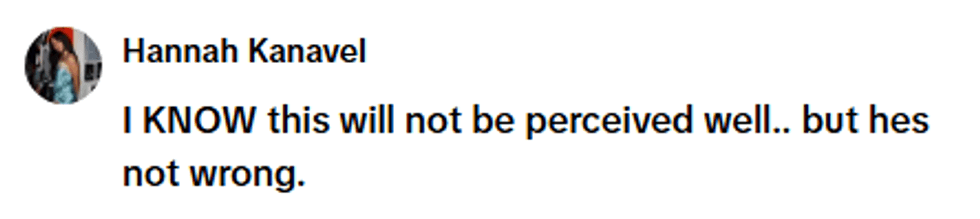
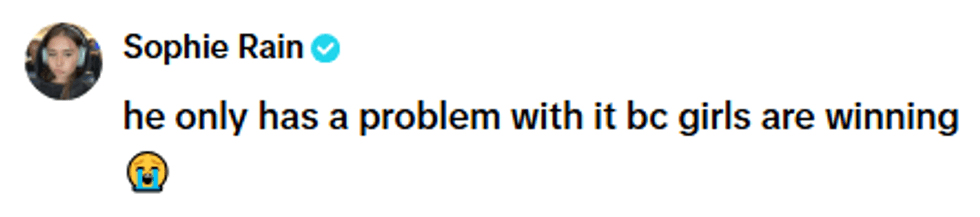
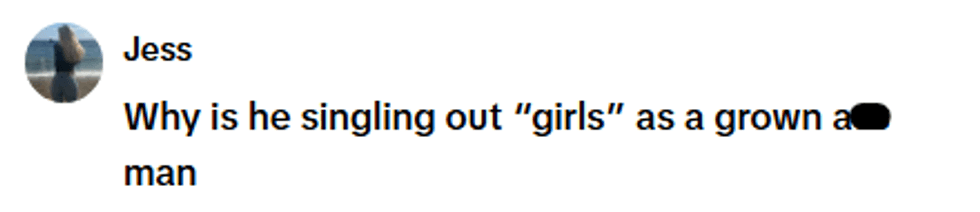
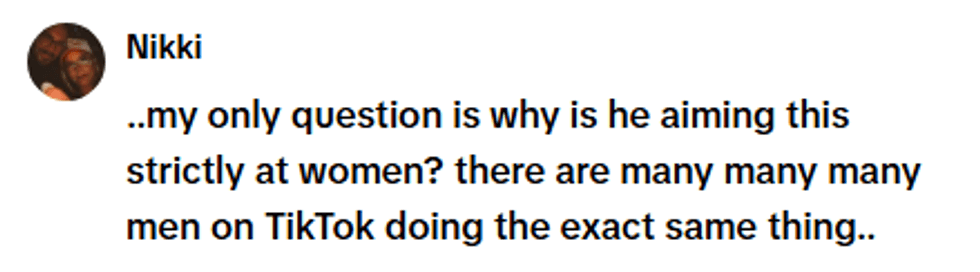
Their dialogue sparked significant commentary online.
The case before the Court concerns racial discrimination in affirmative action programs in college admissions processes, specifically the University of North Carolina, which uses socioeconomic factors in administration and is claimed to incorporate race and violate Title VI of the Civil Rights Act of 1964.
The case seeks review of the Supreme Court decision Grutter v. Bollinger (2003) which validated the use of affirmative action programs in college admissions as long as race is not used as the sole deciding factor.
The case was originally certified and consolidated as part of Students for Fair Admissions v. President and Fellows of Harvard College, which involves Harvard University's undergraduate admissions process which is claimed to discriminate against Asian American applicants.
However, following the appointment of Associate Justice Ketanji Brown Jackson, who was a member of the Harvard board, the cases were split with Jackson abstaining from the Harvard case while participating in the North Carolina one.











 @varietymagazine/TikTok
 @varietymagazine/TikTok
 @varietymagazine/TikTok
 @varietymagazine/TikTok
 @varietymagazine/TikTok
 @varietymagazine/TikTok
 @varietymagazine/TikTok
 @varietymagazine/TikTok
 @varietymagazine/TikTok
 @varietymagazine/TikTok
 @varietymagazine/TikTok
 @varietymagazine/TikTok
 @varietymagazine/TikTok
 @varietymagazine/TikTok
 @varietymagazine/TikTok
 @elektrotimmy/X