

The 2018 midterms may not seem like the blue wave many Democrats hoped for. Due to the failure to take the Senate, some called the midterm elections a draw.
But the red to blue numbers are more significant than people realize. While only losing one Senate seat, Democrats picked up 36 seats so far in the House with three more expected to go blue for a total of 39 red to blue seats in the 116th Congress.
In addition to seats in the House of Representatives, the Governor's mansions in seven more states will be housing a Democrat in the coming year. Two more races are left to be decided leaving the potential for an even 50/50 split with 25 Republican Governors and 25 Democrats.
One area where the shift is particularly evident is in traditionally Republican stronghold Orange County, California. The six congressional districts in the affluent area went four Republican and two Democrat in the 2016 election.
In the 2018 midterms, the area is awash with blue. While only five of the six districts are decided as of Friday, November 16, the sixth is projected to also go to Democrat Gil Cisneros over Republican Young Kim.
MSNBC's Morning Joe shared a graphic on Twitter to illustrate the change.
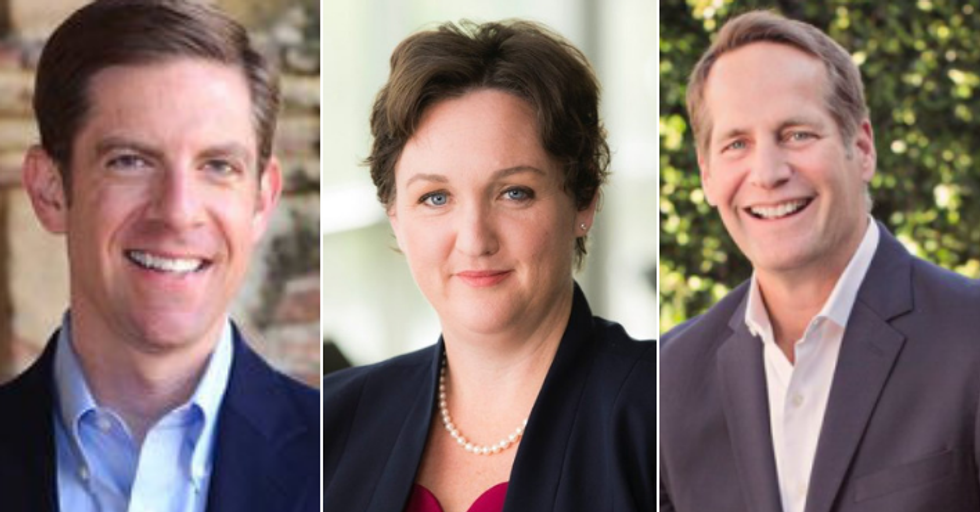
Democratic incumbents J. Luis Correa in the 46th district and Alan Lowenthal in the 47th retained their House seats. Meanwhile Democratic challengers Katie Porter in the 45th and Harley Rouda in the 48th unseated GOP incumbents Mimi Walters and Dana Rohrabacher.
In the 49th district, newcomers faced off with Democrat Mike Levin beating Republican Diane Harkey. And as mentioned earlier, fellow Democratic newcomer Gil Cisneros is projected to defeat GOP newbie Young Kim in the 39th.
So what caused the shift?
Many voters cited the GOP being complicit in the actions and rhetoric of President Donald Trump. When the President attacks California—which he has many times on Twitter and during his Make America Great Again rallies—he makes no exceptions nor offers any disclaimers for Republicans in the state.
All Californians are painted with the same broad brush by Trump.
The President's obvious animosity toward the state bled into his reactions to the wildfires that struck California in 2017 and 2018. Trump's lack of compassion and empathy toward victims of the fires angered many residents.
People also cited the confirmation of Supreme Court nominee Brett Kavanaugh. Doctor Christine Blasey-Ford is a California resident.
Others cited the GOP tax cuts and votes attacking the Affordable Care Act as reason to vote blue in 2018.
Kavanaugh's confirmation came from the Senate, but backlash against the Republican Party crossed over into even state and local elections.
People online shared their own thoughts about the shift.
Going into the 2018 midterms, the California GOP was confident of their pending success.
So how did the GOP react to the losses?
By borrowing a page from President Trump and the Republicans in Florida.
But their constituents are not happy with the political ploy.
As of Friday, six House seats, two Senate seats and two Gubernatorial races remain undecided.



 u/Relevant-Peach3997/Reddit
 u/loyal_achades/Reddit
 u/Crazy-Witness-9340/Reddit
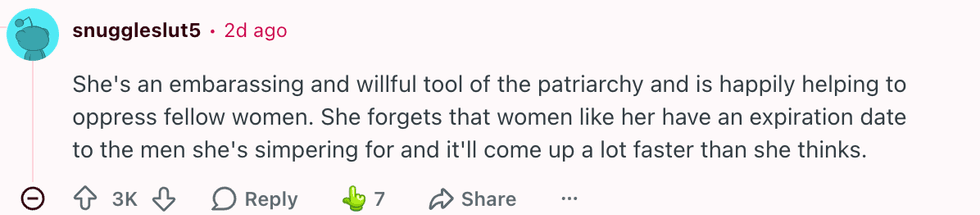 u/snuggleslut5/Reddit
 u/Movinginplace25/Reddit
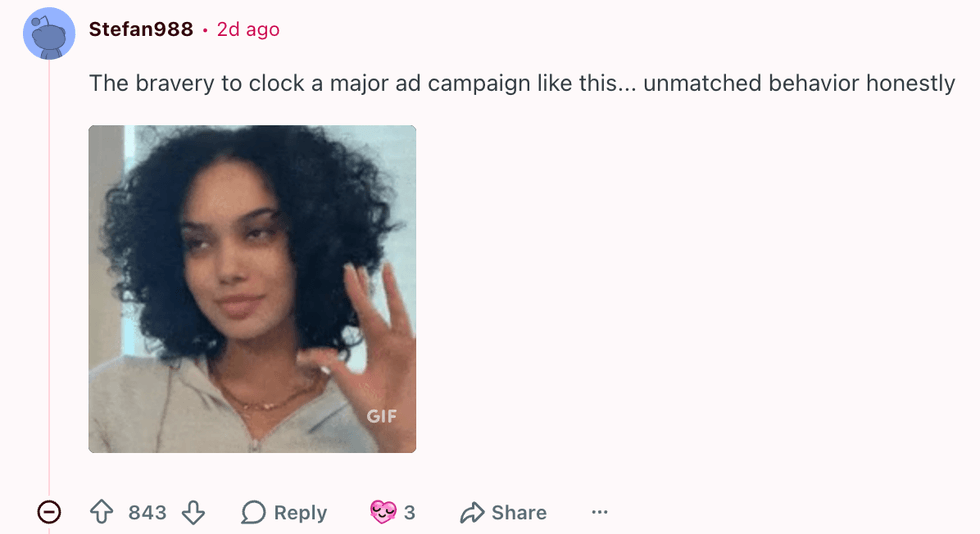 u/Stefan988/Reddit
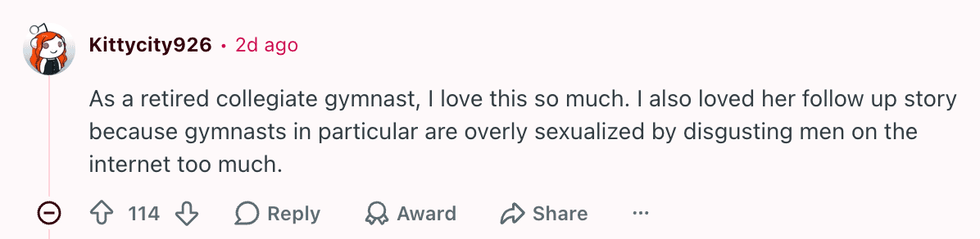 u/Kittycity926/Reddit
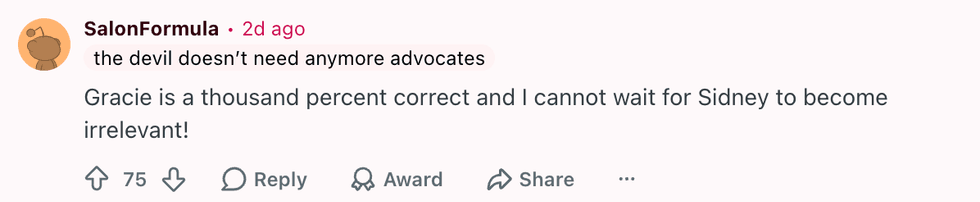 u/SalonFormula/Reddit
 u/SamDean_Supernatural/Reddit
 u/Hour_Seaworthiness24/Reddit
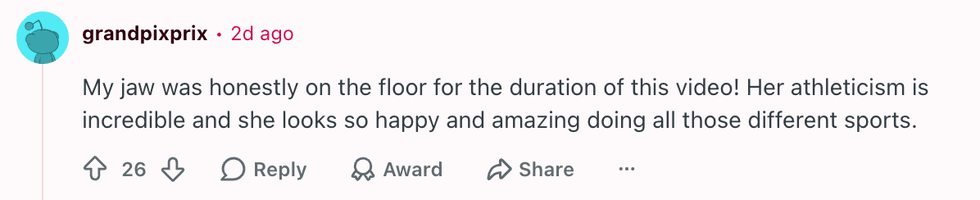 u/grandpixprix/Reddit
 u/ExoticShock/Reddit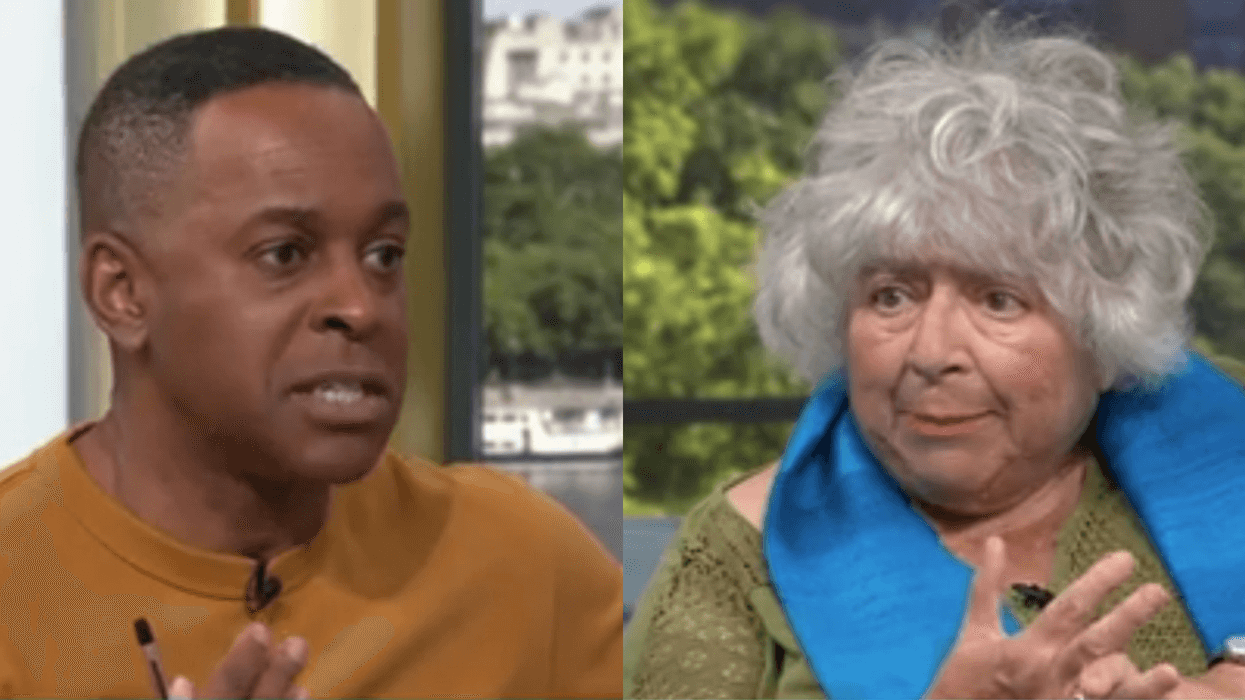
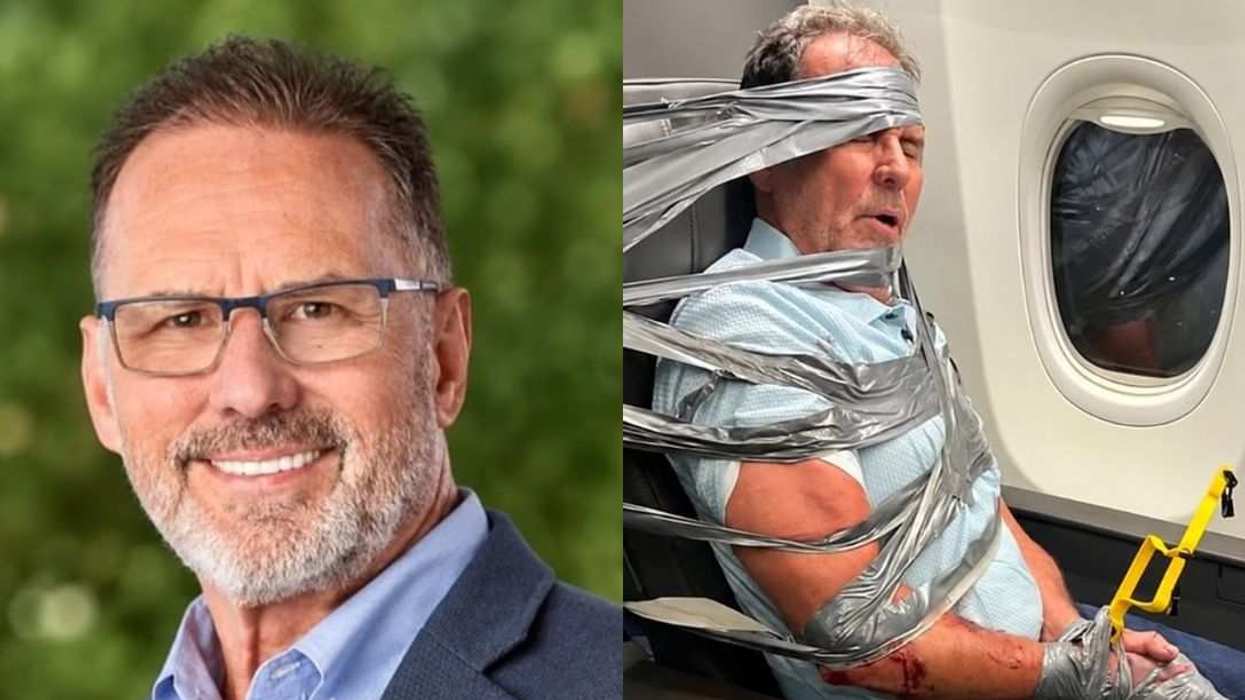



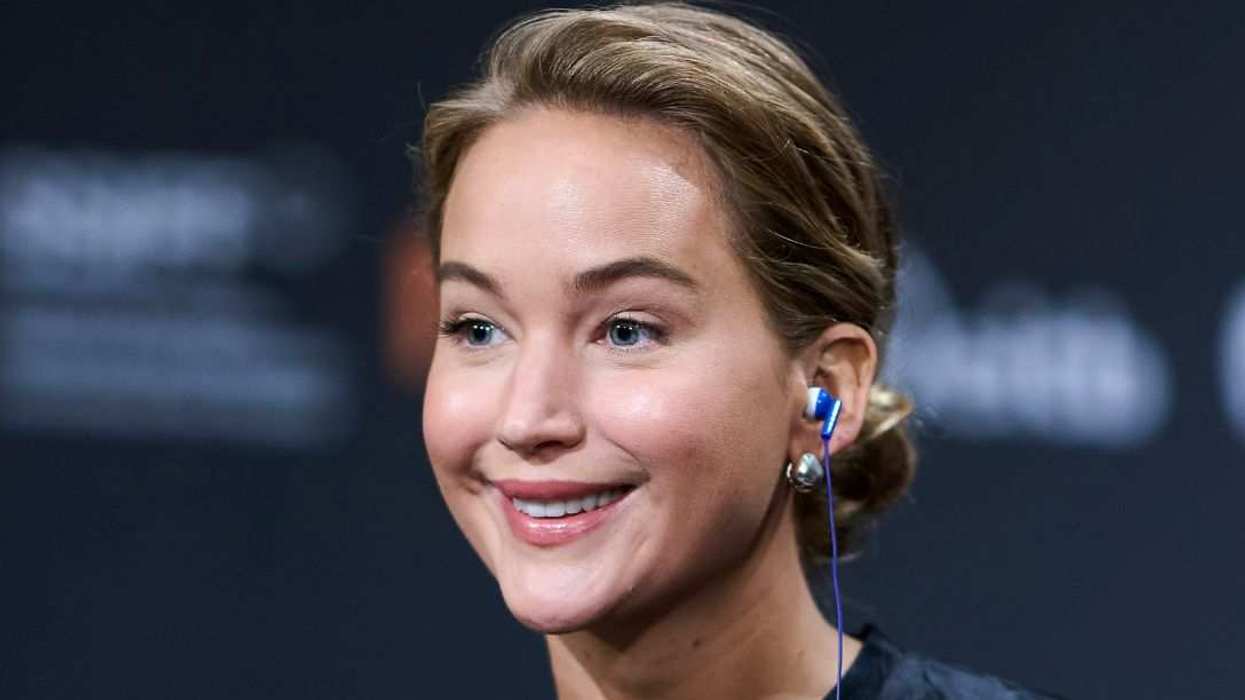
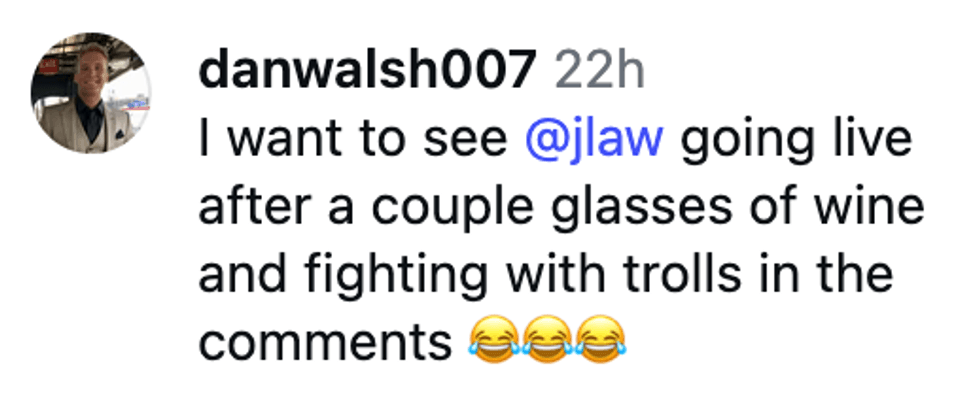 @danwalsh007/Instagram
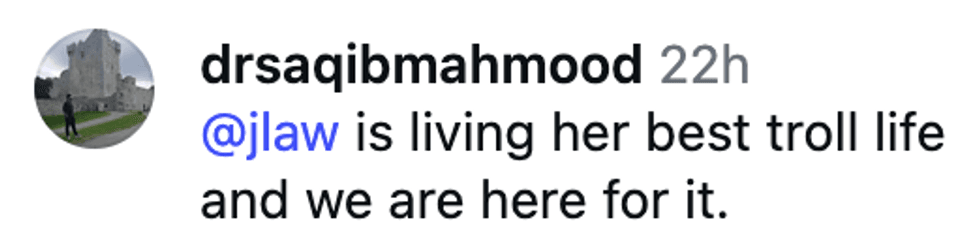 @drsaqibmahmood/Instagram
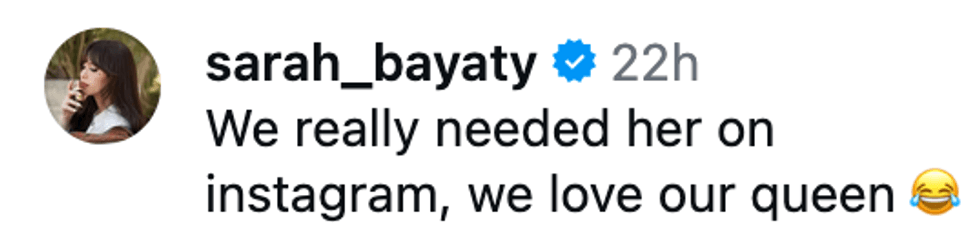 @sarah_bayaty/Instagram
 @yarstarua/Instagram

 @happy_fuseli/Threads
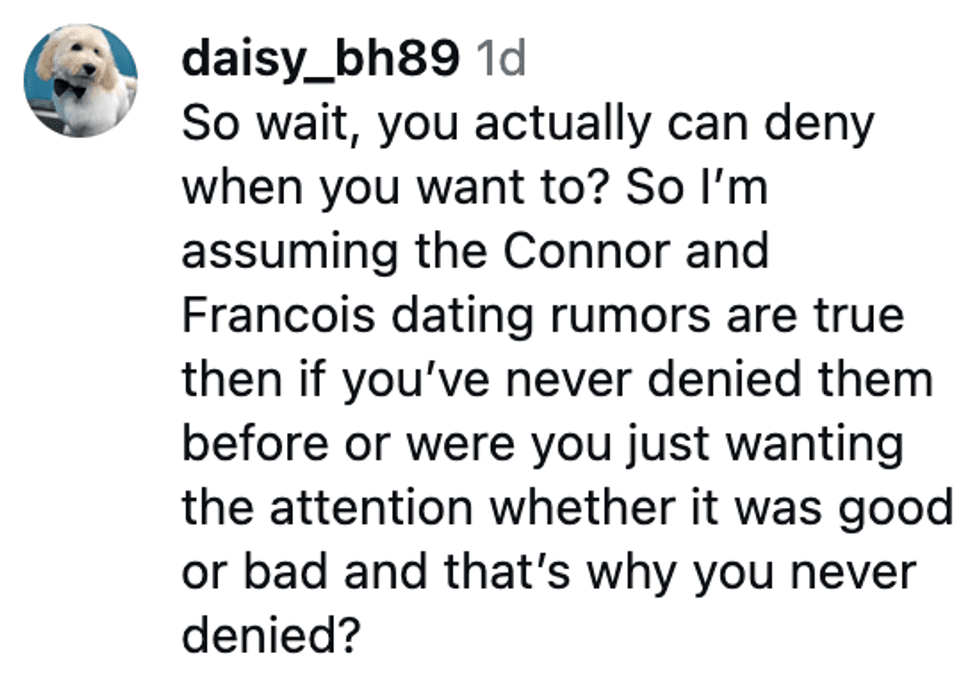 @daisy_bh89/Instagram
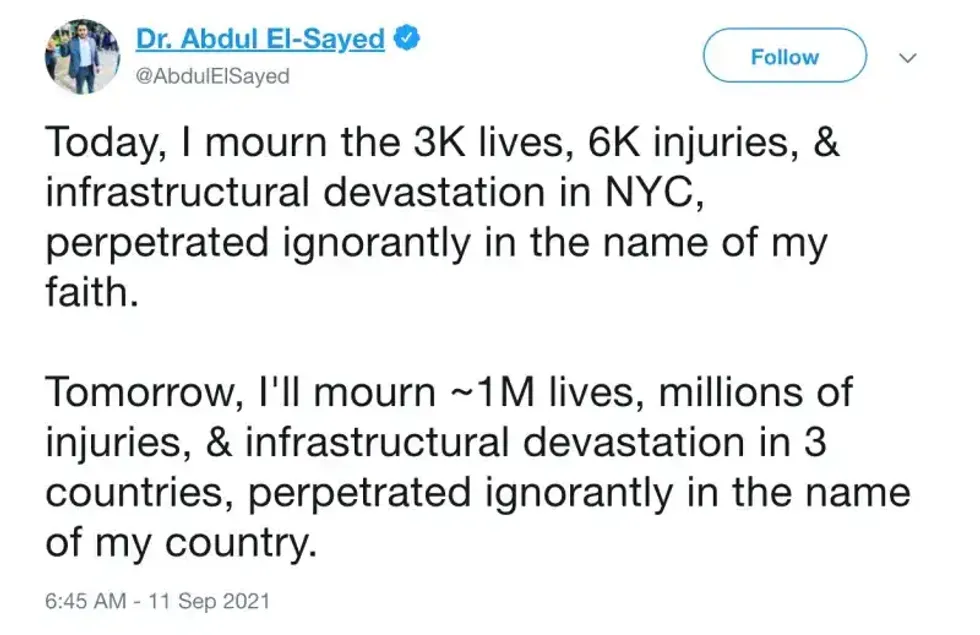 @AbdulElSayed/X