
In a 3-to-2 vote earlier today, the Federal Communications Commission (FCC) implemented sweeping net neutrality rules, including prohibitions on site and app blocking, speed throttling, and paid fast lanes. It reclassified Internet providers’ services as “telecommunications services” under Title II of the Communications Act, giving the Commission the power to enforce these rules.
A BIG Win for Net Neutrality
This move will prevent deals between Internet providers like Comcast and content companies such as Netflix, which under the old regime was forced to pay more or be forced into a “slow lane” on Comcast. The FCC's new order also establishes a standard that requires providers to not unreasonably interfere with or disadvantage consumers--or the companies whose sites or apps the customers are trying to access.
The Internet's Heroes Saved It
For some time, it appeared that Commission chairman Tom Wheeler was going to favor big telecom and cable after he proposed rules that seemed to undercut the entire concept of net neutrality by allowing for certain “paid fast lanes.” But earlier this month, following millions of public comments spurred on by social media icon George Takei’s public drubbing of Wheeler on Facebook and a viral John Oliver segment, as well from major websites like Netflix, Kickstarter, and Tumblr, Wheeler announced a new plan that at last was pushed through today.
A Deep Split
The FCC seemed deeply divided along partisan lines after the close vote.
"We cannot have a two-tiered internet with fast lanes that speed the traffic of the privileged and leave the rest of us lagging behind," commissioner Jessica Rosenworcel said at today's meeting. "We cannot have gatekeepers who tell us what we can and cannot do and where we can and cannot go online. And we do not need blocking, throttling, and paid prioritization schemes that undermine the internet as we know it."
"The action that we take today is an irrefutable reflection of the principle that no one, whether government or corporate, should control free and open access to the internet," Wheeler said, after voting for the plan.
"We are here because we want to give those with deep pockets and those with empty pockets the same opportunities to succeed," said Commissioner Mignon Clyburn, who also spoke strongly in favor of the order.
Both Republican commissioners, Michael O’Rielly and Ajit Pai, expressed their dismay. O'Rielly argued that the commission's decision-making power had been undercut for political purposes, and that in any net neutrality is unnecessary. Pai also contended that the commission could no longer act independently, had caved to President Obama, and that implementing this order will lead to "higher broadband prices, slower broadband speeds, less broadband deployment, less innovation, and fewer options for consumers."
The new rules will probably go into effect this spring, though both advocates and opponents are expecting further court battles surrounding its implementation.



 @georgiamaythornley/TikTok
 @georgiamaythornley/TikTok
 @georgiamaythornley/TikTok
 @georgiamaythornley/TikTok
 @georgiamaythornley/TikTok
 @georgiamaythornley/TikTok
 @georgiamaythornley/TikTok
 @georgiamaythornley/TikTok
 @georgiamaythornley/TikTok
 @georgiamaythornley/TikTok




 @bsquaredtravels_/Instagram
 @bsquaredtravels_/Instagram
 @bsquaredtravels_/Instagram
 @bsquaredtravels_/Instagram
 @bsquaredtravels_/Instagram
 @bsquaredtravels_/Instagram
 @bsquaredtravels_/Instagram
 @bsquaredtravels_/Instagram
 @bsquaredtravels_/Instagram
 @bsquaredtravels_/Instagram
 @maddie_bado/TikTok
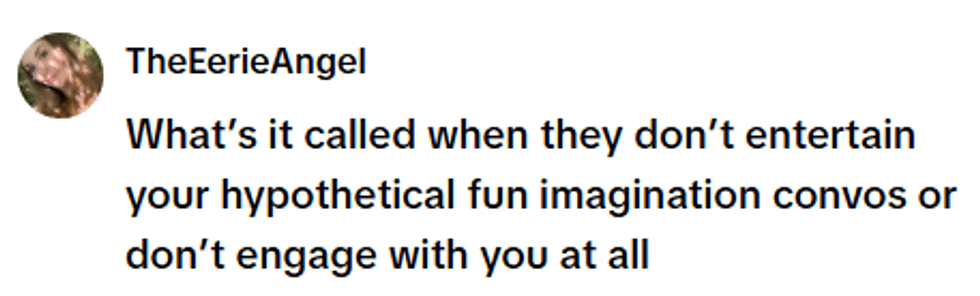 @maddie_bado/TikTok
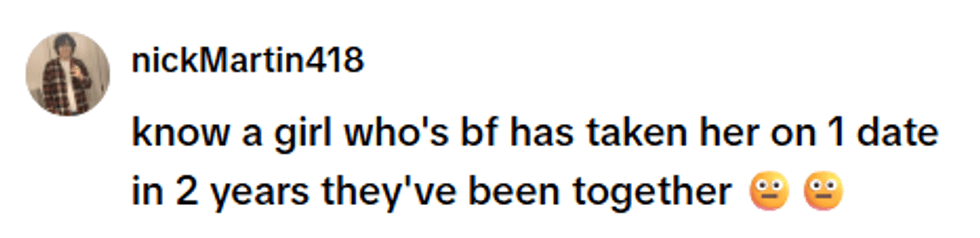 @maddie_bado/TikTok
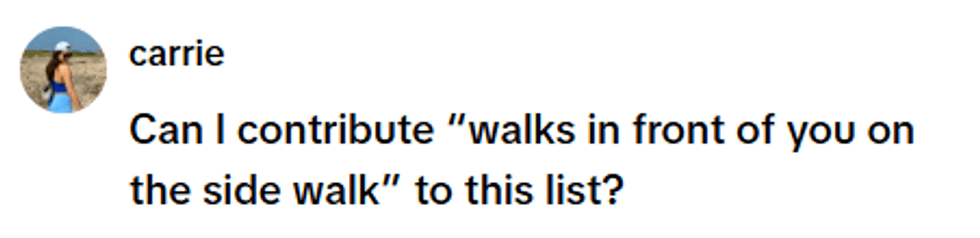 @maddie_bado/TikTok
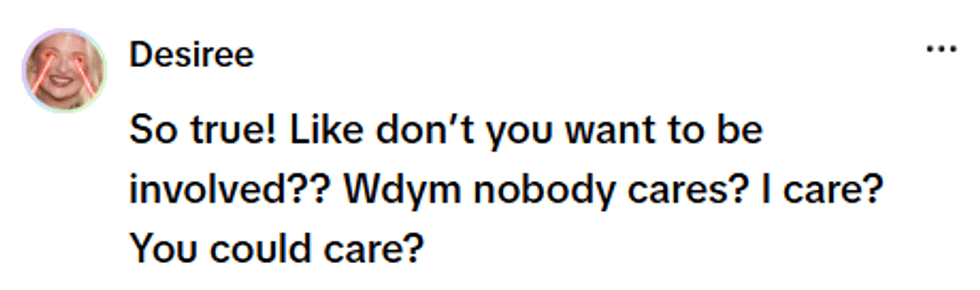 @maddie_bado/TikTok
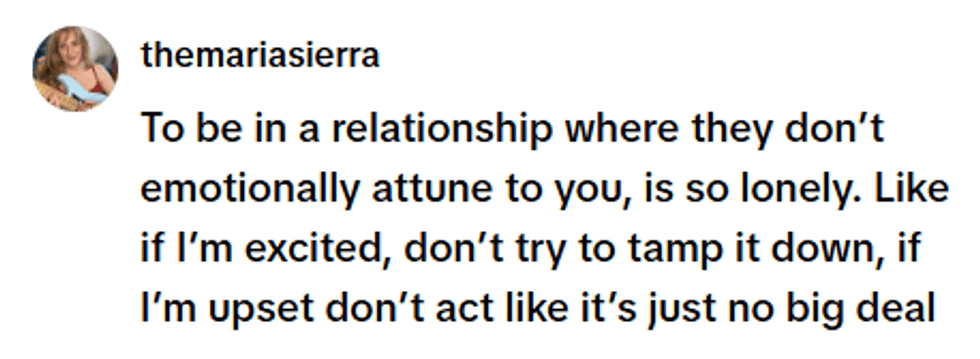 @maddie_bado/TikTok
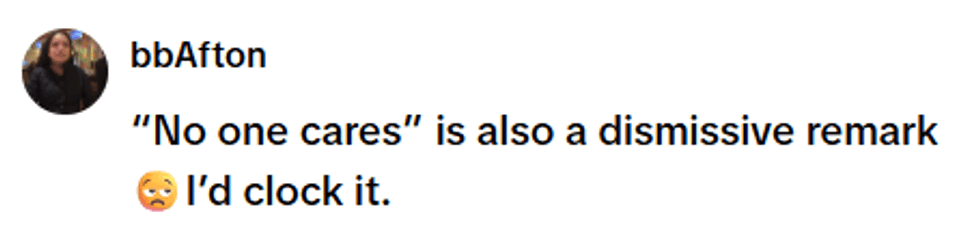 @maddie_bado/TikTok
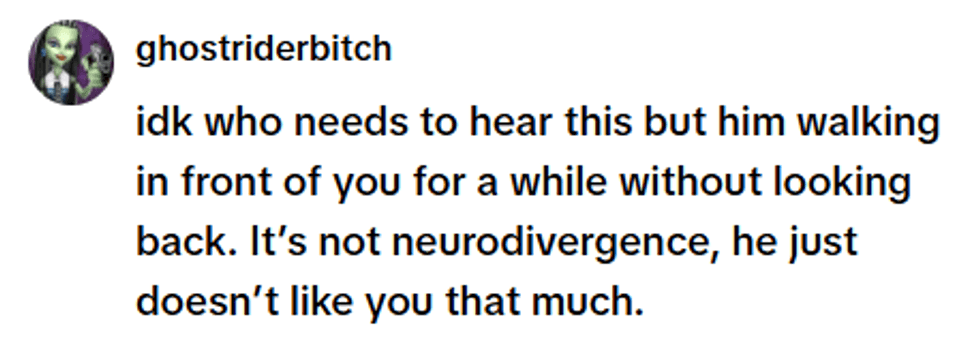 @maddie_bado/TikTok
 @maddie_bado/TikTok
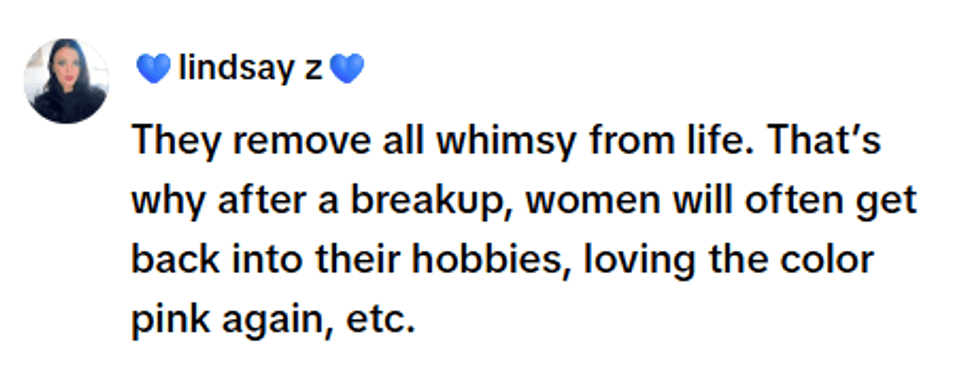 @maddie_bado/TikTok