
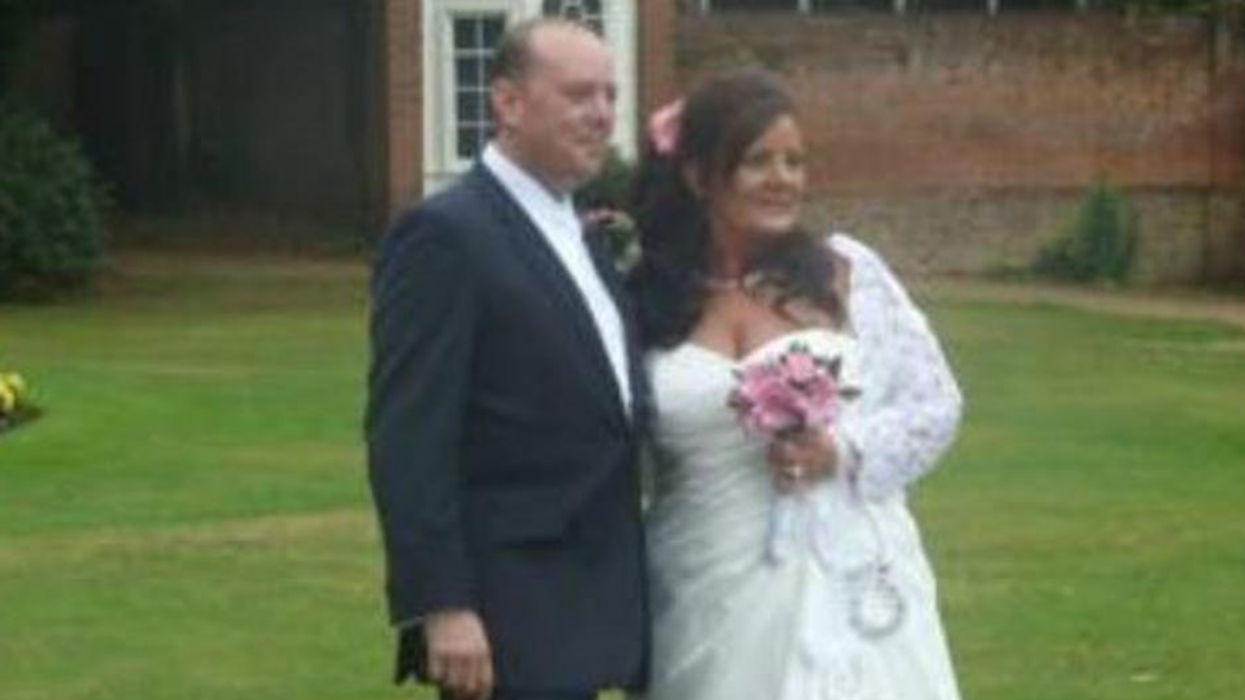

Karen Whittaker's rare kidney condition led to her organs being removed. But, she opened up about how the joy at the prospect of receiving a transplant from her beloved husband turned to heartbreak when he was diagnosed with stomach cancer and given just months to live.
Determined to raise $120,000 for private immunotherapy treatment, in an attempt to prolong her partner Andrew Kyranides' life, Whittaker also has to decide whether to accept a kidney from her son, John.
Whittaker was diagnosed with polycystic kidney disease (PKD), a genetic condition causing fluid-filled cysts to grow in the kidneys, at just 17 which she has passed on to her daughter Karley.
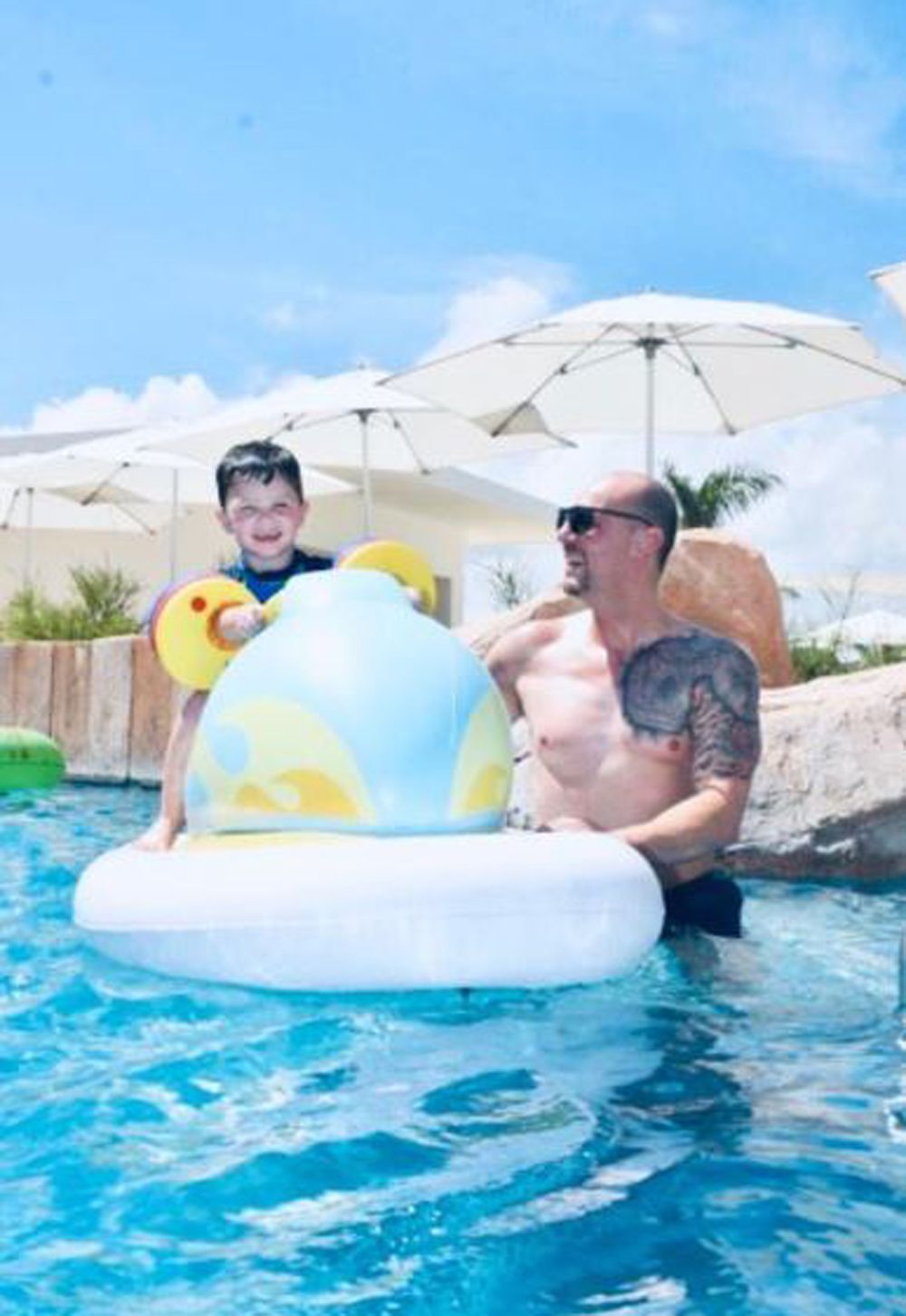
“John has said he will go ahead with being my organ donor, but I'm undecided on whether to accept," Whittaker said.
“Putting my son through a major operation is something that I can't get my head around at the moment. It's hard not to feel guilty about passing PKD on to my eldest daughters. If it wasn't for my bad genes the children wouldn't have this hanging over them."
Thankfully, her daughters seem unaffected at the moment.
“So far, they're absolutely fine – and at least John, Georgia and my four grandkids don't have it – but I don't want to put my son's life in danger," she said.
“And my main focus, right now, can't be my own transplant, it has to be getting Andrew back on track. The alternative isn't an option."
Karen's PKD journey began in 1983, after her dad John was diagnosed with the condition and, discovering there was a 50 per cent chance she could inherit it, she was tested.
“By the time Dad was diagnosed his cysts had turned cancerous," she said.
“I told myself that wasn't going to happen to me. I was only 17 and thought I'd live forever."
Told by doctors it was a “waiting game," Whittaker quit drinking and had annual blood tests to check.
Soon, she met Andrew and was head over heels.
“We were sat having dinner one evening and we somehow ended up on the topic of marriage," Whittaker recalled.
“It was less of a proposal and more of a discussion. The next day we went out and bought a ring from a Cypriot jeweler."
Again, life got in the way of planning a wedding and in June 2013, she experienced the first sign of her kidneys failing.
Rushing to Southend University Hospital in Essex, a CT scan and blood tests revealed that her left kidney had become so enlarged that it was no longer functioning.
“There was no hanging about," she explained.
“I knew my kidneys had finally caught up with me. I was in hospital for four weeks, by the end of which doctors told me they had no other choice – the kidney had to come out."
“They told me it wasn't functioning at all and if it wasn't removed the cysts would keep growing – making the infection worse."
Uncertain about her future, marriage became a priority to Whittaker, so doctors postponed her operation to give her time to organize a small family wedding at a local church.
“It was the best day ever," she recalled. “The whole family arranged a lot of it because I wasn't well."
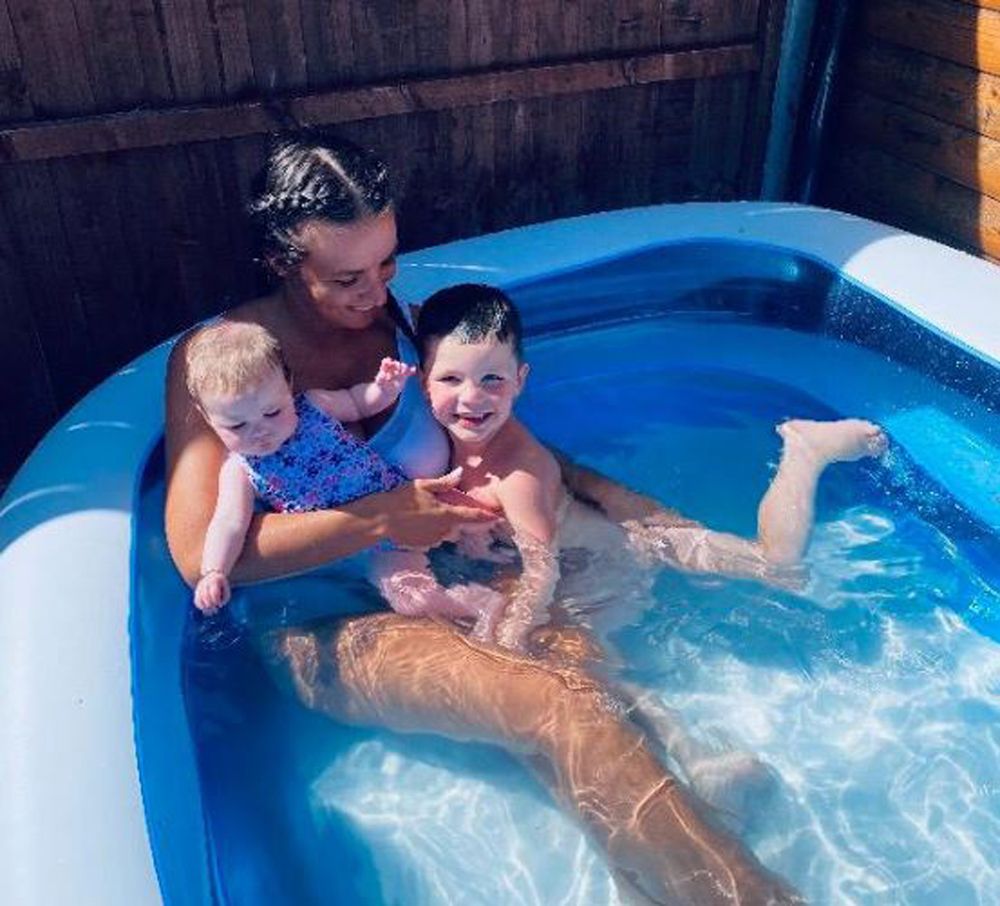
“It was very rushed, we hadn't been planning it at all, but it suddenly seemed very important," she said.
In December 2013, Whittaker had her left kidney removed at Southend University Hospital.
But, six months later, her remaining kidney developed an infection.
Whittaker was classed as having the most severe stage of kidney failure – stage five. This meant she had lost almost all kidney function, according to the NHS, and was eligible for a transplant.
She was put on hemodialysis, the most common type of dialysis, for 12 hours a week.
“It just became part of my routine, the same as if I was working for three days a week," she said.
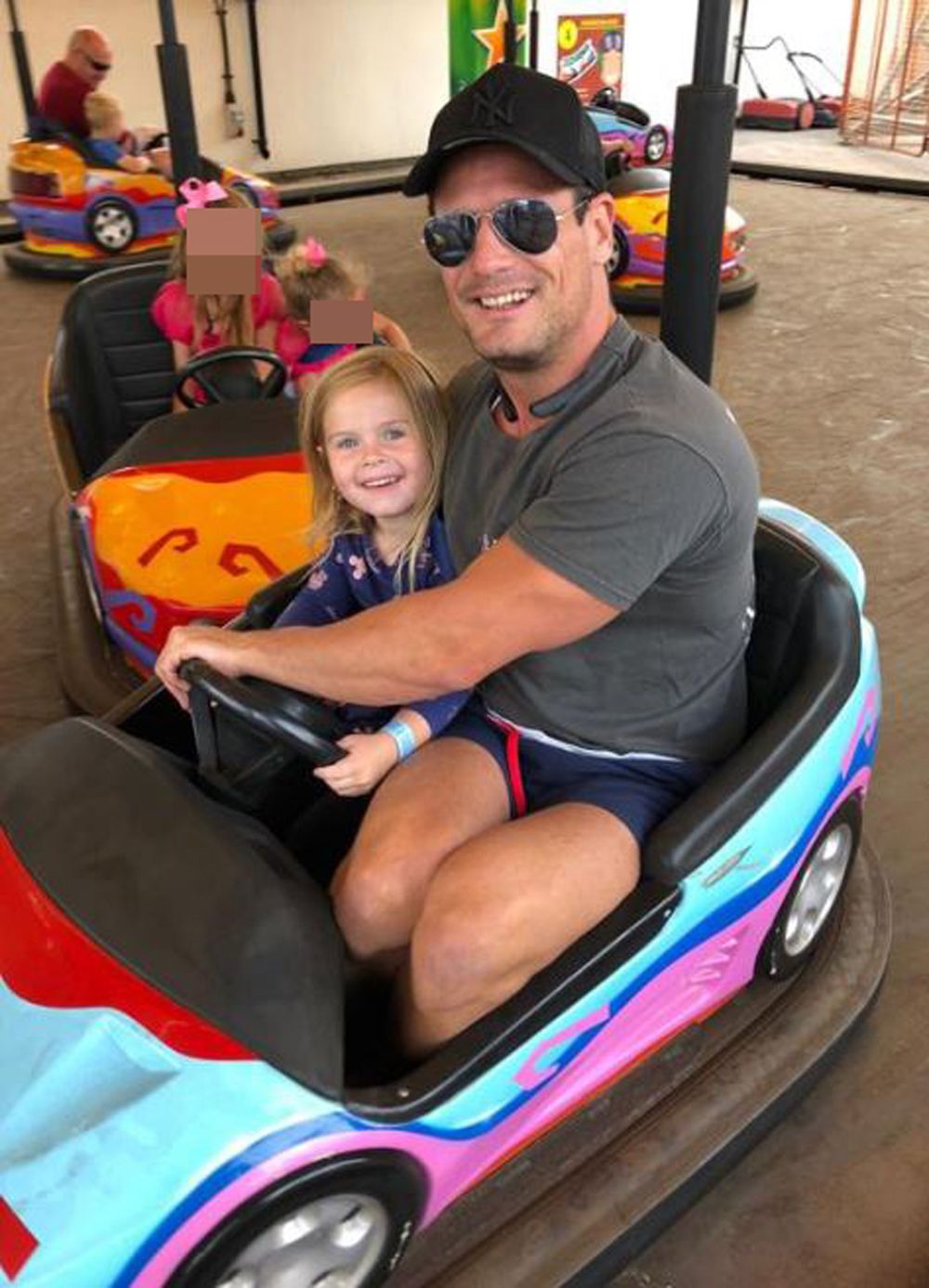
“For a while, I was still instructing on Tuesday and Thursday, but it started becoming too much," she continued.
“The poor students couldn't book their tests when I was in dialysis. And it made me feel fatigued and tired."
In September 2014, Whittaker was back in Southend University Hospital having her right kidney removed.
“Surgeons told me my second kidney had pretty much packed in and that I needed a kidney transplant," she said.
“But I couldn't have one until my second kidney was removed, or it could spread disease from the old one to the new one."
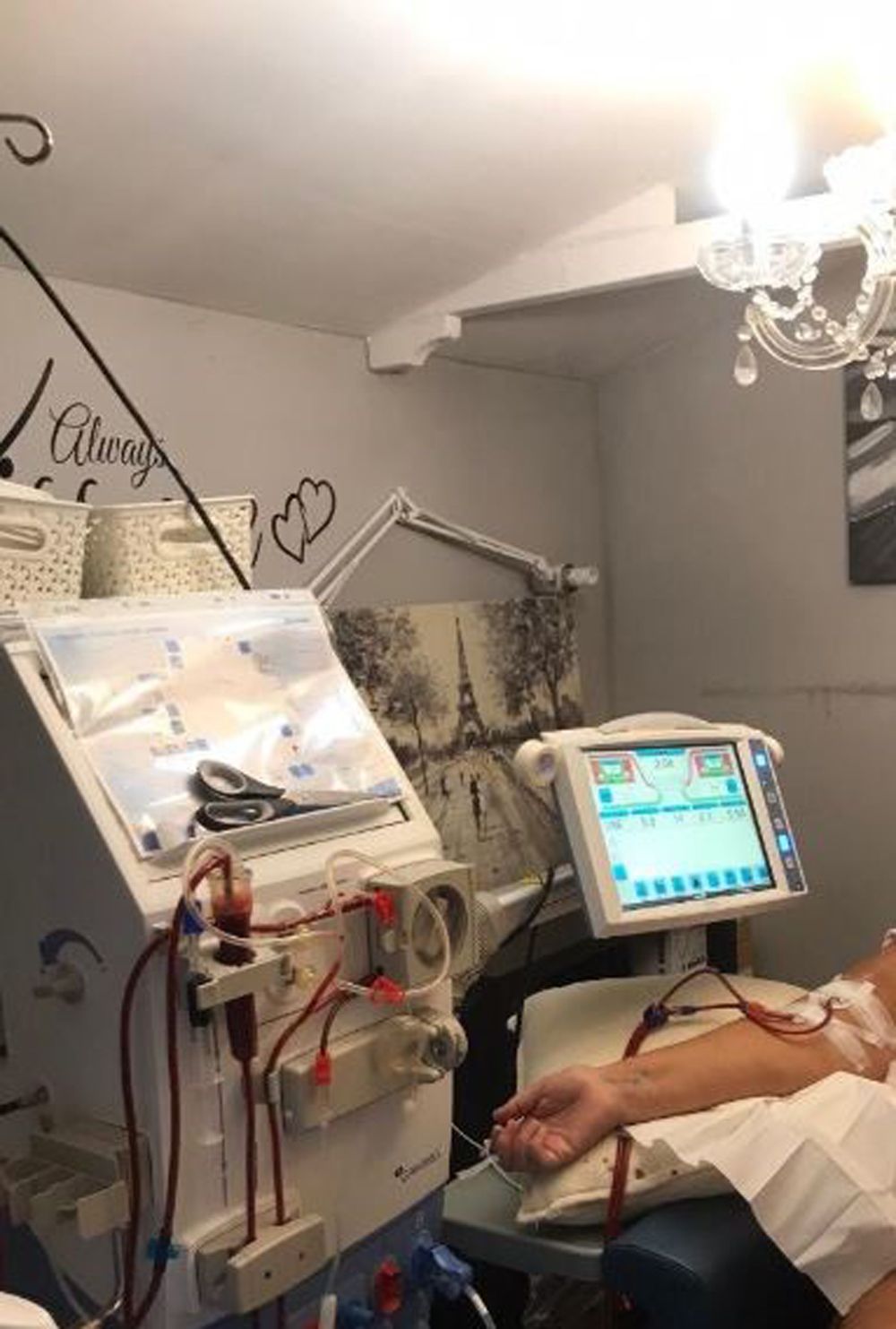
“After surgery, though, I still couldn't have a transplant, as my blood pressure was so low from the dialysis that I couldn't be anesthetized," she continued.
“It's the catch 22 so many people needing a new kidney face – they're too ill because of dialysis to get one."
While she waited to reach full strength, Whittaker's whole family got tested to see if they were a match and Andrew and John were both suitable to donate.
“I was tearful, to say the least. I didn't want to put either of them through the operation, because I knew how much it hurt," she said.
“But, after a lot of sleepless nights, I reluctantly agreed to Andrew being my donor."
Her blood pressure remained too low for her to survive a transplant for the next five years, so she stayed on dialysis.
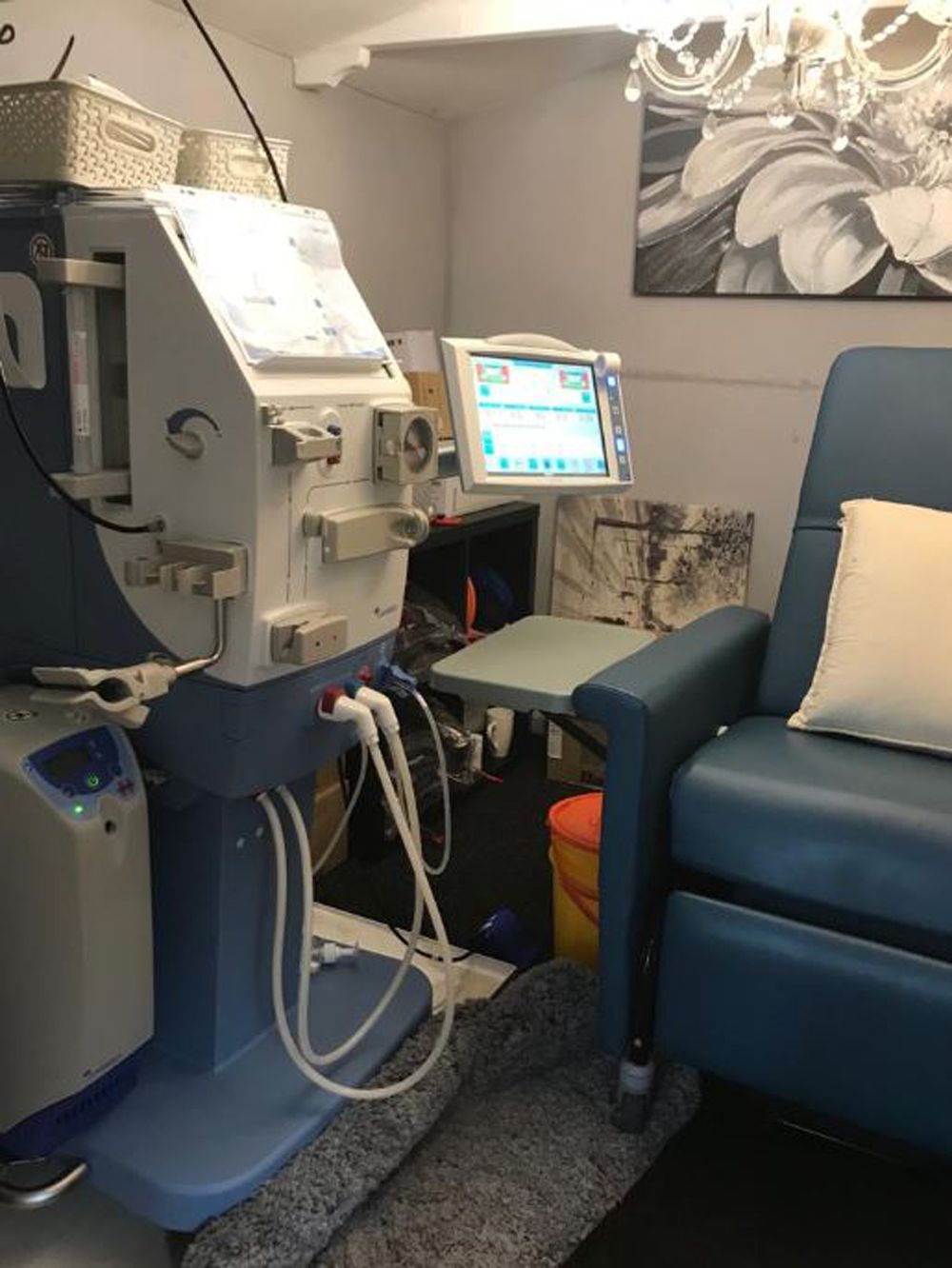
Then, from mid-2019, her health began to improve after she started being given dialysis at home.
“After five years of dialysis, I was told I was eligible to have a machine at home and I've been loving life ever since," she said.
“It means I can choose which days I have on and off it. I can plug in any day of the week, for however long I want."
And, she saw an improvement.
“I choose to do four or five days a week, depending on the schedule – as long as I do 12 – 15 hours a week with no time off, it works," she said.
“Doctors told me that doing it five days a week was why my blood pressure was improving. The machine doesn't need to pump with the same degree of force, which, in turn, puts less strain on your heart."
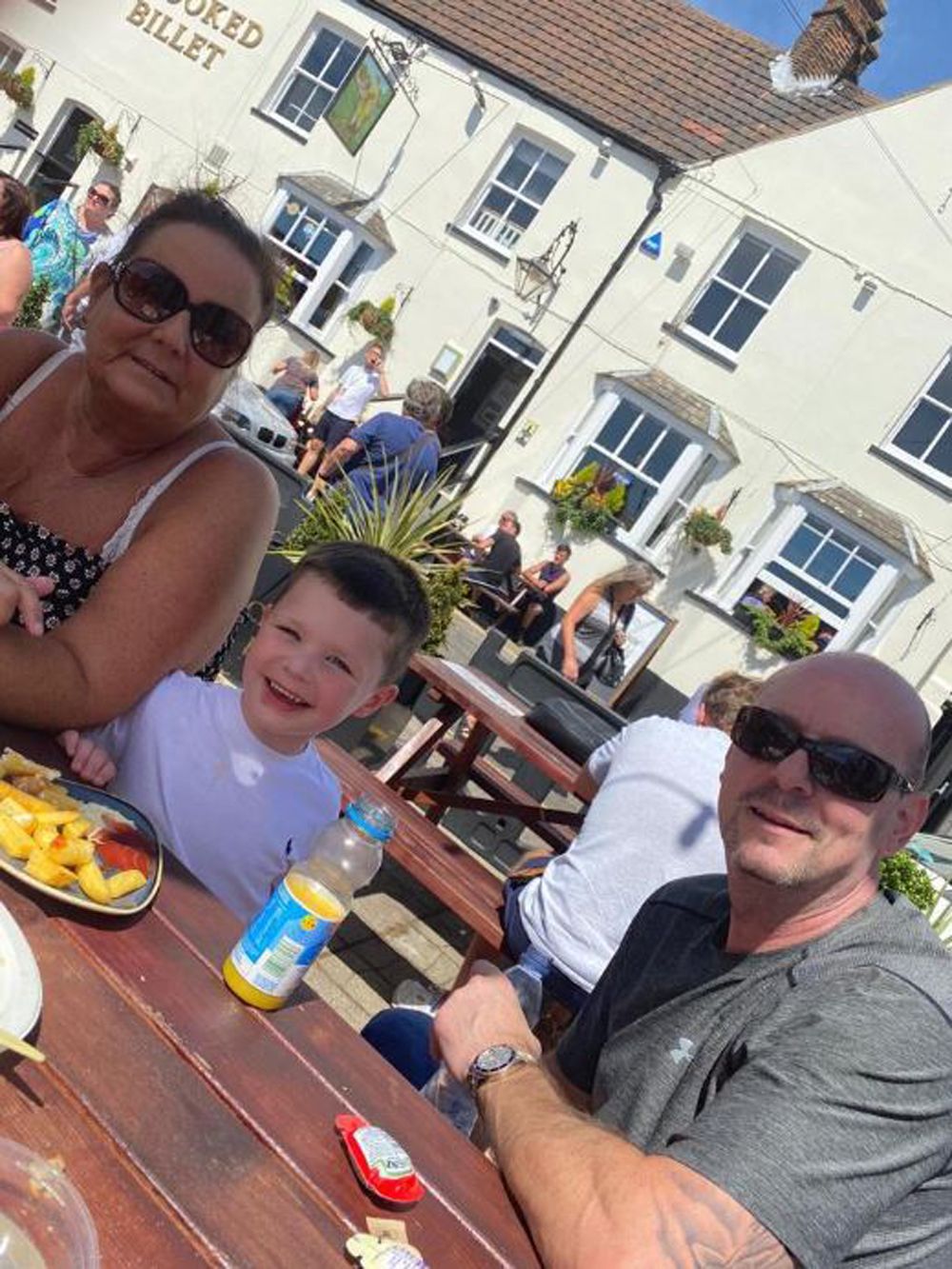
“Finally, at the start of 2020, I was told that, by the end of the year, I could look into having a transplant," she continued.
“And Andrew was more than willing to be the man for the job."
Then the tables turned and suddenly Andrew's health became their focus and he was referred for an endoscopy at the end of June.
“He's had heartburn for years," Whittaker said. “So, when he first started complaining after dinner about his acid reflux, we didn't pay a lot of attention."
“When I heard him making an appointment with the doctor, I knew it must be serious. He had to go for the endoscopy on his own, because of the pandemic."
Taking a biopsy from the stomach after discovering a small growth, a week later the couple were invited in to see the consultant and Andrew was told he had stomach cancer.
“I knew as soon as they asked both of us in it wasn't going to be good news," she said.
“They had found a 7cm tumor and it was definitely cancer."
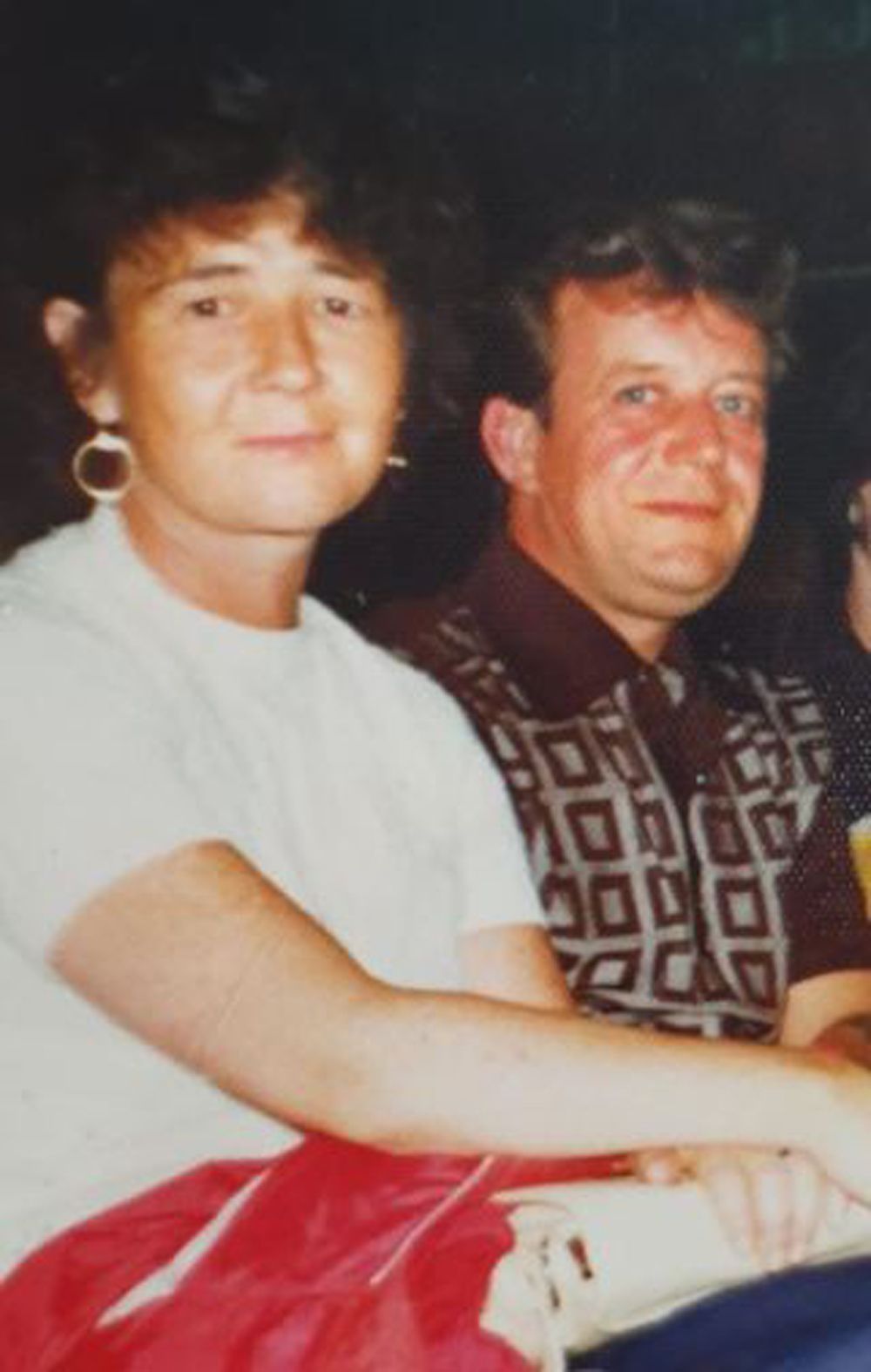
A CT scan performed that week revealed the grave news that Andrew's cancer had spread to his oesophagus and liver.
A week later, he was officially diagnosed with high grade neuroendocrine cancer. Which, according to Cancer Research UK, is a rare form of the disease that develops in the cells of the stomach.
“Doctors told us that, because of how far the cancer had spread, there was no hope of removing it," she explained.
“The only available treatment on the NHS is palliative chemotherapy, to shrink the tumors – adding months, not years, to Andrew's life."
Beginning the treatment earlier this month at Southend University Hospital, Andrew was told he needed six sessions of chemotherapy administered every three weeks.
But Whittaker is now determined to find a way of funding alternative private treatment and is trying to raise $120,000 for immunotherapy.
“We've had a consultation to discuss private immunotherapy at the Royal Marsden in London, but they can't tell us if Andrew is a suitable candidate until after the NHS chemotherapy," she said.
“We would have to pay for any treatment at the Royal Marsden. Andrew's cancer is too far gone to be treated with anything else other than palliative chemo on the NHS."
“We've launched a GoFundMe appeal and set a target of £90,000 but we have no idea of how much it will cost, as some clinics abroad charge £10,000 a week."
For now, her own kidney transplant could not be further from her mind.
“After six years on dialysis, I'm the healthiest I've been on it," she said.
“They've told me I can stay on it indefinitely. I know some people who have lasted on it six months and other people who have done 15 years – so who knows how long I can continue."
“Anyway, having a kidney transplant, at the moment, couldn't be further from my mind," she continued.
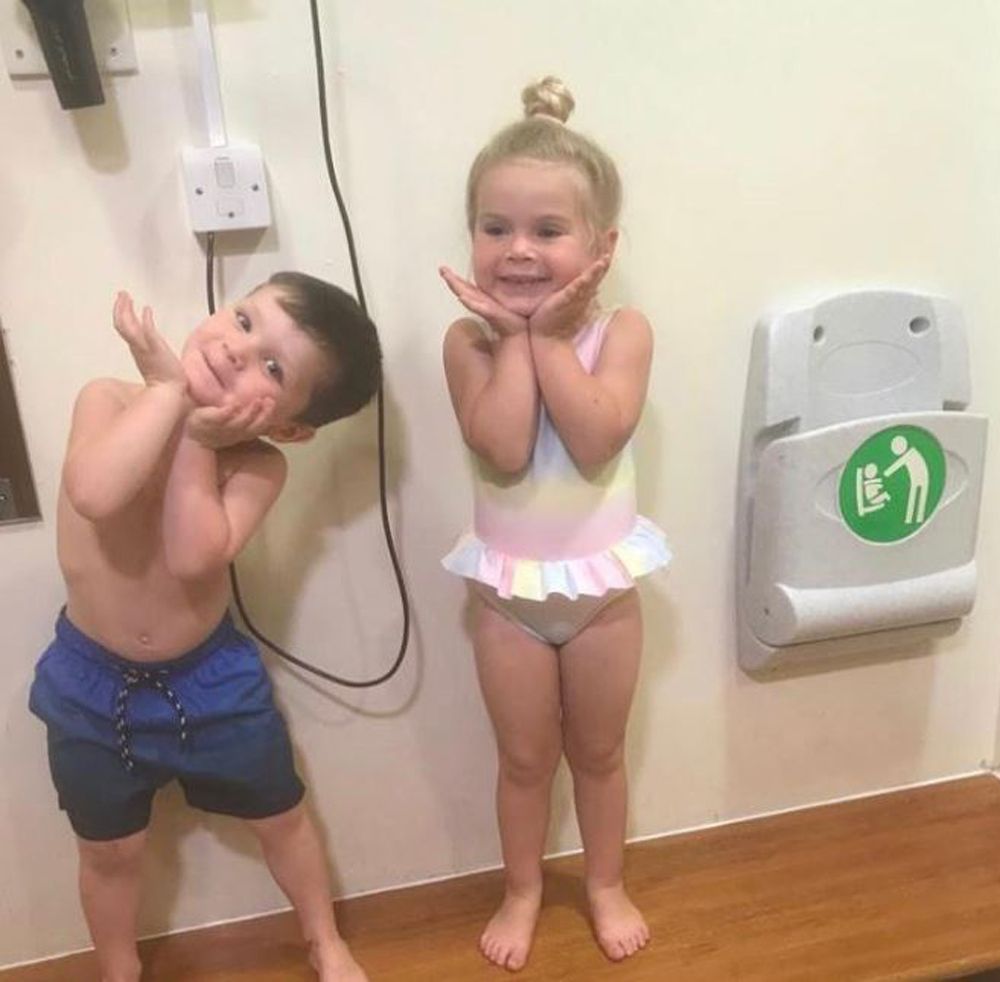
“Andrew and I should have been enjoying holidays and time with the grandchildren. Instead, it feels like we've been robbed of our future."
“I was told by the end of 2020, after six long years, that I might finally be ready to take Andrew's kidney. Now we've been told he has just months left to live."
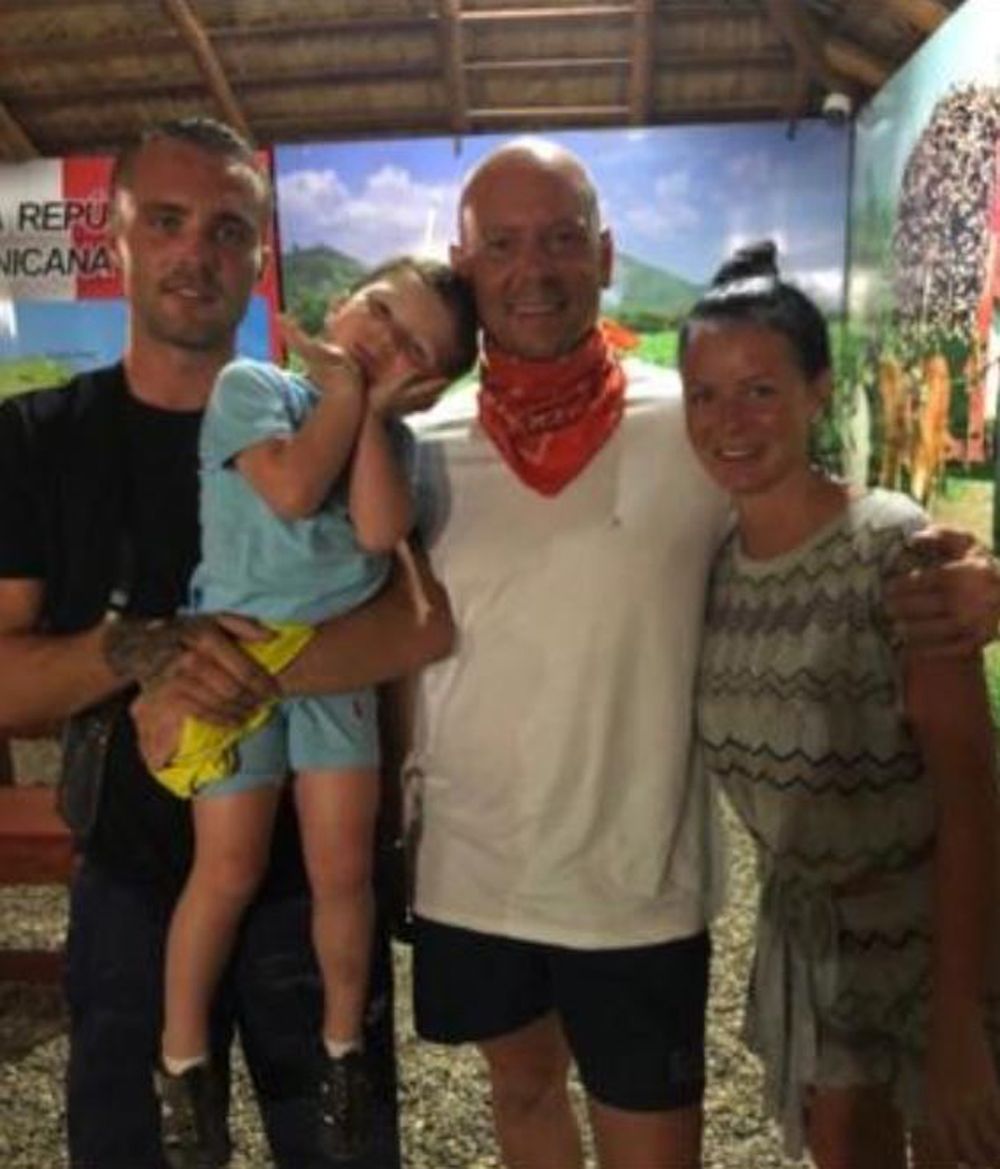
“It's suffocating, it's all I can think about. That's why we're looking into private treatment – we'll do whatever we can to prolong his life, no matter what the cost," she said.
“Life without Andrew is simply incomprehensible for me."
To donate visit Andrew's GoFundMe page here





 @Milbank/X




 reply to @girlcodelettie/TikTok
 reply to @girlcodelettie/TikTok
 reply to @girlcodelettie/TikTok
 reply to @girlcodelettie/TikTok
 reply to @girlcodelettie/TikTok
 reply to @girlcodelettie/TikTok
 reply to @girlcodelettie/TikTok
 reply to @girlcodelettie/TikTok
 reply to @girlcodelettie/TikTok
 @calebs_creative_arts/Instagram
 @drew.brooks15/Instagram
 @mehmoodment/Instagram
 @jojokw_/Instagram
 @yos_marro6/Instagram
 @_j.o.u.r.n.e.y._/Instagram
 @ashton_bedford_86/Instagram
 @lindentreethesea/Instagram
 @logolepsykid/Instagram
 @chef1017/Instagram
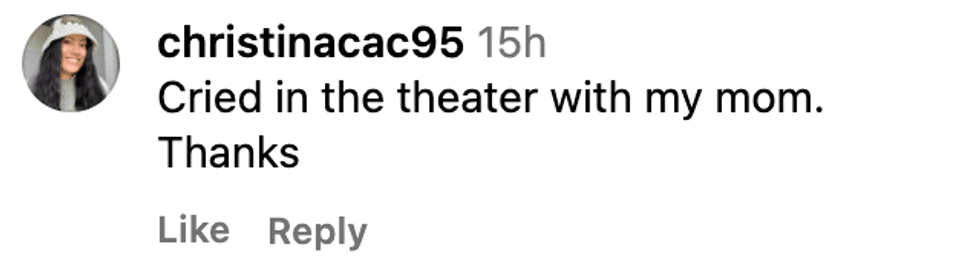 @christinacac95/Instagram
 @iamvelissimo/Instagram

 u/cheerychacha/Reddit
 u/bibidumb/Reddit
 u/MDagg77/Reddit
 u/wefeellike/Reddit
 u/filmstvwatching/Reddit
 u/Cat-Dawg/Reddit
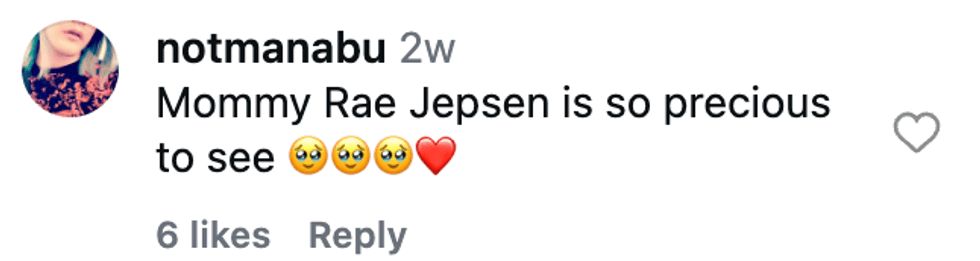 @notmanabu/Instagram
 @ilovutony/Instagram
 @candidcaleb/Instagram
 @cherry_nz9296/Instagram
 @emilyayley/Instagram
 @flossedinparadise/Instagram