
There is no piece of legislation presently generating more tension and ugly rhetoric than HR1, the "For the People Act," which passed the House and in its Senate form is S1, now pending before the Rules Committee (The designation of "1" on each bill was intentional in order to indicate how high a priority this is for Dems).
Democrats say that without the law, the GOP will run roughshod over voter rights across the country, as evidenced by the 243 bills in 43 states they have introduced that will in some ways, both big and small, suppress the vote. On Thursday, for example, Governor Kemp of Georgia signed into law a sweeping election bill that limits the number of county drop boxes, requires photo ID for mail-in ballots, shortens the time to apply for absentee voting, expands the legislature's power over elections, and makes illegal the providing of food or water by third parties to those waiting in line near a polling station, according to the reporting by the New York Times.
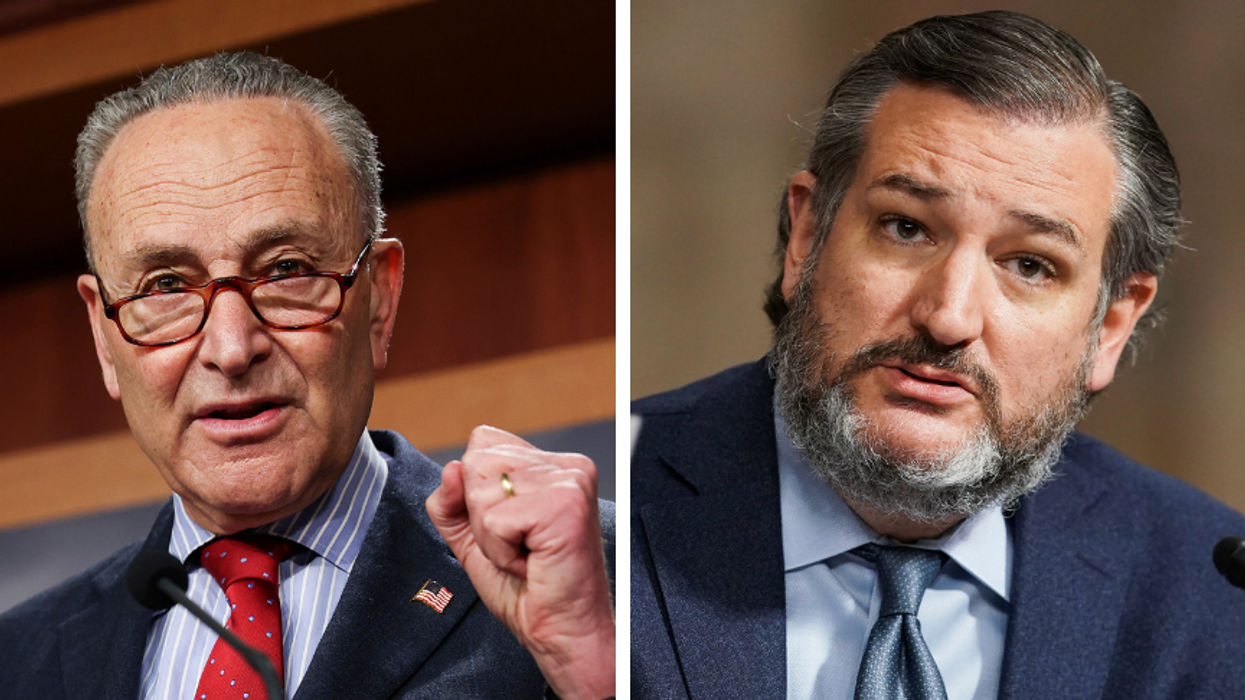
Senate Majority Leader Chuck Schumer (D-NY) demanded as consideration of S1 got underway:
"I would like to ask my Republican colleagues, why are you so afraid of Democracy? Why, instead of trying to win over voters that you lost in the last election are you trying to prevent them from voting?"
Republicans counter that Democrats are attempting to use their majority in Congress to seize power.
Minority Leader Mitch McConnell said:
"This is a solution in search of a problem. States are not engaging in trying to suppress voters whatsoever. This is clearly an effort by one party to rewrite the rules of our political system."
McConnell's statement has drawn derision in light of the mountain of suppressive legislation that has already been introduced this year by GOP legislators around the country.
But looking past the rhetoric, what are some of the specific objections the GOP has to the bill?
Chief among them are the expansions of voter registration and the right of more people to vote, two major goals for Democrats but potentially Armageddon for the GOP. The bill's most controversial provisions automatically register people to vote when they obtain a driver's license, permit same-day voter registration, and extend the franchise to include convicted felons who have already done their time or are serving a probation sentence.
The GOP argues that this will lead to a parade of horribles, including the notion that millions of undocumented migrants would be registered illegally. "Under this bill, there's automatic registration of anybody—if you get a driver's license, if you get a welfare payment, if you get an unemployment payment, if you attend a public university," railed Senator Ted Cruz (R-TX). "Now, everyone knows there are millions of illegal aliens who have driver's licenses, who are getting welfare benefits, who attend public universities…."
Nonsense, say Democrats. The bill does not change any current laws banning non-citizens, including undocumented immigrants, from voting. And while the bill does require every state to adopt an automatic voter registration system, it repeatedly states that only citizens are eligible to be registered.
This also isn't terribly new ground.
The bill expands on the National Voter Registration Act of 1993 which already requires state governments to provide simplified voter registration when someone applies for a driver's license or public assistance, with exceptions for states that offer election same-day registration. There's also already a uniform Federal Form to register to vote, in which the applicants affirm, under penalty of perjury, that they are citizens. That requirement would not change. The difference with the new bill is that the enrollment would be automatic unless the applicant declined.
The GOP warns that automatic DMV-based voter registration would mean people as young as 16 would now be voting illegally because they will have been registered when they obtained a license. But the law expressly states that, while people over 16 would be registered at the time they applied for a driver's license, they wouldn't be permitted to vote until the legal age of 18, and that the bill has no effect on any state's legal voting age requirement. Again, this isn't a new concept; pre-registration of people younger than 18 already exists in a number of states.
Finally, the GOP argues that same-day voter registration would invite fraud. But study after study has shown that there is no evidence anywhere of widespread voter fraud, despite the continued pushing of the Big Lie of a stolen election by President Trump and his allies.
Nevertheless, the GOP cites widespread but unfounded allegations of fraud to argue that voter confidence now has to be restored. They claim the imposition of these expansive measures by the federal government does the opposite of that. In their view, voter regulation should be handled by the states. "We've had a process since the beginning of the country where states and local officials had the flexibility and the ability to make their laws work for voters in their state," said Senator Roy Blunt, the top Republican on the committee overseeing the voting bill.
But Democrats point out that when new voting regulations are left to the states, especially those with long histories of voter suppression, the predictable and intended result has been a diminishment of minority voter participation. That was why the Voting Rights Act had to be passed by the federal government in the first place back in 1964, and why it needs to be reauthorized under the John Lewis Voting Rights Advancement Act now. Moreover, they point out, the Constitution expressly gives to Congress the right, under the Elections Clause, to make any law altering the manner of how federal elections are held.
With respect to an expansion of the franchise to include former convicts, Senator Cruz took aim at what he knows is an easy target. "This bill is designed to get criminals to vote," Cruz warned. And then in an eerie echo of the Trump campaign's rhetoric, he declared, "This bill says, 'If you're a murderer, if you're a rapist, if you're a child molester, we the Democrats want you voting.'"
But Democrats point out that the bill does not force any states to give currently incarcerated felons the right to vote (an amendment proposed by progressives to include them failed in the House by a wide margin). It requires, rather, that states allow people who committed felonies in the past to vote once they are no longer incarcerated.
The GOP has spent much money and effort lately trying to block such laws from taking effect, the most recent in Florida where, even after the public voted by referendum to allow former felons to vote, the state imposed additional requirements that thwarted this, including the prerequisite that all civil penalties be repaid first, a kind of modern poll tax.
So what's really going on?
Seen broadly, the GOP is attacking automatic registration because it really does work to get more traditionally underrepresented voters registered. Already, 17 states and the District of Columbia have automatic voter registration in place. In Michigan, for example, that recently led to around a 15 percent rise in daily voter registrations processed by the Secretary of State's office in the two-week period immediately following the implementation of the new law, according to a report by Michigan Live. It's numbers like these that have the GOP very worried.
Thus, the GOP is leaning heavily into fear-based rhetoric to stop the bill, doubling down on the idea that undocumented immigrants would be voting because it has already trained its base to believe this, even though there is no evidence this ever happens. Senator Cruz similarly targets and smears convicts because he knows it taps into an irrational fear of dangerous, mostly minority voters.
The GOP must also be worried that it might not succeed at stopping automatic voter registration by way of court challenges. Arizona tried to enforce a law, for example, that required officials to reject the Federal Form for voter registration if it was not accompanied by documentary proof of citizenship, such as a birth certificate.
This ran counter to the National Voter Registration Law's more liberal requirements. The case went all the way up to the Supreme Court, where the Court ruled against the state in Arizona v. Inter Tribal Council of Ariz., Inc. In a 7-2 decision written by none other than the late Justice Antonin Scalia, the Supreme Court held that the NVRA's mandate that states "accept and use" the Federal Form preempted Arizona's additional documentary proof-of-citizenship requirement.
That's bad news for the GOP should HR1/S1 pass and be signed into law. But what are its chances?
Majority Leader Schumer has said that "failure isn't an option" on this law, but success can take many watered-down forms. All eyes are now on how to get the bill past the 60-vote filibuster hurdle that otherwise would doom it. There are 49 Democrat co-sponsors of the bill in the Senate. The only Democrat who has not signed on to it is, predictably, Senator Joe Manchin (R-WV). He has indicated that he wants parts of the law changed before he will back it, but he hasn't indicated which provisions he opposes.
Senator Manchin also presently insists that the bill receive bipartisan support, but that isn't likely at all in its current form, leaving its fate very much up in the air.
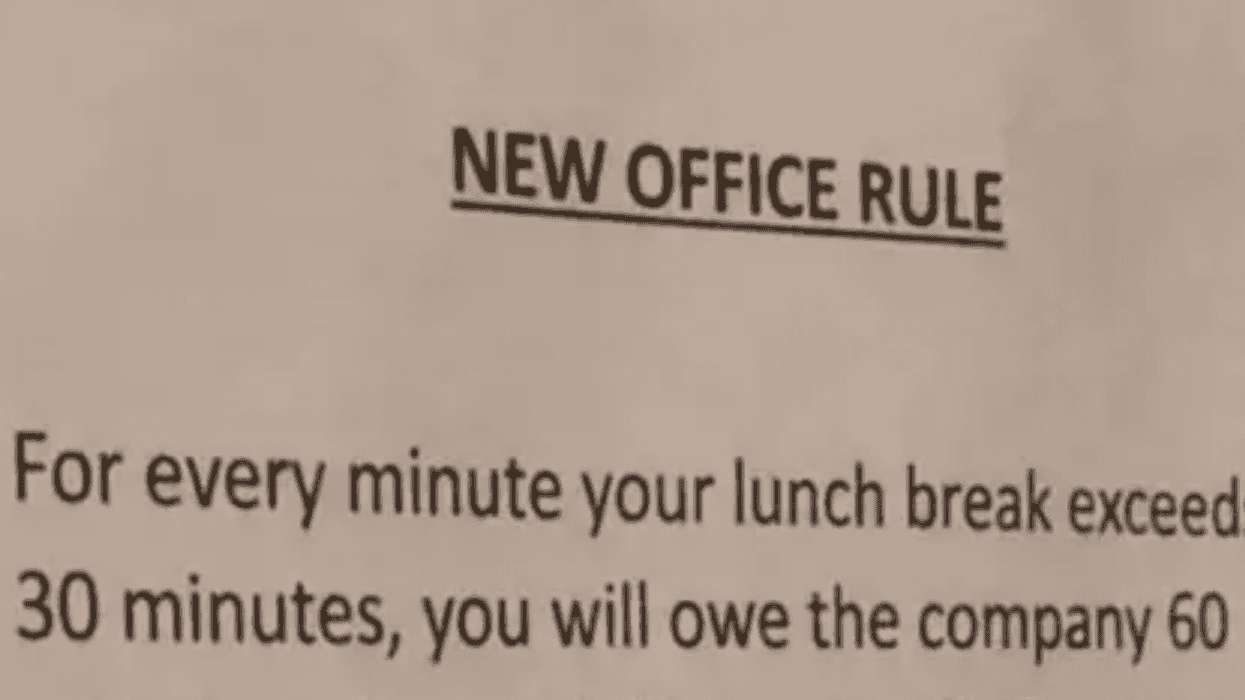


 u/GoldenLink/Reddit
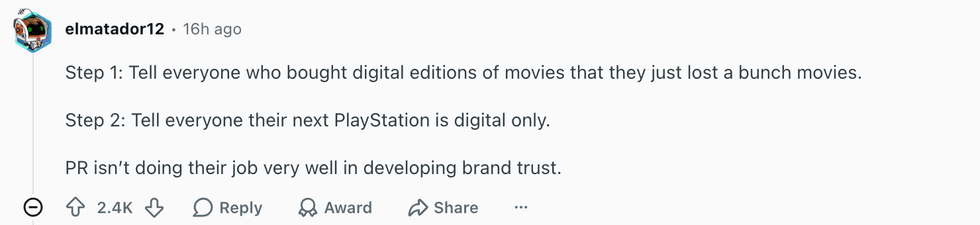 u/elmatador12/Reddit
 u/Anonymous_Fox_20/Reddit
 u/Anonymous_Fox_20/Redditu/royalewithcheese4272/Reddit
 u/Godzilla73/Reddit
 u/rigorcorvus/Reddit
 u/FreshStar7/Reddit
 u/Dry-Membership3867/Reddit
 u/TaftYouOldDog/Reddit
 u/kingkellogg/Reddit
 u/Particular_Umpire_44/Reddit
 u/Realignment33/Reddit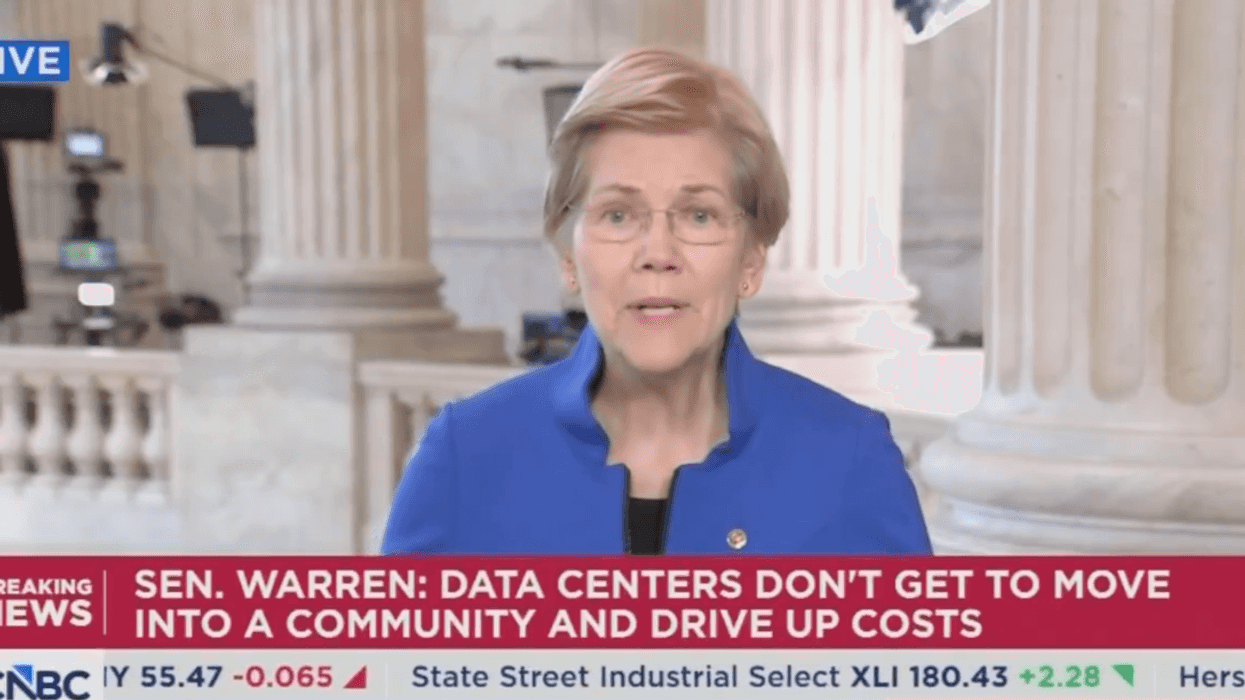
 @chethinks/Instagram
 @chethinks/Instagram
 @bwianajpeg/Instagram
 @celesteperez/Instagram
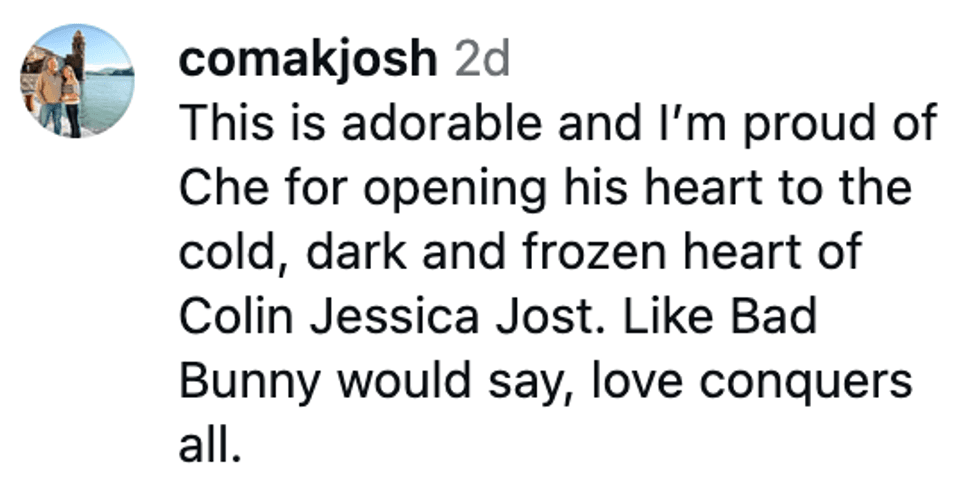 @comakjosh/Instagram
 @tatushkk/Instagram
 @aaronn.hall/Instagram
 @erocka22/Instagram
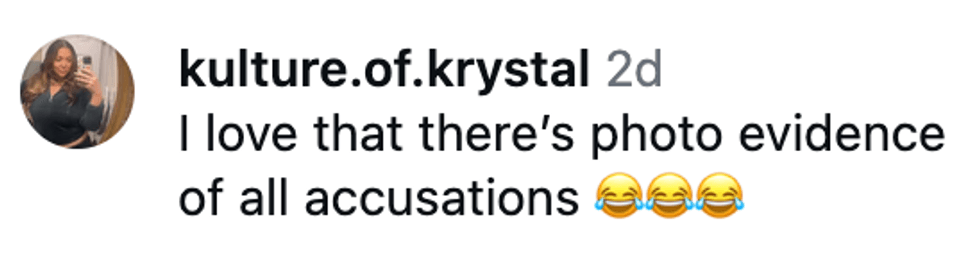 @kulture.of.krystal/Instagram
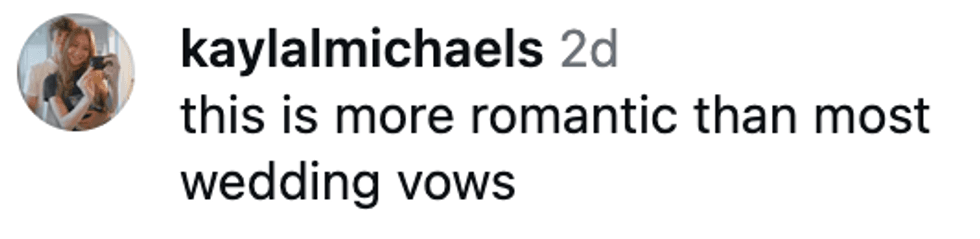 @kaylalmichaels/Instagram
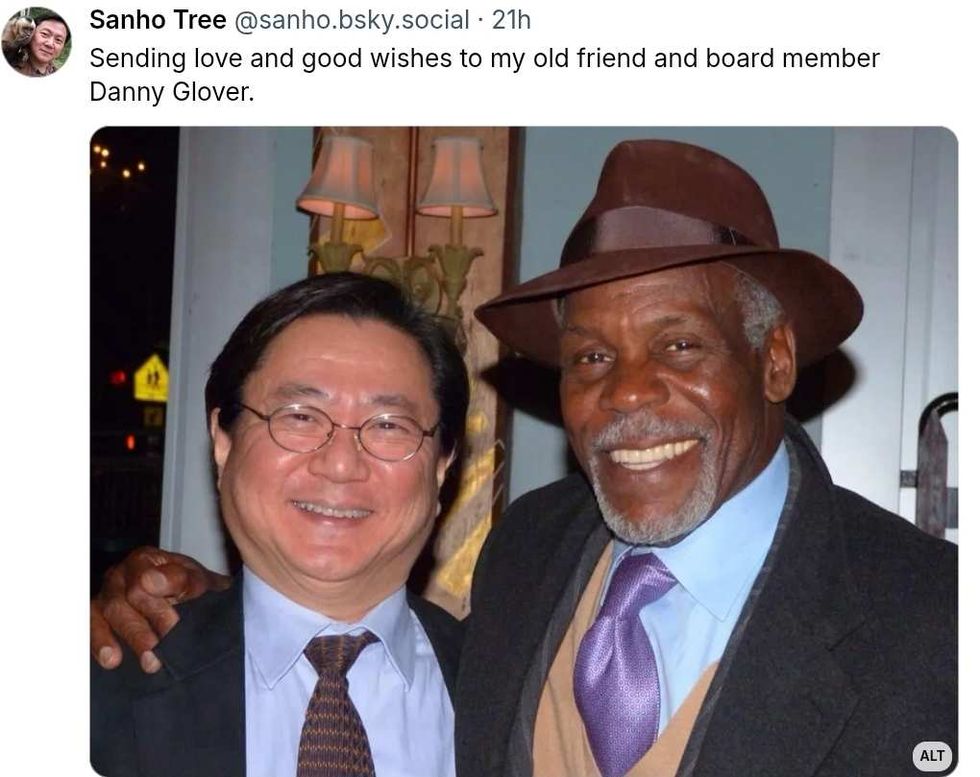 @sanho/Bluesky
 @dytsras/Bluesky