
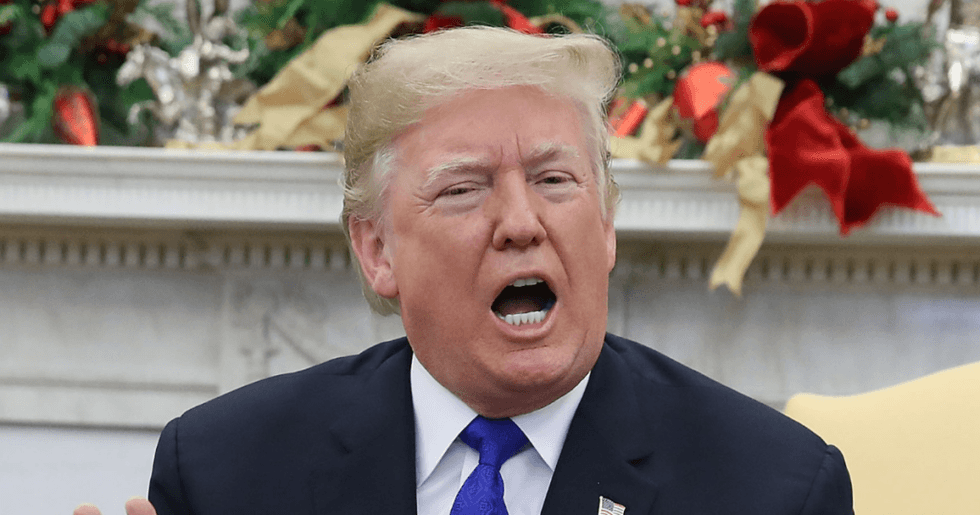

As the government shutdown enters its 27th day––it shattered the record for the longest shutdown in American history this past Saturday––a new NPR/PBS NewsHour/Marist poll finds that President Donald Trump's approval rating has dipped and that he's losing support from his base.
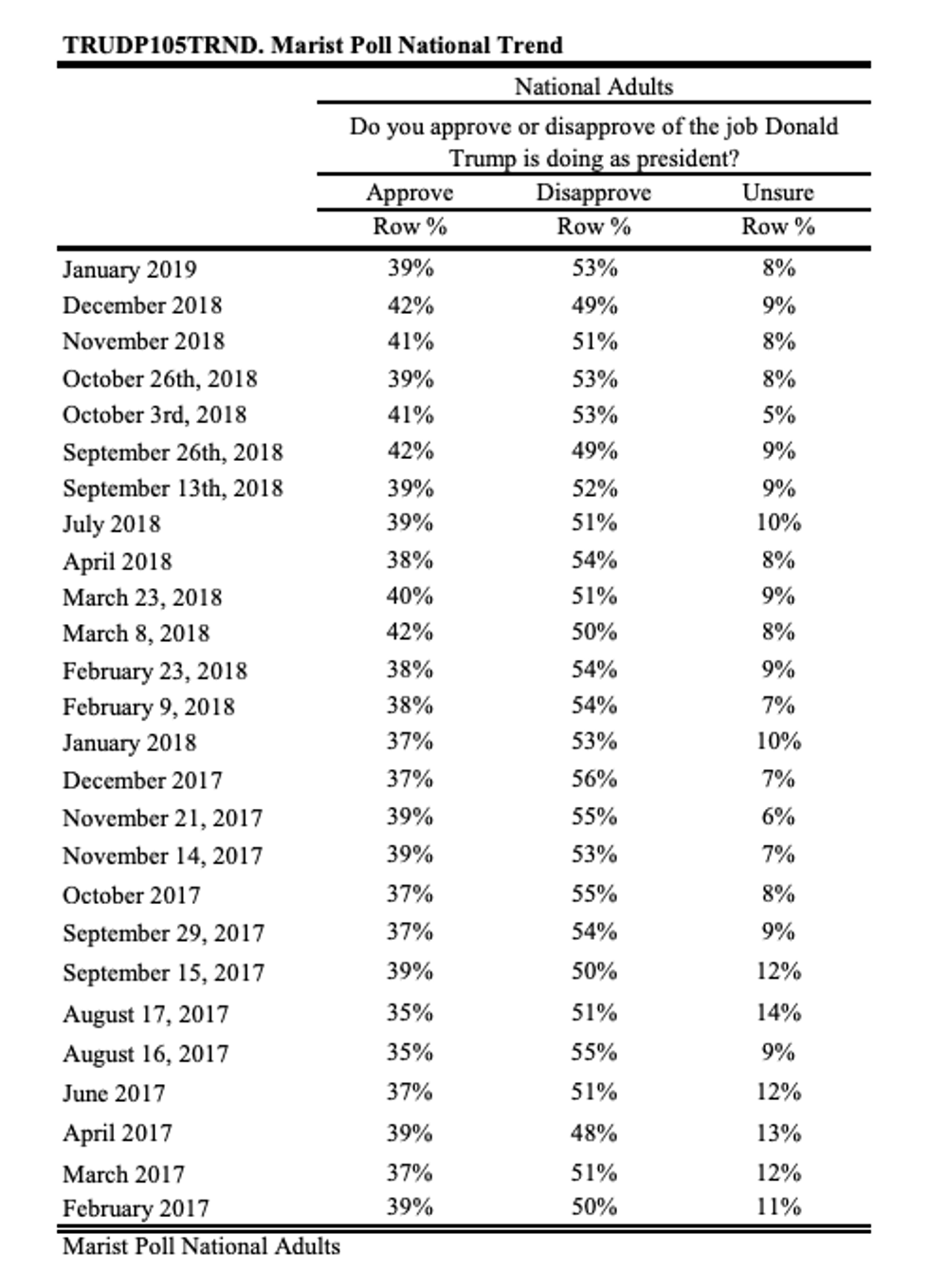
The poll of 1,023 adults, conducted from January 10 to 13, showed that the president's approval rating is at 39 percent with disapproval at 53%, a net loss of 7% since December.
The most surprising finding in the poll is that his decline in approval comes at the expense of traditionally supportive groups including Republicans, evangelicals, suburban men, and white men and women without college degrees. All of these groups were key to his victory during the 2016 presidential election: Losing them could spell trouble for the president's chances at re-election in 2020.
Ten percent of Republicans say they disapprove of the president's overall performance, up from seven percent in December 2018. The number of white men without college degrees who said they approved of the president's performance has also slipped, down to 50 percent this month from 56 percent last month.
White evangelicals also reported a dip in support to 66 percent this month from 73 percent last month. Among suburban men, the president is experiencing a disapproval rate of 48 percent, up from 39 percent last month. And among white women without college degrees, approval ratings have slipped to 43 percent this month compared to 54 percent last month.
The responses were even more sobering once poll-takers asked Republicans and Republican-leaning independents if they wanted another Republican to challenge Trump for the Republican nomination in 2020. The responses were split roughly down the middle: 44 percent of those surveyed said that they would want to see another Republican challenge the president during the next election. 45 percent said no. 11 percent said they were "unsure."
"For the first time, we saw a fairly consistent pattern of having his base showing evidence of a cracking," said Lee Miringoff, director of the Marist Institute for Public Opinion, which conducted the poll. "Don't know if that's temporary — tied to the government shutdown — or a broader problem the president is having."
Miringoff noted that the president has an uphill battle in 2020: Just 76 percent of Trump supporters, 69 percent of Republicans and 58 percent of white evangelicals say they'll support his re-election effort.
"The president has had his base and not much else and when you look ahead to the election ... he enters with a significant disadvantage," he said. "His re-election prospects would definitely be in jeopardy at this point."
The last time the president's approval rating was this low was in October 2018, The table below shows the Marist Poll's national trend over the last two years.
Opposition to the president has only increased amid the government shutdown. As agencies in dire need of federal funds prepare with the possibility that they'll have to shutter their doors, concerns that the shutdown could nudge the country closer to a recession have become more viable.
The president has insisted that border security is unachievable without a wall at the southern border. He’s been quick to remind the American people this as the government shutdown over the wall’s funding rages on. However, a recent Quinnipiac University poll shows that Americans aren’t buying what the president’s telling them.
The poll indicates that 59 percent of Americans believe President Donald Trump’s proposed border wall “is not necessary to protect the border” and “is not a good use of taxpayer money” following his televised address about border security.
Additionally, 55 percent of respondents said they don’t believe the wall would “make the U.S. safer” and 52 percent of respondents said the wall is not consistent with American values. Only 2 percent of respondents said the president’s address changed their mind compared to 89 percent who said it did not change their mind about building the wall.
Respondents also indicated they’re losing faith in the Republican Party. 49 percent of American voters trust Democrats in Congress more than Trump on the issue of border security.
“The GOP is losing the battle as 56 percent of American voters say President Donald Trump and Republicans in Congress are responsible for the shutdown, while 36 percent say Democrats are responsible,” Quinnipiac notes.
Perhaps even more damningly for the GOP, every party, gender, education, age and racial group (63 percent to 30 percent) supports “a Democratic proposal to reopen parts of the government that do not involve border security while negotiating funding for the Wall.” Republicans are the only group against it (52 percent to 39 percent).

 @MuffinsNsuch/X
 @serena_loscalzo/TikTok
 @serena_loscalzo/TikTok
 @serena_loscalzo/TikTok
 @serena_loscalzo/TikTok
 @serena_loscalzo/TikTok
 @serena_loscalzo/TikTok
 @serena_loscalzo/TikTok
 @serena_loscalzo/TikTok
 @serena_loscalzo/TikTok
 @serena_loscalzo/TikTok
 @itsvictoriavega/TikTok
 @itsvictoriavega/TikTok
 @itsvictoriavega/TikTok
 @itsvictoriavega/TikTok
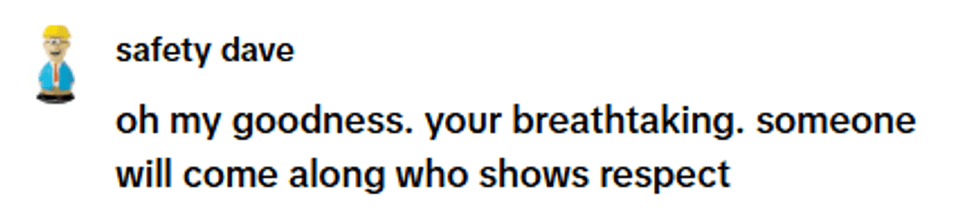 @itsvictoriavega/TikTok
 @itsvictoriavega/TikTok
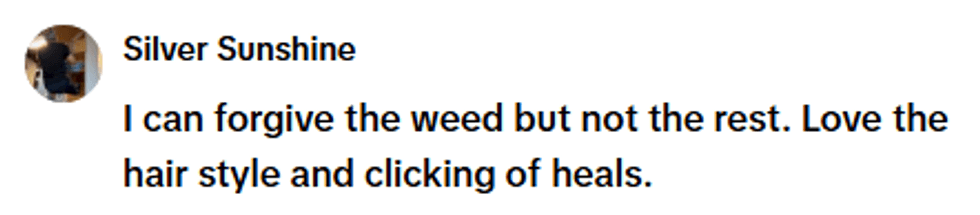 @itsvictoriavega/TikTok
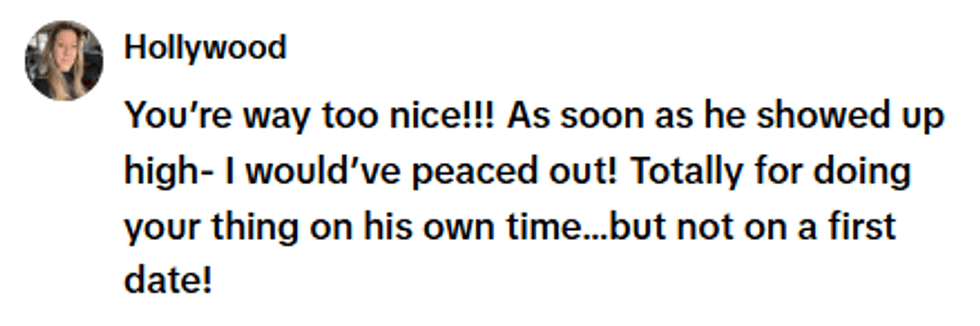 @itsvictoriavega/TikTok
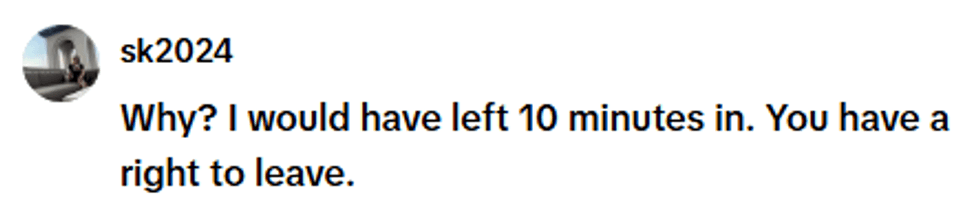 @itsvictoriavega/TikTok
 @itsvictoriavega/TikTok
 @lolxdlolxdlolxd23455/TikTok
 @lolxdlolxdlolxd23455/TikTok
 @lolxdlolxdlolxd23455/TikTok
 @lolxdlolxdlolxd23455/TikTok
 @lolxdlolxdlolxd23455/TikTok
 @lolxdlolxdlolxd23455/TikTok
 @lolxdlolxdlolxd23455/TikTok
 @lolxdlolxdlolxd23455/TikTok
 @lolxdlolxdlolxd23455/TikTok
 @lolxdlolxdlolxd23455/TikTok
Larry David's New Satirical Essay Mocking Democratic Socialists Isn't Sitting Well With People