


A young man who spent a teenage Christmas fearing for his life after hospital staff twice came to his rescue when he feared he was having a heart attack was so inspired by their skill that he is training to be a doctor.
Diagnosed with a heart condition at just 17, Matt Pottage, now 20, recalled waking in the middle of the night in December 2016 with chest pains, unable to breath and with shooting pains down his arm – symptoms usually associated with a heart attack.
Later told he had myocarditis – an inflammation of the heart muscle that affects both its electrical system and its ability to pump, caused by a viral infection like a cold – at first, Matt said he and his family thought the worst, adding:
“The pain was shooting down my left arm and I was shaking. I woke my parents up and told them I did not feel well and they drove me to hospital."

He added:
“They are normally laid back and relaxed, but the fact they were saying, 'This doesn't look good' and taking me to hospital meant I knew they were worried."
Now specializing in emergency medicine at Staffordshire's Keele University – inspired by the teams who treated him – when he was admitted to Wexham Park Hospital in Slough, Berkshire, medics found his heart rate to have risen to 220bpm, compared to the average for a resting man of between 60 and 100bpm.
His blood was also full of Troponin, or Trop T, – a protein found in the heart muscles, which is sent into the bloodstream when the heart is damaged – and in Matt's case had risen from a normal level of between one and seven nanograms per mil to 260, levels which would indicate an adult to be having a heart attack.
Recalling that his case was far from straight forward, Matt explained:
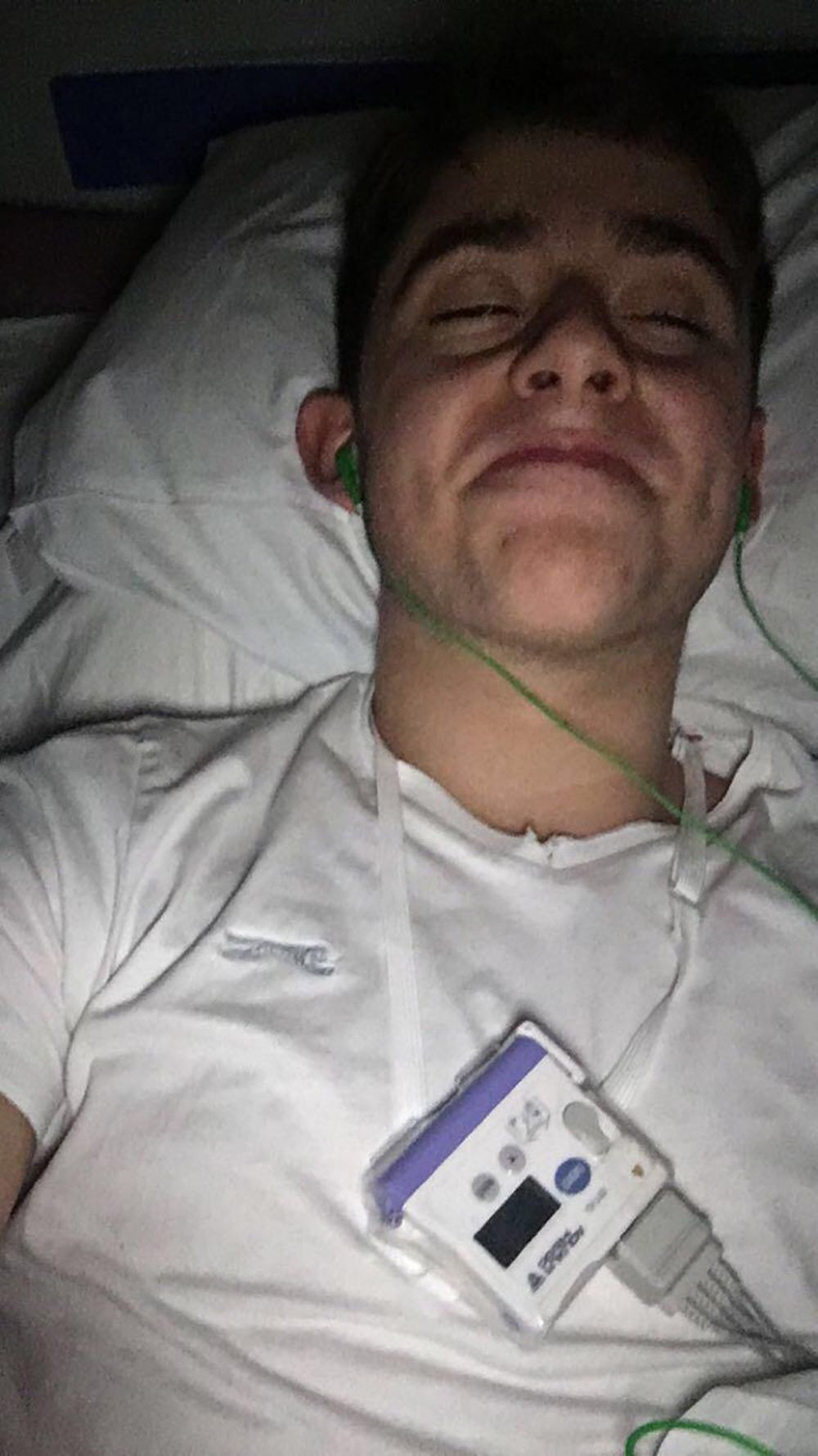
“The doctors said I wasn't having a heart attack, but an electrocardiogram (ECG), which checks the heart's rhythm, showed that something was abnormal, so I was admitted to a coronary care unit."
“They said I was the second youngest person ever to be admitted to that ward. The patients were all adults recovering from angina or heart attacks. I was in hospital for six days, but they still weren't quite sure what was going on."
“I'd had a cold and eventually they diagnosed myocarditis caused by a viral infection. They told me I needed complete rest and prescribed beta blockers, which are used to help slow down the heart."
Matt had been diagnosed with a hole in his heart, called a ventricular septal defect, as a baby. But this common problem never caused him any issues and he has been assured it is not linked to myocarditis, which, according to Cardiomyopathy UK, is an inflammation of the heart muscle wall, which can affect the function and the electrical signaling of the heart.
Caused by infections including viral conditions like colds, flu and chicken pox, people usually recover, as the immune system fights the infection, but it can take several months. Also, severe myocarditis can cause permanent damage to the heart muscle and increase the risk of stroke, or cardiomyopathy, which can lead to heart failure.
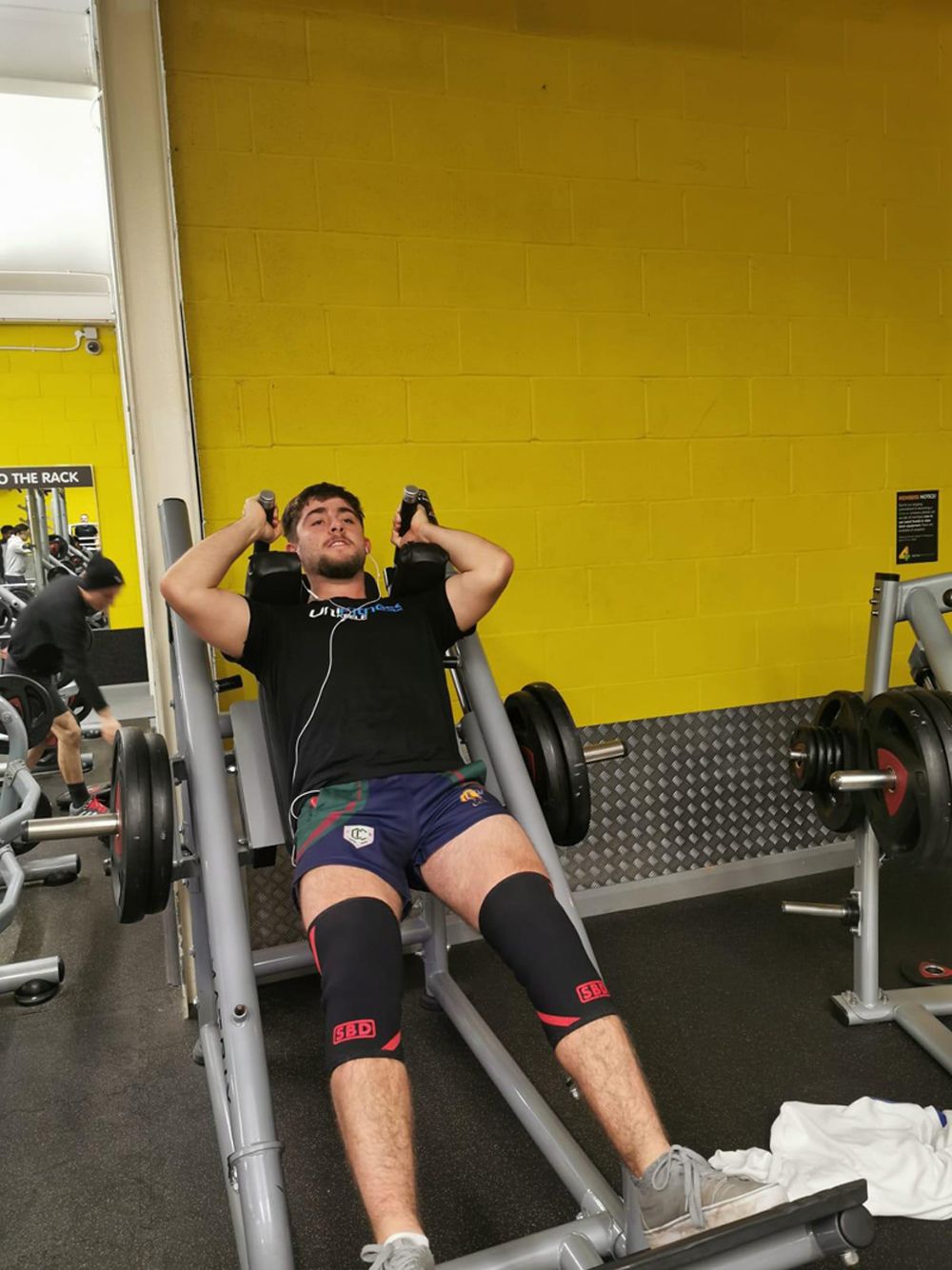
But, apart from having a cold when he was taken ill in 2016, Matt was very healthy, studying hard for his A levels and enjoying sport – particularly rugby.
Recalling how he still felt poorly once he was sent home from hospital, he continued:
“After being discharged, I was still having chest pains and I couldn't do anything. I couldn't walk without getting out of breath, or do anything because of the exertion. It was terrifying thinking that if I overdid it that could be it."
“Myocarditis is linked to sudden death syndrome or cardiac arrhythmic death syndrome. There's nothing you can do about it, you have to try and manage it before it gets better itself."
“And while I was discharged on December 16, by Boxing Day I was having another attack and was taken to hospital in an ambulance."
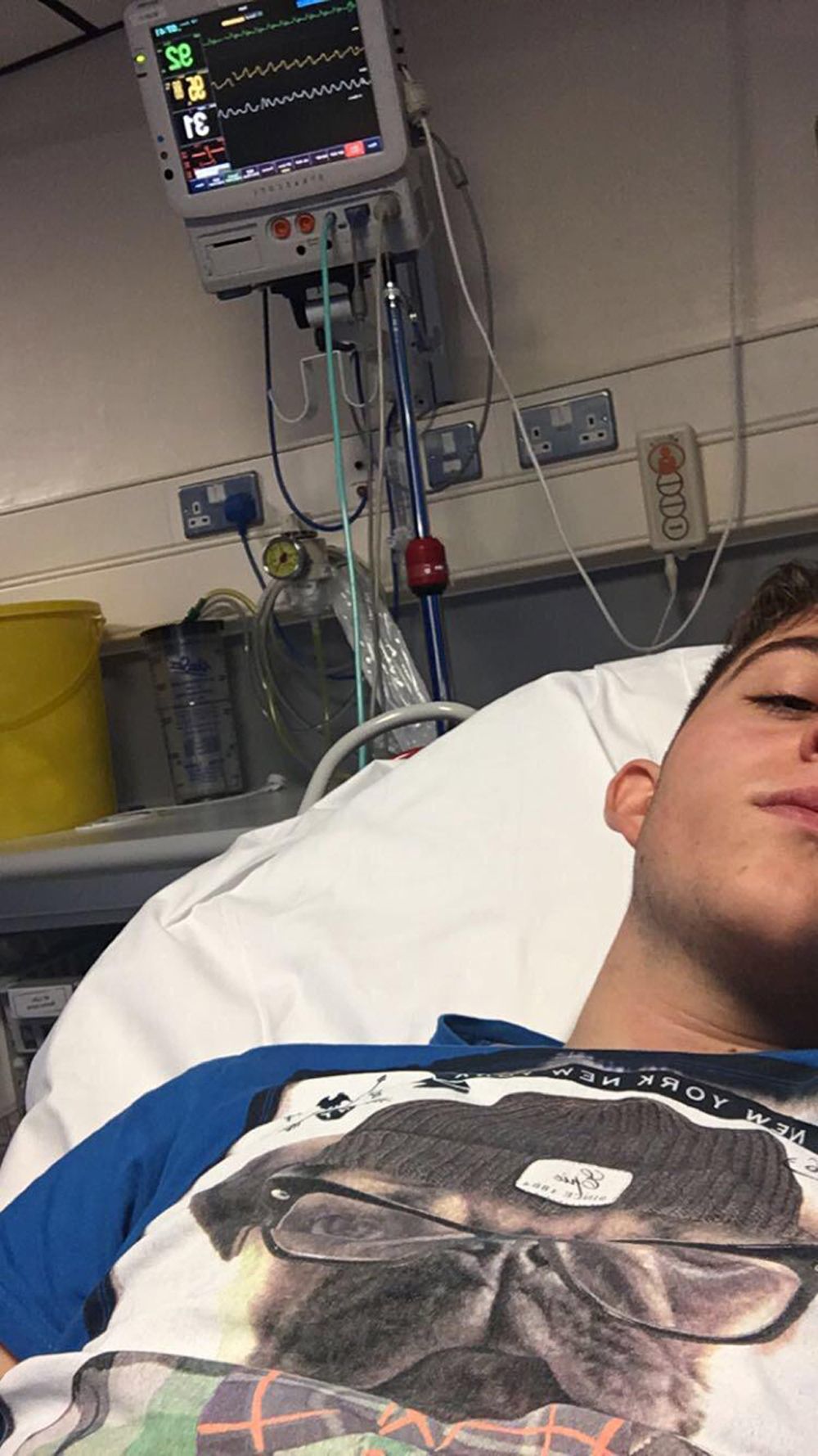
Discharged again within a few hours, Matt was sent home and told not to over exert himself.
But, struggling with coming to terms with his diagnosis, in January 2017, after researching the condition, he sought help from the heart muscle charity the Alexander Jansons Myocarditis Fund – part of Cardiomyopapthy UK – set up in memory of Alexander who died of myocarditis, aged 18, in 2013.
Matt explained:
“They put me in touch with a specialist at the Royal Brompton Hospital in London, so in January 2017 I had a number of tests, including a cardiovascular magnetic resonance scan, which is like an MRI for the heart, which detected scarring."
He added:
“I still couldn't exert myself in case I collapsed, which was really hard, as I went from being a young, active boy to becoming a recluse."
“I was scared. I would regularly get chest pains and every time I wondered if that was it and I wouldn't make it."
“I felt labelled as the boy with the illness. I felt like I drifted apart from friends, because I couldn't go to anything and they didn't really understand what it was. I had to give up rugby. I was missing a lot of school and ended up having to take my A levels at home."

But Matt's experience as a patient – which, by the end of 2018, saw him able to manage symptoms like once weekly heart palpitations with regular monitoring and by taking a medication called colchicine, which is used to treat gout in older men – had a startling effect on him.
Despite, unusually, still being symptomatic two years after his first episode, Matt, who did well in his A levels, inspired by his own treatment, started a medical degree.
Now, although he has to visit the hospital for regular echocardiograms, to scan the heart, his symptoms have rapidly reduced to the point where he now only experiences chest pains around once a month.
He has also been part of a three-year project at the Royal Brompton Hospital to improve understanding of why young people get myocarditis.
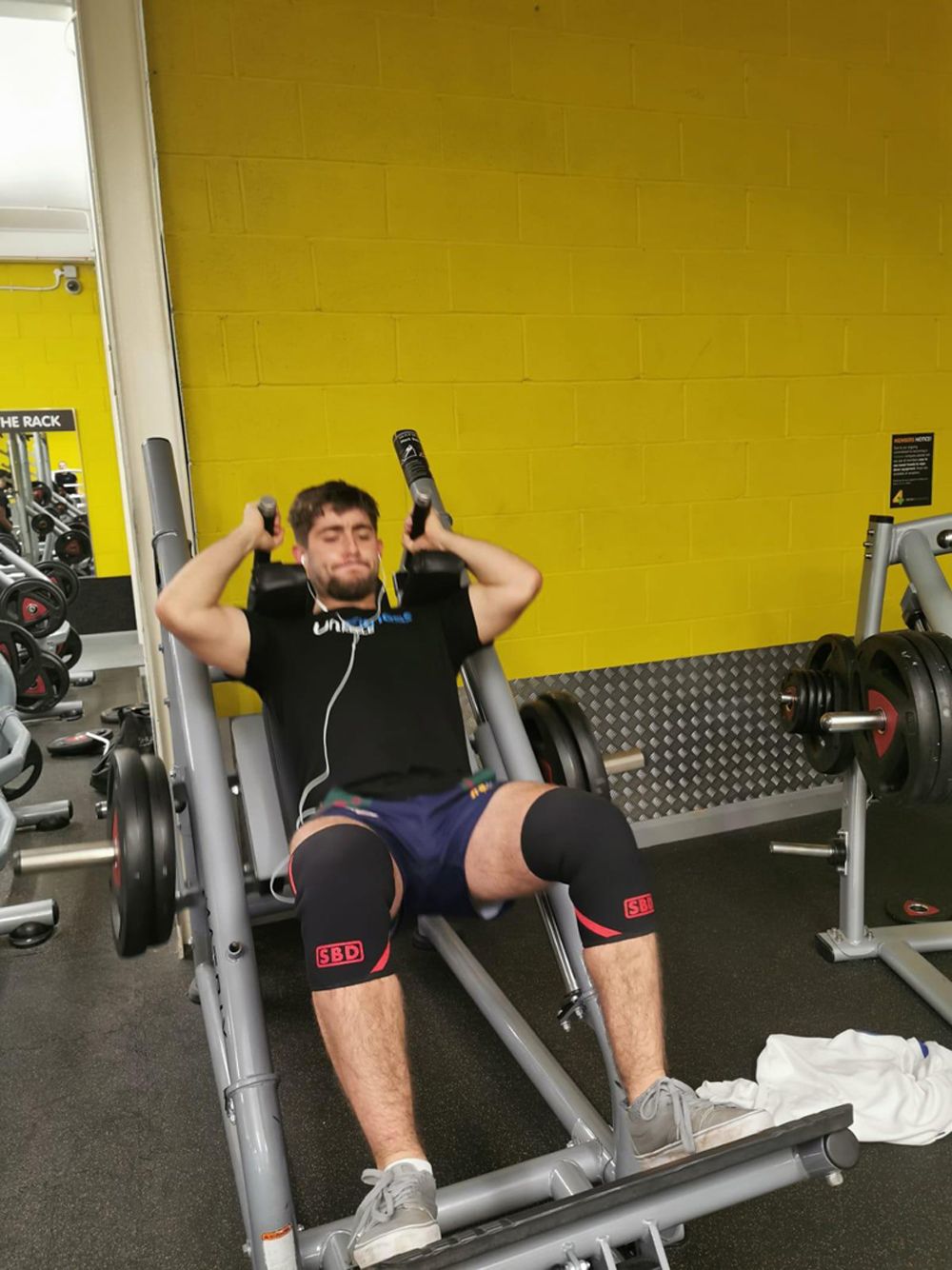
And with careful monitoring, he has been able to resume exercise – even setting up a weightlifting society at university.
He said:
“As far as they can tell I will live a normal life, but I am at risk of developing myocarditis again if I get another viral infection. It's frightening to think it can develop from something as normal as a cold."
“I still have scarring on the heart, which makes me more susceptible. There are certain things that can trigger it, for example, if I go to the dentist. I have to take antibiotics beforehand in case of bleeding in the gums, which is susceptible to infection that can stray into the heart."
“Being part of the research project and spending a lot of time in hospital with people doing their best to try and help, I thought, 'This is a job I could do.'"
Originally hoping to become a vet, Matt swapped to human medicine again because of his own experience.
He said:
“I want to help other people like I've been helped. I am completely in awe of the specialists and researchers who have helped me. At university I run a weightlifting society. We are training to do competitions and we actually train at the same gym as the World's Strongest Man."
“I like the competitiveness of weightlifting and the group I'm with is really encouraging. No-one puts anyone else down, it's all about building people up. Three years ago, I never thought I would be in this place where I was training to be a doctor and if I hadn't been through what I have, maybe I wouldn't be doing this."
Matt is now working with Cardiomyopathy UK to raise awareness of the condition after new research showed 95 per cent of people are unaware that persistent flu-like symptoms can be signs of the conditions
According to the data, people are 59 per cent less likely to visit the GP with symptoms during the winter, when the flu is more common and 42 per cent of people do not visit the GP with persistent flu-like symptoms during winter due to "assuming symptoms would go away" or "feeling guilty for using a doctor's time."
Joel Rose, Chief Executive of Cardiomyopathy UK, said:
“Matt was very young when he first began experiencing problems with his heart. His story is a pertinent reminder that more needs to be done at a primary healthcare level to make people of all ages are aware of the signs and symptoms of cardiac diseases such as cardiomyopathy and myocarditis."
“It's particularly important during the winter season to recognize when flu-like symptoms are lingering for too long, as this is an indicator there could be something more serous going on."





 @alicecharney/Instagram
 @florencepugh/Instagram
 @florencepugh/Instagram
 @joshgad/Instagram
 @wordclown/Threads
 @hudsonwilliamsofficial/Instagram
 @jameelajamil/Instagram





 Rae Markus/Facebook
 Jason Thomas/Facebook
 Terree Hautman Newberry/Facebook
 Judy Tyler/Facebook
 Cat Degges/Facebook
 Susie Doran/Facebook
 Matthew J Bushman/Facebook
 @ddale8/X
 @ddale8/X
 @ddale8/X

 @ellenlindgreninteriors/Instagram
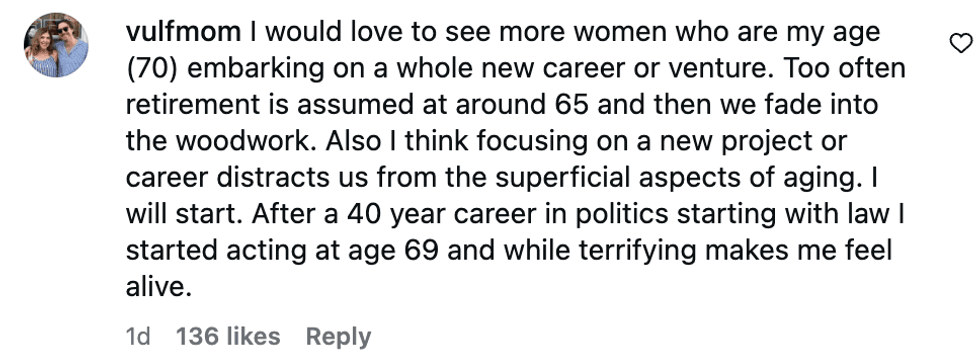 @vulfmom/Instagram
 @maison_manous/Instagram
 @leggs32va/Instagram
 @paulavaleriafridman/Instagram
 @holisticcolortherapist/Instagram
 @thelykkeviking/Instagram
 @joolz65/Instagram
 @buffalocreekrider/Instagram
 @healinghomescaping/Instagram
 @anna.egan.92/Instagram
 @ashleynvoss/Instagram