
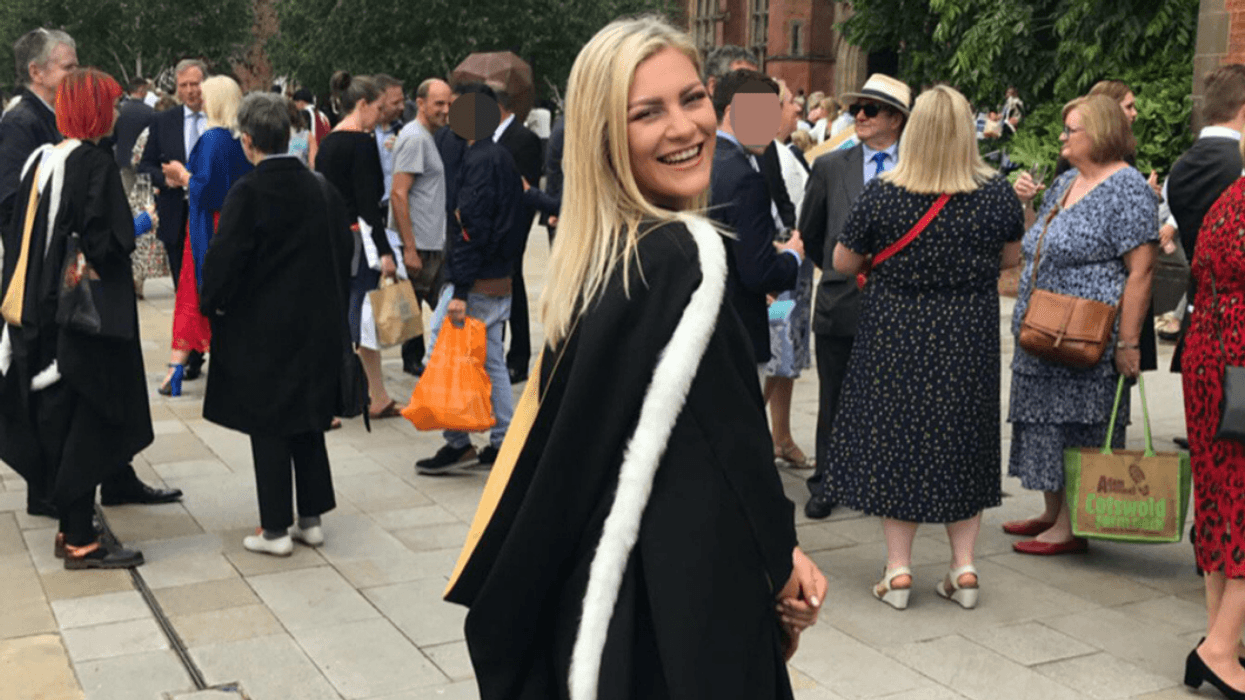

A graduate has revealed how her ultimate adventure became a nightmare when she was told her “jetlag" was in fact leukemia so aggressive it had invaded 90 percent of her blood, when she was 5,000 miles from home.
After gaining a Fine Art degree at Newcastle University, Ella Dawson jetted to Colombia for a seven-week backpacking trip.
Putting the exhaustion, nausea and dizziness she experienced shortly after arriving down to jetlag, it was only when mysterious bruises sprang up all over her body, that Dawson saw a doctor in the city of Santa Marta.
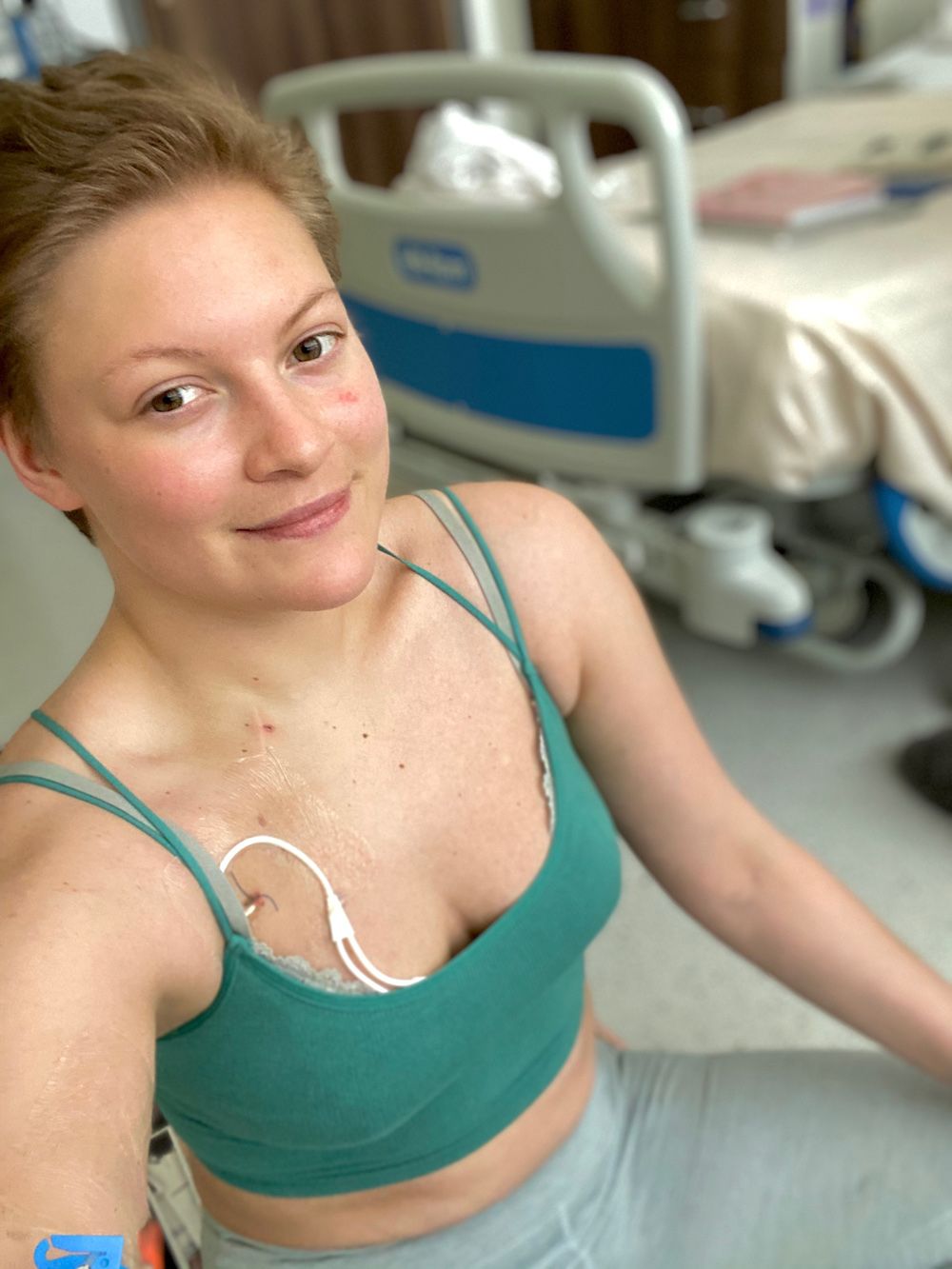
Now receiving a complex and innovative treatment called CAR-T, which removes and “reprograms" her blood cells to fight cancer, the medic sent her for a series of blood tests resulting in her leukemia diagnosis in August 2019.
“By the time I got my diagnosis, I was so unwell that I was expecting a bombshell," she said.
“But it was such a chaotic situation that I almost didn't have any time to process everything. I was thousands of miles away from home, having to use my phone to translate, while doctors explained what was going to happen."
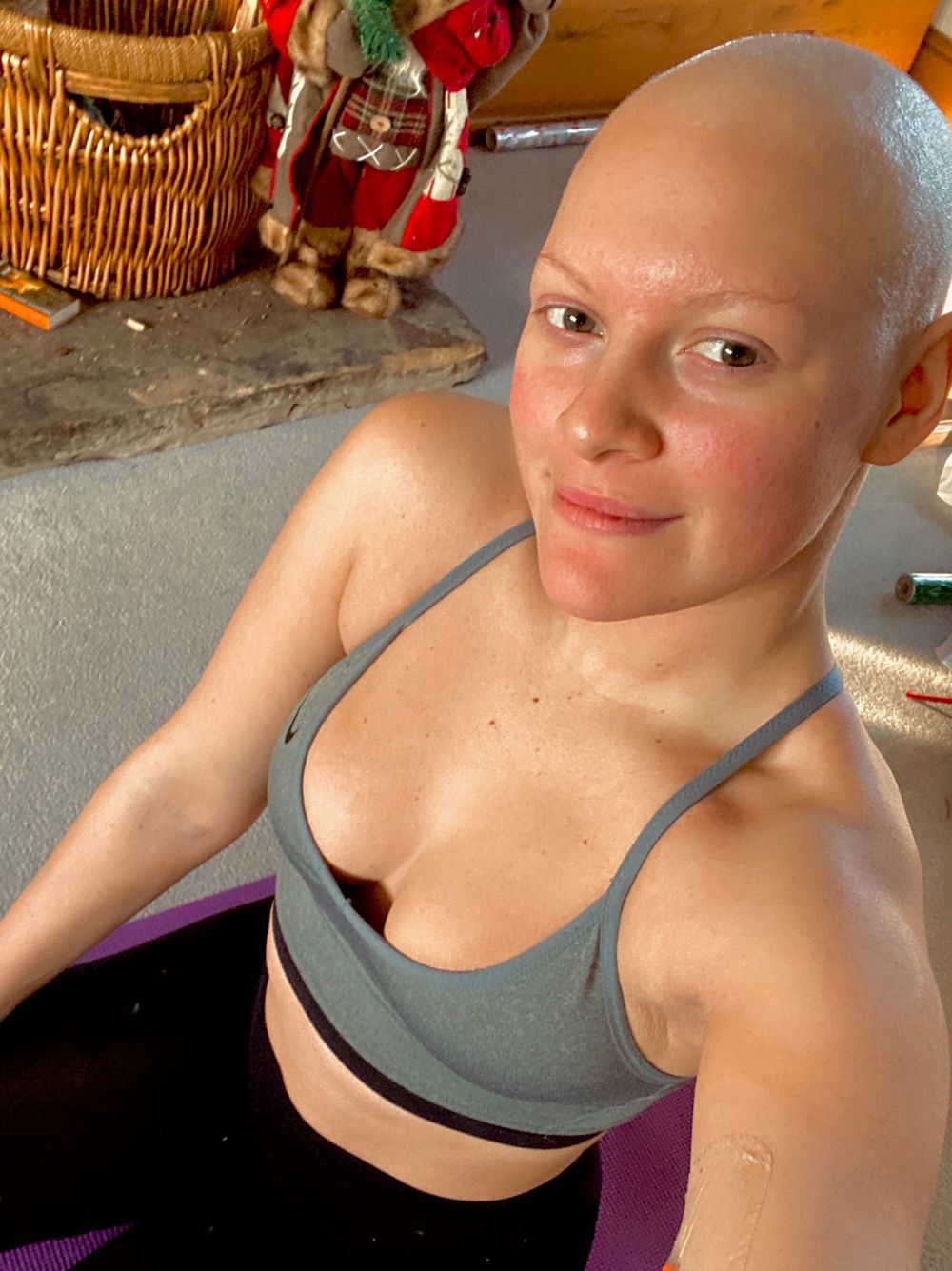
“Even now, I still struggle with the idea that I have cancer. It almost feels like there's a stigma around it, especially when you're young and, on all of the leaflets I was given, everybody looked so unwell and depressed," she continued.
“It's not been easy, but I've been determined to make the most of the good times and strive for moments of normality when I can. It's what's got me through."
Looking back, Dawson believes her cancer symptoms first began to show in around April 2019, when she returned home for the Easter holidays and felt run down and fatigued.
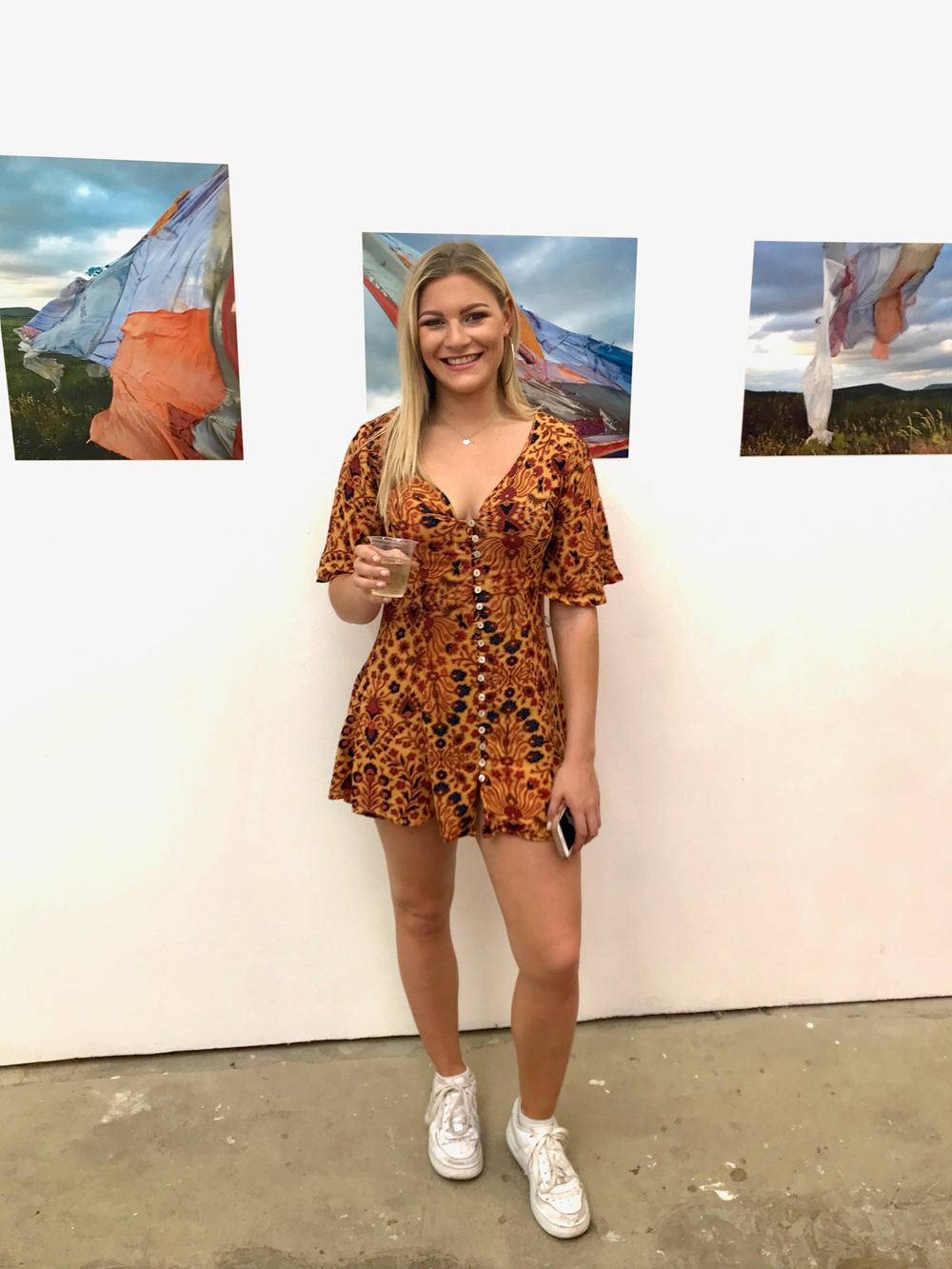
“I was usually quite fit and would go to the gym four times a week, but I found myself struggling to keep up," she said.
Busy studying, she put her symptoms down to final year stress.
Dawson has had an under-active thyroid, which can also cause tiredness, muscle aches and weakness, according to the NHS.
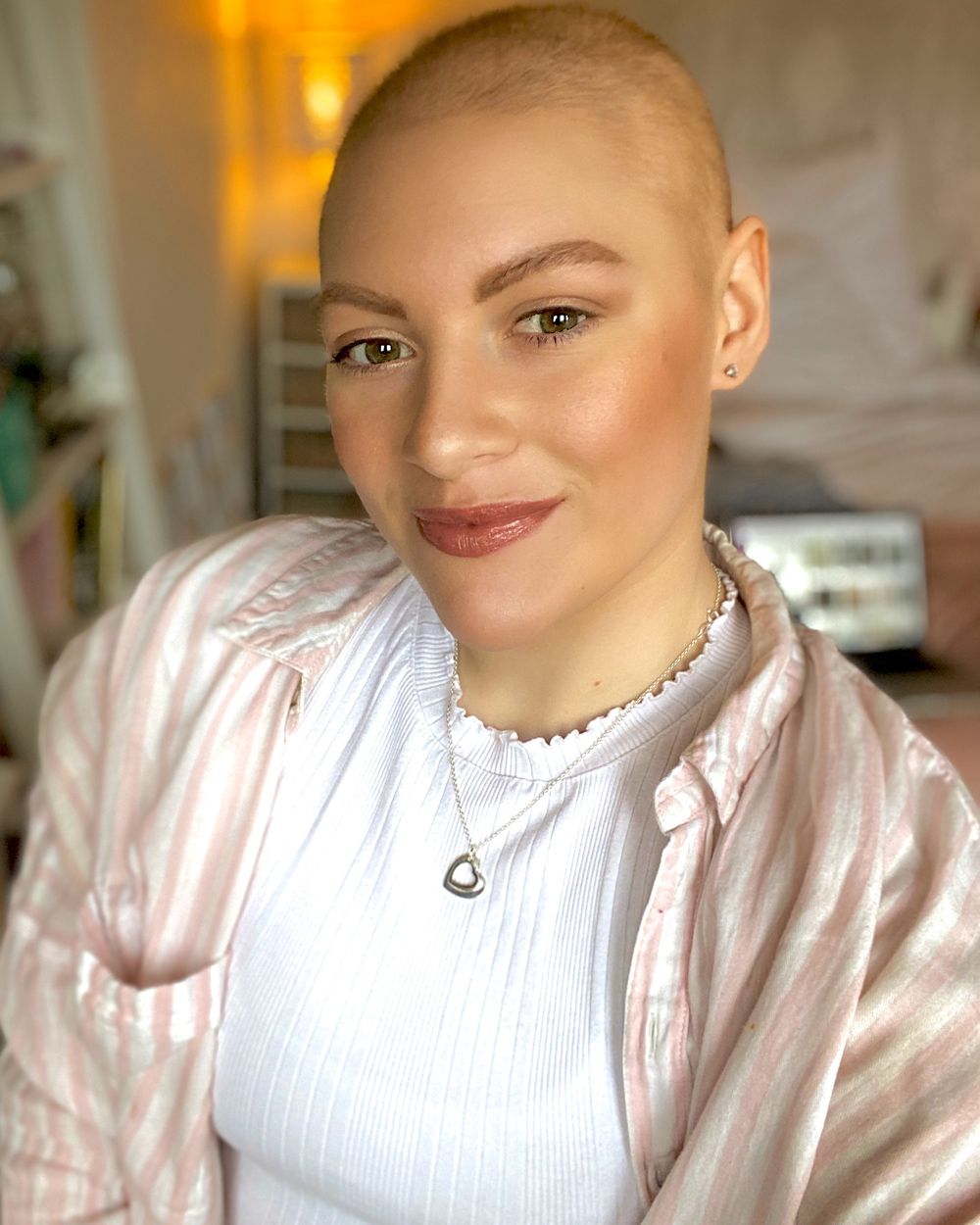
“I thought my tiredness was just a combination of the two," she said.
Once her degree show was over in June and she moved back to Huddersfield, she was soon distracted by thoughts of the seven-week trip around Colombia.
In the weeks leading up to her departure in August, she became increasingly worn down and kept catching bugs and colds. On one particularly memorable occasion, feeling so dizzy after just 30 minutes of horseback riding that she almost passed out.
“I saw the doctor to be on the safe side and she took my blood pressure," she said.
“Everything looked normal, so I was told it was likely just the heat making me feel faint. The doctor said to come back a week later if I felt worse, but I'd be in Colombia by then, so I couldn't."
“The day I left for my trip, I looked and felt absolutely knackered, but I just kept telling myself that once I got there and relaxed, I'd be fine."
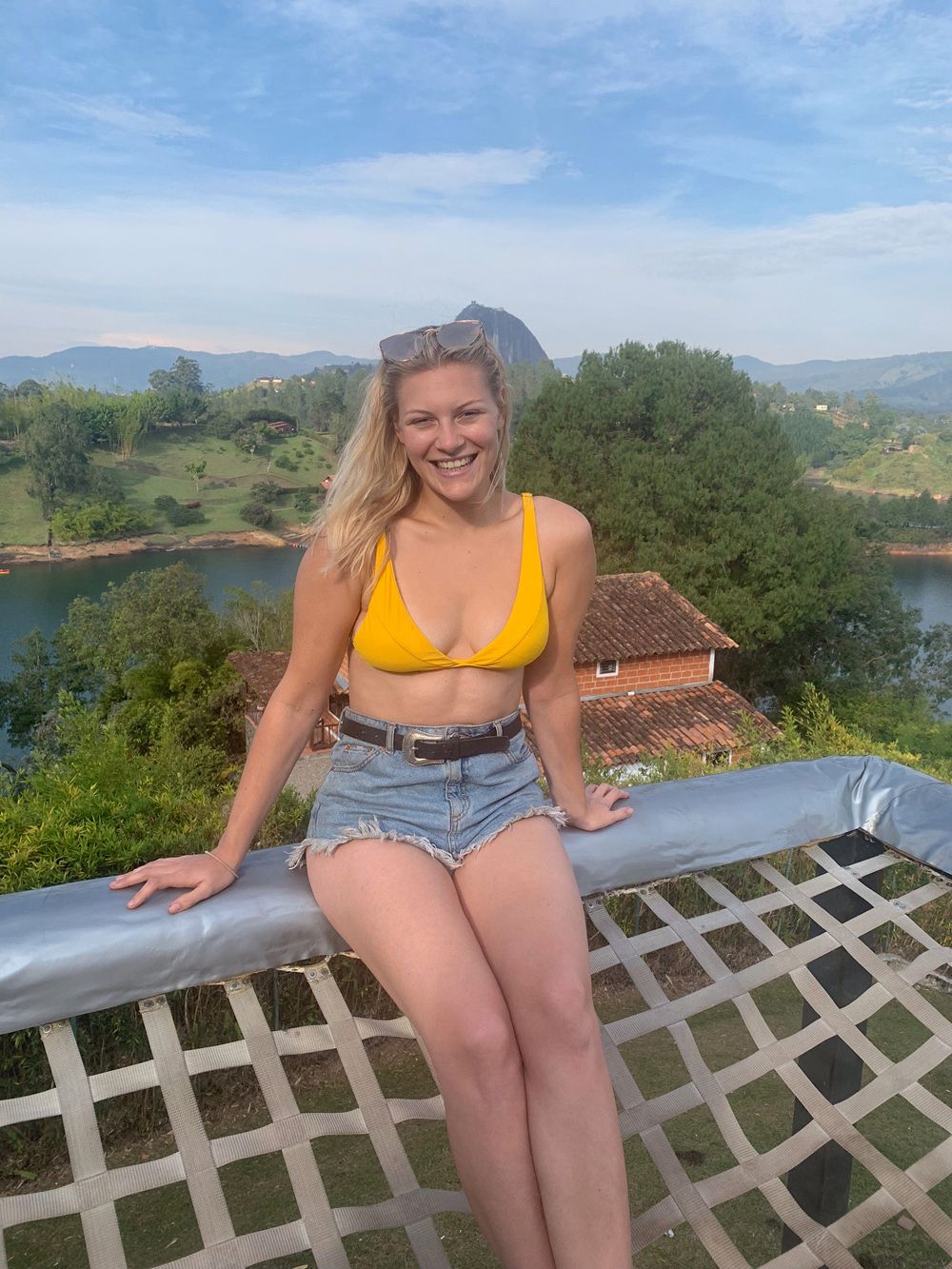
Touching down in Bogota, Dawson felt so exhausted that she spent the first three days of her trip in bed.
“I could barely walk, let alone get out to explore. I spoke to the staff at the hostel where I was staying at and they reassured me that, because Bogota has a high altitude, a lot of people struggle to acclimatize when they first arrive," she said.
“That, plus the jetlag, made perfect sense, so I didn't worry too much."
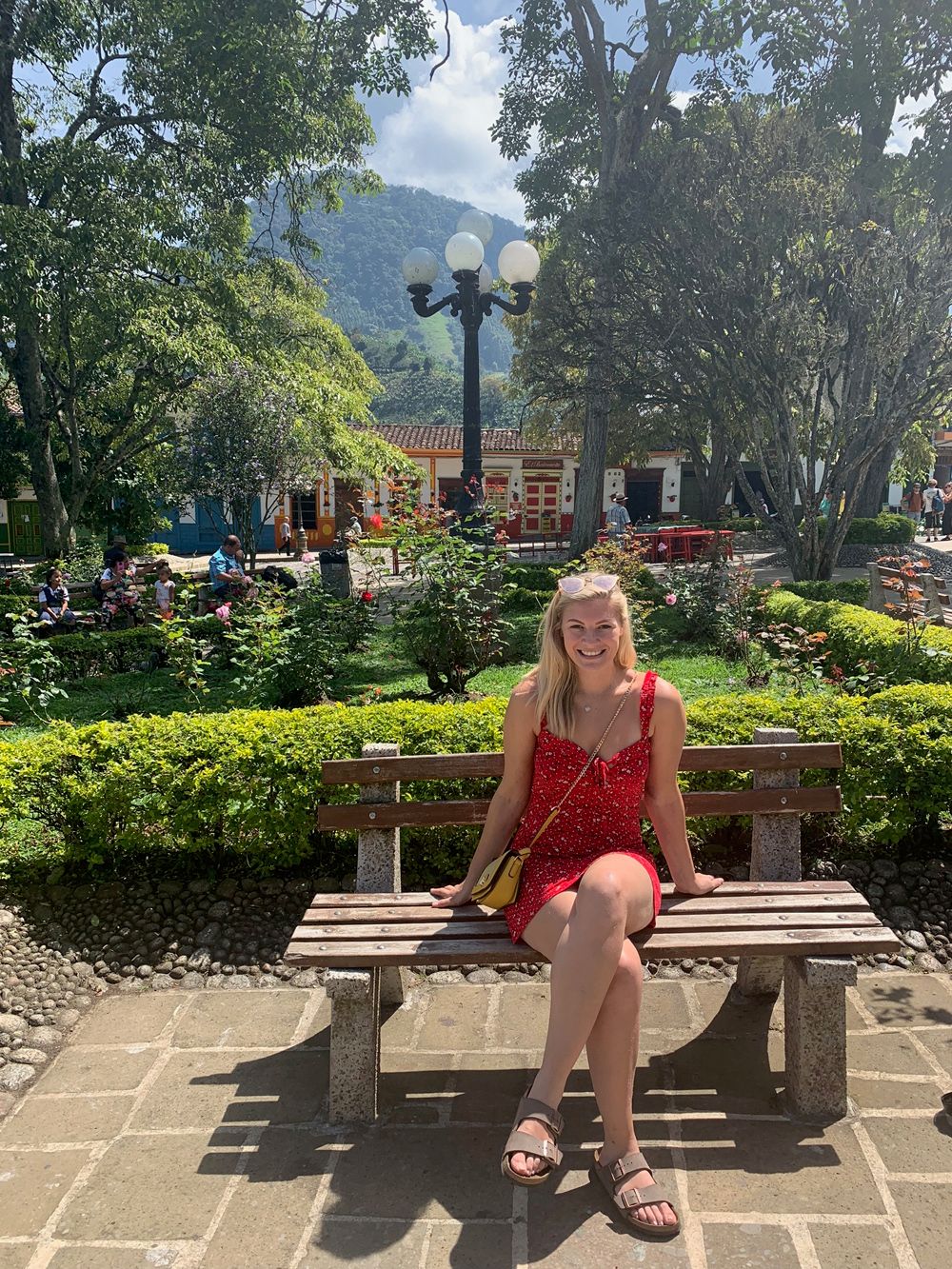
After around a week, Dawson began to rally and was able to make her way around the country as planned.
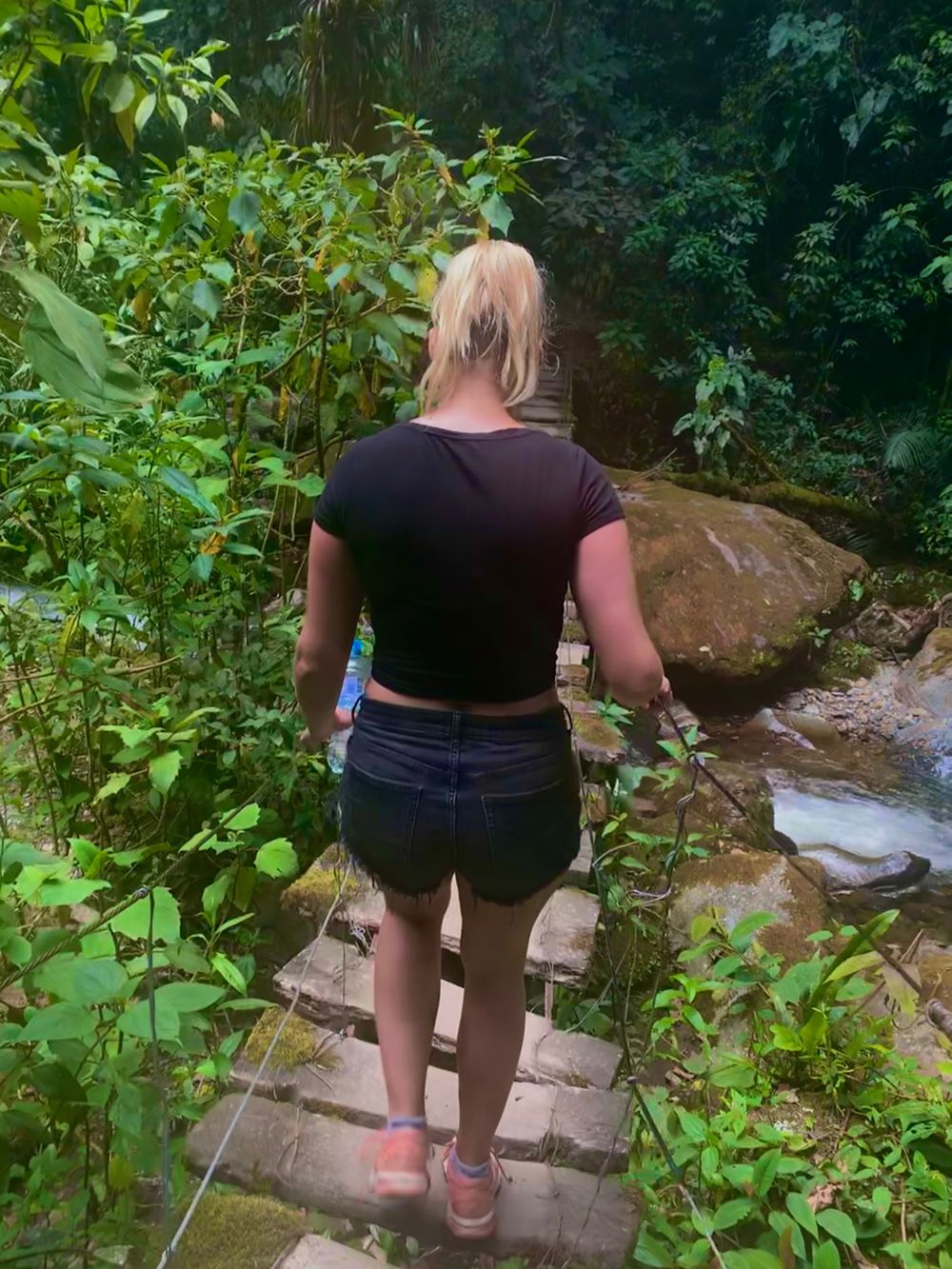
But things changed drastically during a six-hour trek through the jungle.
“Usually I'd be bounding ahead, but I was having to stop and sit down every five minutes. My body couldn't cope. It was too late to turn back, so I had to keep going. By the end, I felt so dizzy and nauseous," she said.
Over the following week, Dawson's condition dramatically declined.
“I couldn't even walk to the shop or stand up for long enough to make myself dinner. I was in pain all the time," she said.
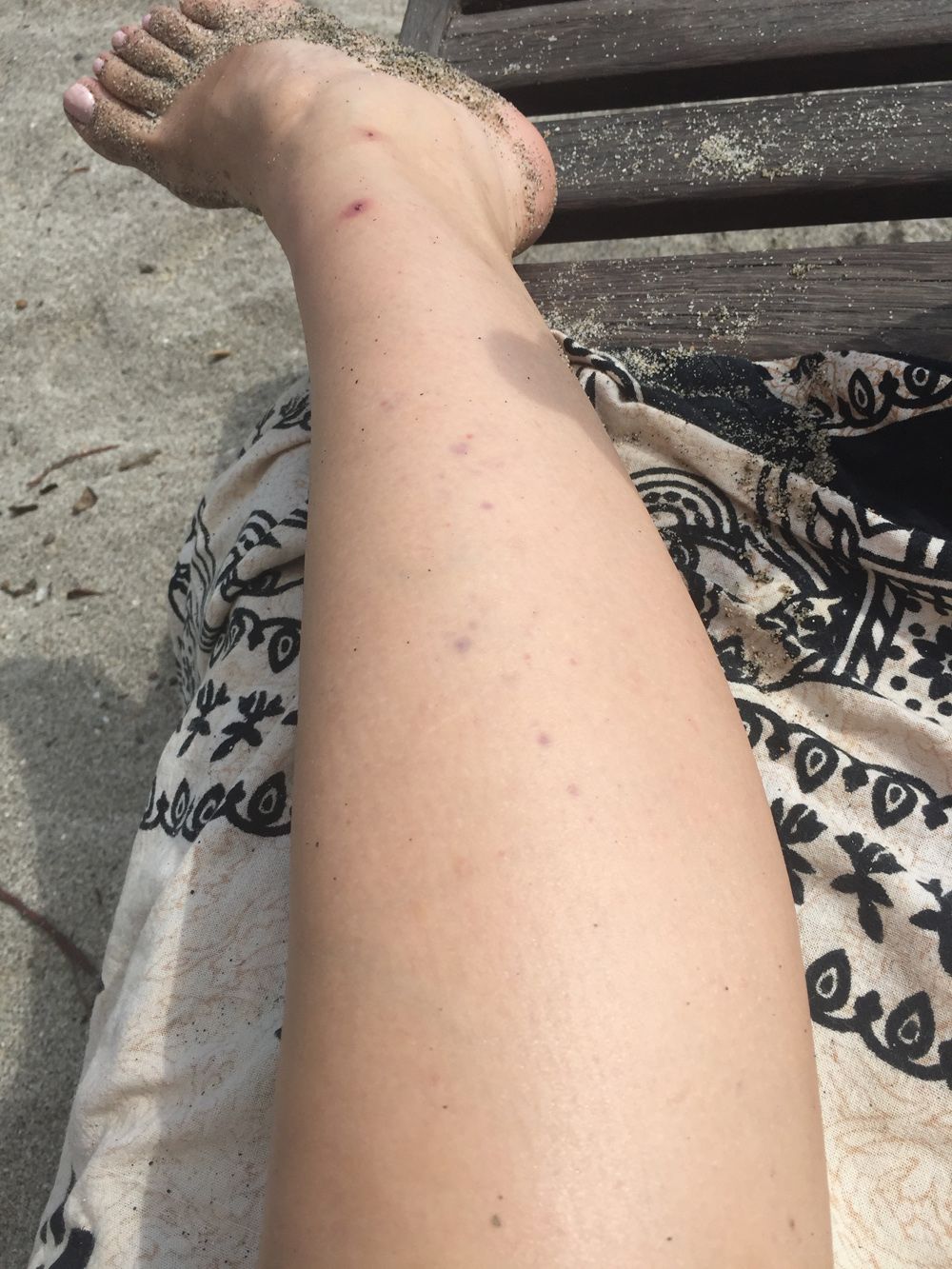
“My bones were aching and I was covered in so many bruises that I looked like I'd been hit by a bus."
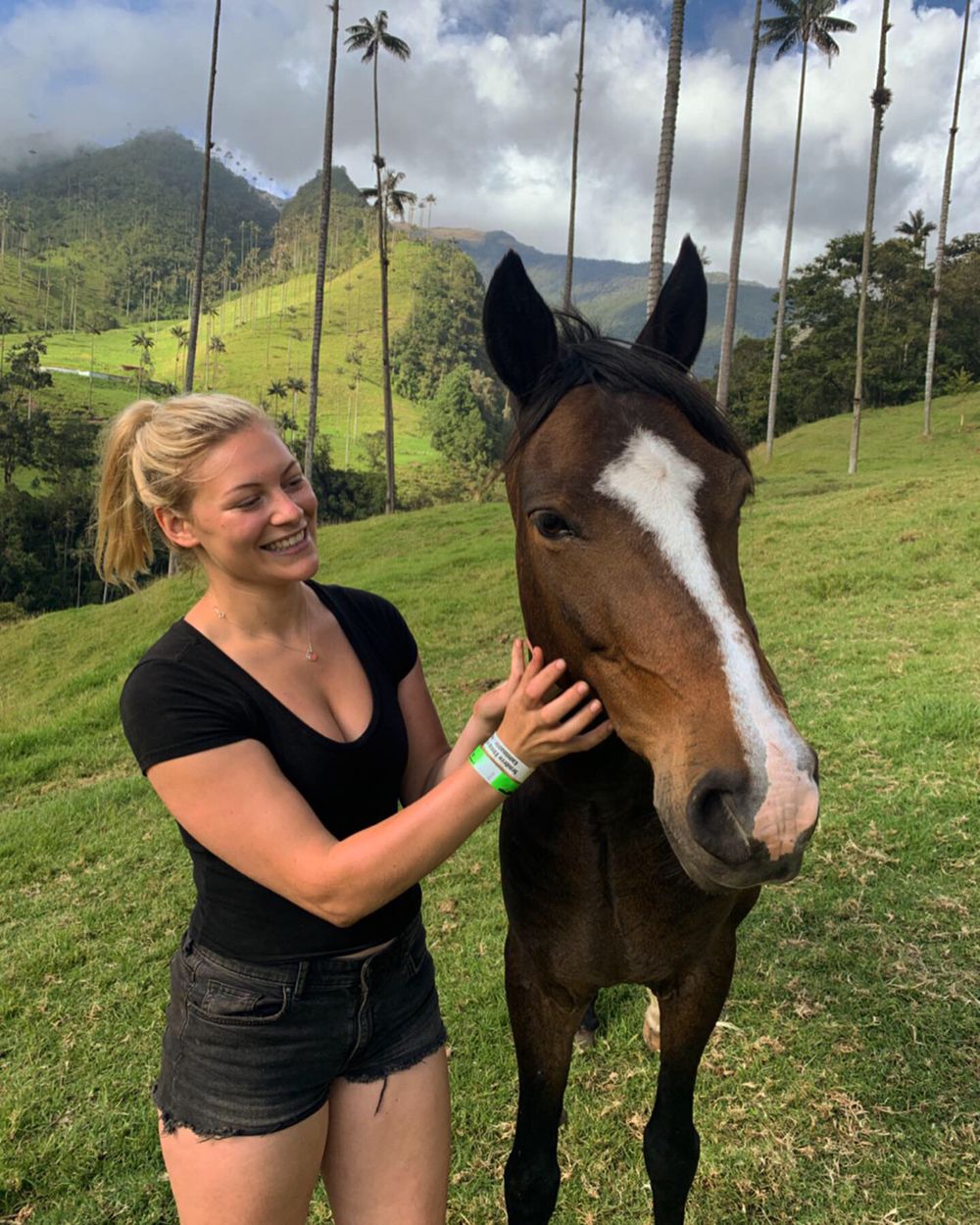
Worried, Dawson decided to visit a doctor, who told her that she probably had a low platelet count and ran some blood tests, sending the results back to her GP in the UK for a second opinion, which took four days to obtain.
By that point, she felt so unwell she had decided to go home and was on the verge of booking a flight when she received a phone call from the Colombian doctor, urging her not to travel.
“I had no idea what was going on. I was told, 'don't get on a plane – come straight to hospital,'" she said. “The hostel manager was fantastic and sorted out a car to take me there and helped me ensure all my insurance was in order."
Dawson was admitted to intensive care, where further tests were run before she was transferred to a larger, more specialist hospital the following day.
There, she was told that she had leukemia, a form of cancer affecting the bone marrow and blood cells.
Medics also explained that her blood platelet levels were dangerously low, making flying home too risky.
“They said if they couldn't get my platelet count up – and soon – I'd have to start chemotherapy in Colombia," she added.
By that point, Dawson's mom Jane and dad Kevin had been told her diagnosis by her doctor in the UK and were flying over to be by her side.
“They arrived about a day-and-a-half after I'd been given the news," she said. “It made me realize how much I'd missed them."
Over the next week, Ella had seven blood transfusions and five bags of donor platelets pumped through her body.
Thankfully, the treatment stabilized her enough to fly home.
“There had been talk of using a medical plane, but we didn't need one in the end," she said. “I was put in first class, so I could lie down, but I was so exhausted that I slept the whole way."
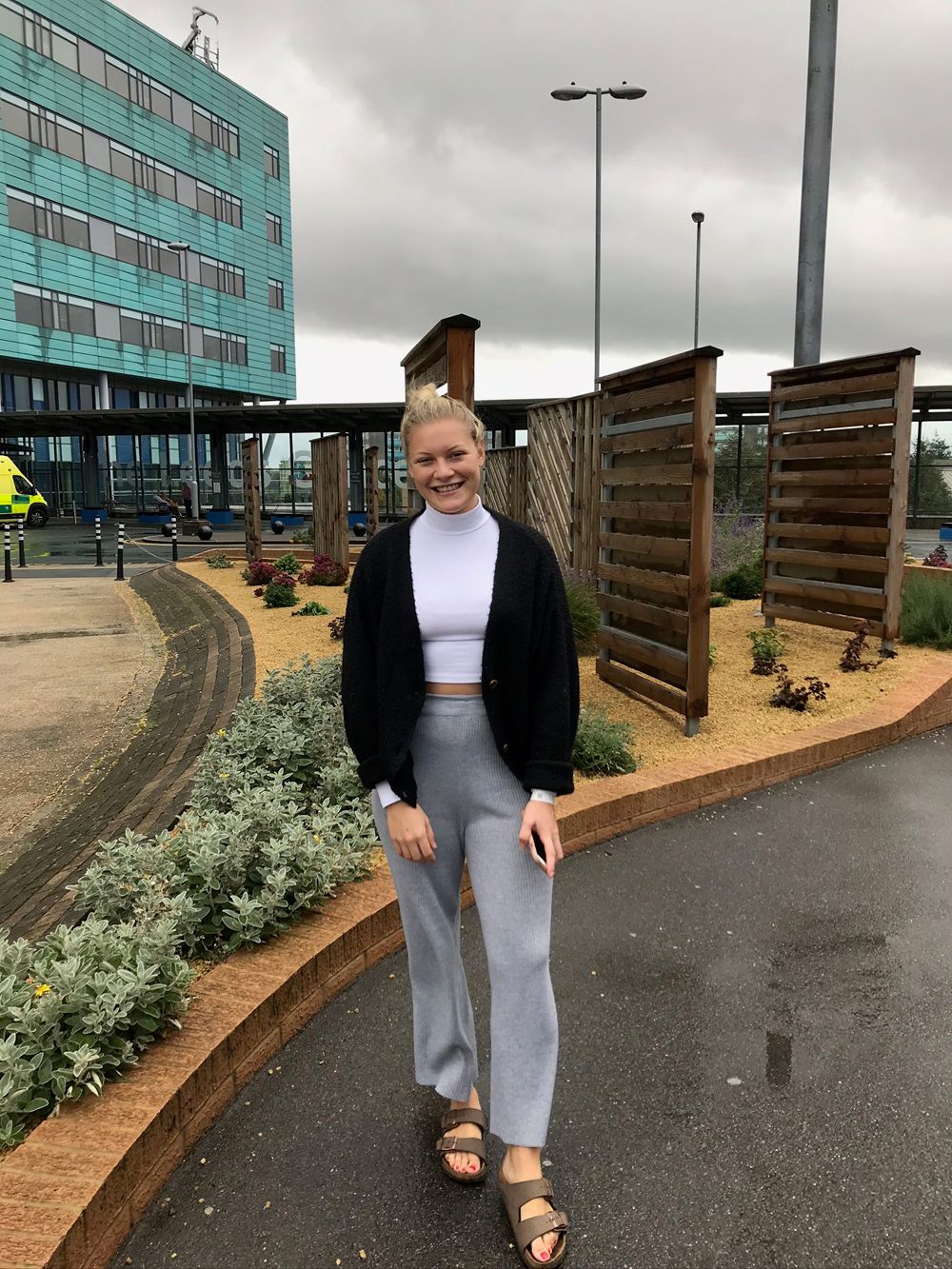
Once back in the UK, Dawson went to Huddersfield Royal Infirmary for a biopsy before being transferred to St James' University Hospital in Leeds, where it was confirmed she had acute lymphoblastic leukemia (ALL), which is characterized by an overproduction of immature white blood cells.
According to the charity Leukemia Care, who have been tirelessly supporting Ella throughout her journey, ALL accounts for less than one percent of cancer cases in the UK.
“I wasn't given a stage, but I later found out that, at the time of my diagnosis, 90 percent of my blood had been invaded by cancer cells," she added.
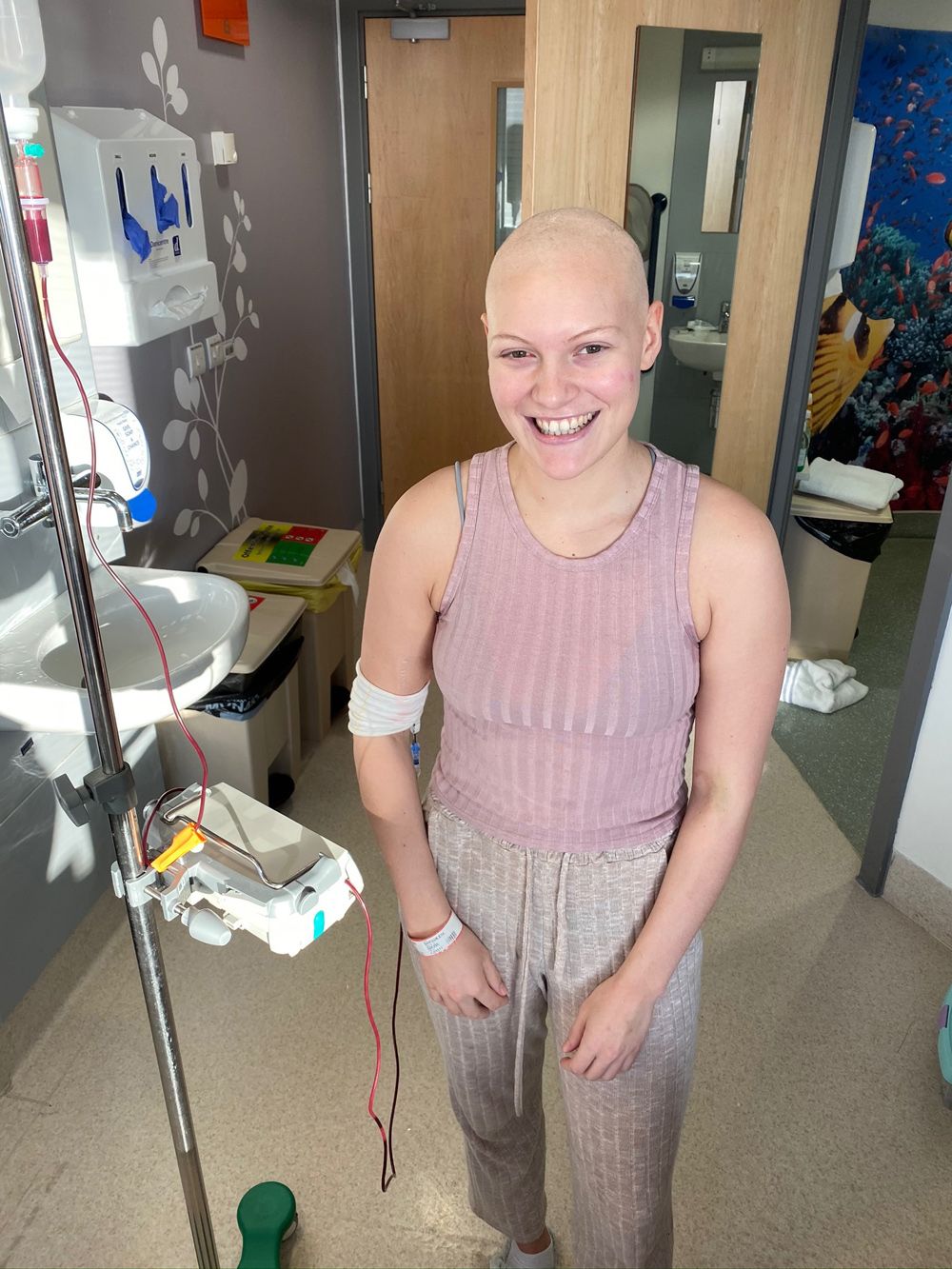
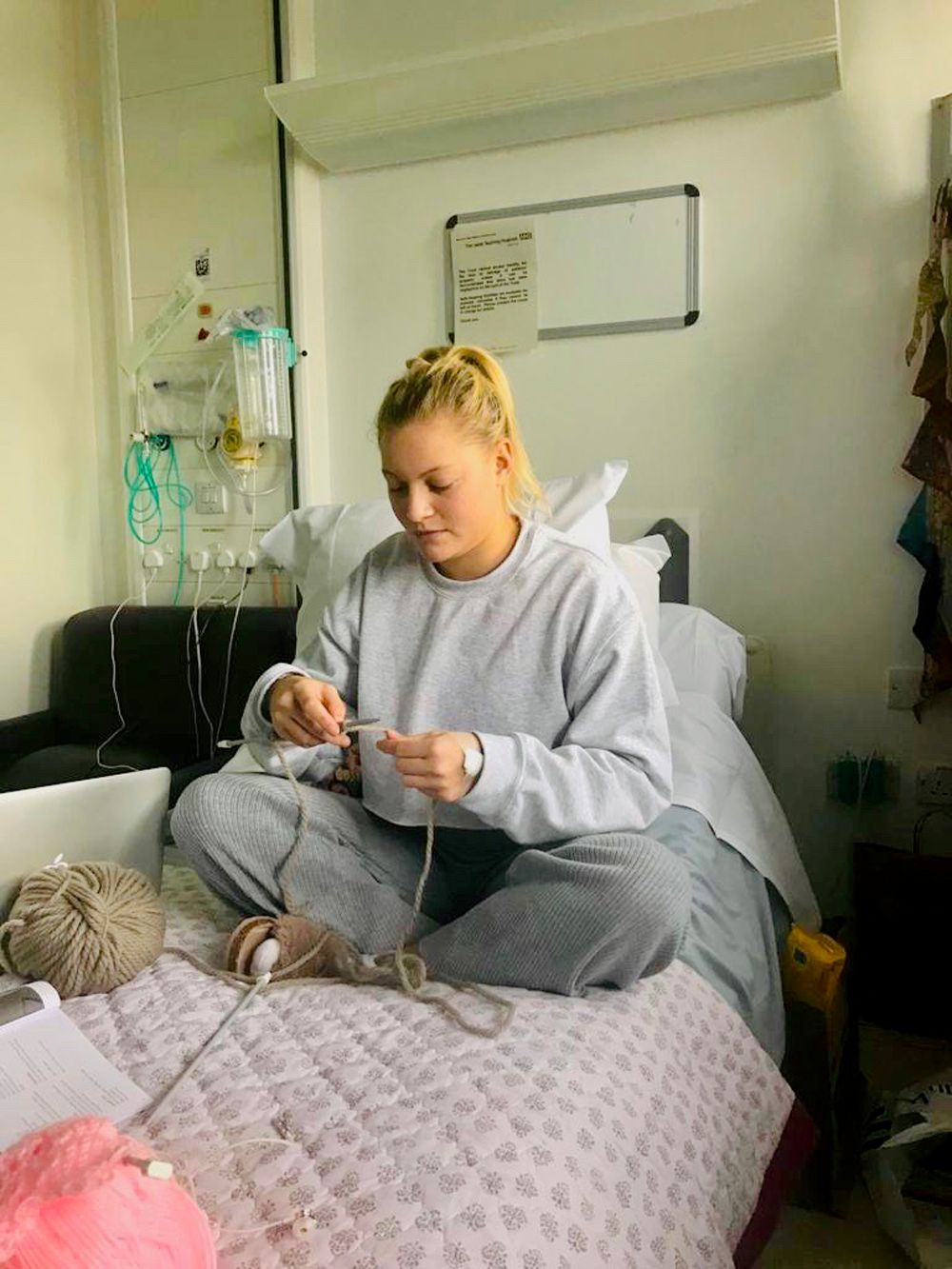
In September 2019, Dawson began chemotherapy, which left her immune system so compromised that she had to stay in hospital in isolation.
“When I started chemo, I was given a six-month treatment plan, which helped me to get my head around things," she said.
“But around a month in, after the first round, it was clear it wasn't working, so doctors said they needed to change to a different type."
“That was very difficult – the chopping and changing. As doctors wanted to respond to what was happening immediately in front of them, we could only plan a month or so ahead, which made it hard to wrap my mind around."
In November, Dawson started her adapted treatment regime, which involved having four different types of chemotherapy every day for five days.
“That was one of the worst times so far. My whole body was in excruciating pain. I'd get splitting headaches, blurred vision and lost all my hair," she said.
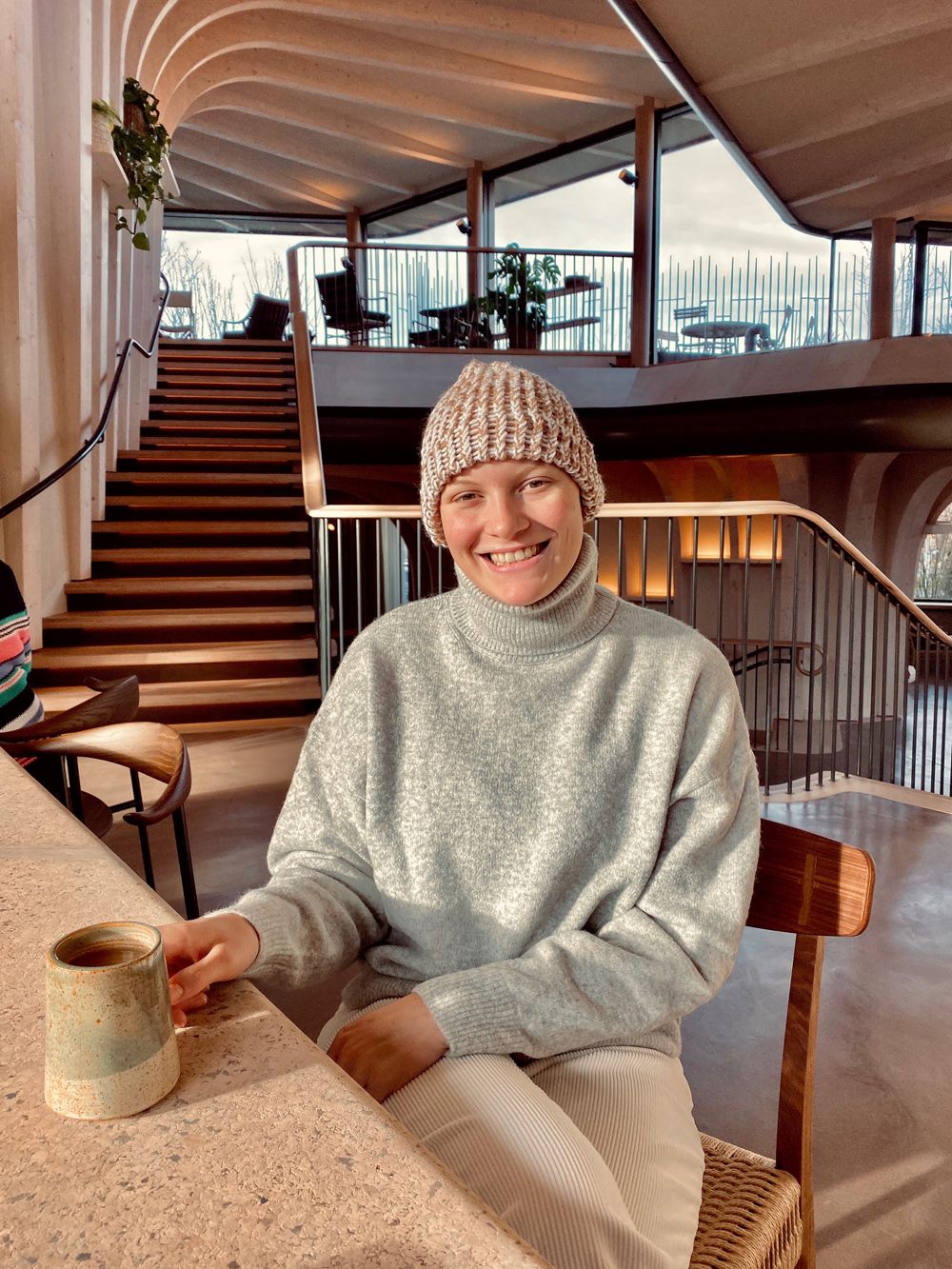
In December, she was discharged being told shortly afterwards that she was in morphological remission, which happens when the number of blast cells found in the bone marrow is less than five percent.
Next, she was due to have a stem cell transplant, the preparation for which involved having two rounds of a treatment that meant immunotherapy drugs were constantly infused into her body through a portable pump.
“I had to take it everywhere with me. I even went clubbing with it a few times," she said.
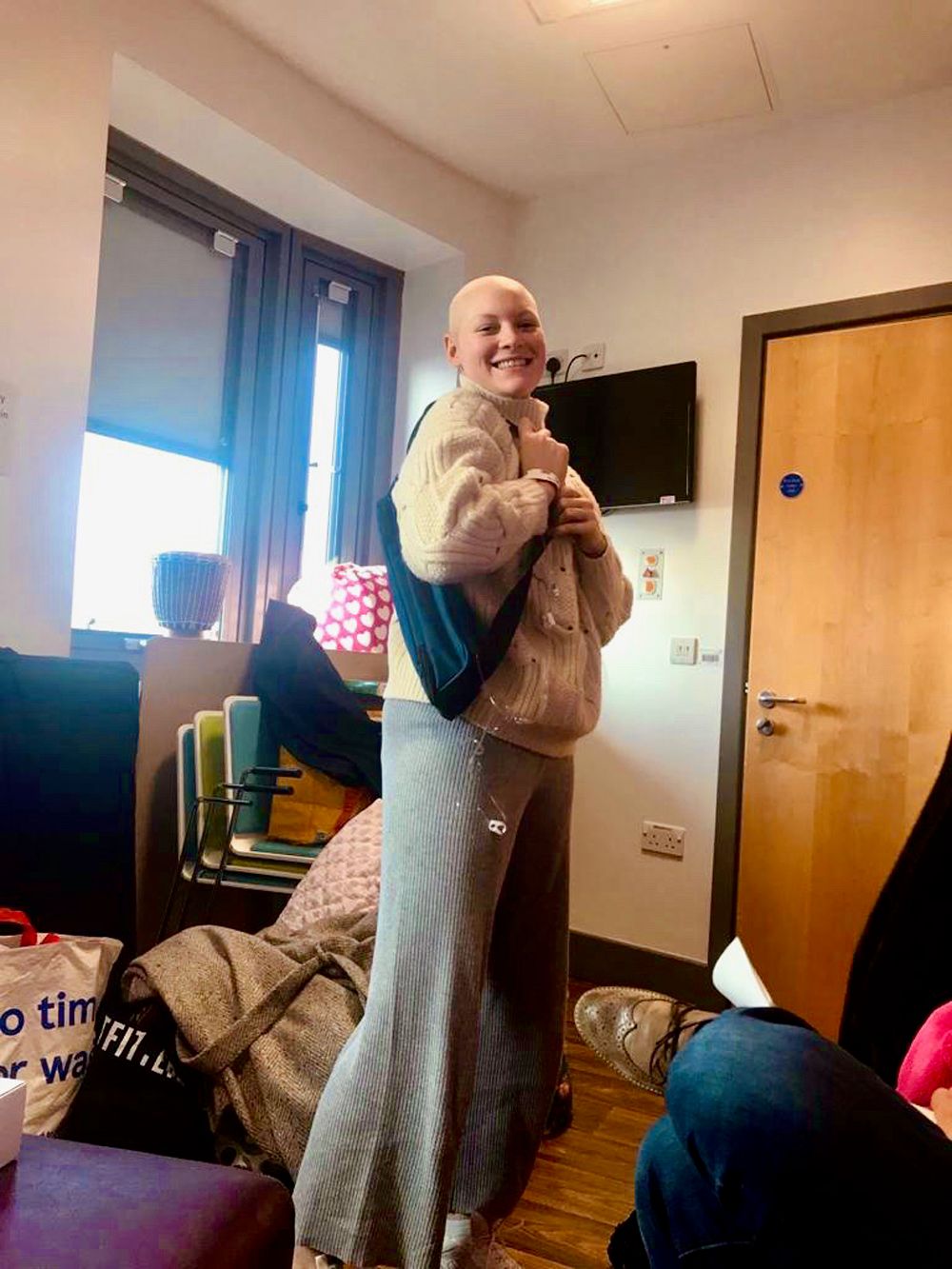
Two days before her stem cell transplant date in 2020, pre-operative tests showed that Dawson had relapsed.
“I didn't believe them at first as I felt absolutely fine," she said.
“Doctors then decided to refer me for CAR-T treatment, but as it involved harvesting my blood cells and sending them away to be reprogrammed to fight the cancer, the [virus] created some delays in getting them back."
“While I waited, doctors struggled to keep the cancer at bay. It was developing really fast."
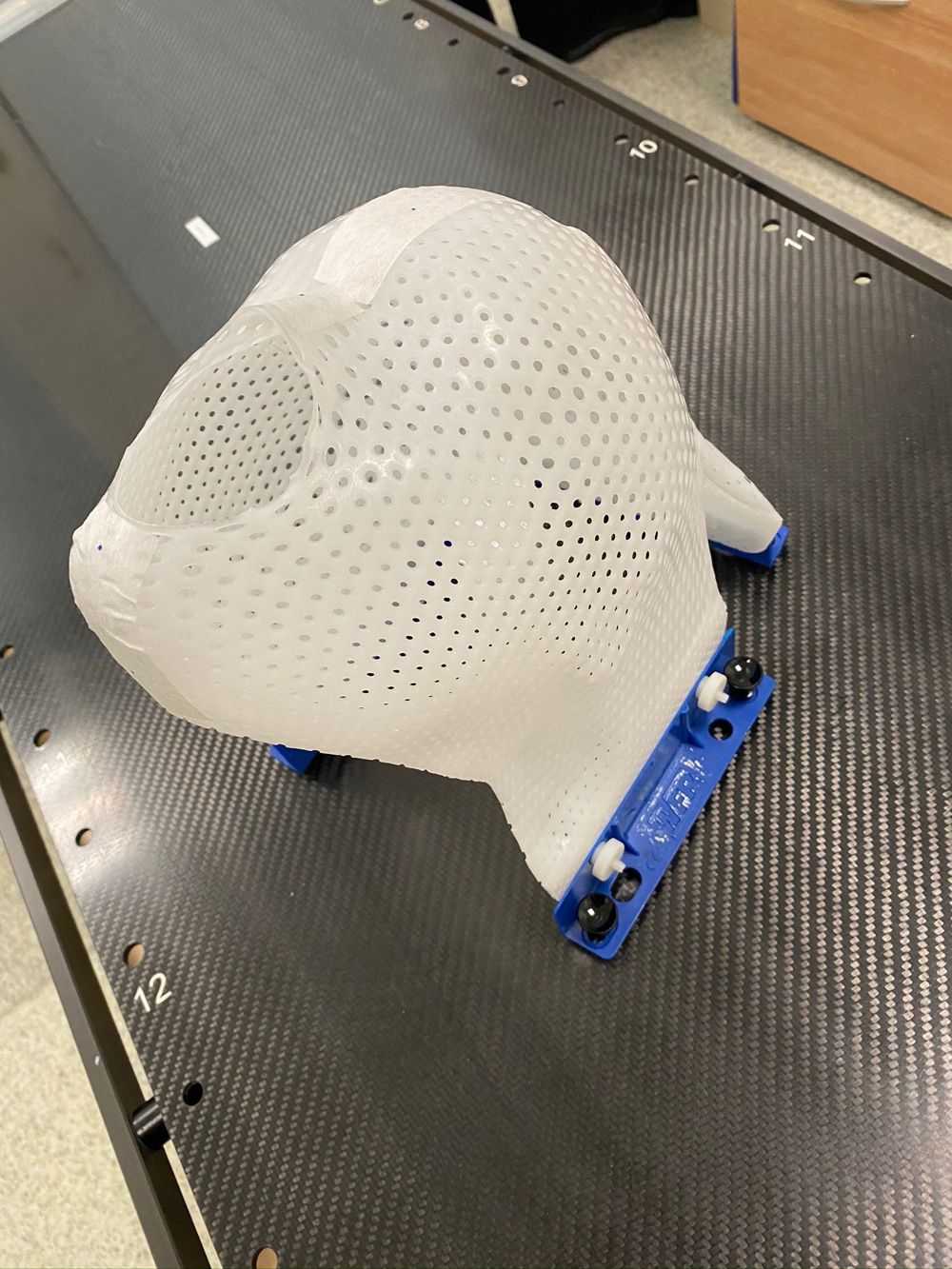
“Tests found cancer cells in my spinal fluid, so I had to have two lumbar punctures a week to drain it, which was awful, but it did clear it. I also had five days' worth of radiotherapy on my right eye as a precaution after it became inflamed," she said.
Finally, in June, Dawson began CAR-T treatment at Manchester's Christie Hospital and is now awaiting tests to see how successful it has been with her consultants remaining hopeful that it has eradicated all traces of cancer from her body.
Currently recovering at home with her family, Dawson is keen to shine a light on Leukemia Care's "Spot Leukemia" campaign to raise awareness of the six most common signs of the disease.
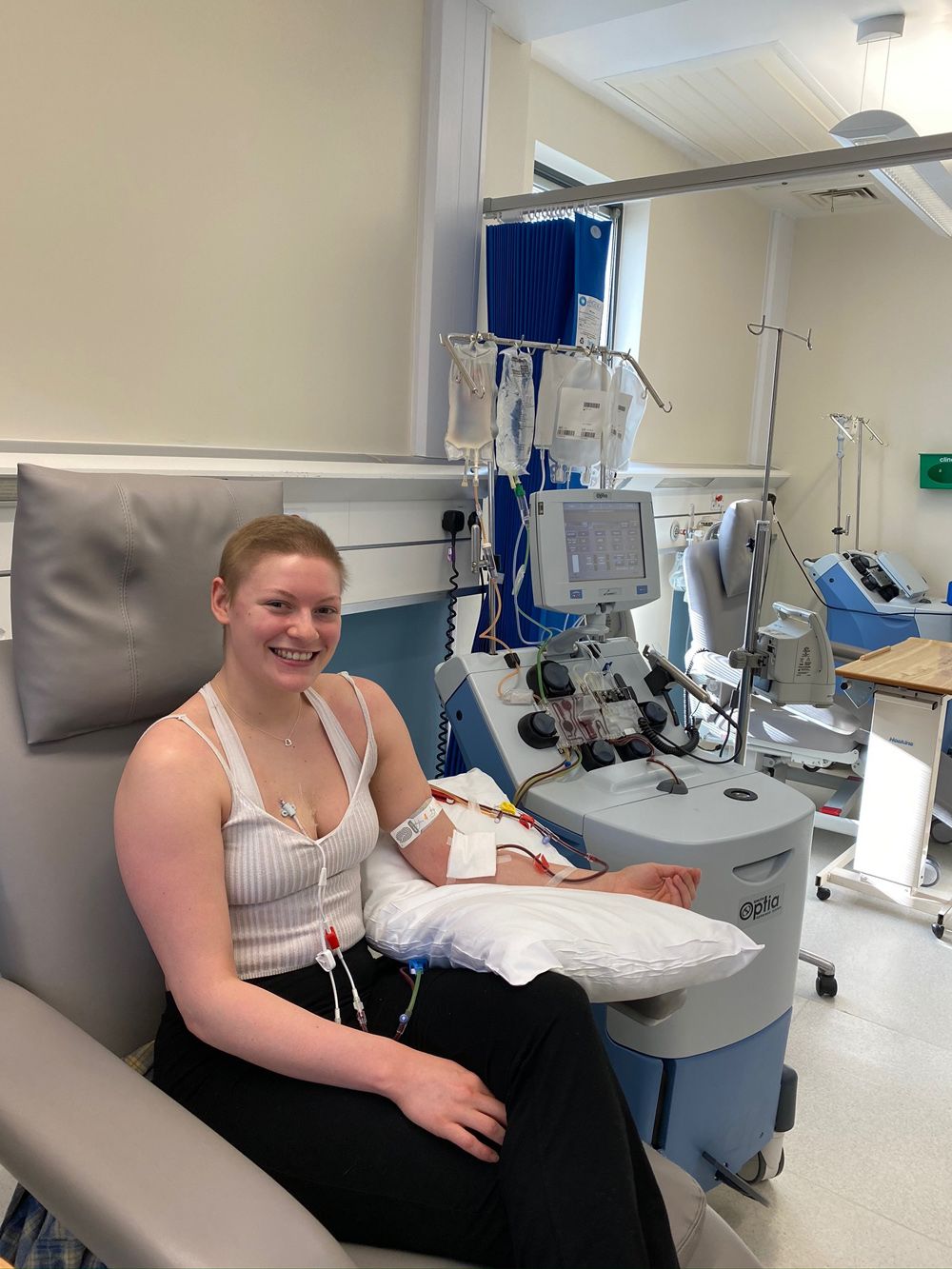
“I am the perfect example of somebody who never believed this would happen to me," she said.
“It's important to listen to your body and learn when to push yourself and when to rest."
“I also want anybody reading this who might be going through what I did to know that, while it sometimes feels impossible to stay positive, by keeping moving and finding the bright side where you can, you can get through."
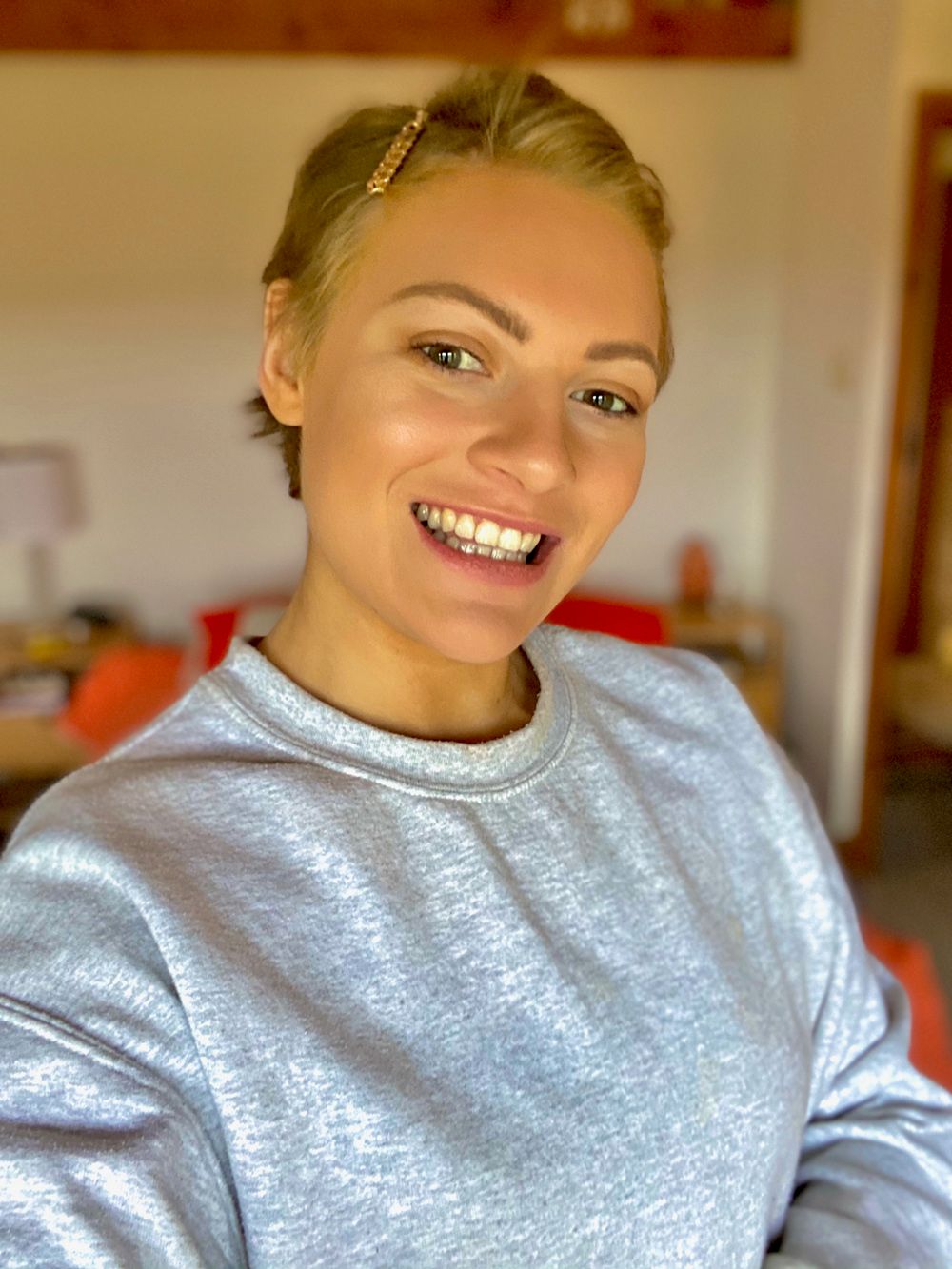
“Staying positive has very much been aided by the excellent care I've received from the teams at St. James Hospital in Leeds and The Christie in Manchester, so I want to thank them, too," she continued.
Dawson is working closely with the charity Leukemia Care's 'Spot Leukemia' campaign to raise awareness of leukemia. Find out more at www.spotleukaemia.org.uk







 @MuffinsNsuch/X
 @serena_loscalzo/TikTok
 @serena_loscalzo/TikTok
 @serena_loscalzo/TikTok
 @serena_loscalzo/TikTok
 @serena_loscalzo/TikTok
 @serena_loscalzo/TikTok
 @serena_loscalzo/TikTok
 @serena_loscalzo/TikTok
 @serena_loscalzo/TikTok
 @serena_loscalzo/TikTok
 @itsvictoriavega/TikTok
 @itsvictoriavega/TikTok
 @itsvictoriavega/TikTok
 @itsvictoriavega/TikTok
 @itsvictoriavega/TikTok
 @itsvictoriavega/TikTok
 @itsvictoriavega/TikTok
 @itsvictoriavega/TikTok
 @itsvictoriavega/TikTok
 @itsvictoriavega/TikTok
 @lolxdlolxdlolxd23455/TikTok
 @lolxdlolxdlolxd23455/TikTok
 @lolxdlolxdlolxd23455/TikTok
 @lolxdlolxdlolxd23455/TikTok
 @lolxdlolxdlolxd23455/TikTok
 @lolxdlolxdlolxd23455/TikTok
 @lolxdlolxdlolxd23455/TikTok
 @lolxdlolxdlolxd23455/TikTok
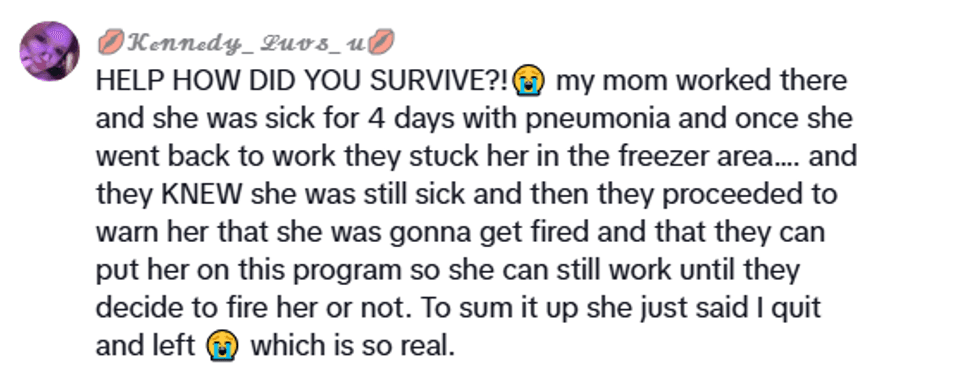 @lolxdlolxdlolxd23455/TikTok
 @lolxdlolxdlolxd23455/TikTok
Larry David's New Satirical Essay Mocking Democratic Socialists Isn't Sitting Well With People