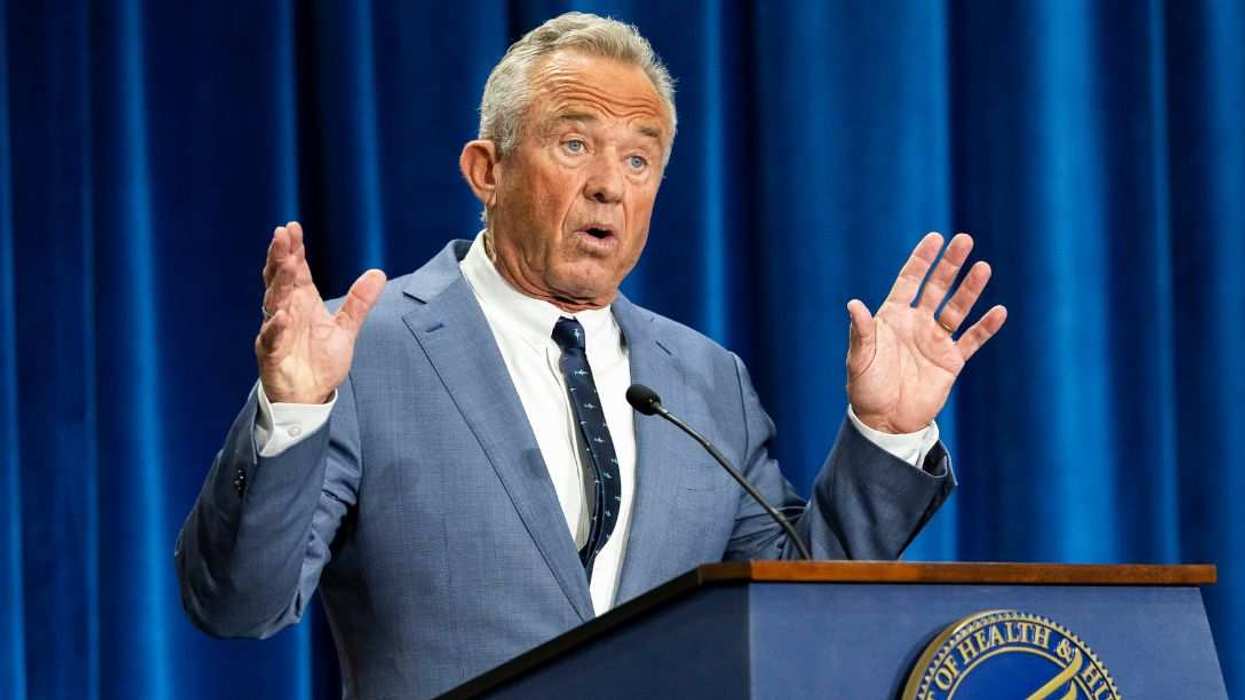


Rep. Bennie Thompson (D-MI) isn't playing around.
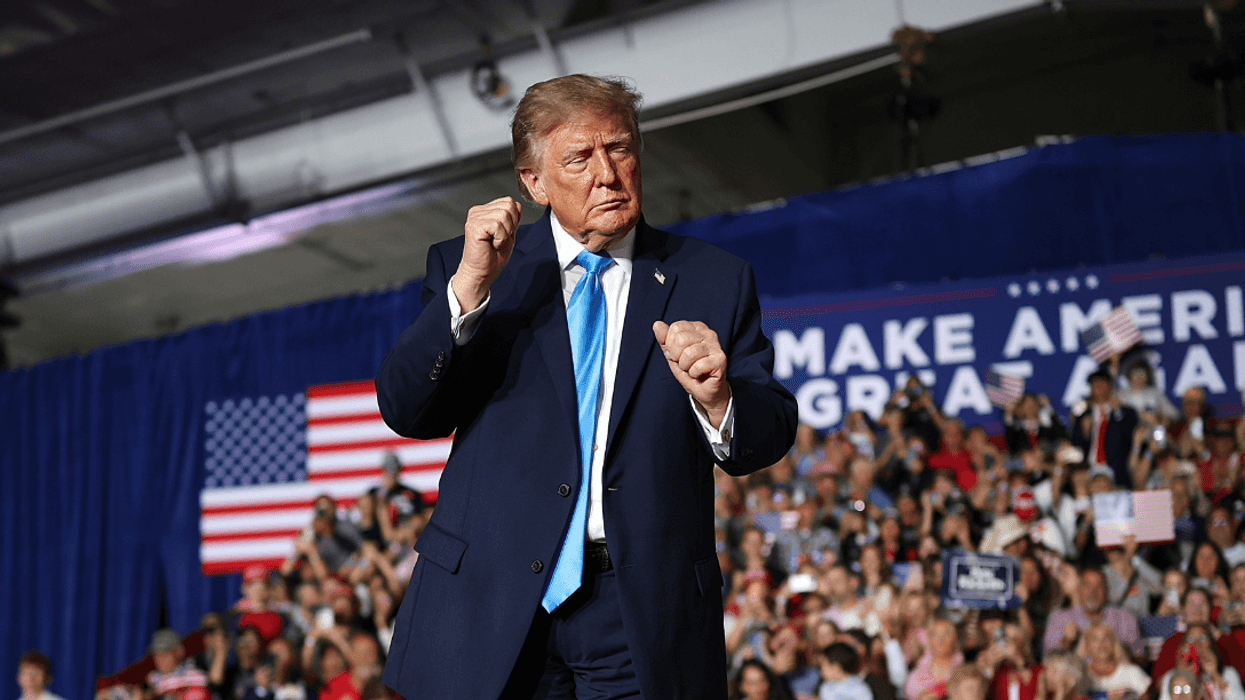
Backed by the NAACP, Thompson recently filed a civil lawsuit against Donald Trump and Rudy Giuliani alleging they conspired with Proud Boys and Oath Keepers, two far-right groups, to incite the violent insurrection on January 6th while lawmakers were gathered to reaffirm President Biden's Electoral College victory.
Thompson hopes that the damages from the suit will put Trump "out of business."
Thompson alleges he was forced to wear a gas mask and hide on the floor of the House gallery for hours while hearing "threats of physical violence against any member who attempted to proceed to approve the Electoral College ballot count." Thompson also heard a gunshot, which he did not learn until later had killed one of the rioters in the Capitol lobby. "I feared for my life," he told reporters.
NAACP president Derrick Johnson said the decision to sue for money damages was rooted in a long history of tools that have worked to fight back against white supremacy. The complaint focuses on a little-known statute called the Ku Klux Klan Act of 1871, and it seems tailor-made for exactly this case. That law forbids two or more people from conspiring to "prevent, by force, intimidation, or threat," any office-holder from performing their duties.
The suit reads:
"Under the Ku Klux Klan Act ... Defendants may not 'conspire to prevent, by force, intimidation, or threat, any person ... holding office, trust, or place of confidence under the United States ... from discharging any duties thereof; or to induce by like means any officer of the United States to leave any .. place where his duties as an officer are required to be performed, or ... to molest, interrupt, hinder , or impede him in the discharge of his official duties."
A bit of history illuminates how the KKK Act remains relevant today. After the Civil War, the KKK began terrorizing the South under Reconstruction. The guarantees of equal protection under the law were ignored as the KKK seemed to act with impunity, using extreme and public violence to keep freed slaves fearful and prevent them from enjoying any liberties or legal protections. Congress responded by passing a series of anti-KKK laws giving the federal government greater enforcement power. This resulted in the arrest and prosecution of many KKK members and leaders across the South.
One anti-KKK law was the "Enforcement Act of 1871," which included a right of private citizens to bring civil suit in federal court to enforce the guarantees of equal protection. One of the big problems in the South was intimidation by the KKK of elected officials, including Congressmembers, who were working to dismantle the organization. The private right of enforcement by civil suit was included within the Enforcement Act in the hope it would provide a strong economic deterrent to organized terror.
It didn't work well, at least not until over 80 years later when it began to be used in the 1950s by the NAACP. The law gained further strength more recently when the Southern Poverty Law Center used it to bankrupt the KKK in Kentucky in 2008, and again when the NAACP sue the group behind the Charlottesville white nationalist rally in 2017.
The current suit names Trump in his personal capacity, meaning it is alleged he was acting outside the scope of his official duties. Should Thompson prove this,Trump won't be able claim executive privilege, especially with respect to criminal communications he may have made with Giuliani or others about the riot. And interestingly, if the suit survives motions to dismiss, Trump will have to respond to discovery requests and even sit for a deposition and give testimony—unless he and others claim the Fifth Amendment, the optics of which would be disastrous.
Money damages arising from the attack on January 6th could be substantial. They cover not only compensatory damages but also possible punitive damages and attorneys' fees. Trump will not be able to keep his involvement in the insurrection out of the headlines. Trump could be bogged down and even bankrupted by this and other suits.
It appears that other Congressmembers might join the suit, perhaps as a class action, giving greater moral strength to the case. Much as Trump and the GOP would like to "move on" from the attack, this suit might ensure they never do until there are at least some legal consequences for Trump.

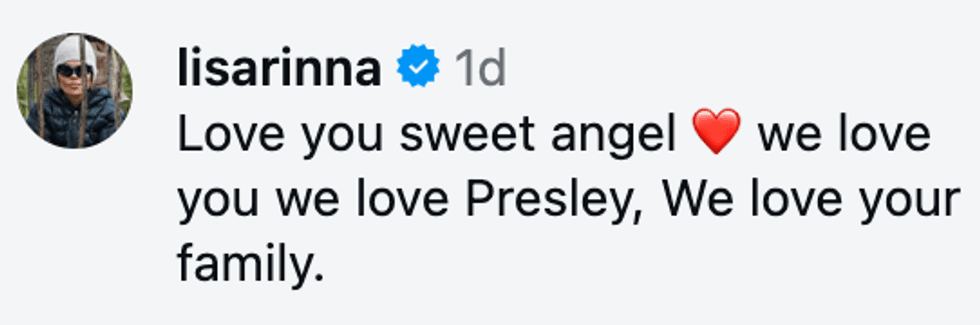 @lisarinna/Instagram
 @michellevisage/Instagram
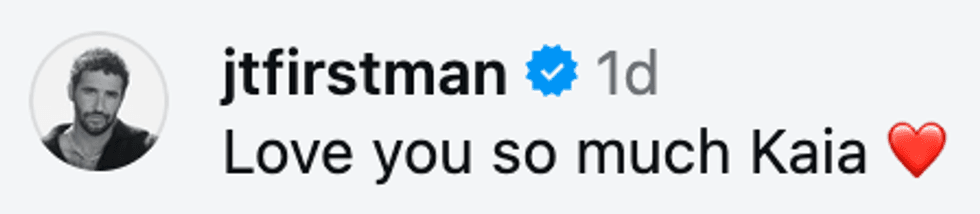 @jtfirstman/instagram
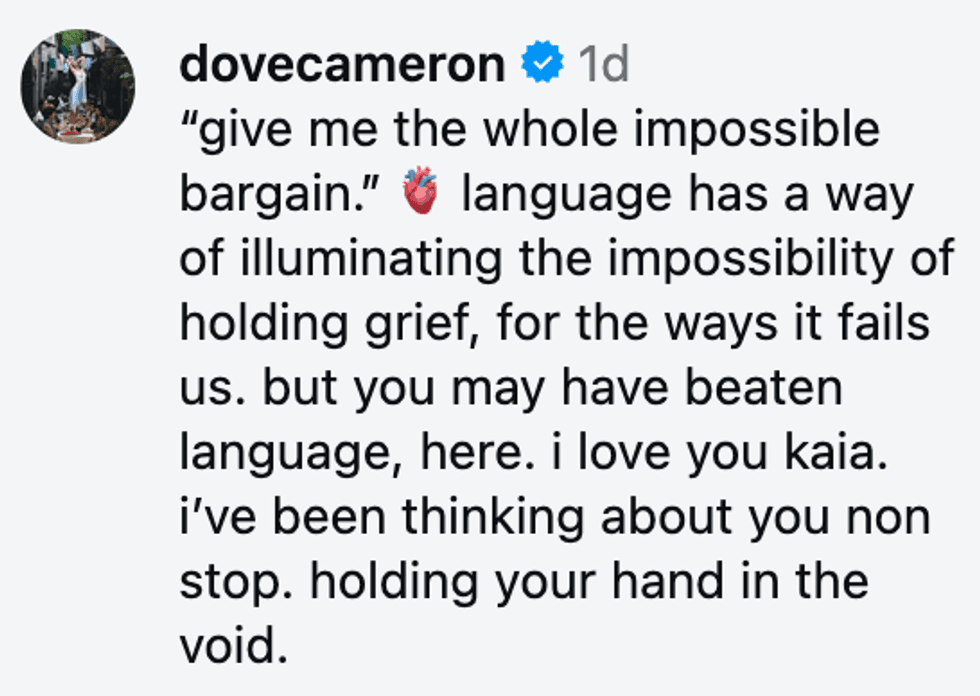 @dovecameron/Instagram
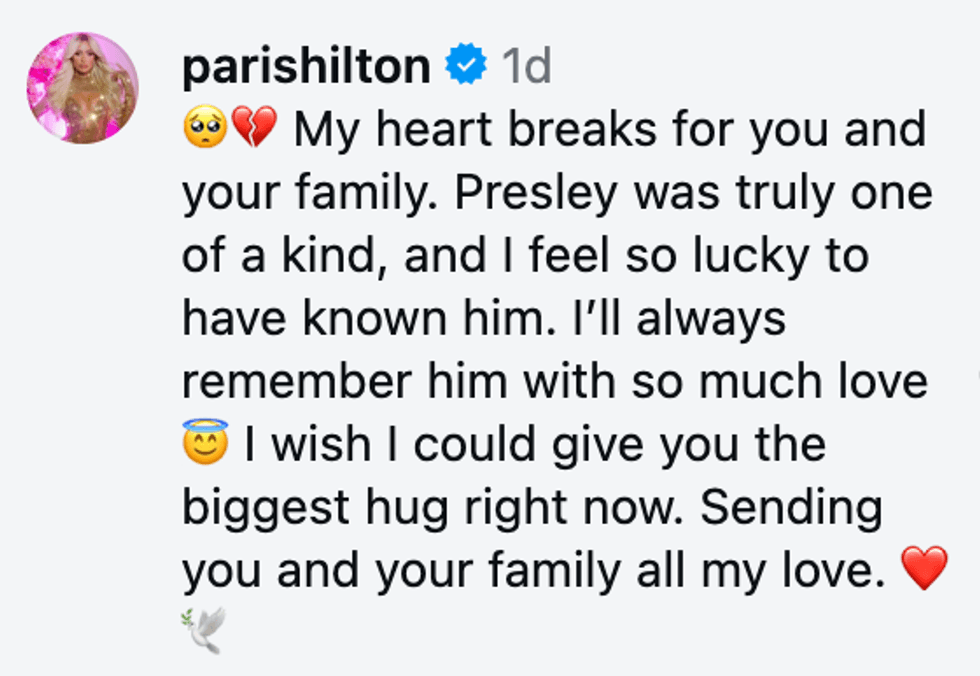 @parishilton/Instagram
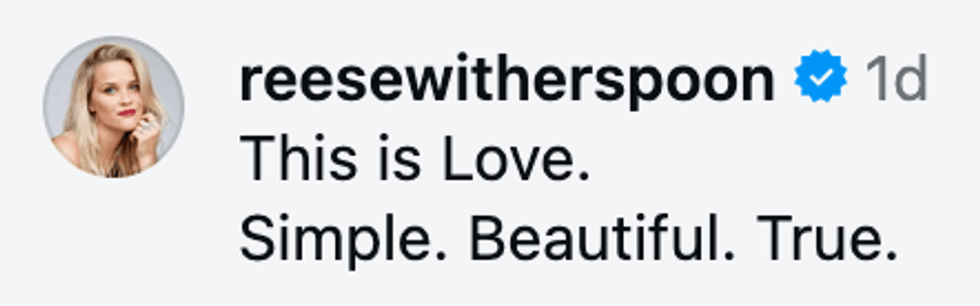 @reesewitherspoon/Instagram
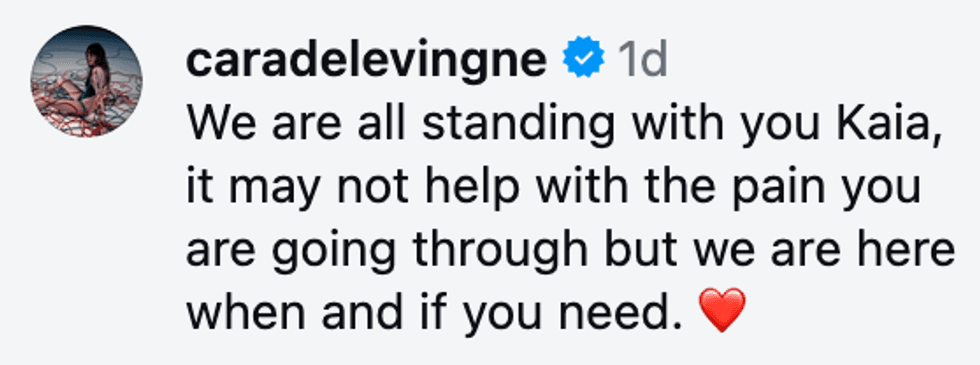 @caradelavigne/Instagram
 @gracieabrams/Instagram
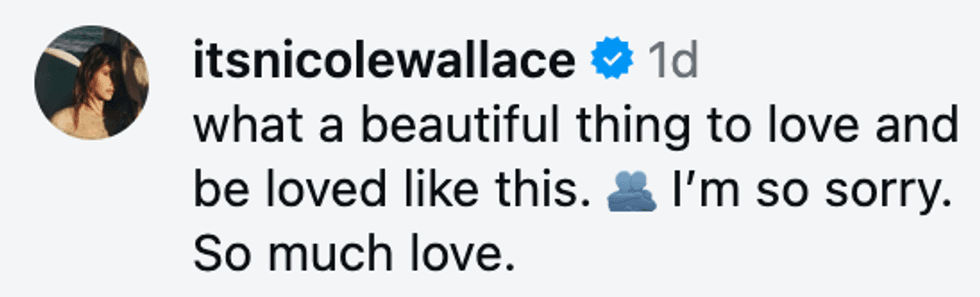 @itsnicolewallace/Instagram


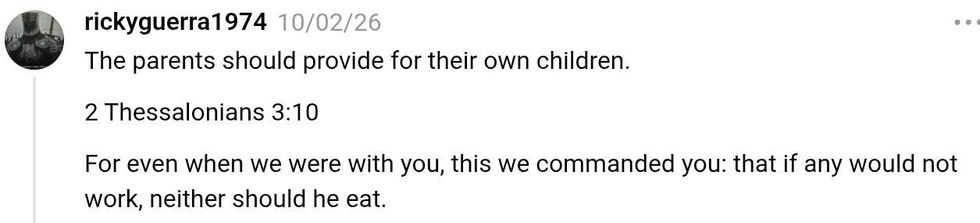 reply to @jaredshult/Threads
 reply to @jaredshult/Threads
 reply to @jaredshult/Threads
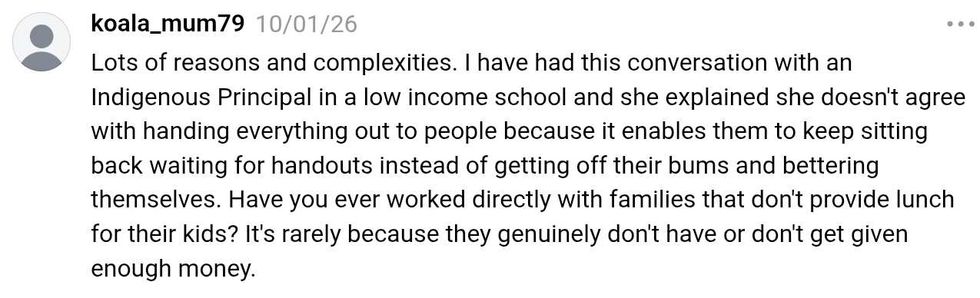 reply to @jaredshult/Threads
 reply to @jaredshult/Threads
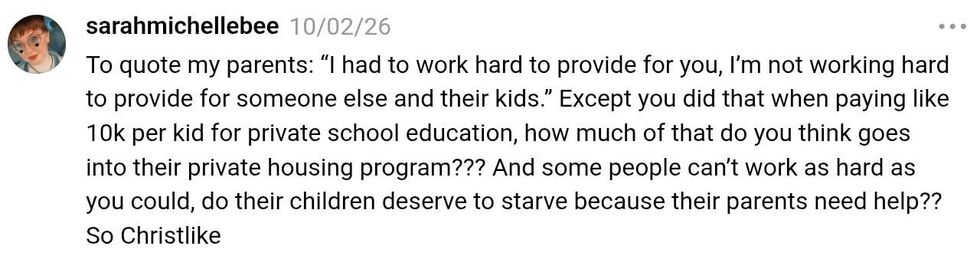 reply to @jaredshult/Threads
 reply to @jaredshult/Threads
 reply to @jaredshult/Threads
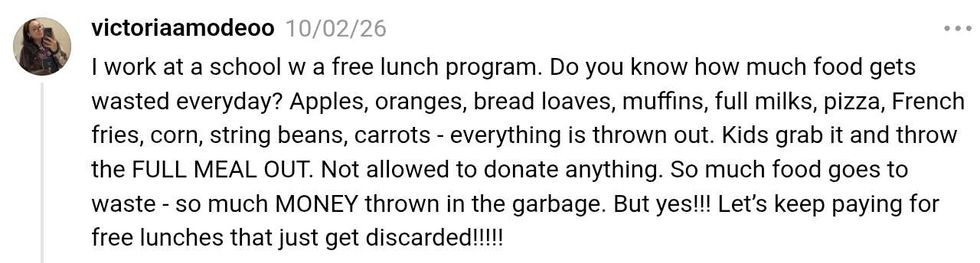 reply to @jaredshult/Threads
 reply to @jaredshult/Threads
 reply to @jaredshult/Threads
 reply to @jaredshult/Threads
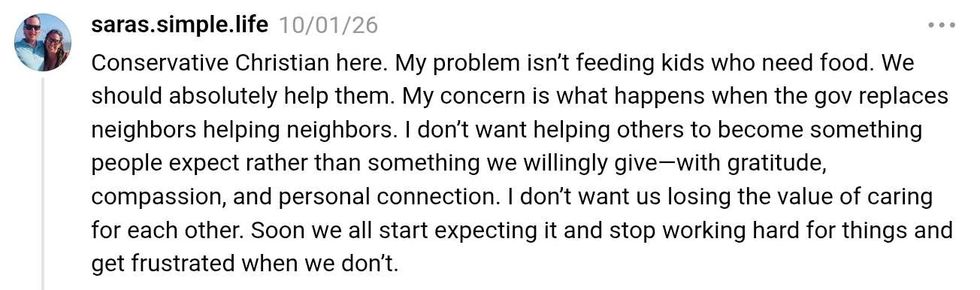 reply to @jaredshult/Threads

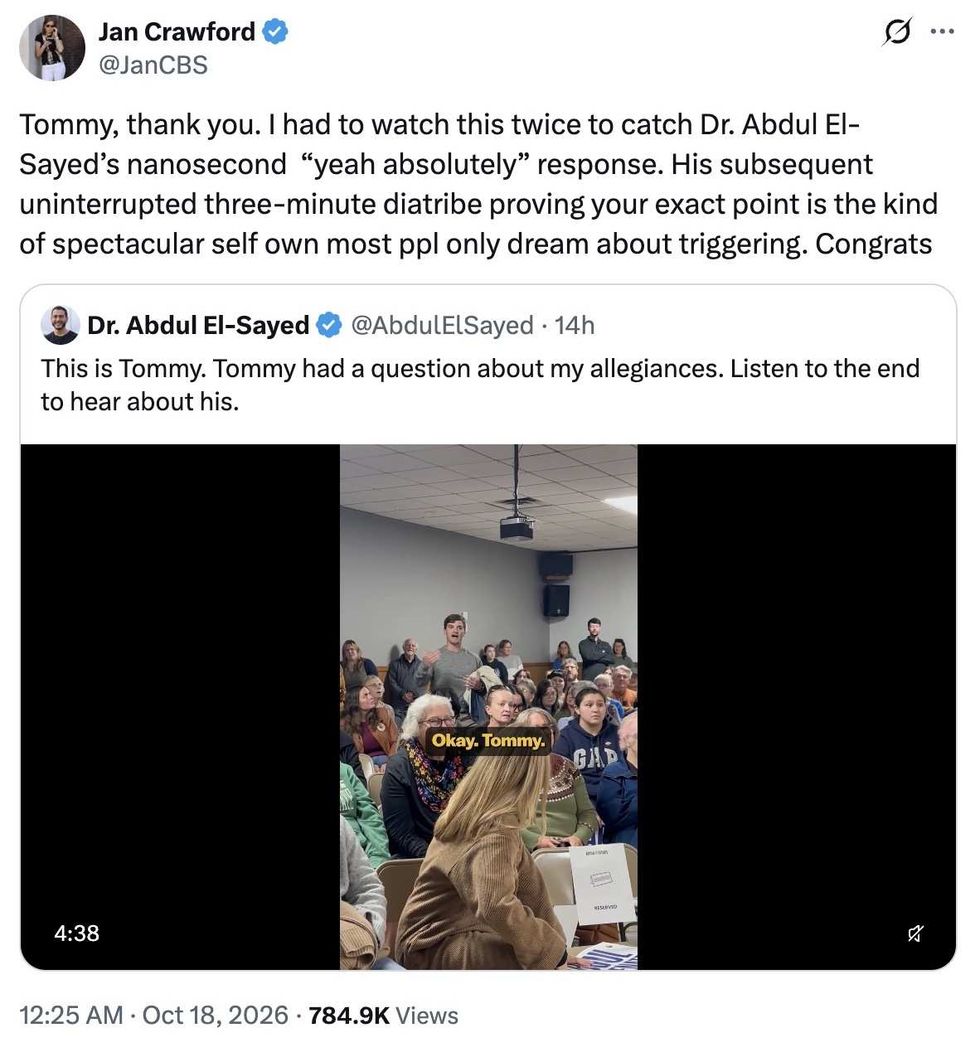 @janCBS/X