
When news broke on Wednesday the College Board watered down its high school Advanced Placement curriculum for its African American Studies course, I was reminded of the words of one of the important voices it had removed, Ta-Nehisi Coates.
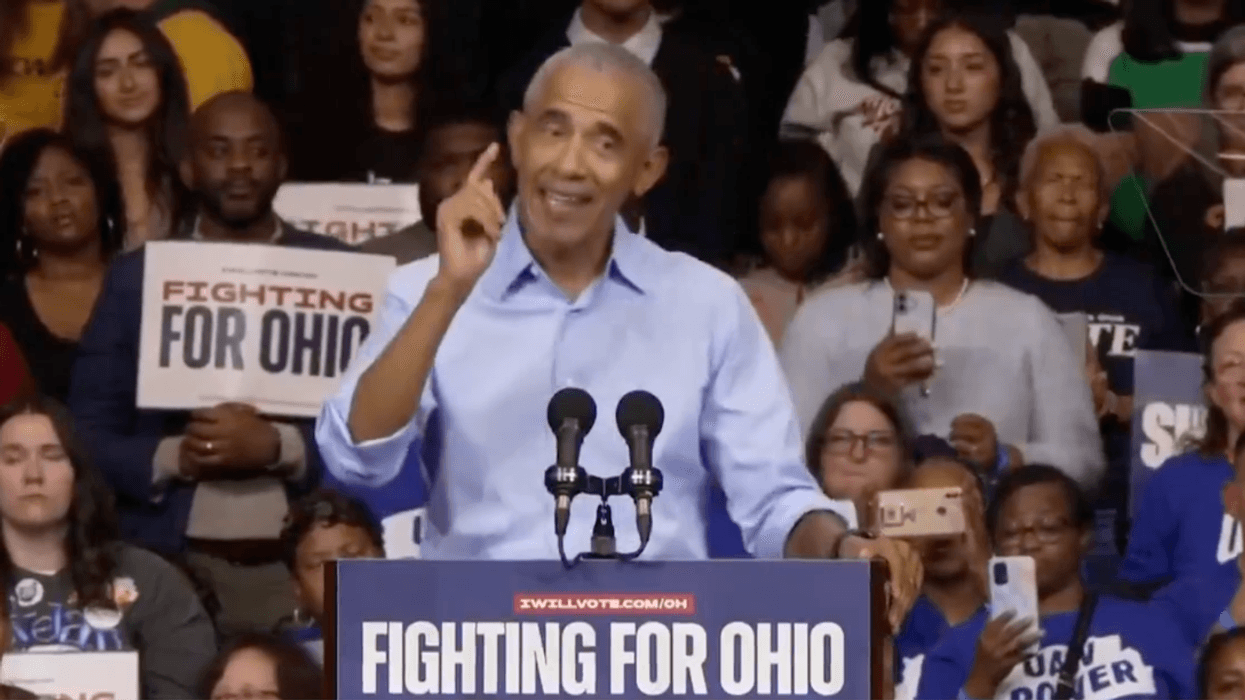
In a seminal piece in The Atlantic published during the Obama era entitled “Fear of a Black President,” Coates wrote, “Acceptance depends not just on being twice as good but on being half as Black.”
President Obama, contended Coates, could forge and maintain his coalition by being Black enough for African American voters while not alienating White voters by being another Angry Black Man.
The part of Blackness that apparently most frightens conservative critics—the half they would see removed from the AP course itself—includes two notable facets: Black identity and Black rage.
By no small coincidence, and of great concern to any who believe in academic freedom, these are the parts that the College Board stripped out of the course.
As The New York Times reported:
"The College Board purged the names of many Black writers and scholars associated with critical race theory, the queer experience and Black feminism. It ushered out some politically fraught topics, like Black Lives Matter, from the formal curriculum."
Among the authors removed are bell hooks (intentionally no capitals), a path breaking author who insisted upon including Black and working-class women in the otherwise White and middle-class world of modern feminism.
“A devaluation of Black womanhood occurred as a result of the sexual exploitation of Black women during slavery that has not altered in the course of hundreds of years,” hooks wrote, her identity and her long rage clear to any reader.
It seems viewing racialized, sexual exploitation not as just a part of our past slave history but as an ongoing act of violence and oppression has proven too much for the censors.
Gone too is Kimberlé Crenshaw, a law professor at Columbia who more than 30 years ago coined the term “intersectionality”—a way of describing how race, class, gender and sexual identity overlap.
Conservative critics of “intersectionality” agree in theory that the life experiences of a queer Black woman will be different than those of a cis White man.
But fundamentally, they intuitively fear enshrining and empowering any identity that upends the established social hierarchy, where they historically have enjoyed a superior position.
Unsurprisingly, then, the term “intersectionality” was specifically stricken from the draft AP AAS curriculum where it had earlier appeared eight times, leaving only one mention now in the “optional topics” for a research project.
Coates himself was purged, no doubt for his important and persuasive arguments in favor of U.S. reparations for Blacks, not just for the horrors and centuries of slavery, but for the continuing legalized economic oppression and dislocation of African Americans through segregation, redlining and other structural forms of racism.
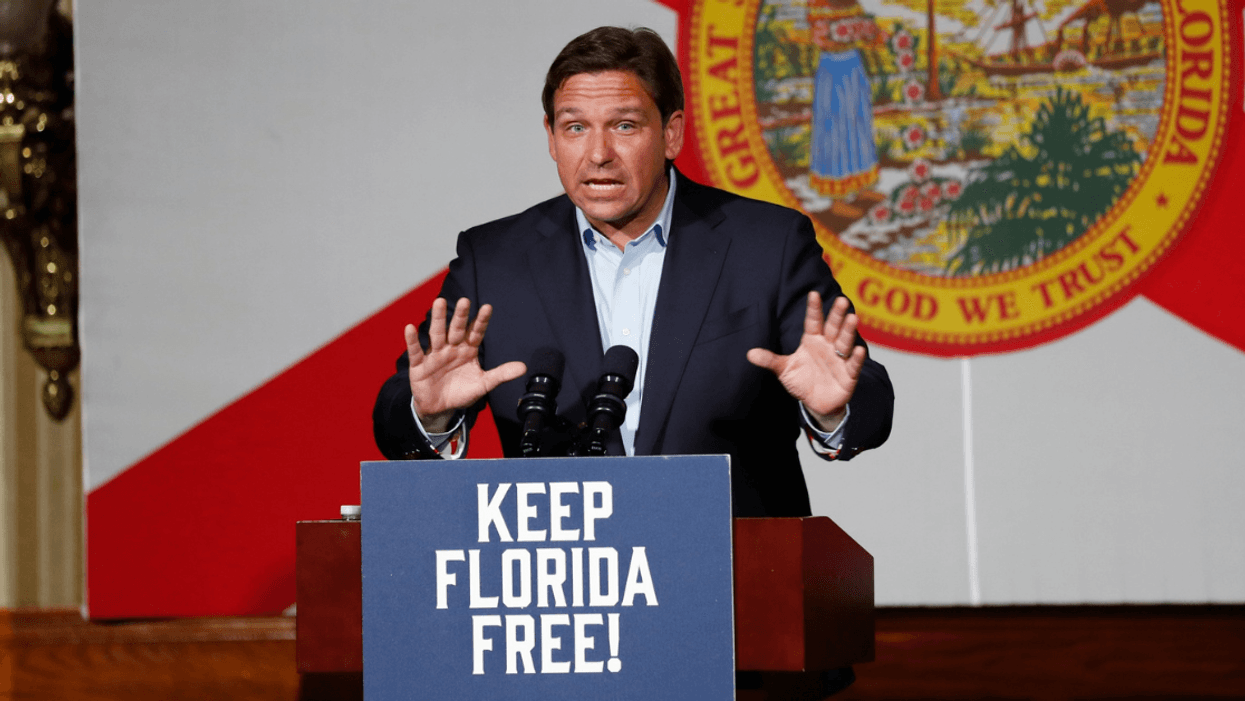
Of course, under Florida’s “Stop WOKE Act,” the very teaching of anything suggesting institutionalized or systemic racism is forbidden.
At a recent court hearing, counsel for Governor DeSantis declared being “woke” was “the belief there are systemic injustices in American society and the need to address them.” He added DeSantis does not believe systemic injustices exist in the United States.
In the sanitized, non-threatening version of the AP AAS course, students can learn via first-hand accounts about the horrors of slavery, Jim Crow, segregation and the Civil Rights era. But they aren’t provided a lens that might direct and focus their emotions toward criticism or action.
Black history without Black identity is rendered sterile. Black studies that erase Black rage are impotent and therefore safe.
The College Board of course defended its move, claiming it had decided to strike these subject areas for “pedagogical reasons.” It cites its timing as evidence that politics played no role.
A month before Governor DeSantis announced in January he would ban the course, the Board points out it decided it would be removing “secondary, more theoretical sources” from the course because they were “quite dense” and students connected more with the “primary sources.”
But as Judd Legum of popular.info noted, this defense is unpersuasive. The attacks by the right began far earlier and included cries of “Marxism” from the conservative National Review.
And the parts of the curriculum that were excised overlap precisely with the parts drawing complaints and fury from the right. To pretend the national panic over “Critical Race Theory” played no part is disingenuous and insulting.
The notion “secondary, more theoretical” sources should be removed from an AP class—one that is intended to mimic the courses and studies happening at universities—also gets the whole idea of AP studies backward.
College courses are designed to raise harder, more theoretical, and yes, even “dense” questions.
Students in high school hoping to get a jump on these courses through AP study shouldn’t be coddled, their curricula stripped down to something so basic it doesn’t resemble what their college counterparts are exposed to and studying.
Make no mistake: Conservative insistence that AP African American studies teach only half the Black experience is sheer politicization, and changes to the curriculum in response to that pressure is craven capitulation.
Worse still, by appeasing the concerns of the right in the conservative states, students across the rest of America are being impoverished educationally.
It’s past time for liberal state lawmakers to hit back and insist upon academic freedom within colleges, schools and the College Board.
This should and must include the teaching of the full Black experience.
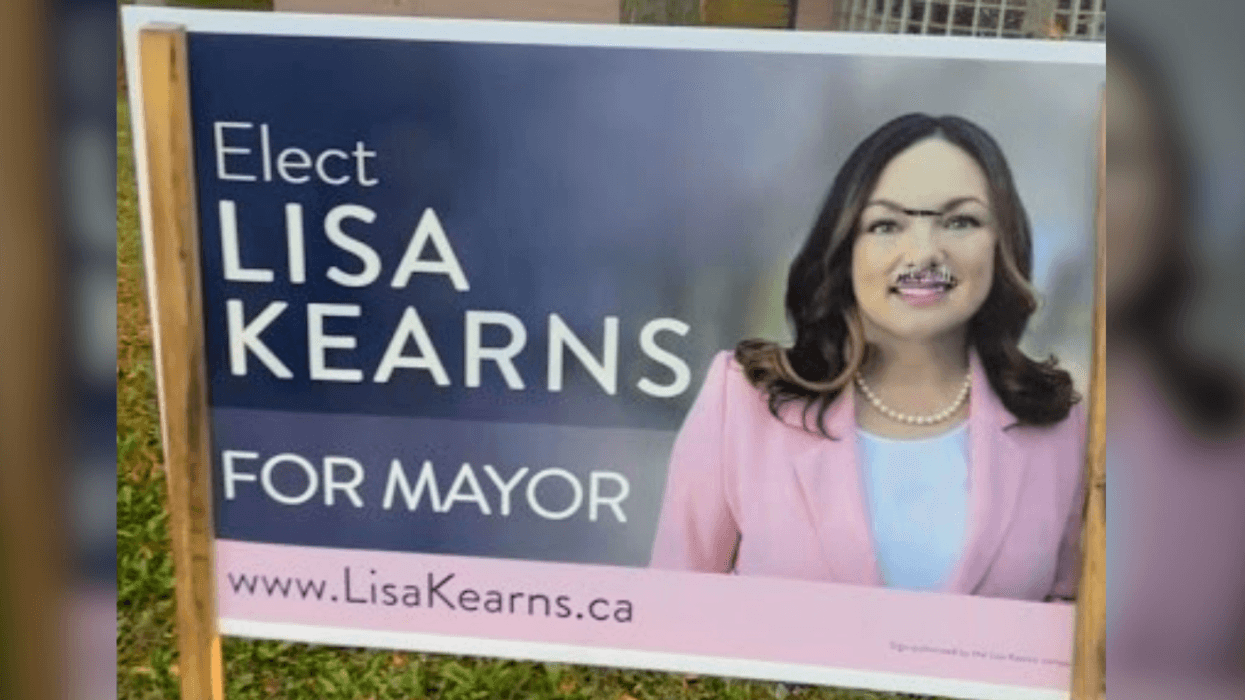
 reply to @lisakearnsward2/Instagram
 reply to Lisa Kearns/Facebook
 reply to Lisa Kearns/Facebook
 reply to @lisakearnsward2/Instagram
 reply to Lisa Kearns/Facebook
 reply to Lisa Kearns/Facebook
 reply to @lisakearnsward2/Instagram
 reply to Lisa Kearns/Facebook
 reply to Lisa Kearns/Facebook
 reply to @lisakearnsward2/Instagram
 reply to Lisa Kearns/Facebook
 reply to Lisa Kearns/Facebook
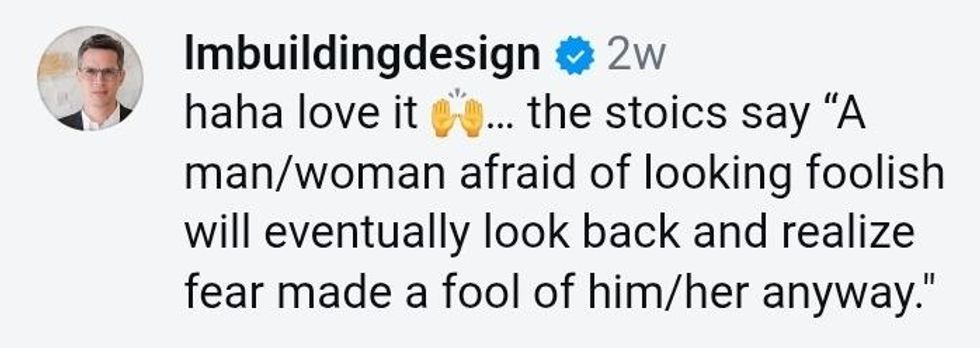 reply to @lisakearnsward2/Instagram
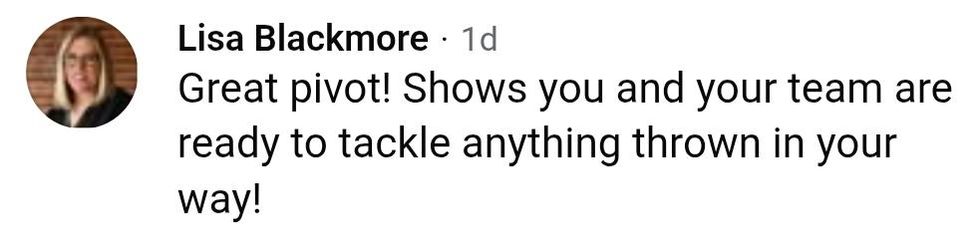 reply to Lisa Kearns/Facebook
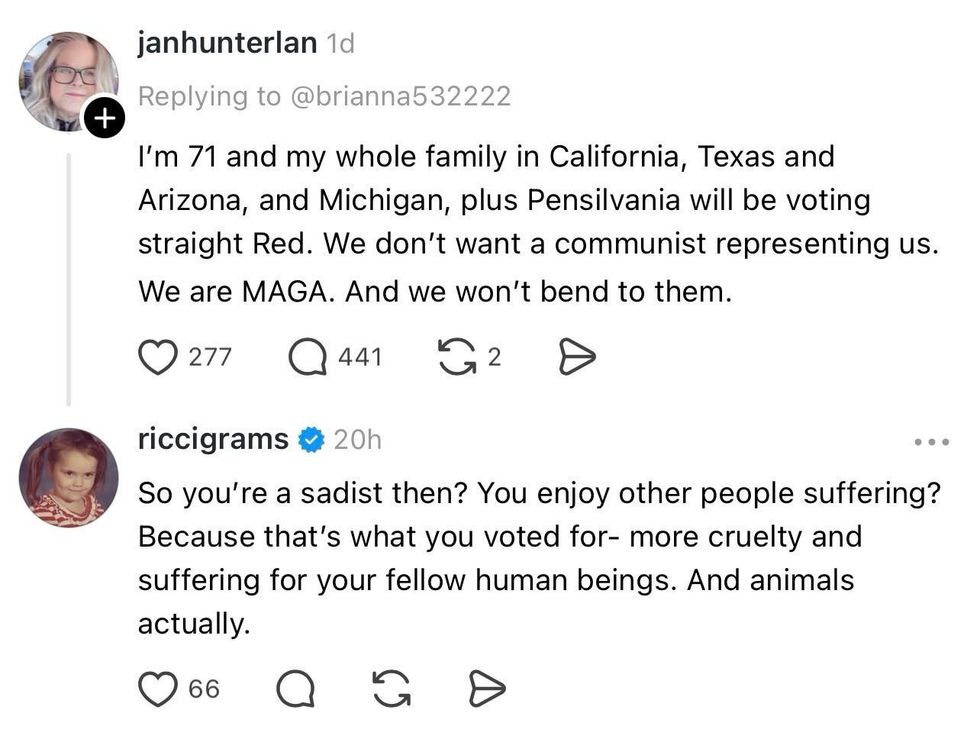 @janhunterlan/Threads; @riccigrams/Threads
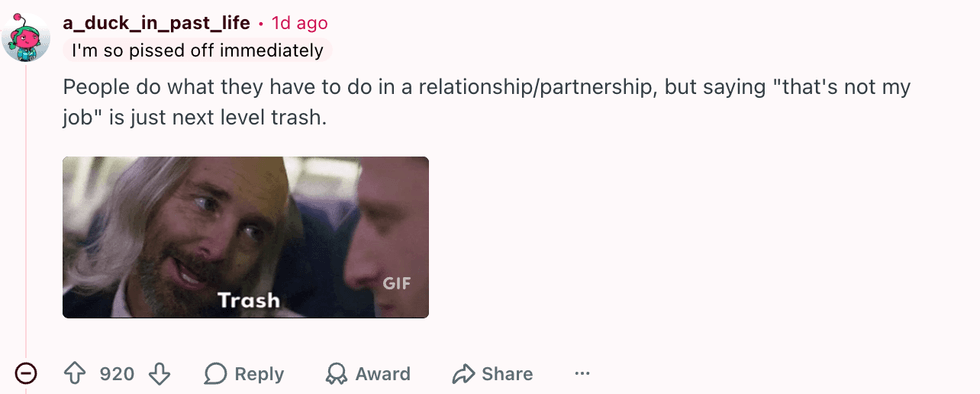 u/a_duck_in_past_life/Reddit
 u/GordEisengrim/Reddit
 u/qu33rtyc0wboy/Reddit
 u/-SnuffBox-/Reddit
 u/Kooky-Blueberry-5352/Reddit
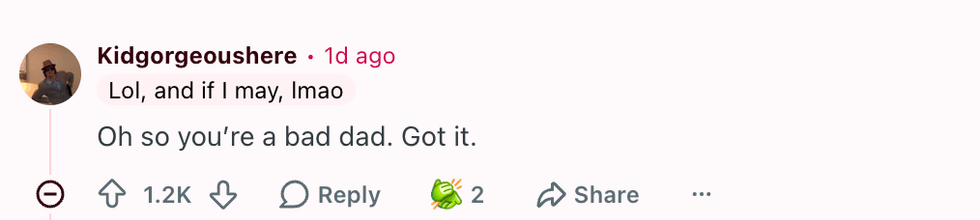 u/Kidgorgeoushere/Reddit
 u/OShaunesssy/Reddit
 u/eugeneugene/Reddit
 u/AvengingHero2012/Reddit
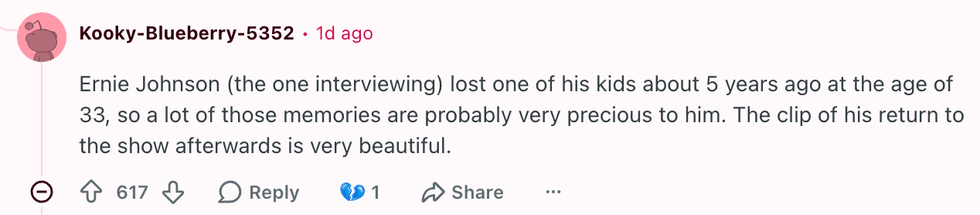 u/Kooky-Blueberry-5352/Reddit
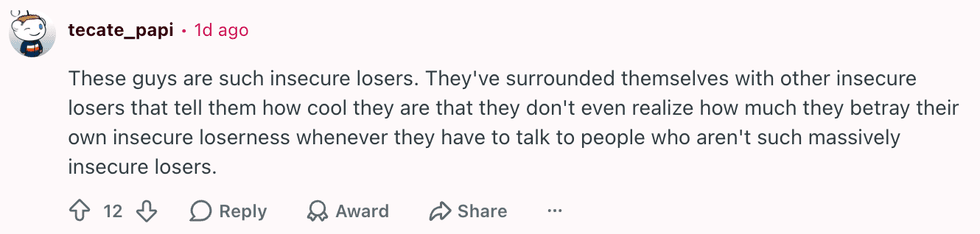 u/tecate_papi/Reddit
 u/Accomplished_Ad5811/Reddit
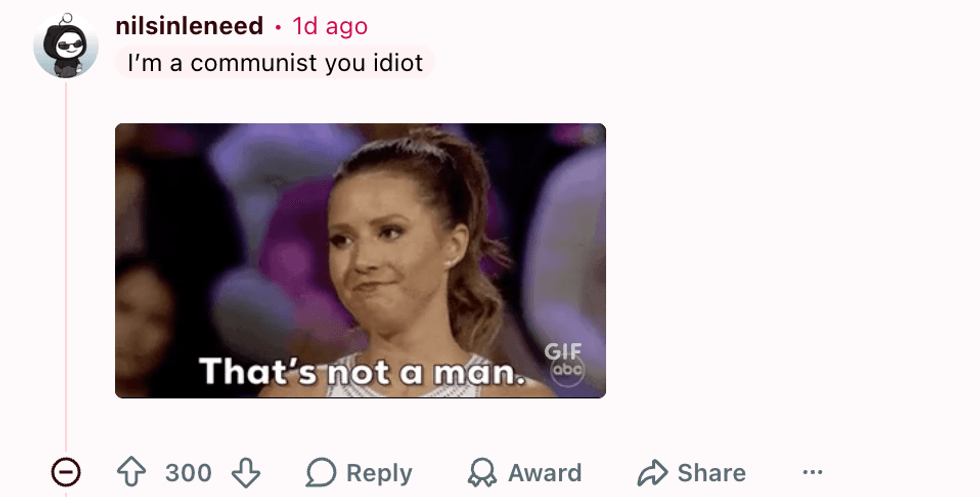 u/nilsinleneed/Reddit