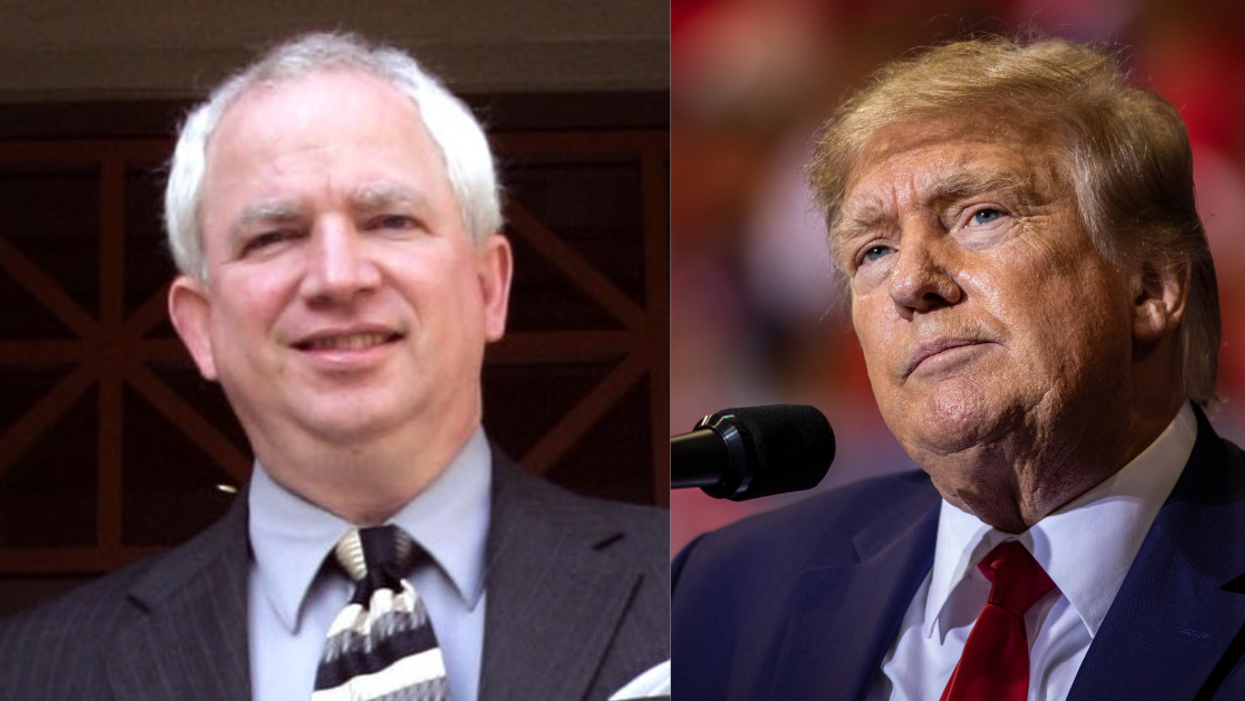

In a much-anticipated ruling, Judge David Carter methodically walked through the privilege claims of Trump attorney John Eastman and, in the end, handed the January 6 Committee and federal investigators some potentially valuable evidence that might otherwise have remained shrouded as work product or attorney-client communications.
As reporter Kyle Cheney of Politico noted:
“[F]or the second time in three months, Carter has determined that Eastman’s claims had little merit in the face of the grave allegations of his role in an attempt to subvert the results of the 2020 presidential election.”
The documents and communications that Judge Carter has ordered Eastman to produce help establish at least four key points:
- The Eastman plan was a group effort established in early December that involved multiple legal advisors;
- The White House was at the center of a broad coordination effort to get state legislators in swing states to overturn their states’ election results;
- Former President Trump was aware of and involved in the conspiracy personally and took steps in furtherance of it; and importantly
- The Trump legal team actively sought to evade judicial review of the plan to overturn the election.
Let’s walk through what Judge Carter said about each matter and how his ruling could affect the investigations and any related cases going forward.
A Group of Conspirators Worked for a Month on the Coup Plan
Judge Carter noted that a crucial email dated December 22, 2020, which he ordered produced, “referred to ‘the January 6 strategy’ as a known plan to eight other people.” This email establishes that the “January 6 Strategy” had existed for some time and that it involved not only Eastman and Trump but many others within the ambit of the White House.
The effect of this ruling could be broad. In his prior ruling, Judge Carter had been focused solely on the period between January 4-7, 2021, when Trump and Eastman were seeking to pressure Vice President Pence to overturn the election by unilateral decree. Carter ruled then that the “crime-fraud” exception to the attorney-client privilege applied.
That exception overcomes the privilege when a client consults an attorney for advice that will serve him in a crime, and the communications are sufficiently related to and made in furtherance of the crime. (The crime doesn’t have to have succeeded for the exception to apply.)
His finding means that the crime-fraud exception extends backward to early December, when the crime was first proposed and discussed, and it could wipe out privilege claims sought to be asserted by other co-conspirator attorneys such as Jeffrey Clark of the Justice Department or Rudy Giuliani.
The White House Was the Center of an Illegal Plan to Pressure State Legislators
It was already well established from witness testimony that the White House convened a zoom call just before January 6 with dozens of state legislators who wanted to help keep Trump in power. Eastman’s emails, however, show a deeper connection between the White House and a pro-Trump group to pressure legislators in the key swing states of Pennsylvania, Georgia and Arizona to overturn their states’ election results.
Judge Carter found that many of these documents were protected attorney work product because they sought and provided legal advice, and therefore the specifics of the legal inquiry and the advice actually provided in response remains privileged.
However, the fact that these communications with state legislators occurred is not itself privileged. This provides a useful evidence and witness trail for investigators to follow up on with state legislators who were pressured into active alignment with, and to potentially assist in, the Eastman conspiracy.
But as to ten key documents, Judge Carter drew the line. He ordered Eastman to produce documents about meetings Eastman had held with a secretive pro-Trump group that included one “high-profile” leader to discuss strategies for overturning the 2020 election. The documents concern three December meetings by the group, including the agenda for a meeting on December 9, 2020.
“The agenda included a section entitled ‘GROUND GAME following Nov 4 Election Results,’ with a plan by a Congressmember “to challenge the electors in the House of Representatives,” Carter wrote. Other meetings of the group took place on December 8 and December 16.
These established, as Judge Carter noted, a two-tiered plan by the White House to steal the election, with a key component being getting state lawmakers to act to overturn their own states’ election results. This is something that prosecutors in Fulton County, Georgia, for example, might find helpful in bringing state election fraud charges there.
As Judge Carter wrote:
“Dr. Eastman reached out to sympathetic state legislators in Pennsylvania, Georgia and Arizona, urging them to decertify Biden electors and certify alternate Trump electors."
"Just three days after the third meeting, Dr. Eastman admitted that his January 6 plan hinged on ‘electors get[ting] a certification from their State Legislatures’—without it, the dueling slates would be ‘dead on arrival in Congress'."
"Dr. Eastman’s actions in these few weeks indicate that his and President Trump’s pressure campaign did not end with Vice President Pence—it targeted every tier of federal and state elected officials."
"Convincing state legislatures to certify competing electors was essential to stop the count and ensure President Trump’s reelection.”
Former President Trump Was in on the Conspiracy
It’s common and understandable to presume that someone like the U.S. President or the head of a major company obviously must know about a crime being committed by his underlings or by the organization he runs. But it is another thing entirely to prove beyond a reasonable doubt that he was involved directly in the conspiracy or crime.
This could be what is tripping up prosecutors in the Manhattan DA’s office case for fraudulent financial statements by Donald Trump as CEO of the Trump Organization: Trump could always claim he was just listening to the advice of his accountants in signing off on those false statements.
He could and likely would make the same argument with respect to the Eastman coup plot, saying he was simply listening to his lawyer’s advice and didn’t commit any crimes in so doing.
Further, Trump is known to almost never keep notes or use email, making any contemporary documentation of his involvement in a crime or conspiracy hard to establish.
The lack of such documentation is already hampering efforts by the State Attorney General of New York to establish civil fraud by Trump, who sued and fought for weeks to force Trump to turn over documents, only to have Trump claim that no responsive documents exist in his possession beyond the 10 documents from his office his lawyers provided.
But two handwritten notes from the former President, apparently forwarded to Eastman by Trump’s executive assistant, could help get past these hurdles. Judge Carter noted that among the documents withheld on privilege grounds were two notes “that discuss how to frame President Trump’s potential press statement on certifying alternate electors in swing states.”
This is potentially important evidence.
It shows that Trump himself, in his own handwriting, was thinking about a critical part of the Eastman plan that involved the use of the “alternate” electors in key swing states. It also shows Trump was actively discussing how to message about those alternate electors publicly.
In short, Trump wasn’t just theoretically considering Eastman’s advice, he was actively communicating about how best to implement it.
The Conspirators Tried To Keep the Plan Out of the Courts
The most legally impactful evidence that Eastman must now turn over to the Committee likely lies within a single email. That communication, dated December 22, 2020, “considers whether to bring a case that would decide the interpretation of the Electoral Count Act and potentially risk a court finding that the Act binds Vice President Pence.”
The author of the email concluded that a negative ruling would “tank the January 6 strategy,” and he advised the legal team to avoid the courts entirely on this question.
While not a “smoking gun”, it does blow a big hole in one likely defense Eastman and Trump would raise if ever charged with obstruction of the electoral count or conspiracy to commit election interference.
Eastman has been arguing that his procedural maneuvering around the Electoral Count Act was not illegal because Trump and Pence would have been within their rights to simply choose to ignore the Act, which Eastman argued was unconstitutional.
But the proper and legal thing to do would have been to bring suit challenging the Act long before January 6, and not to seize power and then justify it by unilaterally claiming, after that fact, that the Act was unconstitutional.
This newest email, wrote Judge Carter:
“...cemented the direction of the January 6 plan. The Trump legal team chose not to seek recourse in court—instead, they forged ahead with a political campaign to disrupt the electoral count.”
Other evidence already in the possession of the Committee shows that Eastman himself did not believe, and conceded to others, that he would get a single vote by the Supreme Court in favor of his position, i.e. that Mike Pence could simply assert his power to toss out votes of seven swing states.
In his ruling yesterday, Judge Carter further blasted the entire Trump legal team for trying to steer clear of adverse court rulings.
“Lawyers are free not to bring cases; they are not free to evade judicial review to overturn a democratic election.”





 @instadanjlevy/Instagram
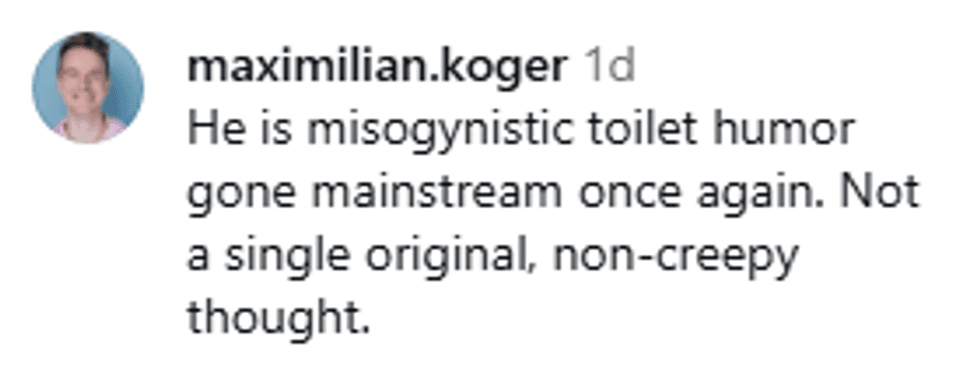 @instadanjlevy/Instagram
 @instadanjlevy/Instagram
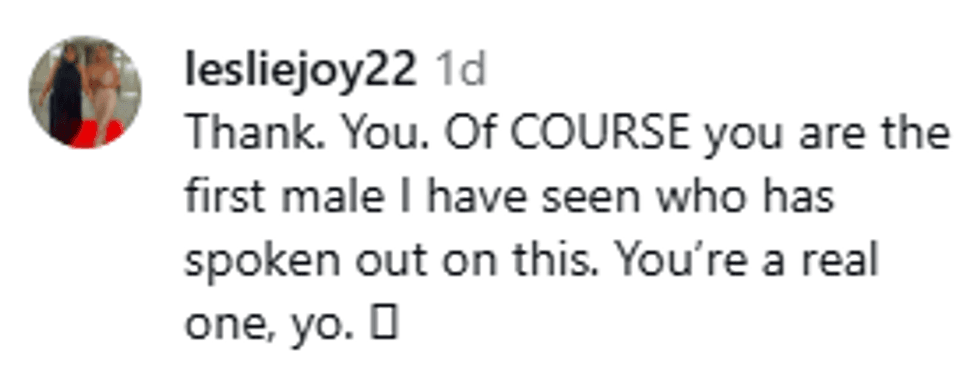 @instadanjlevy/Instagram
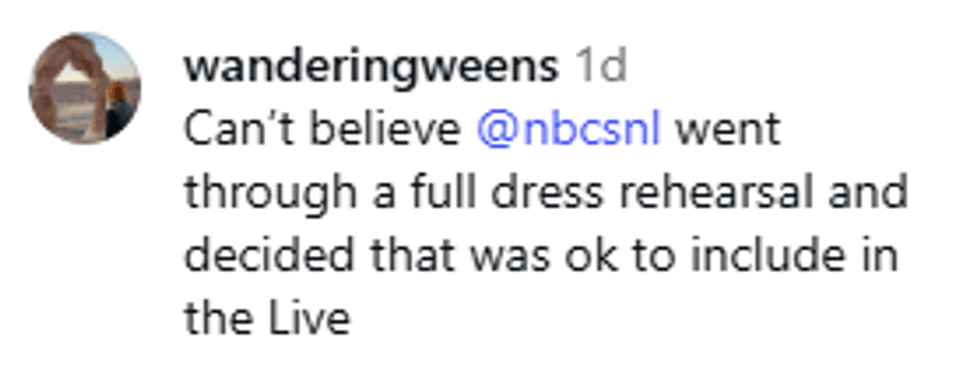 @instadanjlevy/Instagram
 @instadanjlevy/Instagram
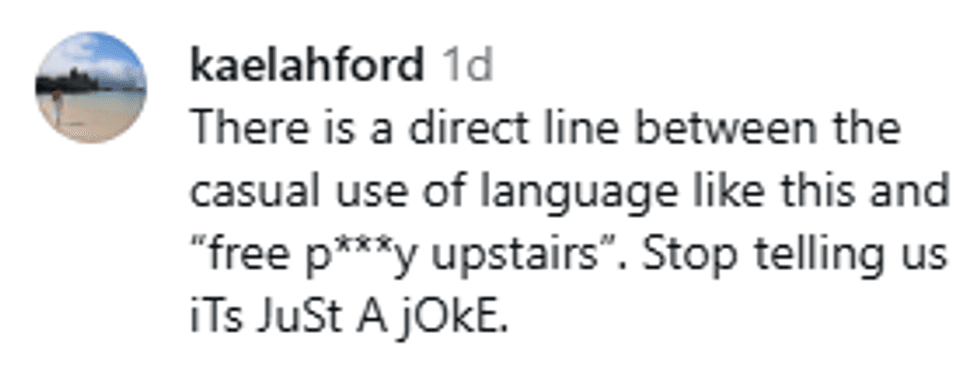 @instadanjlevy/Instagram
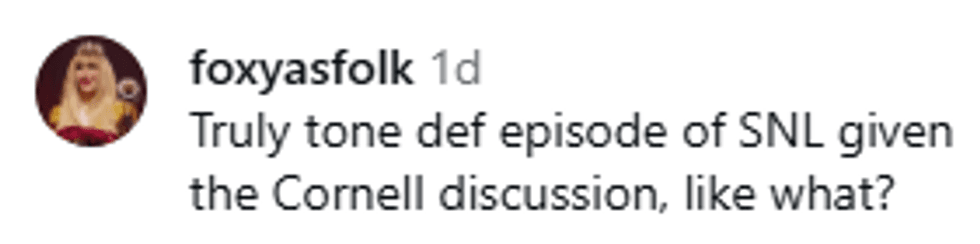 @instadanjlevy/Instagram
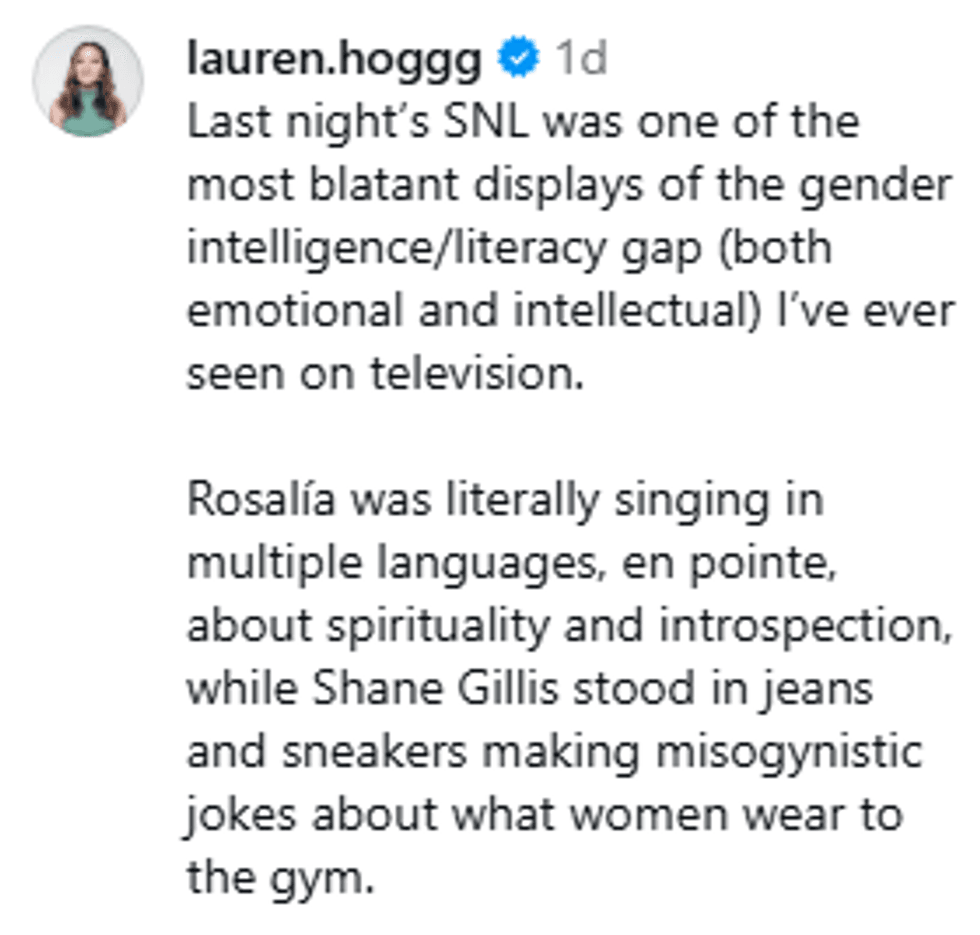 @instadanjlevy/Instagram
 @instadanjlevy/Instagram