

Denver became the first U.S. city to decriminalize psychedelic mushrooms by a narrow margin.
Initiative 301 passed with nearly 51% of the vote on Tuesday's election according to final unofficial results posted by the Denver Elections Division.
Military and overseas ballots are still coming in, but division spokesperson Alton Dillard said their votes would not be enough to sway the decision the other way.
The final results will be announced on May 16.
It is a long overdue decision, given that psilocybin, the psychedelic prodrug compound is not known to be addictive and does not cause compulsive use.
The initiative decriminalizes the use of psilocybin by adults who are 21 or older and should be the absolute lowest priority for law enforcers.
But even if voters approve the new measure, it does not legalize the use or possession of psilocybin, nor its sale by cannabis businesses.
Initiative 301 campaign manager and Denver native Kevin Matthews told the Denver Post that the process has "been one hell of a 21 and a half hours."
"If these results hold, this is an example of the absurd comedy of the great metaphor. Against all odds, we prevailed. This is what happens when a small team of dedicated and passionate people unite under a single idea to create change."
It's time for an update.
Organizers started the mushroom measure as a way to keep people out of jail for using or possessing illegal substances in order to cope with depression, anxiety, and post-traumatic stress.
Matthews said he used psilocybin to help with his depression for years.
"This is not something you have to take every day. It provides a lot of lasting benefits, weeks and months after one experience."
However, opponents like Jeff Hunt, director of the Centennial Institute at Colorado Christian University, are not happy.
The Post reported no known organized opposition campaign, but critics over Denver's previous legalization of marijuana in 2005 see harmful impacts as a result of yet another trailblazing move from the city.
"We'll see what the final numbers are, but we're a little stunned to see a 7,000-vote flip overnight on that," said Hunt, who is fearful of the progressive city becoming the "illicit drug capital of the world."
"We'll continue to fight the growing drug culture. Denver's becoming the illicit drug capital of the world. The larger issue here is not good for our city."
What about the rest of us?
Oregon is preparing to get psilocybin-related measures on the ballot for 2020, as well as California, after failing to qualify for a vote in 2018.
Some describe the psychedelic drug has hallucinatory effects and can induce a trip that can last three to six hours. This time, that journey won't lead to a cell.


 @withethanlap/TikTok
 @withethanlap/TikTok
 @withethanlap/TikTok
 @withethanlap/TikTok
 @withethanlap/TikTok
 @withethanlap/TikTok
 @withethanlap/TikTok
 @withethanlap/TikTok
 @withethanlap/TikTok
 @withethanlap/TikTok
 @withethanlap/TikTok
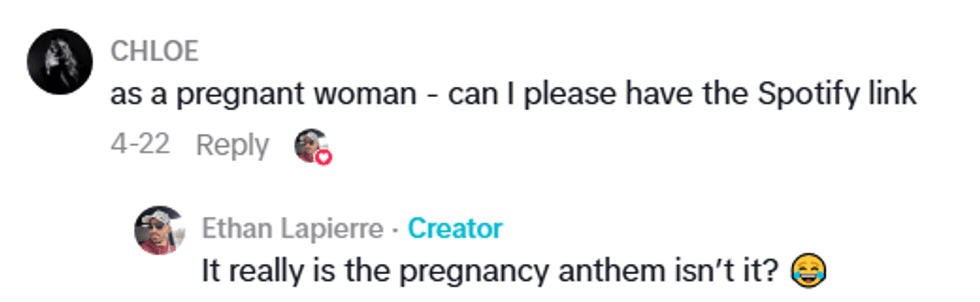 @withethanlap/TikTok
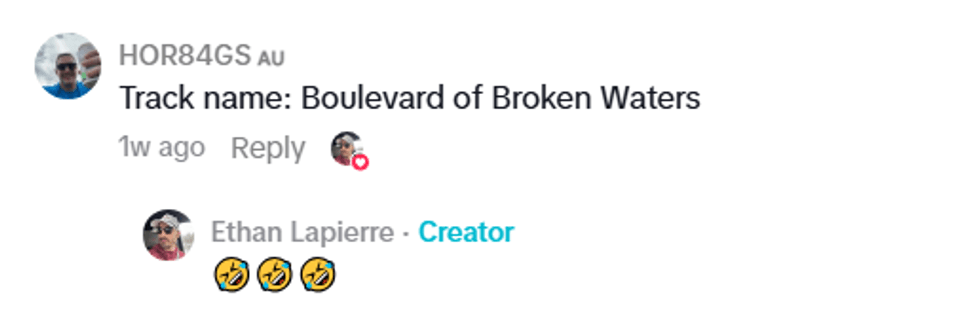 @withethanlap/TikTok
 @withethanlap/TikTok
 @withethanlap/TikTok
 @withethanlap/TikTok
 @withethanlap/TikTok
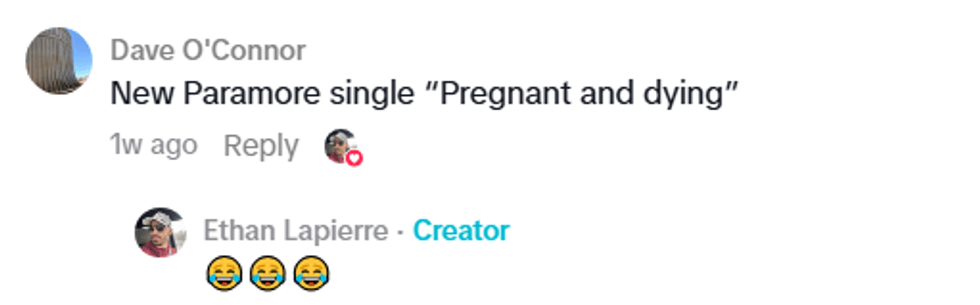 @withethanlap/TikTok
 @withethanlap/TikTok
 @withethanlap/TikTok
 @withethanlap/TikTok
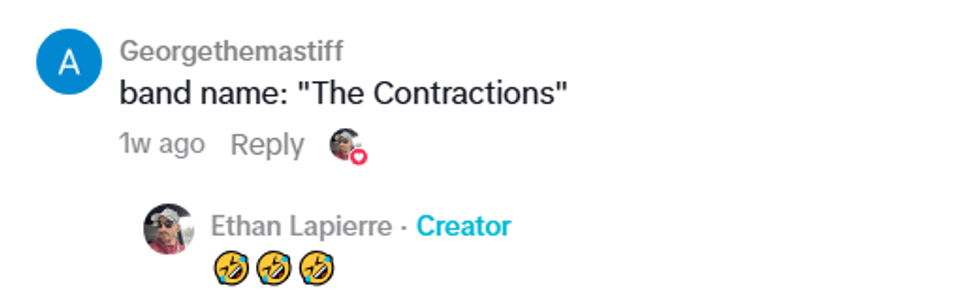 @withethanlap/TikTok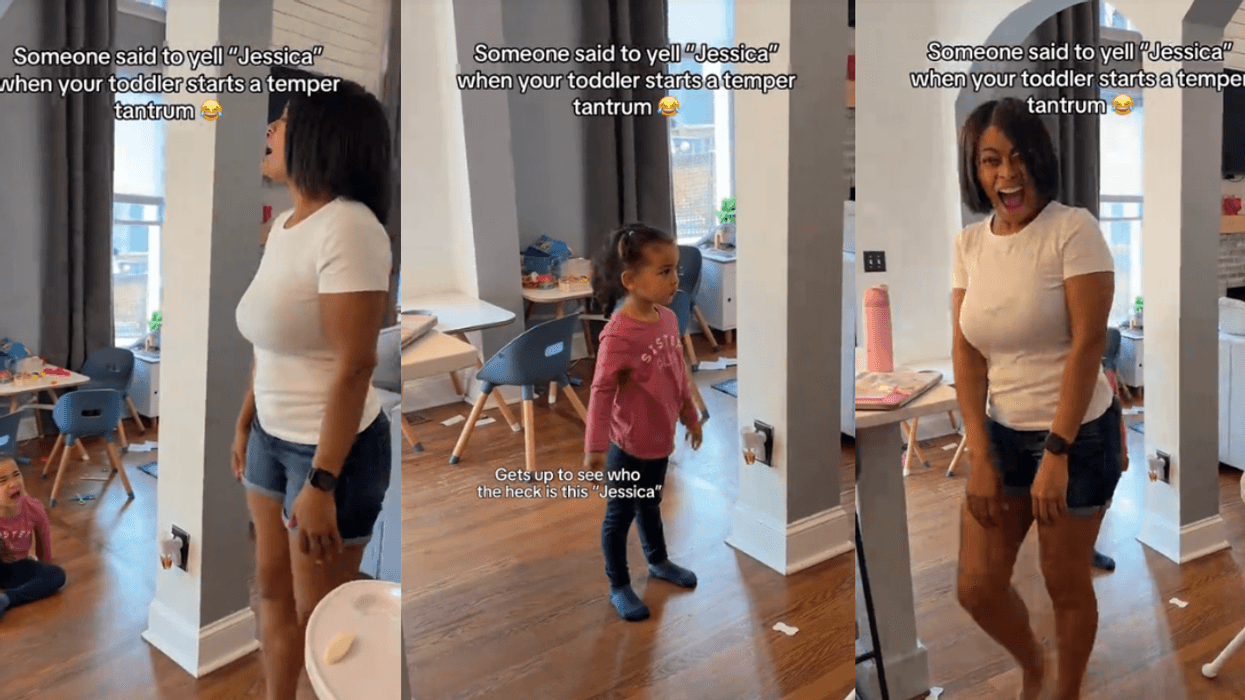
 @ngo.quang.thao/TikTok
 @ngo.quang.thao/TikTok
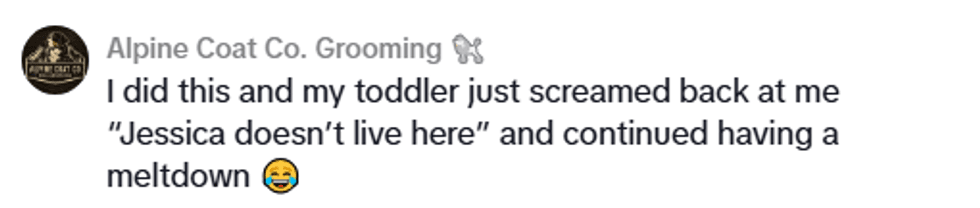 @ngo.quang.thao/TikTok
 @ngo.quang.thao/TikTok
 @ngo.quang.thao/TikTok
 @ngo.quang.thao/TikTok
 @ngo.quang.thao/TikTok
 @ngo.quang.thao/TikTok
 @ngo.quang.thao/TikTok
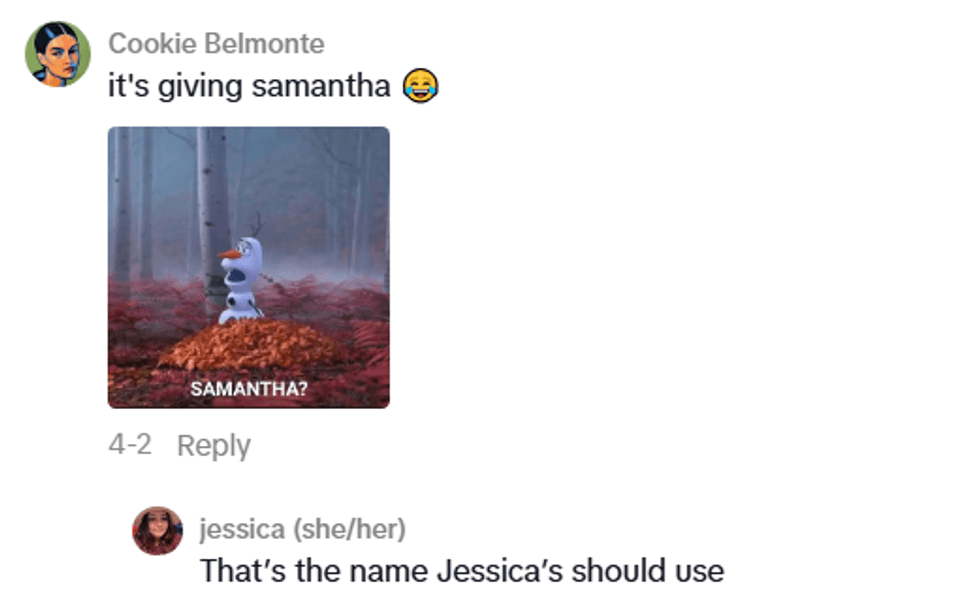 @ngo.quang.thao/TikTok
 @ngo.quang.thao/TikTok
 @ngo.quang.thao/TikTok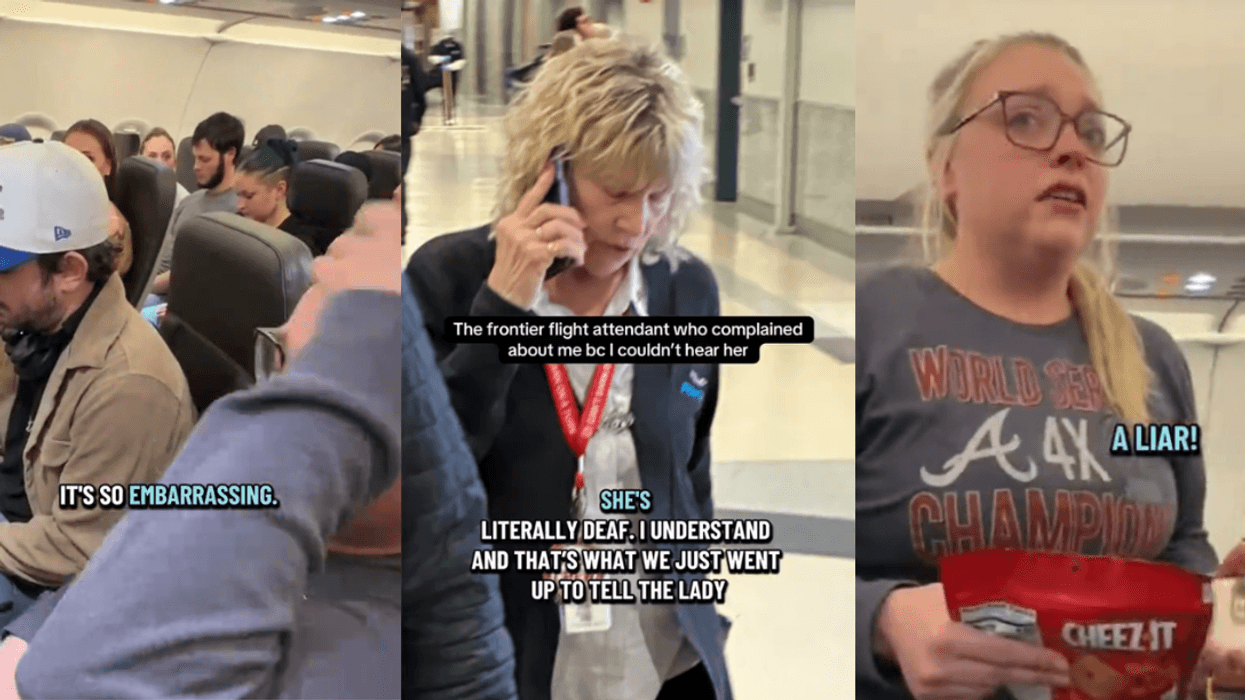
 @legallyswifite13/TikTok
 @legallyswifite13/TikTok
 @legallyswifite13/TikTok
 @legallyswifite13/TikTok
 @legallyswifite13/TikTok
 @legallyswifite13/TikTok
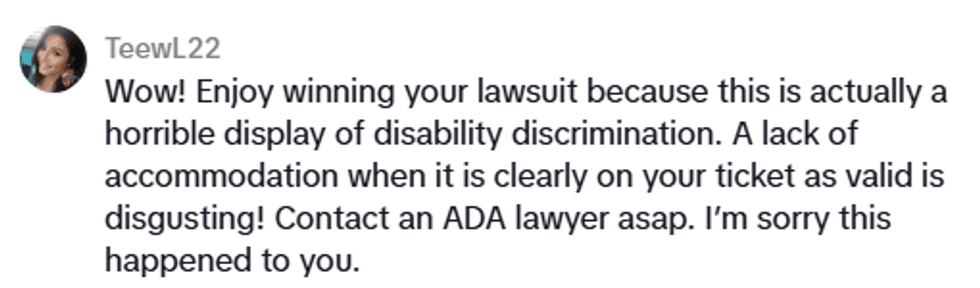 @legallyswifite13/TikTok
 @legallyswifite13/TikTok
 @legallyswifite13/TikTok
 @legallyswifite13/TikTok
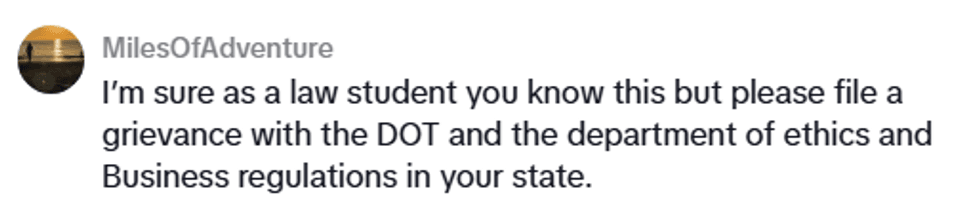 @legallyswifite13/TikTok
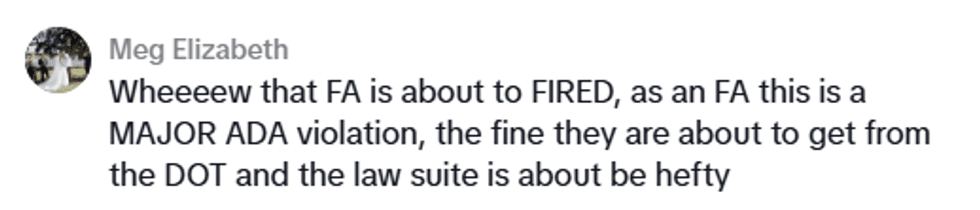 @legallyswifite13/TikTok
 @legallyswifite13/TikTok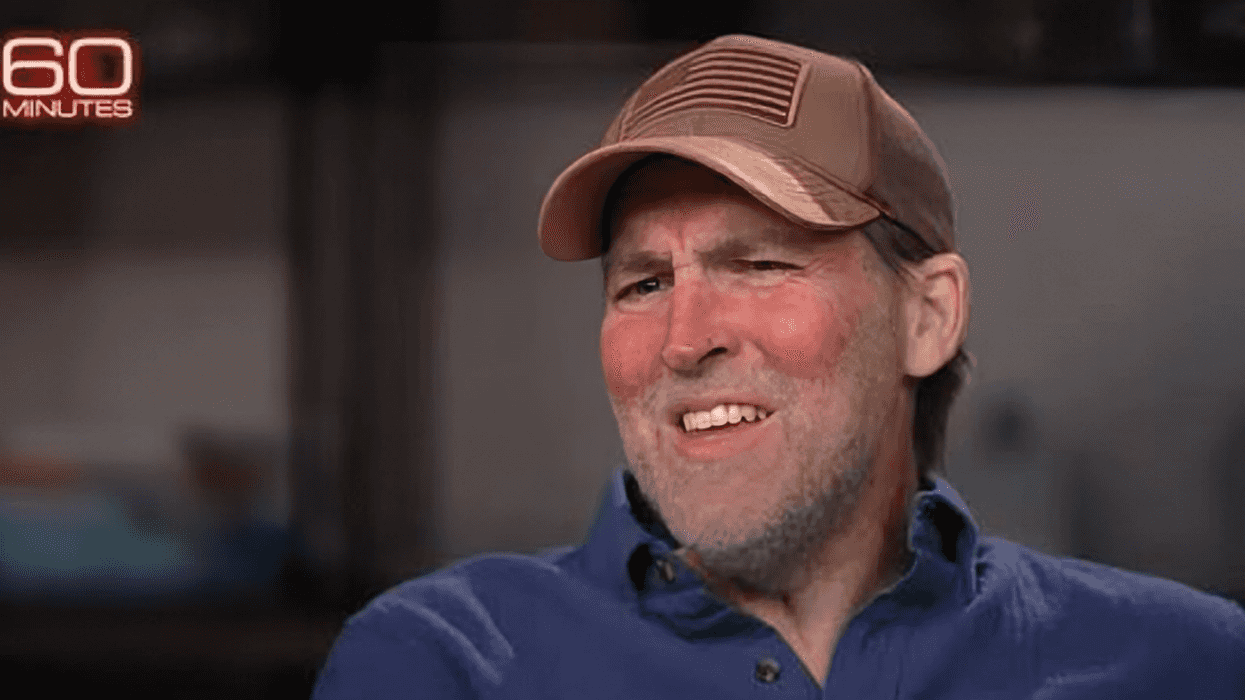
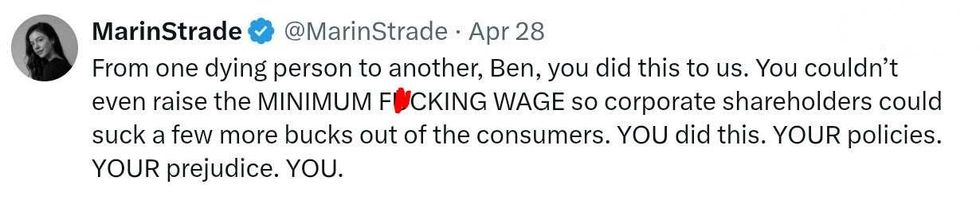 @MarinStrade/X
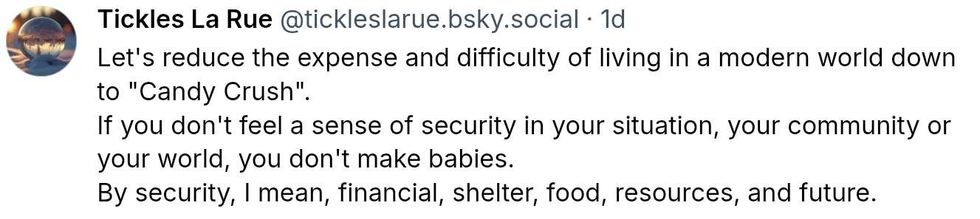 @tickleslarue/Bluesky
 @jbbredin/Threads
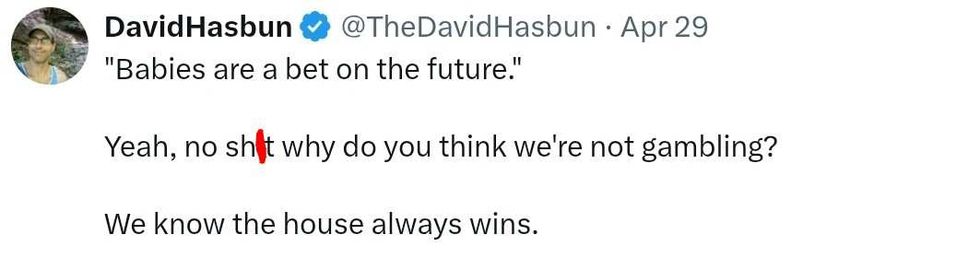 @TheDavidHasbun/X
 @aminhnow/Bluesky
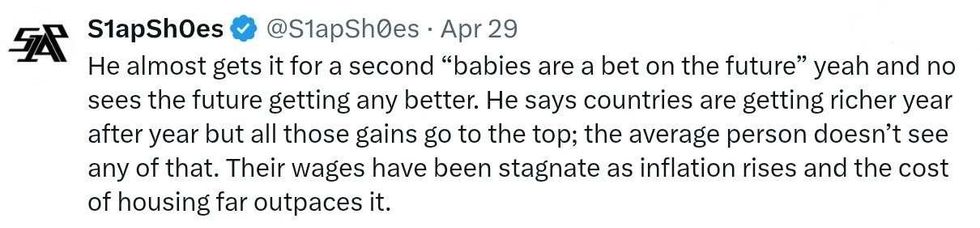 @S1apSh0es/X
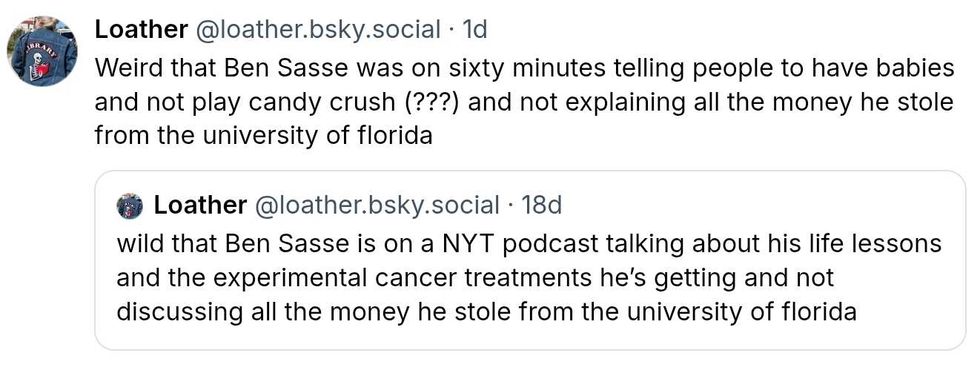 @loather/Bluesky
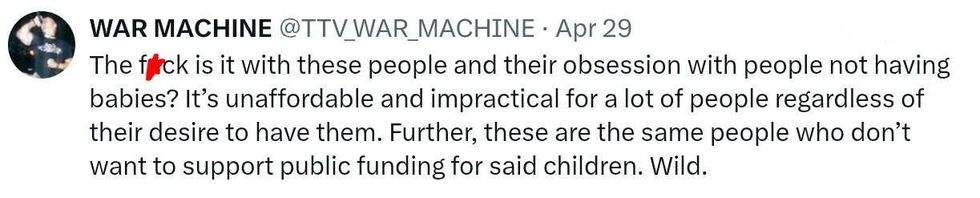 @TTV_WAR_MACHINE/X
 @eddiepearson/X
 @alex-awoos/Bluesky