


In a court filing, the Department of Justice said that the American Civil Liberties Union (ACLU), which represents plaintiffs affected by President Donald Trump's "zero tolerance" family separations policy, should "use their considerable resources and their network of law firms, NGOs, volunteers, and others, together with the information that defendants have provided (or will soon provide)" to reunify deported parents with their children. The Trump administration suggested that the ACLU seek out the parents themselves and ask if they wish to reunite with their children or if they wish to waive that option.
An administration official said yesterday that the filing “simply asks the court to require the ACLU to determine the wishes of and fulfill their obligations to their clients, as they have repeatedly represented in court that they would.“
The ACLU, while eager to reunite parents with their children, argued in court documents that the government "must bear the ultimate burden of finding the parents."
"Not only was it the government's unconstitutional separation practice that led to this crisis, but the United States Government has far more resources than any group of NGOs," ACLU attorneys wrote.
Neither side can agree about what information is appropriate and necessary for the government to provide. As CNN notes:
The government continues to resist giving the ACLU the entire case files of separated parents for the groups to use to track down parents. Instead, they propose delivering a list of information that the ACLU has said was a non-exhaustive list.
On this matter, the DOJ's filing states:
Relatedly, Plaintiffs believe that the Government should be taking the initiative to continually provide Plaintiffs with whatever useful information they possess, without constantly waiting for Plaintiffs to request specific information, especially because the Government knows better than Plaintiffs what types of information are contained in various files and databases.
According to DHS Secretary Kirstjen Nielsen, no parents were deported without first being given the option to take their children with them.
However, a Trump administration official who spoke to Politico said "that an estimated three-quarters of the parents who left the country alone left no record behind that they ever consented to leave their children in the U.S."
"We don't see it in the documentation," the official said.
The ACLU claims in court documents that it tracked down 12 deported parents, only to find that they were already in contact with the government. The Trump administration said 410 children who remain in custody have parents who are no longer in the United States. According to Commander Jonathan White of the US Public Health Service Commissioned Corps, the parents of more than 500 children from separated families may have been deported. 429 of those children are in the government's custody. He added that 81 children have been released to other sponsors.
The DOJ's justifications for not reuniting parents with their children has been largely criticized on social media, too.
The ACLU commented in a tweet of its own.
"We are eager to help locate these parents, but won't allow the president to pass the blame for the crisis he created, the organization wrote.





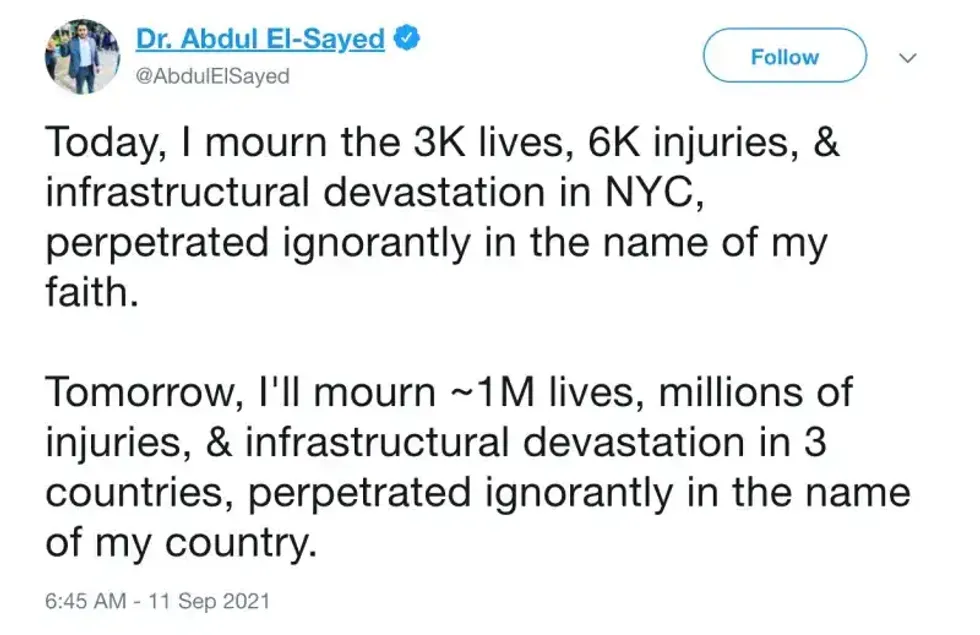 @AbdulElSayed/X

 @basd/Instagram
 @samsznd/Instagram
 @lulilaprida/Instagram
 @amymcdoug/Instagram
 @drryne/Instagram
 @alextipe/Instagram
 @vinicius_brito_21/Instagram
 @heatherdubrow/Instagram
 @heverttonfrederico/Instagram
 @sunflower.3034/Instagram
 @bakhos_boufrancis/Instagram
 @marjoriegubelmann/Instagram
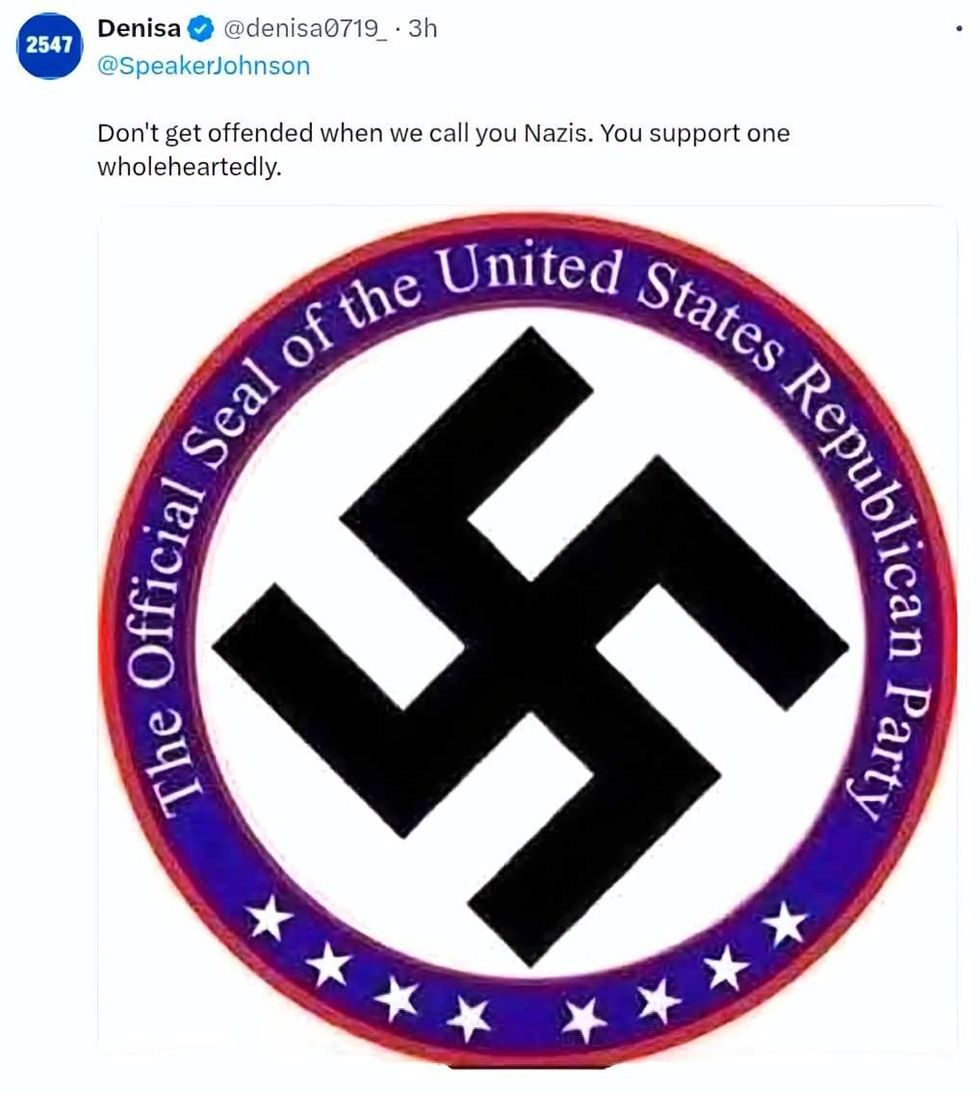 @denisa0719_/X
 @thecachinnator/Threads
 @jeetguerra/Threads
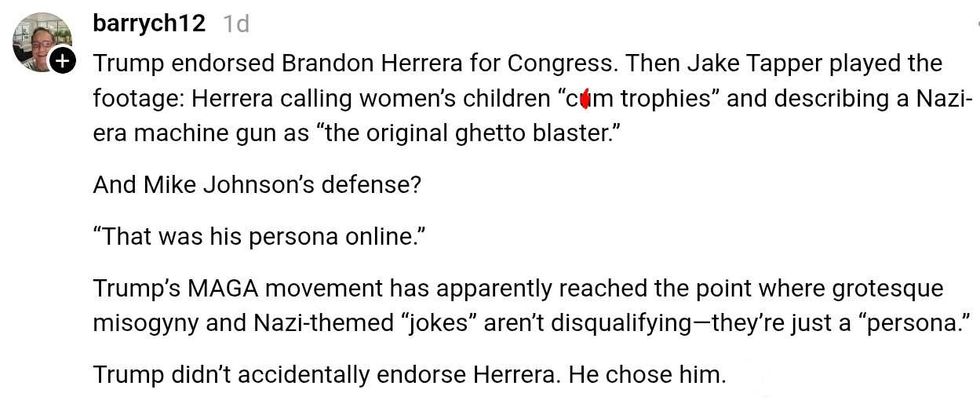 @barrych12/Threads
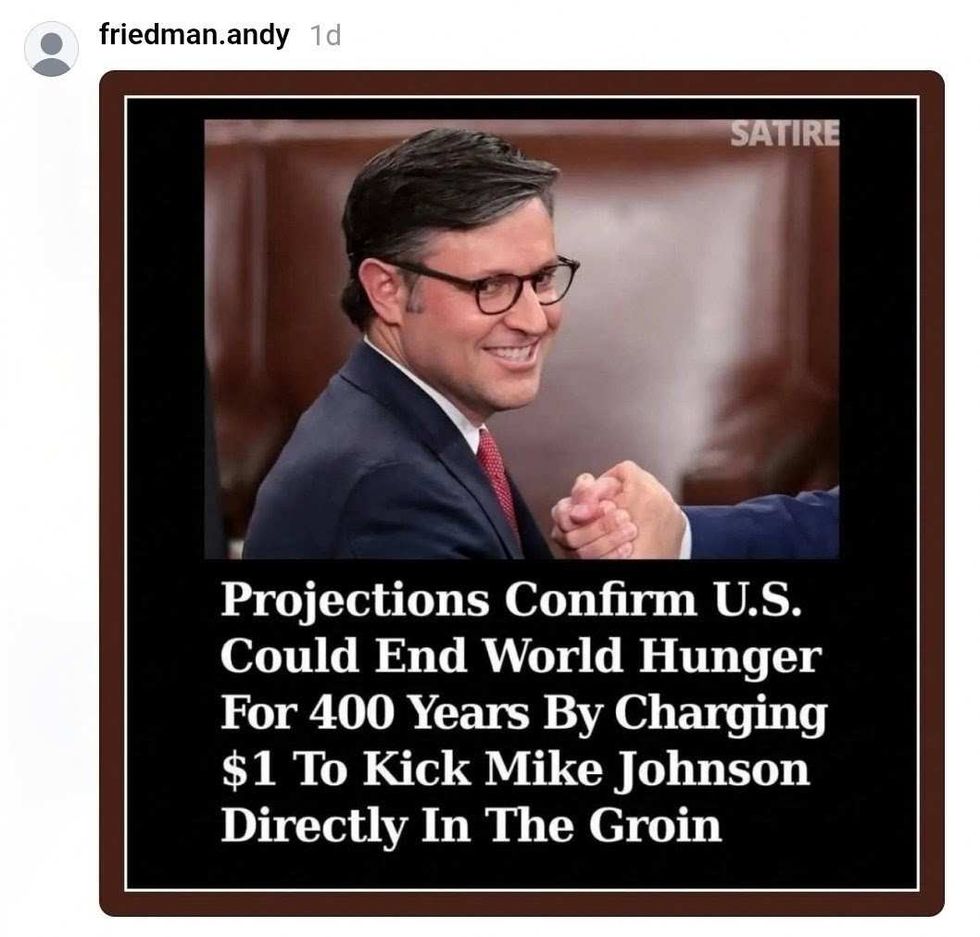 @friedman.andy/Threads
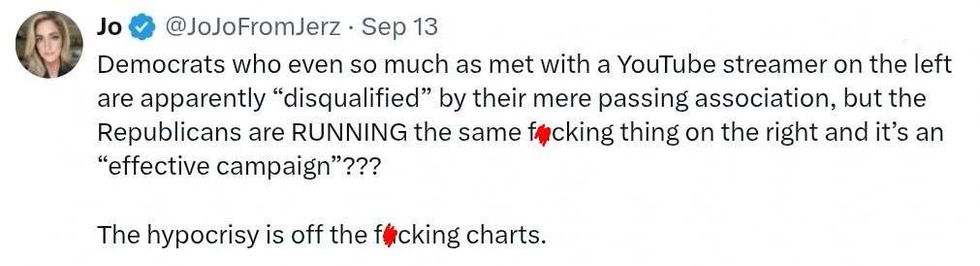 @JoJoFromJerz/X