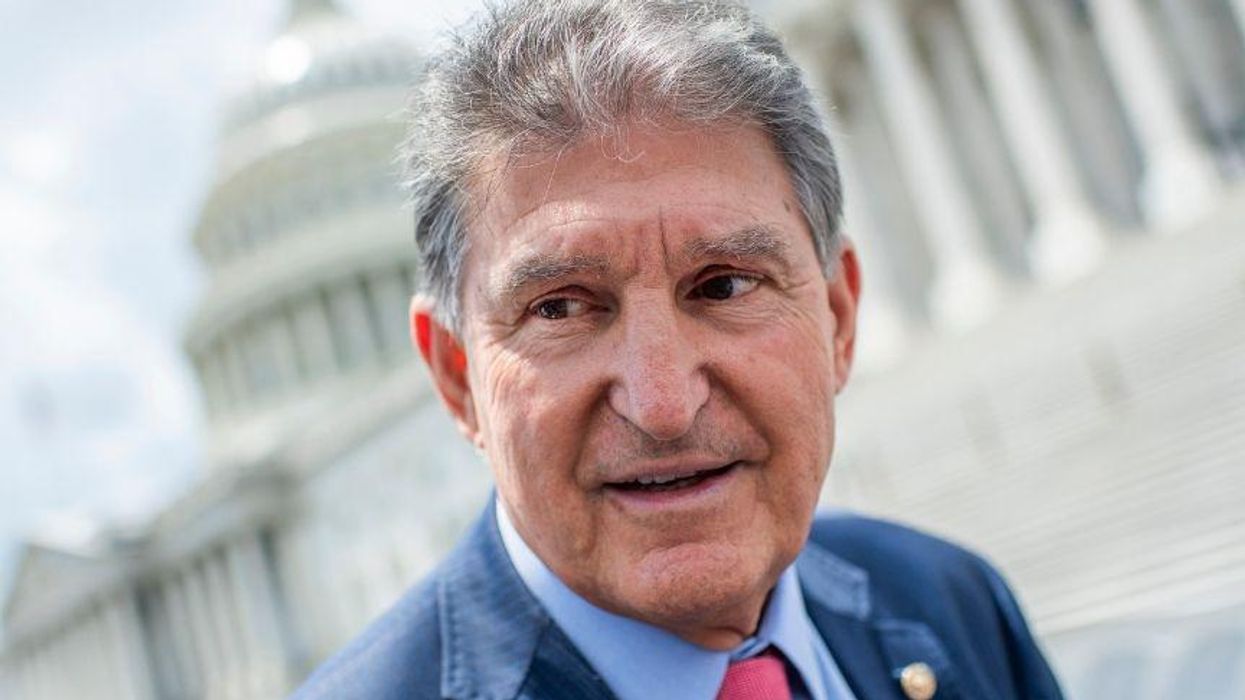

Capitol Hill is abuzz with news of a "leaked" recording of a zoom teleconference featuring moderate Democratic Senator Joe Manchin and some big donors, who are part of a little-known but highly influential centrist PAC called "No Labels." That PAC was co-founded originally by Sen. Joe Lieberman as a way for wealthy hedge fund managers and tech leaders to support the agendas of both conservative Democrats and moderate Republicans.
During the call, a copy of which was provided to The Intercept, Manchin speaks frankly about the tactics and methods he recommends to achieve four of his priorities—which could prove very valuable for the Biden White House and in one instance caused McConnell to go ballistic.
First, Manchin seemed genuinely convinced, despite evidence to the contrary, that there remain 10 GOP senators willing to vote for an independent commission to investigate the insurrection of January 6. He told those on the call that he only needed to flip a few more Senate Republicans (three, if you count Pat Toomey as a "yes" when he actually shows up) in order to overcome the filibuster when the bill emerges for a vote again later this month. Notably, Manchin tied this priority to the preservation of the filibuster rule itself, asserting that the best argument by the "far left" that bipartisanship is dead is that they can't even get an independent January 6 commission past the Senate. Manchin felt it was important to prove they were wrong.
Second, Manchin revealed some of his cards—and likely caused McConnell to panic a little—over whether there is any wiggle room left on the filibuster. Although No Labels is strongly supportive of keeping the filibuster (after all, it preserves the status quo, which helps them tremendously against a Congress that wants to raise corporate taxes and elect a more liberal Congress), Manchin indicated that he was still considering changes to it.
Those include lowering the filibuster threshold to 55 votes or forcing the minority to show up with at least 40 votes to keep one going:
"Right now, 60 is where I planted my flag, but as long as they know that I'm going to protect this filibuster, we're looking at good solutions. I think, basically, it should be [that] 41 people have to force the issue versus the 60 that we need in the affirmative. So find 41 in the negative….I think one little change that could be made right now is basically anyone who wants to filibuster ought to be required to go to the floor and basically state your objection and why you're filibustering and also state what you think needs to change that'd fix it, so you would support it. To me, that's pretty constructive."
Third, Manchin also spoke about his bipartisan group's proposal on infrastructure, but hedged when it came to whether he would vote for a Democrat-only bill via the budget reconciliation process, which does not permit a filibuster. "I'm not going to sign off on reconciliation, giving up on bipartisanship until you give it a try," Manchin said on the call. His efforts got a big boost overnight as the number of senators who support the bipartisan infrastructure bill swelled to 21, including at least 10 Republicans, enough presumably to overcome a GOP filibuster. Divisions remain over how to pay for the bill: President Biden has indicated that he will not support any form of a gas tax, for example, which would impact families making under $400,000 and break his campaign pledge, while the GOP currently refuses to budge over any new taxes on corporations. They instead propose to use $435 billion in as-yet unspent Covid relief funds and reallocate it toward infrastructure. Whether the parties can agree on a funding mechanism for the $1 trillion proposal is now the key question, and Democrats are preparing to go it alone if the White House rejects the plan.
Finally, Manchin indicated during the call that he was ready to lay out his objections to SB 1, the For the People Act, and propose a version that gets past these objections. These are things he failed to mention in his previously published Op-Ed, in which he came out against the entire bill on grounds it lacked any GOP support. But they do follow a series of high level meetings with Black voting rights and civil rights leaders and embarrassing reports of the pressure Manchin was under from a Koch Industry-backed PAC.
Following the No Labels call, Manchin's office went forward and released a three-page memo outlining what parts of the voting rights bill actually remained acceptable to him and that he would support, including making Voting Day a national holiday, mandating 15 days of early voting, and banning partisan gerrymandering in favor of computer models that draw districts. While this is a bit of welcome news for Democrats eager to see some voting rights legislation pass, many remain skeptical that even this watered-down version can gain any GOP support, which Manchin earlier indicated was key to winning his support. But in a rare political twist, voting rights advocate Stacey Abrams came out today in favor of Manchin's compromise bill, perhaps recognizing that achieving something is better than nothing at all. McConnell blasted the "compromise" in a curious word salad, claiming it "subverts the First Amendment to supercharge cancel culture and the left's name-and-shame campaign model."
So what should we make of these developments? Manchin now is in the curious position of supporting compromise proposals on voting rights and infrastructure, as well as a heading campaign to gain 10 GOP votes for the January 6 commission, while publicly standing by the very filibuster rule that could sink any or all of these plans and privately indicating he could tweak it. It's possible that Manchin's office leaked the recording of the call itself, or allowed it to leak, precisely to warn his Senate GOP pals that if they don't do things his way, he could force them into a talking filibuster or drop the requirement down to 55 senators. If Manchin's bipartisan infrastructure group achieves legislative success, he may be able to leverage that into an argument to Democrats that filibuster reform is not needed because bipartisanship is still possible.
That argument, and a bipartisan infrastructure deal, ultimately may prove useful to President Joe Biden as well, who is often accused by the right of having promised a bipartisan approach but thus far only achieved success through razor-thin Democratic-only votes in Congress. Manchin no doubt hopes that any deal, especially one with 10 GOP senators, would undercut arguments from the left that he is betraying his party by standing by the filibuster. It now seems likely that he will get at least one bipartisan proposal on infrastructure up for consideration, but the jury remains out on whether that same group can come together to approve the January 6 commission—or even less likely, a real voting rights bill with any teeth.
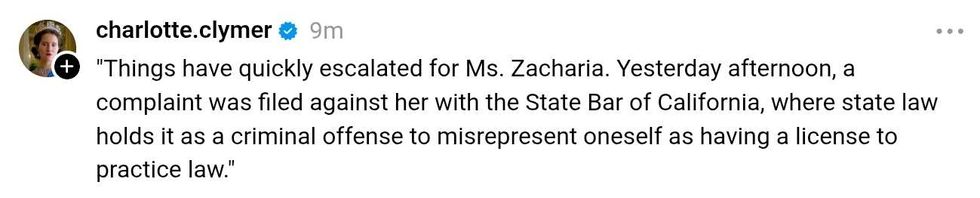 @charlotte.clymer/Bluesky
 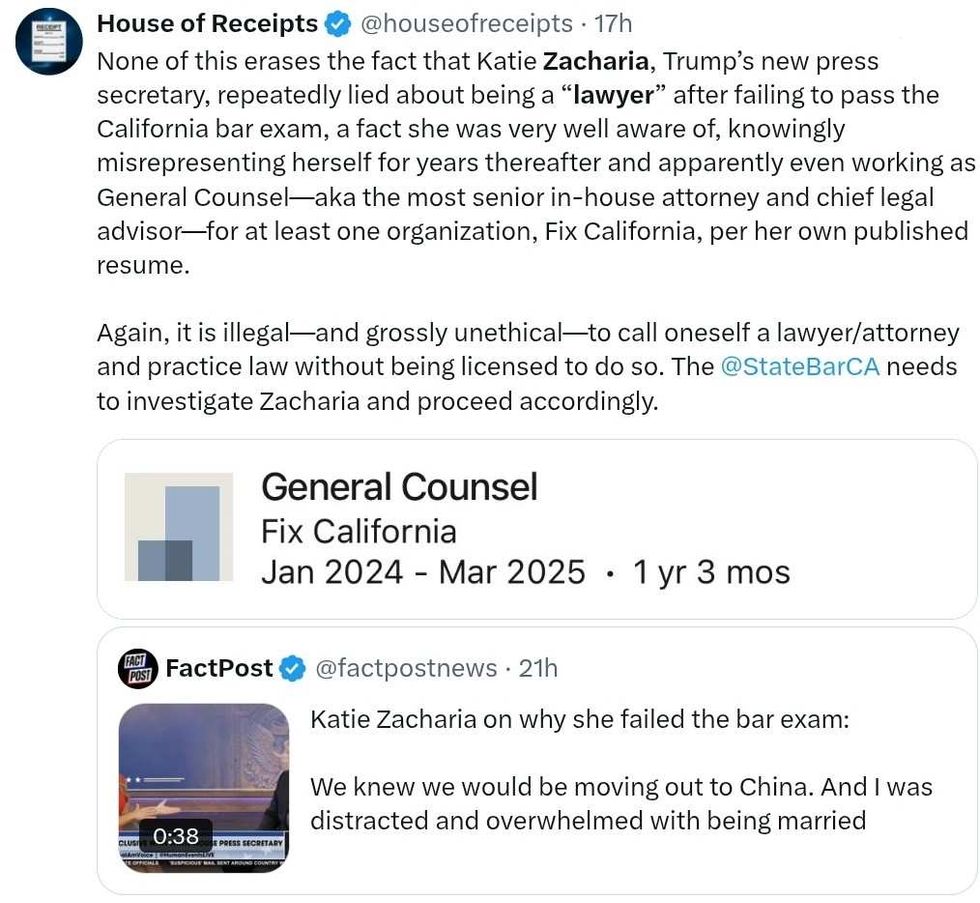 @houseofreceipts/X

 @lillys.healingera/TikTok
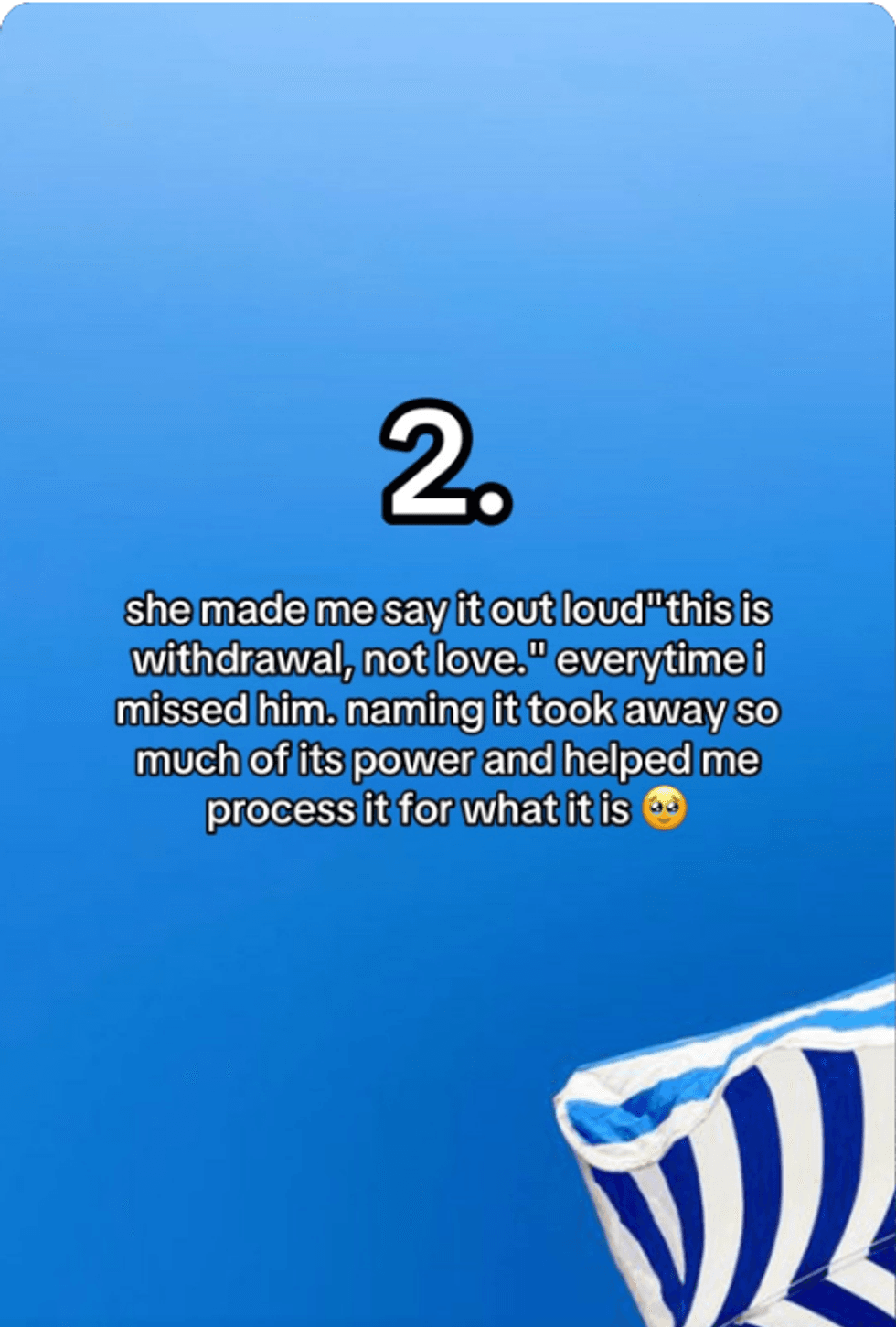 @lillys.healingera/TikTok
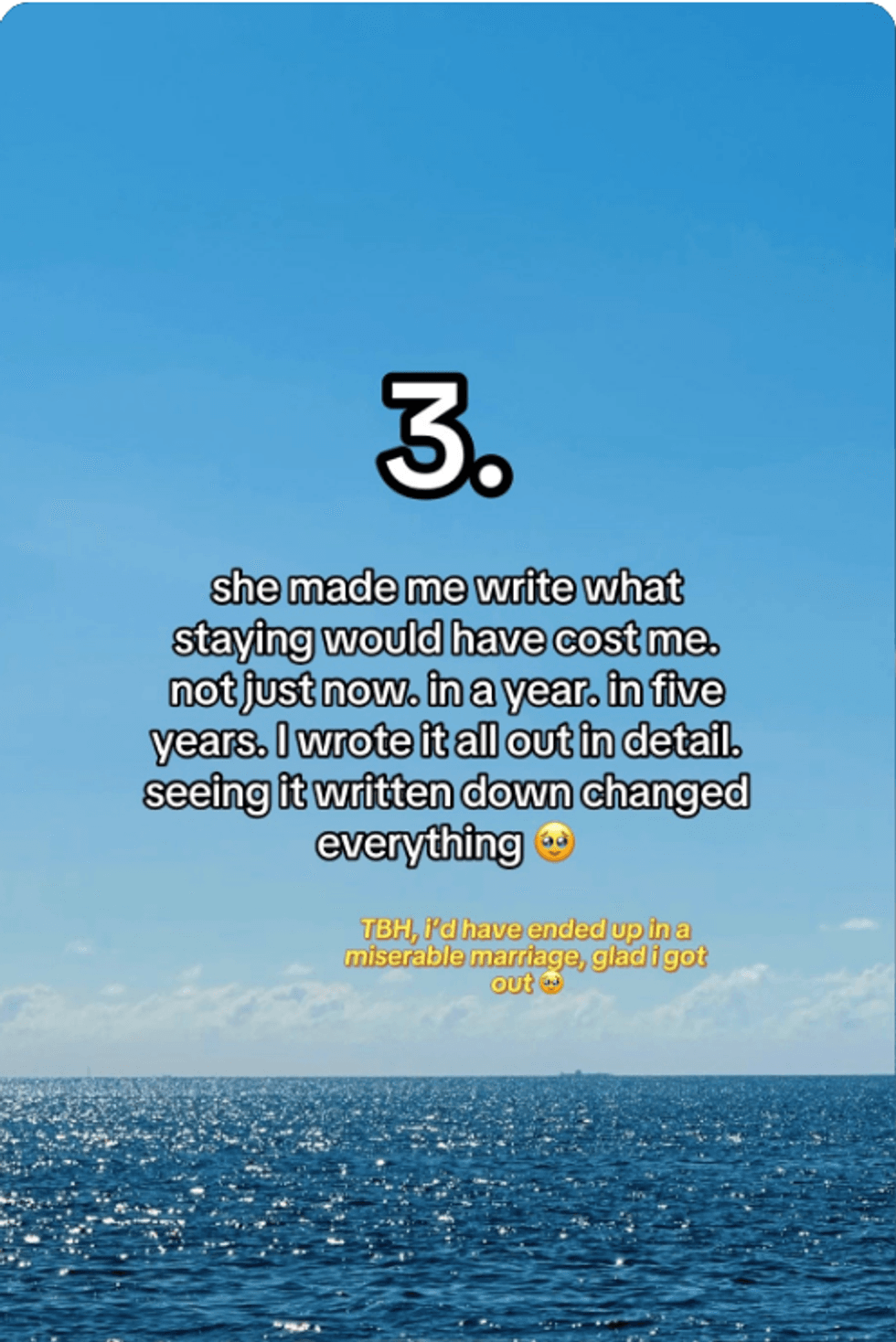 @lillys.healingera/TikTok
 @lillys.healingera/TikTok
 @lillys.healingera/TikTok
 @lillys.healingera/TikTok
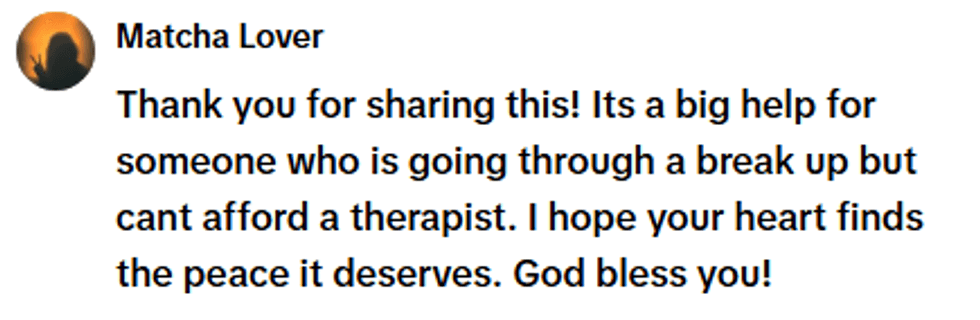 @lillys.healingera/TikTok
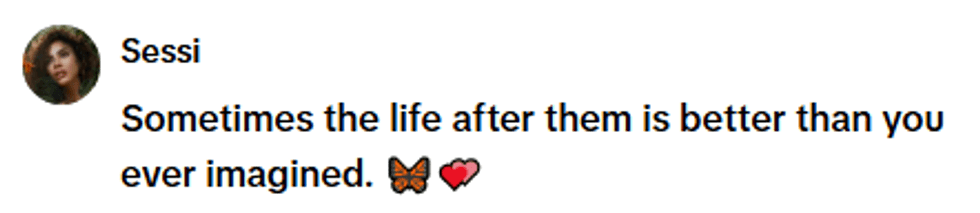 @lillys.healingera/TikTok
 @lillys.healingera/TikTok
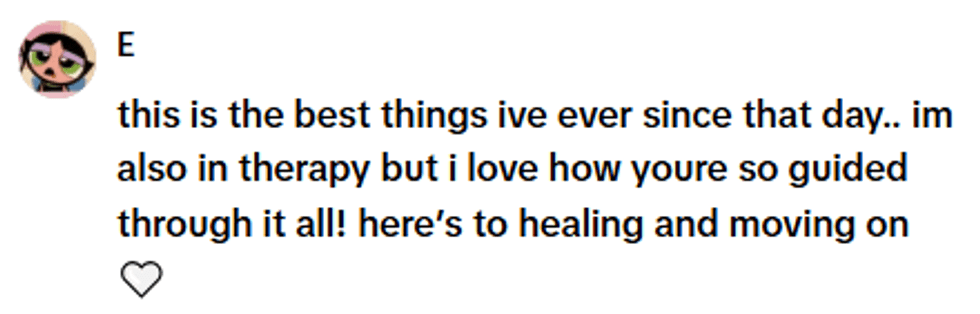 @lillys.healingera/TikTok
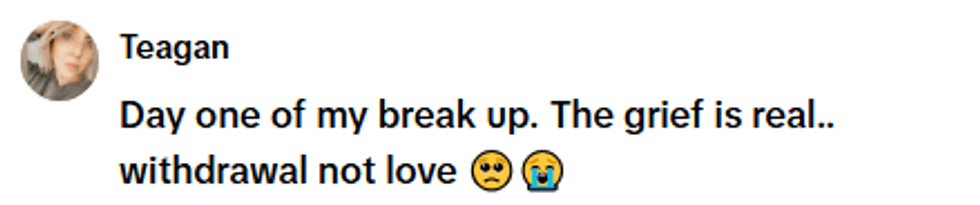 @lillys.healingera/TikTok
 @lillys.healingera/TikTok
 @lillys.healingera/TikTok
 @lillys.healingera/TikTok
 @lillys.healingera/TikTok
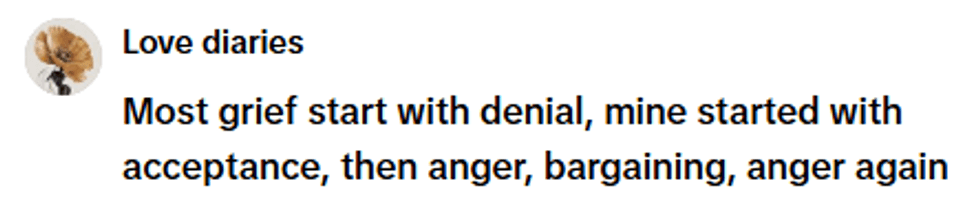 @lillys.healingera/TikTok

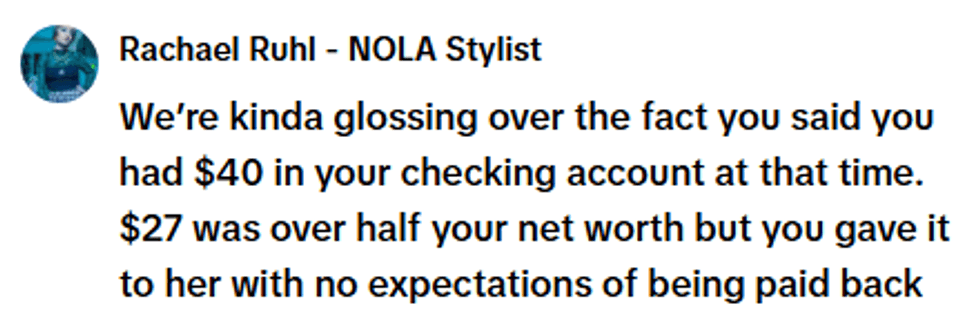 @whatsinthekoolaid/TikTok
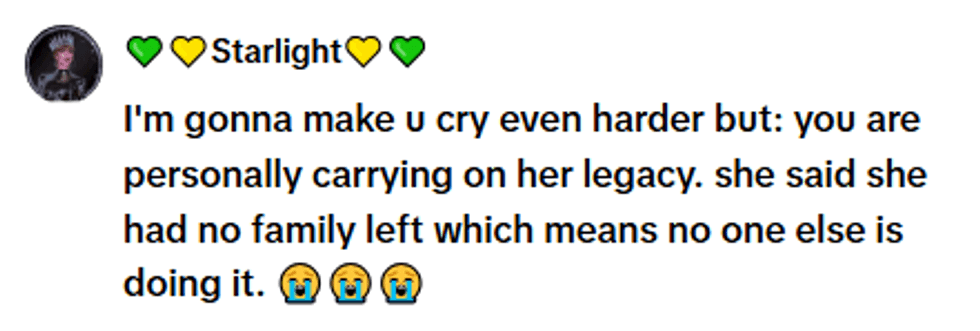 @whatsinthekoolaid/TikTok
 @whatsinthekoolaid/TikTok
 @whatsinthekoolaid/TikTok
 @whatsinthekoolaid/TikTok
 @whatsinthekoolaid/TikTok
 @whatsinthekoolaid/TikTok
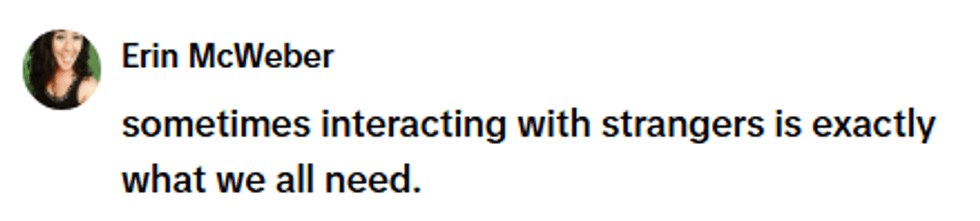 @whatsinthekoolaid/TikTok
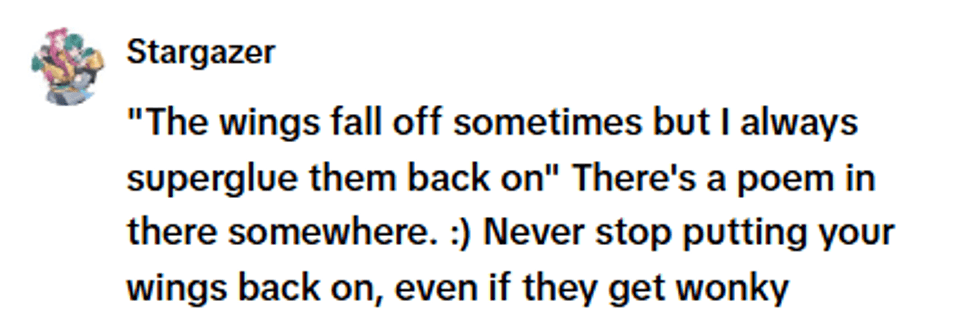 @whatsinthekoolaid/TikTok
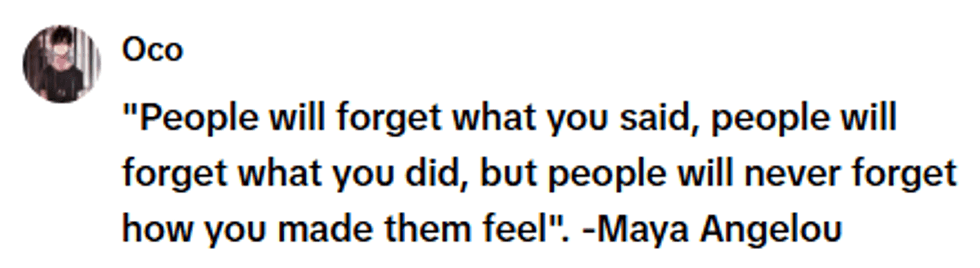 @whatsinthekoolaid/TikTok
 @palladiumpaladin/TikTok
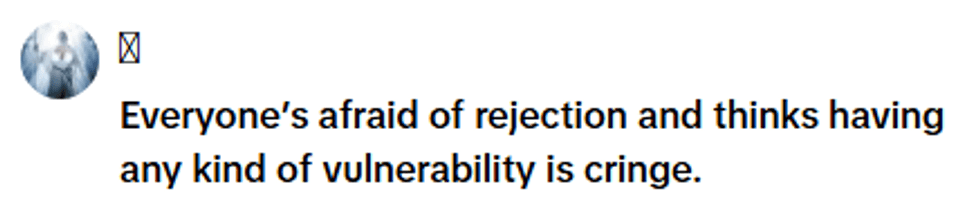 @palladiumpaladin/TikTok
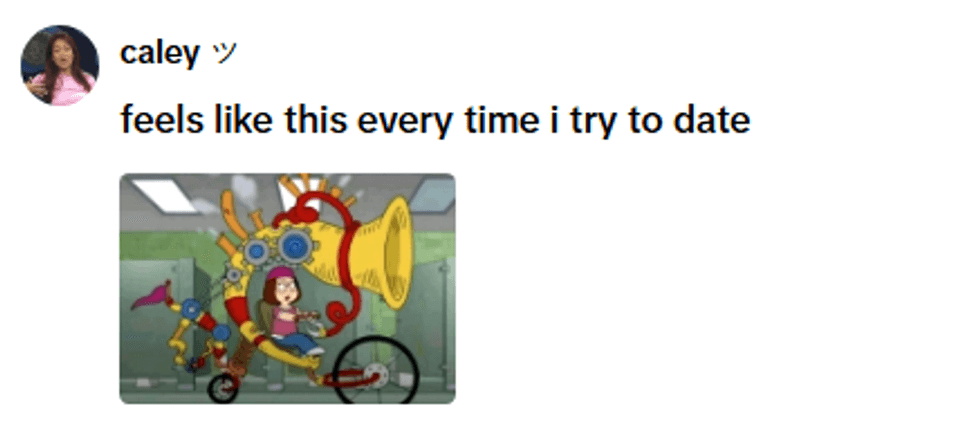 @palladiumpaladin/TikTok
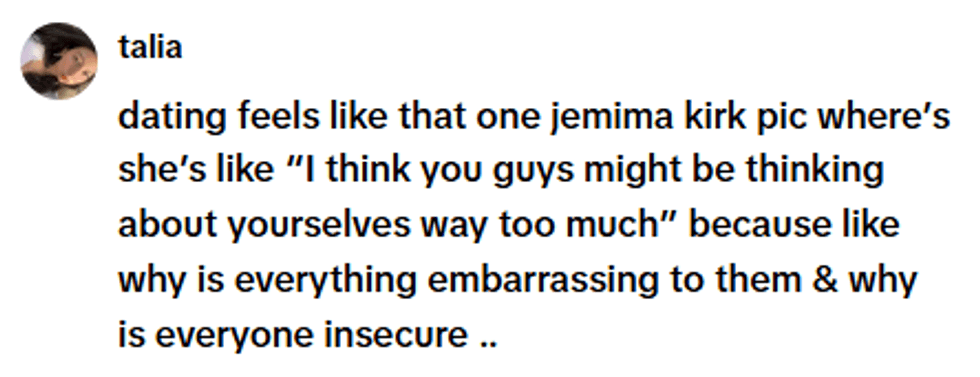 @palladiumpaladin/TikTok
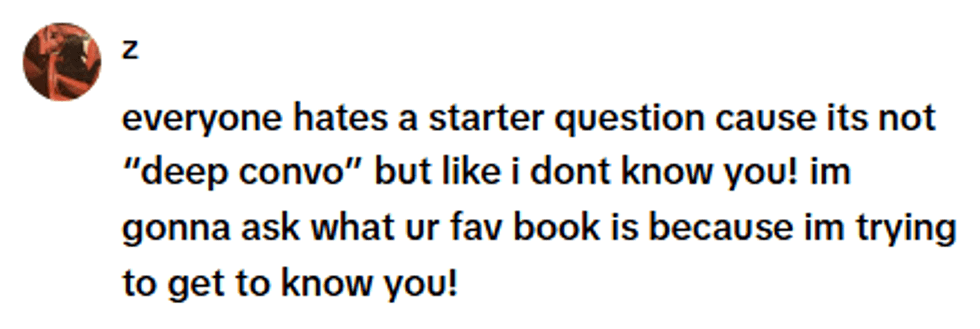 @palladiumpaladin/TikTok
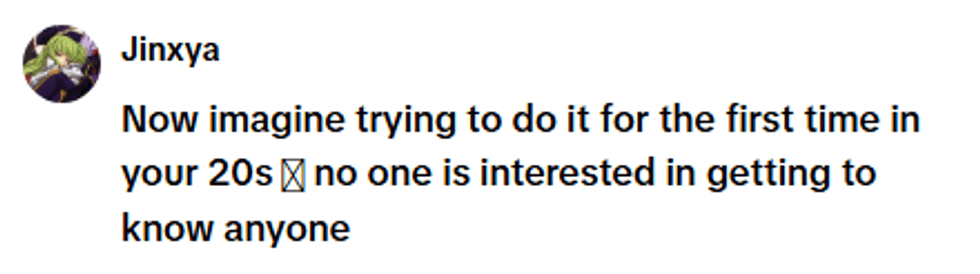 @palladiumpaladin/TikTok
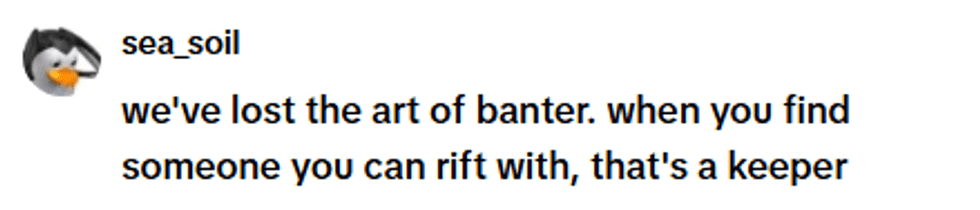 @palladiumpaladin/TikTok
 @palladiumpaladin/TikTok
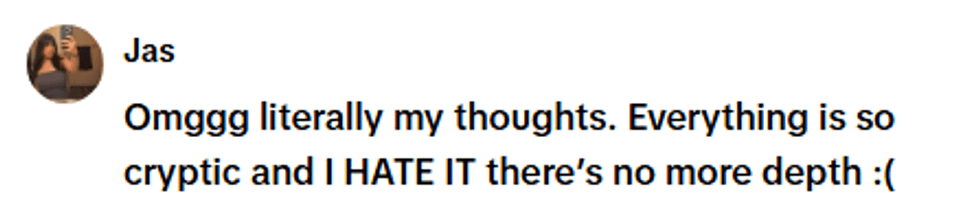 @palladiumpaladin/TikTok
 @palladiumpaladin/TikTok