


Millions of Americans were surprised to see two ads about Jesus run during the Super Bowl on Sunday. Big game ads are notoriously pricey, and the idea Jesus needs a slick marketing agency and $20 million dollars to get His message across felt cringey.
It also drew concerns from those monitoring the activities of the religious right. A deeper look into the origin and purpose of the ad campaign reveals it is bankrolled by radical religious extremists pressing an agenda that is precisely the opposite of what the ads convey.
Let’s take a look at this Jesus redux and who is behind the big ad spend.
You’ll soon see how deceptive the whole campaign truly is.
Jesus as a liberal lure.
The ads aired during the game, which are part of a larger, multimedia ad campaign known as “He Gets Us,” appeared innocuous enough: children playing and showing acts of kindness in the first, a message of love overcoming confrontation in the second.
“Jesus loved the people we hate,” said one on-screen message. The goal of the campaign, say its creators at the Servant Foundation, which does business as The Signatry, is to reach “spiritually open skeptics.”
The He Gets Us campaign began in 2022 and has purchased spots at sporting events, on social media, and billboards across American cities.
The campaign actively seeks to connect the story of Jesus to hot button issues of our time: protests, immigration and even artificial intelligence.
 HeGetsUs.org
“Jesus was canceled,” argues one ad entitled “The Influencer,” which rather awkwardly attempts to tie the story of Jesus’s crucifixion to fears of modern day social mobs.
Other ads portray him as a poor refugee and advocate for women’s equality, apparently seeking to draw in left-leaning but still spiritually curious audiences.
The campaign is a “rebranding of Jesus as a revolutionary,” concluded Prof. Gerald J. Tellis of the USC Marshall School of Business. It seeks to counter the idea that Jesus is part of the conservative movement, owned by the big churches.
The president of the marketing firm working on the campaign explained the crisis modern Christianity was facing with the American people:
"How did the world’s greatest love story become known as a hate group?"
"Actually, the brand of Jesus performs very well among the American people. It’s that His brand has become associated with some of these other things."
"We found that when they look at Christianity, they see, unfortunately, hypocrisy and judgmentalism and discrimination many, many times. And sometimes that's because those things have happened."
"Other times it's because that's really what's perpetuated through media, sometimes through tech, through academia, that to hold a belief is inherently to hate the other."
But with volunteers from over 20,000 churches waiting to answer questions from people who visit the HeGetsUs.org site, the mission is also a plainly evangelical one, intended to counter the loss of credibility and relevance suffered by the church over the past few decades, particularly among young people who increasingly identify as non-religious.
And if the idea is to disconnect, at least in the public’s mind, the idea of Jesus and Christianity from the conservative causes and big Evangelical Christian megachurches with which they are now associated, then the entire campaign is one big, sophisticated deception.
After all, the folks behind it are some of the most conservative religious activists in the country.
Follow the money.
Whenever an organization drops tens of millions on an ad campaign, especially one that is both inherently suspect and controversial, it’s worth asking two questions right out the gate:
Who provided the money for this, and what else does the organization do with the money it raises?
Indeed, with an ultimate budget of one billion dollars over the next three years for the He Gets Us ad campaign, the warning signals ought to be flashing very, very red.
The Servant Foundation does not disclose its donor list for the campaign. But one benefactor decided not to remain anonymous: David Green, the billionaire co-founder of Hobby Lobby, who claims to be a big contributor to the effort.
Hobby Lobby is known for actively supporting anti-LGBTQ legislation and for years fought a case, eventually all the way to the Supreme Court, that ultimately permitted companies to deny medical coverage for contraception based upon the company’s religious beliefs.
While the He Gets Us website states, “Be assured… we’re not ‘left’ or ‘right’ or a political organization of any kind,” and “We’re also not affiliated with any particular church or denomination,” it has strong theological ties to something called the Lausanne Covenant.
On its outreach site, the campaign acknowledges as much, saying at the very bottom, quite tucked away, that “we generally recognize the Lausanne Covenant as reflective of the spirit and intent of this movement” and that “churches that partner with explorers from He Gets Us affirm the Lausanne Covenant.”
But this is no progressive, non-denominational covenant.
It was begun in 1974 by the evangelical preacher Billy Graham, and it denounces “disordered sexuality” and defines marriage as between one man and one woman, while focusing heavily on alleged satanic impact on culture.
But it’s not just who is backing the Servant Foundation that is troubling.
It’s what they’re doing with their money. According to reporting by Andrew Perez at The Lever, the Servant Foundation bankrolls not only these pricey ad campaigns but conservative organizations currently spearheading efforts to roll back abortion rights and legalize discrimination against the LGBTQ+ community.
Between 2018-2020, the Servant Foundation donated more than $50 million to the Alliance Defending Freedom, which helped draft Mississippi’s abortion law that resulted in the Supreme Court’s Dobbs decision overturning Roe v. Wade and the constitutional right to abortion.
The ADF is leading a case before the Supreme Court this term arguing that businesses should have a right to discriminate against LGBTQ+ customers, and it has advised and helped draft scores of hateful anti-trans laws across the nation.
It is also currently involved in the fight to ban the abortion medication mifepristone nationwide—a case that might be decided by a Texas federal court as early as this week—that could impact more than half the abortions performed in the U.S.
Taken together, the He Gets Us ad campaign portraying Jesus as progressive revolutionary is a dangerous Trojan horse intended to capture and sway the spiritually curious into supporting a radical right-wing, Christian agenda.
The creators and backers of the campaign aren’t remotely interested in the social justice interests of their potential viewers—only their dollars and eventually their votes.
It’s a campaign as underhanded as they come, and we should call out its duplicity wherever the campaign airs or appears.




 @voycebutler5/TikTok
 @voycebutler5/TikTok
 @voycebutler5/TikTok
 @voycebutler5/TikTok
 @voycebutler5/TikTok
 @voycebutler5/TikTok
 @voycebutler5/TikTok
 @voycebutler5/TikTok
 @voycebutler5/TikTok
 @voycebutler5/TikTok
 @voycebutler5/TikTok




 @ulovelailahakim/TikTok
 @ulovelailahakim/TikTok
 @ulovelailahakim/TikTok
 @ulovelailahakim/TikTok
 @ulovelailahakim/TikTok
 @ulovelailahakim/TikTok
 @ulovelailahakim/TikTok
 @ulovelailahakim/TikTok
 @ulovelailahakim/TikTok
 @ulovelailahakim/TikTok
 @ulovelailahakim/TikTok
 @ulovelailahakim/TikTok
 @ulovelailahakim/TikTok
 @ulovelailahakim/TikTok
 @kristinoem/X
 @arriegatoo/TikTok
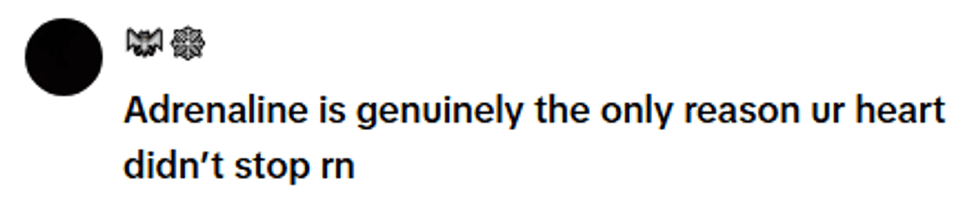 @arriegatoo/TikTok
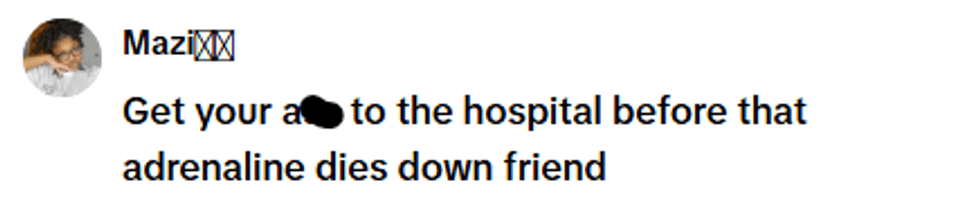 @arriegatoo/TikTok
 @arriegatoo/TikTok
 @arriegatoo/TikTok
 @arriegatoo/TikTok
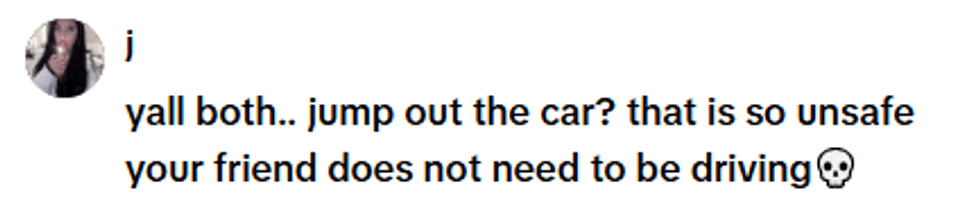 @arriegatoo/TikTok
 @arriegatoo/TikTok
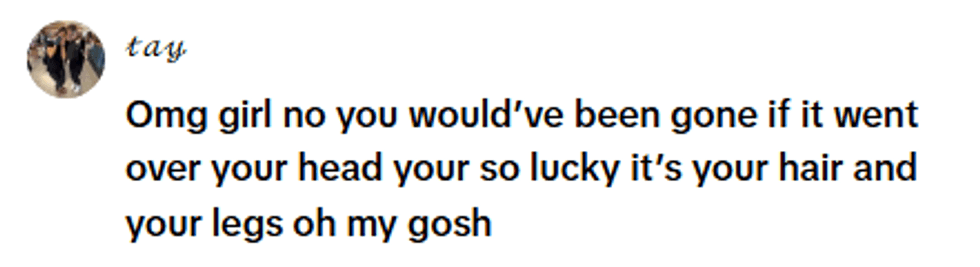 @arriegatoo/TikTok
 @arriegatoo/TikTok