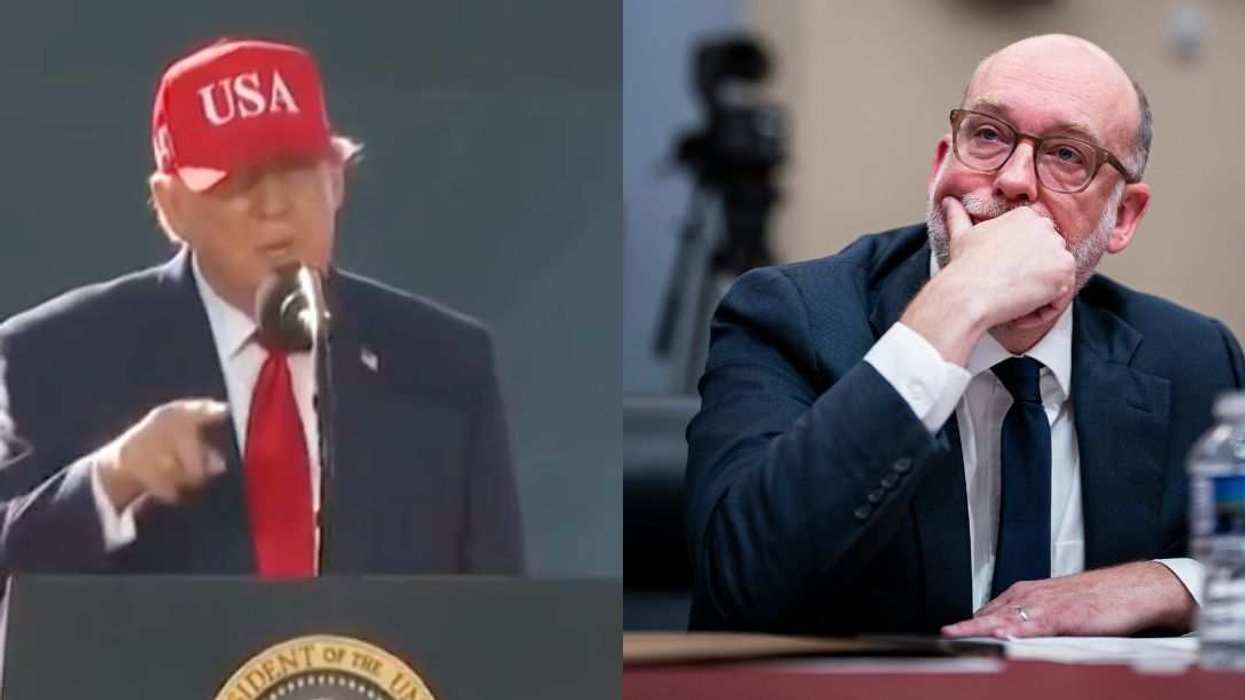
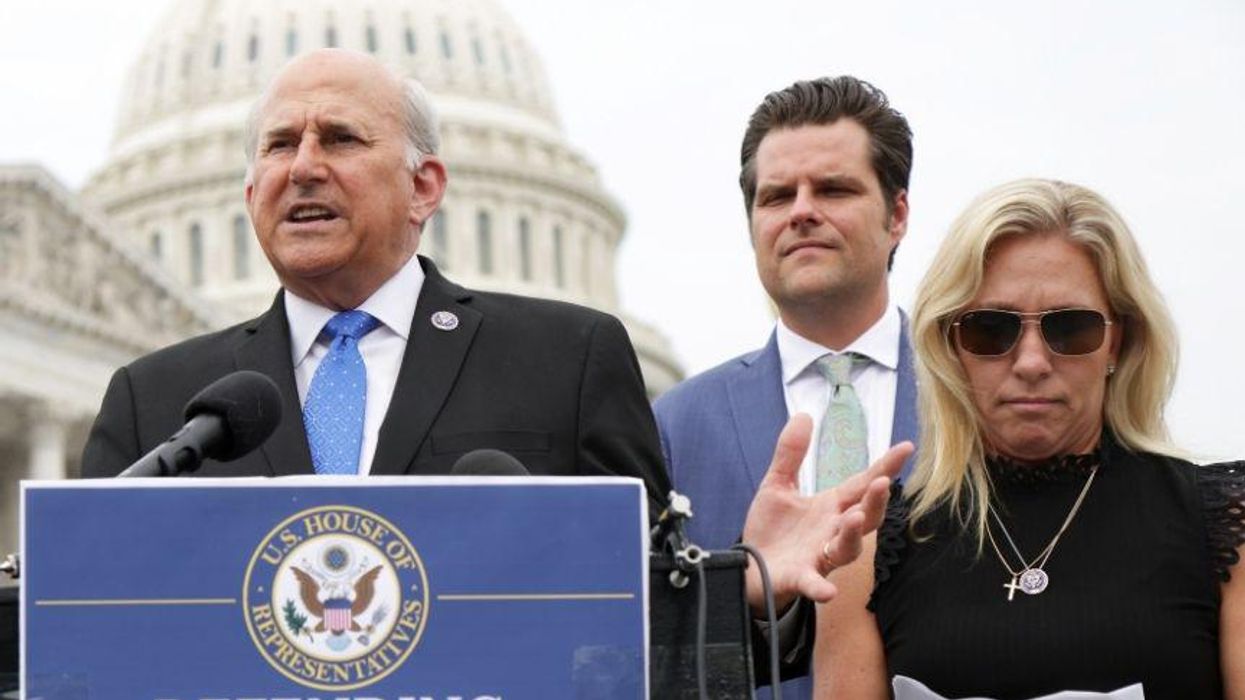

By every measure, the GOP has become more radicalized, particularly in the past two years. On social issues from abortion to vaccine mandates to guns, states controlled by the GOP have passed laws that the majority of residents oppose. On the political front, they have embraced brazen voter suppression, gerrymandered political maps, election fraud lies, and conspiracy theories about cabals of satanic, pedophilic Democrats. And on economic issues, they are threatening to destroy the economy by refusing to raise the debt limit to pay for their own largess, and they label every program they don't like as "socialism" while radicals rail against "corporate communism" with zero irony.
The tidal forces that appear to be washing away all sense of sanity and moderation from the GOP are myriad and varied, but there are some clear, worrisome causes that bear noting and exploring.
The GOP Redistricted Its Way Into This
In 2010, in the wake of the blowback to the election of our first African American president, GOP-controlled state houses went all-in on gerrymandering, creating safe GOP seats for many of the Tea Party members who had just been elected to Congress. This not only ensconced the hard right more-or-less permanently in the House, it took away any incentive for political candidates in those districts to appeal to the center. After all, the winner of the Republican primary always would go on to win the general election because of the way the new lines were drawn, and primaries were won by appealing to the motivated, extremist base. That political calculus encouraged far-right politicians to emerge to challenge the old Republican guard, forcing everyone even further to the right.
Following the 2020 census, it is already clear that the GOP is again interested in protecting GOP incumbents, even at the expense of handing Democrats more safe seats of their own. In Texas' redistricting plan, for example, the new maps that are likely to be approved reduce the number of truly competitive House seats in the state from 12 down to just one. In those newly safe races, extremists will win the primaries—and then likely prevail in the general election unless unprecedented numbers of GOP voters stay home or defect.
Extremist Positions Are Being Rewarded
With the rise of both cable news and social media over the past decade and a half, extreme voices not only have found platforms for their rhetoric but amplification of their messaging by companies willing to profit off the higher ratings and longer engagement times on site. Fox News, like a GOP candidate sensing a challenge from radicals, has tilted further to the right over the past year to keep viewers from migrating to OAN or Newsmax. And for years, platforms like YouTube, Facebook and Twitter tweaked their algorithms to reward users who created the most emotionally charged posts with greater reach, engagement and audience. The reckoning for these companies—through defamation lawsuits, deletion of big accounts like the former president's, and damning whistleblower testimony that could lead to oversight and regulation—is only now tamping back some of their most extreme actions.
The hardest of the hard right within the GOP also understand that by making outrageous statements and taking extreme action to "own the libs," even at the expense of common sense or sanity around the pandemic, they can fill their own coffers with donations. The Trump campaign knows this too: By perpetuating the Big Lie about a stolen election, it raised and continues to raise eye-popping amounts of money by bilking gullible MAGA voters who falsely believe their guy was robbed.
Everyone Wants Trump's Blessing
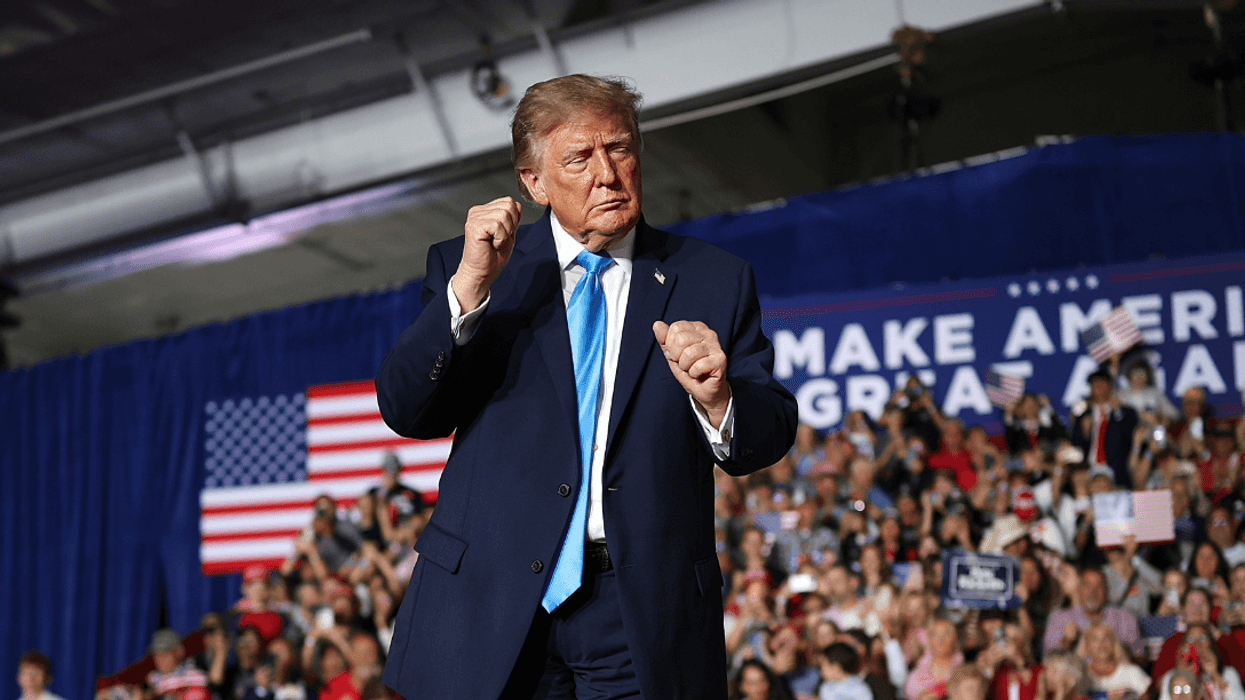
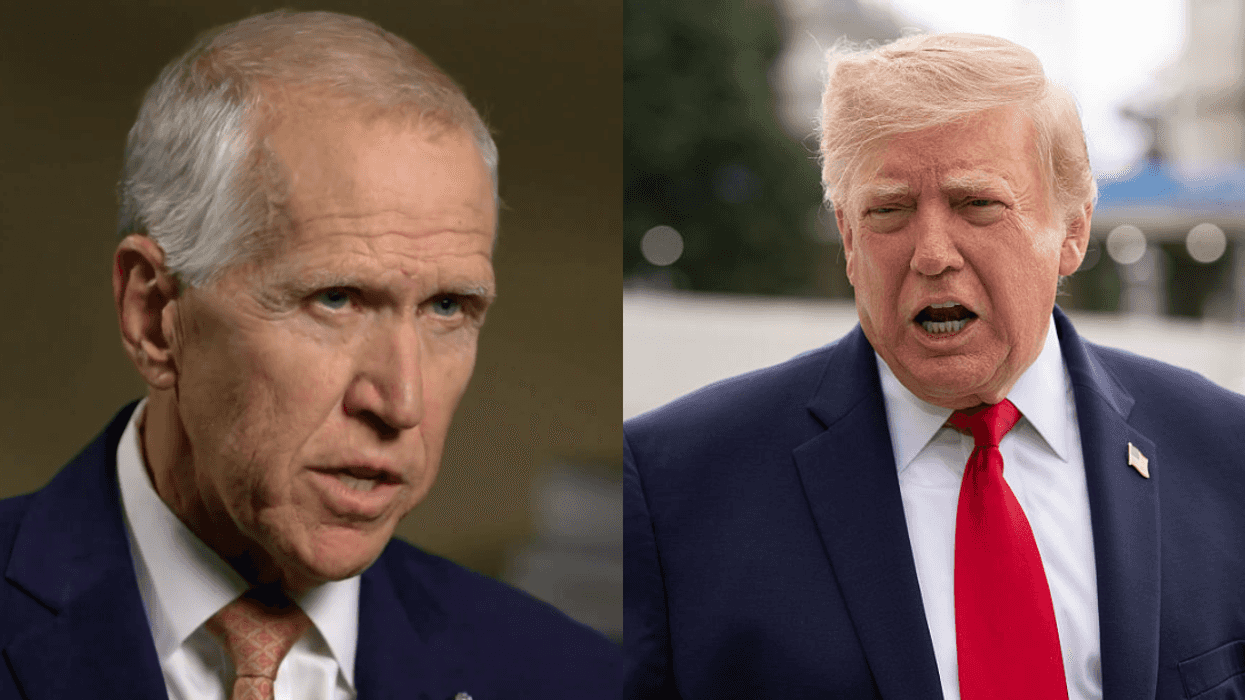
Another sad yet dangerous state of affairs for the current GOP is the Trump effect. Even though a recent poll showed that a majority of Republicans do not want Trump to run for office again, his base of support is so strong that an endorsement by him can tip a primary race. As a result, GOP candidates are making regular pilgrimages to Mar-a-Lago to seek his support, and they fall over themselves to prove to the base that they are the most Trumpy of the Trumpistas. Even those GOP leaders who criticized Trump over his role in the deadly insurrection of January 6 are busy realigning to their Dear Leader.
For example, as reported by The Hill, the senior senator from Iowa, Chuck Grassley, who is good friends with Minority Leader Mitch McConnell, once criticized Trump for refusing to accept defeat in the 2020 election, blasting him for his "poor leadership" and "extreme, aggressive and irresponsible" language. He noted that Trump bullied and harassed elected officials "to get his way" and even encouraged the Vice President "to take extraordinary and unconstitutional actions" to interfere with the Congressional Electoral College count. But earlier this week, Grassley appeared beside Trump at a rally in Iowa, accepting his endorsement and signaling to all that he believes (correctly, it appears) that Trump is still the head of the Republican Party.
When a political party veers too far to an extreme, it risks alienating centrist voters and motivating the opposing party's voters to turn out. Democrats learned this when they ran an unusually progressive candidate, George McGovern, for president in 1972. The GOP also appears to understand this today, yet has chosen not to moderate but instead to double down, fighting to hold on to power through voter suppression, gerrymandering, and tools of minority rule such as the filibuster. It is a dangerous gambit that puts the whole American project at risk.
So how do we stop them?
The GOP uses fear, loathing and division to juice their base. Democrats, by contrast, often point to their good works like the American Rescue Plan and the proposed twin infrastructure bills. But this is bare-knuckles politics now. Democrats can and must deploy visceral and emotional tools to motivate turnout of their own voters. These emotions were evident in the protest vote of 2018 and the Trump eviction vote of 2020. If Democrats can be convinced that the extremists are a real threat to the very nation, as they most assuredly are, this could energize millions to the polls in 2022. It can't just be a vote for Democrats, it must also be a vote against GOP radicalism and Trumpism.
To get to this level of outrage and alarm, every GOP extremist must be tied squarely to Trump. The death toll from the GOP's criminal mishandling of the pandemic must always be front and center. And the threat that Trump will be president again if we don't stop him now must be repeated ad nauseam. While none of this will be easy and a lot of it will be traumatizing, there is no other choice: Simply put, the alternative is unthinkable.
For more political analysis, subscribe to the Status Kuo newsletter.






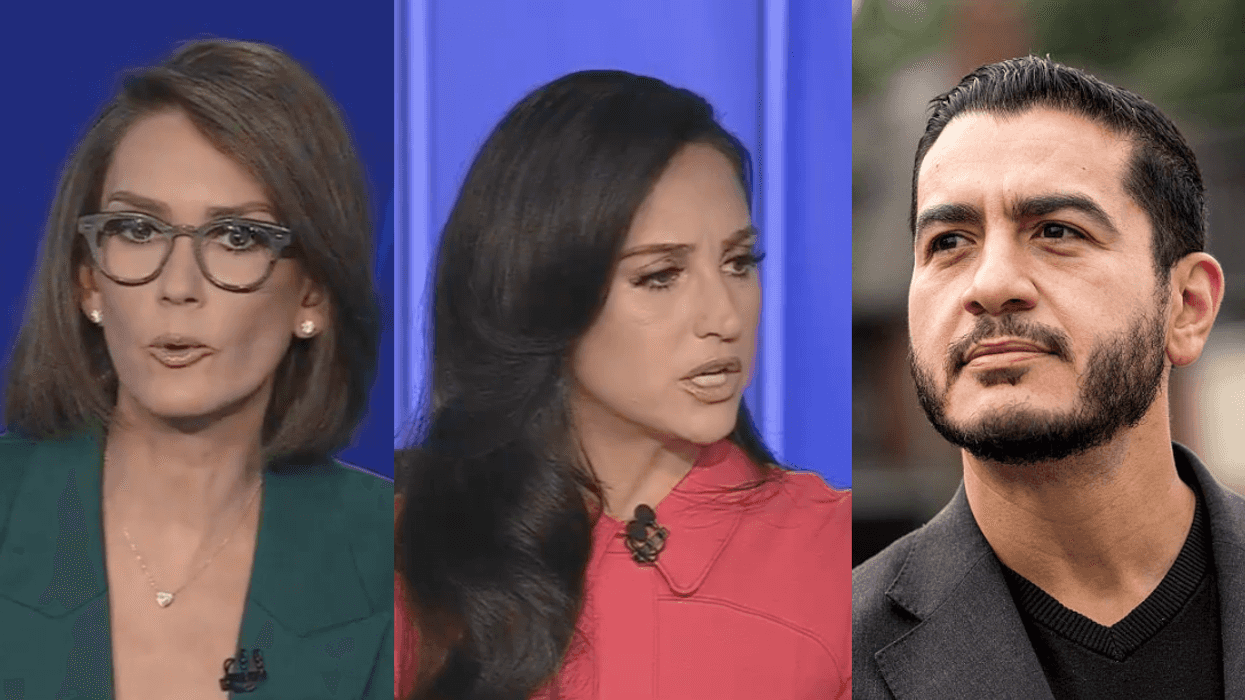


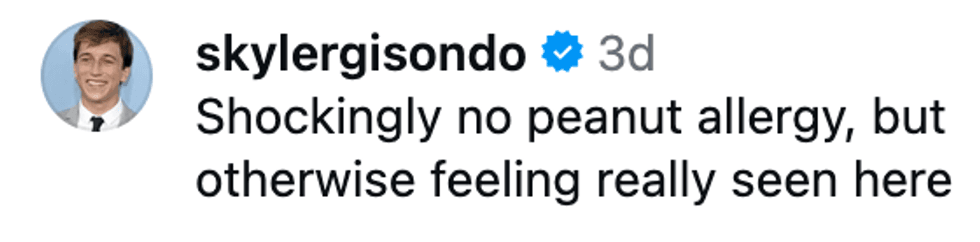 @skylergisondo/Instagram
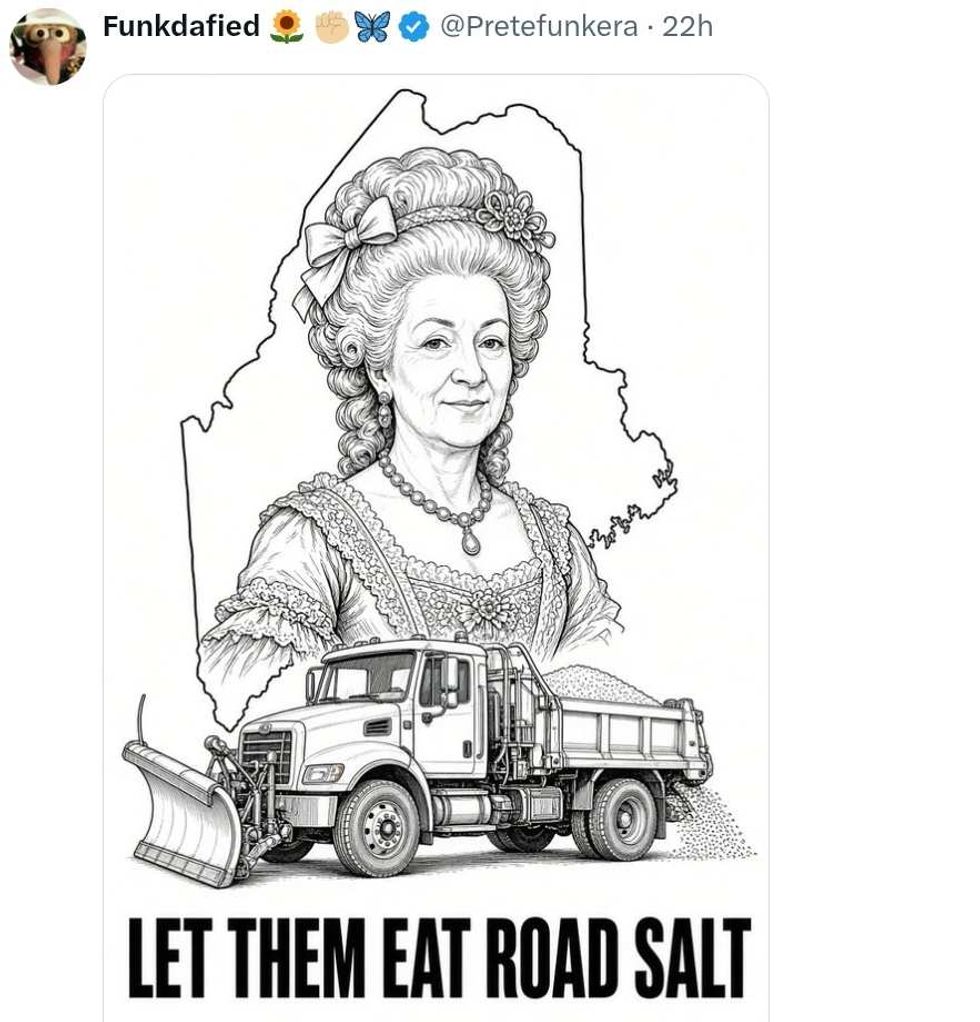 @Pretefunkera/X
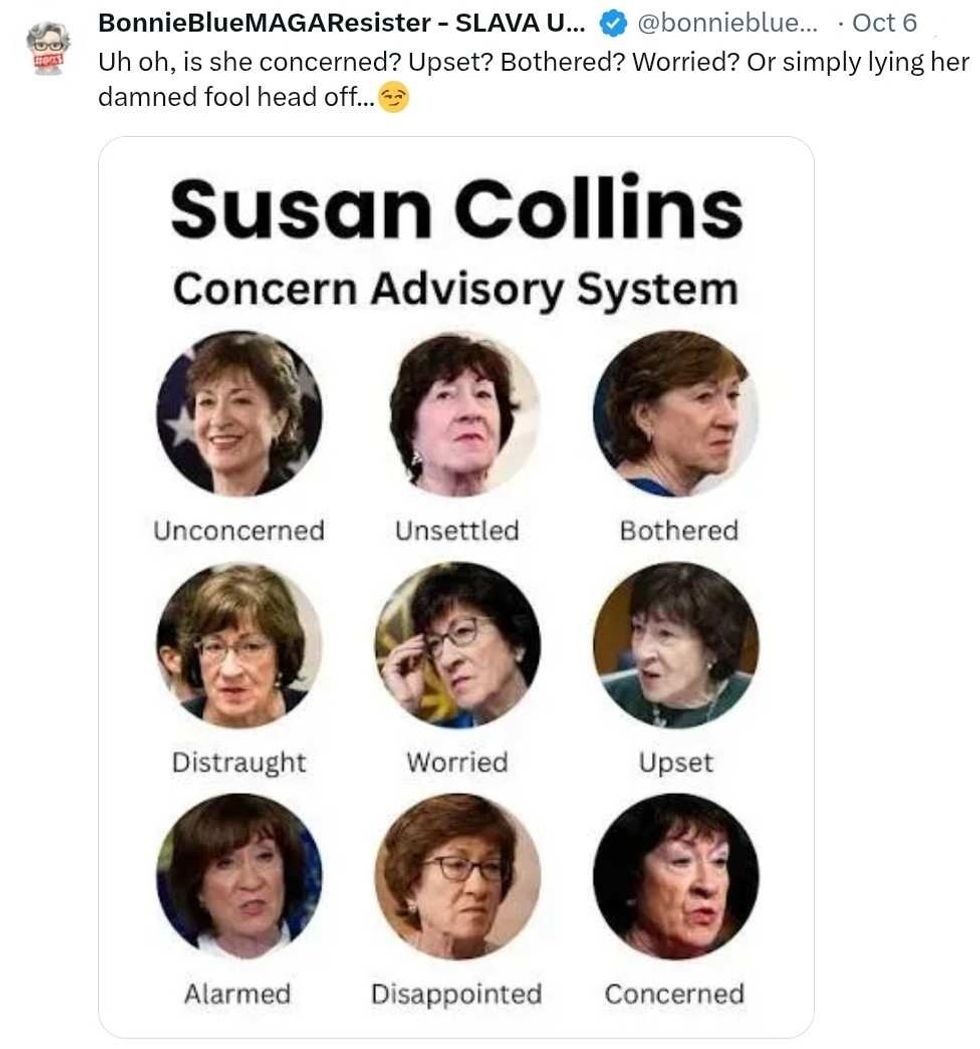 @bonnieblue2025/X
 @Andie00471/X