
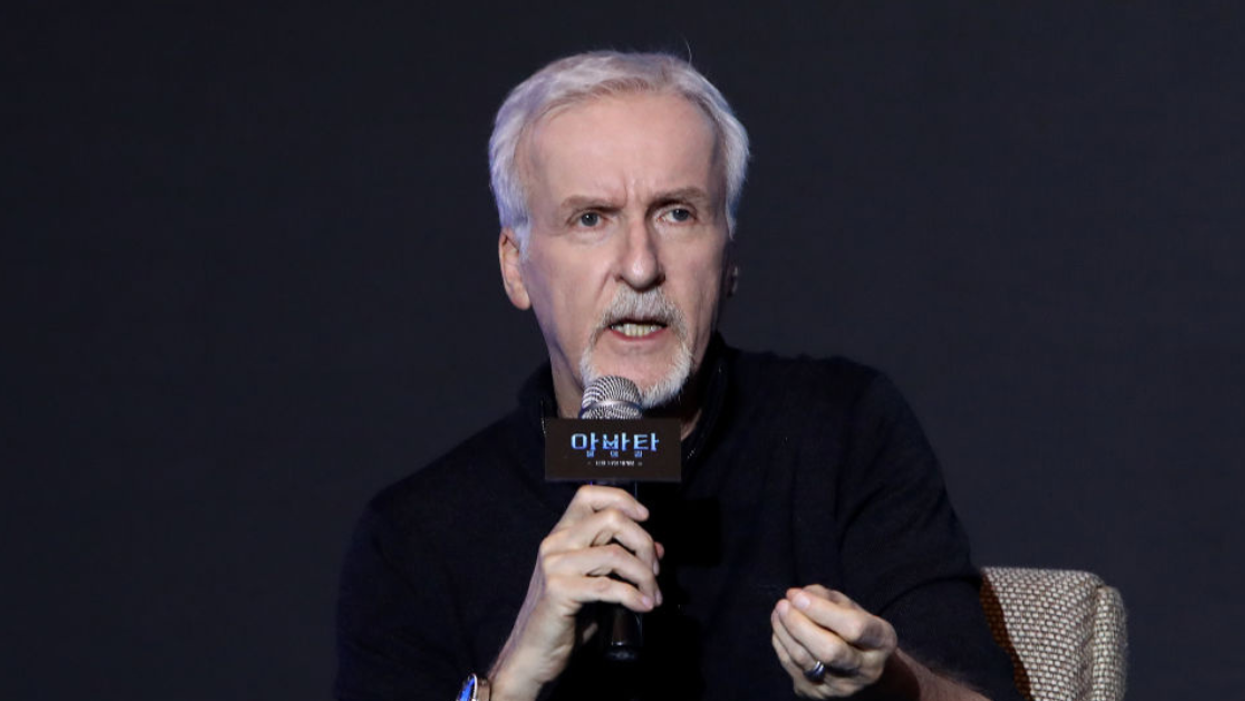

Indigenous Americans have called for a boycott of filmmaker James Cameron's Avatar: The Way of Water, pointing to remarks Cameron made during an interview with The Guardian in 2010 in which he described visiting the Brazilian Xingu people in the Amazon and spoke of how they'd given him the Indigenous influence for the first Avatar.
At the time of the Guardian interview, Cameron said the experience was "a driving force for me in the writing of Avatar," and it made him think about what it must have been like for the Lakota of the Oceti Sakowin "when they were being pushed and they were being killed and they were being asked to displace and they were being given some form of compensation."
The Oceti Sakowin Indigenous nation was labeled the Sioux by the United States government which is actually a slur. Due to the federal designation, many tribal organizations of the Oceti Sakowin still use their government name for official tribal recognition.
He added:
"I couldn't help but think that if they [the Lakota] had had a time-window and they could see the future... and they could see their kids committing suicide at the highest suicide rates in the nation... because they were hopeless and they were a dead-end society—which is what is happening now—they would have fought a lot harder."
In the 1800s, the United States engaged in military force to drive the Lakota people off their lands.
However the Oceti Sakowin hold the distinction of being the only nation to defeat the United States Army—and they did it twice. Cameron would know that no one fought harder if he had done real research on Indigenous people instead of repeating racially biased stereotypes.
Following multiple armed conflicts, the Lakota were eventually confined to reservations, prevented from hunting buffalo beyond those territories and forced to accept government food distribution.
The Black Hills were considered sacred by the Lakota and they objected to mining. Although the Fort Laramie Treaty of 1868 exempted the Black Hills from all White settlement, the United States violated the treaty once gold was discovered.
The Lakota are one of 574 federally recognized tribal nations—as well as tribes still working for recognition—that never stopped fighting.
They've taken legal actions, participated in occupations and proposed independence movements—particularly since the era of rising civil rights activism since the mid to late 20th century. They filed land claims against the federal government for what legally binding treaties defined as the illegal taking of the Black Hills in the 19th century.
The Standing Rock movement was an environmental action begun by the Oceti Sakowin nation at the Standing Rock Sioux Reservation.
While Cameron likely meant no harm at the time he made those remarks, they are nonetheless tone-deaf and racist, inspiring a new wave of opposition toward his Avatar sequel thirteen years after the original film's release.
Many have accused Cameron of profiting off Indigenous people and narratives and called for a boycott of the film as a result.
Avatar—the story of a United States Marine who travels to another planet and joins a race of alien humanoids—has long been criticized for perpetuating the White savior narrative on film, which is defined as a narrative about a White person who helps non-White people ostentatiously or for reasons viewed as self-serving, such as being admired.
The sequel, much like the first film, features a majority White cast of actors, with Black Hispanic actress Zoe Saldaña and Cliff Curtis, who is of Maori descent, being two notable exceptions.
Indigenous activists have called on filmgoers to watch other science fiction films about Indigenous people, such as this year's hit Prey and Night Raiders, both of which are available on Hulu.




 Brendan Smialowski/AFP via Getty Images
 Brendan Smialowski/AFP via Getty Images
 Brendan Smialowski/AFP via Getty Images




 @hannahhrevels/TikTok
 @hannahhrevels/TikTok
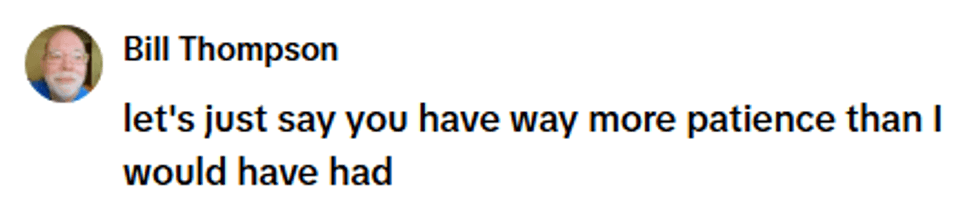 @hannahhrevels/TikTok
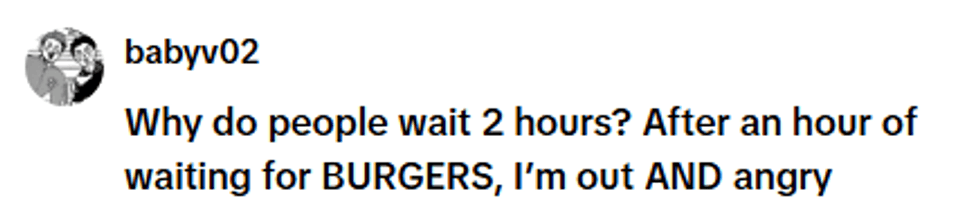 @hannahhrevels/TikTok
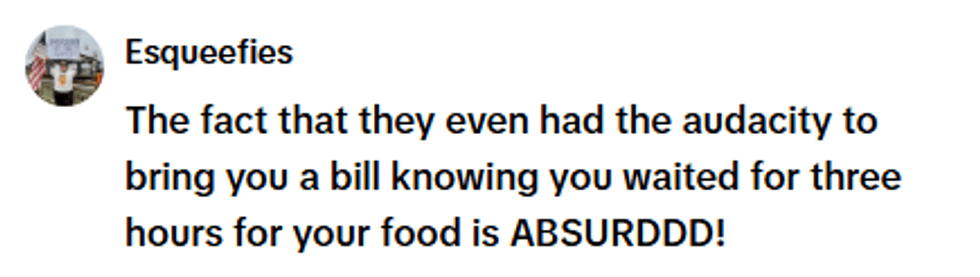 @hannahhrevels/TikTok
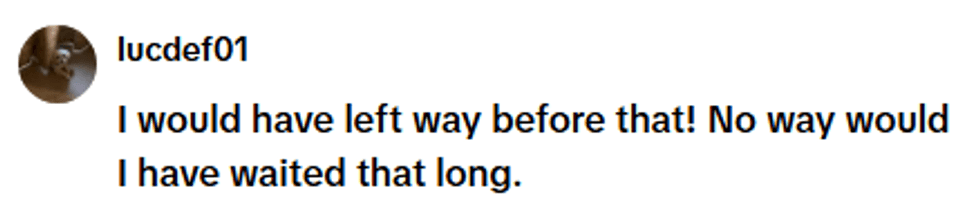 @hannahhrevels/TikTok
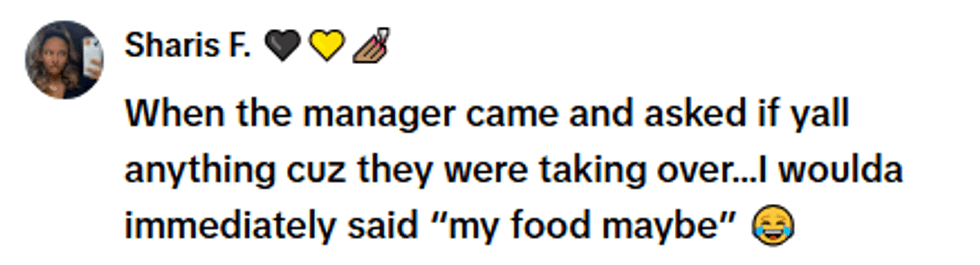 @hannahhrevels/TikTok
 @hannahhrevels/TikTok
 @hannahhrevels/TikTok
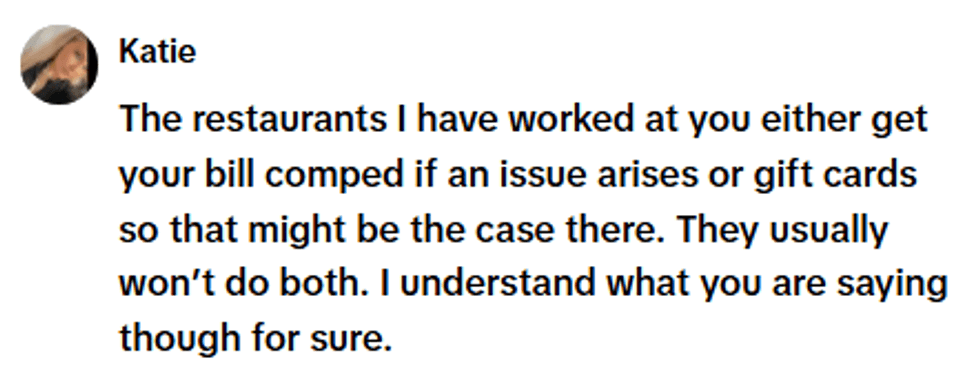 @hannahhrevels/TikTok
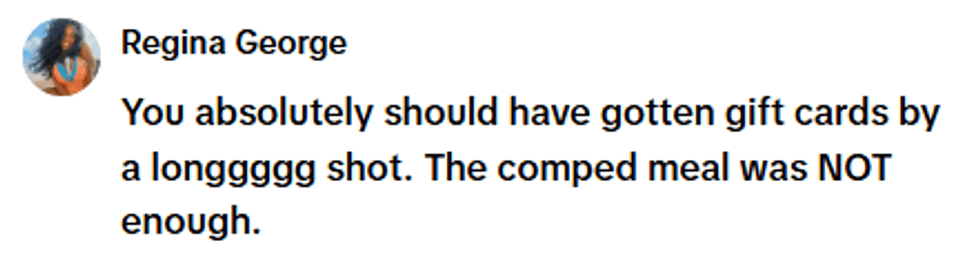 @hannahhrevels/TikTok
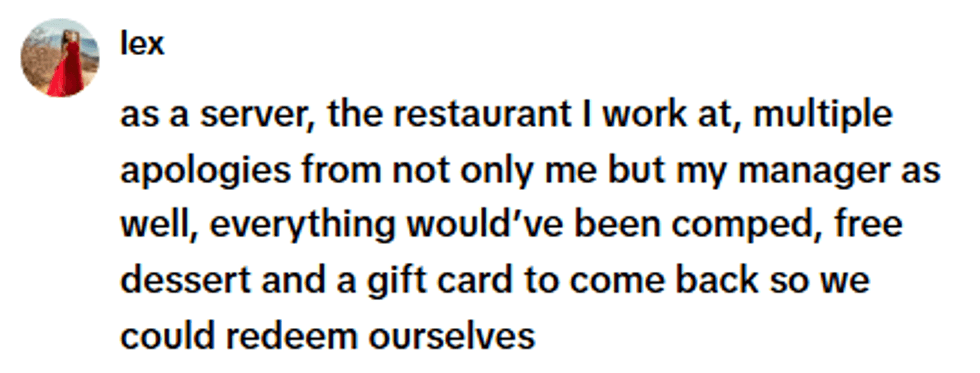 @hannahhrevels/TikTok
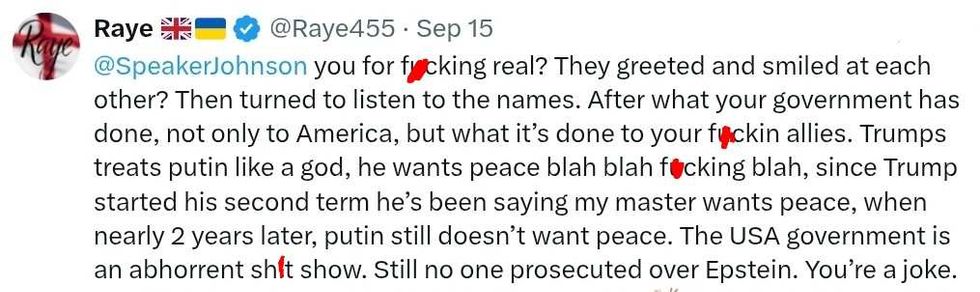 @Raye455/X
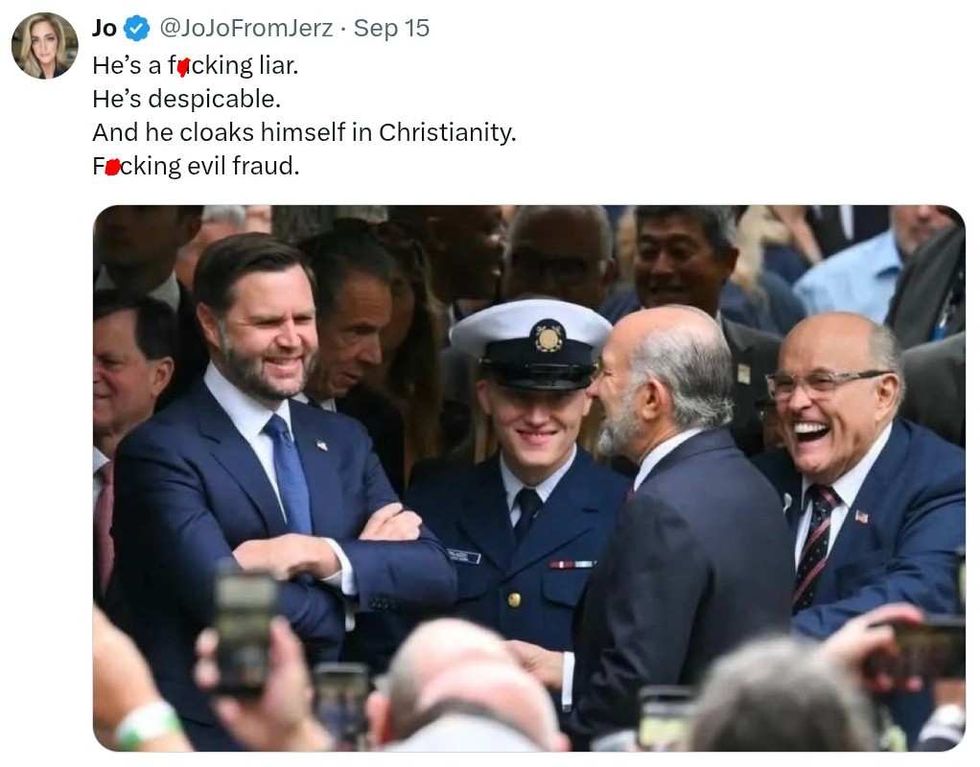 @JoJoFromJerz/X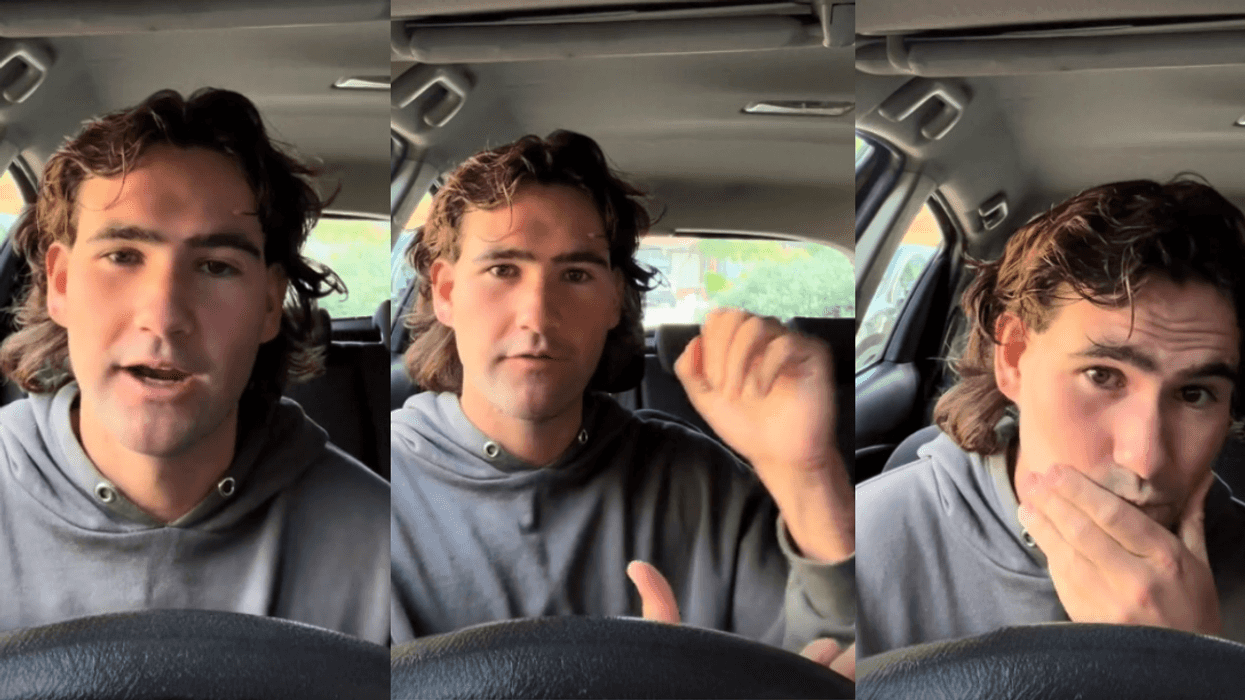
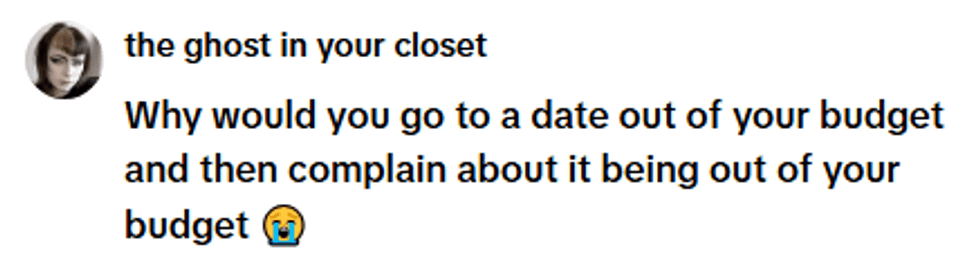 @phlynnmartin/TikTok
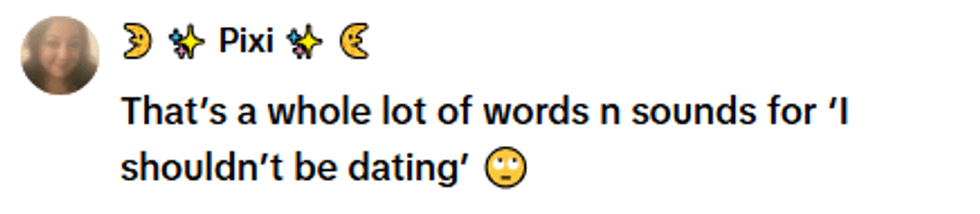 @phlynnmartin/TikTok
 @phlynnmartin/TikTok
 @phlynnmartin/TikTok
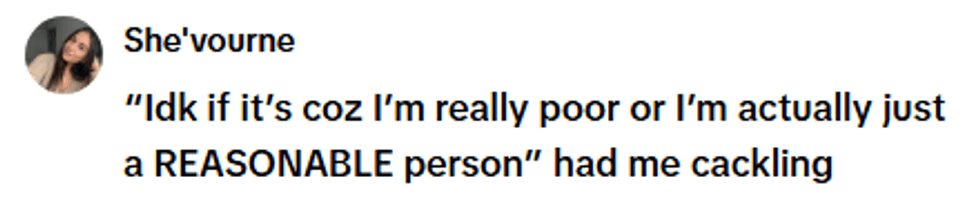 @phlynnmartin/TikTok
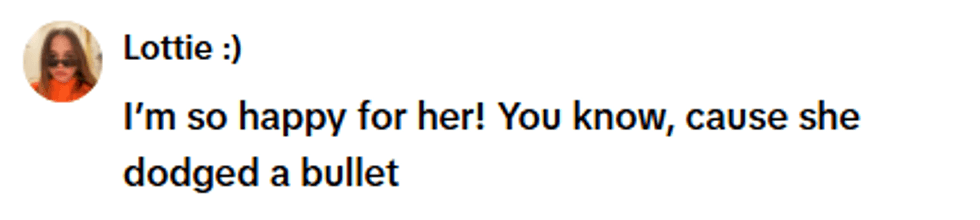 @phlynnmartin/TikTok
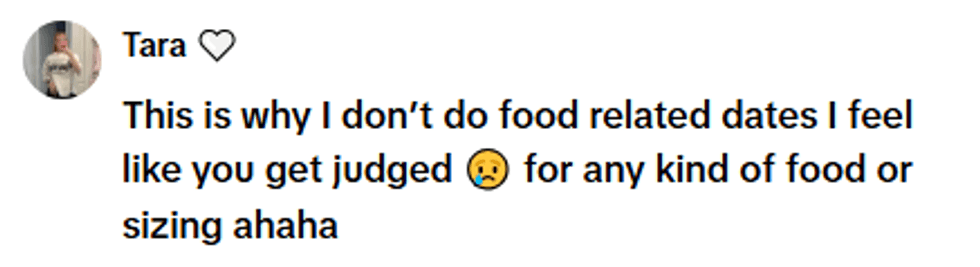 @phlynnmartin/TikTok
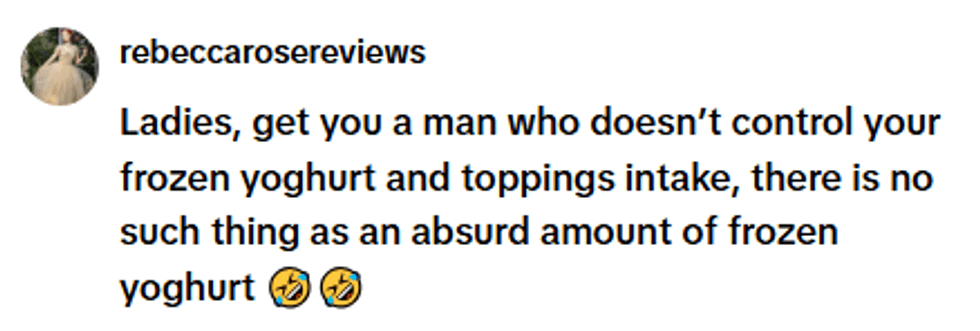 @phlynnmartin/TikTok
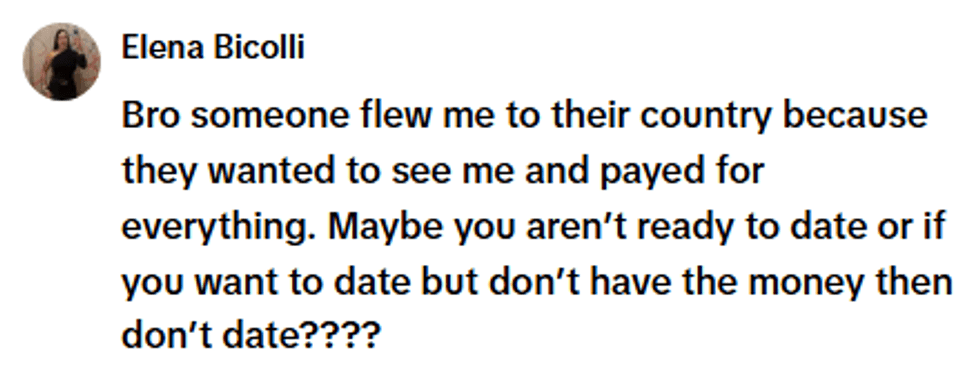 @phlynnmartin/TikTok
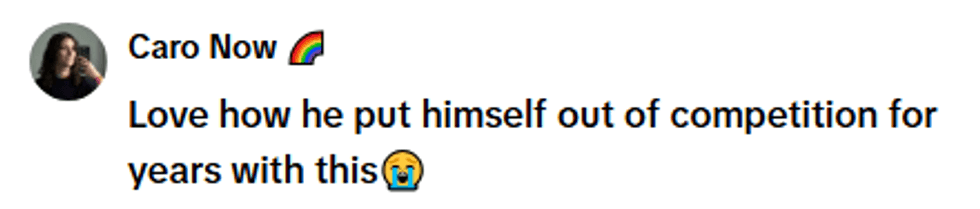 @phlynnmartin/TikTok
 @phlynnmartin/TikTok
 @sailors.mama/TikTok
 @sailors.mama/TikTok
 @sailors.mama/TikTok
 @sailors.mama/TikTok
 @sailors.mama/TikTok
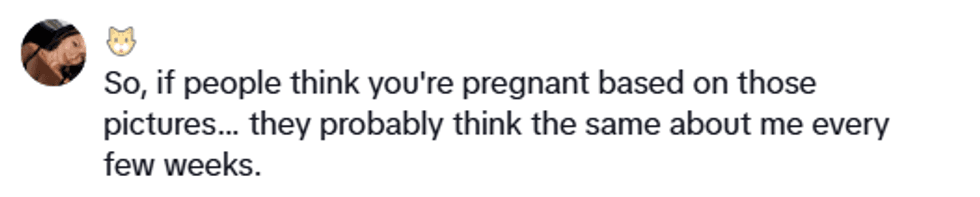 @sailors.mama/TikTok
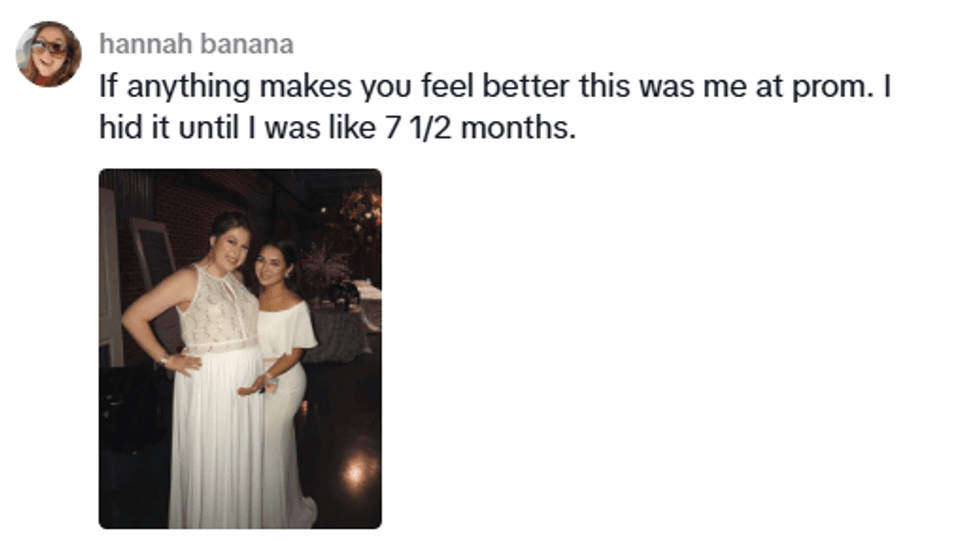 @sailors.mama/TikTok
 @sailors.mama/TikTok
 @sailors.mama/TikTok
 @sailors.mama/TikTok
 @sailors.mama/TikTok
 @sailors.mama/TikTok