
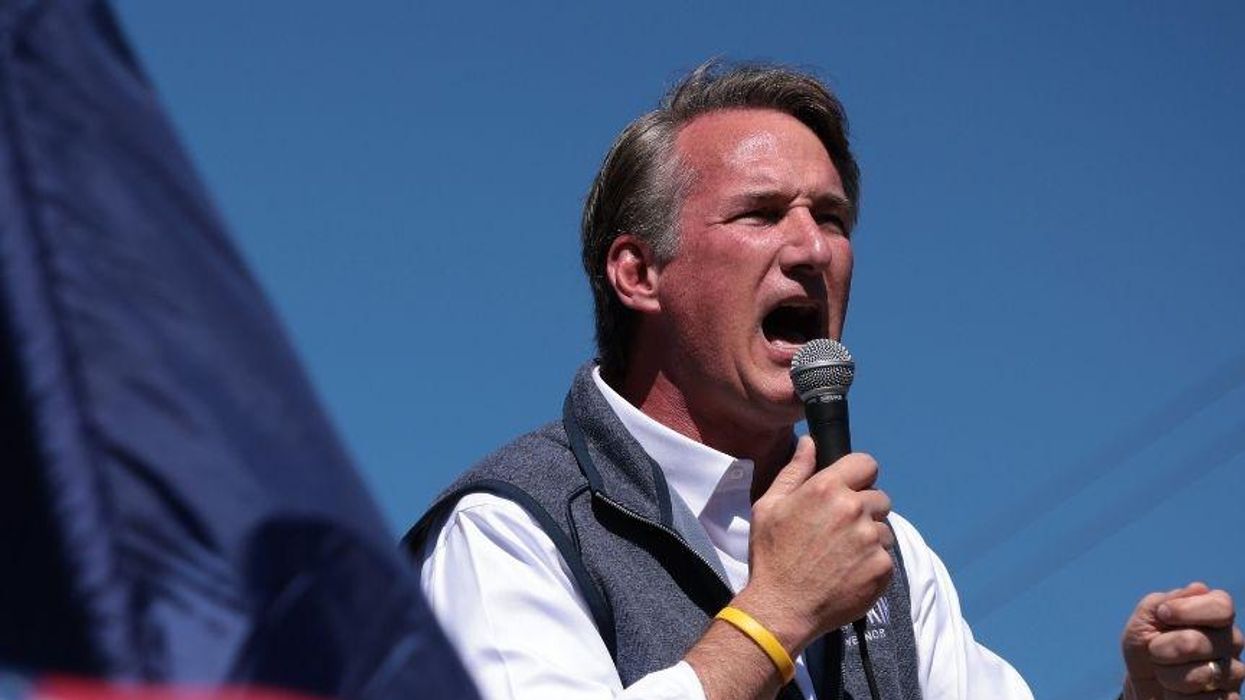

Democrats are in a bit of collective shock at their losses in Virginia and the tighter than expected race in New Jersey—both states that were solidly blue and voted for Biden by large margins. While the race in New Jersey appears to have gone to the Democrats, recriminations abound in Virginia: McAuliffe relied too hard on the anti-Trump vote, which didn't materialize; he made missteps on the question of parental involvement in school curricula; we lost the suburban women voters.
Harbingers in 2021 such as the Virginia gubernatorial election can bring about a sense of doom and despair. We should studiously avoid this, tempting as it is to wallow in it. For starters, this is also the eighth consecutive time the new U.S. president has seen the opposition party take the Virginia governor's race. So it's something of an expected thing by now, not an outlier. (On the other hand, the incumbent governor has not won in New Jersey since 1985.)
But more critically, losses can also provide insights about the other side's strategy as we go into the very tough midterms of 2022. This is crucial because, as we know, the party in power in Congress often loses seats and we have almost none to spare in the House and zero to spare in the Senate.
At the outset, let's acknowledge that there are many reasons we shouldn't read too much into why McAuliffe lost, especially around questions like, "Was he too anti-Trump?" His strategy of tying Youngkin to Trump was suspect from the outset because Trump wasn't actively campaigning in Virginia. The association just didn't land with voters. Democrats should tie Trump to a candidate only when Trump is actually actively campaigning for the candidate and can be seen alongside them. Everything else will seem like a false or unfair comparison; after all, only certain kinds of politicians come off as Trumpian.
It is also important to note that McAuliffe's favorability rating was underwater, while Youngkin's were above. That was a bad place to start from, but it also means this race won't necessarily play out like others in 2022.
What we do know and can anticipate, however, is how the GOP likely will take this win and run with it—perhaps to their disadvantage. GOP candidates will pore over the Youngkin campaign and try to emulate it. I call that the "False World" playbook. It is not based soundly in policy (Republicans have no discernible, practical policy ideas these days) but in stirring up resentments and fears based on non-existent or invented issues.
Youngkin was particularly good at couching the False World playbook in a set of seemingly reasonable positions. The problem for GOP copycats is that the playbook won't deliver the same way for everyone, especially with different messengers, different audiences, and under different circumstances. And we can use that to our advantage.
Let's walk through a few examples of Youngkin's False World campaign:
Election Fraud Claims. Youngkin walked a fine line by repeatedly insisting that there needed to be "audits" of the state's voting machines, placating conservatives on this issue by suggesting that there was something that needed to be looked into. He maintained this position even though a routine post-election audit had already tested the accuracy of the voting machines. At the same time, hoping not to alienate moderate voters, he did not go so far as to say Biden was not legitimately elected, going against some 70 percent of GOP voters that still believe the Big Lie. We can expect moderate GOP candidates to try and walk this same line—provided they can get through their primaries—even while extremists will go full tilt on election fraud. When candidates do go all in, we should hit back. If they walk the Youngkin line, we should not try to make it a pivotal issue.
"Critical Race Theory." It may seem baffling to liberals that the right, including Youngkin, has stirred parents into a frenzy over something that isn't even taught in schools. Youngkin ran, as his final ad, a story about a mother whose son supposedly had been given a reading assignment that contained the most "explicit material" she could imagine. But what was left out of the ad was that her son was a high schooler taking an AP class for English, and the book was Toni Morrison's "Beloved" which describes the horrors of slavery. The ad was a classic Willie Horton-style bait, a tactic in U.S. politics as old as the nation, where fears by the dominant white class of losing authority and power are easily tapped, in this case with the bogeyman of liberal indoctrination in schools. This in part explains the eyebrow-raising exit poll numbers showing non-college-educated white women breaking 75/25 for Youngkin but educated white women going 68/32 for McAuliffe. That alone comprised the margin of victory. Republicans need a wedge issue to bring suburban women voters back to the party after Trump, and they believe they have found it with CRT. (It also shows that arguing about what CRT does and does not do is pointless—all it takes is an ad like that one to set fears off, just as the Willie Horton ad once did.)
Mask and Vaccine Mandates. The GOP has pressed hard against health mandates in states like Florida and Texas, and Youngkin toed the line but again added his own twist. When the school mask mandate happened back in August, Youngkin attacked: "With today's student mask mandate announcement, Ralph Northam, Terry McAuliffe and Richmond liberals have made clear that they will stop at nothing to impose their will and take away parents' ability to decide what's best for our kids. Make no mistake about it, this mask mandate is the first step towards returning to a full shutdown of our economy," he said in a statement. He continued, "We must respect parents' right to decide what is best for their own children. If parents, teachers, and children want to wear a mask, they absolutely should do that, but there should not be a statewide school mask mandate." On vaccine mandates, he took basically the same position: encouraging vaccinations while opposing vaccine requirements. His stance is profoundly unscientific, which is why it exists as part of a False World campaign, but it tries to tap the same vein of parental and personal choice that, somewhat hypocritically, fuels Republican voters to the polls. Make it about parental choice and freedom, and it sounds palatable and fair.
So, how do we counter False World campaigning that masquerades as reasonable and pro-parent? For starters, we need to better understand what the voters really want. Virginia voters told exit pollsters that their top concern was, unsurprisingly, the economy. And for the average voter, this means things like the high cost of gas and lack of goods on shelves for the upcoming holiday shopping season. The second top concern of voters, also unsurprisingly, was the pandemic. Especially for suburban parents with school-age children, the number of daily new cases and the risk of outbreaks remains scarily high, and this underlies a sense of frustration and disappointment against incumbents from both sides of the aisle.
The bad news for McAuliffe was that the election came at a time when the economy is still suffering from supply chain distortions and a shifting, insecure workforce, even while children remain largely unvaccinated. The voters, who were quick to forget the economic relief package the Democrats passed with the American Rescue Plan, don't yet see any progress from the Democrats in Congress, who are still negotiating their massive social safety net bill and have put the infrastructure bill on hold until it can pass alongside it. And the good job numbers (including massive upward revisions to the summer's numbers and a tick downward to 4.6 percent unemployment) simply came too late for McAuliffe.
But come 2022, most economists predict robust growth and an easing of inflationary pressures from supply-side disruptions. If the reconciliation bill passes as currently framed, there will be money in the pockets of parents who currently shell out huge sums for child care. Older Americans will see lower prescription drug prices and expanded Medicare benefits. Further, with child vaccinations beginning this week, much of the anxiety of these same critical voters will ease. If all these things happen, the backdrop for the midterms will be very different than it was for the races in Virginia and elsewhere yesterday.
We can also flip some of the False World campaigning on its head. The vast majority of voters, including independents, actually favor vaccine and mask mandates. If the pandemic is still raging in certain places like Florida or Texas next year but is largely contained in New York and California, Democrats can hit hard on this point. False World belittling of common-sense health measures equates to poor leadership. It's why Gov. Abbott and DeSantis are in trouble in their popularity and polling. It's also why a much-feared recall of Gov. Gavin Newsom, who had come under fire for his strict mandates and lockdowns, fizzled in the end: People recognized that even if they didn't much care for him, he still did a good job leading the state out of the pandemic.
On the question of respecting parental rights, whether it is in vaccinations or curricula, Democrats can hold a principled line as well that doesn't alienate key suburban voters. Parents can and should make themselves heard and should get involved by running for school boards and participating in PTAs. The rights of parents to have their children taught the truth about history and to be free from dangerous pathogens actually carries far greater support than the loud protests of the anti-scientific or anti-historical parents. But these aren't issues that can be decided by Washington. Instead they have to be slogged out by citizens at the local level, especially concerned parents. To counter the local attacks, parents in the center and to the left need to start showing up in their much greater numbers. The main problem is lack of coordination and organization, not passion.
This underscores another point: The social issue and culture wars don't have to be the sole domain of the GOP. In the summer of 2022, it is very possible, for example, that Roe v. Wade will be overturned. This will set off a bomb across much of America as legislation banning abortion triggers in more than a dozen states as a result of such a decision. While this would be a horrific outcome, it would also fuel such anger on the left that we should not hesitate to harness it to keep our majorities in Congress.
Further, most Americans are wary or downright fearful of right-wing militias, white nationalism, and internet-driven nuttiness. These are culture wars we can also win. If the GOP is successfully painted party of chaos, violence, conspiracy theories and white supremacy—all things that Trump embodies, by the way—we can mobilize voters to the polls around that as well, particularly if they nominate more radical extremists like Marjorie Taylor Green, Paul Gosar, Mo Brooks, Matt Gaetz, Andy Biggs, Madison Cawthorn and Lauren Boebert to office.
The Real World is about rising wages and income, good jobs, keeping kids and families safe from a deadly virus, and protecting things like the Constitutional right to reproductive choice. It's also about accountability for the deadliest insurrection since the Civil War and resisting our slide into authoritarian Trumpism. Yet it's very likely the far right will delight in yesterday's results and double down on its False World rhetoric, which ranges from JFK still being alive in Dallas to Venezuelan communist software running the voting machines to claiming the insurrectionists were patriotic and peaceful tourists.
This can work in our favor. As I've written before, the dynamics of the Republican primaries likely will elevate the most extreme candidates among the GOP. But they won't all be able to appear as successful, affable people in fleece vests as Youngkin portrayed himself. Their False World kookiness won't sit nearly as well with worried and protective suburban voters as Youngkin's did. If we do get economic and post-pandemic tailwinds at our backs, and we can grow as organized on the local level as the GOP has, we can not only avoid a blowout but keep one or both of our majorities in Congress.
For more political analysis, check out the Status Kuo newsletter.


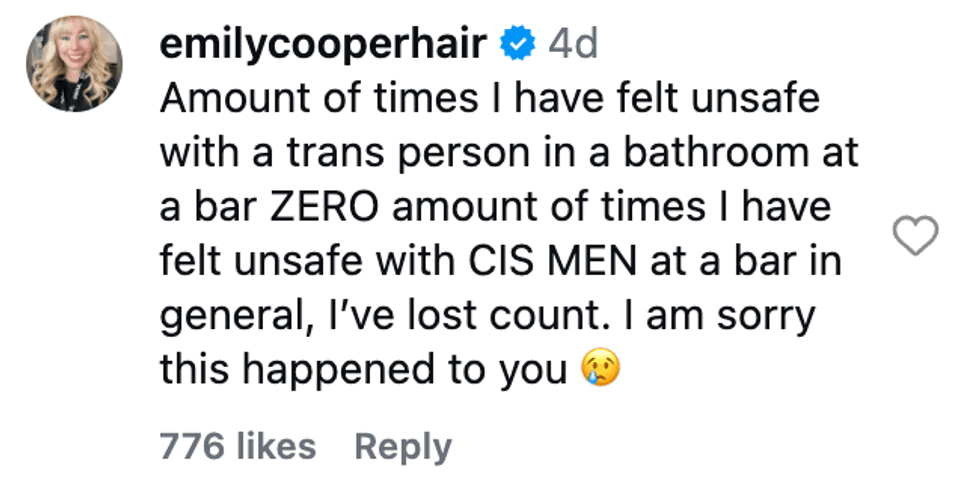 @emilycooperhair/Instagram
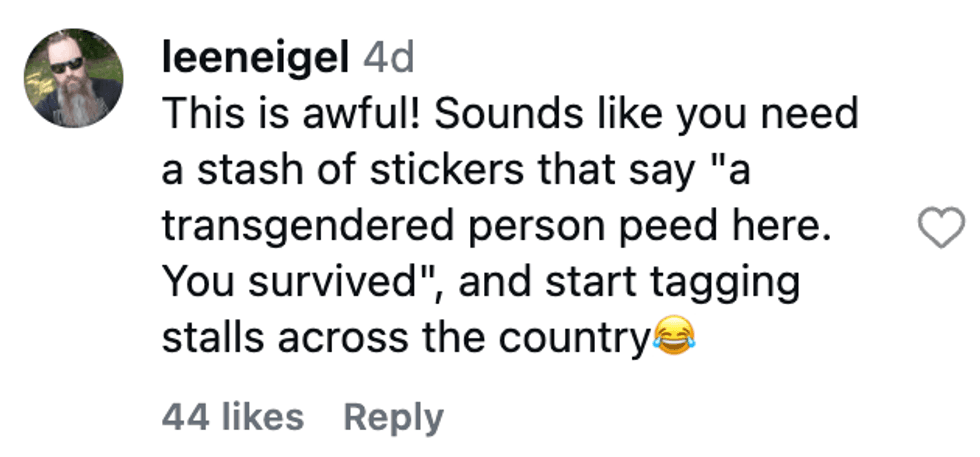 @leeneigel/Instagram
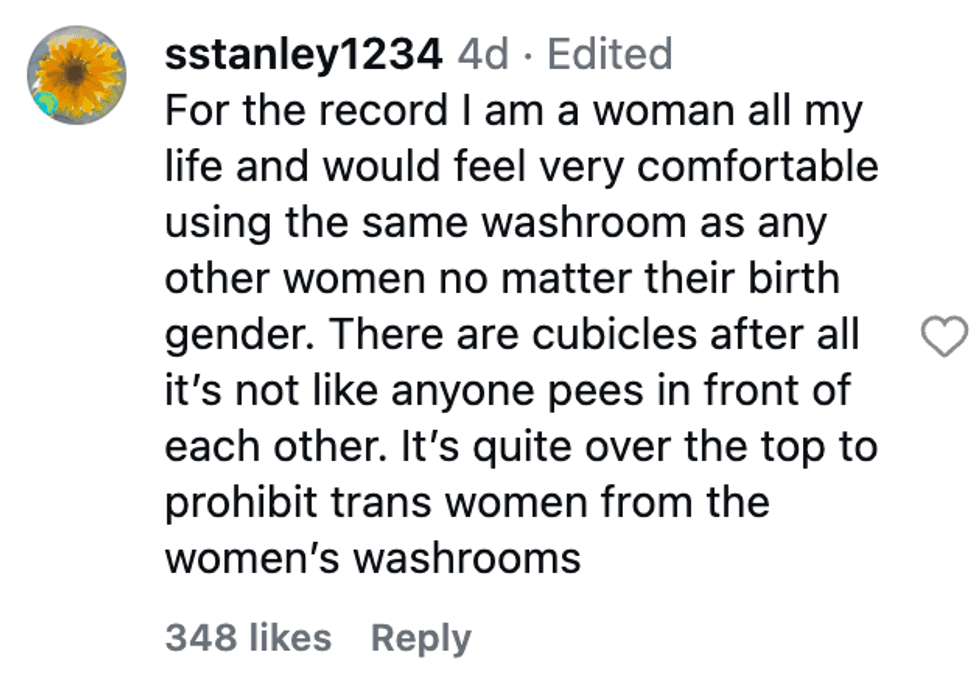 @sstanley1234/Instagram
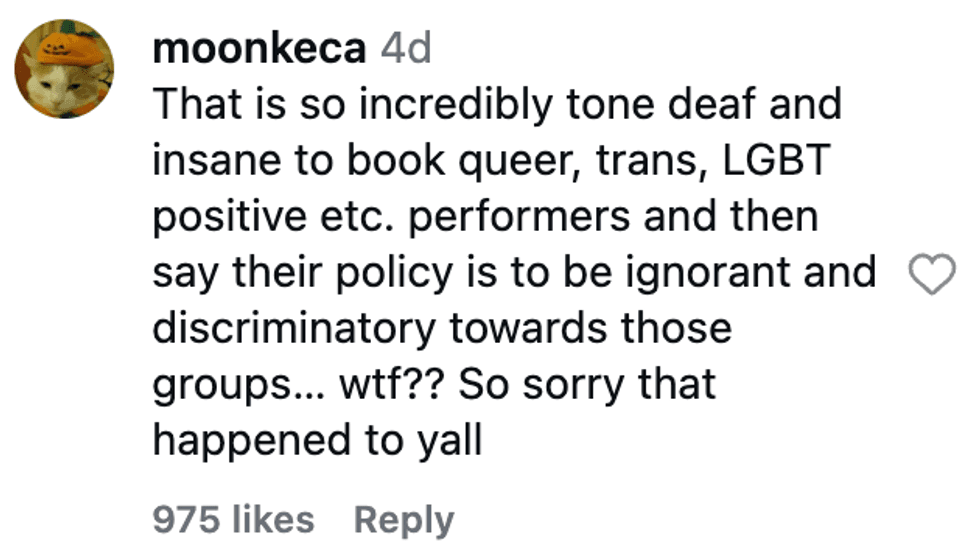 @moonkeca/Instagram
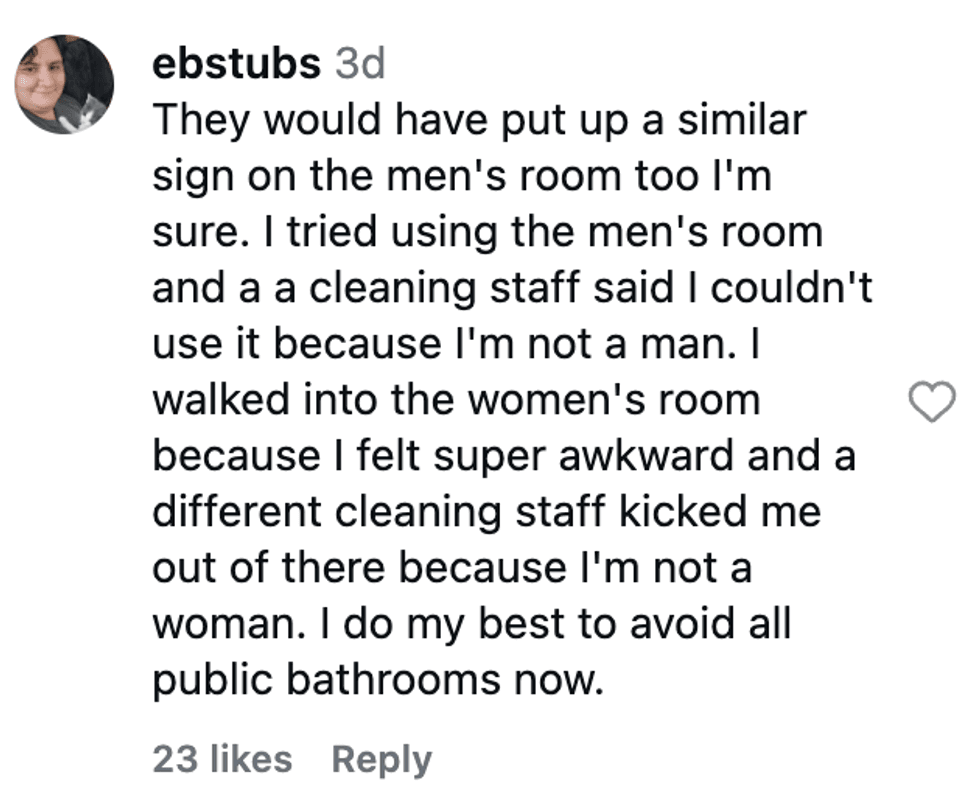 @ebstubs/Instagram
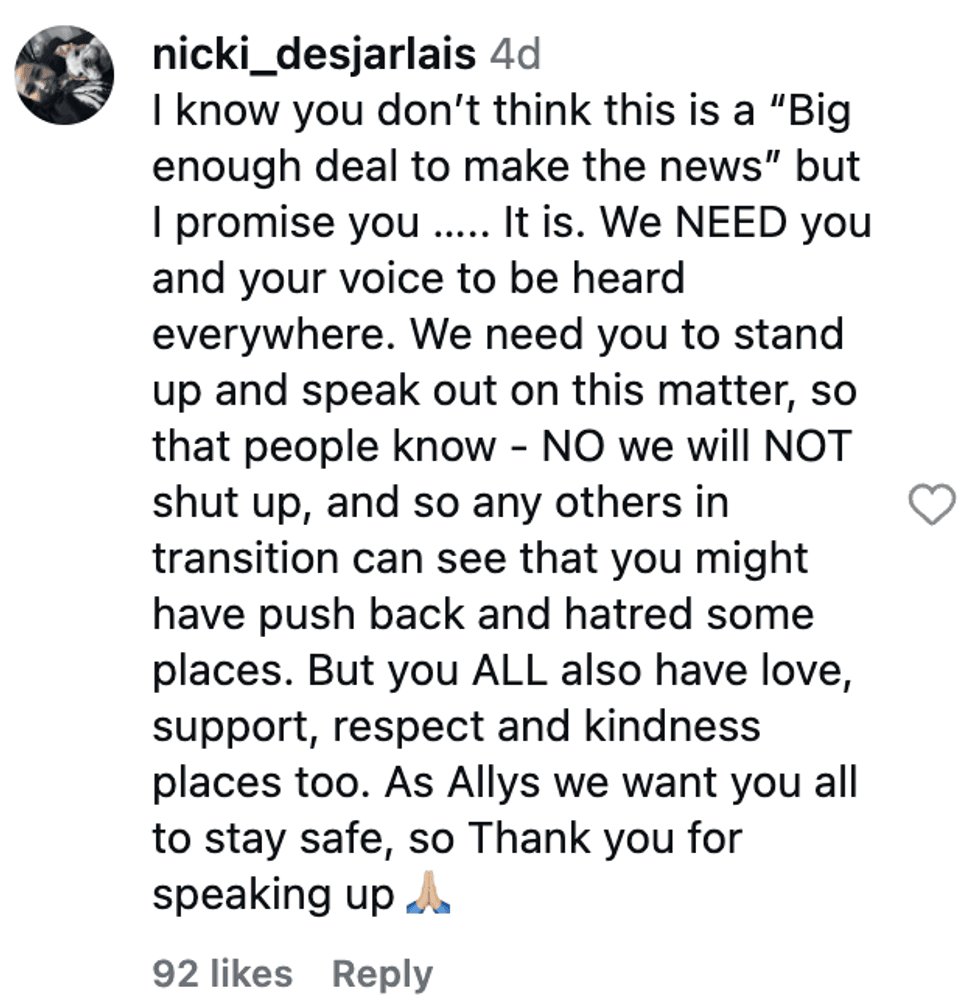 @nicki_desjarlais/Instagram
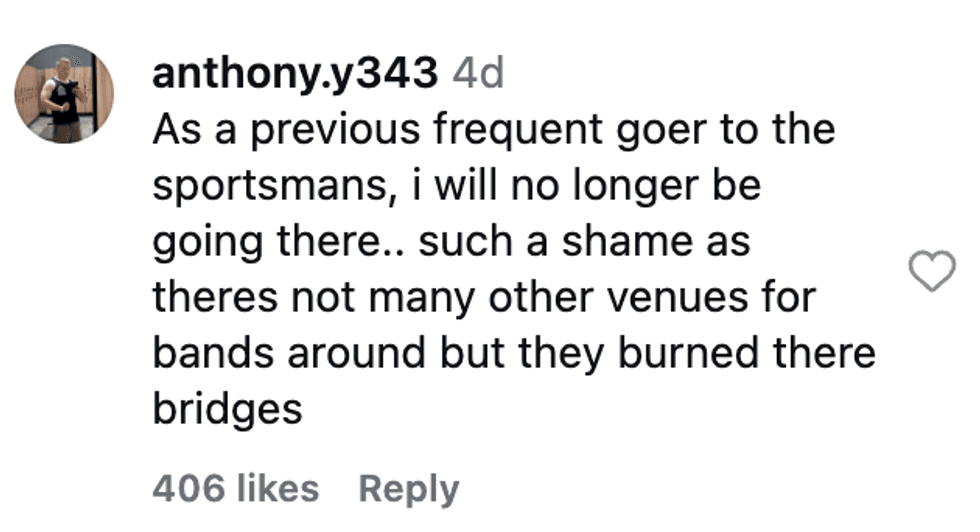 @anthony.y343/Instagram
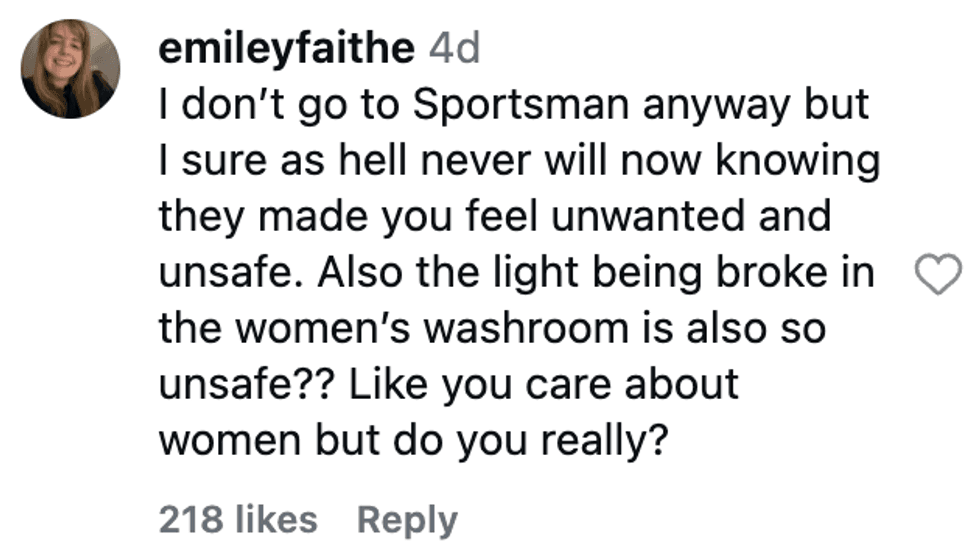 @emileyfaithe/Instagram
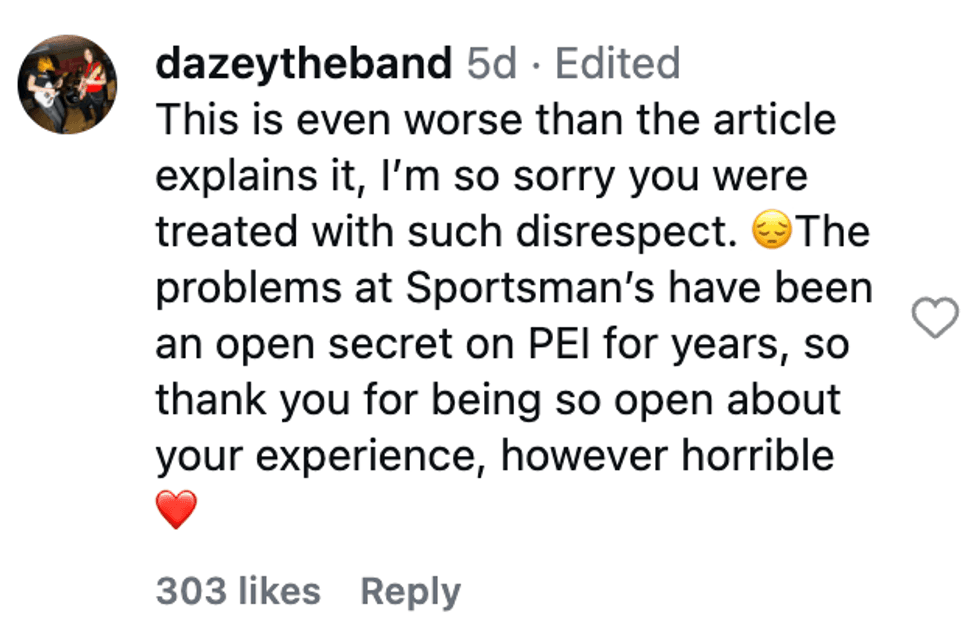 @dazeytheband/Instagram
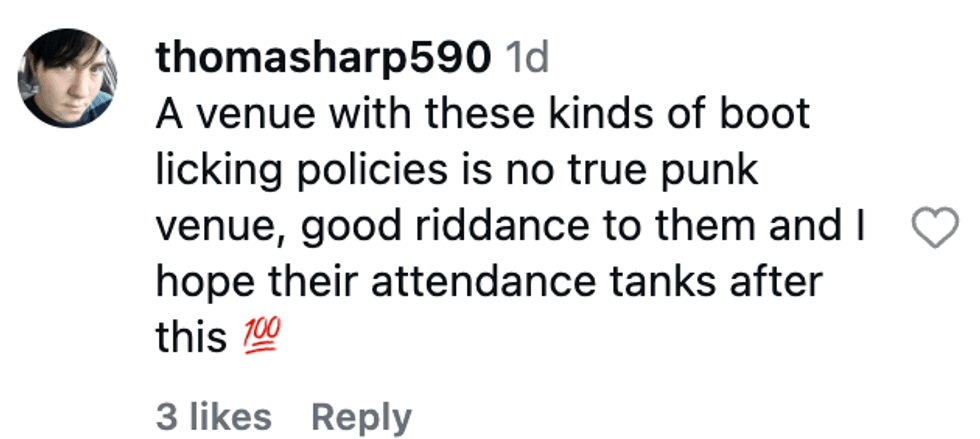 @thomasharp590/Instagram
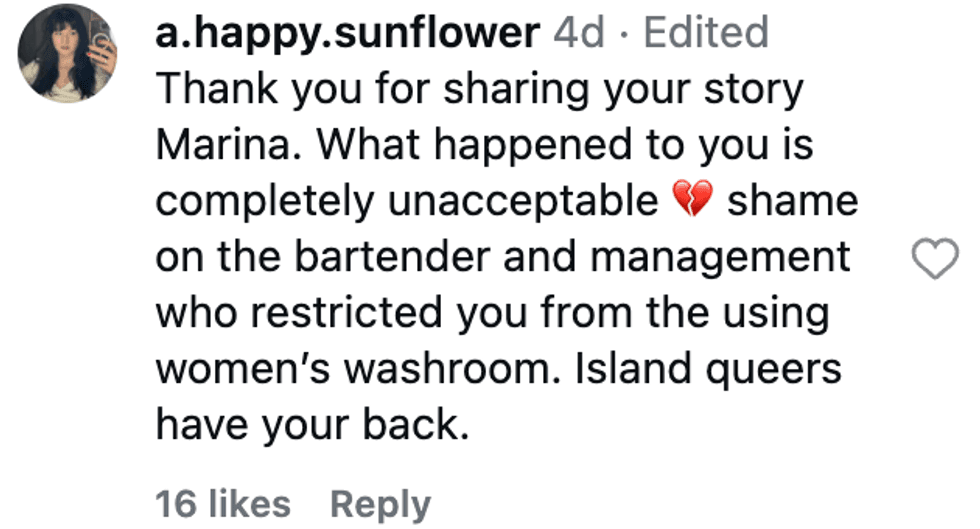 @a.happy.sunflower/Instagram
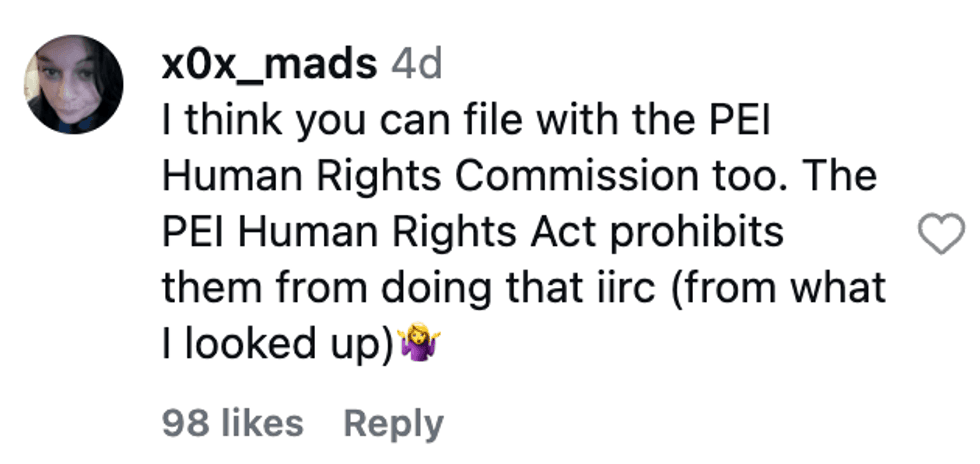 @x0x_mads/Instagram