
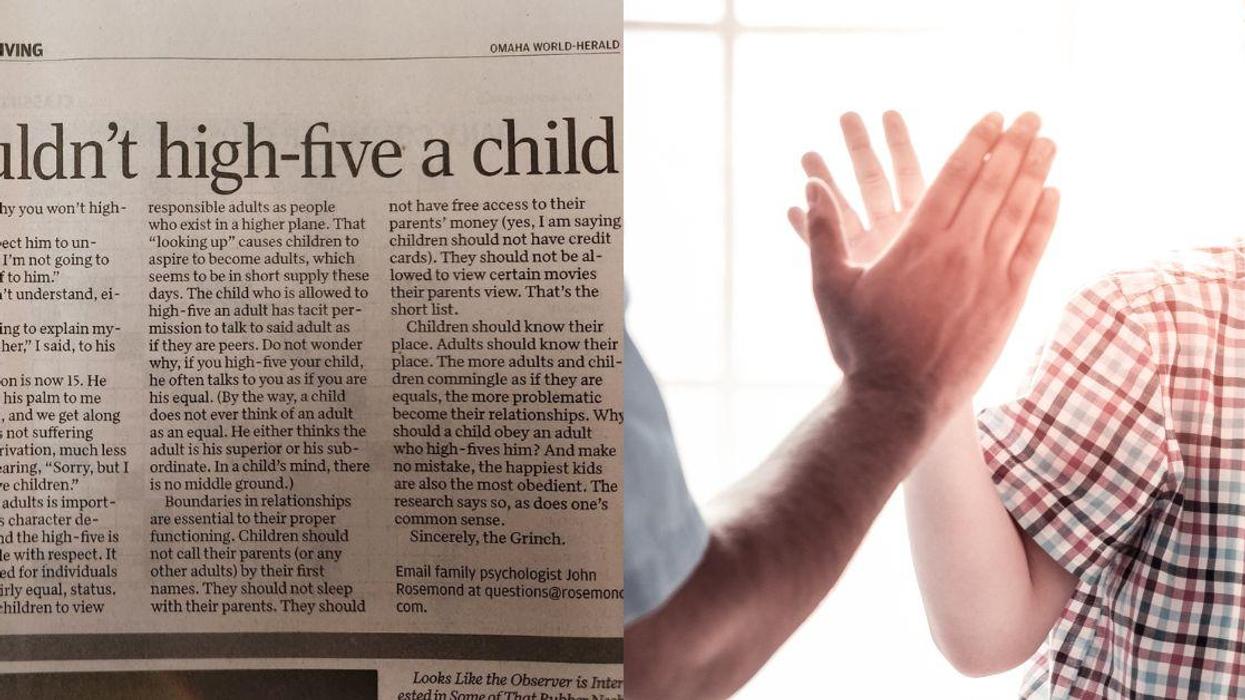

An opinion article featured in the Omaha World-Herald about why adults should not high-five a child has gone viral and simultaneously made the internet absolutely dumbfounded by its logic.
Parenting columnist and family psychologist John Rosemond argued the gesture of familiarity should be reserved exclusively between equals, not kids and adults.
"Every time I see it, I want to scream, and I’m not an emotionally hyperactive person," wrote the 74-year-old author in the opening paragraph.
"I have traded the palm slap with adult friends. 'Dude! Gimme five!' I can be, and am, as cool as the next—the next adult, that is," he went on to state.
And then he declared his hard limits.
"I will not slap the upraised palm of a person who is not my peer, and a peer is someone over age 21, emancipated, employed and paying their own way."
Rosemond continued making his case.
"The high-five is NOT appropriate between doctor and patient, judge and defendant, POTUS and a person not old enough to vote (POTUS and anyone, for that matter), employer and employee, parent and child, grandparent and grandchild."
He went on to argue the main reason for his stance is to establish boundaries between the generations early on in a child's development.
"Respect for adults is important to a child’s character development, and the high-five is not compatible with respect," said Rosemond.
"It is to be reserved for individuals of equal, or fairly equal, status. It is good for children to view responsible adults as people who exist in a higher plane."
"That 'looking up' causes children to aspire to become adults, which seems to be in short supply these days."
"The child who is allowed to high-five an adult has tacit permission to talk to said adult as if they are peers."
"Do not wonder why, if you high-five your child, he often talks to you as if you are his equal."
He clarified:
"By the way, a child does not ever think of an adult as an equal. He either thinks the adult is his superior or his subordinate. In a child’s mind, there is no middle ground."
Christen van Haastert, a 40-year-old mother of two from Oregon, said she felt sorry for Rosemond after initially reading his article, specifically in response to the part where he mentioned he doesn't extend the gesture to his grandson–which he mentioned earlier in the article.
Haastert told Today Parents:
"I high-five my kids! I see their eyes light up because it shows my pride in them, or it can encourage them to try something difficult or something they are anxious about."
The internet also had plenty of things to say after being bewildered by Rosemond's lengthy explanation about the innocuous and playful gesture.
Dr. Lisa Lindquist–a mom and psychiatrist living in Alaska–told the media outlet that praise is a "complex social communication" that is most effective when used to encourage a child.
"This provides a child with a sense of competent achievement and allows them to understand where to direct their efforts during future tasks," Lindquist added.
"So please, utilize the occasional congratulatory high-five as you tell your first grader they worked hard to solve the math problems in their workbook this evening."
A 2015 research at Notre Dame contradicted Rosemond's theory about the physical interaction having an adverse effect on a child's development.
Researchers suggested that a lack of a parent's tactile involvement, like the high-five to encourage their child, can potentially lead to "poorer mental health, more distress in social situations and are less able to take another’s point of view."
It appears to be an unpopular take, but what are your thoughts on Rosemond's firm resistance to high-fiving a child?



 @marcille/Bluesky
 @mo-si-do/Bluesky
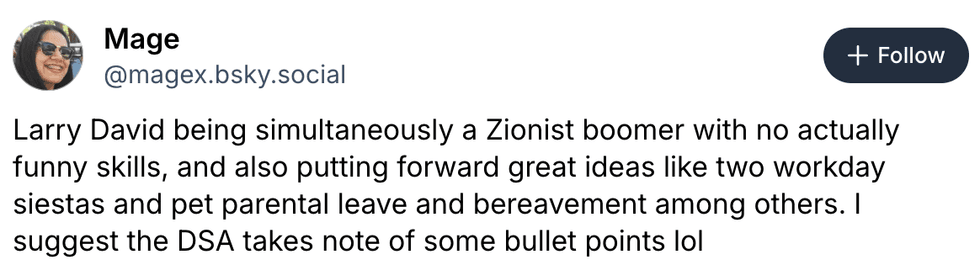 @magex/Bluesky
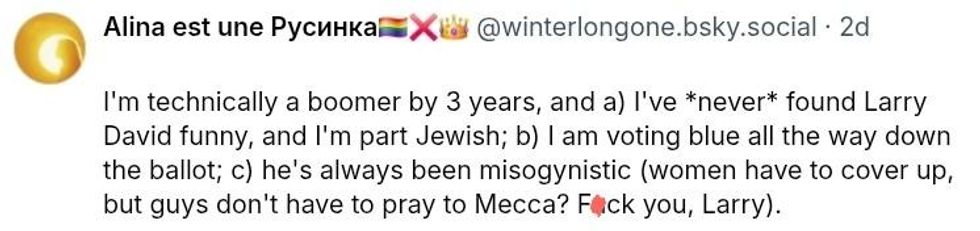 @winterlongone reply to @mo-si-do/Bluesky
 @mo-si-do reply to @winterlongone/Bluesky
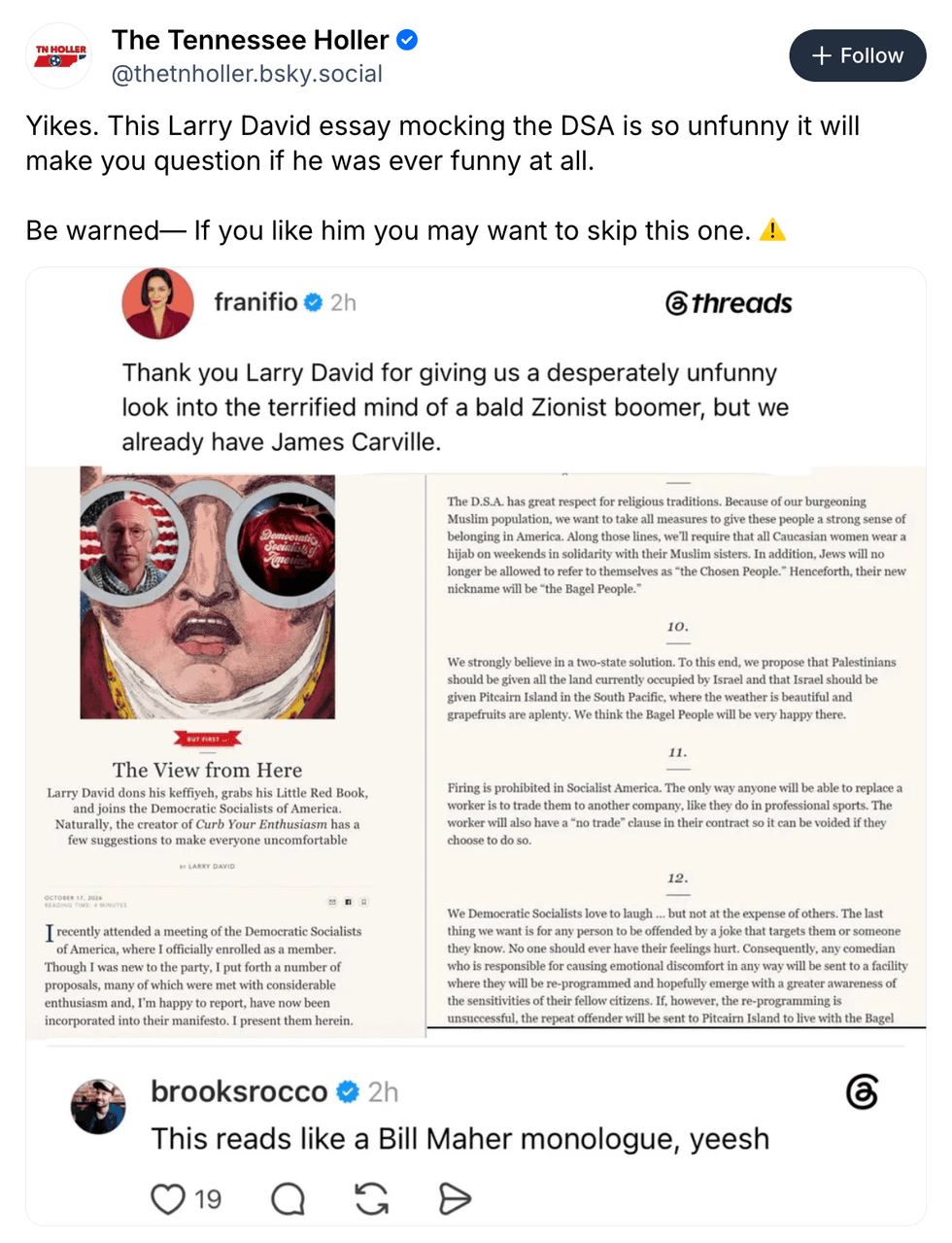 @thetnholler/Bluesky
 @saint1971/Threads
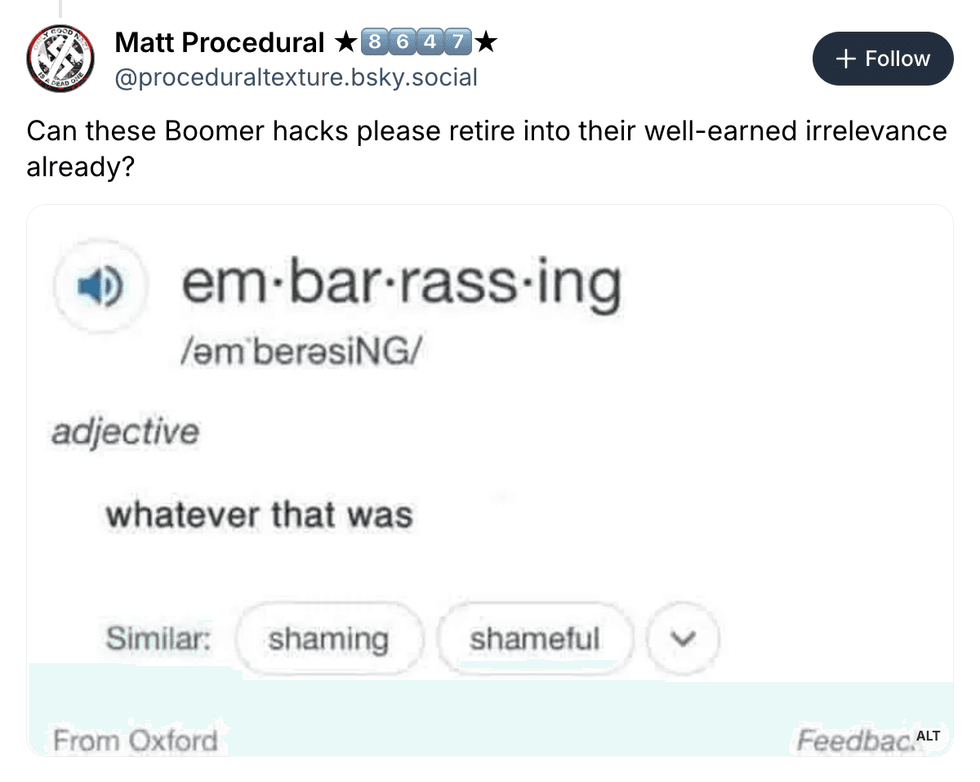 @proceduraltexture/Bluesky
 @shanoprogressive/Bluesky
 @majorrager/Bluesky
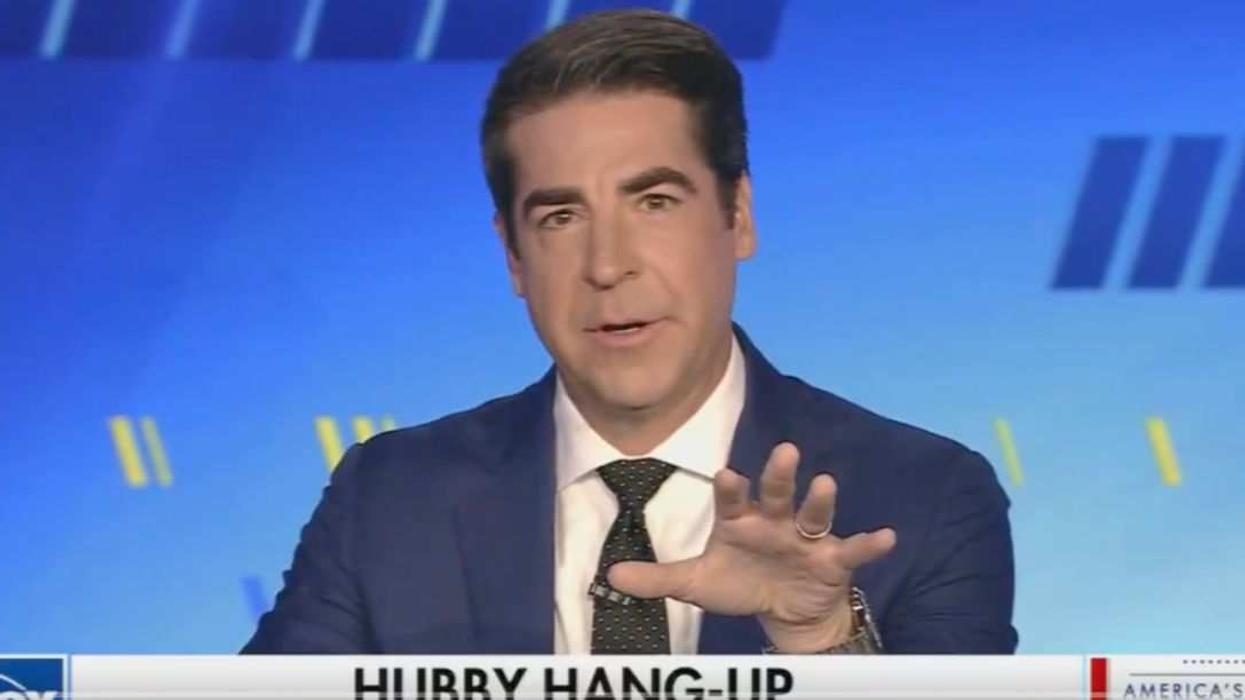



 @MuffinsNsuch/X