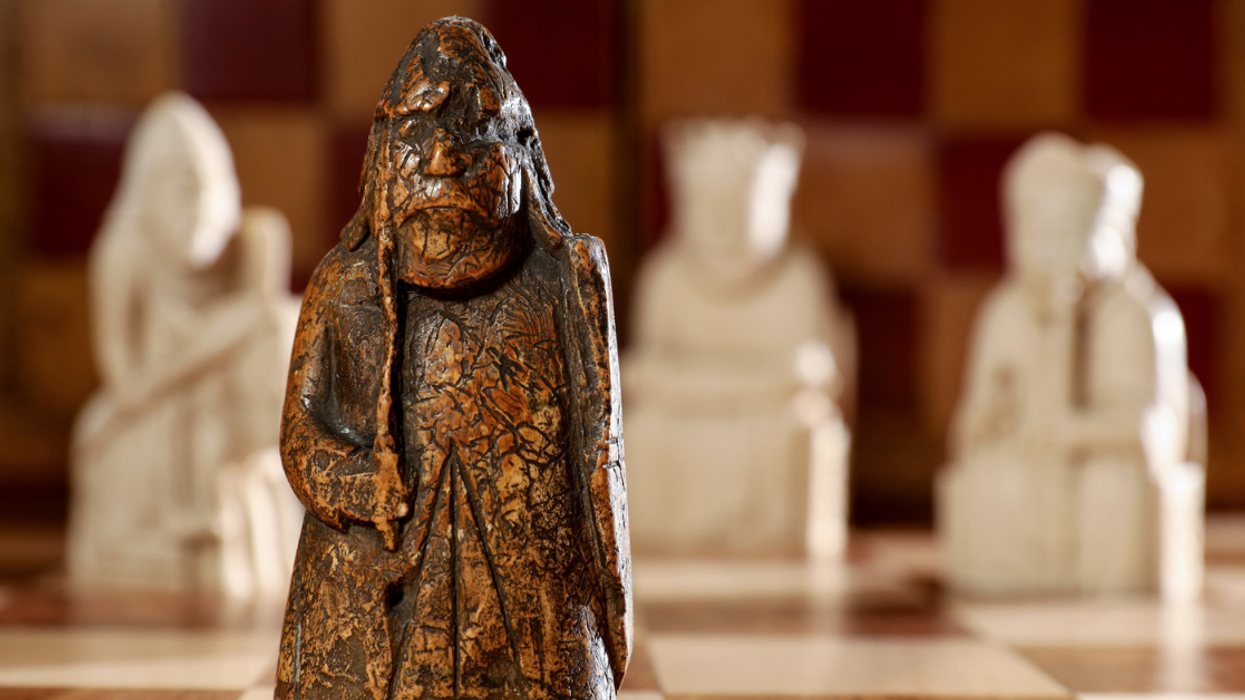

A medieval chess piece missing for almost 200 years could be worth £1 million (over $1 million dollars) at auction after a family discovered the object they kept in a drawer is one of the long-lost Lewis Chessmen.
The Lewis Chessmen – a famous board of 93 objects – were discovered in 1831 on the Isle of Lewis in the Outer Hebrides. But the whereabouts of five pieces from the collection have remained a mystery.
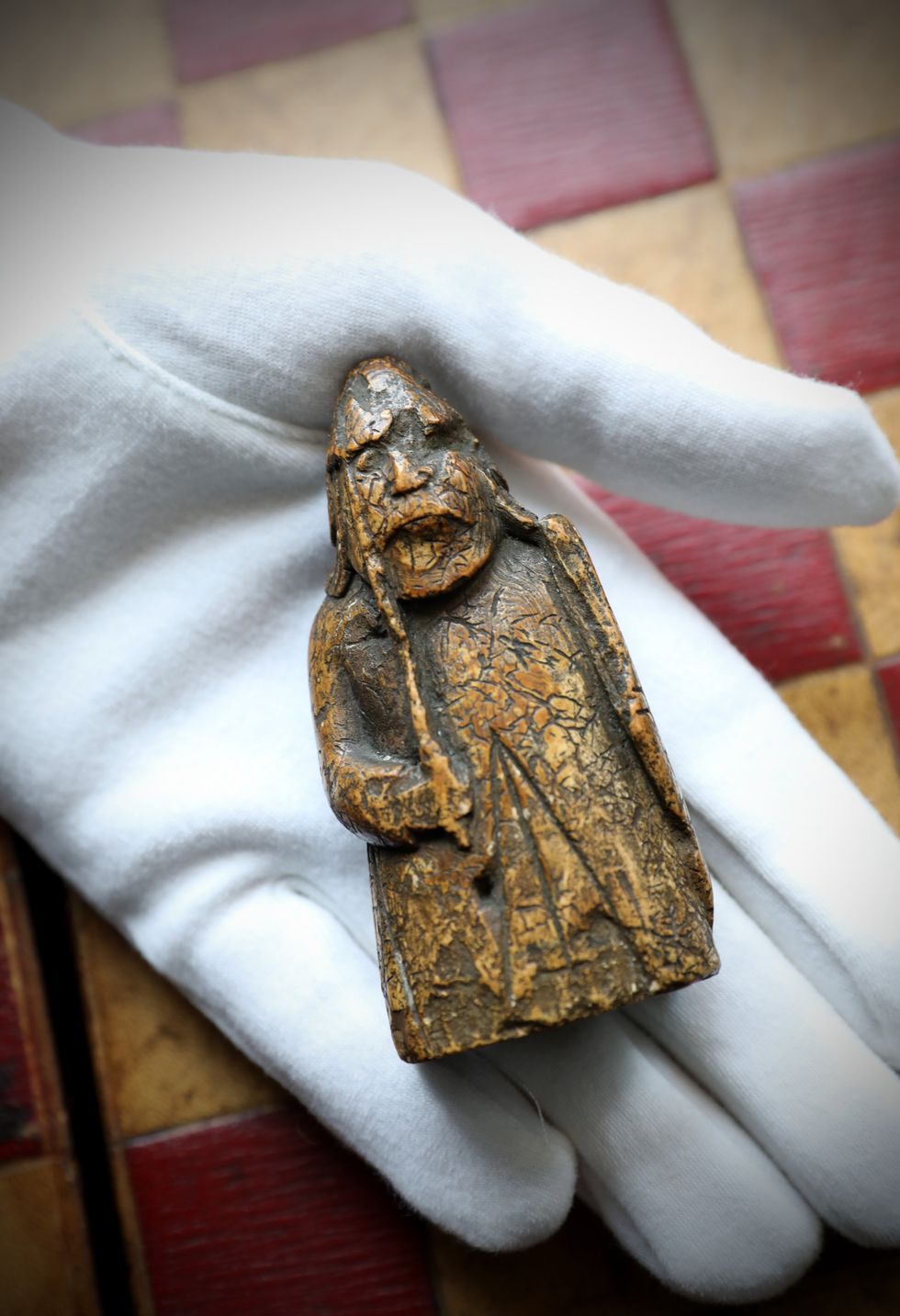 A newly discovered Lewis Chessman at Sotheby's (Tristan Fewings/Getty Images for Sotheby's/PA)
The family has now been told the chess piece their grandfather bought for just £5 in 1964 is one of the missing treasures.
The antiques dealer, from Edinburgh, had no idea of the significance of the small piece which he passed down to his family. The piece is made from walrus ivory.
They have looked after it for 50 years without realizing its importance, before bringing it to Sotheby's auction house in London.
The Lewis Chessmen are among the biggest draws at the British Museum and the National Museum of Scotland in Edinburgh.
Sotheby's expert Alexander Kader, who examined the piece for the family, said that his "jaw dropped" when he realized what they had in their possession.
"They brought it in for assessment. That happens everyday. Our doors are open for free valuations," he told the Press Association.
"We get called down to the counter and have no idea what we are going to see. More often than not, it's not worth very much," the auction house's co-worldwide head of European sculpture and works of art, said. "I said, 'Oh my goodness, it's one of the Lewis Chessmen'."
He said the family, who want to remain anonymous, were "quite amazed."
"It's a little bit bashed up. It has lost its left eye. But that kind of weather-beaten, weary warrior added to its charm," he said.
Despite not knowing its significance, the late 12th to early 13th century chess piece had been "treasured" by the family.
The current owner's late mother believed it "almost had magical qualities."
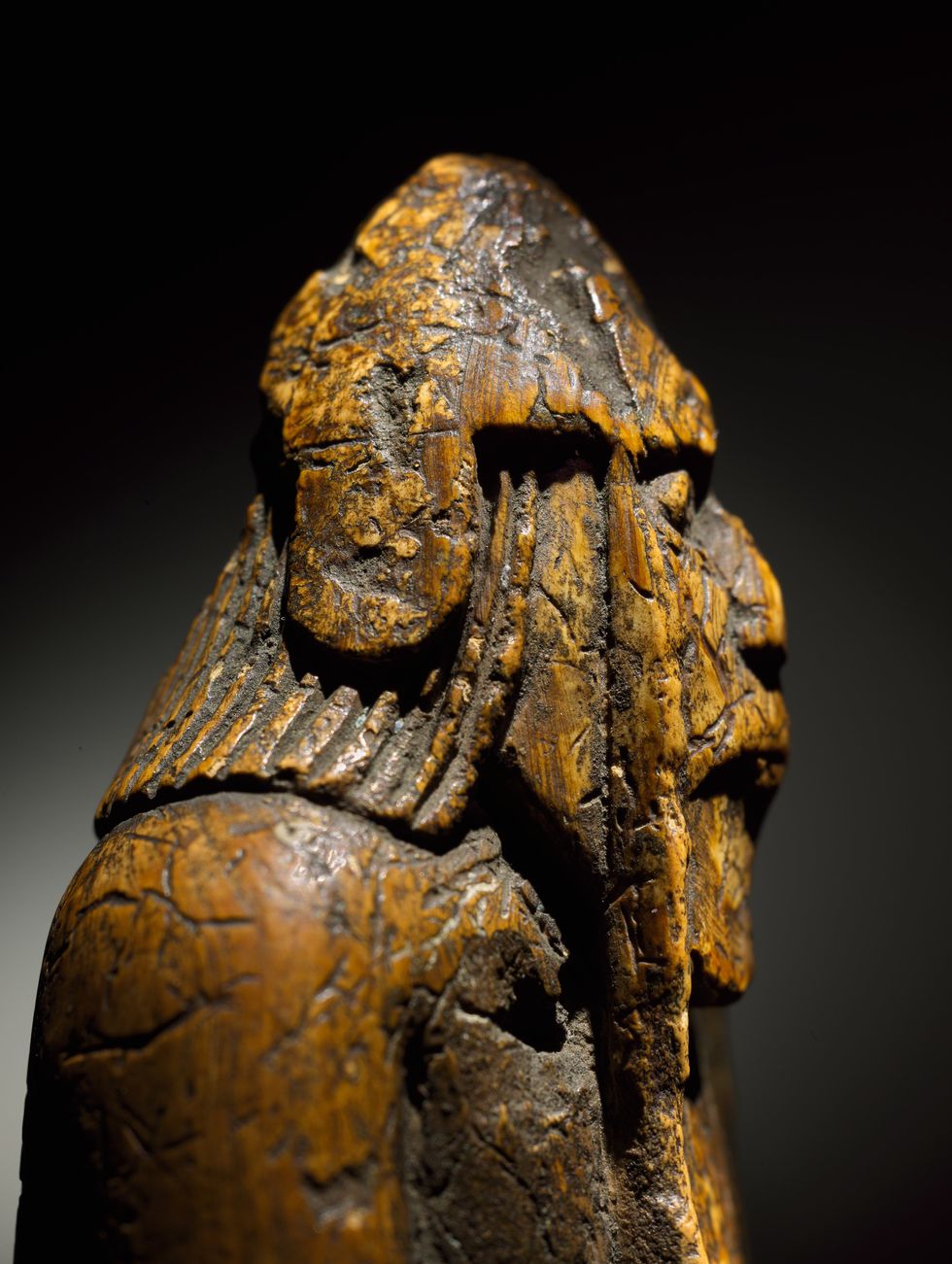 A Lewis Chessman warder (Sotheby's/PA)
"My grandfather was an antiques dealer based in Edinburgh, and in 1964 he purchased an ivory chessman from another Edinburgh dealer," a family spokesman said in a statement.
"It was catalogued in his purchase ledger that he had bought an 'Antique Walrus Tusk Warrior Chessman.' From this description it can be assumed that he was unaware he had purchased an important historic artifact."
"It was stored away in his home and then when my grandfather died my mother inherited the chess piece. My mother was very fond of the Chessman as she admired its intricacy and quirkiness. She believed that it was special and thought perhaps it could even have had some magical significance."
"For many years it resided in a drawer in her home where it had been carefully wrapped in a small bag. From time to time, she would remove the chess piece from the drawer in order to appreciate its uniqueness."
The Lewis Chessmen comprise of seated kings and queens, bishops, knights and standing warders and pawns. Some 82 pieces are now in the British Museum and 11 pieces held by the National Museum of Scotland. As well as the chess pieces, the board includes 14 "tablemen," gaming pieces, and a buckle.
Since the board was uncovered in 1831, one knight and four warders have been missing from the four combined chess sets. The newly discovered piece is a warder, a man with helmet, shield and sword and the equivalent of a rook on a modern chess board, which "has immense character and power."
The discovery of the board remains "shrouded in incredible mystery" even today, with stories of it being dug up by a cow grazing on sandy banks. It is thought it was buried, possibly by a merchant to avoid taxes after being shipwrecked, shortly after the objects were made and so remained underground for 500 years.
"We can safely say that a million pounds will transform the seller's life," Kader, who has kept the discovery under wraps for six months while authenticating the find, said. "There are still four out there somewhere. It might take another 150 years for another one to pop up."
The object will go on display in Edinburgh on Tuesday and in London just before the auction, with Kader saying it could be bought by or be loaned to a museum.
The Lewis Warder piece will go up for auction, with an estimate of £600,000 to £1 million, in the Old Master Sculpture & Works of Art sale at Sotheby's in London on July 2.









 @andyparkertattoos/TikTok
 @amylovattt/TikTok
 @lolarosieee/TikTok
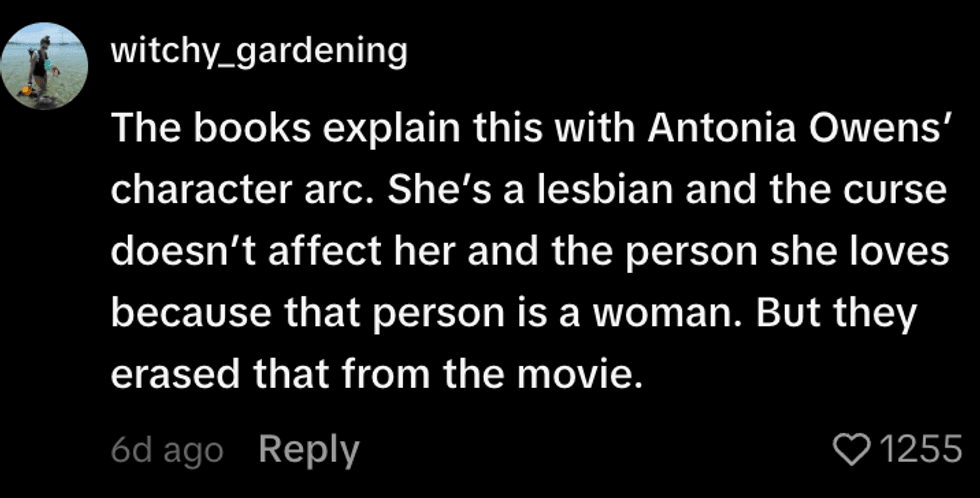 @witchy_gardening/TikTok
 @olivialilymarks/TikTok
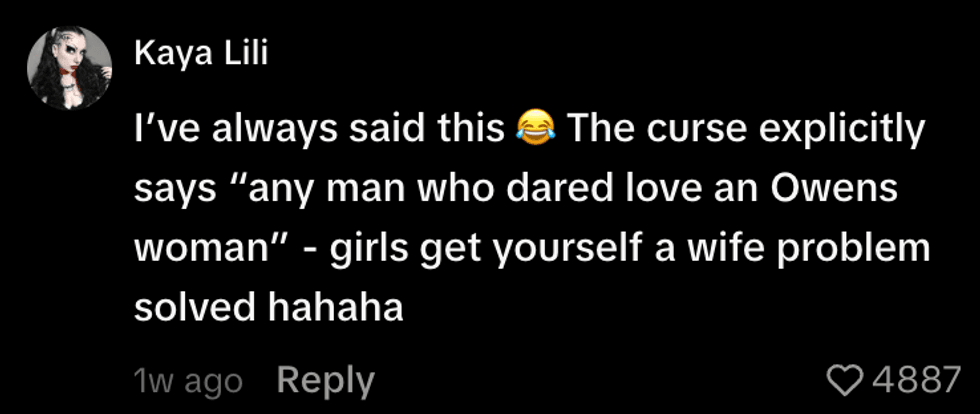 @x.toxictears/TikTok
 @.tsum.tsum/TikTok
 @banana_prolly_in_pajamas/TikTok
 @h.13swift/TikTok
 @user34386509/TikTok
 @irinaguemez/TikTok

 Grand Teton National Park/Facebook
 Grand Teton National Park/Facebook
 Grand Teton National Park/Facebook
 Grand Teton National Park/Facebook
 Grand Teton National Park/Facebook
 Grand Teton National Park/Facebook
 Grand Teton National Park/Facebook
 Grand Teton National Park/Facebook
 Grand Teton National Park/Facebook
 Grand Teton National Park/Facebook