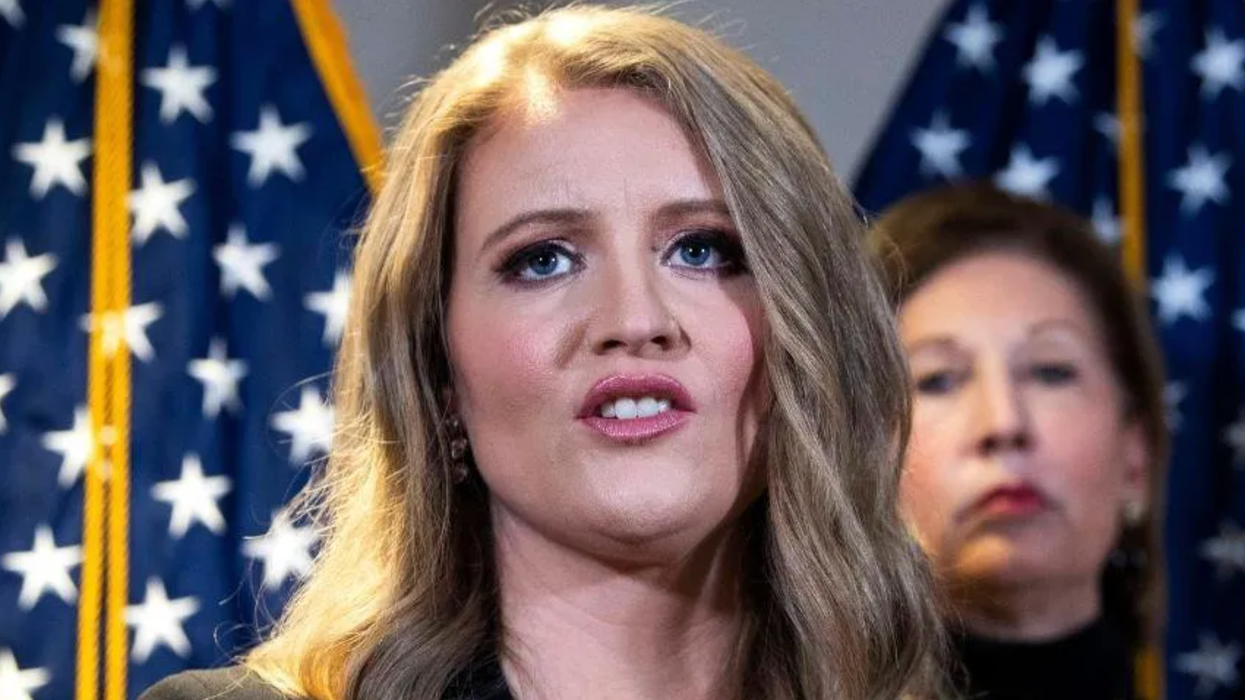

Jenna Ellis, the "Kraken" attorney and one-time Colorado traffic prosecutor turned top Trump legal advisor, hasn't been subpoenaed yet by the January 6 Commission. But a bombshell revelation by ABC News Chief Washington Correspondent Jon Karl in his upcoming book "Betrayal: The Final Act of the Trump Show" is likely to lead to one.
Karl revealed that the infamous Eastman memos weren't the only blueprints for how Trump could illegitimately hold on to power. Ellis also wrote a memo detailing how then-Vice President Mike Pence could thwart the counting of the Electoral College votes by "sending" the votes from six battleground states back to those states and giving them a new deadline of "7pm eastern standard time on January 15th" to return a new set of votes. If any of the states missed that arbitrary deadline, then she advised he state that "no electoral votes can be opened and counted from that state." (This power exists nowhere in the Constitution.)
Ellis argued, in a manner similar to Eastman, that this process would leave neither Trump nor Biden with a majority of the Electoral College votes, which meant that Congress would hold a vote for the president by state delegation—a process in which the Republicans held an edge with 26 controlled states. (Note that Ellis's interpretation of the Twelfth Amendment is itself suspect; it isn't at all clear that any state votes that might somehow be excluded from the count would nevertheless be added to the total to calculate what a "majority" of the votes would be.)
Chief of Staff Mark Meadows, who like Steve Bannon is refusing to comply with the Committee's subpoena to produce documents and to testify, forwarded Ellis's memo to a top aide to former Vice President Pence on New Year's Eve. That was just seven days before Congress was set to meet to count the Electoral College votes, and it was well after Trump's legal avenues in the courts had all been foreclosed.
Another memo, written by Trump aide John McEntee (the 29-year old head of the Presidential Personnel Office and a favored advisor to Trump) was sent by him on January 1, 2021 to Pence's Chief of Staff, Marc Short. It was titled "Jefferson used his position as VP to win." Karl reports that while the memo was historically inaccurate, the message was clear that, like Jefferson, Pence should take advantage of his position. McEntee had earlier successfully lobbied, in another infamous memo, to have Secretary of Defense Mark Esper fired in the waning days of the Trump presidency for what Karl called Esper's "sins against Trumpism." McEntee has already been subpoenaed by the January 6 Committee.
The newly disclosed memos reveal more about an increasingly disturbing White House effort to pressure former Vice President Pence into acting outside his constitutionally prescribed, ceremonial role during the electoral vote counting on January 6. Along with the Eastman memo, Jeffrey Clark's draft letter to the Georgia legislature, the concerted effort by the Trump Campaign to push bogus election lies to the public, and the pressure placed on state officials to overturn their states' election results, we now have a much clearer picture of what the conspiracy was and how its participants meant to pull it off. This raises the question many have been wondering: The plan was certainly unconstitutional, but was it illegal?
There are a few legal hooks that these facts could potentially hang upon. The gravest, and possibly most misunderstood, are "treason" and "seditious conspiracy." Neither seems to apply readily here, however. Treason generally refers to those levying war on the U.S. or giving aid or comfort to the nation's enemies, generally understood to mean its foreign adversaries during a time of war. And seditious conspiracy requires the actual use of force, not just a perversion of process, in an effort to overthrow the government or stop it from executing its lawful and proper functions.
If the evidence were to show that those inside the White House did in fact make specific plans that included the violent insurrectionists, that could change the legal calculus considerably. But we aren't there yet, despite evidence that key parties such as Steve Bannon and Rep. Mo Brooks apparently had advance knowledge about the dangerous way January 6 would unfold. We will have to see what else the evidence shows.
But short of treason or seditious conspiracy, there's also a law that more generally prohibits "conspiracy against the United States." It punishes any two persons who make a plan and then take an overt act upon that plan (the classic two-part definition of a conspiracy) to commit an offense against the U.S. government or to defraud it in any way. These twin prongs have been read broadly by the Supreme Court. In Hess v. Handel, a case decided way back in 1910, the Court observed that the "statute is broad enough in its terms to include any conspiracy for the purpose of impairing, obstructing or defeating the lawful function of any department of government…" This most certainly would include Congress and its proper counting of electoral votes. The punishment for conspiracy against the United States is up to five years on each count. The law recently was used to help send Paul Manafort to jail.
A key fact, in this case, is the Trump Campaign's use of bogus election fraud claims to support an extra-Constitutional move by the former Vice President. By the time these and other memos were created, Trump had already lost nearly all his election lawsuits. No court had found any claims of fraud to be valid. In many cases, the Trump Campaign declined to even assert fraud in open court out of fear of sanctions. And as I wrote in an earlier piece, the Trump Campaign internally had already debunked the most outrageous claims about Dominion Voting Systems and Smartmatic software and had memorialized their findings. In other words, the campaign knew as early as November that there was no massive election fraud, but they continued to promote it anyway and use it to justify their coup plans. And that takes the conspiracy potentially into the criminal realm.
Ellis is very likely to refuse to appear before the Committee if she is subpoenaed, and she will almost certainly cite not only executive but attorney-client and work product privileges given her official, albeit dubious, role as "legal advisor" to the former president. But her memo appears to go far beyond anything close to ordinary legal advice. Like the Eastman memo, it is a blueprint for a coup and is direct evidence of a dangerous and possibly illegal conspiracy. Privileges generally don't extend to communications by lawyers who are participating in a crime, and Ellis may soon find herself in in very precarious waters.
The GOP establishment seems to understand this already. The party's chair, Ronna McDaniel, recently blocked Ellis on Twitter.
For more political analysis, check out the Status Kuo newsletter.

 Entertainment Weekly/Facebook
 Entertainment Weekly/Facebook
 Entertainment Weekly/Facebook
 Entertainment Weekly/Facebook

 @sanderverge/Bluesky
 @adavelikeanyother/Bluesky
 @danderson9465/X
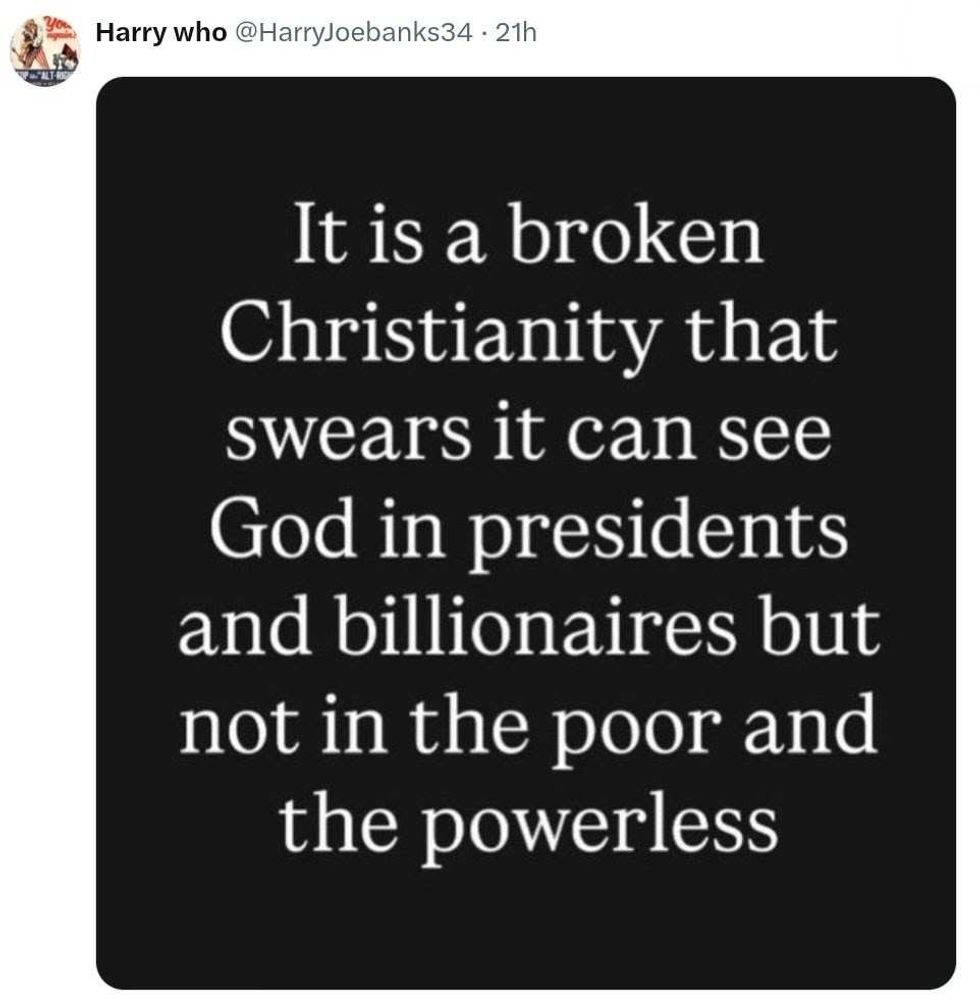 @HarryJoeBanks34/X
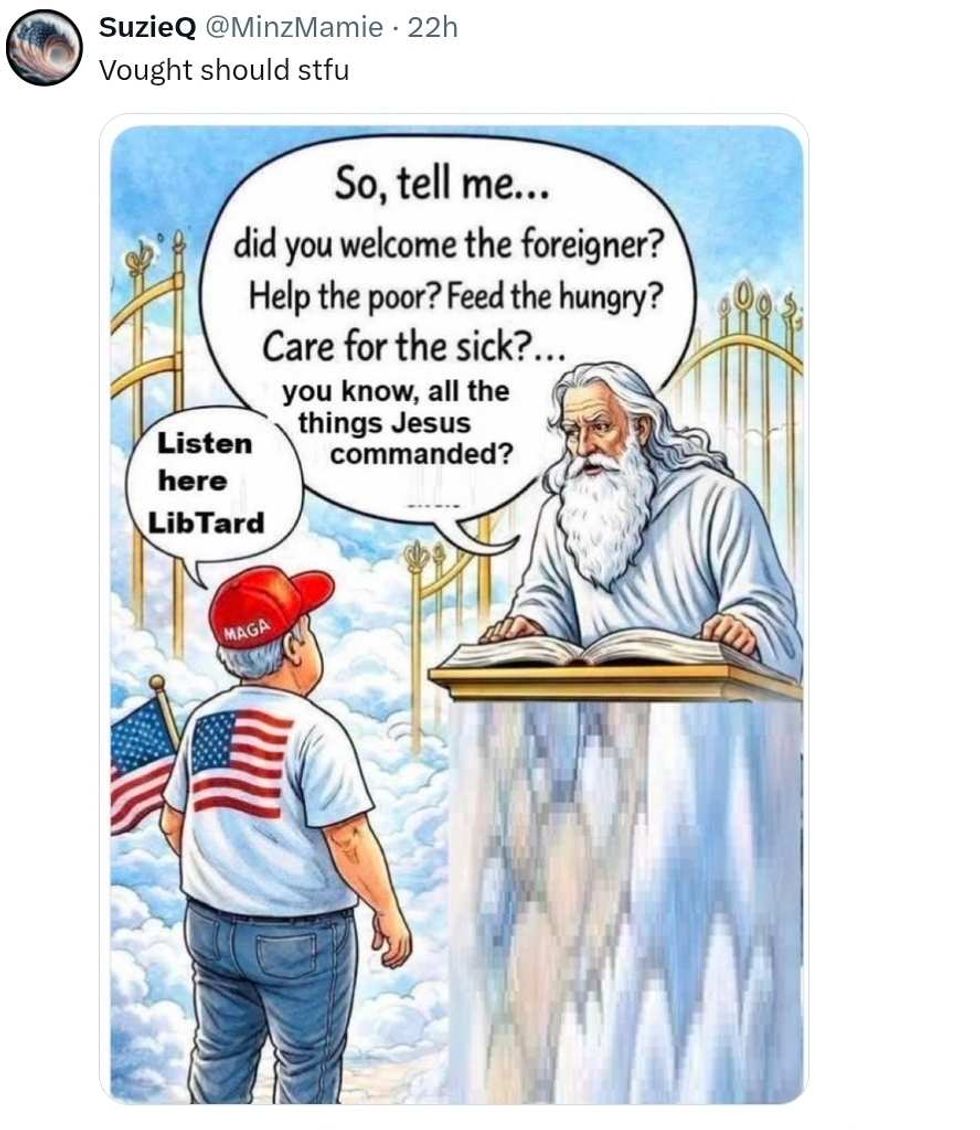 @MinzMamie/X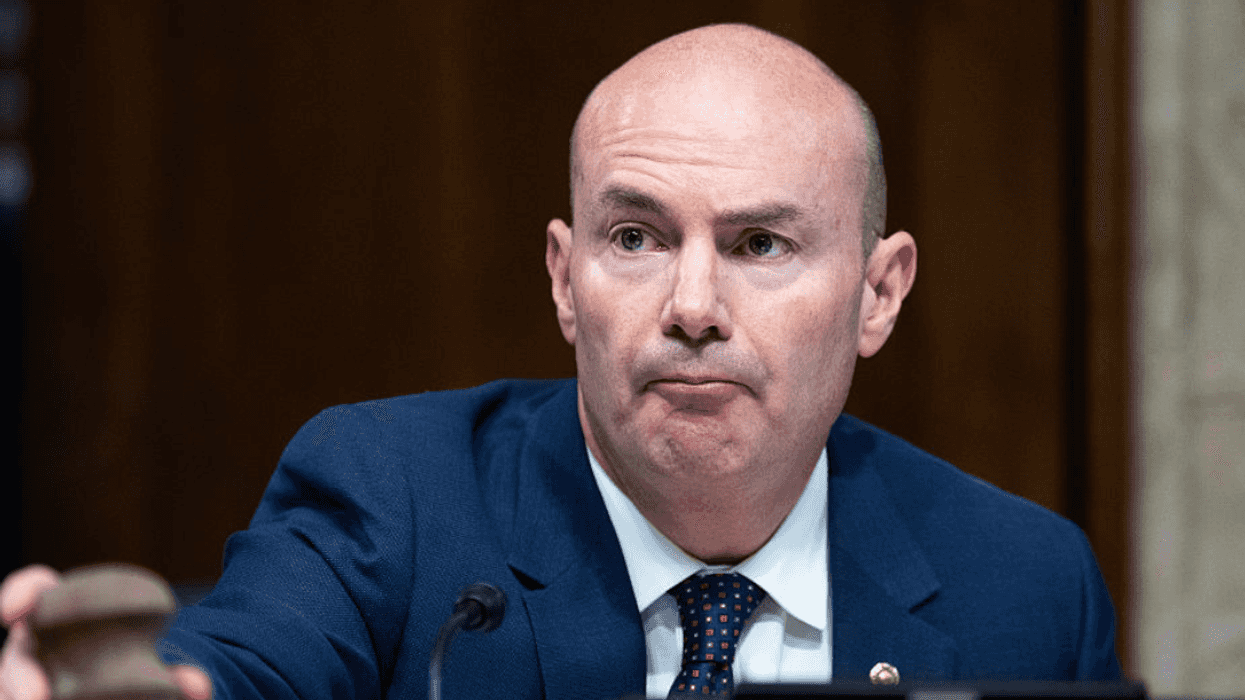
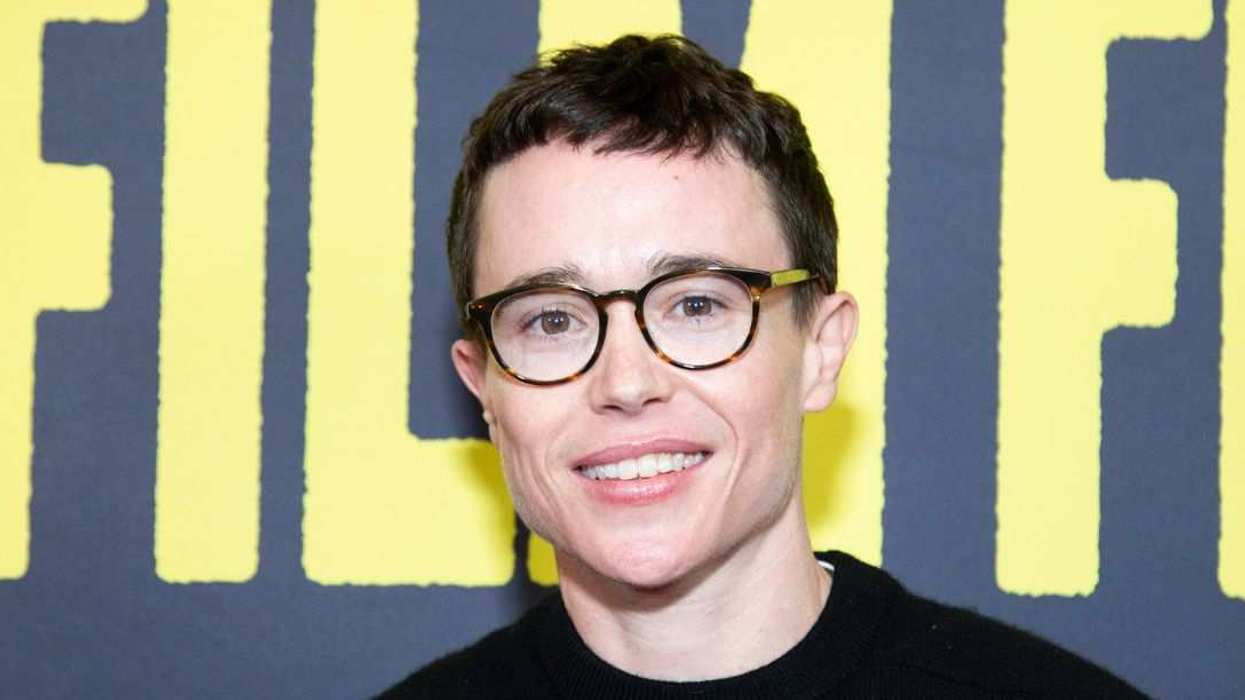
 @ramennoodlie/Instagram
 @savagepatchkid96/Instagram
 @beck_on_deck2/Instagram
 @sureshtrumpet/Instagram
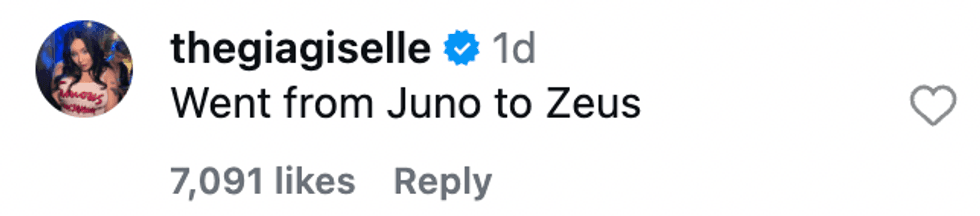 @thegiagiselle/Instagram
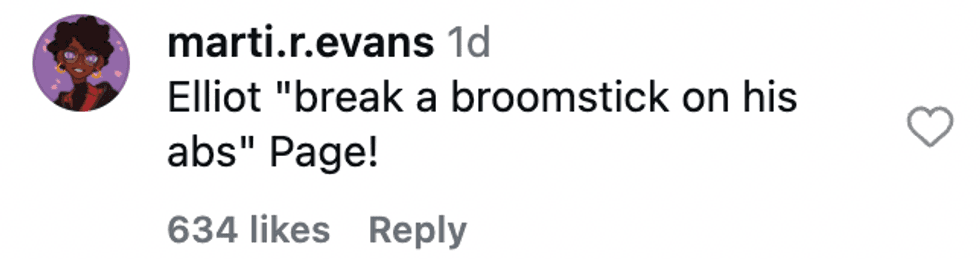 @marti.r.evans/Instagram
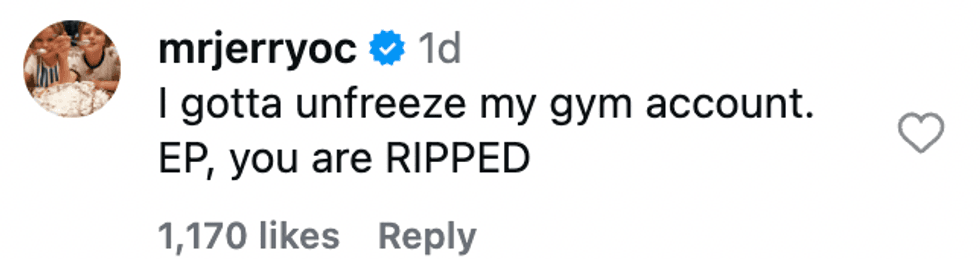 @mrjerryoc/Instagram
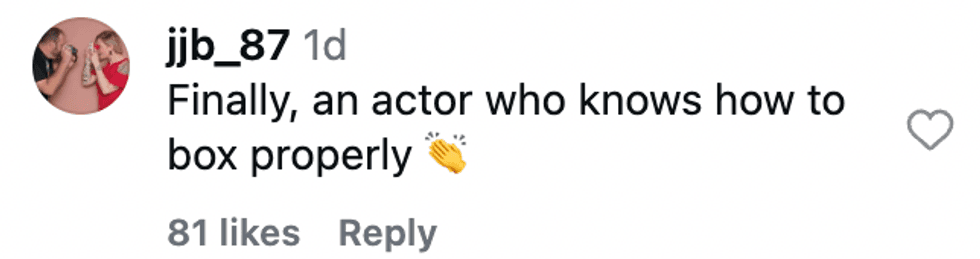 @jjb_87/Instagram
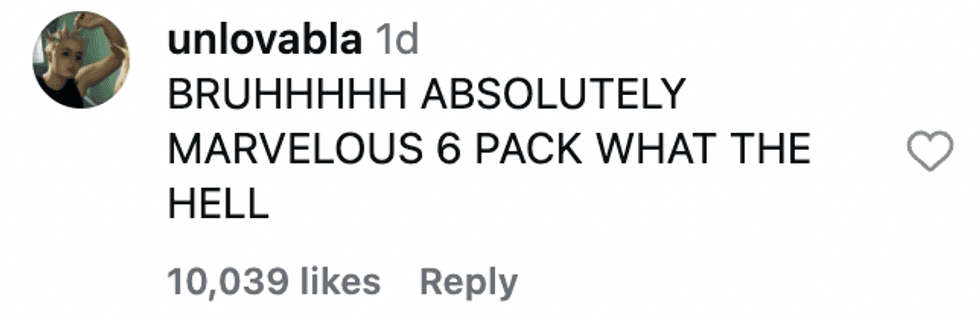 @unlovabla/Instagram
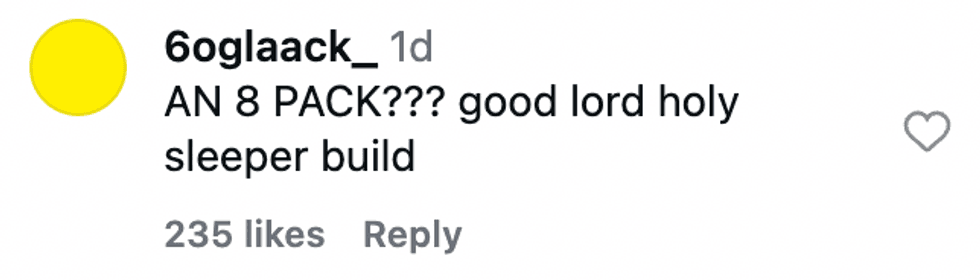 @6oglaack_/Instagram
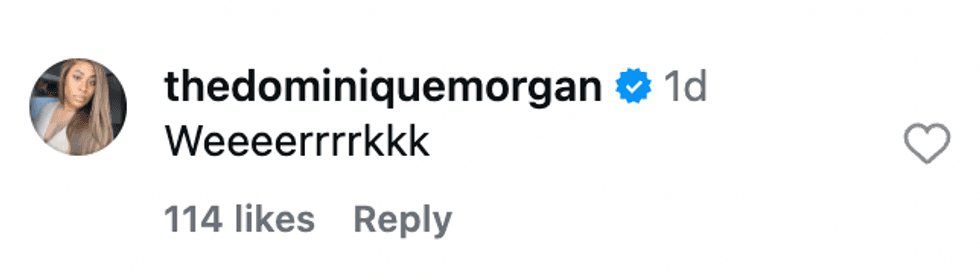 @thedominiquemorgan/Instagram
 @spain2323/Instagram