
A new report by Vanity Fair's Katherine Eban has uncovered the White House's sudden decision to scrap a robust testing plan after officials surmised predominantly Democratic majority states would be hit worse by the virus than any others.
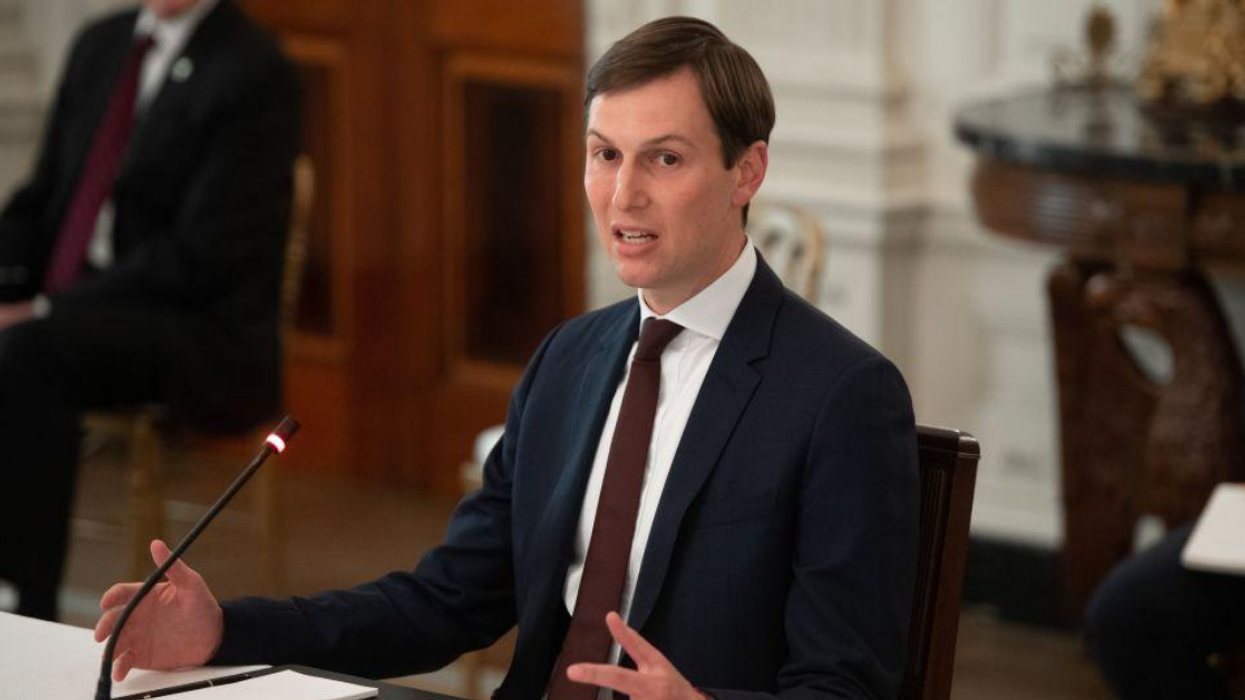
At the heart of the exposé was Jared Kushner, Donald Trump's special advisor and son-in-law. Kushner was tasked with coordinating the federal response to the virus.
As far back as March, according to the report, Kushner assembled and led a group of business associates and public health professionals to design a national testing strategy.
As Eban explained, the detailed plan nationalized the testing effort to maximize efficiency:
"Rather than have states fight each other for scarce diagnostic tests and limited lab capacity, the plan would have set up a system of national oversight and coordination to surge supplies, allocate test kits, lift regulatory and contractual roadblocks, and establish a widespread virus surveillance system by the fall, to help pinpoint subsequent outbreaks."
The thorough scheme even included some preventative efforts using cutting edge technology.
According to the report itself, which Vanity Fair obtained, a "national Sentinel Surveillance System" was set to go.
"[It would use] real-time intelligence capabilities to understand leading indicators where hot spots are arising and where the risks are high vs. where people can get back to work."
The plan was set to be delivered to the President in early April and rolled out shorty after.
And then it was scrapped entirely by Jared Kushner.
According to one participant in the effort, the plan "just went poof into thin air." One expert involved in the system's planning, who remained anonymous, explained the political dynamics behind Kushner's decision to suddenly call it quits.
He said that because blue states were expected to be hit hardest, the national plan was not politically wise.
"The political folks believed that because it was going to be relegated to Democratic states, that they could blame those governors, and that would be an effective political strategy."
So, when it came time for Trump to take the podium in the Rose Garden in early April, the national testing strategy was not announced. Instead, the White House explained that the federal government would take a back seat as each individual state was expected to handle its own outbreak and procurement of needed supplies.
We all know how that plan turned out. The virus raged in New York and continues to spread across all parts of the United States even today, five months later.
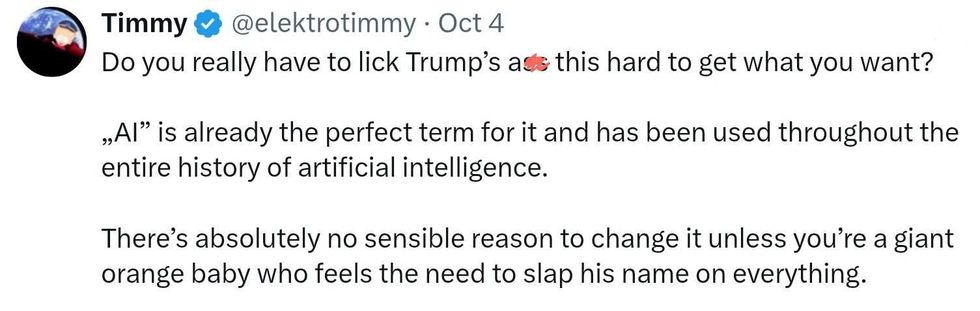
Not surprisingly, the report sparked outrage across Twitter.
The United States currently has 4.7 million confirmed cases and a total of 157,000 deaths due to the pandemic. One can only imagine how different those numbers could be if a nationalized testing plan was put in place.






 @varietymagazine/TikTok
 @varietymagazine/TikTok
 @varietymagazine/TikTok
 @varietymagazine/TikTok
 @varietymagazine/TikTok
 @varietymagazine/TikTok
 @varietymagazine/TikTok
 @varietymagazine/TikTok
 @varietymagazine/TikTok
 @varietymagazine/TikTok
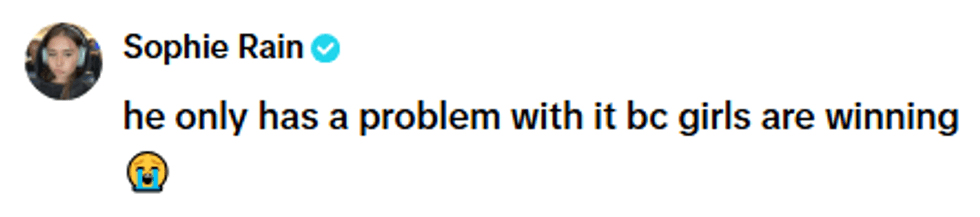 @varietymagazine/TikTok
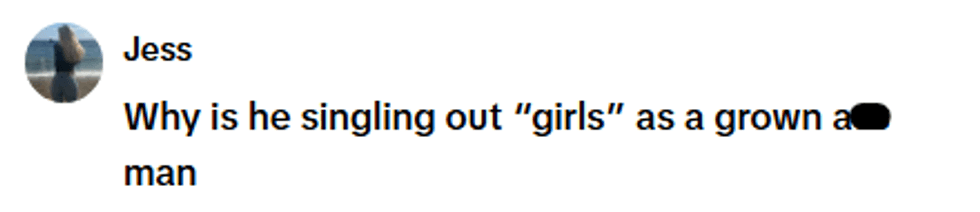 @varietymagazine/TikTok
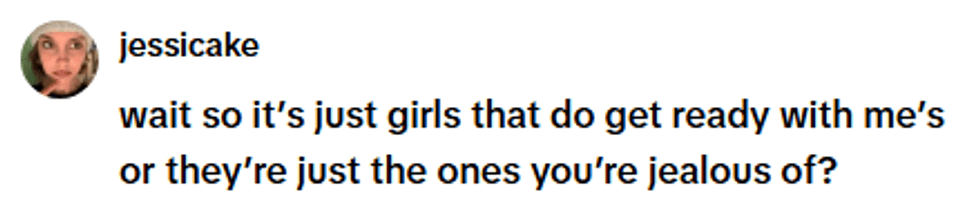 @varietymagazine/TikTok
 @varietymagazine/TikTok
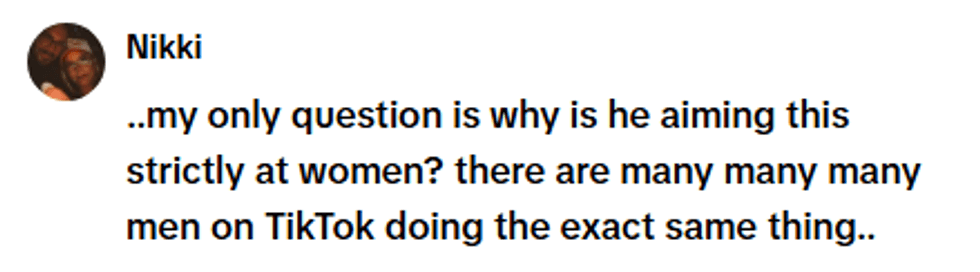 @varietymagazine/TikTok
 @elektrotimmy/X