
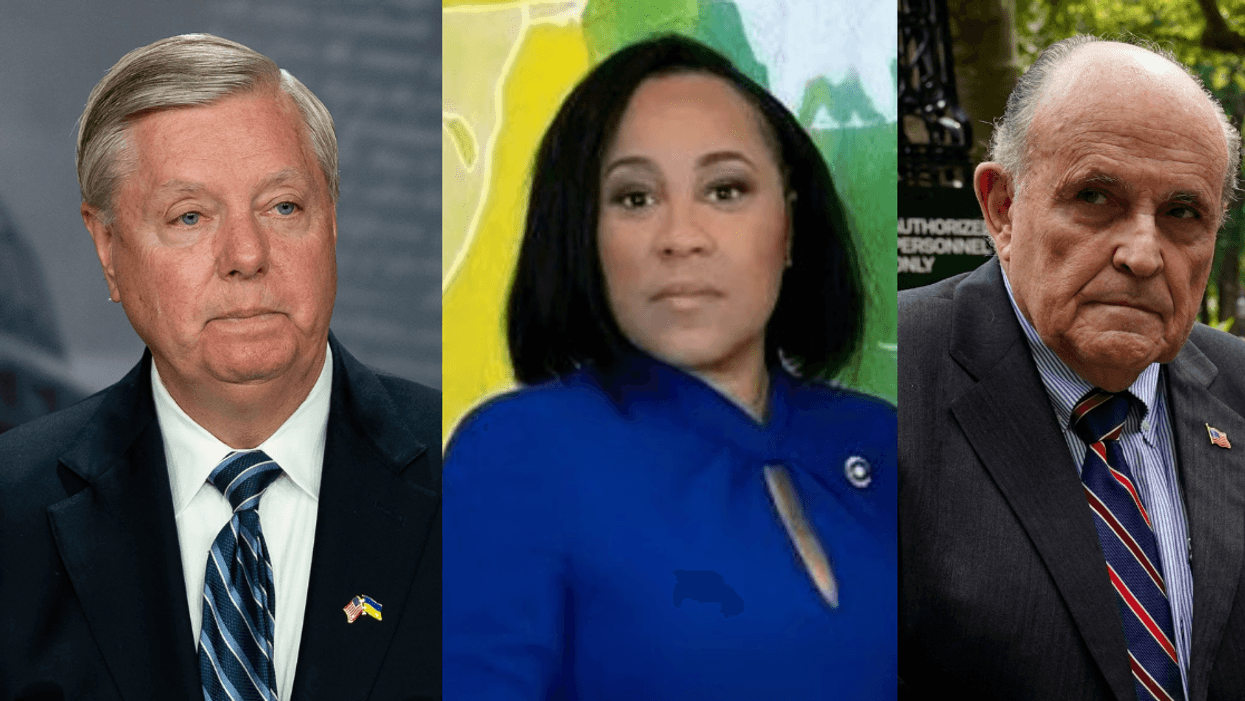

The nation’s attention shifted away from the January 6 Committee last Tuesday as a key set of subpoenas issued from the special investigative grand jury empaneled in Fulton County, Georgia.
District Attorney Fani Willis has been pursuing potential charges against former president Trump and his allies for election interference and fraud during that state’s presidential election in November of 2020.
The grand jury’s issuance of subpoenas to Trump’s legal team has many speculating that criminal charges may follow later this summer.
The grand jury has already heard testimony from Georgia officials about the Trump campaign’s efforts to pressure officials to “find” the 11,780 votes needed for Trump to win the state and their concerted efforts to sow disinformation and false conspiracies about election fraud. Because the grand jury is based in Georgia, no special permission has been needed thus far to subpoena in-state officials, though some state legislators are fighting the subpoenas on grounds of legislative immunity (more on that later).
These out-of-state subpoenas, however, needed a sign-off from a state judge in Georgia as they sought to compel witnesses, most of whom were attorneys working for the Trump campaign. That approval happened on July 5th, and the subpoenas issued immediately after.
The Subpoenaed Witnesses and Possible Defendants
The Atlanta Journal-Constitution created a handy roster of who was subpoenaed to testify, to which I’ve added a few more details. While most of these witnesses and potential defendants are lawyers, some are not, most notably South Carolina Republican Senator Lindsey Graham.
Rudy Giuliani: Trump’s personal attorney who testified before Georgia Senate panel in Dec. 2020. He showed highly edited surveillance video of ballots being tabulated at Atlanta’s State Farm Arena and claimed the tape was a “powerful smoking gun” of election workers pulling out “suitcases” of ballots to count after sending Republican poll watchers home. This was debunked by Georgia state election officials, but that didn’t stop Giuliani from continuing to show the video as “evidence” of fraud.
John Eastman: Attorney and architect of “alternative” elector scheme that would have given Vice President Pence a “basis” on which to declare the election for Trump or send it back to the states. Eastman previously sought to withhold documents from production on privilege grounds but his objections were overruled by a federal judge in California who found that he “likely” committed at least two federal crimes, making his communications about those crimes not privileged.
Cleta Mitchell: Attorney who sat in on Trump’s Jan. 2021 phone call with Georgia Secretary of State Brad Raffensperger. She gave aid to Trump to “back up” his unsupported claims of fraud during the call.
Kenneth Chesebro: Attorney who worked with Georgia GOP to coordinate the “alternative” electors in Dec. 2020. Chesboro provided the Microsoft Word “template” that the fake alternate electors used in several states to proclaim falsely that they were duly elected.
Jenna Ellis: Attorney who joined Giuliani to testify before the Georgia Senate about alleged voter fraud.
Jacki Pick Deason: Attorney and podcast host who also testified before the state Legislature about alleged voter fraud.
Lindsey Graham: U.S. Senator from South Carolina who called Raffensperger and his staff twice about reexamining some of Georgia’s absentee ballots.
The Likely Objections to the Subpoenas
As many have noted already, it is no easy feat to compel attorneys to testify because of the broad protections afforded by the attorney-client privilege. So we should expect all or most of the lawyers to object based on this ground and file motions to quash the subpoenas.
That will get us into interesting legal territory quickly, and at least some of these lawyers had better think carefully before asserting it.
First, the privilege only covered confidential communications between attorneys and their clients, so anything that the lawyers said or communicated in public hearings or to third parties presumptively won’t be covered by the privilege. We should expect that the judge will require production of and permit questioning about any such communications, presentations or statements that were made or sent to third parties, which in this case might comprise the bulk of the evidence.
Second, and importantly, Georgia will likely argue that internal communications about efforts to pressure Georgia election officials or spread false election theories or conspiracies are not covered by the privilege because of the crime-fraud exception, much as the January 6 Committee successfully argued with respect to key Eastman’s documents.
It will be interesting to see if these lawyers force a mini-trial on this question. In Eastman’s case, it resulted in the devastating finding that he likely committed at least federal crimes, a holding that probably underlay another federal judge’s decision to sign off on a warrant to seize his electronic devices.
Claiming attorney-client privilege now could force Giuliani and the other lawyers to show their cards early on their defense against the crime of election interference and election fraud, long before a trial jury is even empaneled.
Nevertheless, if the documents and their testimony are as damaging as authorities suspect, these lawyers may have little choice but to assert the privilege and try to buy more time. It might not buy them much, however; in Eastman’s case, it took just two months of expedited motions to resolve the question, and it wasn’t at all in Eastman’s favor.
Legislative Immunity and the Speech and Debate Clause
Senator Graham sits in a different world than the attorneys who were pressing Trump’s case. Graham is accused of working on behalf of Trump to make phone calls to pressure Raffensperger’s office to reexamine ballots.
He likely has a strong argument that there is nothing wrong with asking an election official to do a thorough job to ensure there was no ballot fraud, so the chance that Lindsey Graham is somehow going to be prosecuted for these calls is rather low.
Moreover, Sen. Graham, who has already said he will not comply with the subpoena, likely will assert that he was carrying out a legislative duty in order to conduct due diligence around whether to object to the electoral count on January 6.
The U.S. Constitution has language in the “Speech and Debate” clause that generally protects members of Congress from having to worry that what they might say in the course of their legislative activities will implicate them in a lawsuit.
It exists as part of our checks and balances among the three branches of government to protect the independence and integrity of the legislative branch and guard against executive or judicial intrusions into legislative matters. It operates to discourage or prevent processes (like subpoenas) that may cause a distraction or disruption to legislative work, in much the same way executive privilege and the policy against indicting a sitting president operates.
I fully expect that Sen. Graham will cite the Speech and Debate clause, just as state legislators in Georgia have challenged their subpoenas on ground of legislative immunity, which is a legal principle that operates similarly to the Speech and Debate protections.
Key to any of these assertions, however, will be a showing that the requested testimony and evidence relates to their legislative functions, and not to non-legislative or non-protected activity. If other evidence turns up linking Graham more closely with a conspiracy to defraud Georgia voters or to pressure election officials illegally, his claims of privilege might not survive.
Even so, the very notion that a grand jury would subpoena a sitting U.S. senator in connection with election fraud in another state is remarkable and noteworthy. It signals that officials should not presume that they are beyond the reach of the grand jury and its investigation.
And that has got to have some other Trump allies, and likely Trump himself, rather worried.
 @MuffinsNsuch/X
 @serena_loscalzo/TikTok
 @serena_loscalzo/TikTok
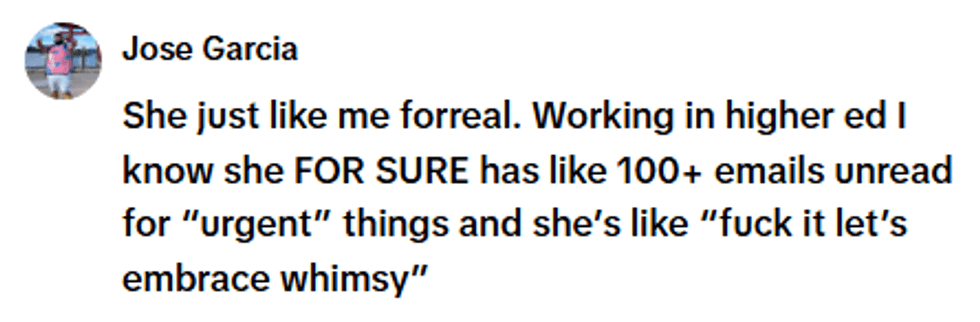 @serena_loscalzo/TikTok
 @serena_loscalzo/TikTok
 @serena_loscalzo/TikTok
 @serena_loscalzo/TikTok
 @serena_loscalzo/TikTok
 @serena_loscalzo/TikTok
 @serena_loscalzo/TikTok
 @serena_loscalzo/TikTok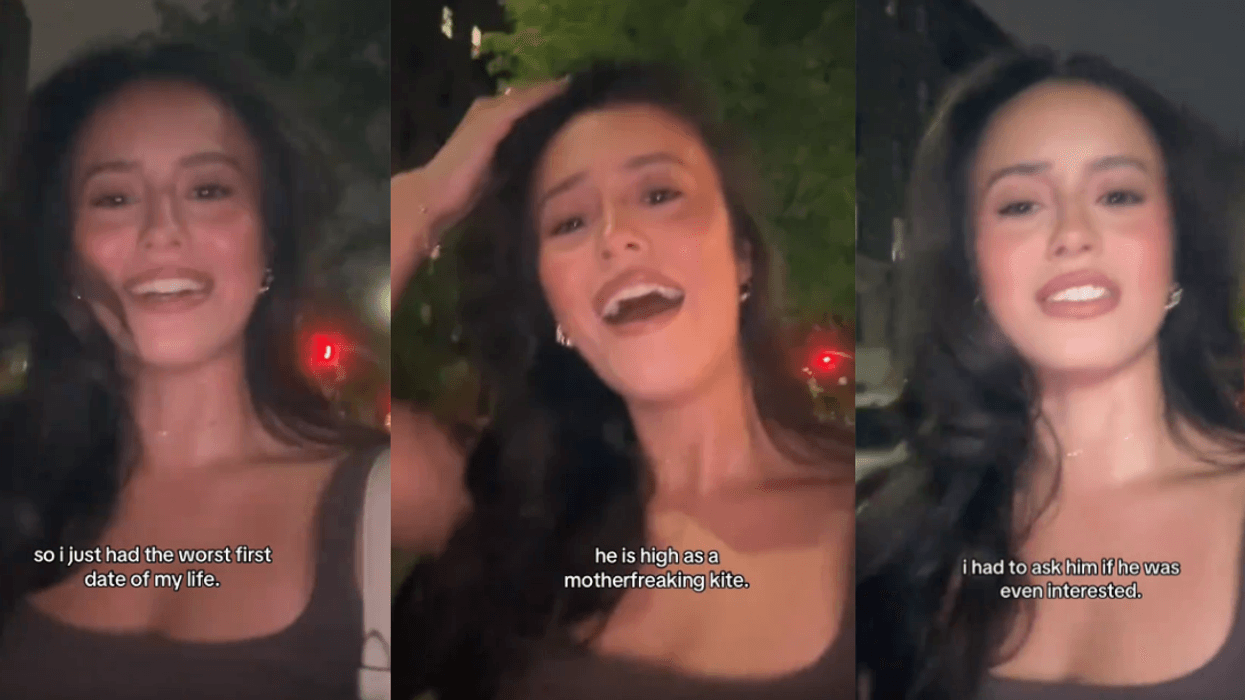
 @itsvictoriavega/TikTok
 @itsvictoriavega/TikTok
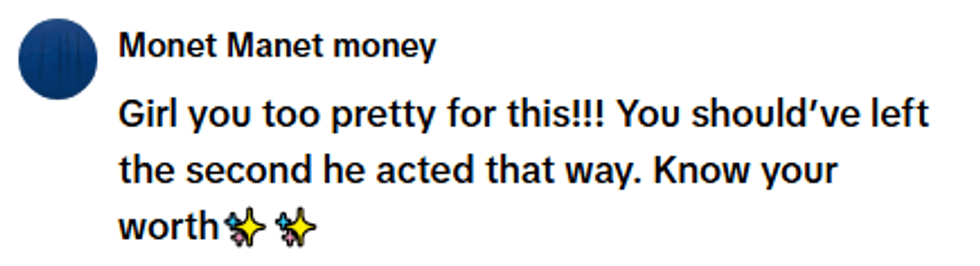 @itsvictoriavega/TikTok
 @itsvictoriavega/TikTok
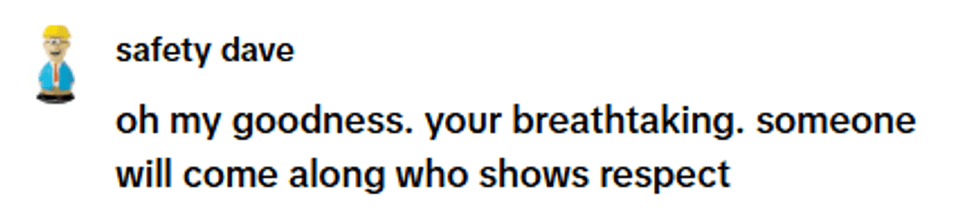 @itsvictoriavega/TikTok
 @itsvictoriavega/TikTok
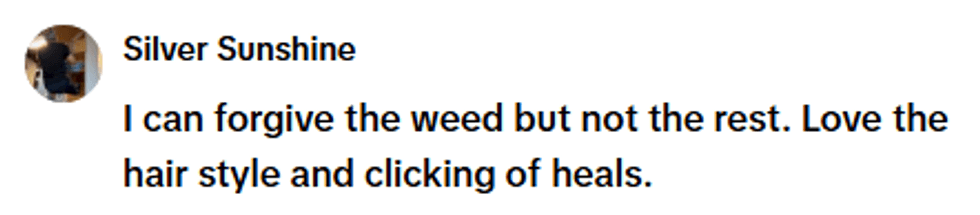 @itsvictoriavega/TikTok
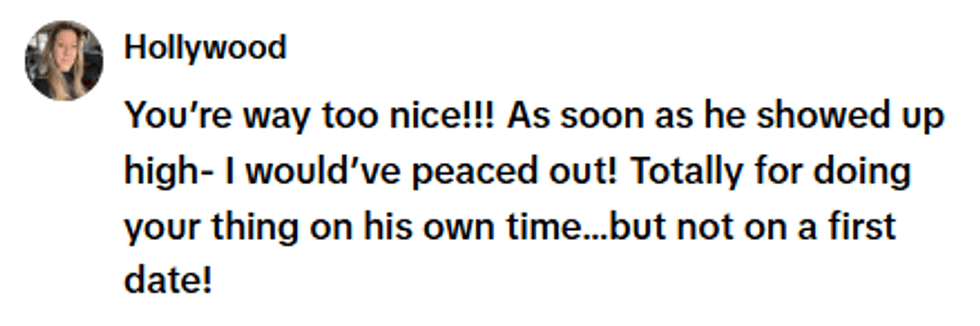 @itsvictoriavega/TikTok
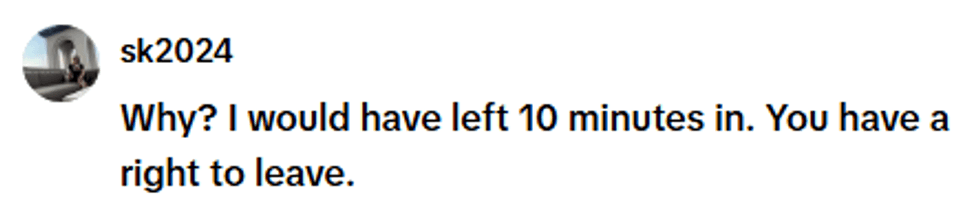 @itsvictoriavega/TikTok
 @itsvictoriavega/TikTok
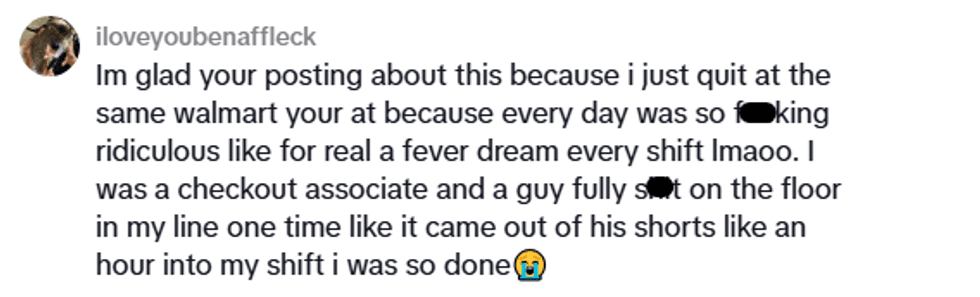 @lolxdlolxdlolxd23455/TikTok
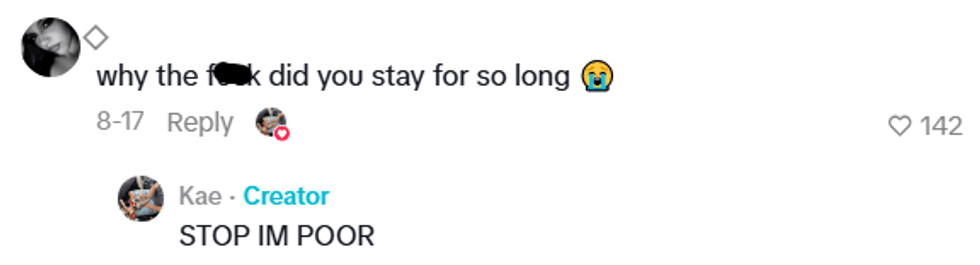 @lolxdlolxdlolxd23455/TikTok
 @lolxdlolxdlolxd23455/TikTok
 @lolxdlolxdlolxd23455/TikTok
 @lolxdlolxdlolxd23455/TikTok
 @lolxdlolxdlolxd23455/TikTok
 @lolxdlolxdlolxd23455/TikTok
 @lolxdlolxdlolxd23455/TikTok
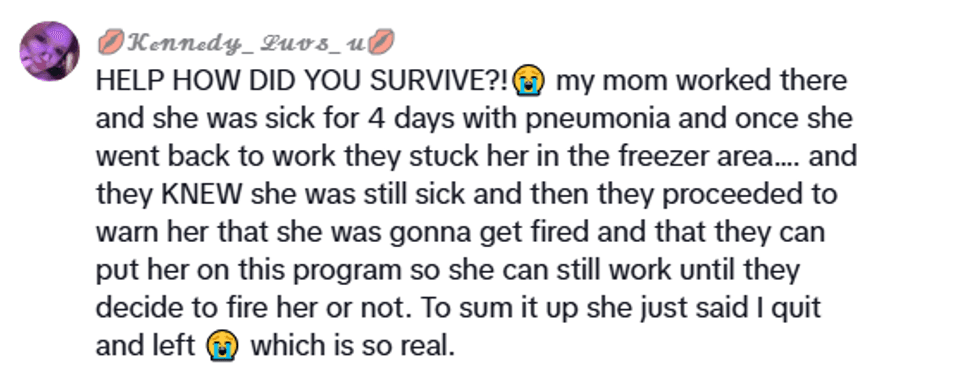 @lolxdlolxdlolxd23455/TikTok
 @lolxdlolxdlolxd23455/TikTok
Larry David's New Satirical Essay Mocking Democratic Socialists Isn't Sitting Well With People