
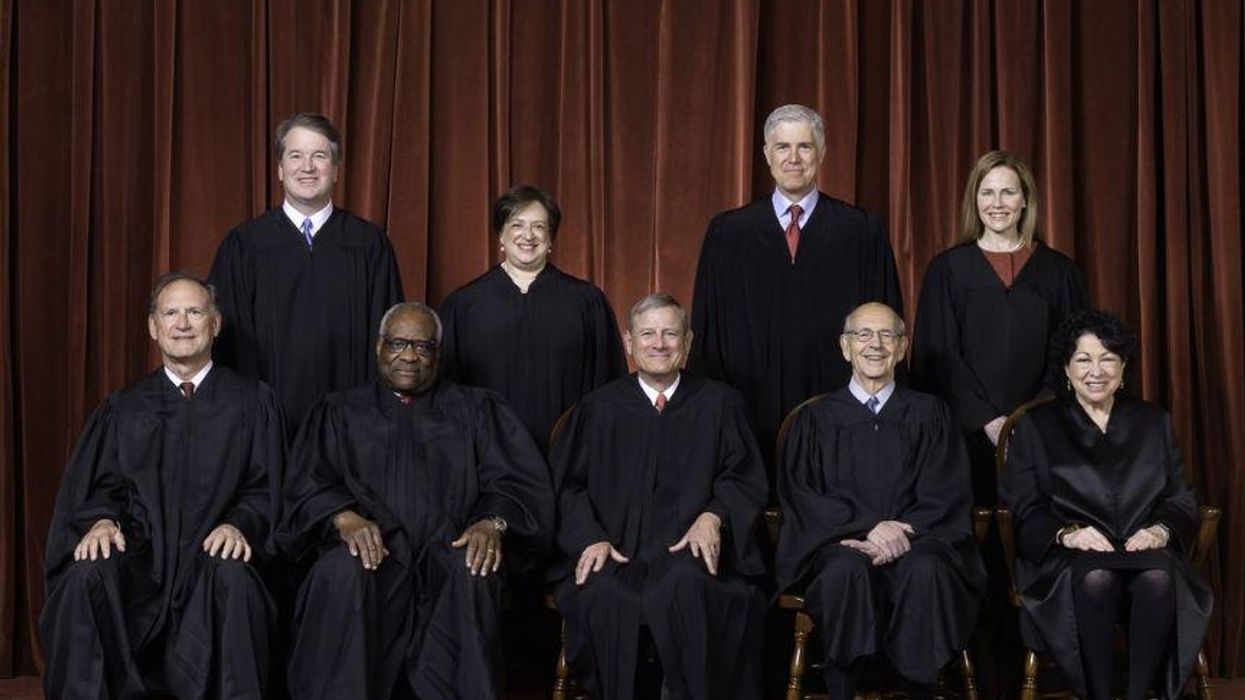

With its midnight "shadow docket" opinion allowing the nation's most restrictive—and facially unconstitutional—abortion law to go into effect, the Supreme Court has invited copycat legislation in other GOP-controlled states that will gut the right to choose for millions of women. "We've been hearing from other states that are interested in emulating this victory," said John Seago, legislative director for Texas Right to Life. "This is a really promising development for the pro-life movement."
The danger to civil liberties goes far beyond reproductive rights. The Court's bare-bones ruling keeping the Texas law on the books gives a nod and wink to all manner of state-level legislative chicanery over other rights, too. Here's why: The 5-4 majority observed that the federal courts "enjoy the power to enjoin individuals tasked with enforcing laws, not the laws themselves." Read at face value, this is nothing short of an entreaty to radical lawmakers to reshape legislation over other social issues. At least on paper, Texas gave no power to the state under S.B. 8 but rather only to civil litigants to "enforce" an otherwise unconstitutional law. By this trick the Court was able to wash its hand of any intervention—and that is a full-blown disaster.
Chief Justice Roberts took this on in his dissent, noting that Texas had "delegated enforcement" of the abortion ban "to the populace at large." He observed, "The desired consequence appears to be to insulate the State from responsibility for implementing and enforcing the regulatory regime."
Justice Breyer in his separate dissent was more direct in his critique, writing:
a 'State cannot delegate . . . a veto power [over the right to obtain an abortion] which the state itself is absolutely and totally prohibited from exercising during the first trimester of pregnancy.' Planned Parenthood of Central Mo. v. Danforth, 428 U. S. 52, 69 (1976)….[S]ince the State cannot regulate or proscribe abortion during the first stage…the State cannot delegate authority to any particular person…to prevent abortion during that same period."
Justice Sotomayor was even more scathing, observing correctly, "It cannot be the case that a State can evade federal judicial scrutiny by outsourcing the enforcement of unconstitutional laws to its citizenry." In her view, the Supreme Court's punt on S.B. 8 "has rewarded the State's effort to delay federal review of a plainly unconstitutional statute, enacted in disregard of the Court's precedents, through procedural entanglements of the State's own creation."
Justice Sotomayor is correct. Under the majority's logic, any state could now pass a blatantly unconstitutional law then avoid federal judicial review simply by allowing vigilantes rather than state prosecutors to "enforce" it—just as Texas has done by offering a minimum $10,000 bounty to any person who successfully reports others performing or assisting with abortions more than six weeks into a pregnancy. That law is facially unconstitutional under Roe and Casey—but somehow Texas citizens can still sue and bankrupt other parties under it, meaning it has dangerously effective teeth.
It's not hard to spot the demons that will escape now from this judicial Pandora's Box. Imagine if Texas reinstituted its prior law banning private, consensual homosexual relations—a statute that was struck down almost twenty years ago in Lawrence v. Texas. It could then offer cash bounties to anyone who successfully reported on the law's violation, leading to a surveillance state over gay people's lives enforced by the most radical elements of society. Under the Supreme Court's reasoning, the federal courts would have no power to stop this.
As a further example, imagine if Georgia imposed an illegal one-year residency requirement on new voters in order to blunt gains among minorities who recently moved to urban areas like Atlanta from out of state. This would be unconstitutional for a state prosecutor to enforce. But if Georgia cleverly left it to citizens to report voter violations and sue in civil court for cash bounties, under the Supreme Court's reasoning this law also could not be enjoined by federal courts because there are technically no "state actors" involved.
Texas's S.B. 8 is going to come up for full review by the Court at some point, and the larger question of whether a state can indeed immunize itself from judicial review by permitting vigilante mob rule must be addressed. Rather ominously, it currently appears that at least five members of the Court are willing to permit such laws to move forward, thereby inviting states to craft laws specifically designed to evade federal court oversight. The effect would be devastating, as we are now witnessing in Texas with the shut down of abortion services statewide out of fear of crushing litigation.
How soon before we see other long-cherished rights fall prey to similar tactics? Far-right groups are likely already salivating over the many opportunities this presents.



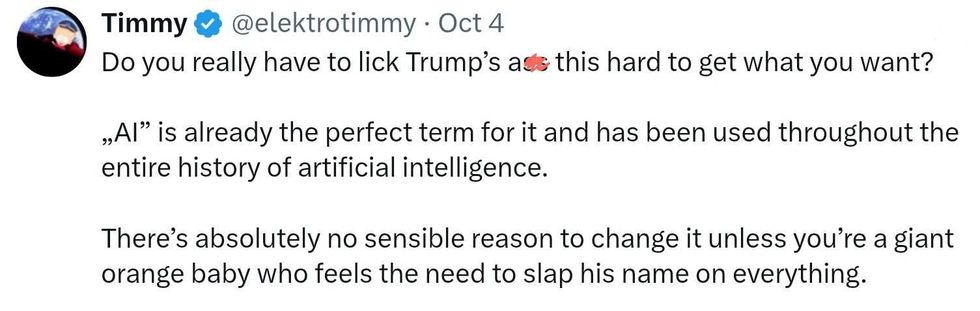 @elektrotimmy/X




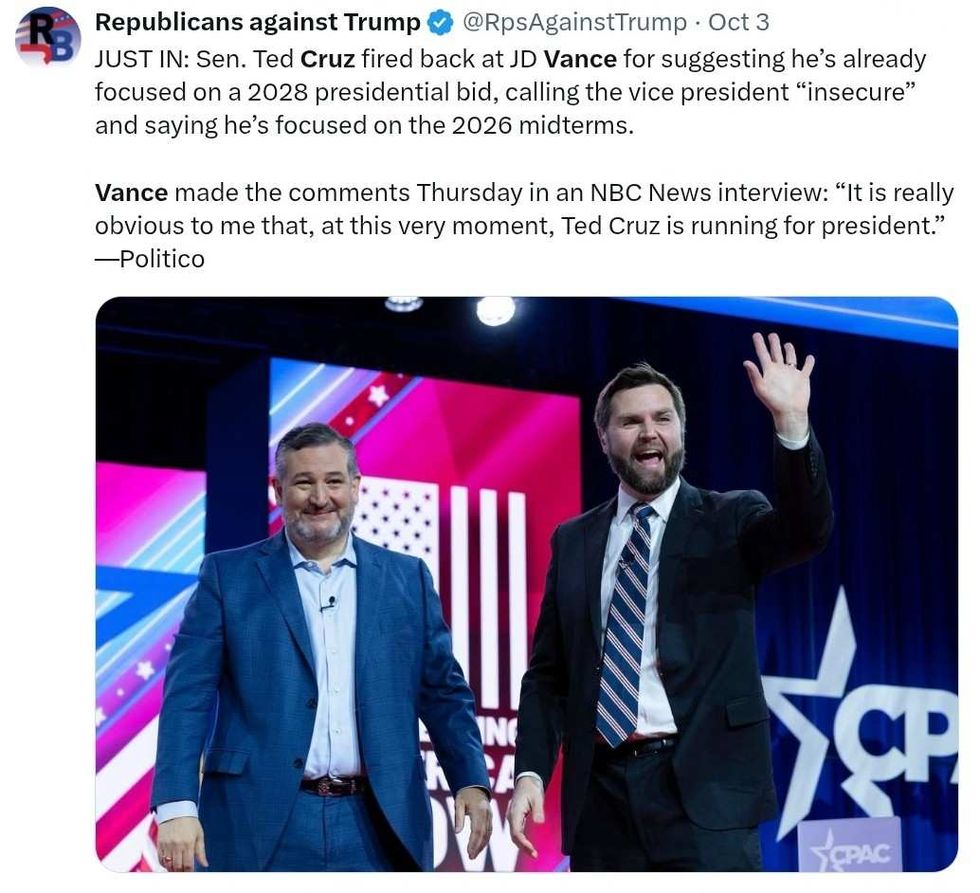 @RpsAgainstTrump/X
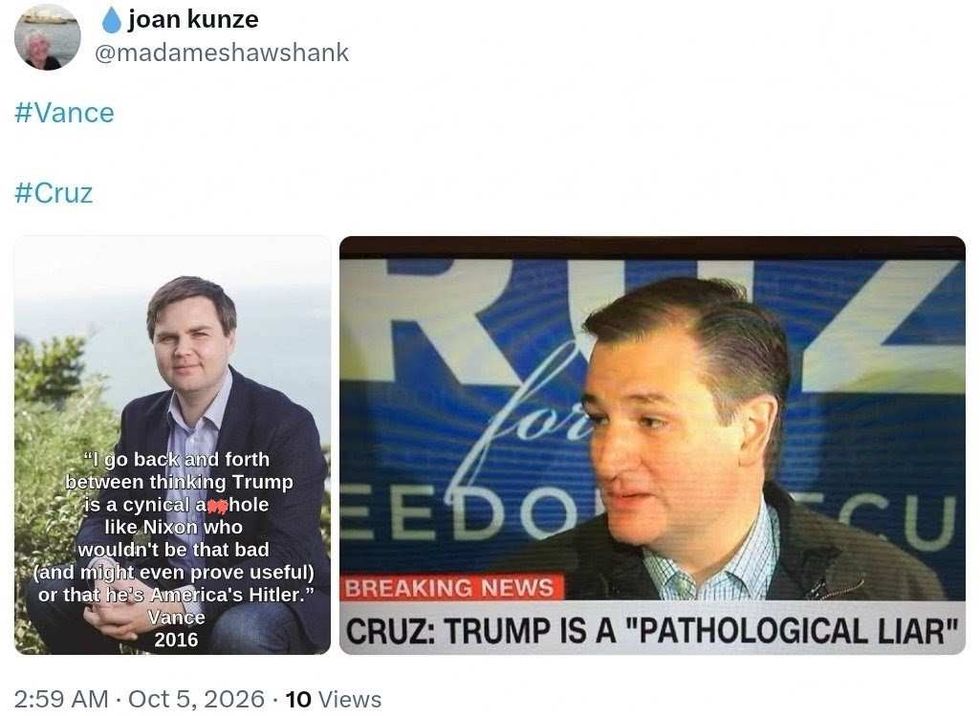 @madameshawshank/X